Advertisement
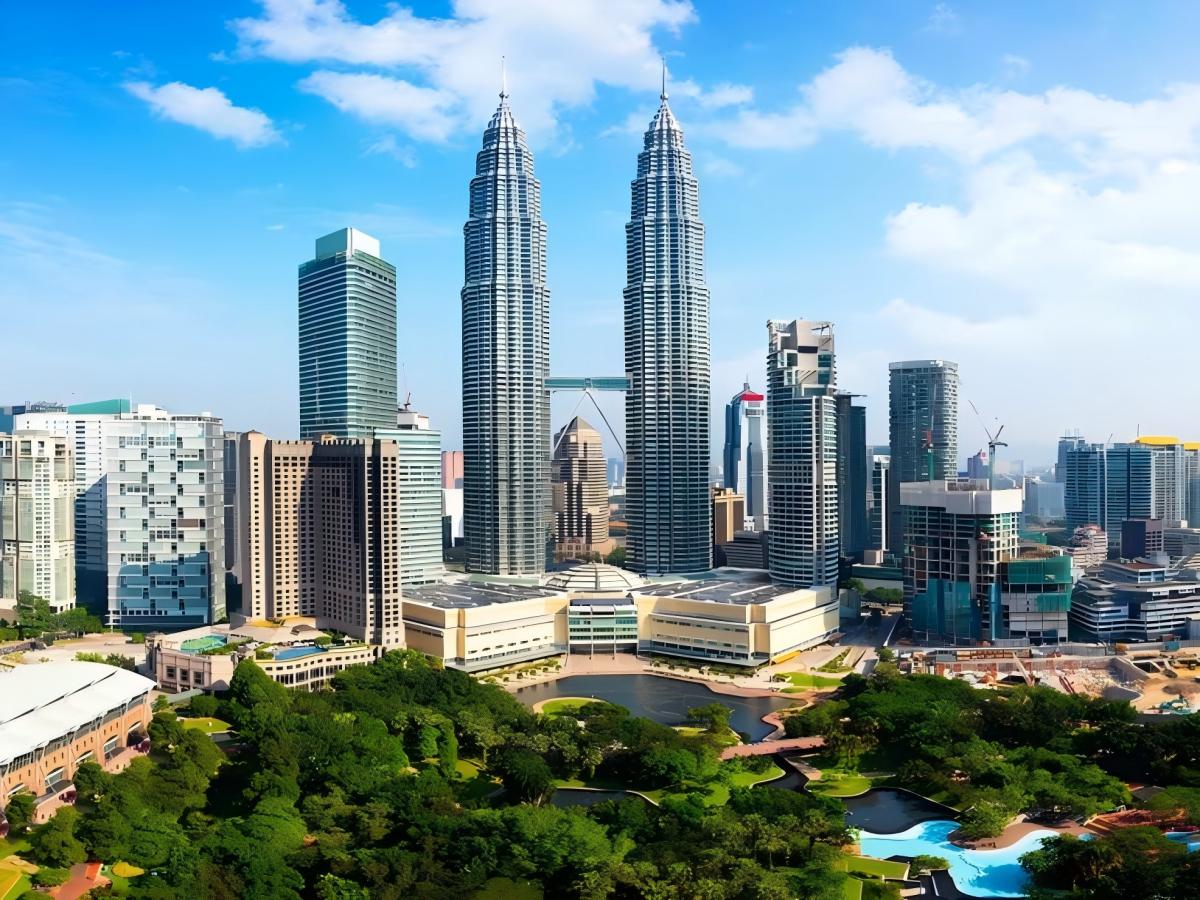
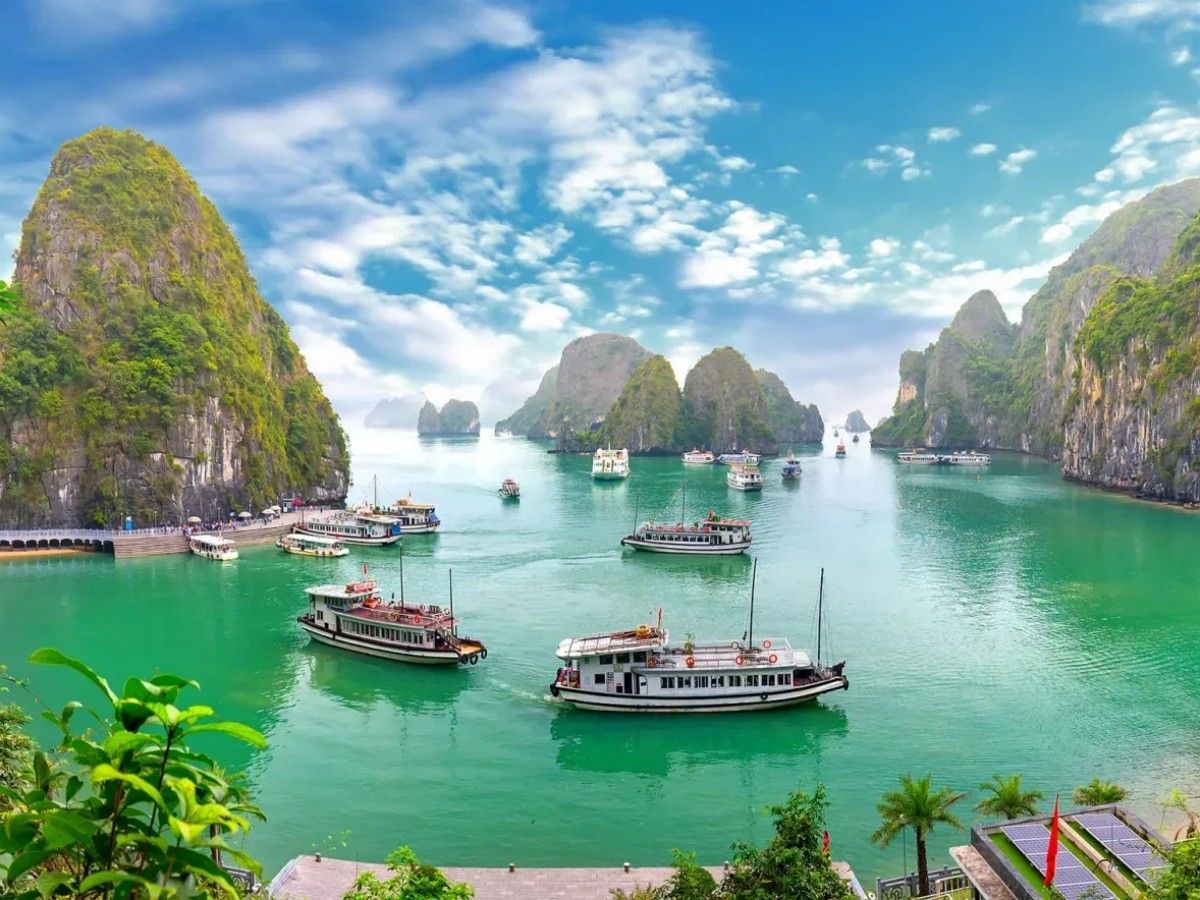
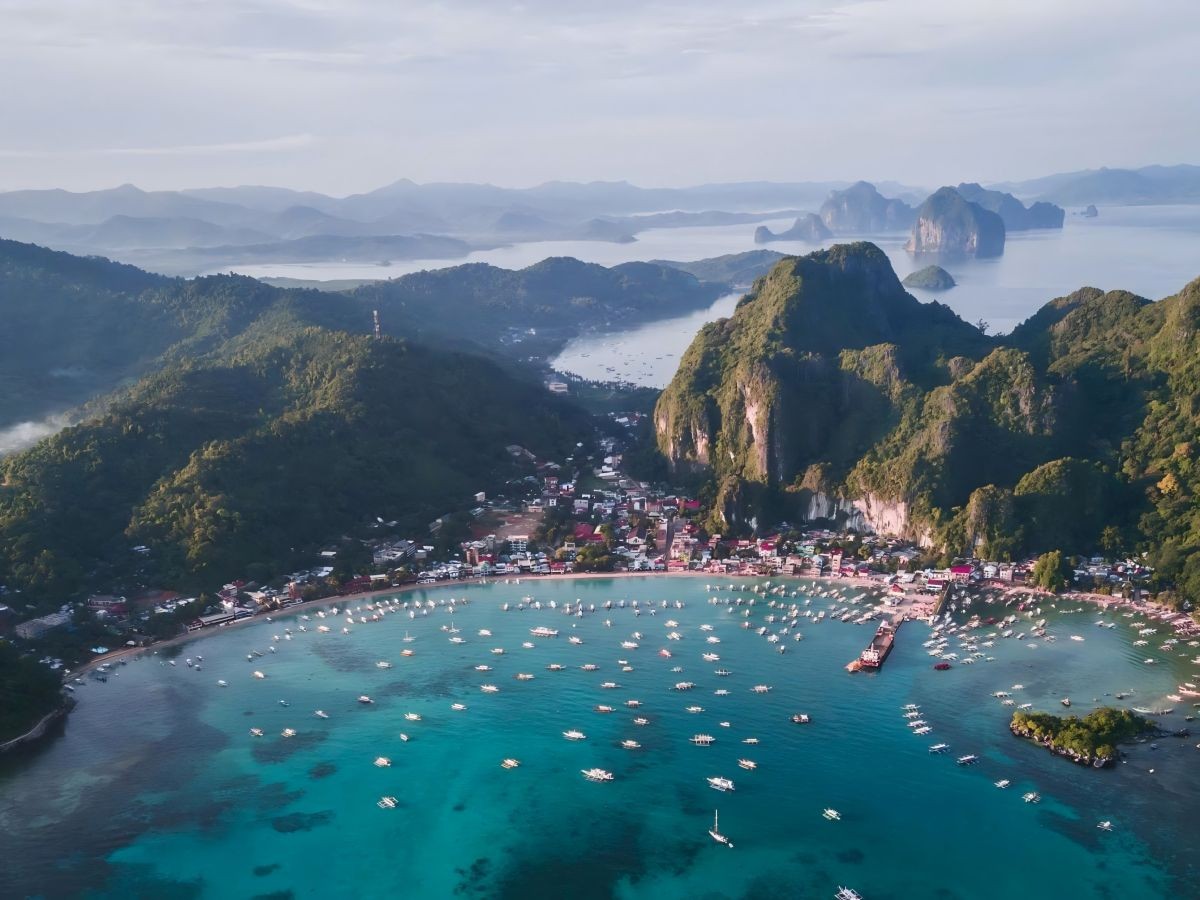
Asia is the world's largest and most populous continent, home to a diverse range of cultures, languages, and religions. It includes countries such as China, India, and Japan, and features landscapes from the Himalayan mountains to tropical rainforests. Asia is known for its rich history, technological advancements, and culinary delicacies, making it a fascinating region of the world.
Advertisement
The Middle East, situated at the crossroads of Asia, Africa, and Europe, surrounded by five seas, and controlling a vital global energy route, holds a crucial strategic position. Predominantly characterized by a tropical desert climate, it is arid and receives little rainfall. It is the birthplace of Judaism, Christianity, and Islam, boasting a rich cultural heritage. The region is rich in oil and natural gas, exhibits significant economic disparities, and is characterized by ethnic and religious diversity. Its complex history and geopolitical factors have long drawn international attention.
Advertisement
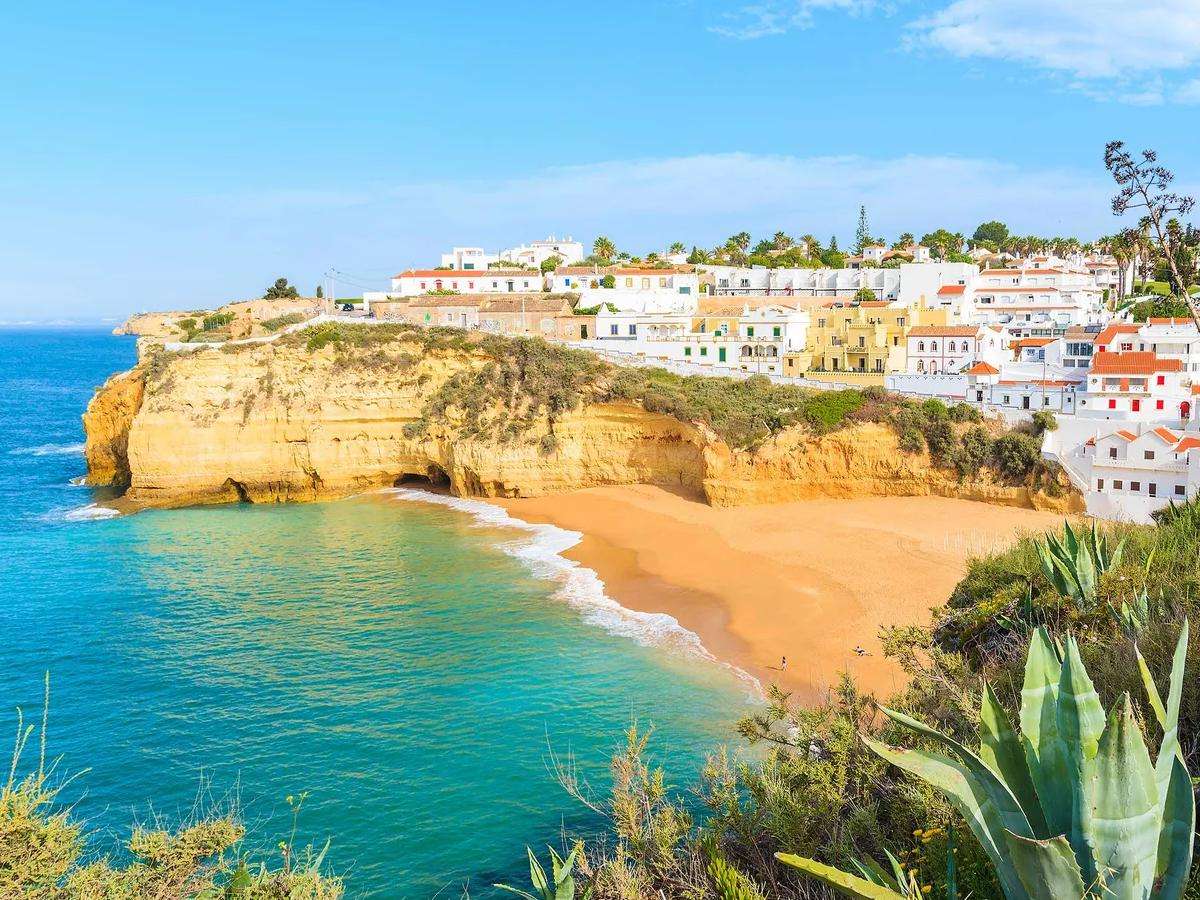
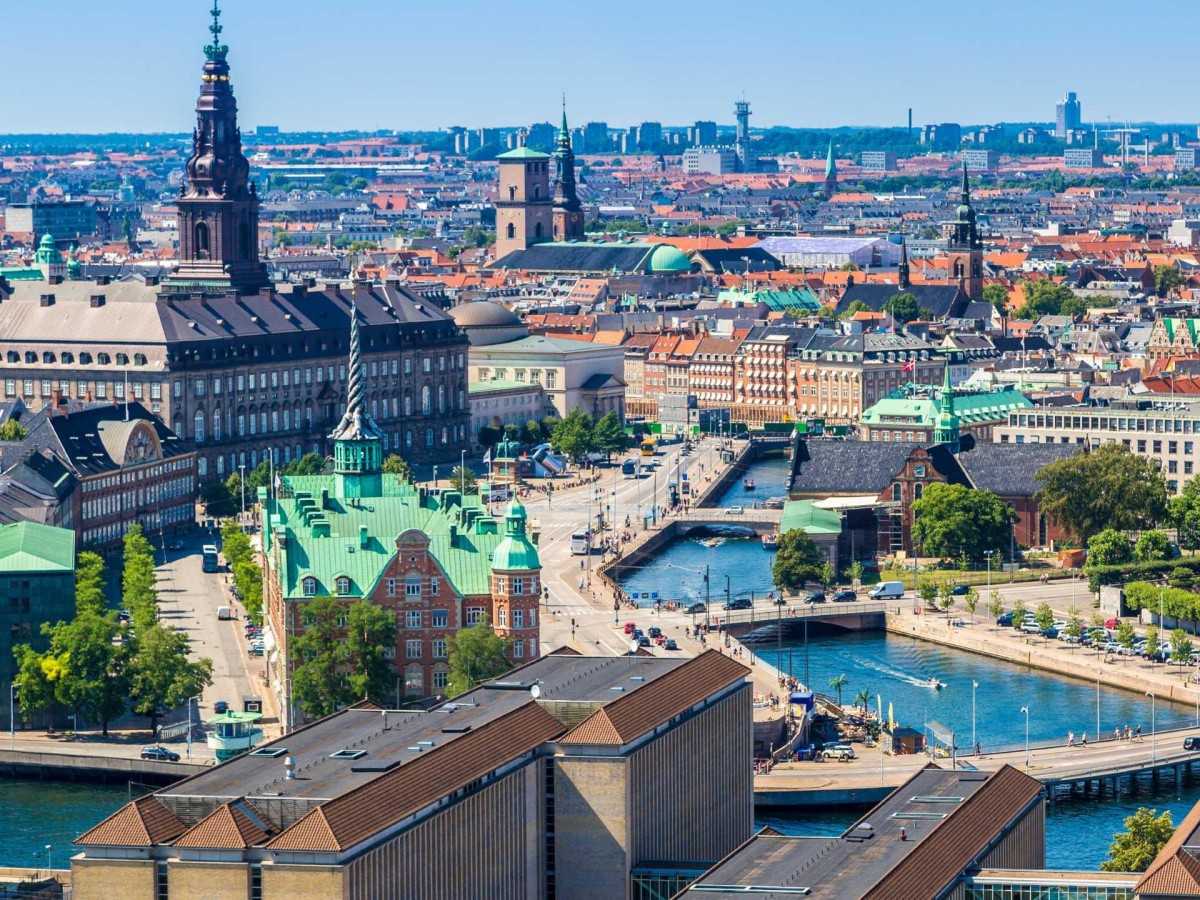
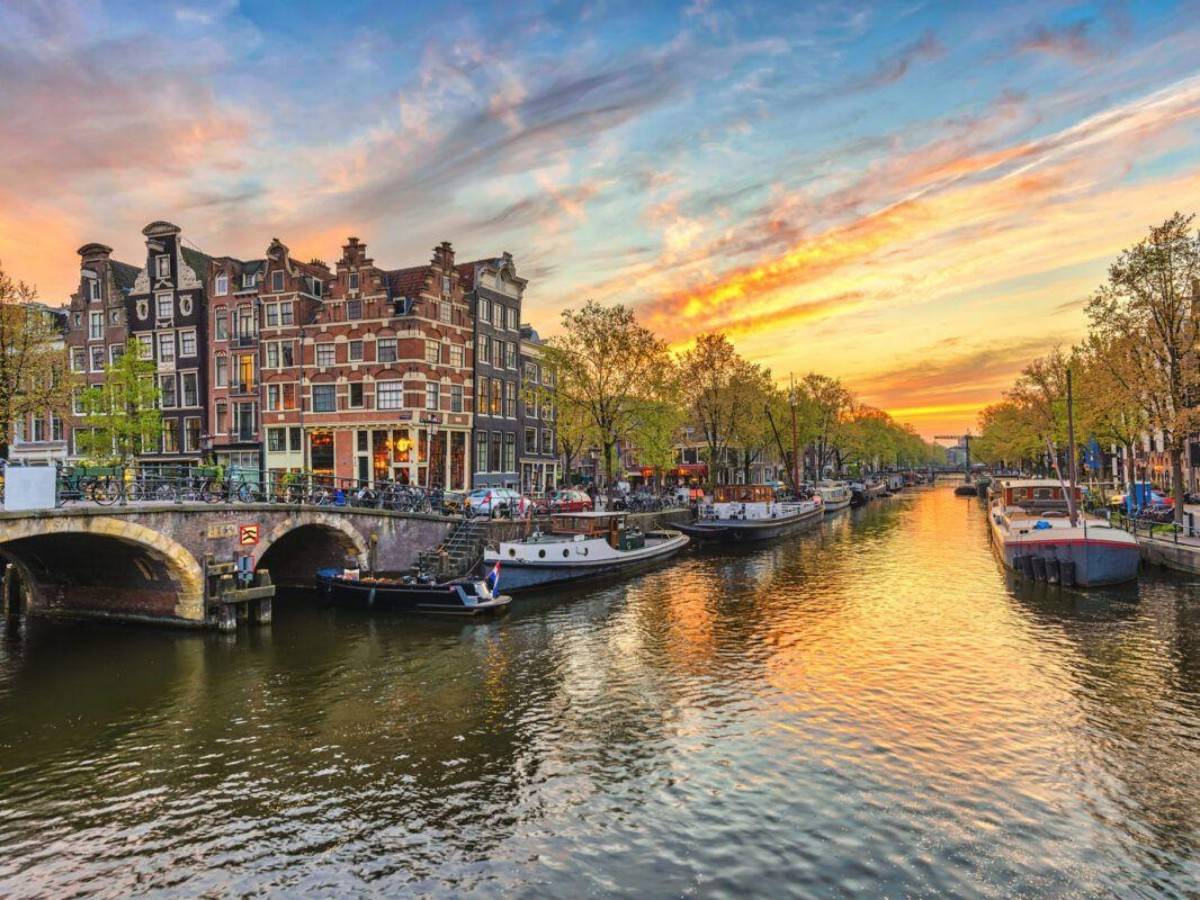
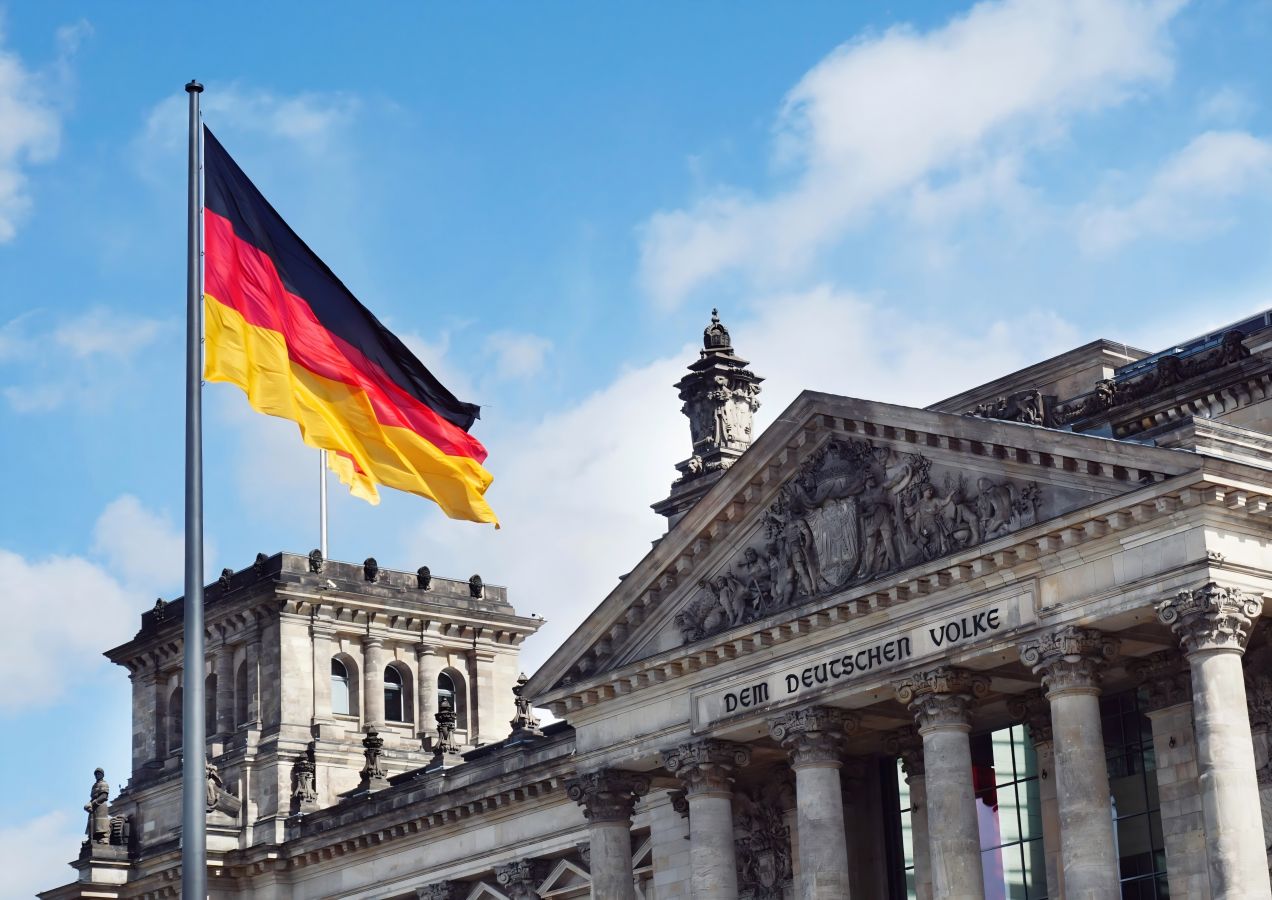
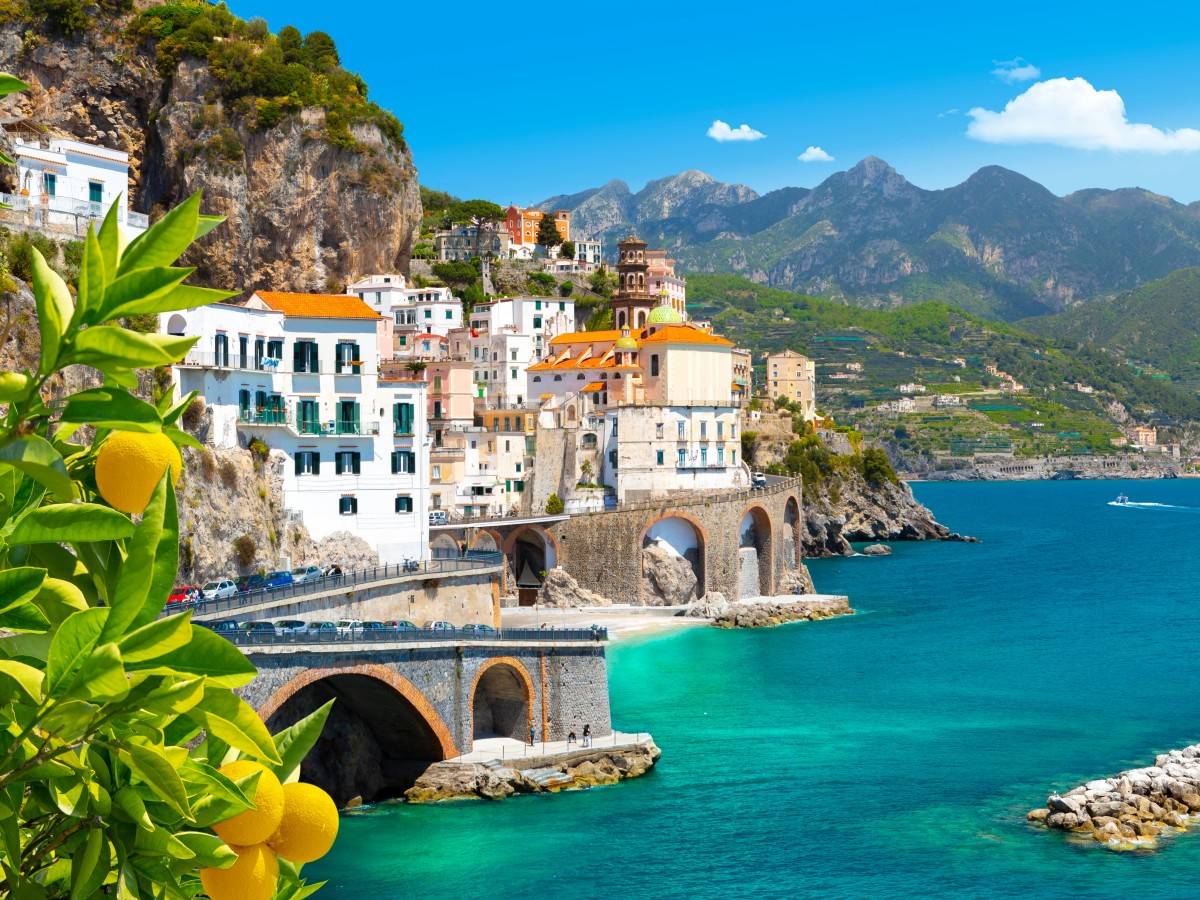
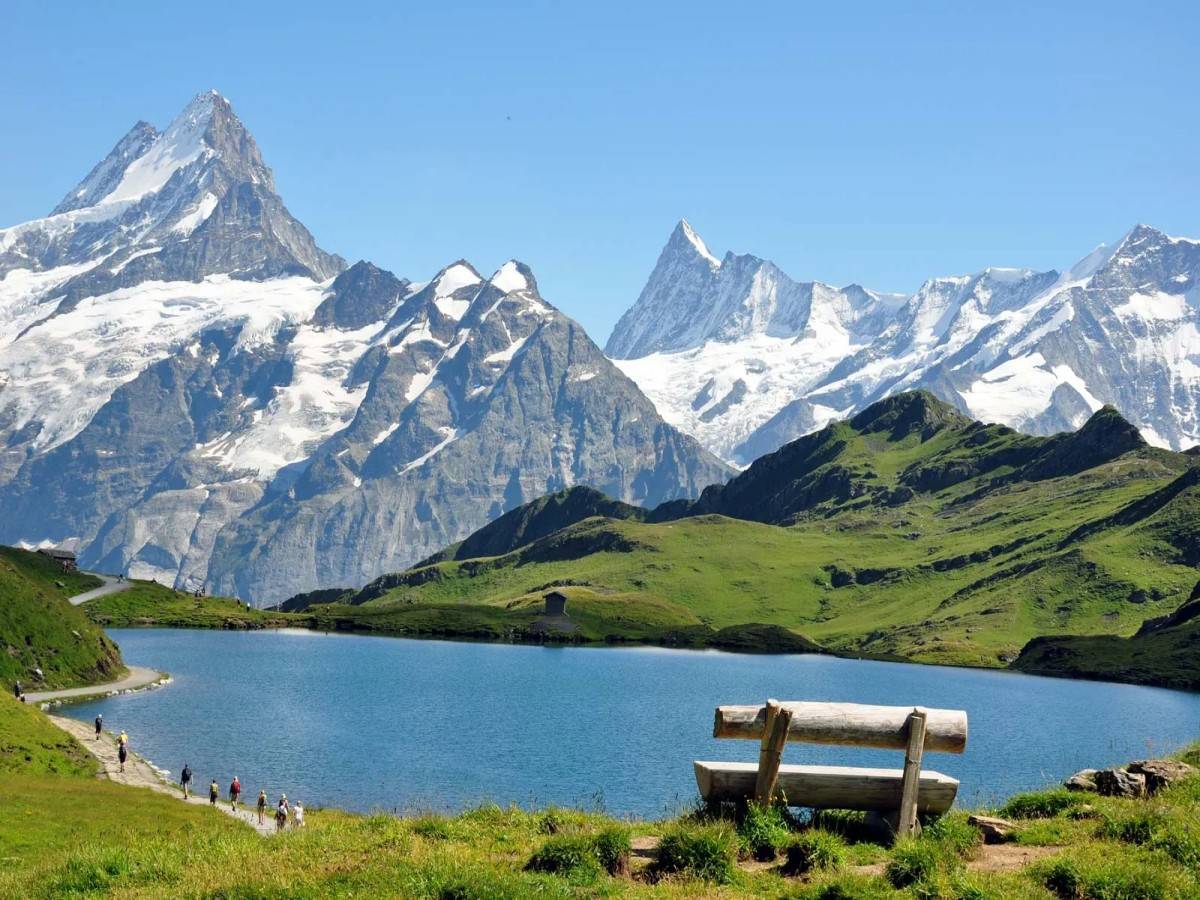
Europe, also known as Europa, is located in the northwest of the Eastern Hemisphere, bordering the Arctic Ocean to the north and the Atlantic Ocean to the west. It is the birthplace of Western civilization and has ancient Greek and Roman culture. It has many historic cities, such as Paris and Rome. It has beautiful natural scenery, and the Alps and Norwegian fjords are well-known. It is a continent that combines history and natural charm.
Advertisement
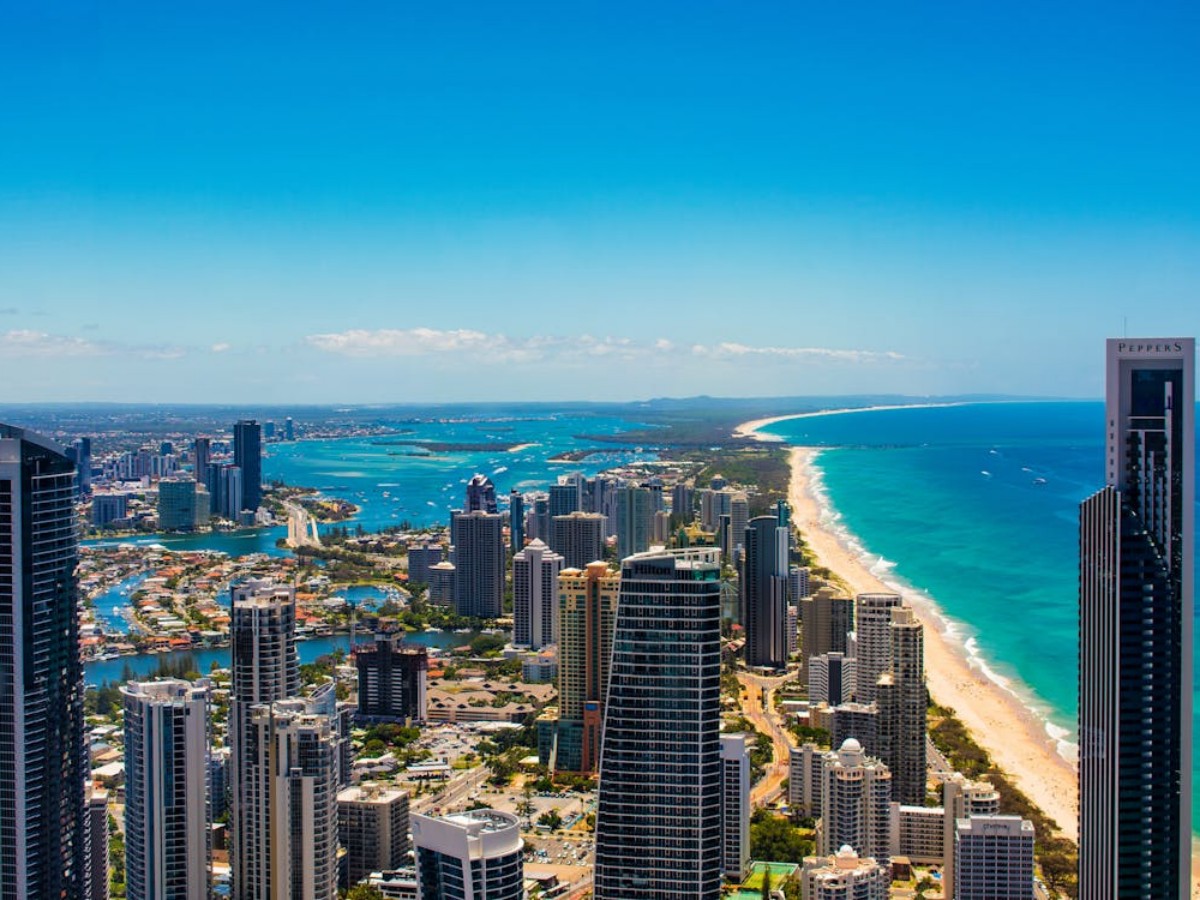
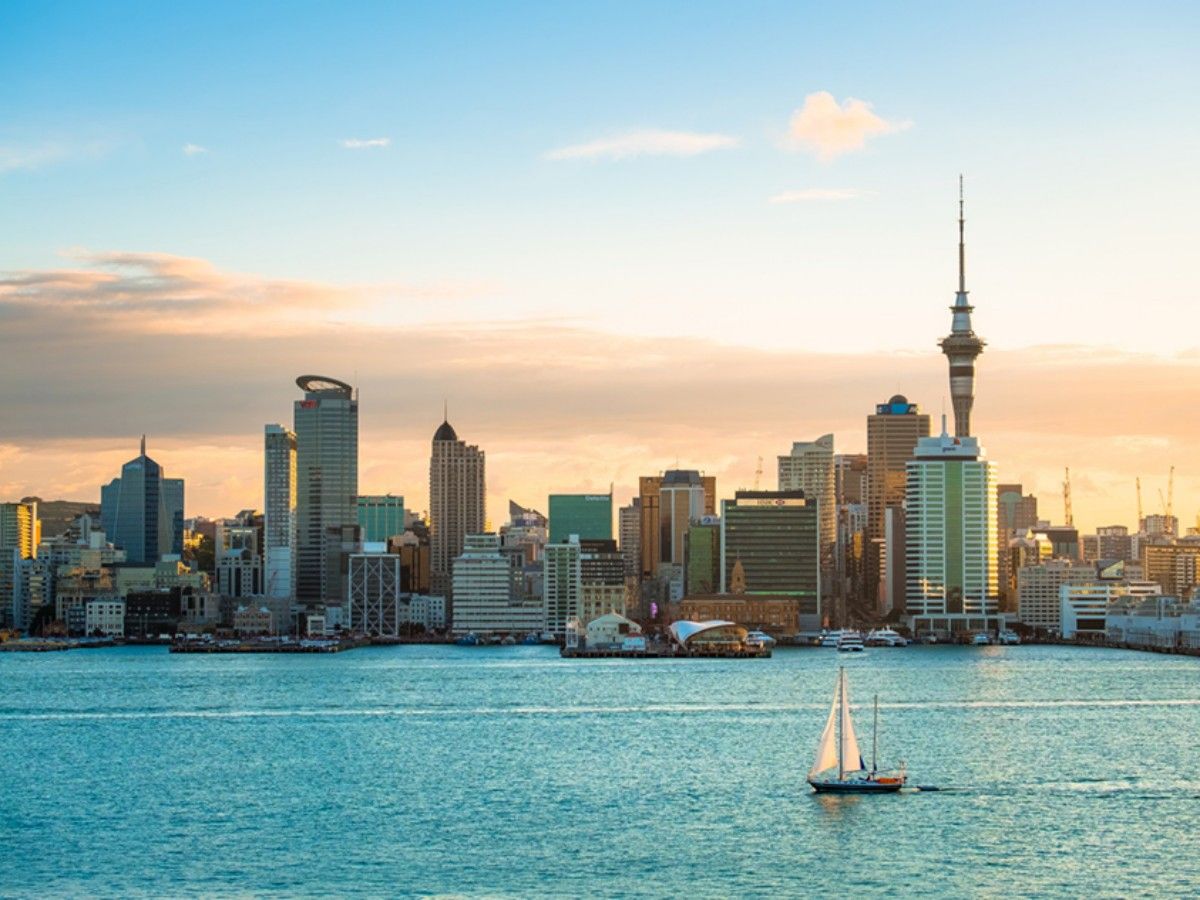
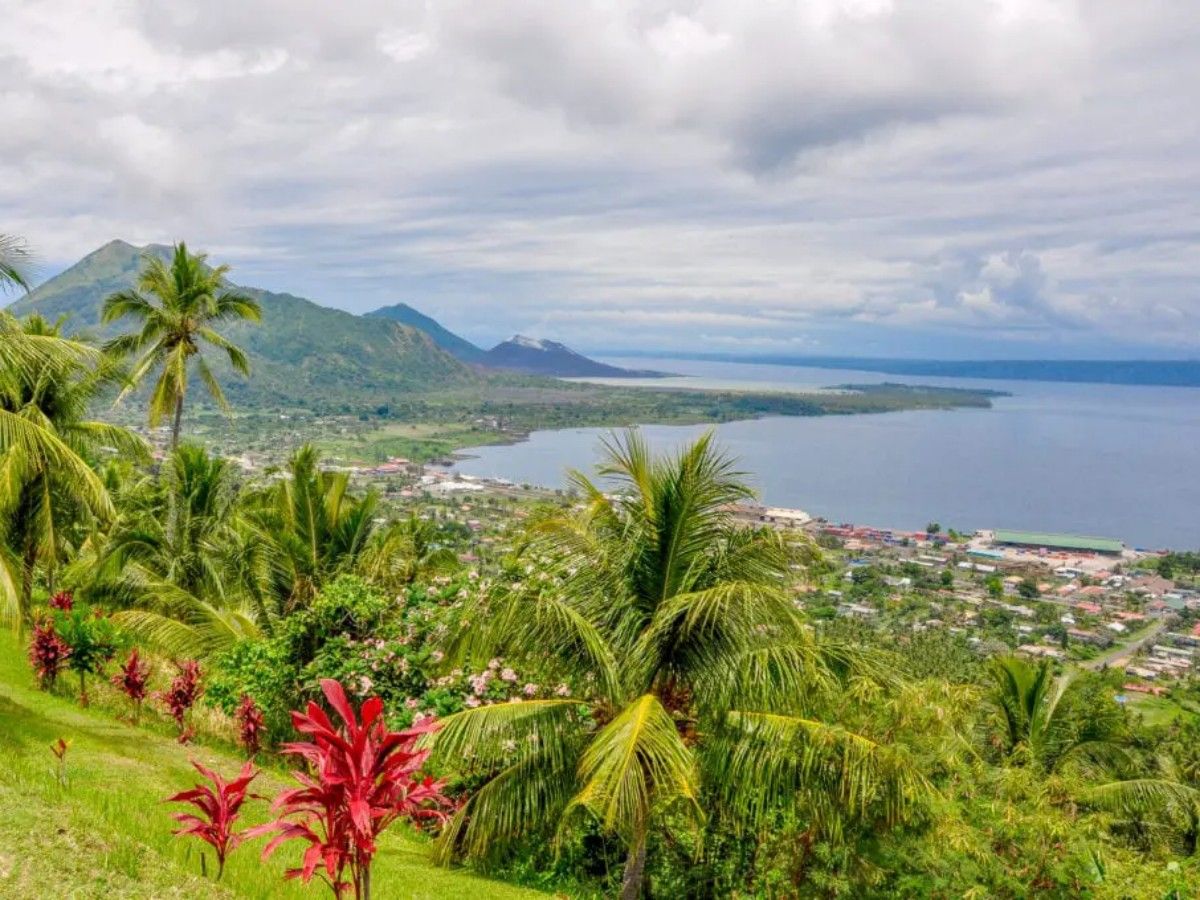
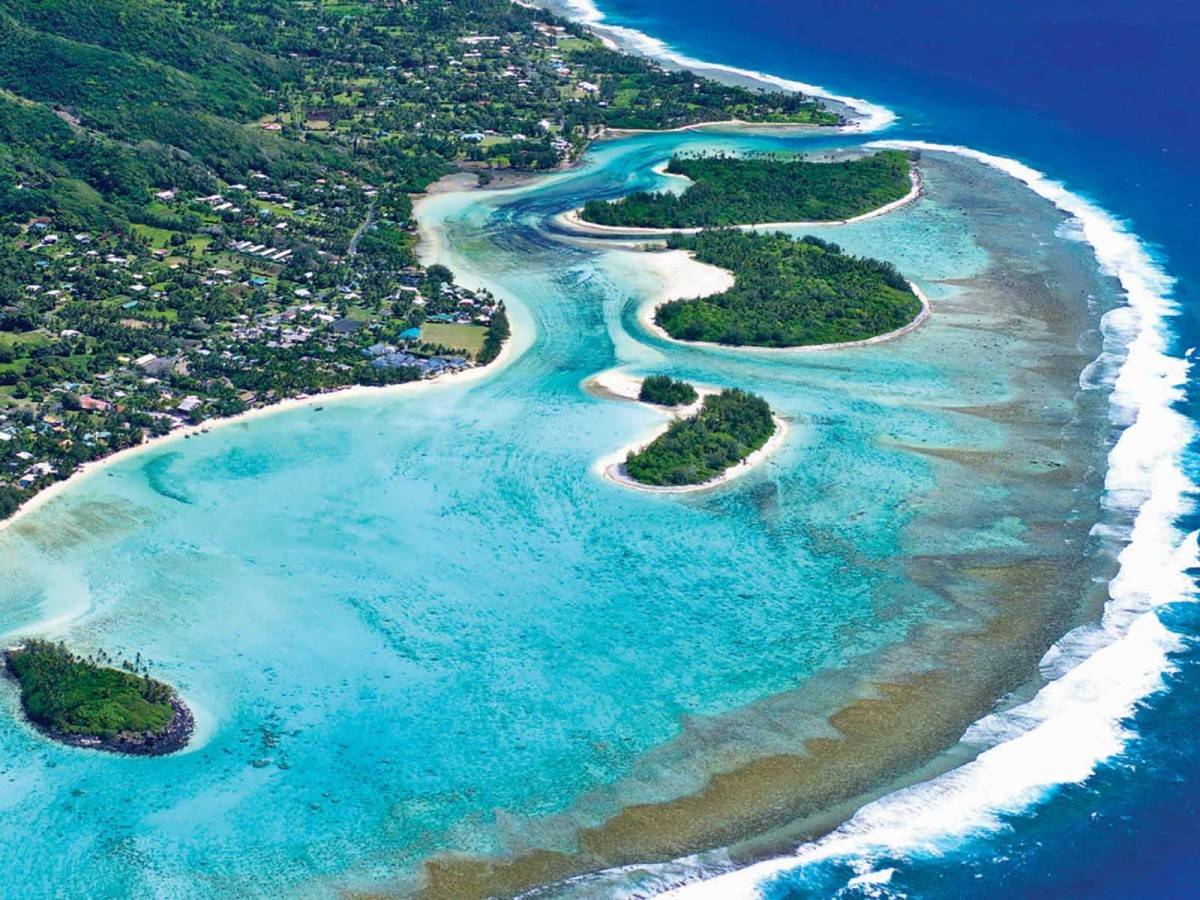
Oceania is the smallest continent in the world, but it has the largest sea area. It consists of thousands of islands across the Pacific Ocean, including Australia, New Zealand, Papua New Guinea and many Pacific island countries such as Fiji, Tonga, Samoa, etc. There are Australia's vast deserts and mysterious rainforests, New Zealand's snow-capped mountains and lakes, and the dreamy underwater world of the Coral Sea. Oceania is famous for its rich indigenous culture, diverse ecosystems and unique geographical environment. It is an ideal place to explore natural wonders and diverse cultures.
Advertisement
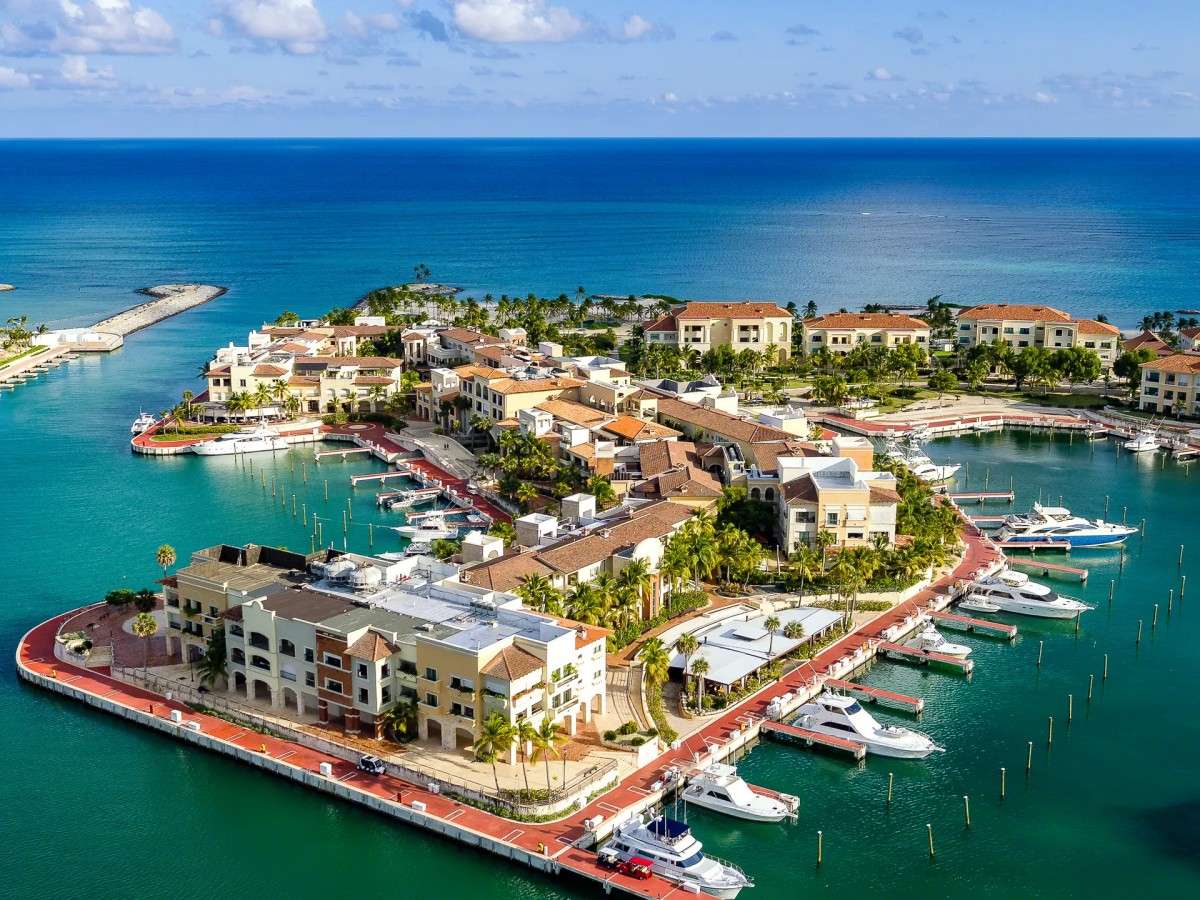
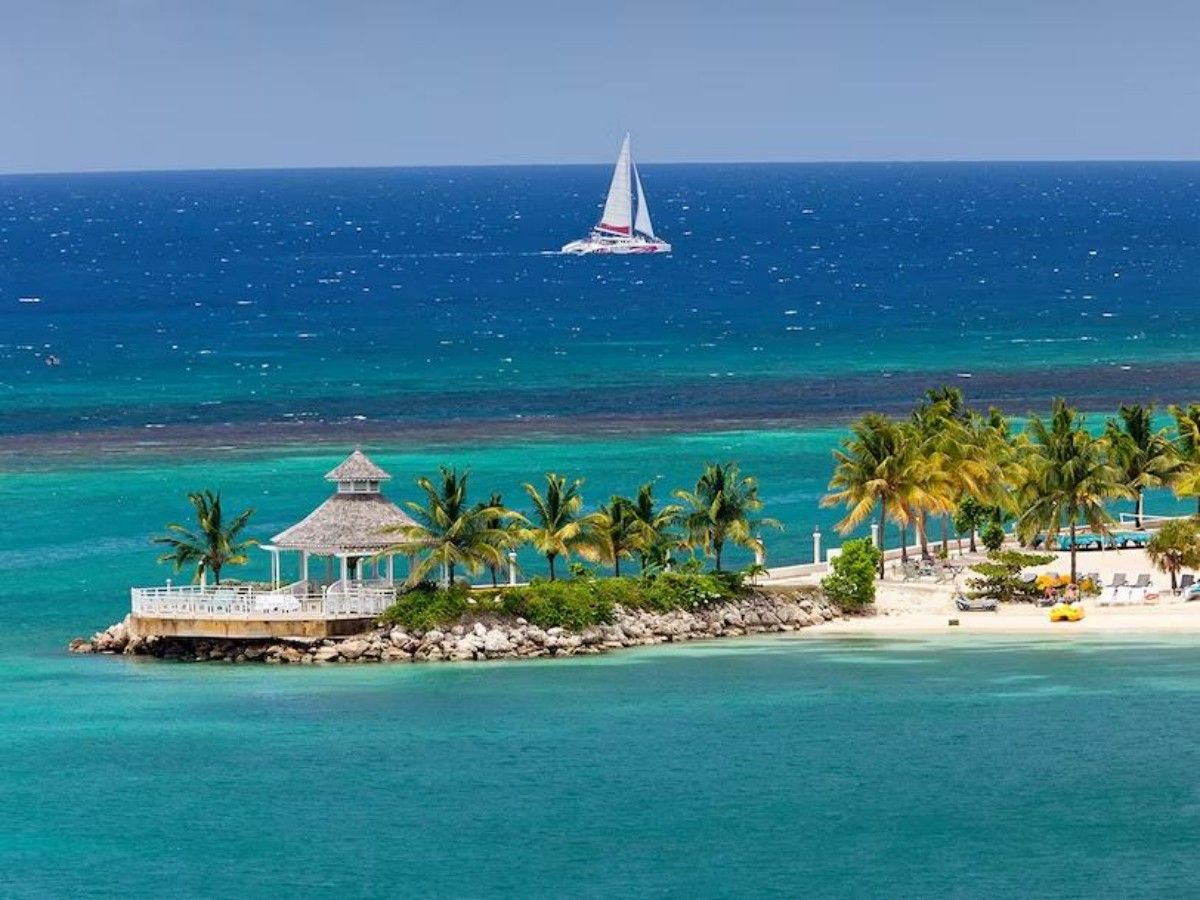
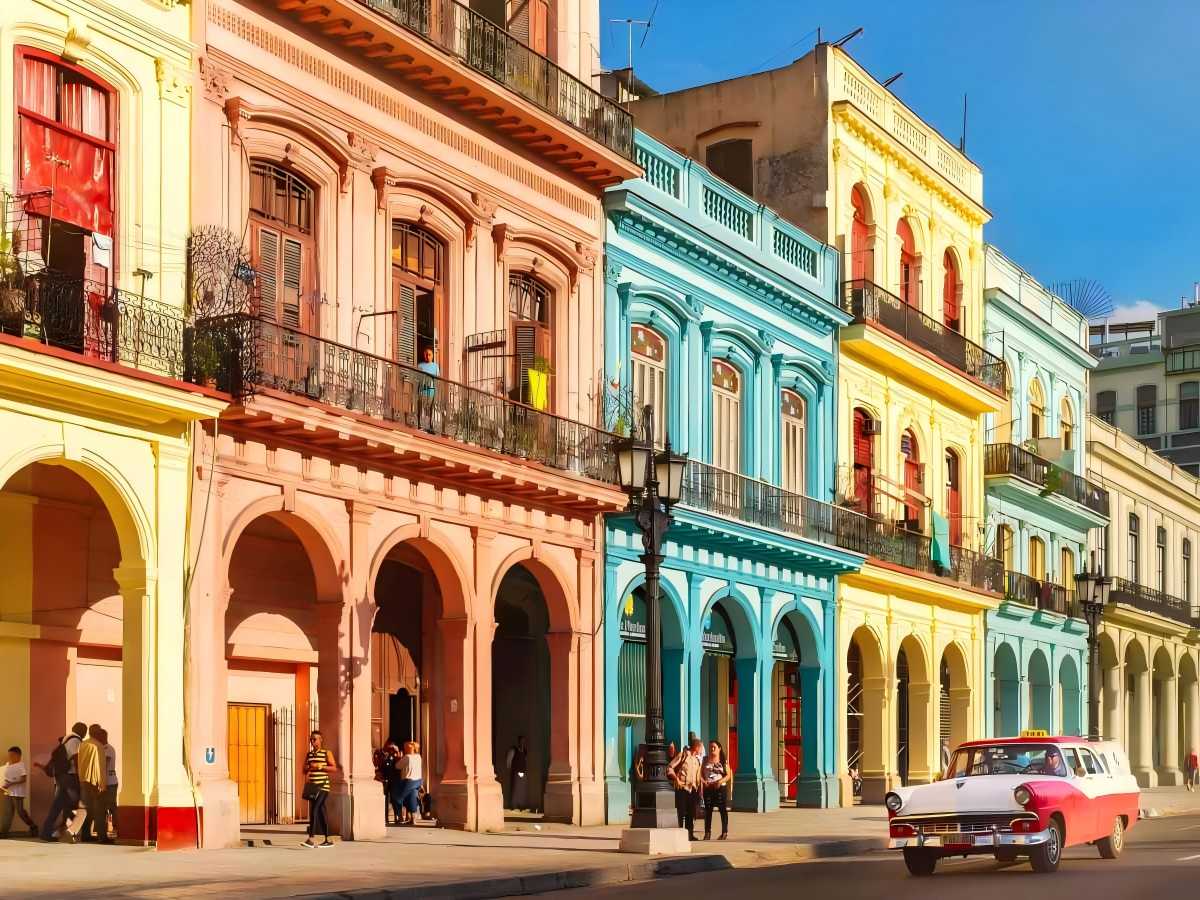
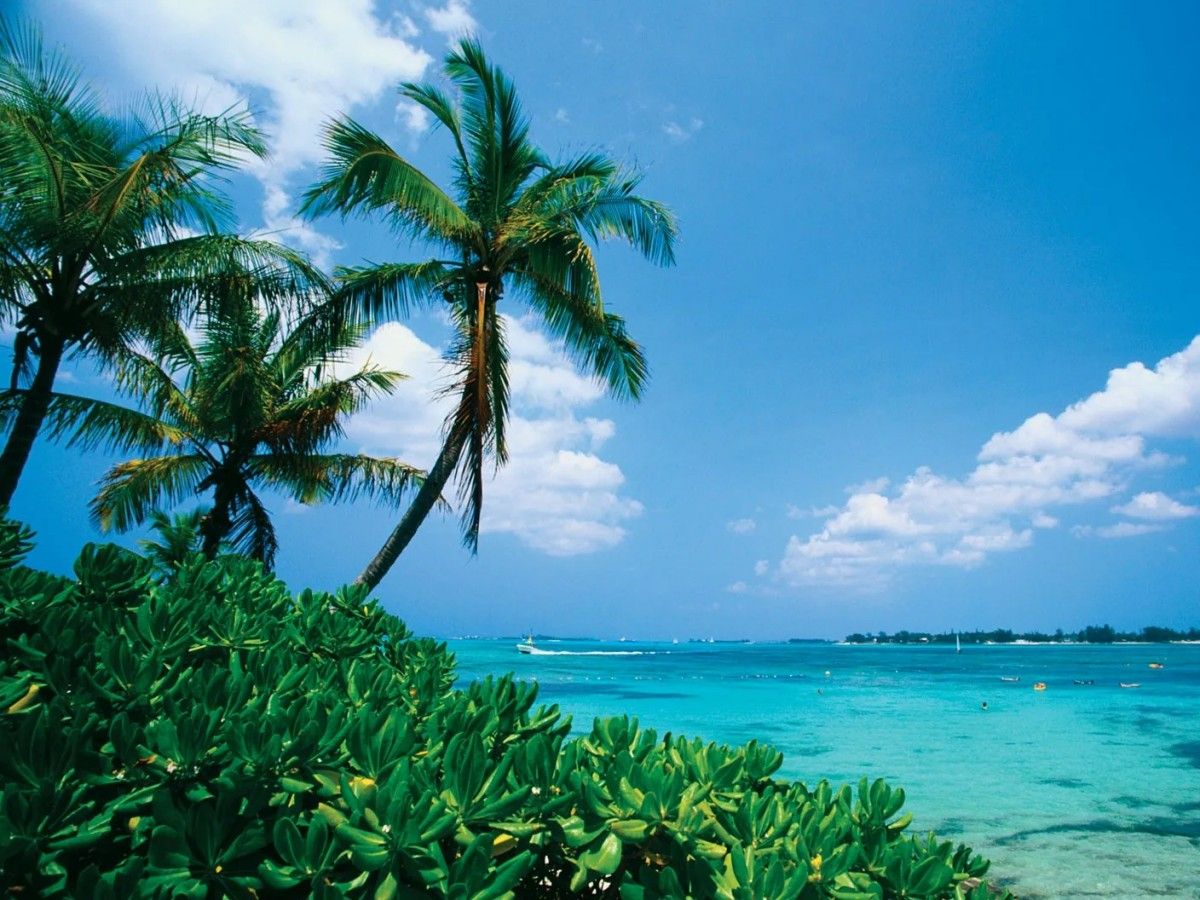
Caribbean consists of more than 7,000 islands, cays and channels covering several countries and regions such as the Bahamas, Cuba, Jamaica and the Dominican Republic. Known for its turquoise seas, white sandy beaches and rich natural landscapes, it is a world-famous vacation destination. The Caribbean is not only unique, but also full of rich historical and cultural heritage, blending the diverse cultures of Europe, Africa and the Americas. Whether it is sunny beaches or abundant water activities, it is a paradise for tourists.
Advertisement
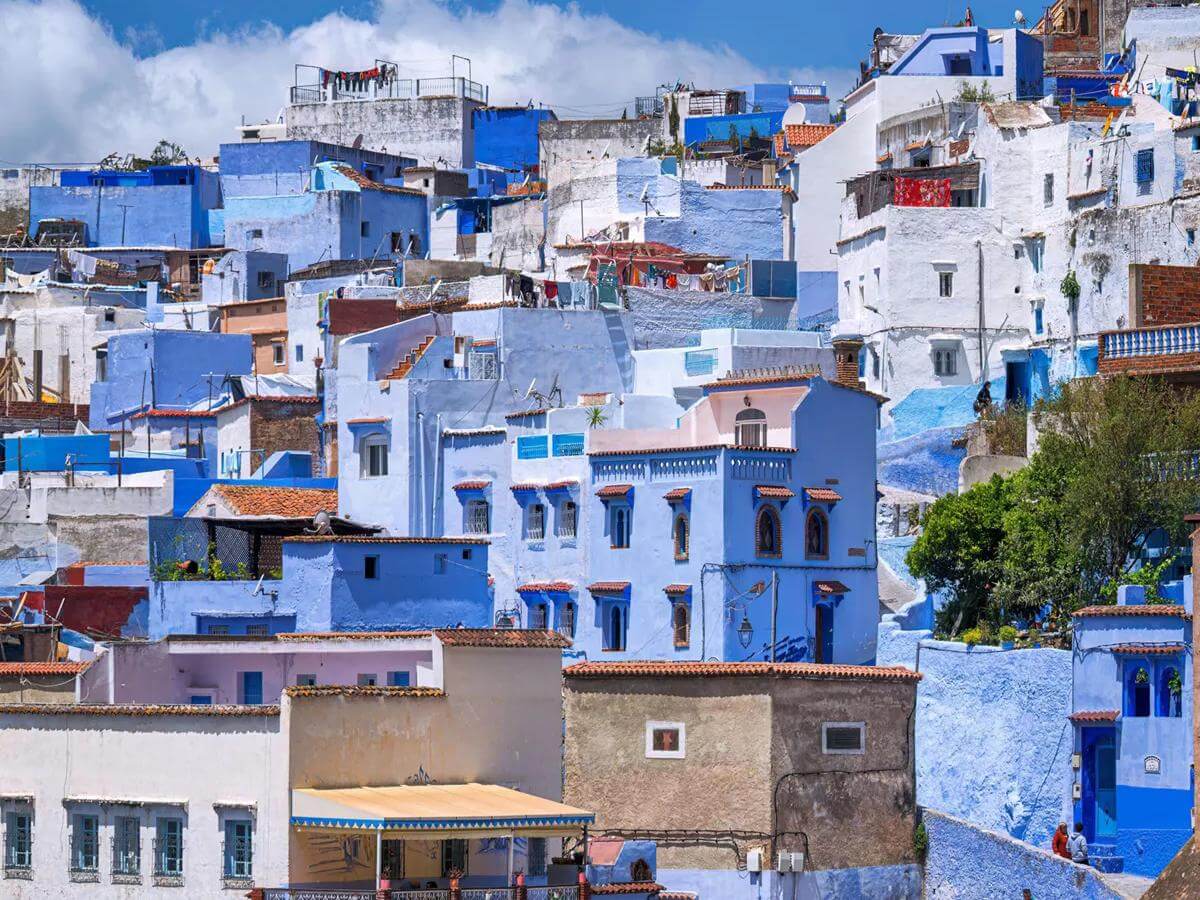
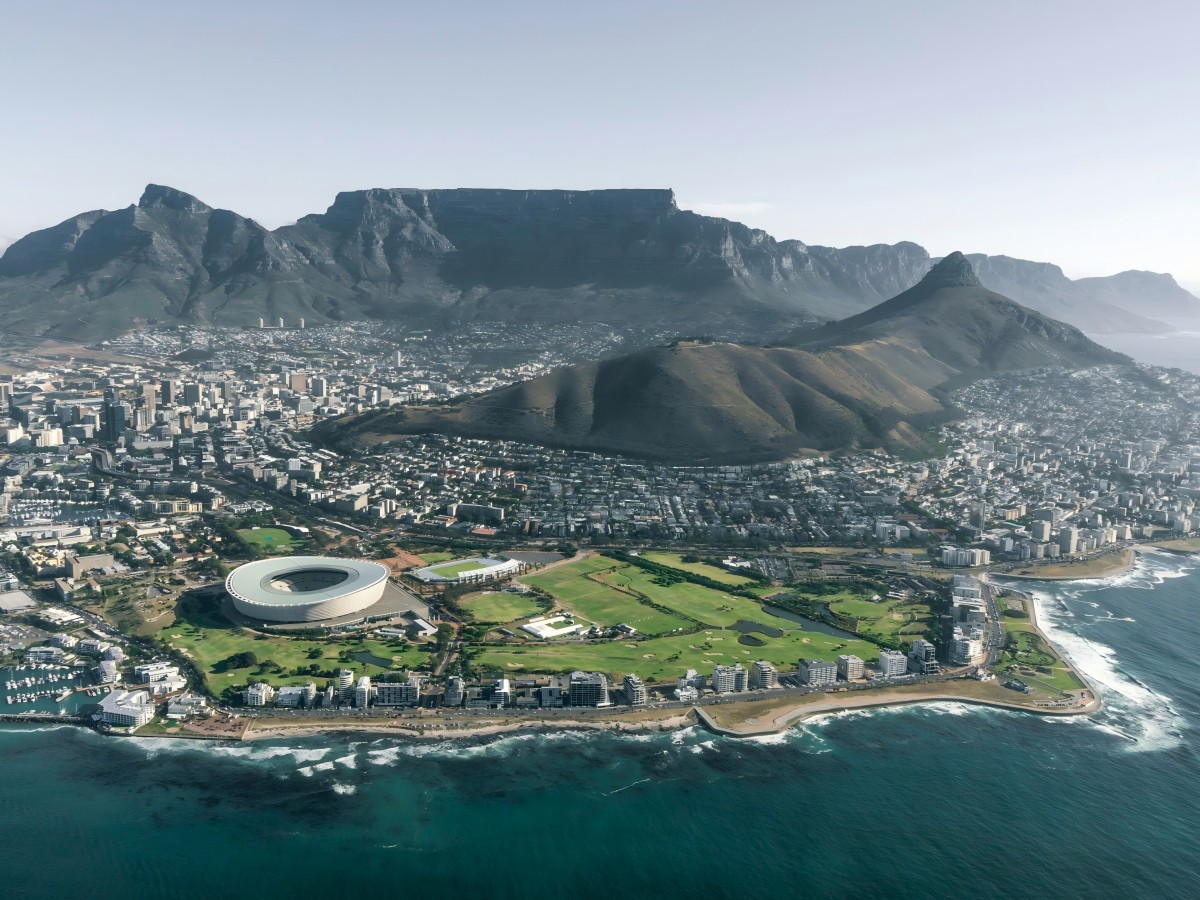
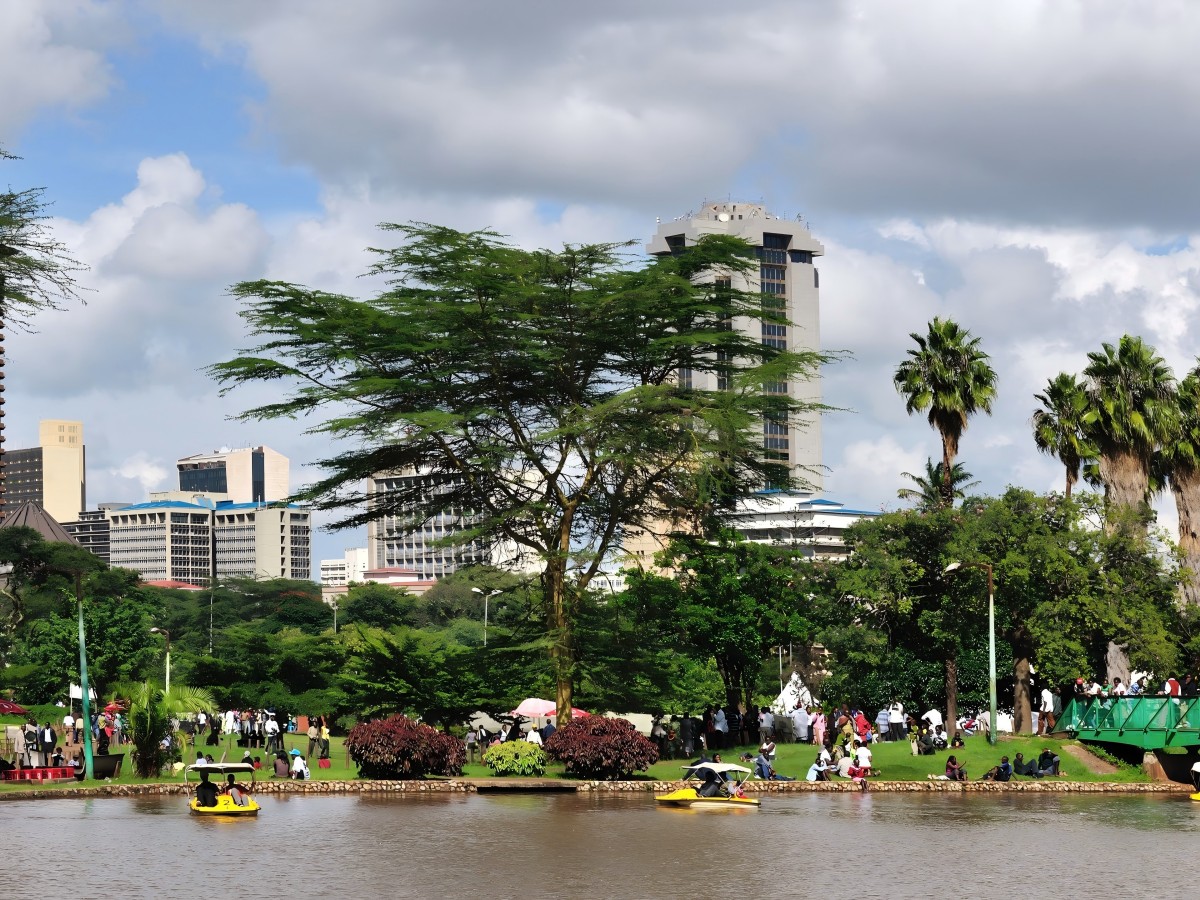
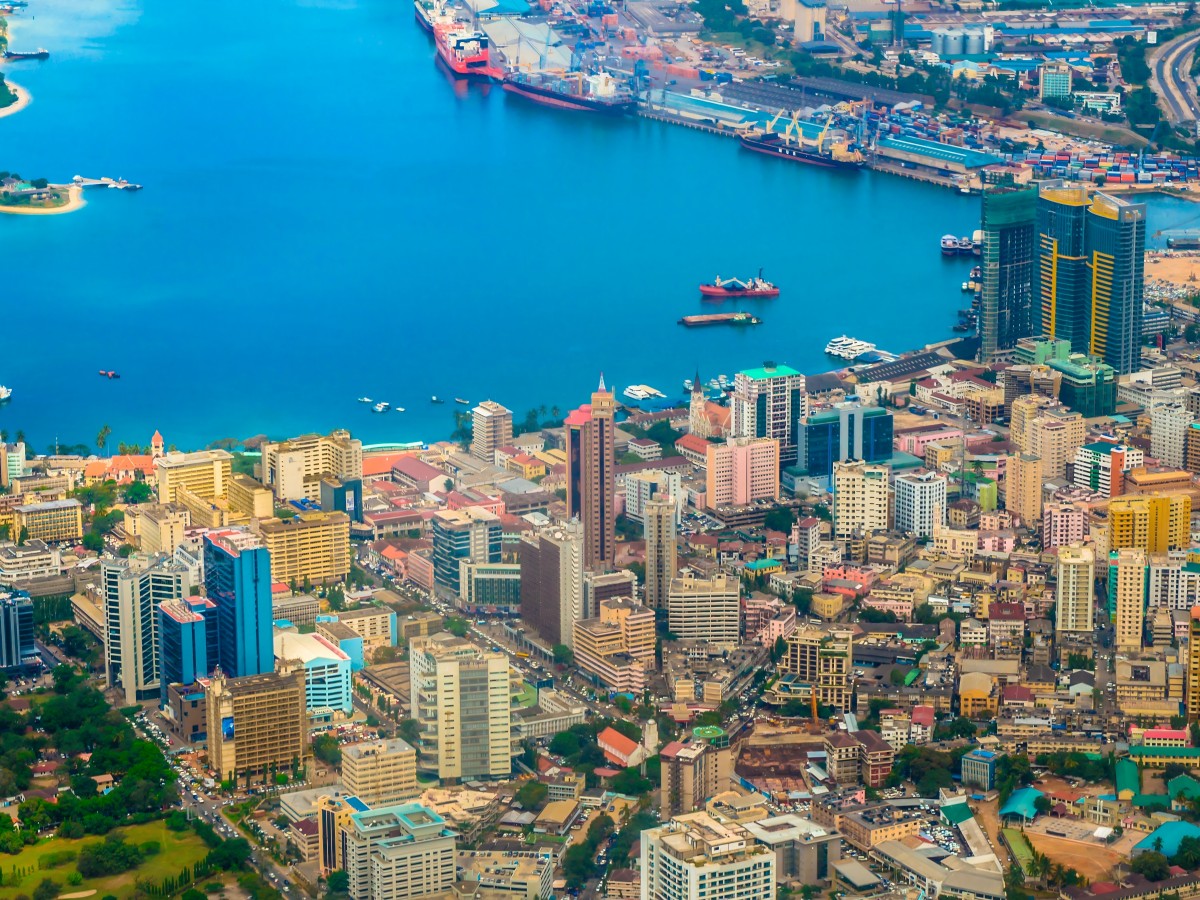
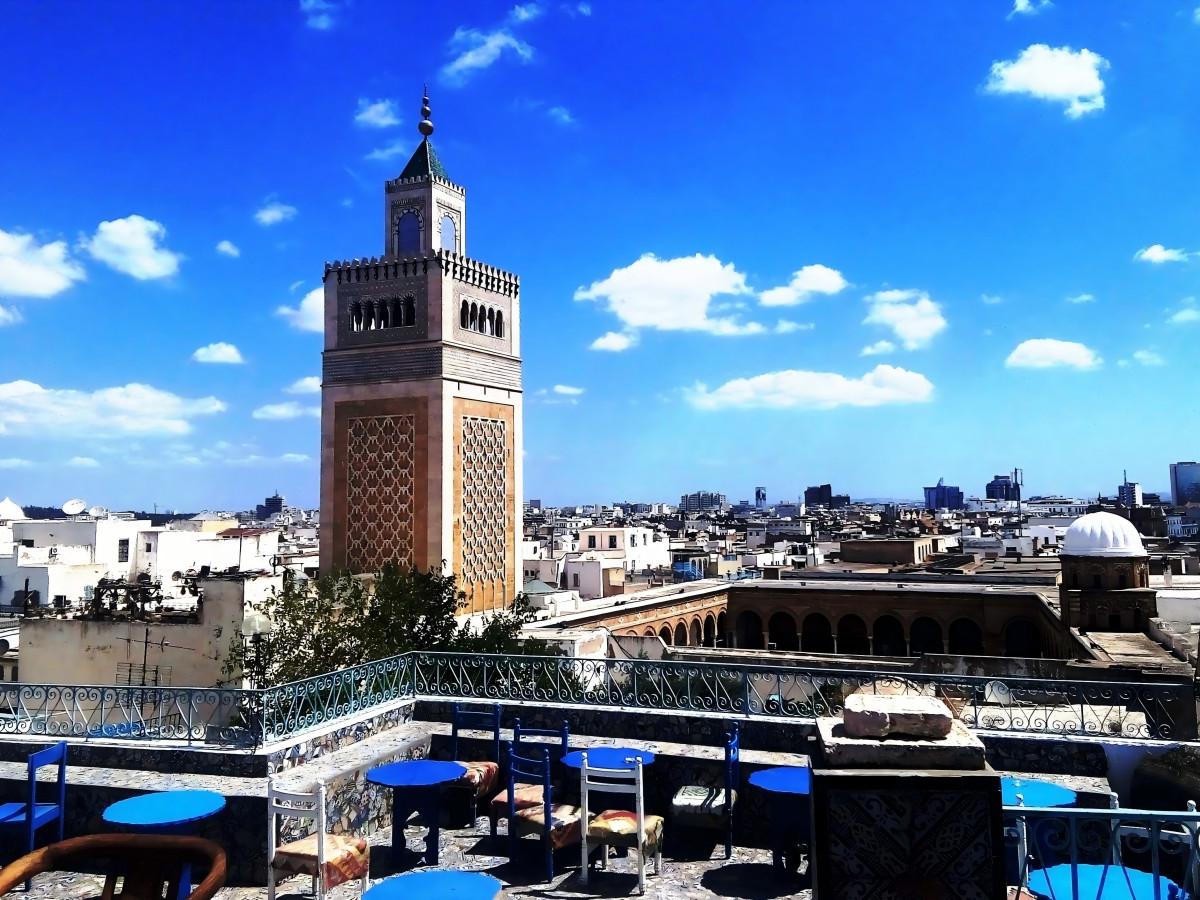
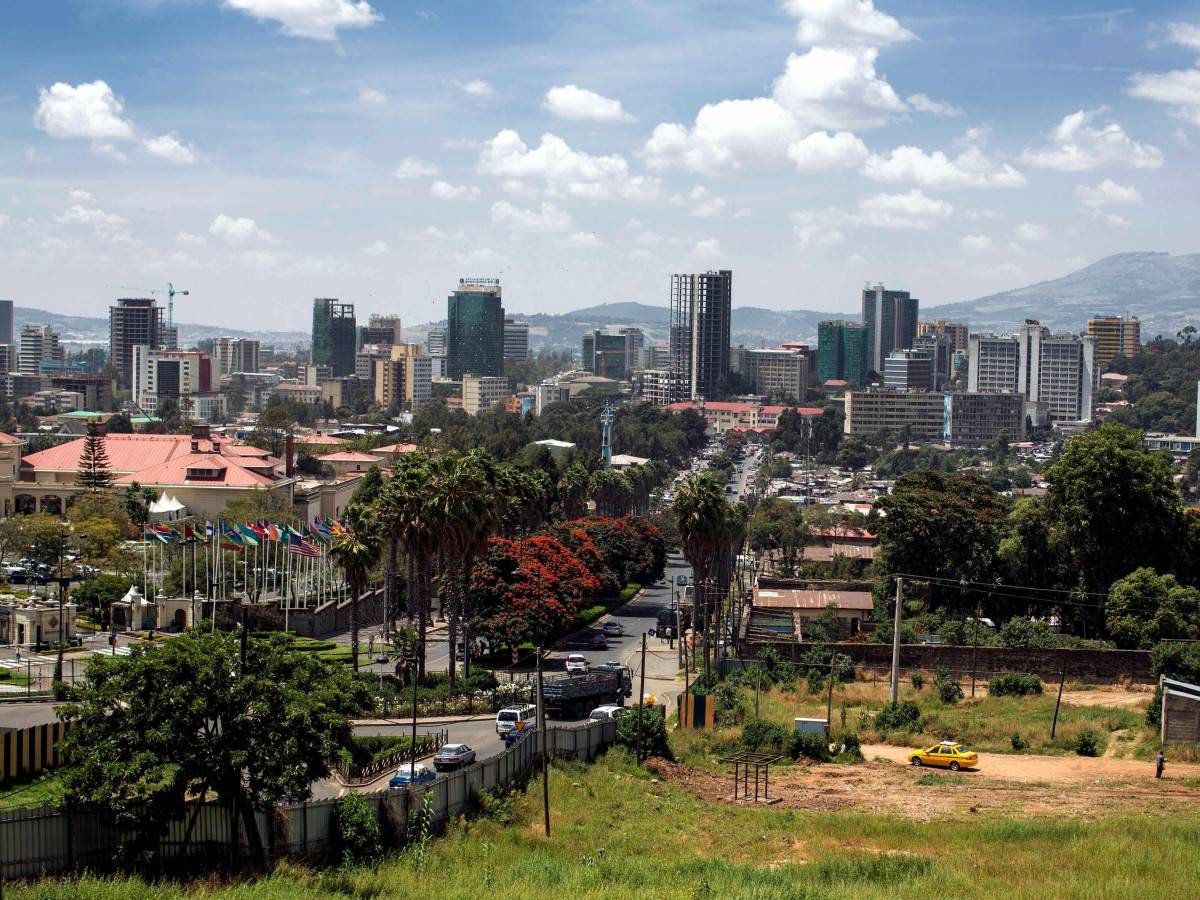
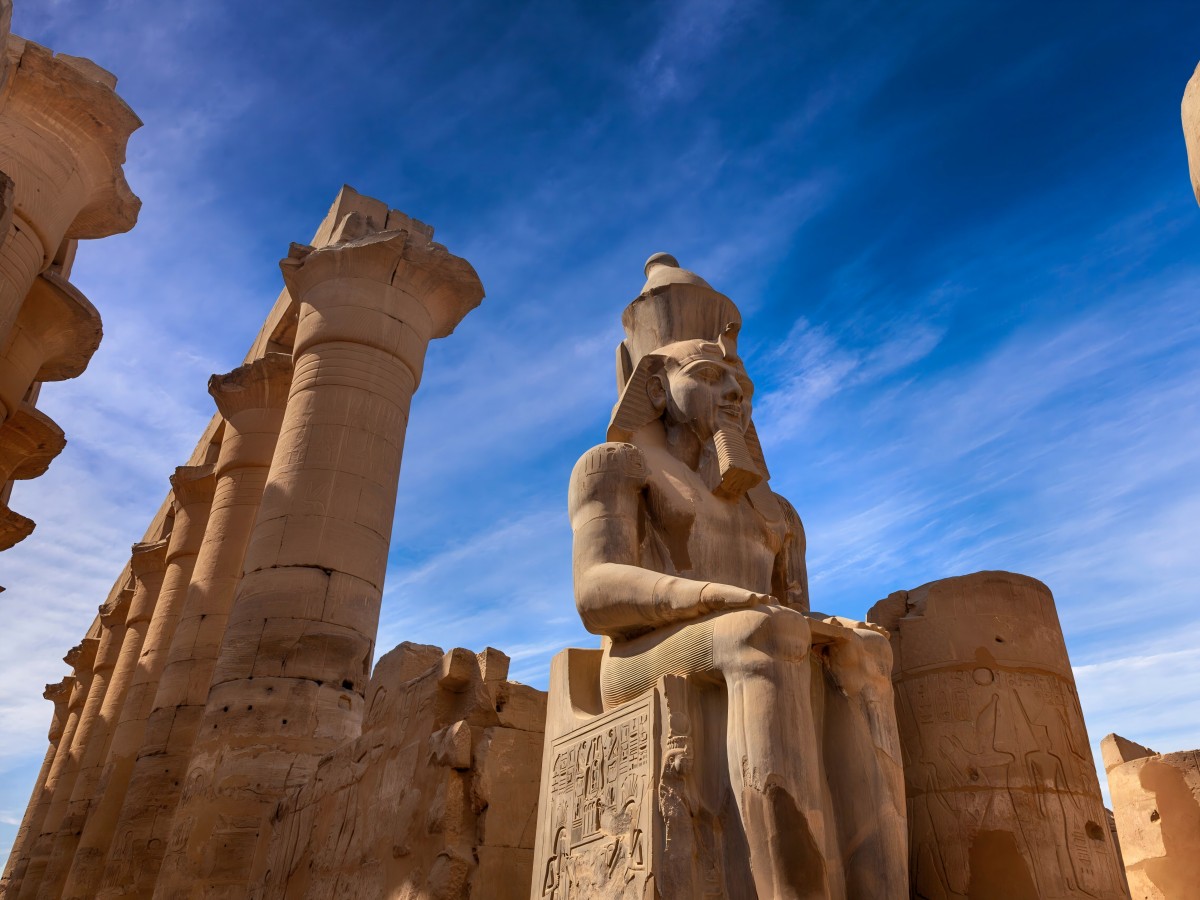
Africa is the second largest continent in the world, covering an area of about 30.3 million square kilometers, with 54 countries and rich cultures, diverse ethnic groups and magnificent natural landscapes. It is the birthplace of human civilization, and gave birth to the glorious history of ancient Egypt and the Malian Empire. Africa is extremely rich in natural resources, rich in gold, diamonds, oil and other minerals, but also a paradise for wildlife, with the prairie, tropical rainforests, the Sahara Desert and other ecological environment. Tourist attractions such as the Egyptian pyramids, Victoria Falls, and Serengeti National Park attract tourists from all over the world. Although some regions still face poverty and development challenges, Africa is experiencing rapid economic growth and global prominence in the fields of science, technology, arts and sports. Africa is a vibrant continent with a rich history and great potential for the future.
Advertisement
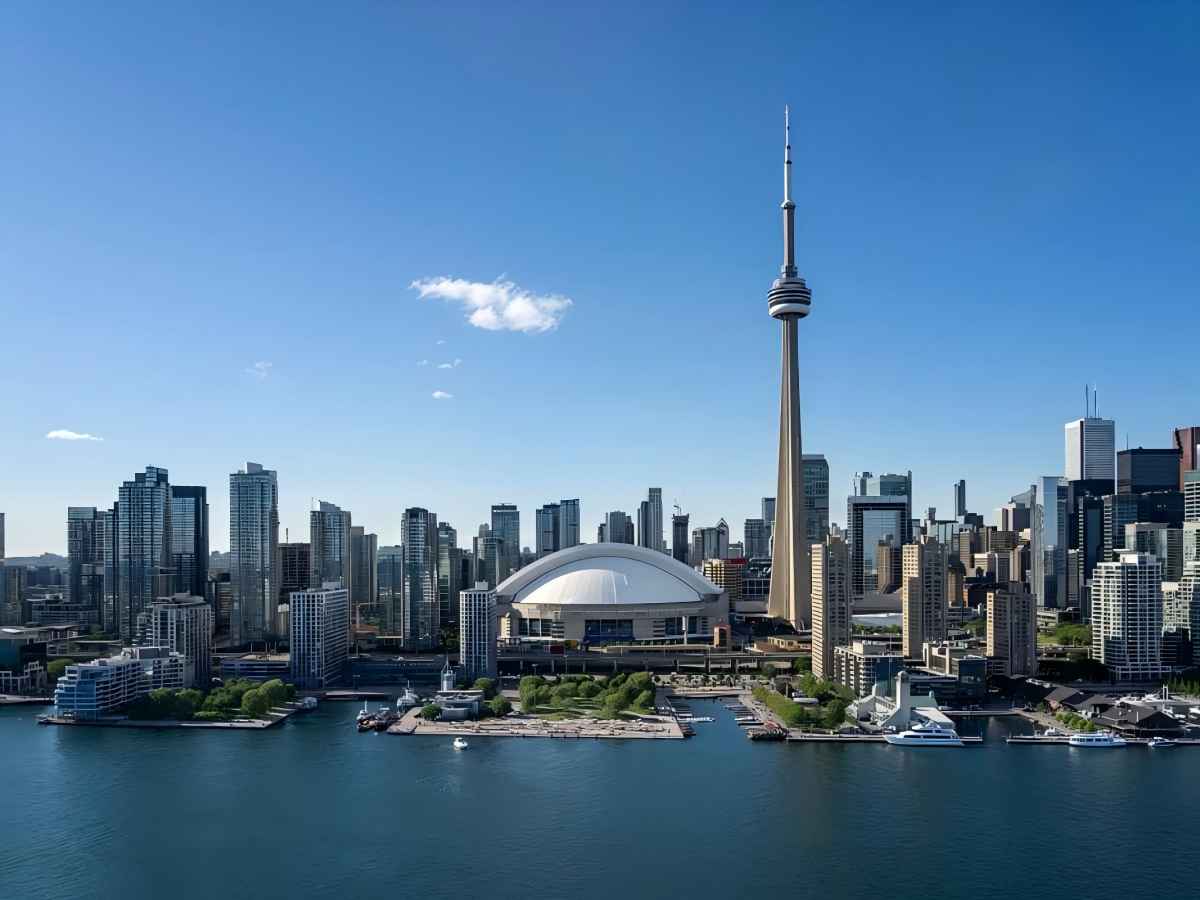
North America is located in the northern part of the Western Hemisphere, bordered by the Arctic Ocean in the north, the Atlantic Ocean in the east and the Pacific Ocean in the west. The main countries are the United States and Canada. The terrain is varied, with tall mountains in the west, vast plains in the centre and low and gentle highlands in the east. The climate is complex, with both frigid and tropical climates, and is rich in natural resources.
Advertisement
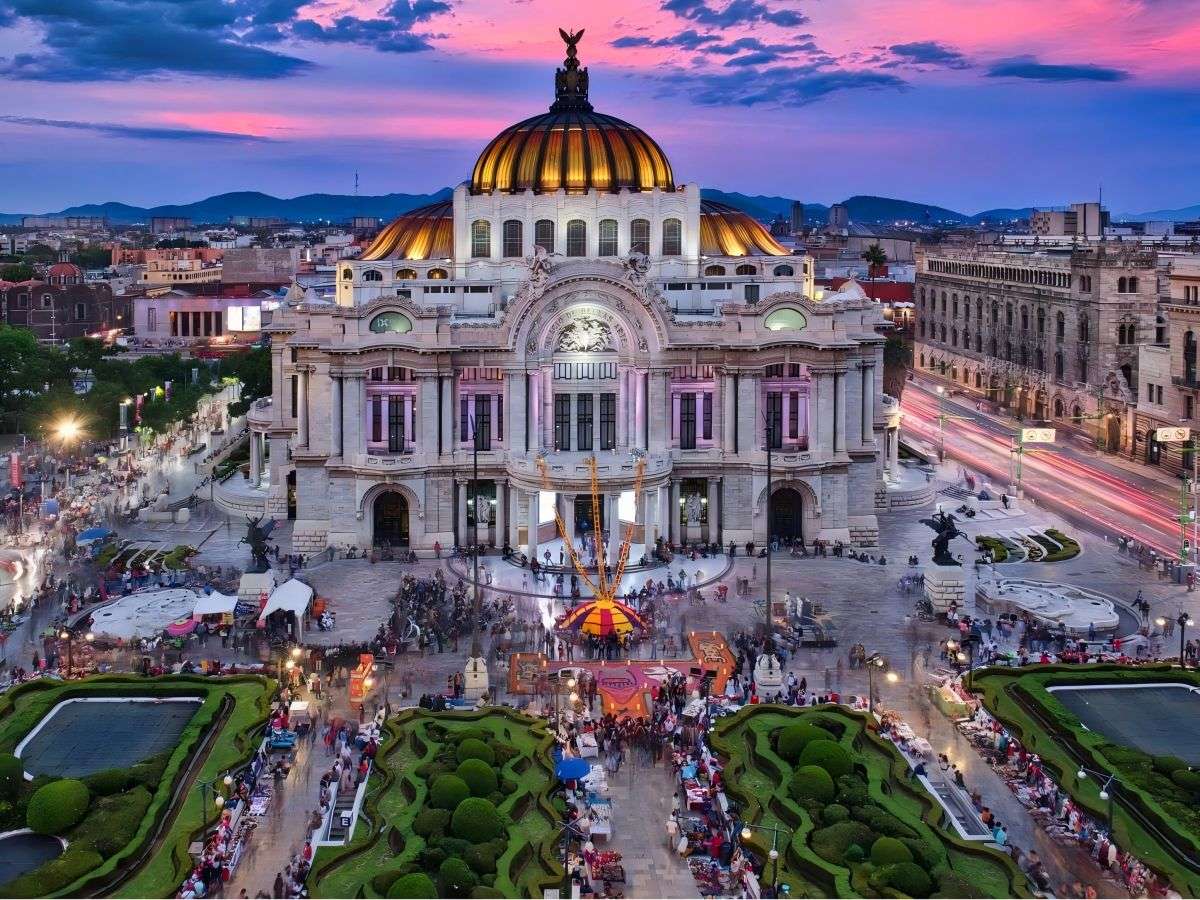
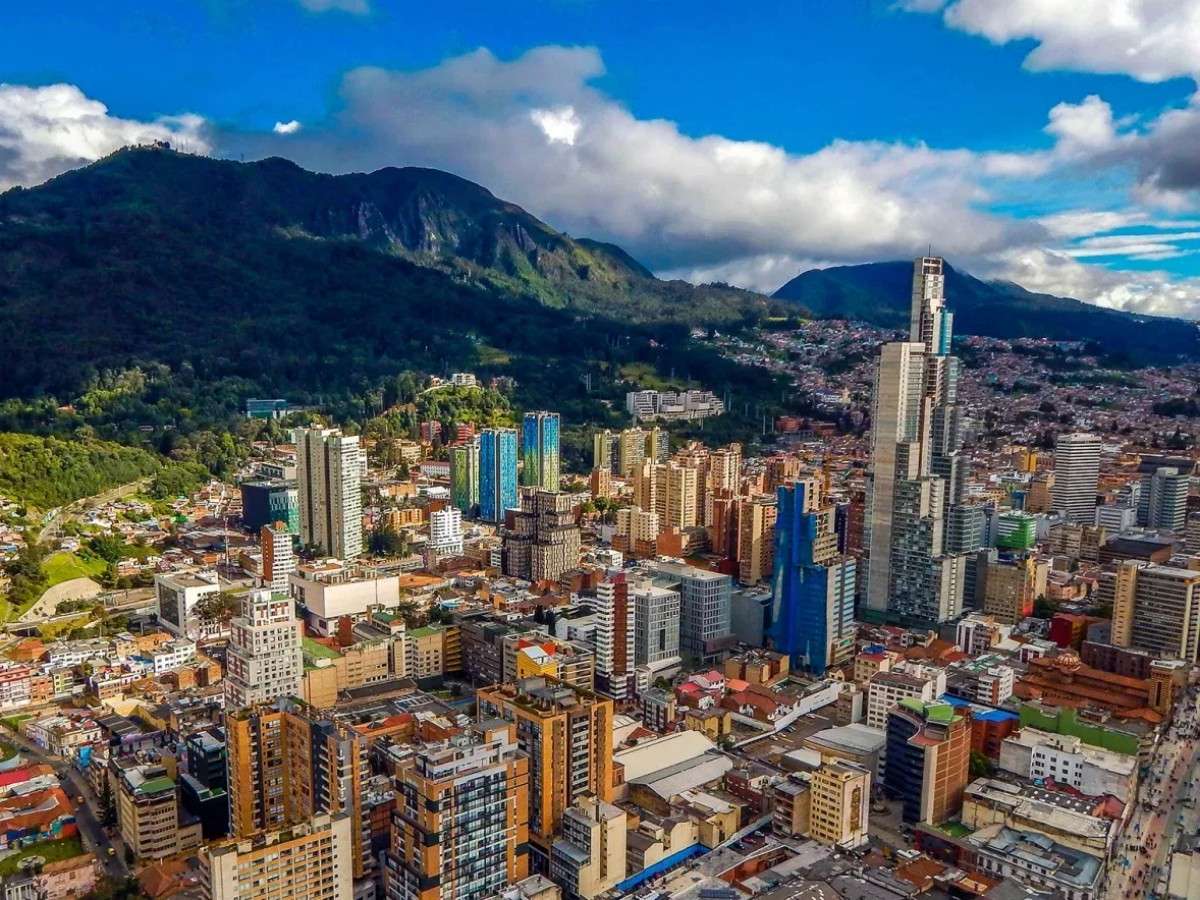
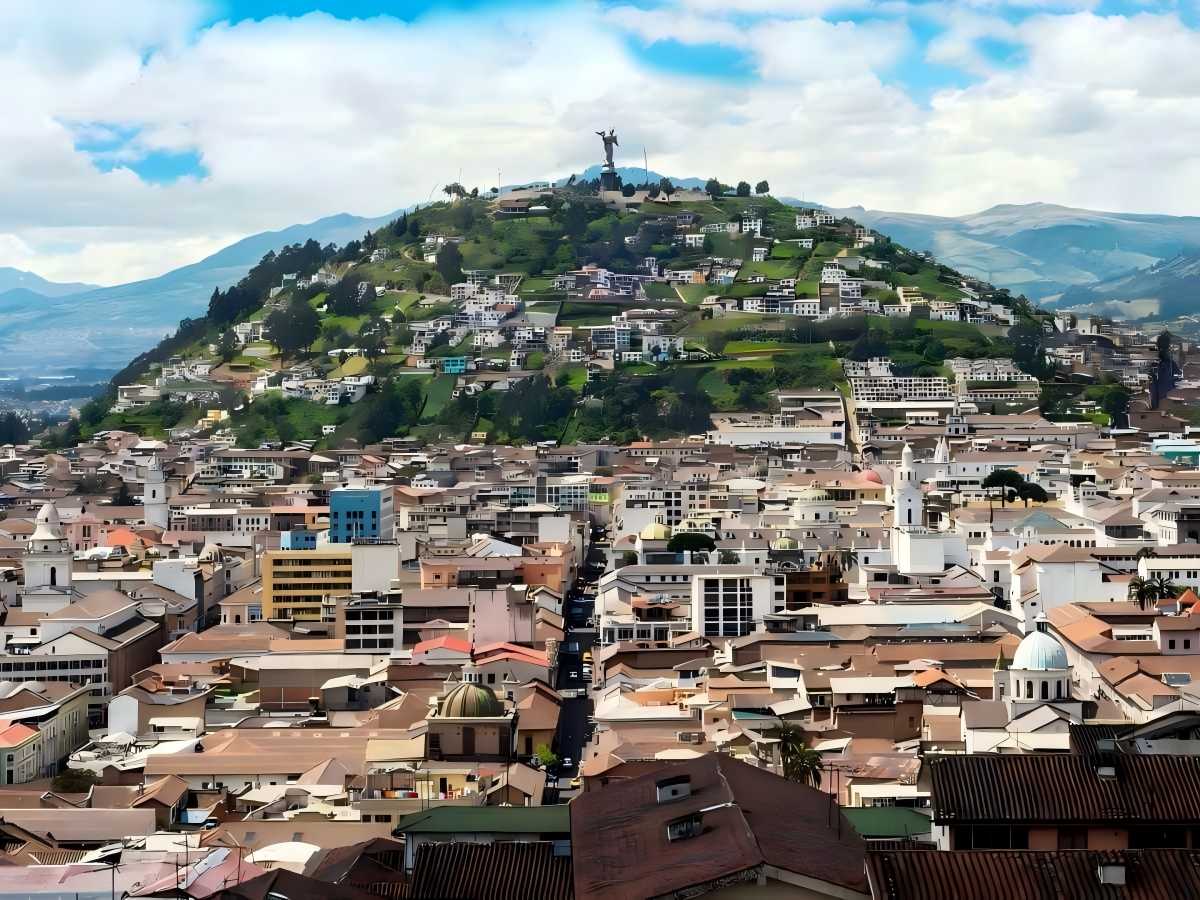
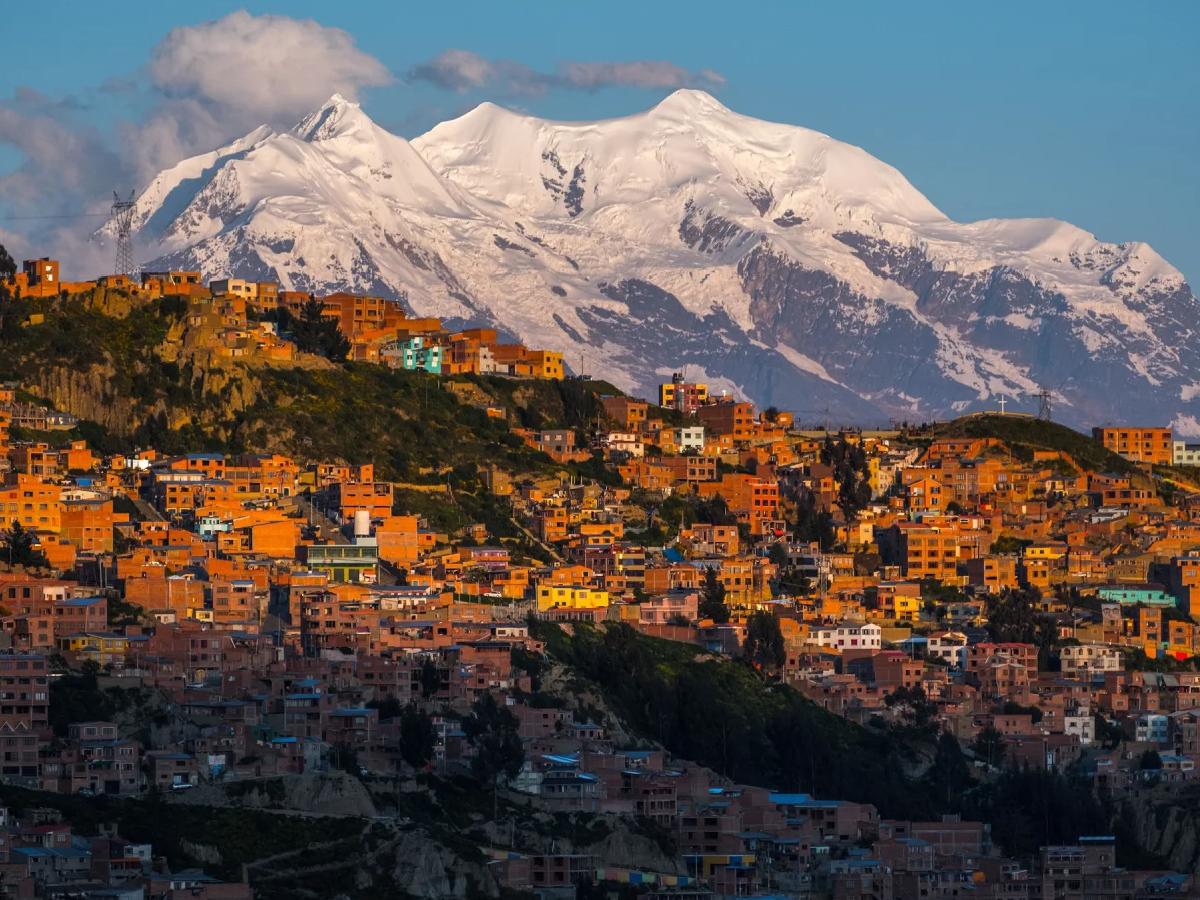
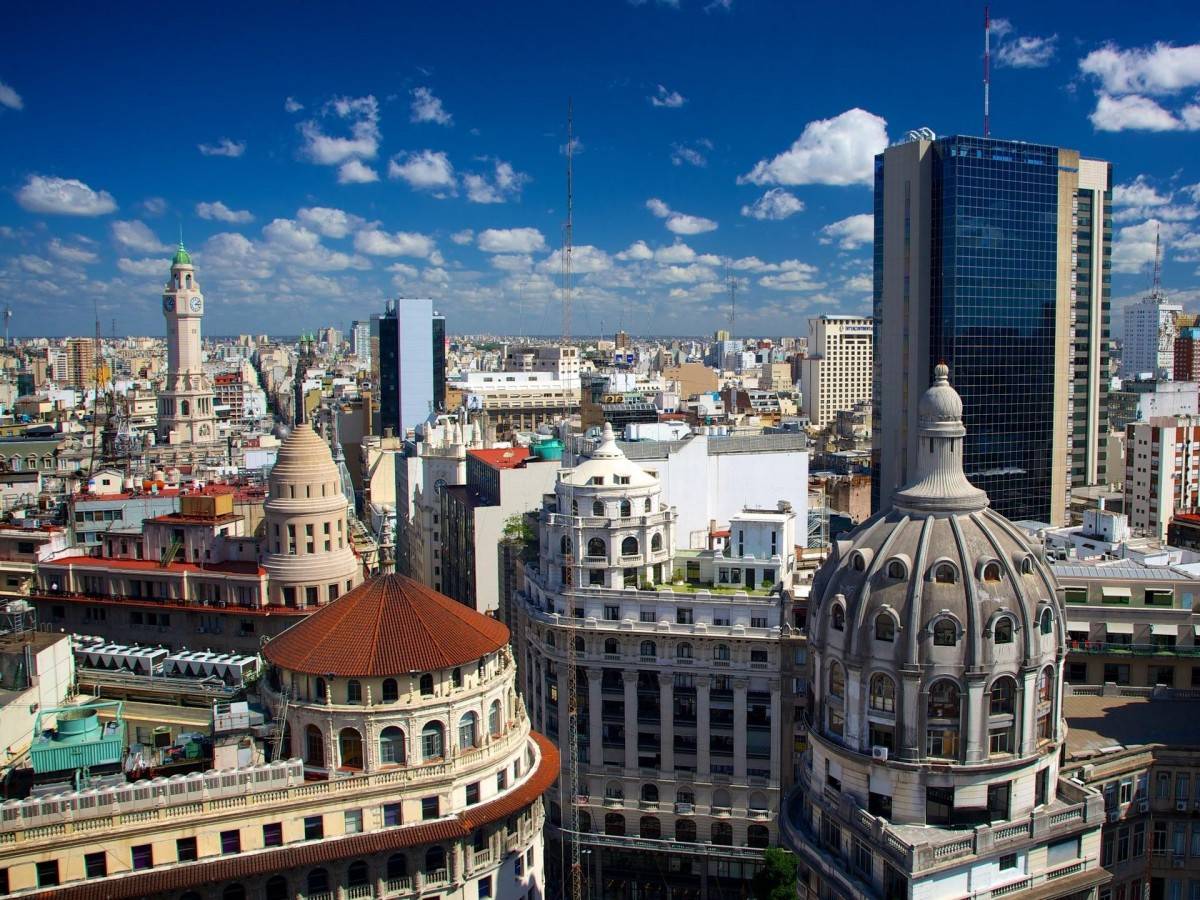
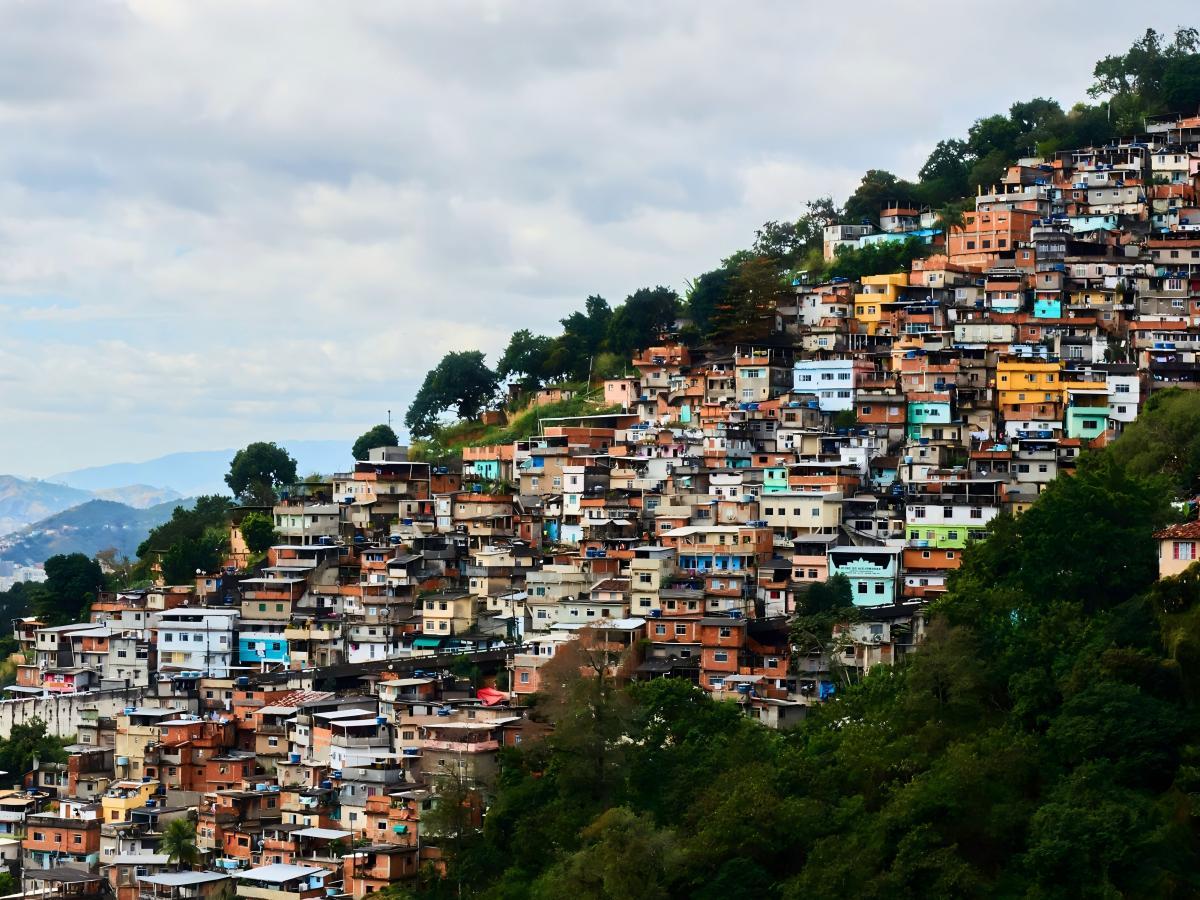
South America is the fourth largest continent in the world, bordering the Pacific Ocean to the west and the Atlantic Ocean to the east. It has the world's largest Amazon rainforest, the longest Andes Mountains, and the mysterious remains of Mayan civilization. Its unique geographical features and diverse cultures make it uniquely charming.
Advertisement
When traveling abroad, finding the best place to exchange money can help you avoid high fees and bad exchange rates. Here are the best options:
1. ATMs (Best Option)
ATMs usually offer the best exchange rates, especially those affiliated with major banks.
Look for ATMs inside banks to avoid high withdrawal fees from independent ATMs.
Tip: Use a debit/credit card with no foreign transaction fees to save money.
2. Local Banks & Currency Exchange Offices
Banks generally offer fair exchange rates, but they may have service fees.
Licensed currency exchange offices ("casas de cambio") in city centers often have better rates than airports.
Tip: Compare rates at different places before exchanging.
3. Credit Cards (for Purchases)
Many credit cards offer good exchange rates with low or no foreign transaction fees.
Tip: Avoid Dynamic Currency Conversion (DCC)—always choose to be charged in the local currency instead of your home currency.
Here are some ways to find cost - effective travel packages or promotional activities:
Use international travel platforms: Websites and apps like Kayak, Skyscanner, Booking.com, and Airbnb are popular globally. Kayak and Skyscanner can help you find cheap flights by comparing prices across different airlines and travel agencies. Booking.com and Airbnb are great for finding affordable accommodation. You can also use platforms like Expedia and Travelocity to book comprehensive travel packages that include flights, accommodation, and sometimes even activities.
Subscribe to travel newsletters and follow social media accounts: Many travel - related companies, airlines, hotels, and tourist attractions send out newsletters with exclusive offers and discounts. Subscribe to these newsletters to stay updated. Additionally, follow them on social media platforms such as Facebook, Instagram, and Twitter. They often post promotional content, flash sales, and limited - time offers. You can also join travel - related groups on social media to get tips and information about good deals from other travelers.
Travel during off - peak seasons: Traveling during off - peak periods is a great way to save money. Airlines and hotels usually offer lower prices during these times to attract customers. For example, some popular tourist destinations may have lower prices for flights and accommodation from November to February each year. You can also consider traveling on weekdays rather than weekends, as prices are often cheaper.
Look for loyalty programs and membership benefits: Many airlines, hotels, and car rental companies have loyalty programs. Sign up for these programs to earn points, miles, or other rewards with each purchase. These rewards can be redeemed for free flights, hotel stays, upgrades, and other perks. Some credit cards also offer travel - related benefits, such as cashback, airport lounge access, and discounts on travel purchases. Check if your credit card has any such offers and use it for your travel - related expenses.
Check local tourist information centers and websites: When you arrive at your destination, visit the local tourist information center. They can provide you with information about local attractions, events, and any ongoing promotions or discounts. You can also check the official websites of the local tourism boards or chambers of commerce. They often have information about special offers, package deals, and discounts for tourists. Additionally, look for local coupon websites or apps that offer discounts on restaurants, attractions, and activities.
When you lose your passport, you should first report the loss to the local police and ask for proof of the report. Subsequently contact the local embassy or consulate of the host country to provide identification information and apply for a travel permit or temporary passport to continue your trip or return home. Some countries may require additional proof of identity, such as a copy of passport, copy of visa or hotel booking records, so it is advisable to back up important documents before traveling. In the meantime, you can contact your airline or travel agent to ensure that your subsequent trip will not be affected.
When credit cards are lost, contact the issuing bank immediately to report the loss and prevent theft. Most banks provide 24-hour customer service, and accounts can be frozen over the phone or through official apps. In addition, some banks support emergency card replacement or provide standby fund services to cope with financial hardship during the trip. If your credit card is stolen, you can apply for transaction dispute processing with your bank and report the case to the local police if necessary.
To avoid similar situations, it is recommended to keep important documents separate before traveling, back up passport and credit card information, and carry a small amount of cash with you in case of emergency. If staying in a hotel, store valuables in the room safe to minimize the risk of loss.
What about internet when traveling abroad? Should I buy a local SIM card? This is a question that many travelers consider. After all, when you're out and about, you can't go anywhere without internet. So, which is the best way for you?
First of all, is Wi-Fi enough? If your hotels, restaurants and public places have free Wi-Fi and your itinerary isn't too complicated, you probably don't need extra internet at all. However, the problem is that public Wi-Fi is not always stable. Sometimes the signal is weak, and you may even need to log in or enter a CAPTCHA, which is not always convenient to use.
Secondly, does your phone support eSIM? Nowadays, many smartphones support eSIM, which allows you to buy and activate local traffic packages online without having to change the physical SIM card, which is perfect for short-term travelers. eSIM is good for convenience, but bad for some countries, eSIM choices are not many, and the price may be a bit more expensive than the local SIM card.
If your phone doesn't support eSIM, is it a good idea to buy a local SIM card? Of course it is! They are usually available at airports, convenience stores or carrier stores, and the traffic packages are often much cheaper than international roaming. The only trouble is that you need to change your SIM card, so you should keep your original SIM card in a safe place and change it back when you go back to your home country.
Finally, is international roaming worth considering? If your carrier offers affordable international roaming packages, such as traffic packages for a few dollars a day, that's the most convenient option, and there's no need to fuss with changing cards at all. However, if the cost is too high, it's more cost-effective to buy a local SIM card or eSIM.
Overall, if you're just traveling for a short time, Wi-Fi and international roaming may be enough; if you're staying for a longer period of time, eSIM or a local SIM card is more cost-effective. The choice depends on your itinerary and budget!
Safety is the most important thing when you go out! Common scams include: cabs taking the long way around, fake police checking passports, and fake tour guides selling at high prices. Subway, night market, downtown should pay attention to their own backpacks and belongings care, to avoid being stolen. Avoid traveling alone at night and be wary of strangers greeting you or handing out items. It is recommended to keep important documents such as passport copies and electronic copies in your cell phone and important documents in the hotel safe.
In case of flight cancellation or delay, first keep calm and get accurate information quickly. You can confirm the flight status through the airline's official website, app, SMS or airport screens, and keep an eye out for any official notifications or compensation packages.
Contact the airline
If a flight is canceled or severely delayed, contact the airline's customer service immediately to find out about rescheduling or refund options. Some airlines will arrange the next flight free of charge or offer compensation for accommodations and meals, as policies vary by airline and national regulations.
Requesting Compensation or Reimbursement
Some countries (e.g. European Union, United States) have compensation regulations for flight delays or cancellations, and passengers can apply for compensation or reimbursement depending on the situation. In addition, if you have purchased travel insurance, which may cover additional expenses caused by flight delays, you can contact your insurance company for reimbursement of the relevant expenses.
Alternative Programs
If the airline does not provide an alternative flight, you may find another flight or mode of transportation on your own, such as switching to train or bus, or choosing a flight of another airline and negotiating a refund with the original airline.
Retaining Vouchers
Keep boarding passes, flight cancellation or delay notices, communication records with airlines, food and accommodation invoices, etc. for subsequent rights defense or claims.
The following aspects can be used to determine the overall travel budget:
Transportation costs: Estimate the round-trip and destination transportation costs based on the travel mode, such as airplane, train, self-driving, etc.
Accommodation costs: According to the number of travel days and local accommodation standards, choose suitable hotels, homestays, etc. and calculate the costs.
Food costs: Refer to the food consumption level of the destination and estimate the daily food and beverage expenses.
Tickets for attractions: Understand the ticket prices of the attractions to be visited and summarize them.
Shopping costs: Set a rough amount based on personal shopping habits and needs.
Other expenses: Including miscellaneous expenses such as entertainment and local transportation. Add up the above expenses to get the overall travel budget.
1. The light traveler
"I like to travel light and only bring the most necessary things. Passport, mobile phone, wallet are essential, followed by charger, headphones, several sets of clothes and basic toiletries. When traveling, I prefer to be relaxed and don't want to be dragged down by heavy luggage."
2. The meticulous and thoughtful
"I will make a detailed luggage list to ensure that everything I may need is brought. In addition to passport, electronic devices, clothes, toiletries, I will also prepare some common medicines, portable water bottles, snacks, conversion plugs, sunscreen, etc. in case of emergencies during the trip."
3. The technical equipment group
"As a technology enthusiast/photography enthusiast, my luggage is indispensable for cameras, spare batteries, tripods, mobile WiFi, Bluetooth headphones, power banks and other equipment. Recording every wonderful moment of the trip and staying connected to the Internet at all times are the most important things for me."
4. The cultural experience group
“When I travel, I always bring a book or guidebook about the destination, and a travel notebook to record what I see and hear during the trip. I like to learn more about the local culture, and occasionally I bring some small gifts to facilitate communication with locals.”
When choosing how to get to a travel destination, the following are usually considered:
Airplane: suitable for long-distance or cross-country travel, fast but more expensive and subject to weather.
Train: suitable for short to medium distance travel, cost-effective, comfortable and spacious, suitable for enjoying the scenery along the way.
Self-driving: flexible and free, suitable for small groups or family travel, but long time driving may be fatigue.
Long-distance bus: cheaper, but the ride is longer and less comfortable.
Cruise: suitable for sea travel, unique experience but high price and long trip.
Cycling/walking: suitable for short adventures, physically demanding.
The choice is based on distance traveled, budget, time and personal preference.
Yes! Airport exchange counters usually have the worst rates and high fees. If you must exchange at the airport, only exchange a small amount to cover immediate expenses.
Best Strategy for Exchanging Money While Traveling
Use an ATM upon arrival for the best rates.
Pay with a credit card that has no foreign transaction fees.
Exchange at local banks or currency exchange offices if needed.
Avoid airport kiosks unless absolutely necessary.