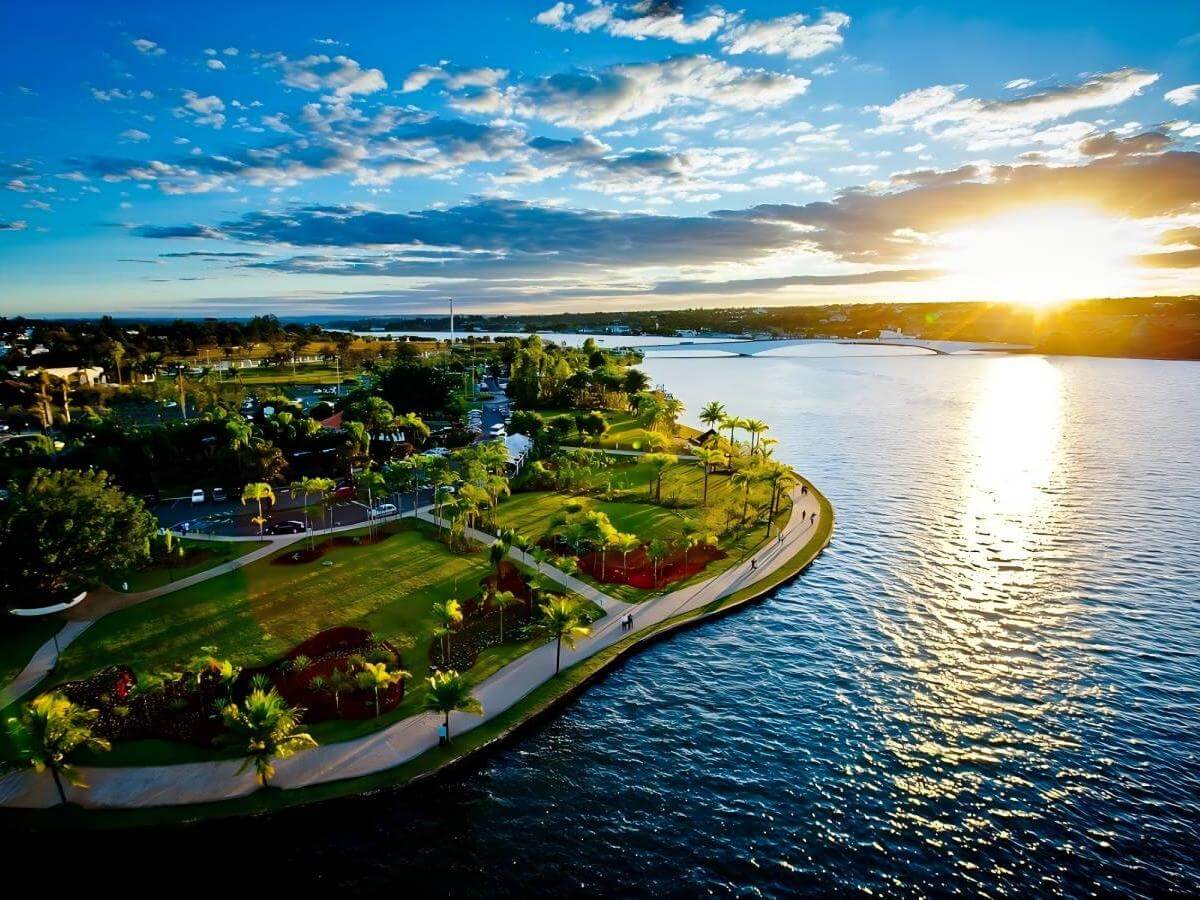
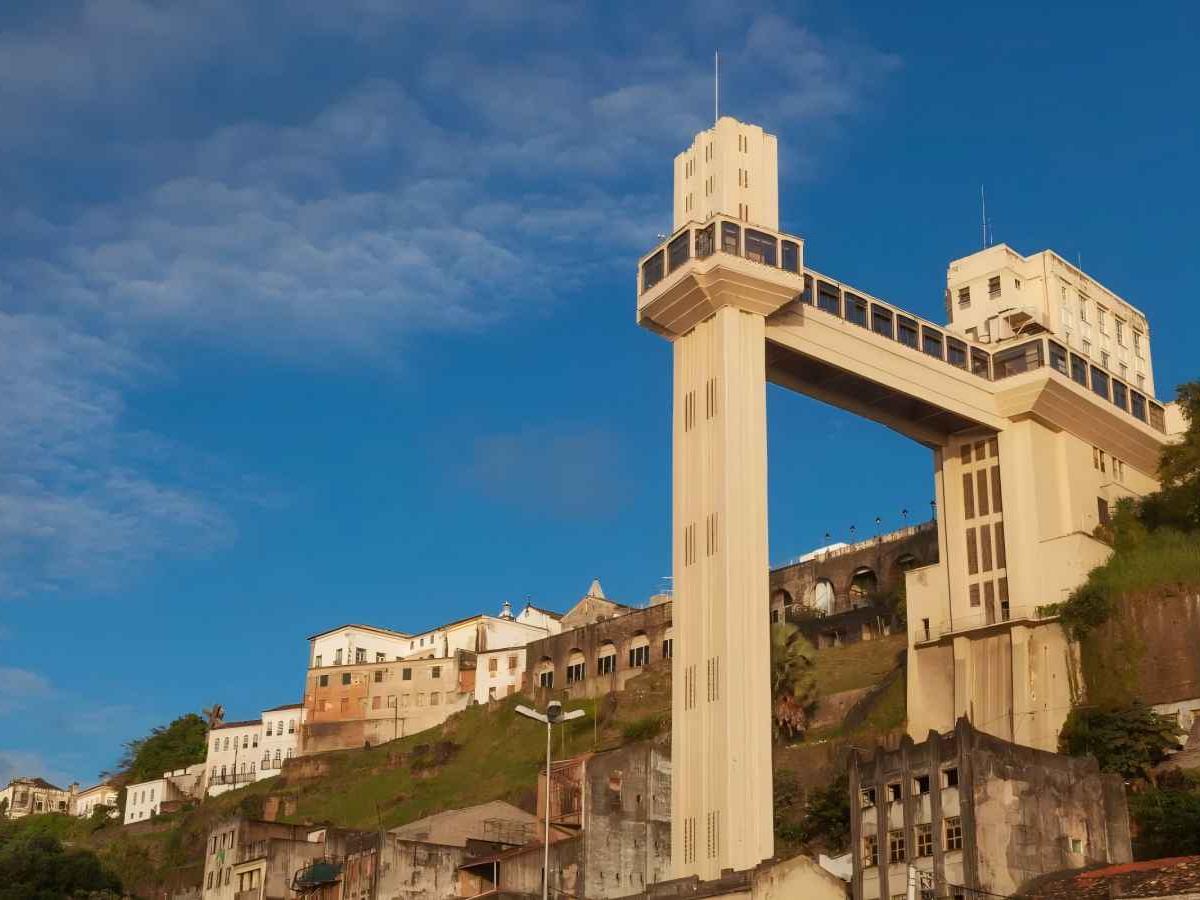
On the northeastern coast of Brazil lies the historic and unique city of Salvador. Like a jewel set on the Atlantic Ocean, it exudes charm. The Lacerda Elevator, as the city's landmark, is not only a key transportation facility connecting the upper and lower parts of the city, but also a vivid textbook of history. Let's go inside and take a wonderful journey through the unique landscape of El Salvador.
Advertisement
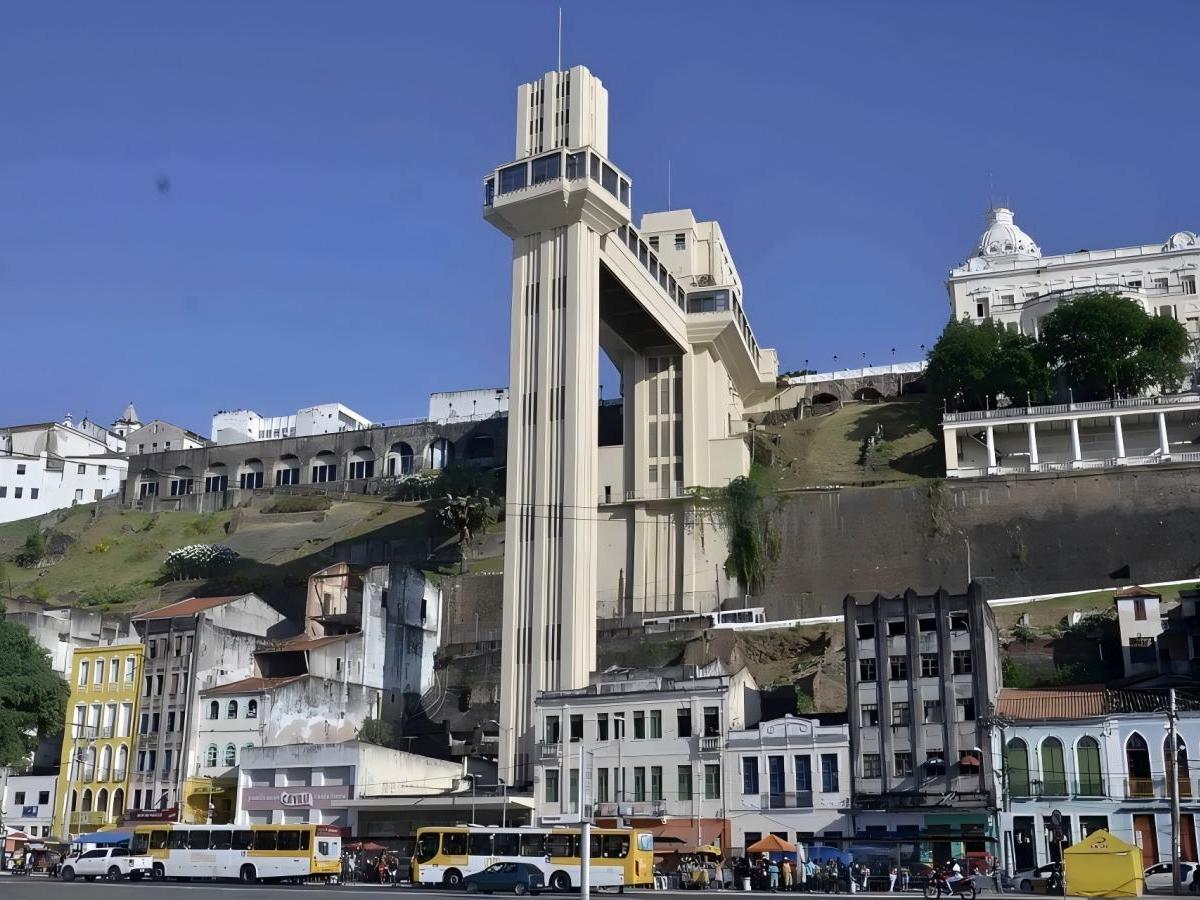
The Lacerda Elevator stands in the city of El Salvador as a magical “vertical link” between the upper city (cidade alta) and the lower city (cidade baixa). Far from being an ordinary elevator, it carries a key node in the functioning of the city. Every day, more than 33,000 passengers use it to travel between the upper and lower city, and it is a key channel for the circulation of the city's vitality, as it is used for commercial goods and the daily commute of its inhabitants.
Advertisement
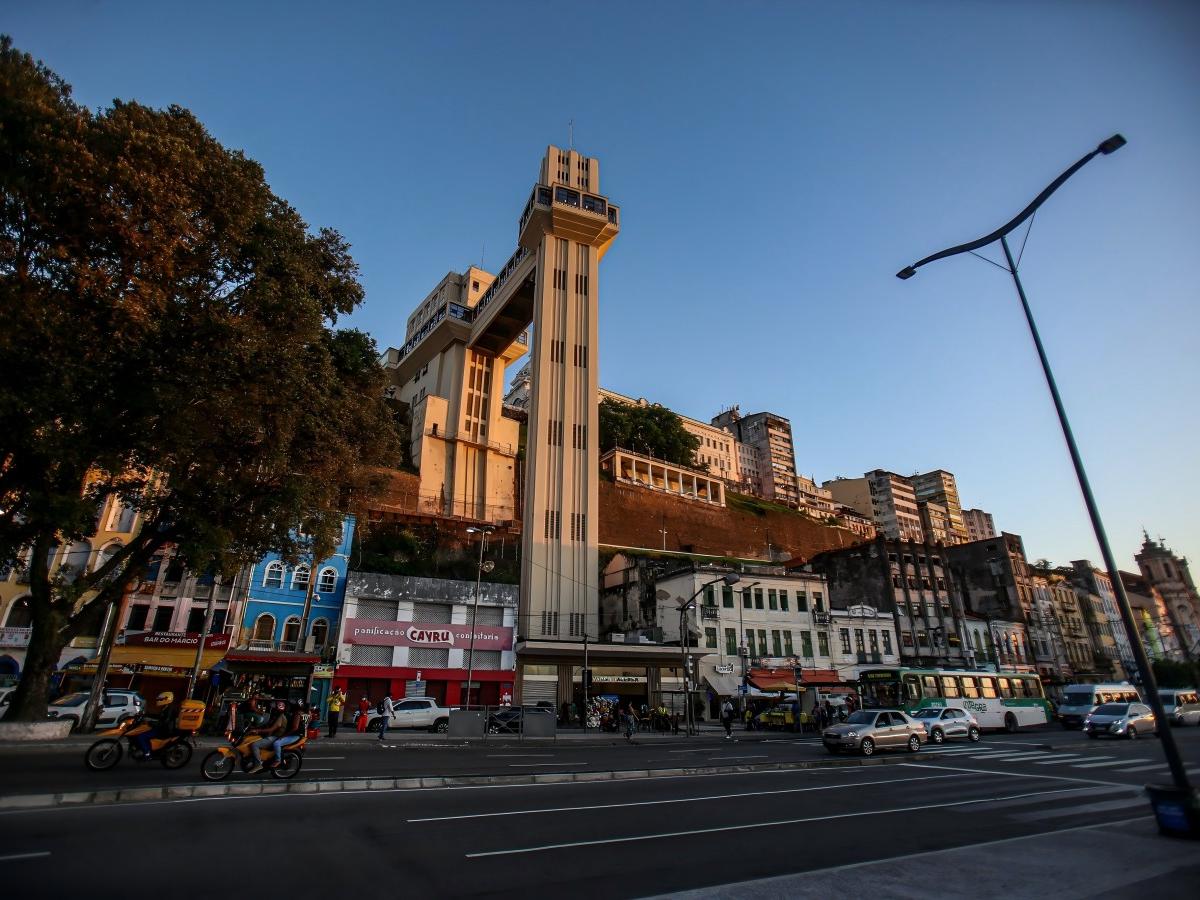
In 1869, the horn blew for construction, and after four years of painstaking work, it was officially opened in 1873. Initially, with the advanced hydraulic system, relying on water pressure drive to realize the lifting and lowering, which was extremely cutting-edge technology at that time. Over time, the elevator was transformed in 1906 into an electrically-powered elevator, which greatly improved its efficiency and stability, and in 2006 it was listed as a National Historic Property of Brazil, making it an important symbol of the country's history and culture. The elevator was born out of a pressing need for urban development. Salvador is separated by a steep cliff of nearly 60 meters, the upper city is concentrated in administrative and religious buildings, while the lower city is the port, commerce and warehousing areas, the difference in terrain poses a great challenge to the transportation of people and goods. In the 17th and 18th centuries, people relied on rudimentary cranes, long staircases, poorly paved slopes, and animal-drawn trams to get around. It wasn't until Antônio de Lacerda engineers, inspired by city elevator projects in Europe and the United States, came up with the idea of an elevator linking up and down the city, and put it into practice.
Advertisement
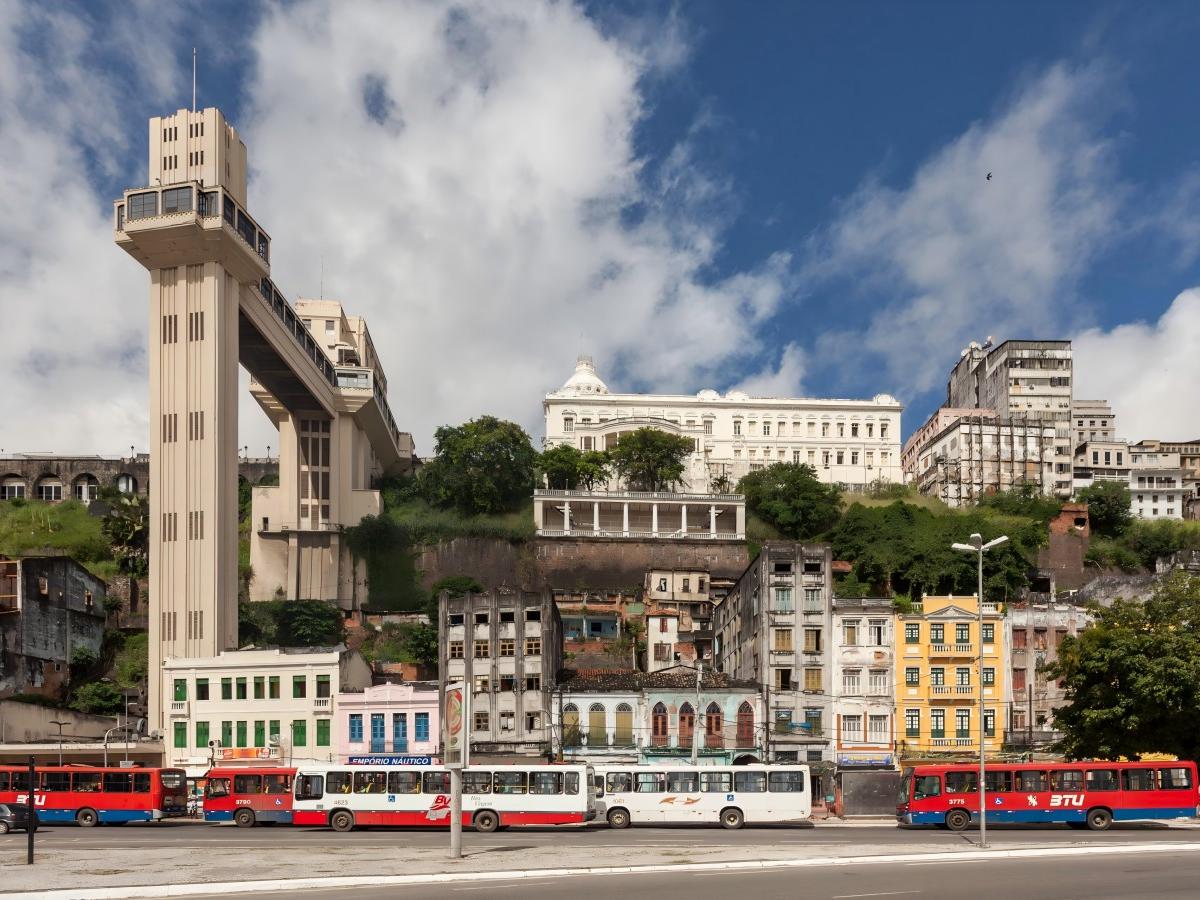
The Lacerda Elevator consists of two towers in an architectural style that combines neoclassicism and art deco. The towers' lines are simple and fluid, revealing a sense of solidity and stability. One of them is embedded in the hillside, while the other reaches down to the city. Four elevators, each with a capacity of 27 passengers, operate in an orderly fashion between the towers, with a single run taking only 30 seconds. The interior of the elevator is small but neatly organized, and the walls are adorned with illustrations of the history of the elevator and the city of El Salvador, adding a cultural dimension to the short journey. 1930 saw the renovation of the towers in Art Deco style, with new concrete towers and the addition of two lifts, which raised the total height of the elevator to 72 meters and greatly increased its capacity to transport passengers.
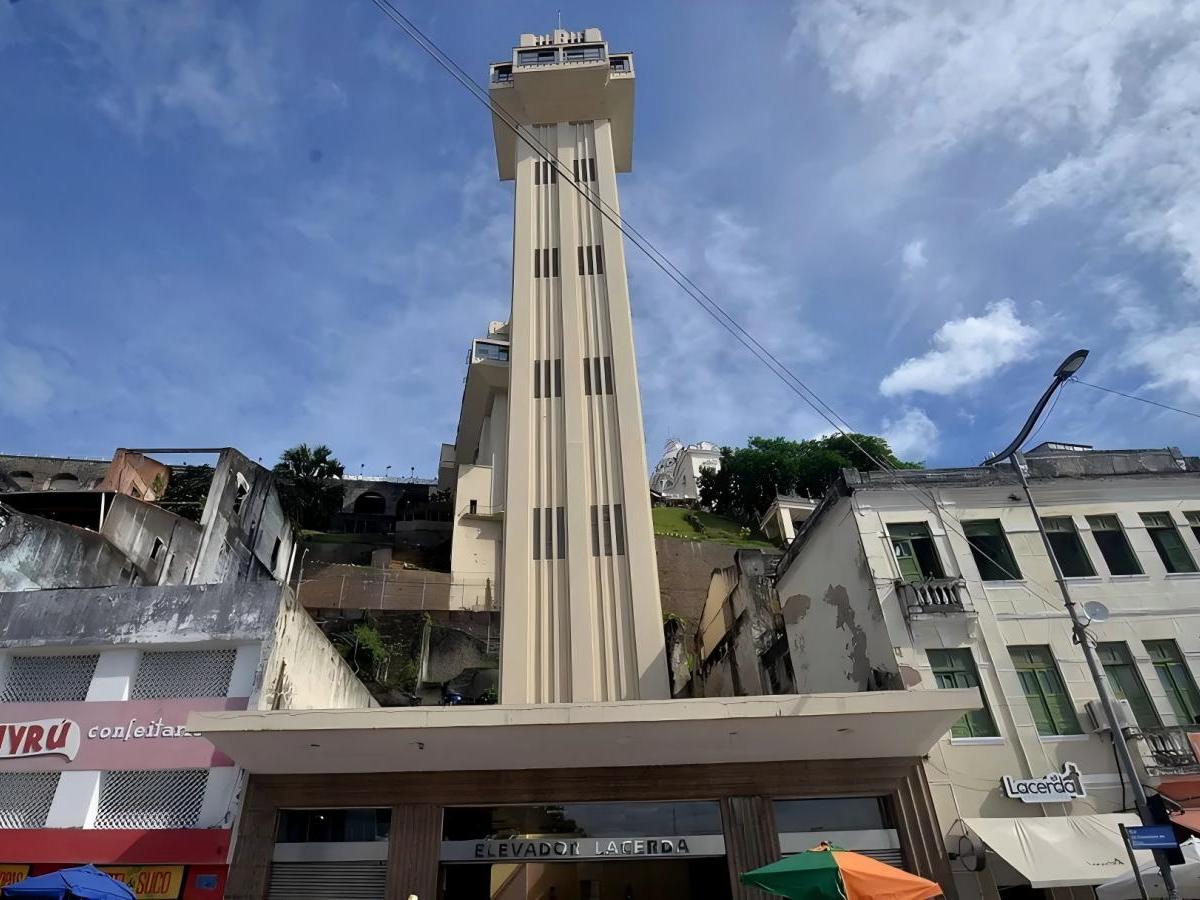
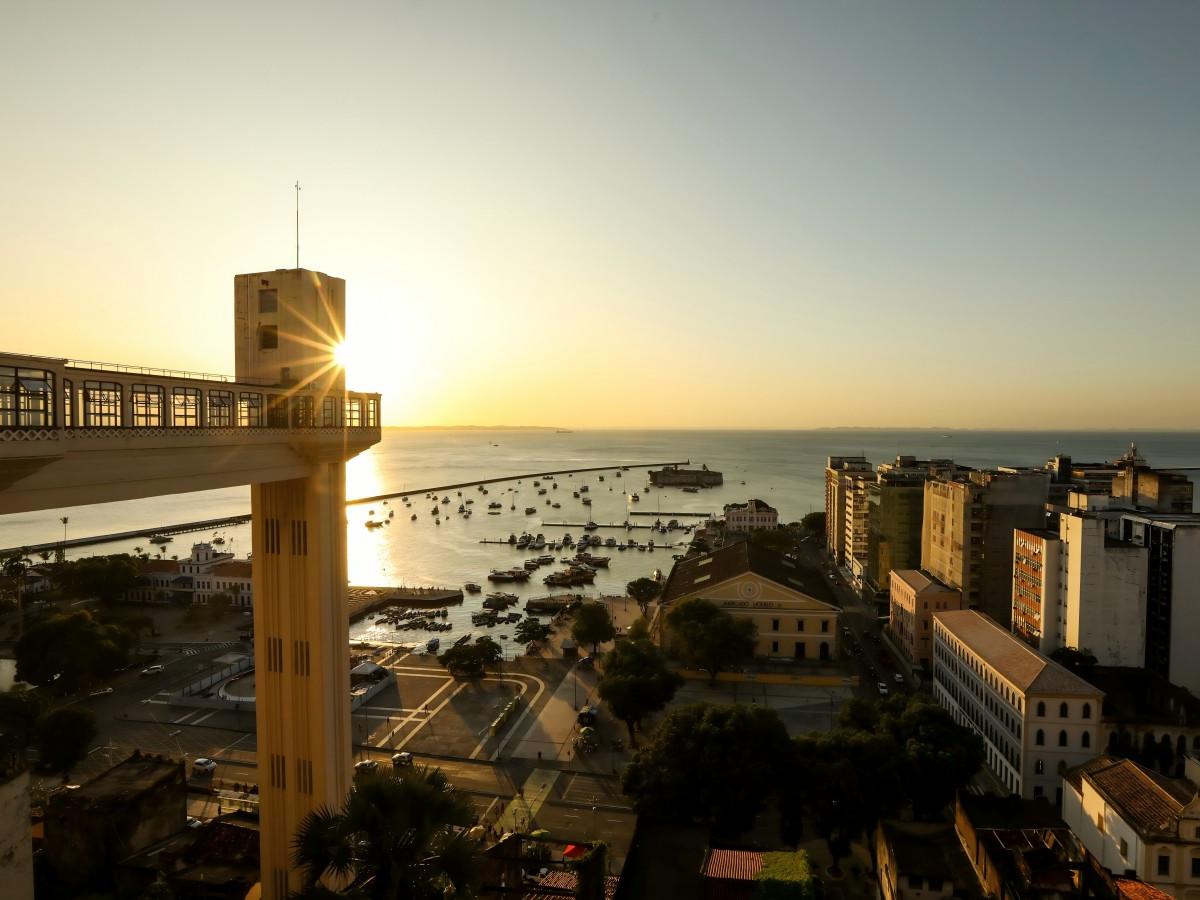
More than just a convenient means of transportation, it is a symbol of the history and modernization of El Salvador. Since its construction, it has greatly facilitated the movement of people and goods between the upper and lower cities, promoting the city's economic and social development, and closely connecting the commercial and administrative areas. Today, it is a popular tourist destination, attracting millions of national and international visitors every year, who enjoy the beauty of the architecture, the history of the city, the panoramic view of the bay and the unique charm of El Salvador.

Moqueca: a passionate collision of seafood and spices: this Brazilian dish is also very common in Salvador. It is made with fresh fish, tomatoes, onions, chili peppers and coconut milk, and cooked in palm oil for a rich flavor and aroma. This delicacy can be enjoyed in many restaurants in the lower city, and it is pleasant to sit in a restaurant and enjoy the sea view while savoring your meal.
Acarajé: a street food bomb: a local specialty, it's a rich, spicy and addictive snack made of mashed black beans deep-fried into a round cake, cut in the middle and stuffed with fresh shrimp, onions, tomatoes and chili sauce. Easily found at street stalls in Downtown at affordable prices, it is an excellent choice for experiencing the local food culture.
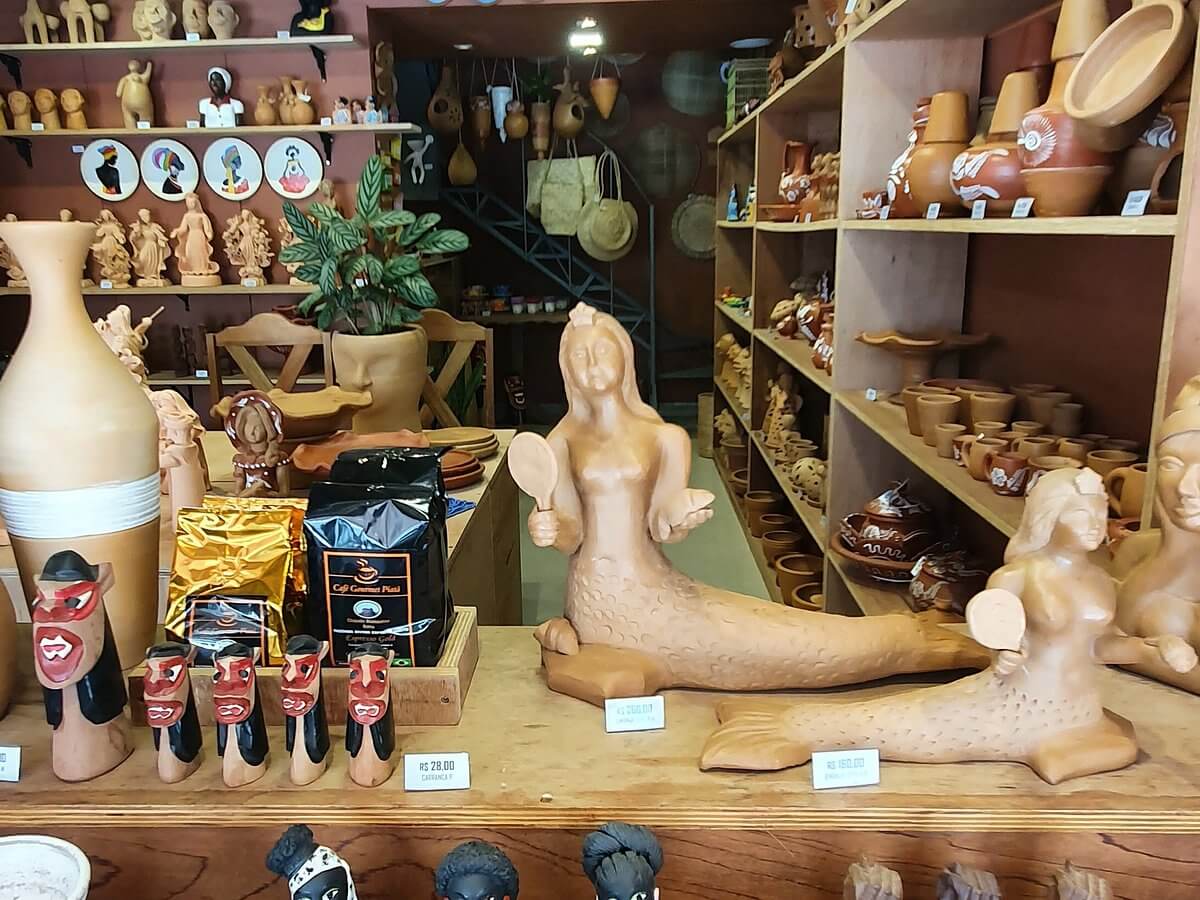
At the Lower Town exit of the elevator, there is a bustling handicraft market where visitors can pick up souvenirs of the local traditional craftsmanship, such as woven fabrics, wood carvings, and ceramics. There are also cafes and restaurants nearby where visitors can take a break from shopping and enjoy good food and coffee. Around the Upper Town exit are European-style streets with museums, art galleries and souvenir stores, such as the Pelonio Historical Center, where visitors can learn more about the history, culture and art of El Salvador. In addition, there are convenient public transportation stops in both the Upper and Lower Towns, making it easy to get to the city's other attractions.
Opening hours: Monday to Friday 6:00 - 23:00, Saturday to Sunday 7:00 - 22:00, reasonable travel time to avoid missing.
Fares: R$0.15 for a single ride, a very affordable price.
Note: There is a high turnover of people going up and down the city, so take care of your belongings. When taking the elevator, follow the instructions of the staff to ensure safety. For panoramic shots, go in the morning for better light. The law and order situation in some areas of El Salvador is generally good, try to avoid going to remote alleys and complicated areas to ensure your own safety.
The Lacerda Elevator is a key to the history and culture of El Salvador. Here you can enjoy the beauty of the architecture, feel the pulse of the city's development, as well as taste the food and experience the local life. It's a unique travel experience waiting to be unlocked by every traveler.