
Advertisement
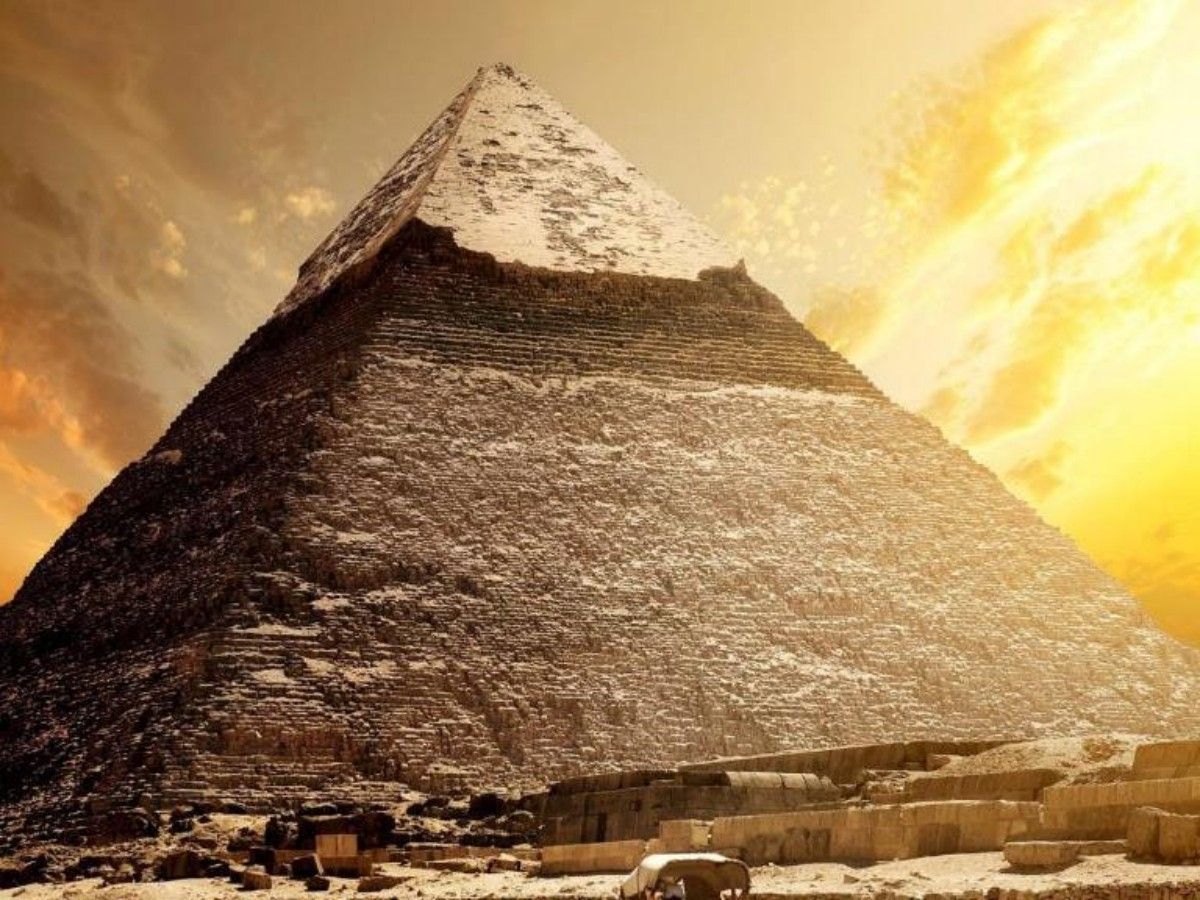
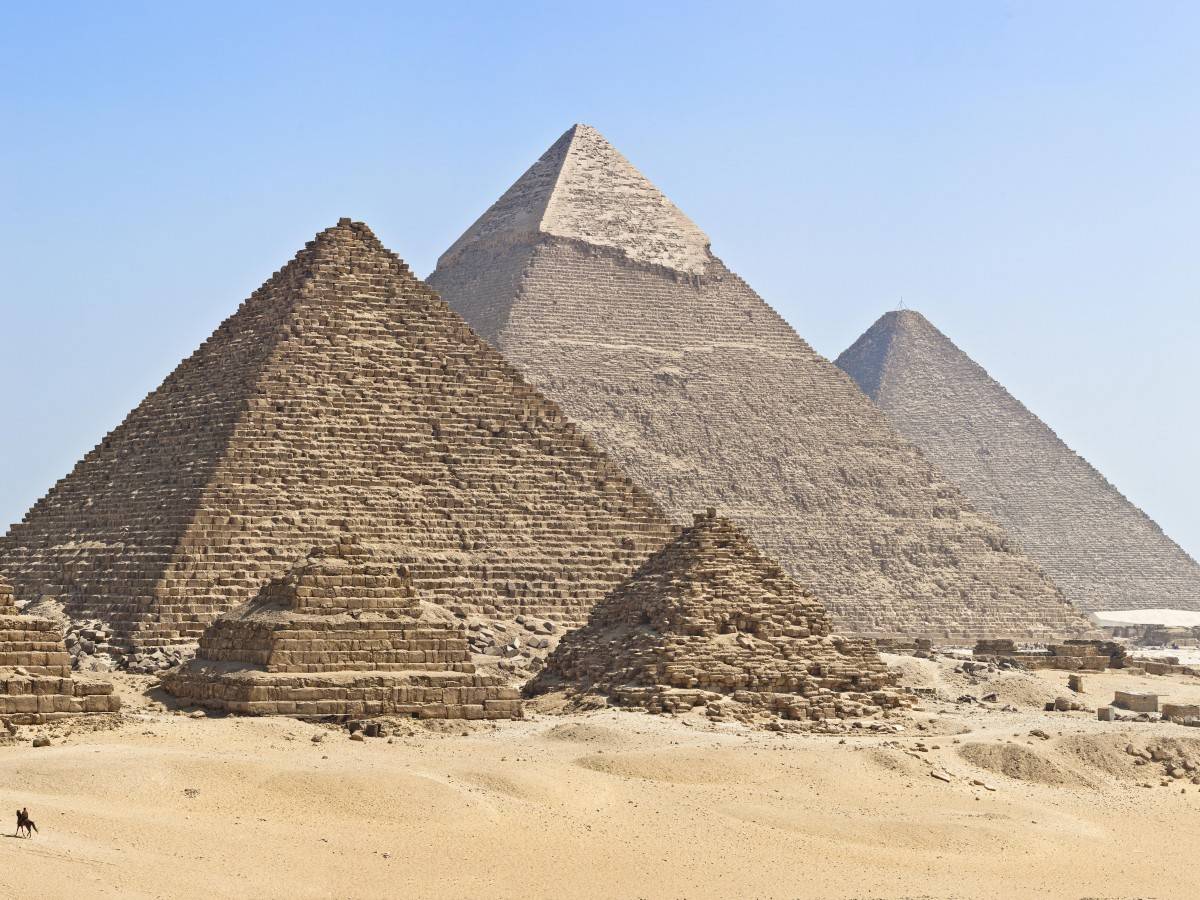
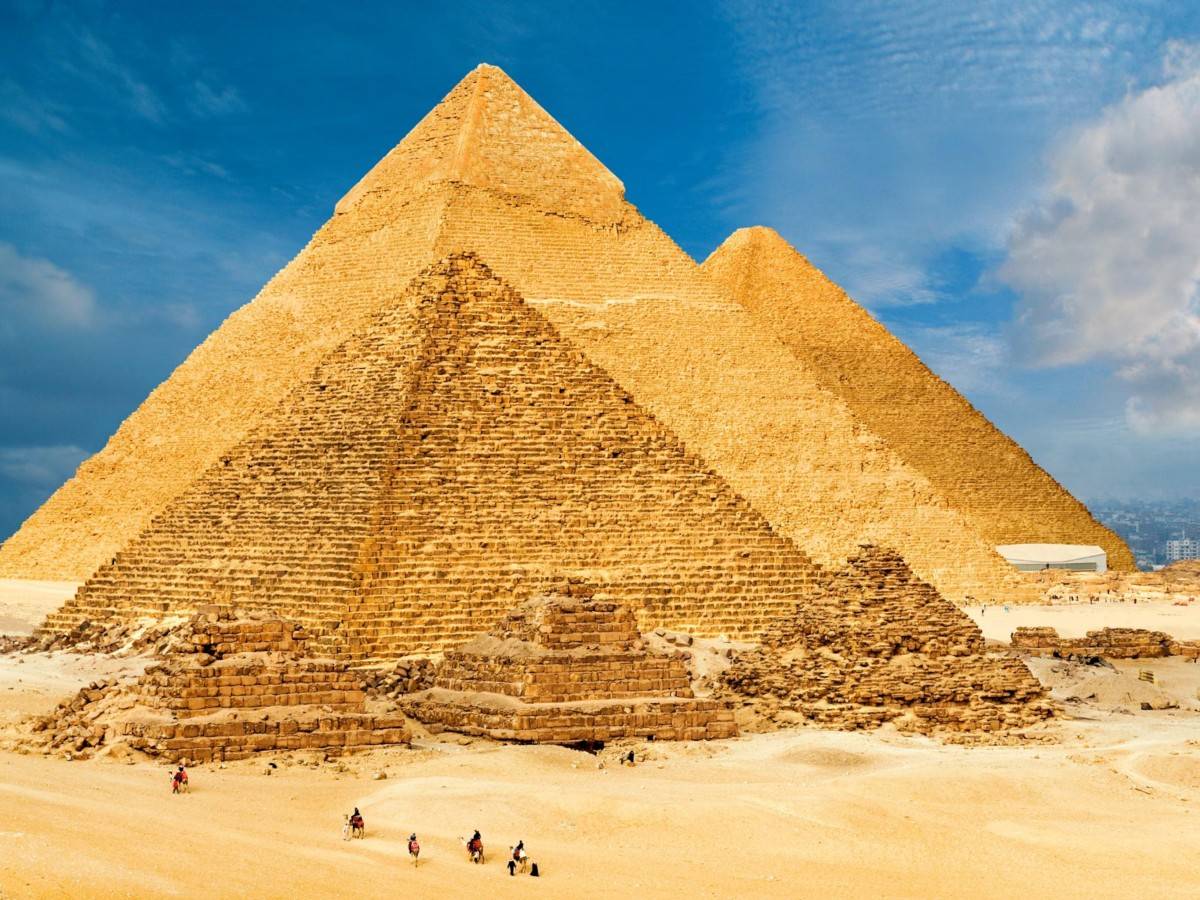
In the vast desert of the Giza Plateau in Egypt, stands the Great Pyramid of Giza, one of the Seven Wonders of the Ancient World. This behemoth made of 2.3 million boulders has stood firm after 4,500 years of wind and sand, showing the world the splendor of ancient Egyptian civilization. However, what is more fascinating than the pyramids themselves is the story of the builders - how did tens of thousands of workers accomplish this feat in extreme conditions? What did they eat to maintain their physical strength? For a long time, people mistakenly believed that these workers were enslaved coolies until archaeologists discovered amazing evidence in the Workers' Village near the pyramids: mountains of cattle bones, large-scale bread kilns, ancient beer breweries... These discoveries completely overturned our cognition. It turns out that the builders of the pyramids did not eat crude slave meals, but high-energy "construction site meals" comparable to modern athletes!
Advertisement
Archaeologists found an astonishing number of cattle bones in the garbage pit of the workers' village. It was calculated that these cattle bones came from at least 10,000 cattle. What's more surprising is that these cattle are not old, weak, sick or disabled, but carefully selected high-quality beef cattle. According to ancient Egyptian documents, the pharaoh would allocate cattle from the pastures in the Nile Delta and send them regularly to the Giza construction site as protein supplies for the workers. Each worker could get about 3-4 kilograms of beef per week, which was even higher than the level of ordinary citizens at that time.
Advertisement
The beef was paired with freshly baked bread. Instead of eating dry and hard black bread, the workers enjoyed fermented bread made by professional bakers. The large bread kiln group discovered by archaeology shows that tens of thousands of loaves of bread can be produced here every day. By analyzing the residues under a microscope, scientists restored the recipe: fine wheat flour mixed with barley, adding dates to increase sweetness, and some also mixed with sesame and coriander seeds for seasoning. This high-carbohydrate food provides a continuous source of energy for the workers.
The most indispensable "energy drink" is ancient Egyptian beer. Unlike modern beer, this beer is more like a thick porridge, with low alcohol content but rich in vitamin B group. The pottery jars discovered by archaeologists are engraved with words such as "For the 15th Working Group", indicating that beer was rationed by team. According to calculations, each worker can get 4-5 liters of beer per day, which is not only a thirst-quenching drink but also an important source of calories.
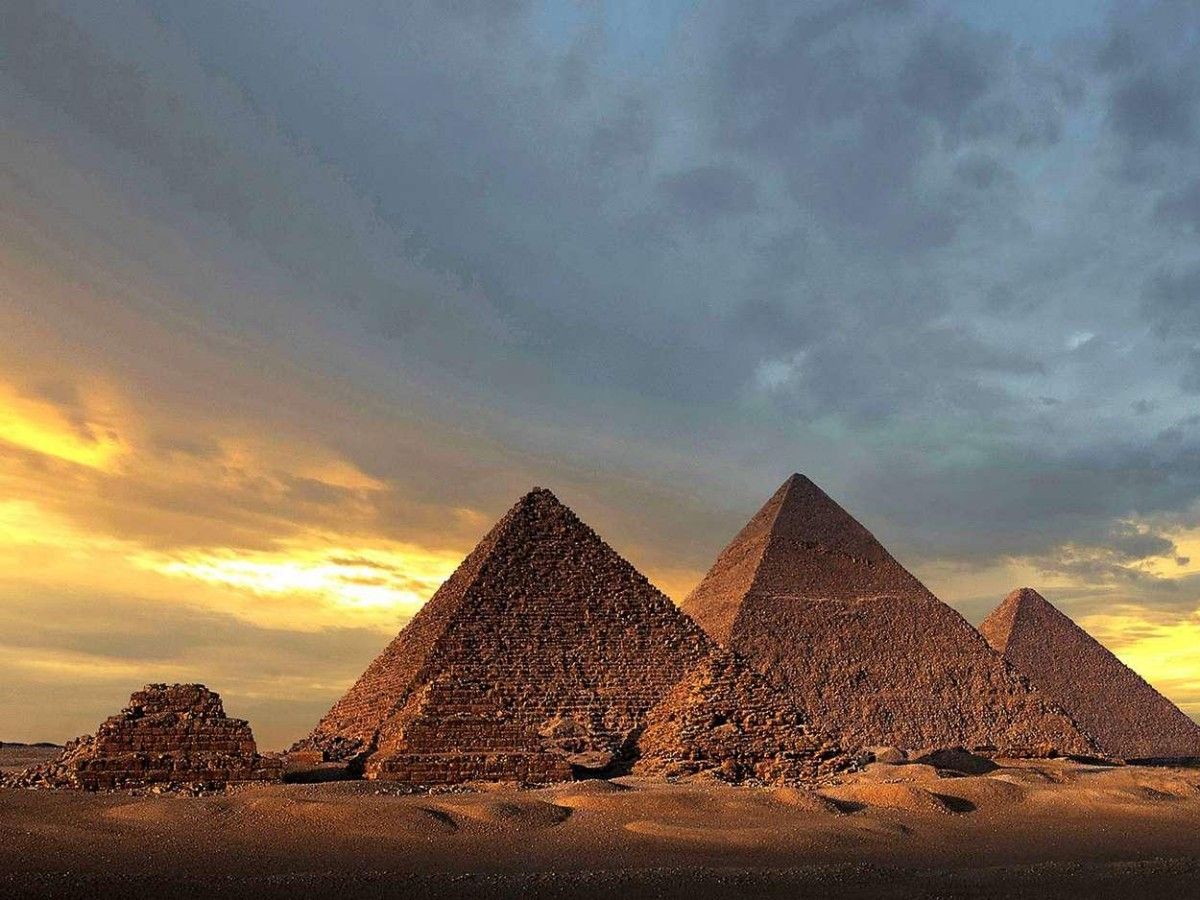
In 2013, the archaeological team excavated a well-preserved central kitchen site in the workers' village, which was like a "collective canteen" 4,500 years ago. There are dozens of stoves in the site, each with a stone cooking table and storage area. The most eye-catching is a giant cooking pot with a diameter of 2 meters. According to analysis, a large amount of beef and vegetables were stewed in it.
Advertisement
Not far from the kitchen, archaeologists also found the remains of a granary, in which the amount of wheat and barley left was astonishing, enough to supply thousands of people with food for a month. What's even more amazing is that these grains have been carefully screened, and almost no mold or impurities were found, showing strict quality control.
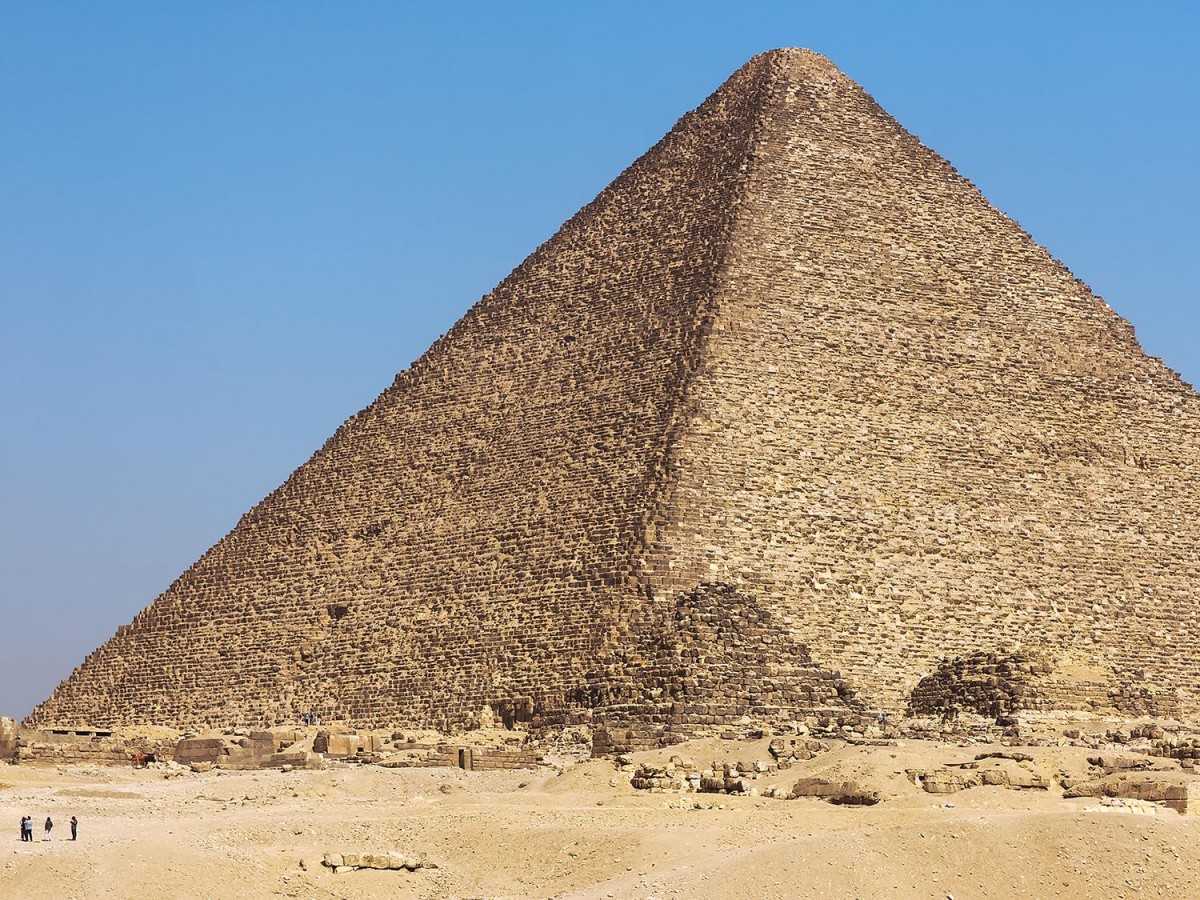
Today, tourists who visit the Giza Pyramids can visit the partially open Workers' Village ruins. Although it is impossible to taste the food from 4,500 years ago, several restaurants in Cairo offer a modern version of the "Pyramid Builders' Set Meal":
Kebab Halla (ancient beef stew, restored according to the recipe on the unearthed pottery jar)
Aish Fino (pyramid bread, baked in a traditional stone kiln)
Nile Beer (beer brewed according to the ancient method, with an alcohol content of only 2%)
At sunset on the Giza Plateau, while enjoying these "historical flavors" and looking up at the silhouette of the pyramids, it seems that you can travel through time and space and share a "construction site dinner" with those ancient builders.
Every huge stone of the Pyramid of Khufu condenses the wisdom and sweat of the ancient Egyptians. The archaeological discoveries in the Workers' Village tell us that the success of this great project depends not only on superb construction technology, but also on scientific nutrition management. The unearthed cattle bones, bread kilns and beer cans, like work meal cards from 4,500 years ago, record how the pharaohs used high-quality food to motivate workers to create miracles. Next time you touch the huge stones of the pyramids, please remember: these stones are not only piled up by manpower, but also cast by the energy provided by countless beef dinners. And this may be the most simple yet profound revelation left to us by the ancient Egyptian civilization - to build eternity, we must first treat the builders well.