
Advertisement
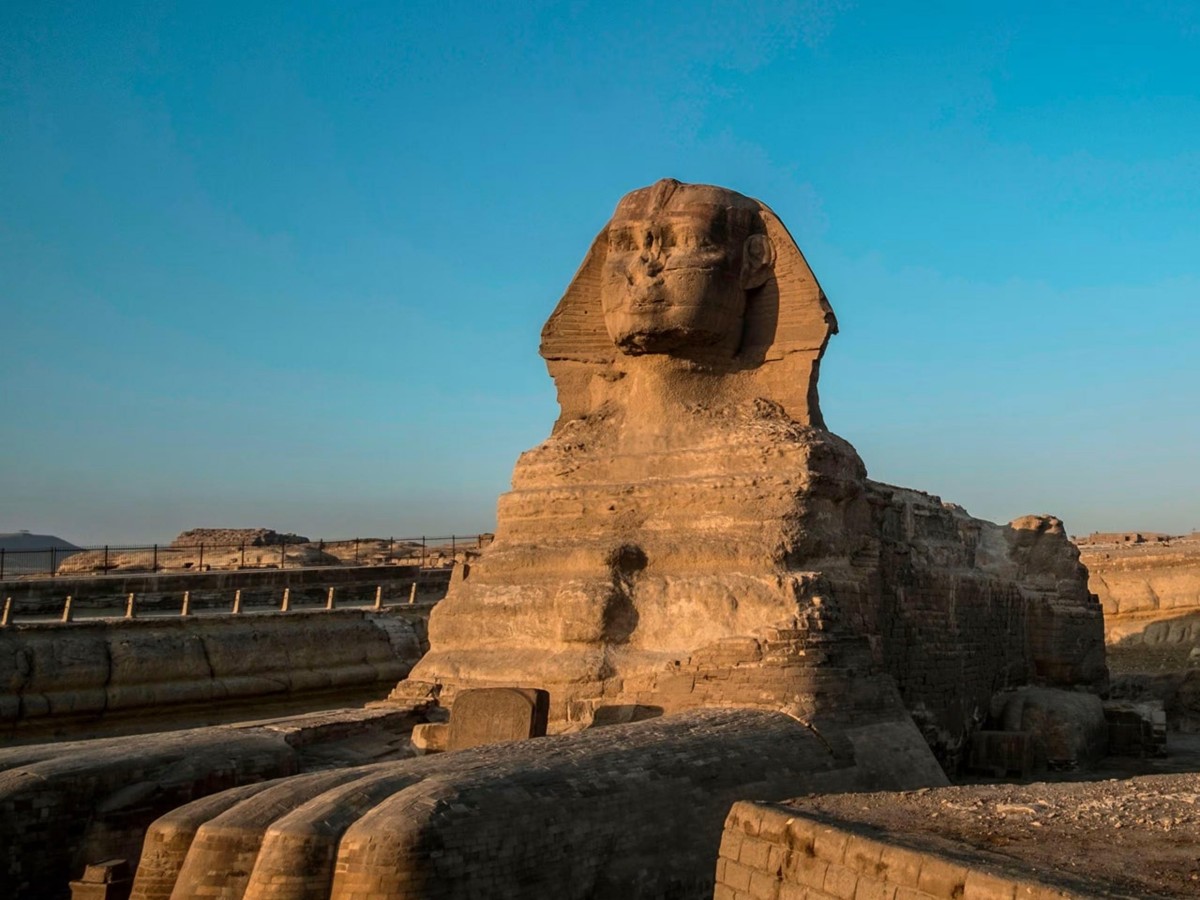
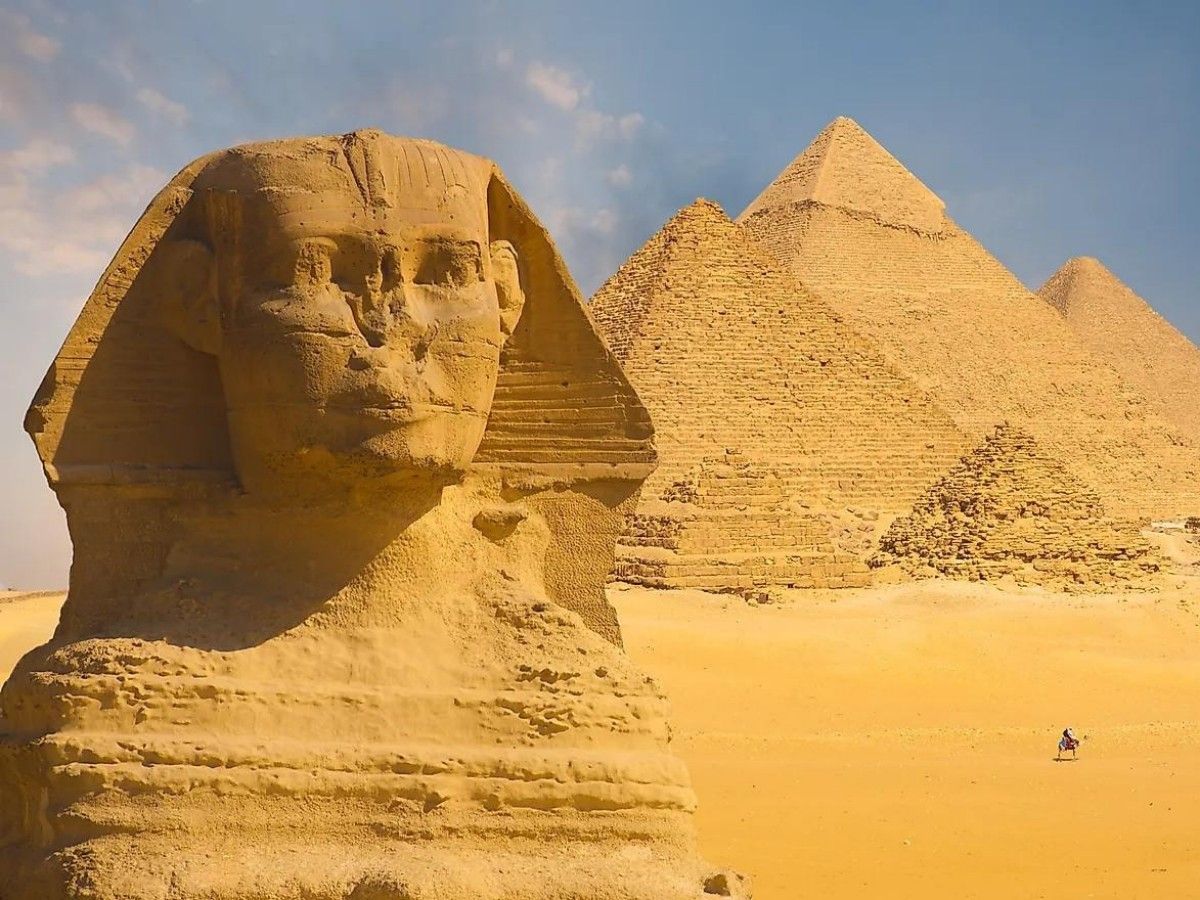
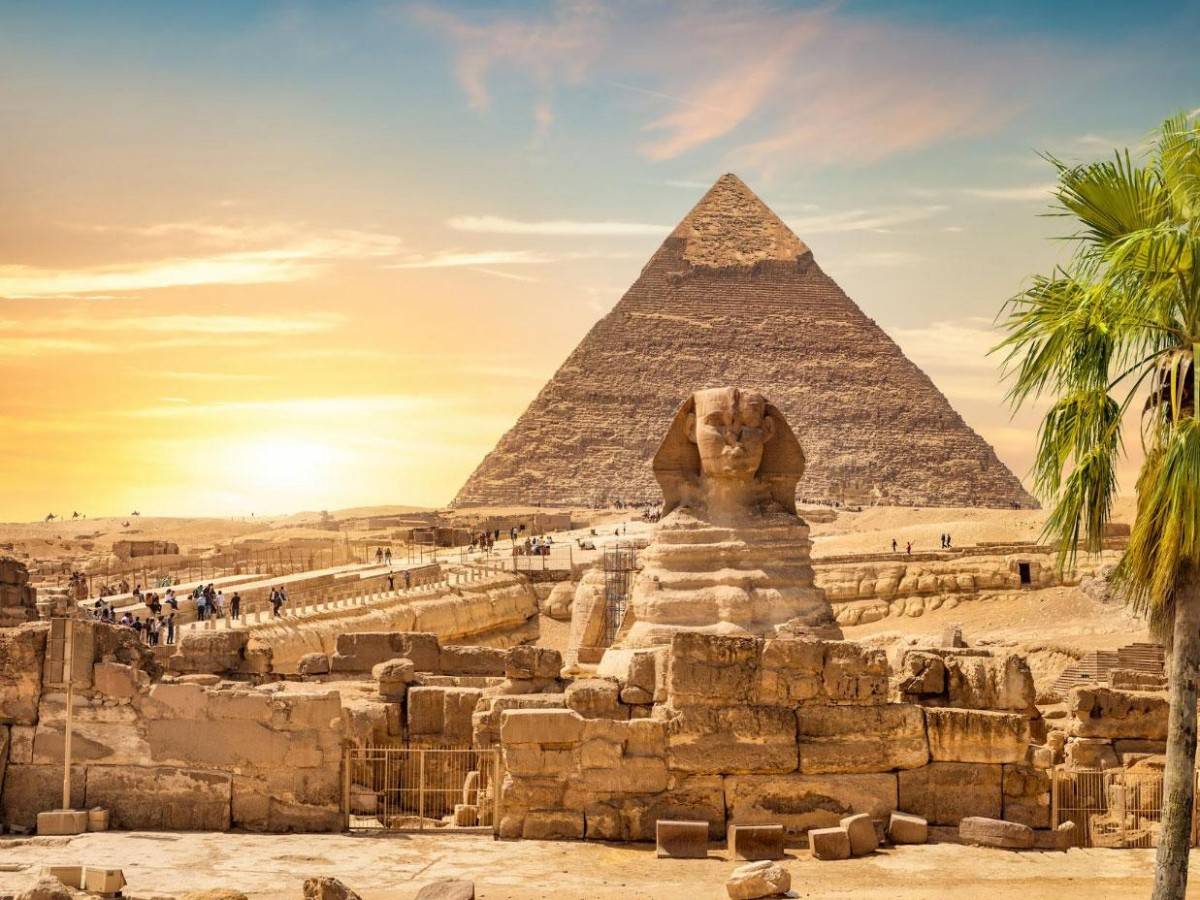
From the sands of Egypt's Giza Plateau, the Great Sphinx of Giza has gazed at human civilization for 4,500 years. This 73-meter-long and 20-meter-high colossus, carved from a single block of limestone, has one obvious flaw - its nose is missing! There have been many theories about this missing nose for centuries, from bombardment by Napoleon's army, to sabotage by medieval Sufi mystics, to bizarre hypotheses of alien intervention... Today, we'll take a look at the 7 craziest theories about the Sphinx's nose and see which one is most likely to be close to the truth!
Advertisement
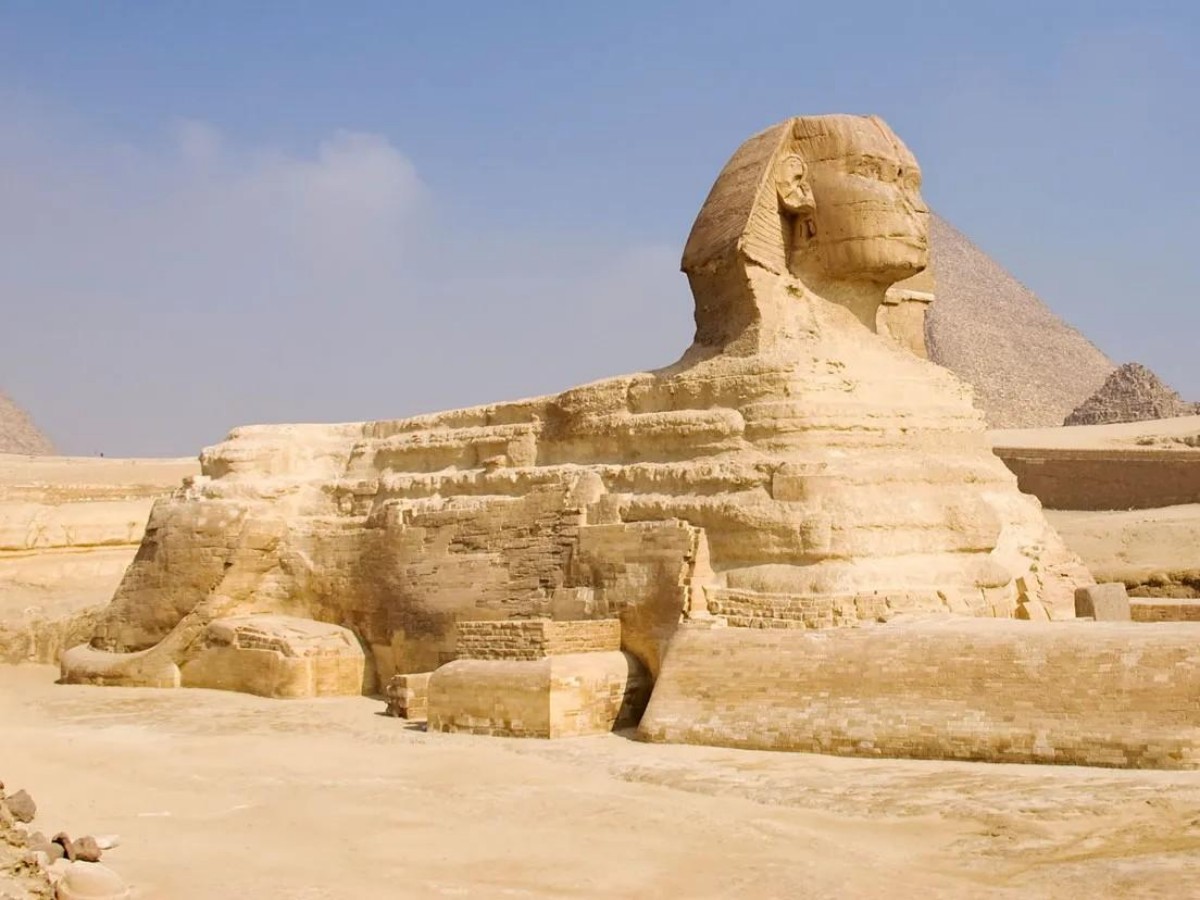
The most popular theory is that during Napoleon's expedition to Egypt in 1798, his troops bombarded the Sphinx with cannons, causing the nose to fall off. This theory sounds reasonable - after all, Napoleon did come to Egypt with artillery troops, and there are many records of European destruction of antiquities. But in fact, as early as 300 years before Napoleon was born, Danish explorer Frederic Norden drew a sketch of the Sphinx in 1737, and it already had no nose! So, although Napoleon did a lot of things, he really doesn't have to bear this "pot".
Advertisement
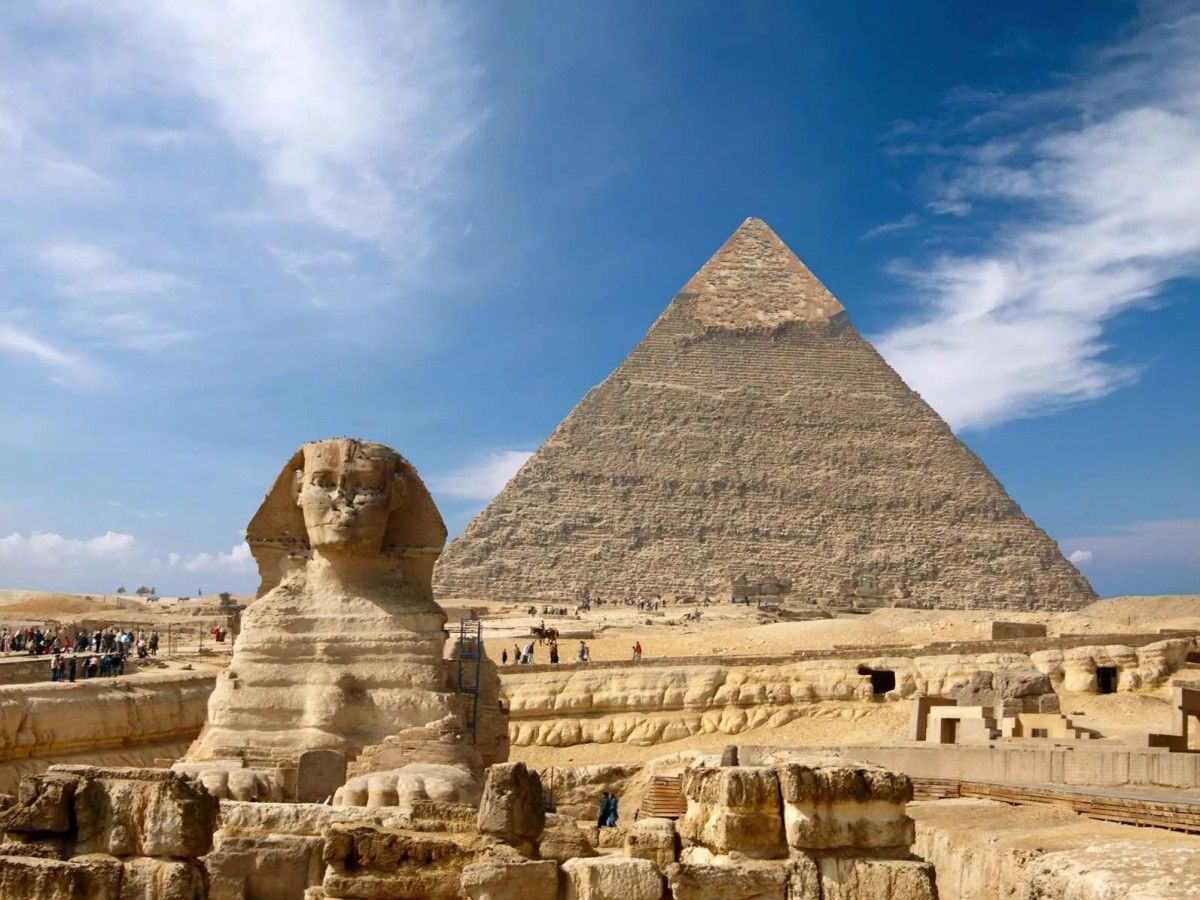
The Arab historian al-Maqrizi mentioned in his 15th-century records that a Sufi named Sa'im al-Dahr destroyed the face of the Sphinx in 1378. At that time, Egyptian farmers were still offering sacrifices to the Sphinx to pray for a good harvest. This fanatical religious person believed that this was "idolatry", so he chiseled off its nose and part of its beard with tools. This statement has been supported by some scholars, because traces of human destruction were indeed found on the head of the Sphinx, and the time was roughly consistent.
Advertisement
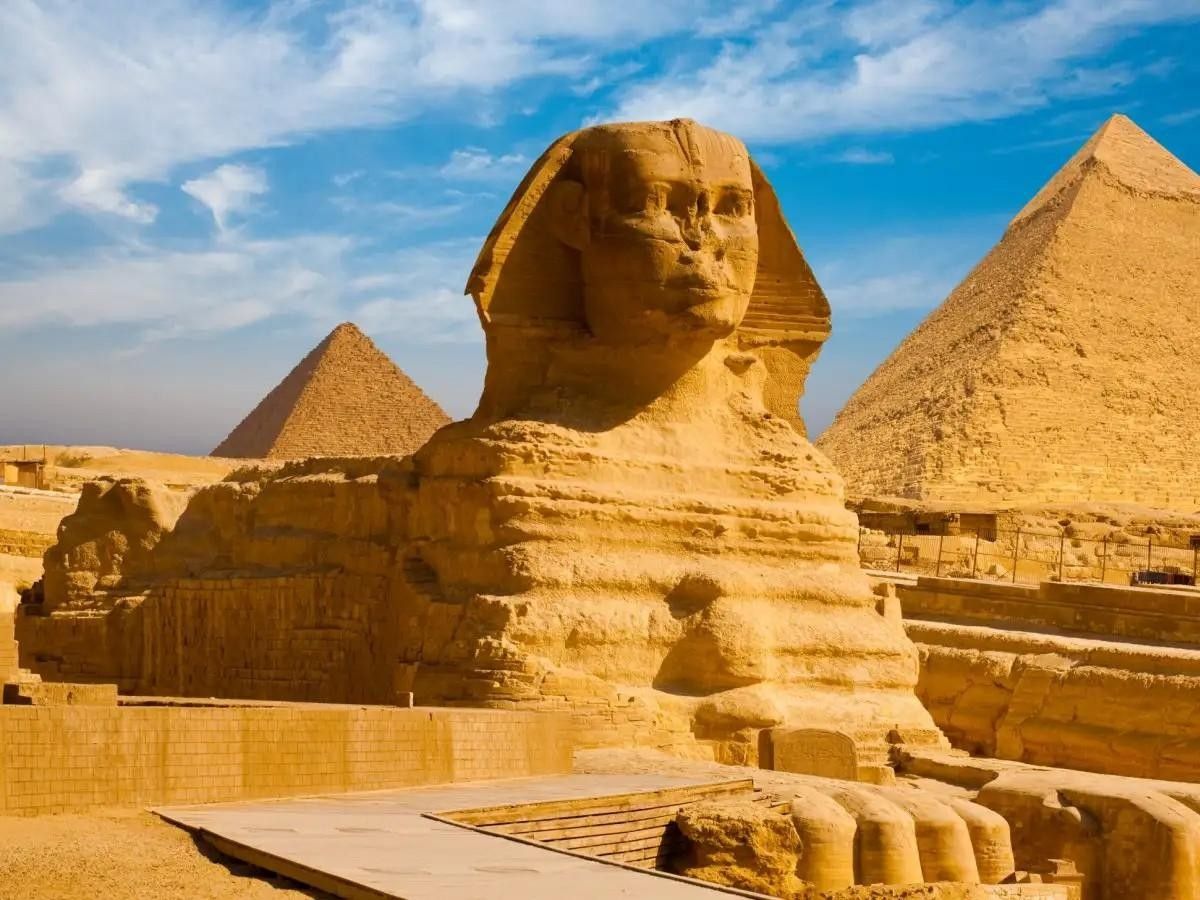
Some Egyptologists have suggested that the nose may have been deliberately destroyed by later rulers of ancient Egypt. In ancient Egypt, destroying the statue of the previous pharaoh symbolized the negation of his rule. The Sphinx is traditionally considered to be a portrait of Pharaoh Khafra (although there is still controversy), and if a successor wanted to erase his influence, destroying facial features would be the most direct way. Archaeological evidence shows that fragments of the Sphinx's beard are now in the British Museum, and the fracture surface of the nose also shows traces that may have been deliberately chiseled away by tools.
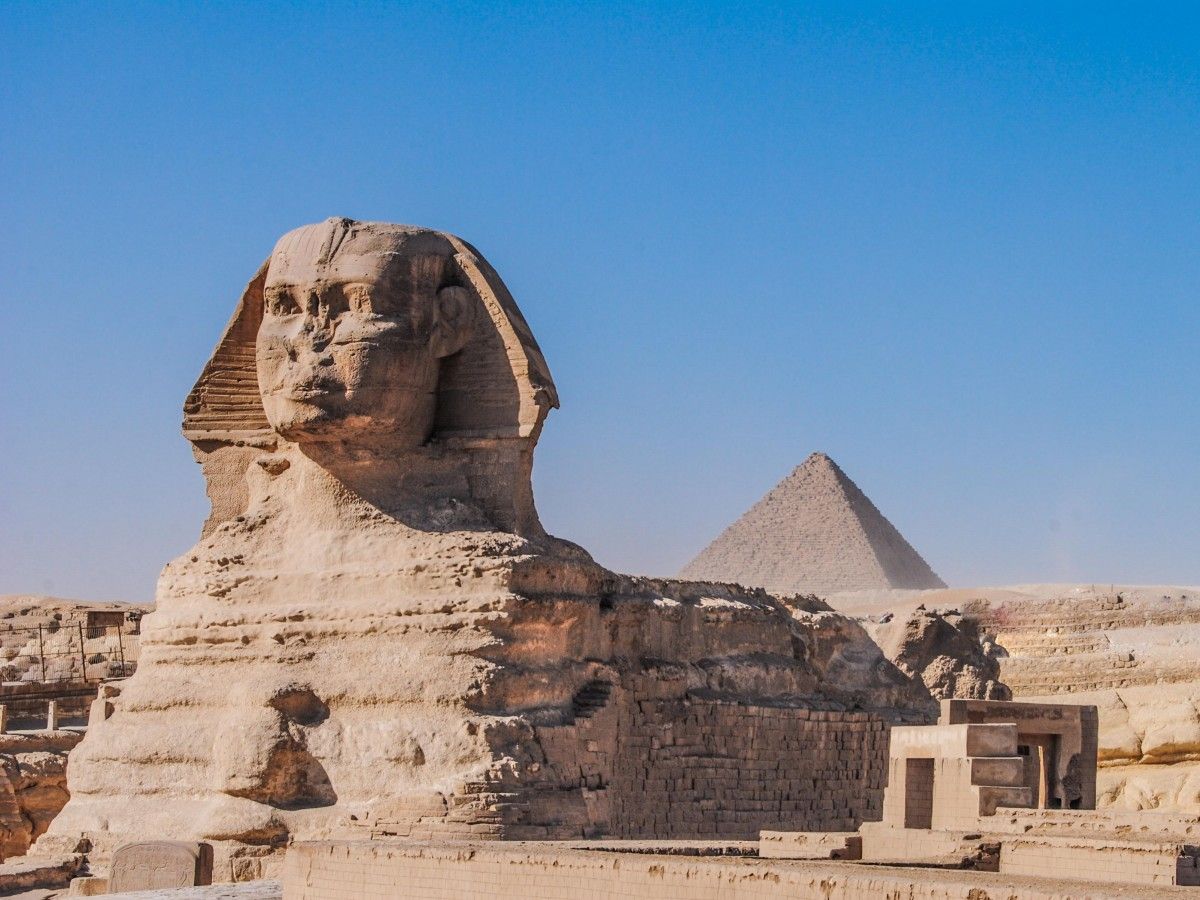
Geologists point out that the strong winds on the Giza Plateau carry sand, and thousands of years of wind erosion may gradually wear away protruding parts such as the nose. However, opponents argue: Why only the nose disappeared, while other facial features are relatively well preserved?In particular, the details of the eyes and mouth are still clearly visible. If it is purely natural erosion, there should not be such "precise" local loss. However, some people explain that the nose, as the most prominent part, is indeed more likely to bear the brunt of the wind and sand.
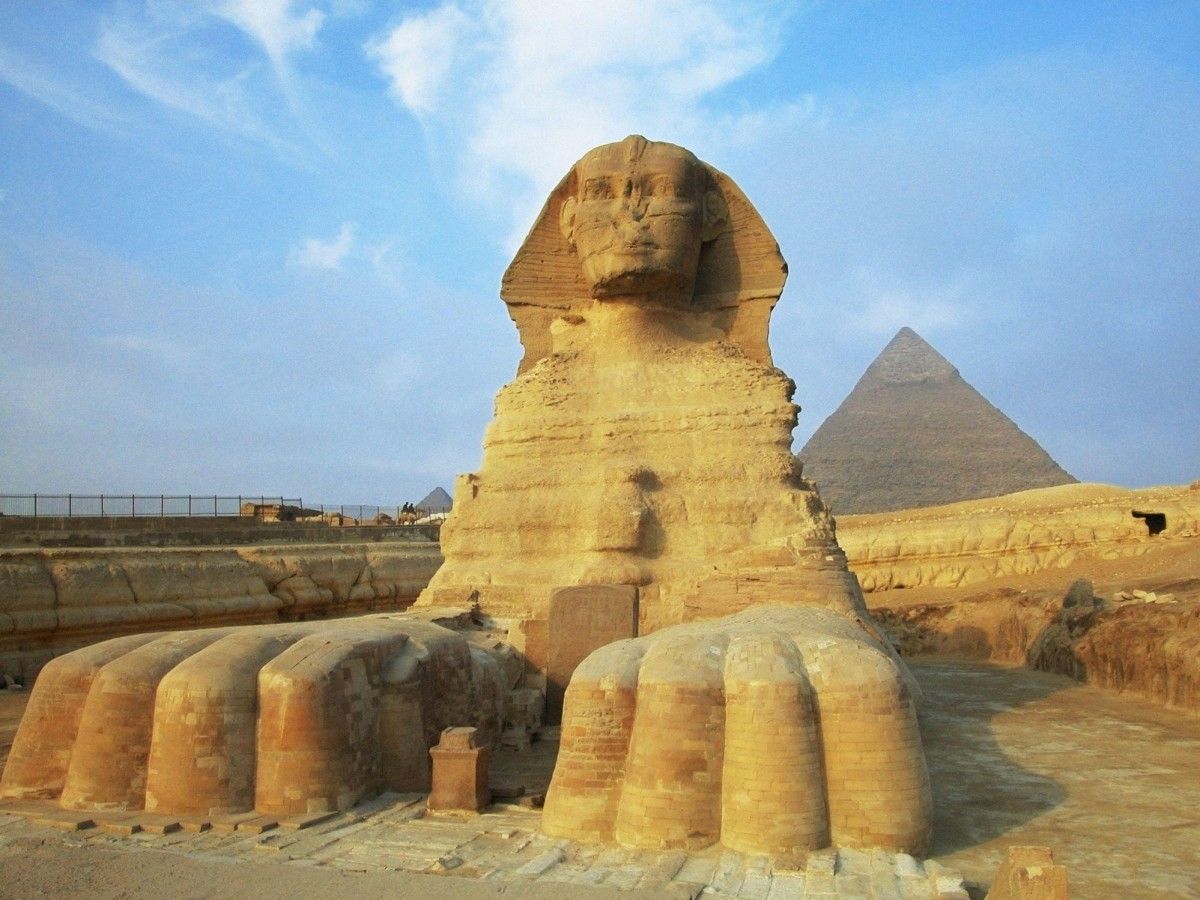
Egypt is located in an active seismic zone, and many strong earthquakes in history may have caused damage to the Sphinx. In 1303 AD, a major earthquake destroyed the Lighthouse of Alexandria, and the Sphinx's nose may have collapsed in an earthquake. Supporting this theory is the fact that the Sphinx's legs also have obvious cracks, which are suspected to be caused by an earthquake. But the question is, why did only the nose fall off, while other more fragile parts (such as the crown) are basically intact?
Of course, there is the alien theory! Some UFO enthusiasts claim that the Sphinx's nose is actually a high-tech device, perhaps some kind of "interstellar communicator" or "energy transmitter", which was later recovered by aliens. Some people even "verified" that Napoleon's army was actually trying to dig out the "alien technology" under the nose, so they made up the story of the bombardment. Although this theory has no archaeological basis, it unexpectedly has a market on the Internet...
The last theory may be the most surprising: the Sphinx was originally designed without a nose! Supporters point out that in ancient Egyptian art, statues of gods and pharaohs sometimes deliberately did not carve noses to symbolize their "divinity beyond mortals." In addition, the nose is a symbol of breathing, and the absence of a nose may represent "no need to breathe", that is, immortal existence. However, this statement is highly controversial, because early documents and images show that the Sphinx should have had a nose.
Where did the Sphinx's nose go? We may never know for sure. But it is this unsolved mystery that makes this ancient colossus even more fascinating. Whether it is the destruction of Sufi saints, the erosion of natural forces, or the political erasure of the Pharaoh era, each theory reflects the interpretation of this relic by people in different eras. The next time you stand in front of the Sphinx, you might as well take a closer look at its mutilated face - the missing nose may be an eternal mystery left to us by history, waiting for future generations to continue to explore.