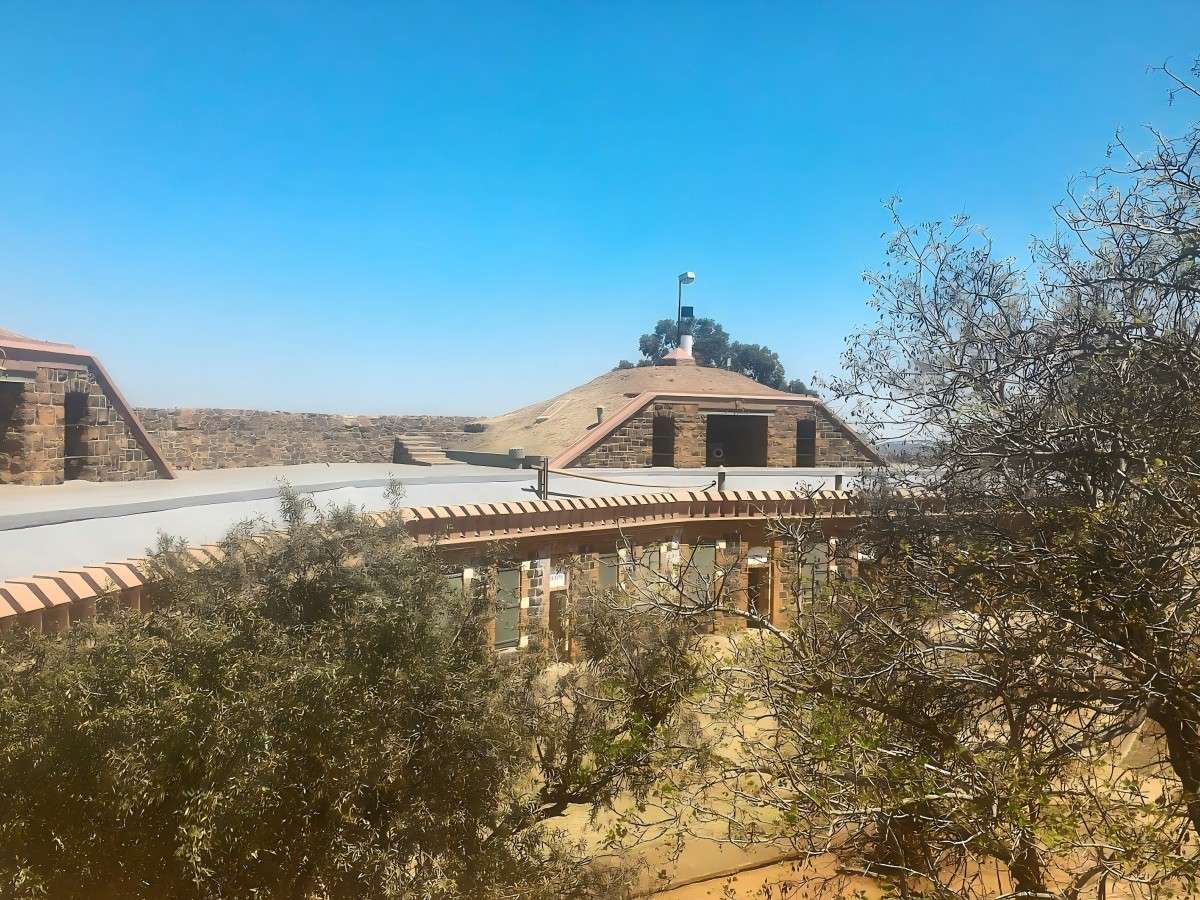
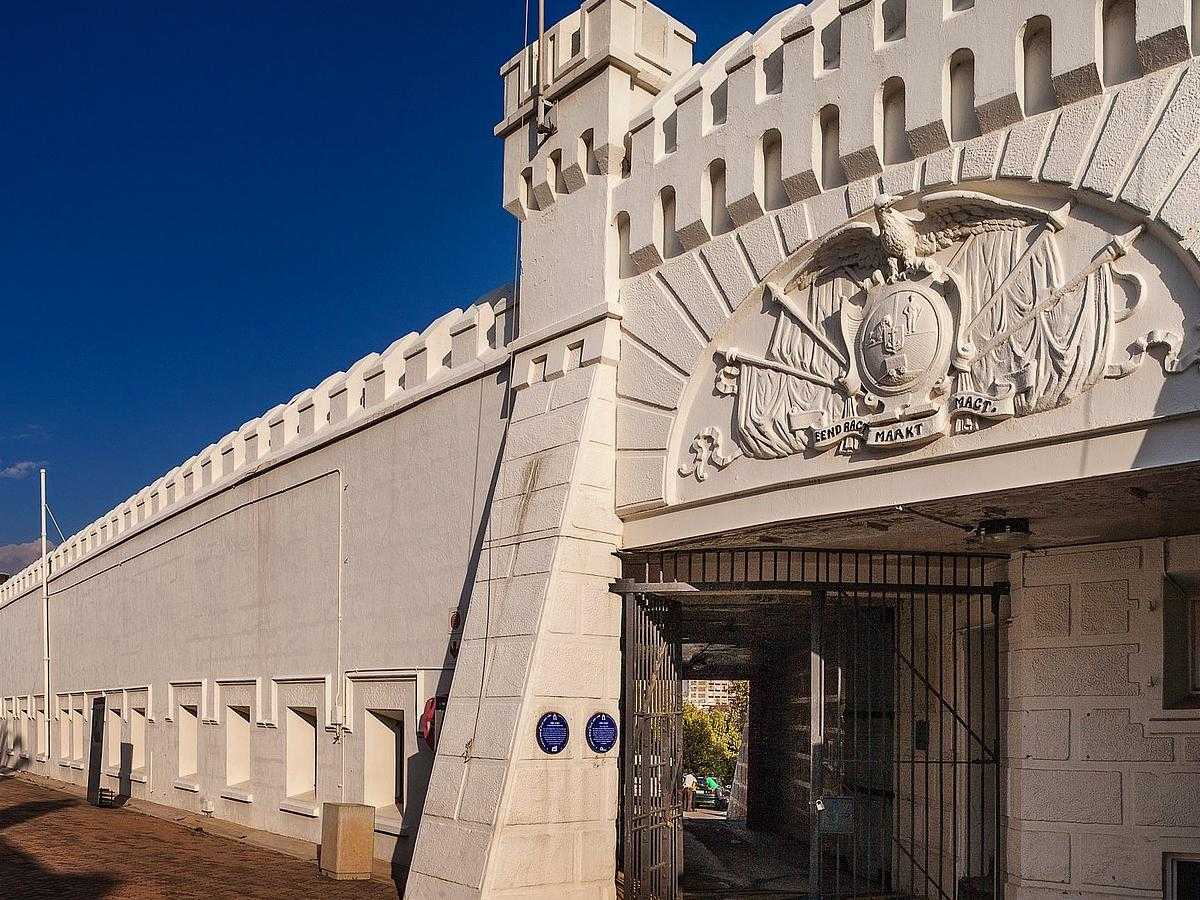
Standing on the grounds of one of South Africa's most influential historical landmarks, Constitution Hill, at first glance it appears to be a place of great significance. With breathtaking views of the Johannesburg skyline, beautifully restored buildings and a sense of peace, it almost feels like a celebration of the country's progress. But when you delve into its history, you realize that there is nothing peaceful about this place. This place hides dark and twisted secrets that tell the story of the country's painful past.Constitution Hill is not only a symbol of today's democracy; it's also a place where countless lives have been destroyed and spirits crushed. As we delve into the darker chapters of South Africa's history, this journey into the past is more than just a lesson in the past - it's an emotional rollercoaster that will make you feel all sorts of things. It is a haunting reminder of what this country has been through to get to where it is today.
Advertisement
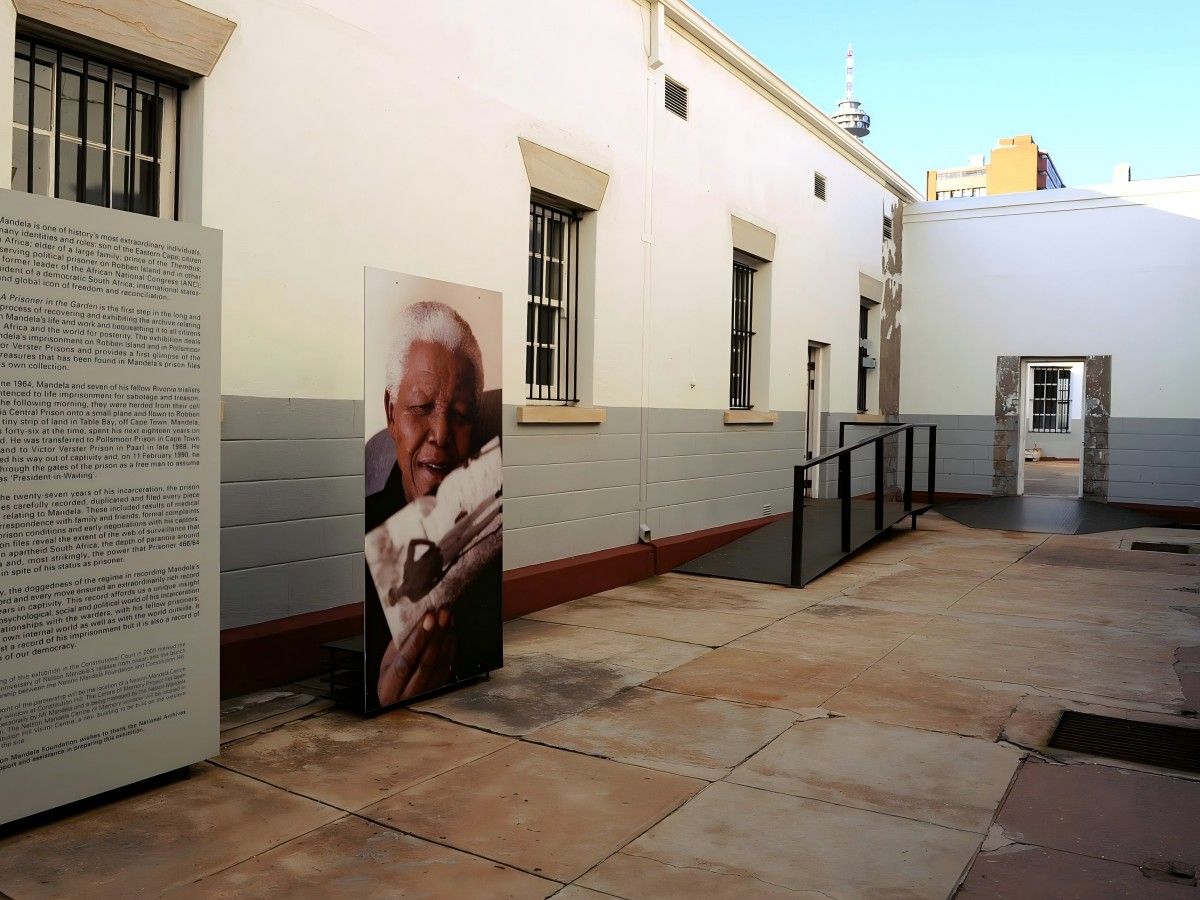
At the end of the 19th century, Johannesburg grew rapidly as a result of the discovery of gold. What to do when the population was growing rapidly and crime of all kinds was creeping in? The answer was to build a fort. But the defensive military structure, built in 1892, soon became a much darker place. The old fort was transformed into a prison that held countless men and women - many of them political prisoners who were rebelling against the oppressive system of the time. The Old Fort was the first prison built on Constitution Hill, and it wasn't long before its notoriety began to take hold. With its cold, imposing walls and harsh conditions, this prison was more than just a place to serve a sentence; it was a place of personal destruction. Standing there, imagining being locked in a cold, dark cell, day after day, one could almost hear the echoes of their footsteps. If the walls could talk, they would tell you stories of pain, punishment and resistance. It's not even just criminals who are held here. This fortress holds political prisoners, freedom fighters, and activists - people who fought for a better future, only to be silenced and shackled by the regime.
Advertisement
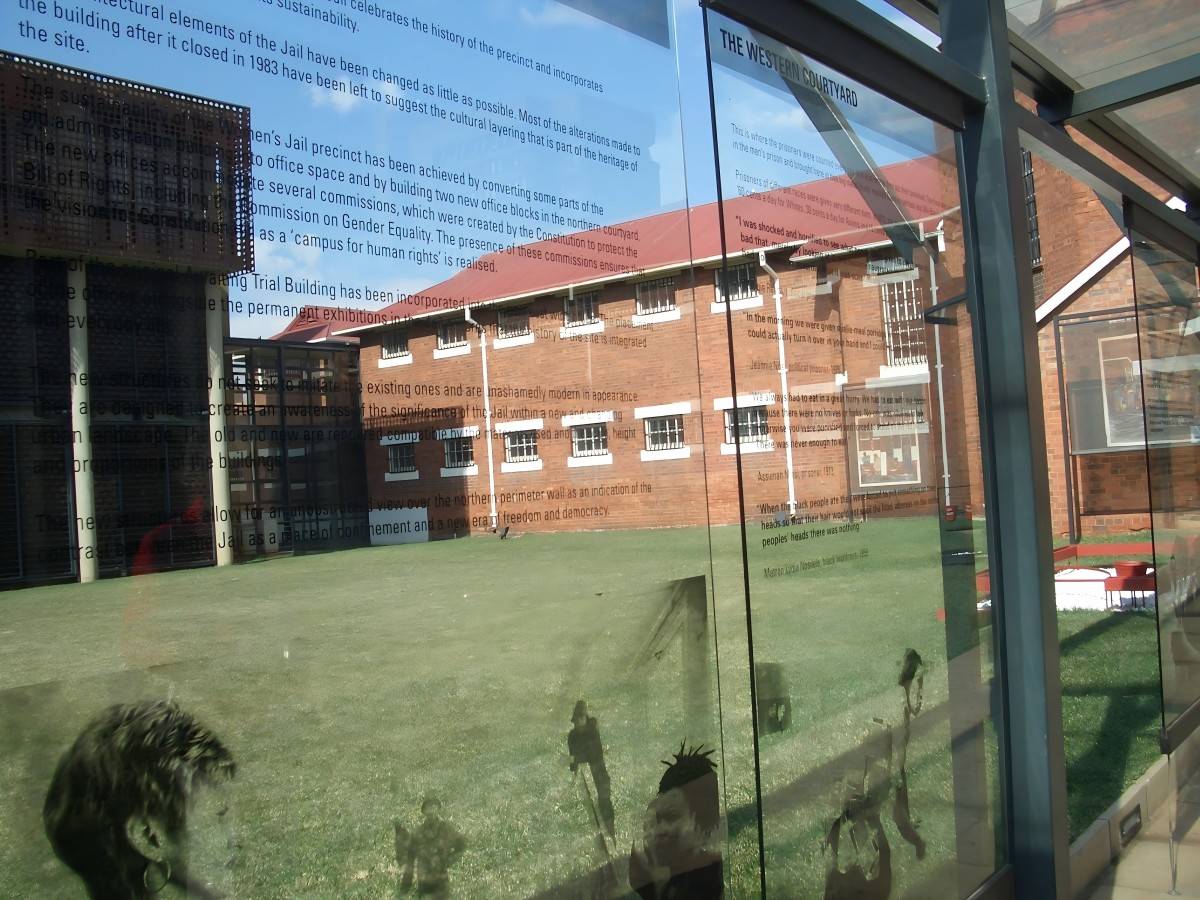
A place where stories of courage, defiance and unimaginable suffering are on display. Women, like men, suffered brutal conditions of confinement in the heart of Johannesburg. But it's not just these conditions that make this place so infamous - it's the stories of defiance, of women who refused to be silenced, and of incredible courage in the face of unspeakable odds. As you walk through the women's prison, you can almost feel the presence of those held there. They are not ordinary women. Many of them are activists, women who dared to stand up for their communities, their families and their rights. They were brave souls who fought for what they believed in, even though they knew the stakes were high. For them, prison was more than just a consequence of their behavior; it was a tool of punishment designed to break them down. But these women are not just victims of oppression. They are fighters. They are leaders who understand the price of freedom - and are willing to pay it. Standing in the cell, you could almost hear their voices - voices filled with anger, hope and determination. Despite their physical bondage, their spirits are unbreakable.
Advertisement
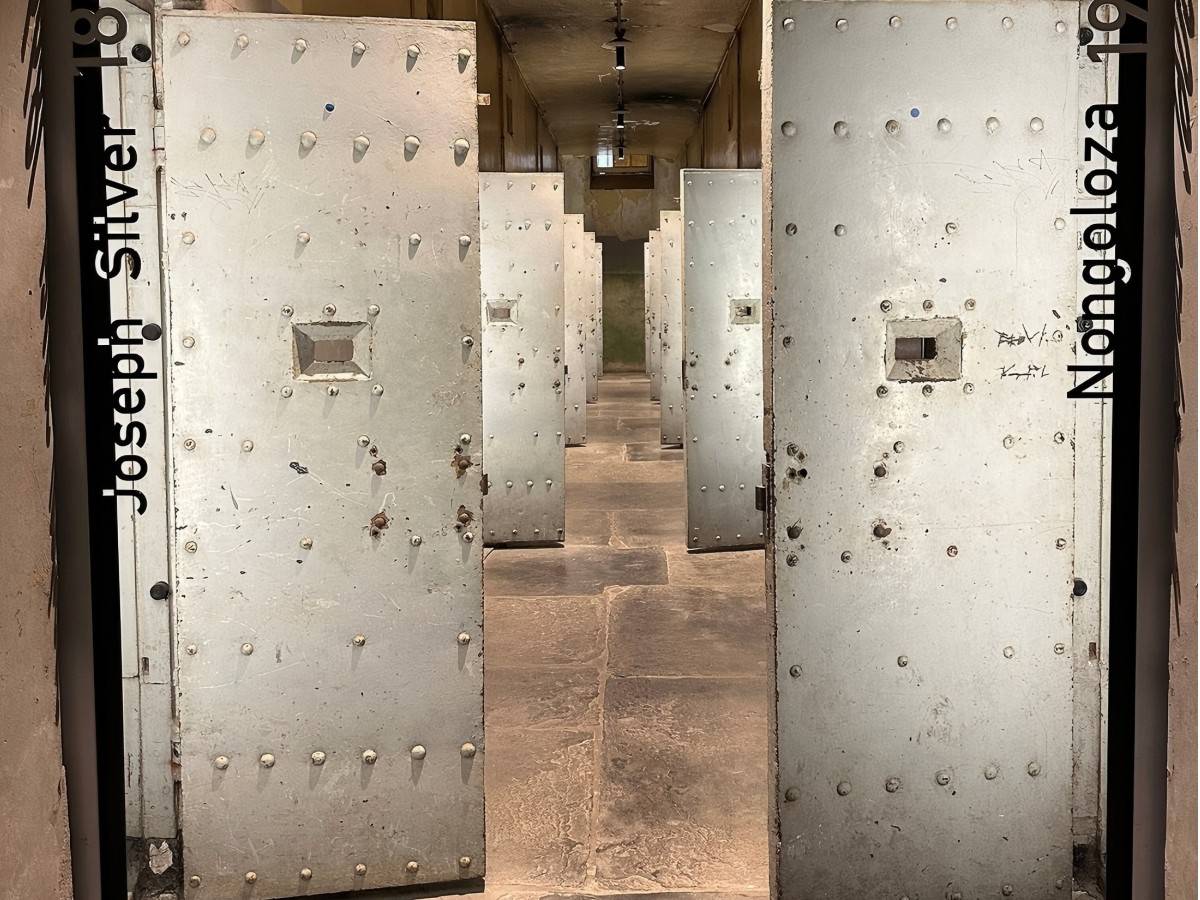
Now we come to Prison No. 4, the most infamous part of Constitution Hill's dark history. The prison is the worst part of the complex - the prisoners are forced to live in hellish conditions. Prison No. 4 was designed for the most serious criminals, and these “criminals” were considered the most dangerous. But many of the people who ended up in HMP 4 were not criminals at all. They were simply victims of a brutal system that dehumanized them. During the apartheid era, Prison No. 4 was notorious for its overcrowding, poor sanitary conditions and extreme brutality. Prisoners were kept in small, overcrowded cells with no ventilation, the food was poor and the guards routinely mistreated them. It was more than a prison; it was a place where lives were destroyed, dreams crushed and human dignity lost. Yet the spirit of resistance remains, and the prisoners of Prison No. 4 do not give in and accept their fate. They fought back in every way possible - through strikes, protests and outright defiance. They understood that the price of freedom was high, but that did not stop them from demanding it.
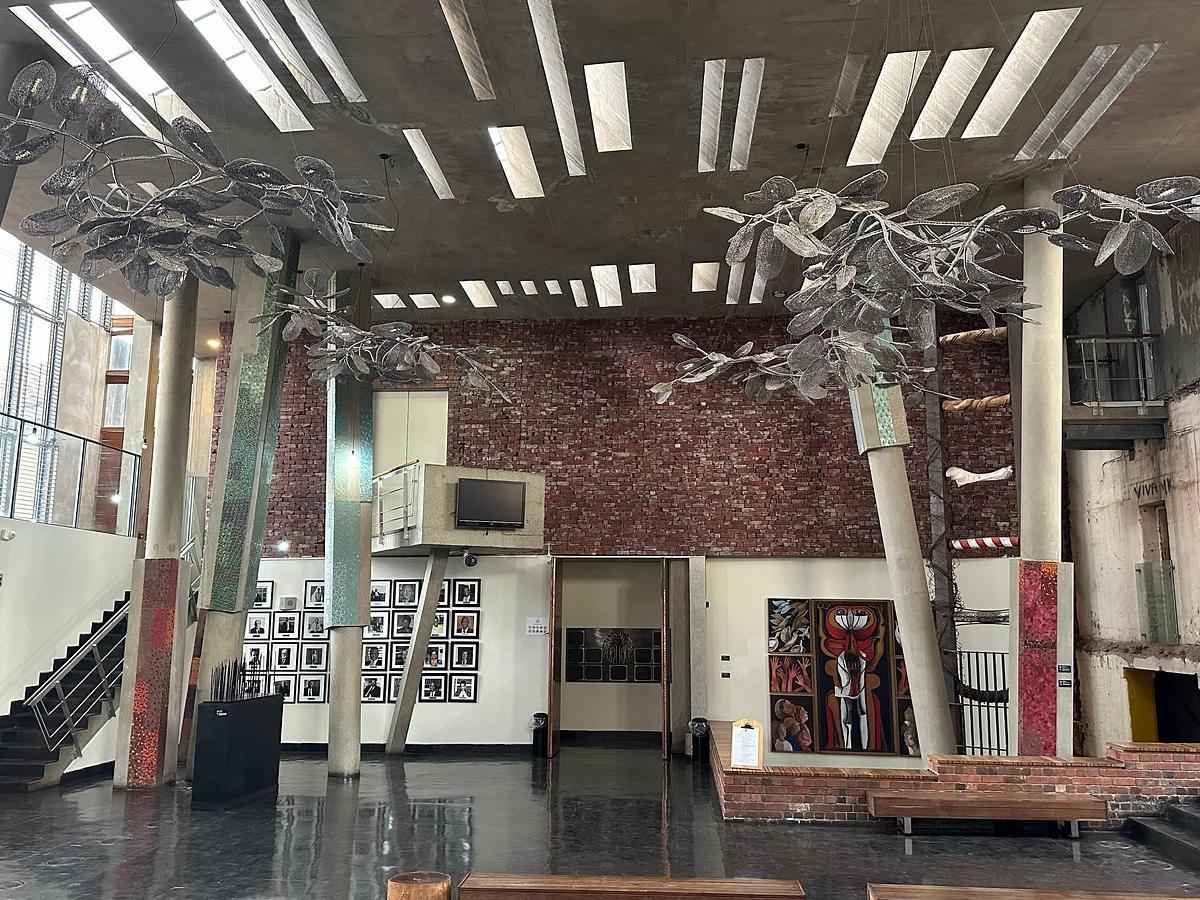
Today, Constitution Hill is a place of reflection. It is the site of South Africa's constitution and symbolizes the country's transition to democracy and human rights. But as you explore the place, it's impossible to ignore the ghosts of the past. The Old Fort, the Women's Prison and Prison No. 4 are all part of the same story - a story of struggle, resistance and the fight for a better future. As you walk through Constitution Hill, you'll notice that the complex has been lovingly restored, and there are exhibits that bring the history of the place to life. But the buildings themselves say it all. They have an eerie quality to them - as if the walls still carry the memories of those who were imprisoned here. It's a sobering experience, but it's also important. Stories of bravery, sacrifice and resilience are passed down here. Standing here, you can't help but feel in awe of those who fought for a better tomorrow, even at the cost of their own suffering.
Here - standing at the center of history, at a place where lives have been changed and, in some cases, lost.Constitution Hill is more than a tourist attraction; it is a vivid reminder of South Africa's painful past. They bear witness to the strength of those who have lived through it. When you leave Constitution Hill, you will take these stories with you. Hopefully, they will remind you of how far this country has come and how much more needs to be done to ensure that freedom, justice and equality become a reality for all.