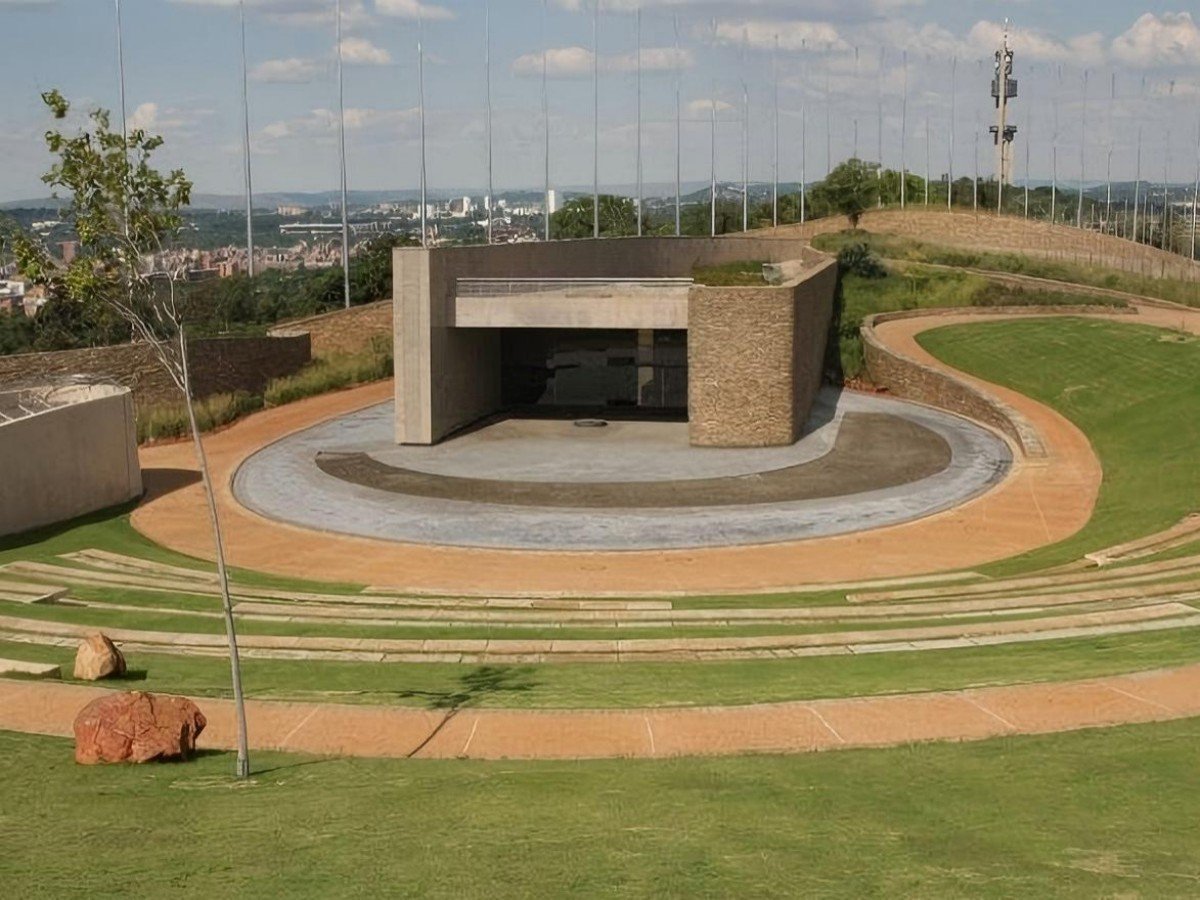
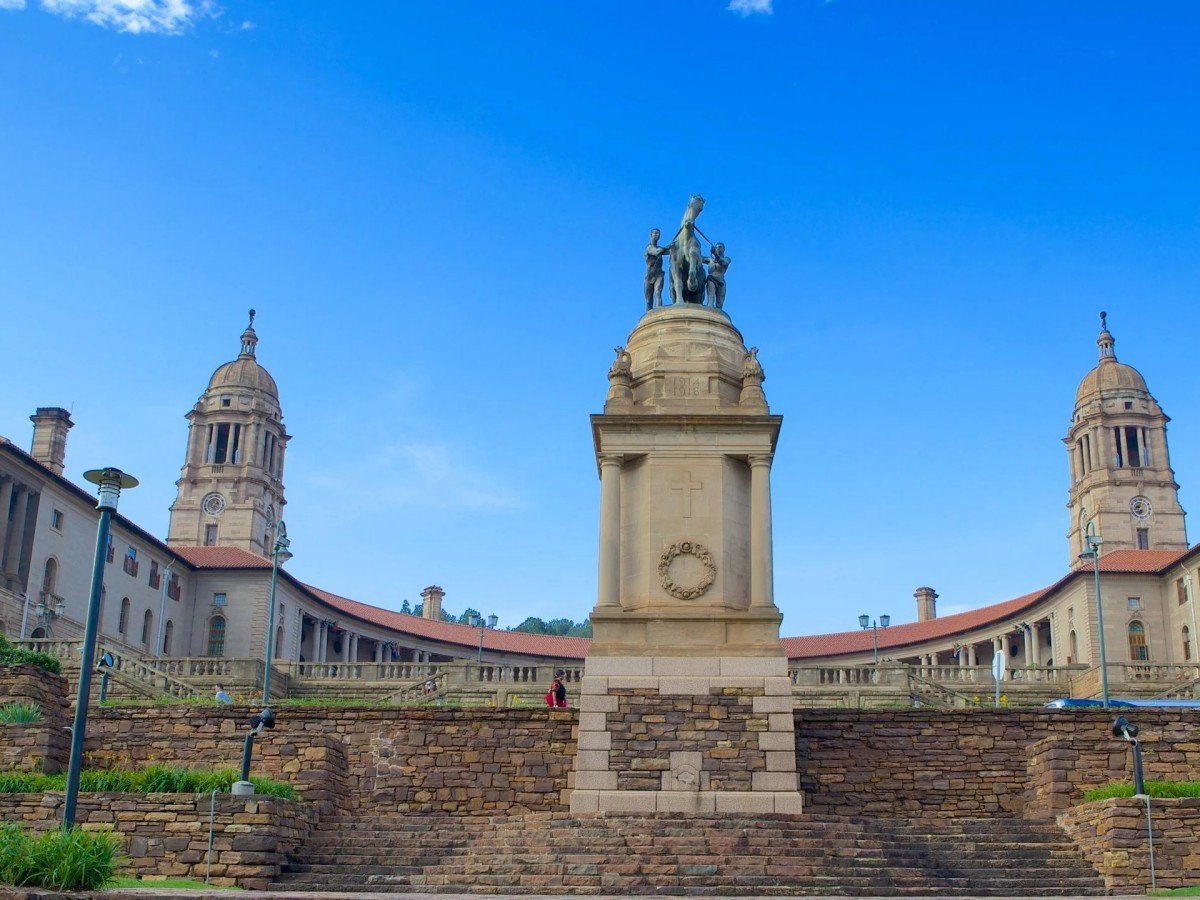
If Pretoria is the heart of South Africa's political power, then Freedom Park, located on the Salvokop hill at its southern end, is a sacred place that records souls and history. It's only a ten-minute drive from the city center, but from the moment you enter the park gate, you seem to have crossed hundreds of years of time and space. This is not a traditional park. There are no amusement facilities or noisy crowds. Instead, there are quiet stone walls, winding trails, pools symbolizing peace, and memorial sites with profound meanings. Freedom Park was built after South Africa's democratization to commemorate the unknown people who died or dedicated themselves in colonization, slavery, war, exile, resistance and reconstruction. It is also a space for the country to heal from historical scars and reshape itself. For tourists, this is not just a check-in attraction, but a visual, psychological and cultural journey - a deep journey to measure memory with footsteps.
Advertisement
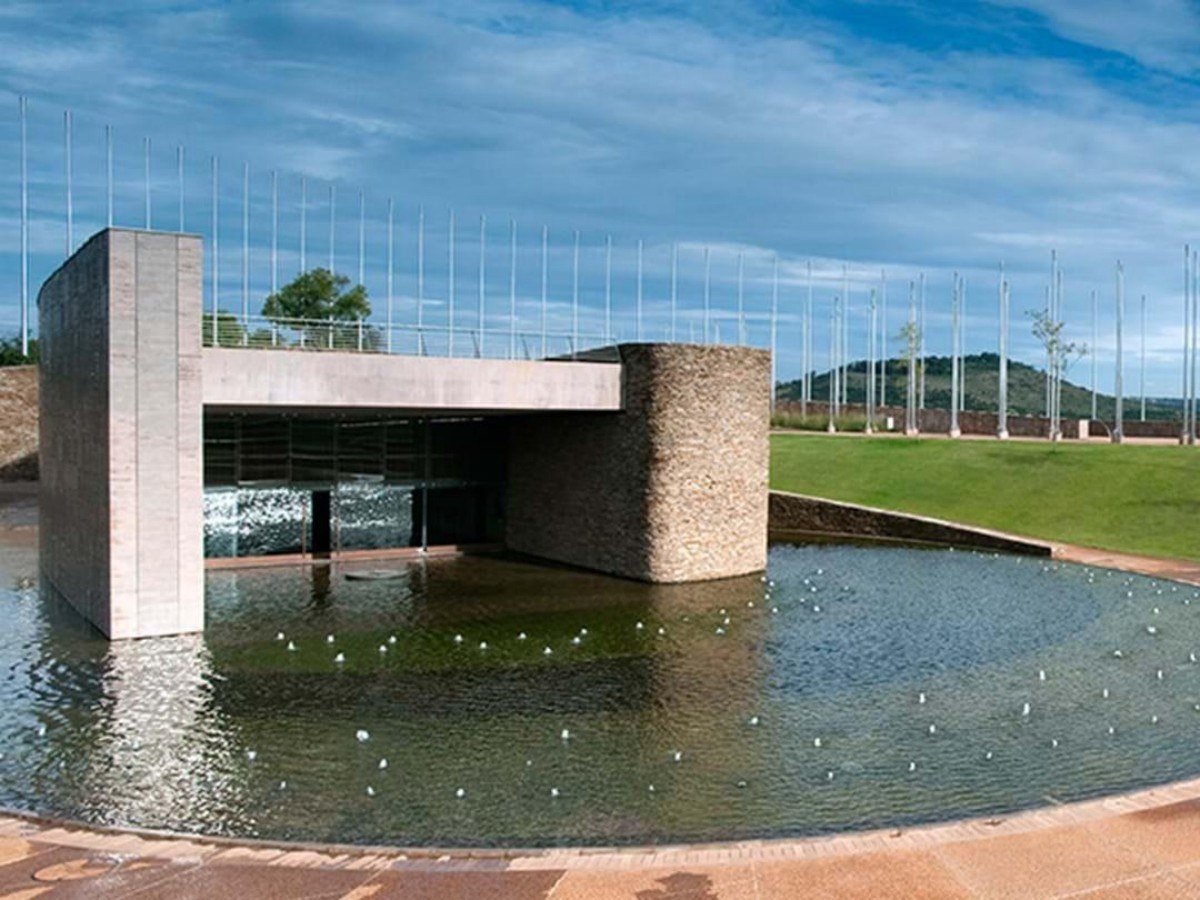
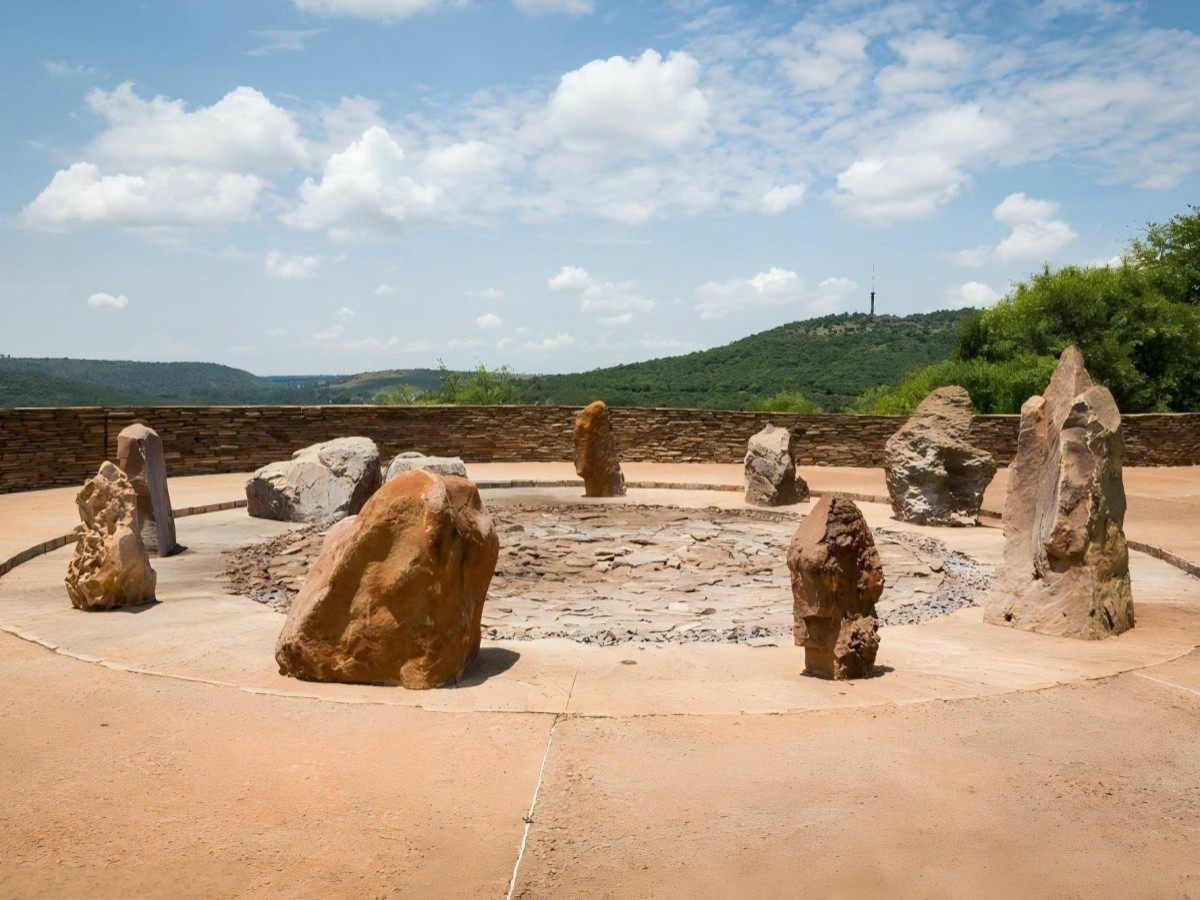
Your journey is likely to start from Isivivane, one of the most sacred, silent and powerful spaces in the park. Isivivane means "ancestor stone". It is composed of symbolic stones from all over South Africa and various tribes. It is placed here according to traditional rituals and represents the common spiritual home of the people of the country. In traditional African culture, stone is not only a natural material, but also a medium for communicating with ancestors. Entering the stone formation area, the nine large stones in the center symbolize the nine provinces of South Africa, surrounded by prayer stones symbolizing religion, ethnicity and ancestral spirits. There is not much text explanation here, everything depends on your own feeling - the stones under your feet, the temperature of the air, and the solemnity and respect that suddenly rises in your heart. Even if you do not believe in any religion, you will feel the simple and strong connection with history, faith, land and people at this moment.
Advertisement
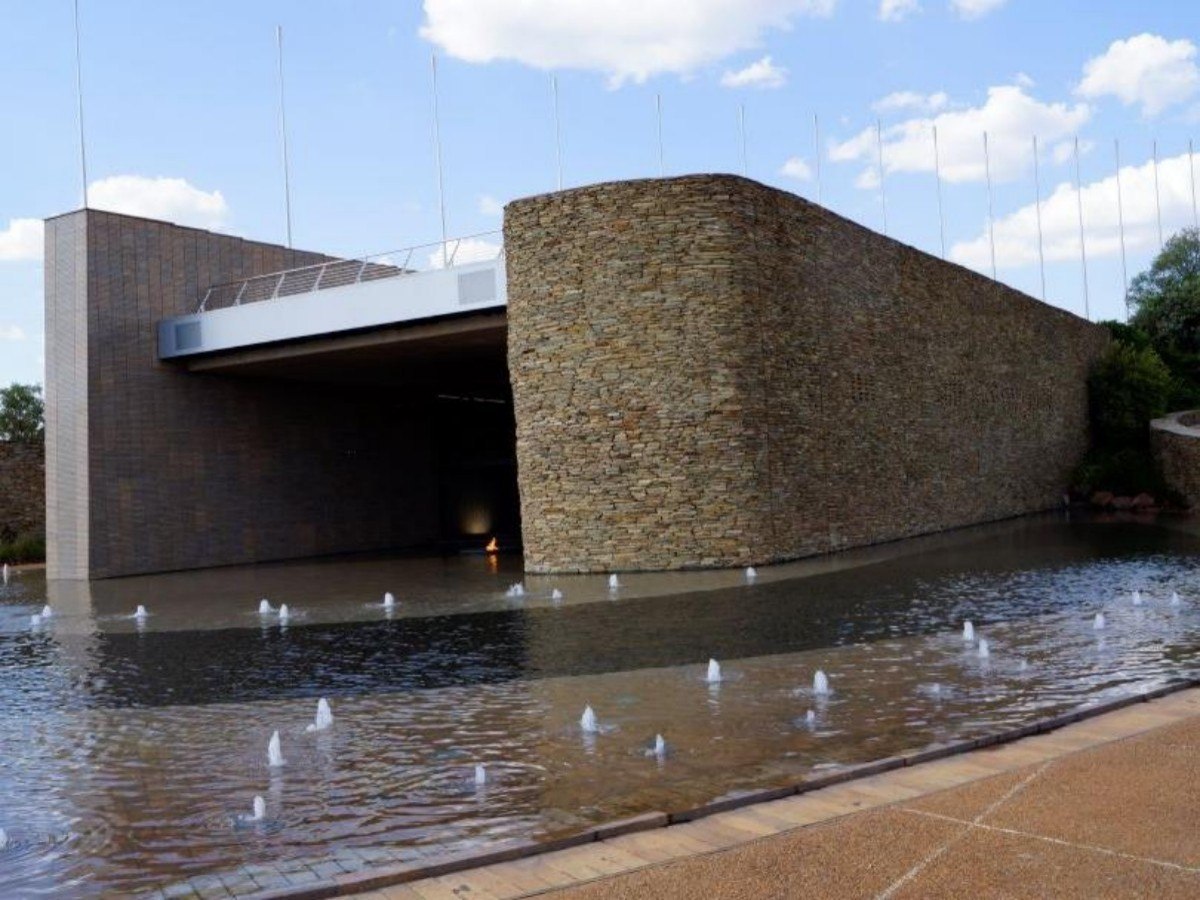
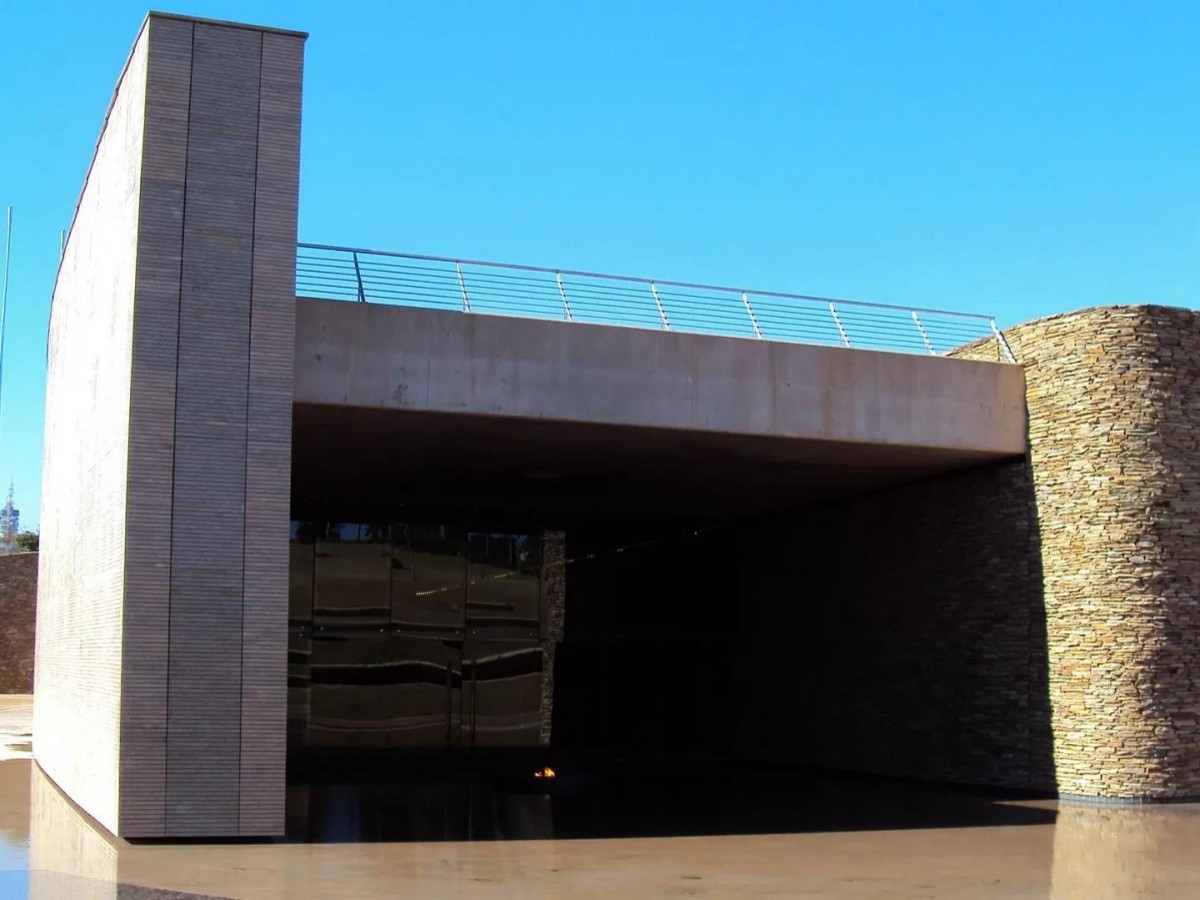
Continue walking along the winding passage, and you will come to the most eye-catching core area of Freedom Park - S’khumbuto Memorial Space, which is the spiritual axis set up to commemorate the people who died in various conflicts in South Africa in the past. On this reddish-brown stone wall, there are densely engraved the names of more than 100,000 people. They are South African victims in historical stages such as the Anti-British Boer War, World War I, World War II, liberation struggle, and border conflicts. Only a few have names, and most of them are just a name representing a family, an era, and an ignored story. Standing in front of this memorial wall, it is difficult not to be hit by the heavy collective memory. Each line of names is the end of a life, but they also together constitute the price of the country's freedom. There is also a small device called "Eternal Flame" next to the wall, symbolizing that commemoration and hope will never go out. The reflection of the flame on the water and the stone wall is just like those who have passed away, but their spirits are still there.
Advertisement
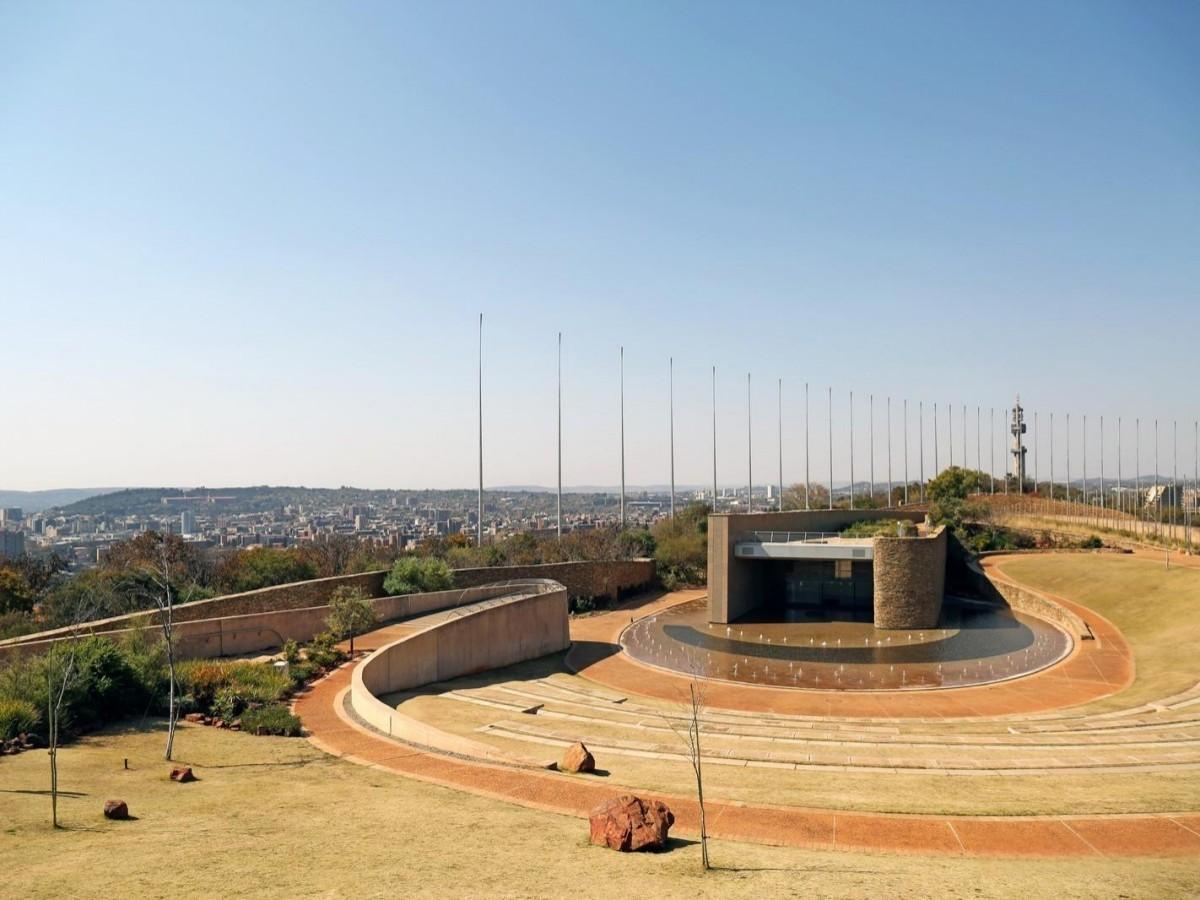
Compared to the quiet memorial wall, the Moshate Pavilion located high up in the park is more interactive and educational. It takes time as the axis, starting from ancient African civilization, through colonial plunder, slave economy, racial oppression, and all the way to South Africa's first democratic election in 1994. The pavilion displays a large number of multimedia materials, images, restored models and original documents, including slave trade route maps, protest items during the apartheid period, live images of street marches, and even some works and manuscripts of exiled artists. The pavilion does not deliberately arouse the audience's emotions, but presents the complexity and cruelty of the past in a calm and systematic way. Particularly impressive is the image of Nelson Mandela reading the liberation speech played in a corner of the exhibition hall - that kind of firmness, calmness and uncompromising power, crossing the screen and hitting people's hearts.
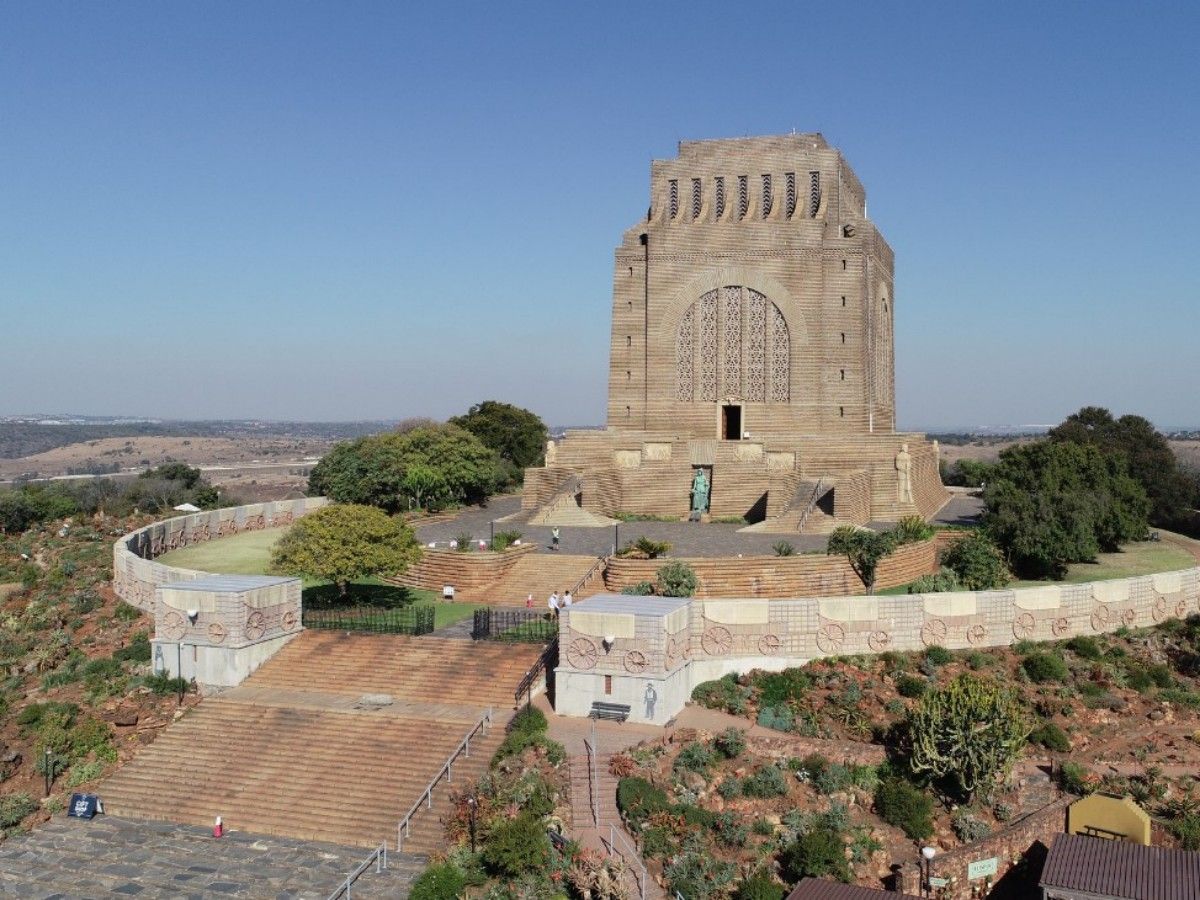
Looking out from the high platform of Freedom Park, Voortrekker Monument stands tall on the opposite hill - a large granite building built to commemorate the "expedition" spirit of the Boers in the 19th century. It symbolizes the faith and sacrifice of white pioneers, while Freedom Park symbolizes the struggle and rebirth of the black community. Although the two memorial spaces have different concepts, they face each other in an amazing posture, forming a visual dialogue of South Africa's diverse history. Many tour guides will recommend tourists to visit Voortrekker Monument in the morning and then go to Freedom Park to understand the tension and complexity of the country's history in comparison. And it is in this juxtaposition that we can truly see South Africa's unique path of transformation - not to eliminate a part of history, but to learn to coexist and recognize.
If you happen to visit Freedom Park on December 16, it will be one of the most meaningful moments of the year. This day was originally the "Pledge Day", and was later renamed the "Day of Reconciliation", symbolizing the efforts of various ethnic groups in South Africa to put aside historical conflicts and move towards national symbiosis. Freedom Park will hold solemn and cultural commemorative activities on this day, including religious prayers, traditional dances, youth performances and "oral history" activities that tell the stories of ancestors. Although there is no precisely calculated "sunshine wonder" like the Voortrekker Monument, the ceremony of Freedom Park is closer to the people and emotions. You will see people of different skin colors, languages, and ages holding hands in front of the memorial wall and bowing their heads in silence beside the reconciliation flame. At that moment, you are no longer a tourist, but a witness in the chain of memory of this country.
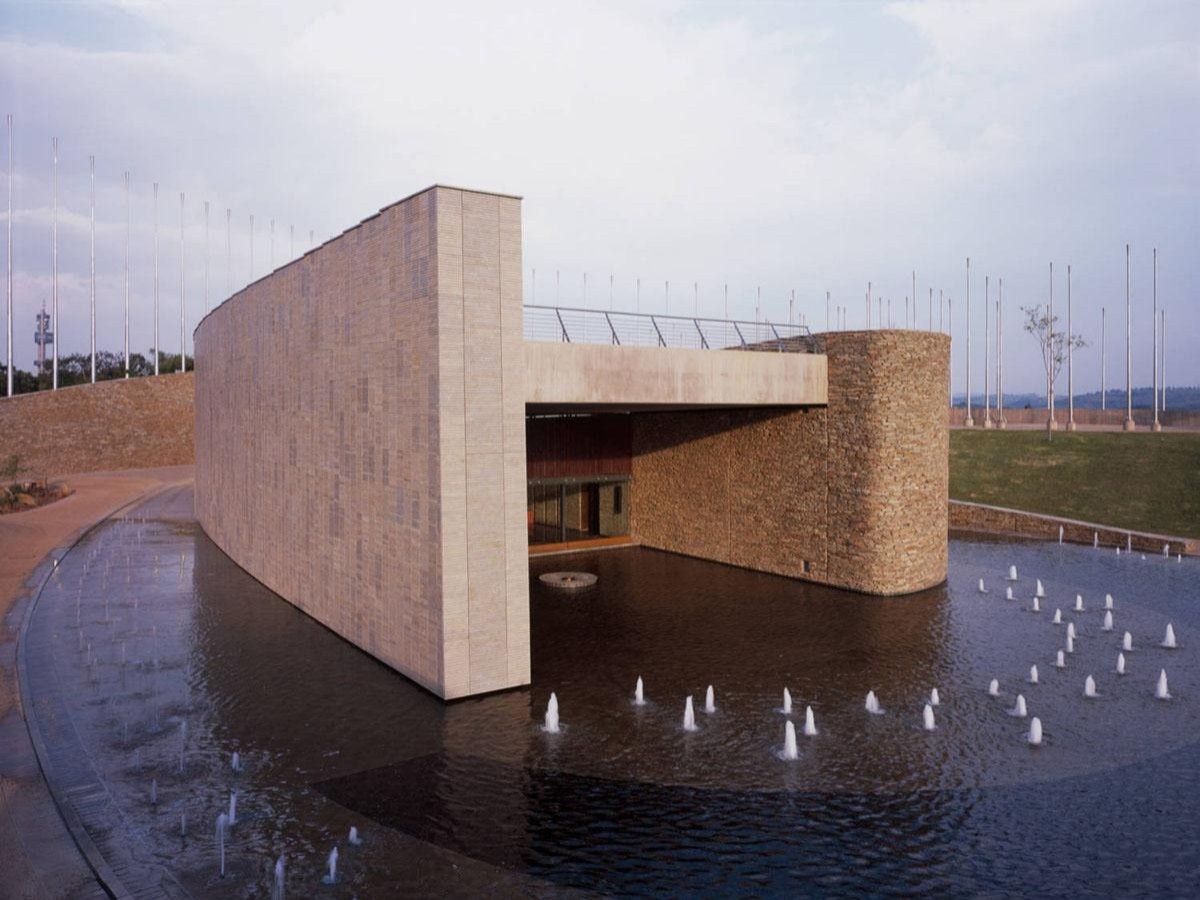
Freedom Park is usually open from 9:00 to 16:30 every day. It is recommended to arrive early to avoid the hot period at noon. The ticket price is about R70. There are guides on site, and you can also choose to rent an audio guide. The park is very large, so it is recommended to wear comfortable shoes, prepare water, sunscreen and sun hats. The recommended route is: start from Isivivane, pass the memorial wall S’khumbuto, then climb the Moshate Pavilion, and finally overlook the Voortrekker Monument opposite from the viewing platform, completing a complete historical trajectory.
Although there is a small cafe and souvenir shop in the park, it is recommended to go to the local restaurant near Pretoria city or Groenkloof Nature Reserve after the tour to slowly recall this spiritual journey.
Visiting Freedom Park is not just to "see" the history of South Africa, but also a kind of participation - resonating with those who have come through suffering in a silent manner, and communicating with the country's complex and precious memories in the present identity. There are no shouts at the top of your lungs in Freedom Park, only the calmness of the land and the whispers of the wind. It is in this silence that you will have a deeper understanding of what "freedom" means. It is not a result achieved overnight, but the answer that a country, a nation, and countless ordinary people have exchanged for their lives, time, and love.