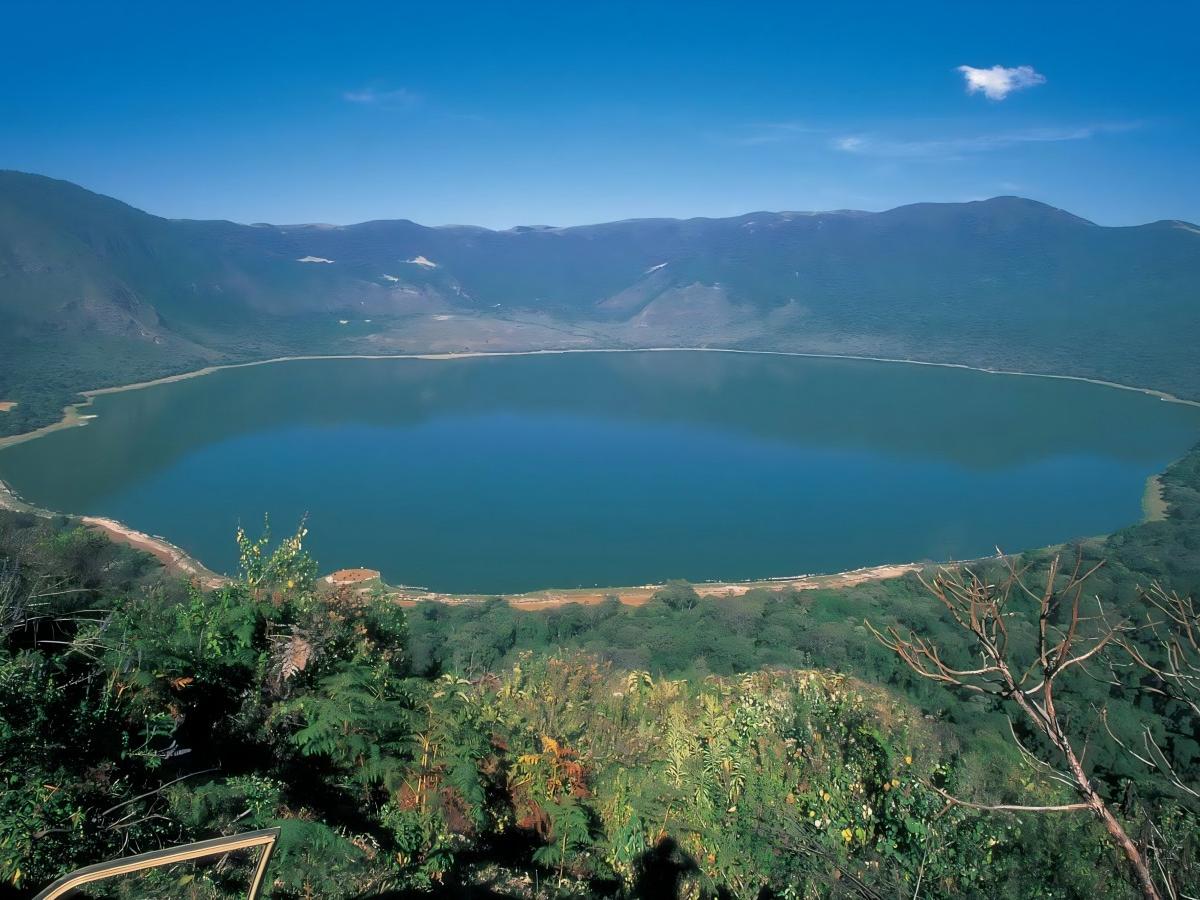
In the wilderness of northern Tanzania, the Ngorongoro Crater looks like a bright pearl set in the earth, which is the world's largest and most intact crater and a natural refuge for wildlife. It is not only a place of breathtaking natural wonders, but also a unique ecosystem and rich biodiversity. Whether you're a wildlife enthusiast or a traveler longing to get away from the hustle and bustle and get closer to nature, this superb travel guide will help you explore the Ngorongoro Crater in depth.
Advertisement
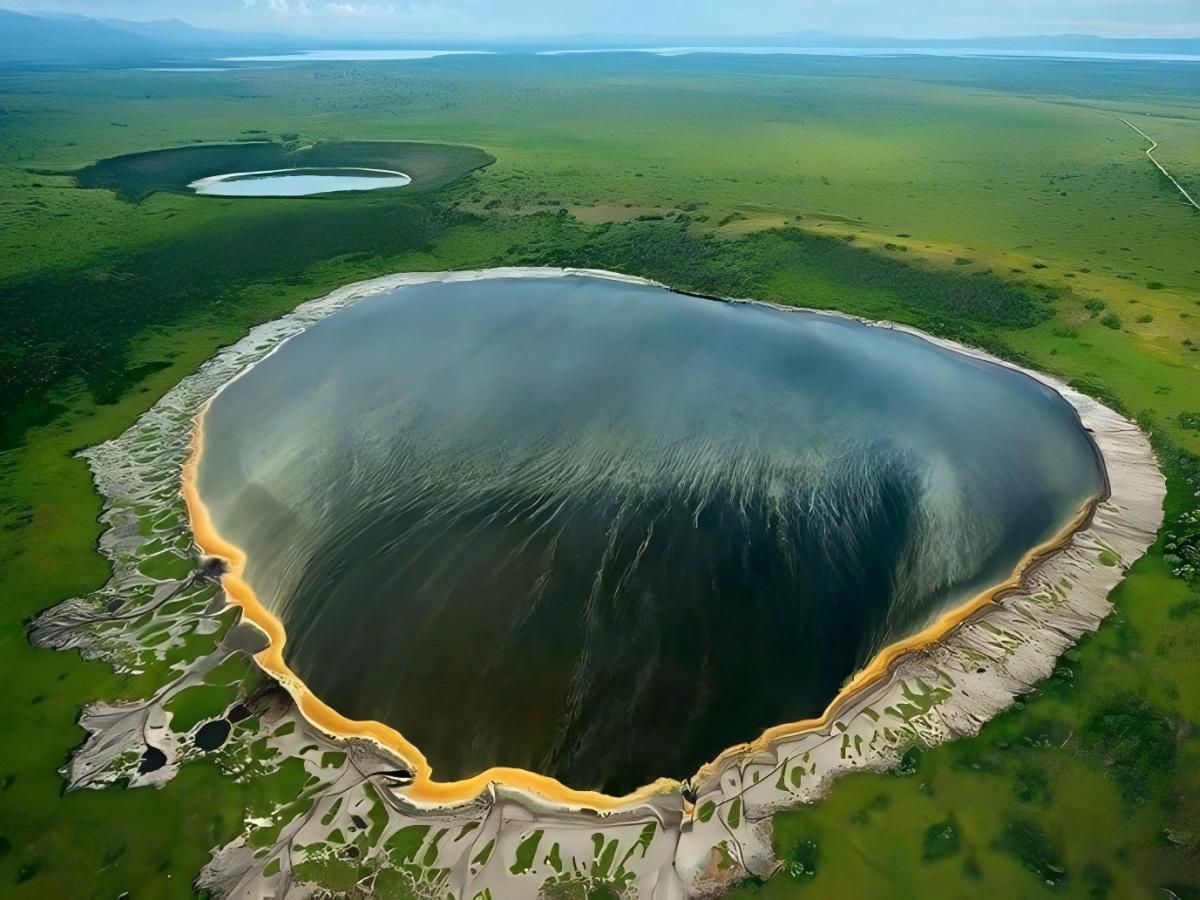
The Ngorongoro Crater was formed about 2.5 million years ago by a massive volcanic eruption that collapsed the top of the volcano, gradually forming what is now a huge caldera about 18 kilometers in diameter and 600 meters deep. Over the years, the crater has developed a complete and unique ecosystem, which can be called the “Garden of Eden in Africa”. Before entering the crater, it is worthwhile to visit the nearby Visitor Center to learn about the crater's geological changes through illustrations and documentaries, which will give you a deeper appreciation of nature's workmanship on subsequent tours.
Advertisement
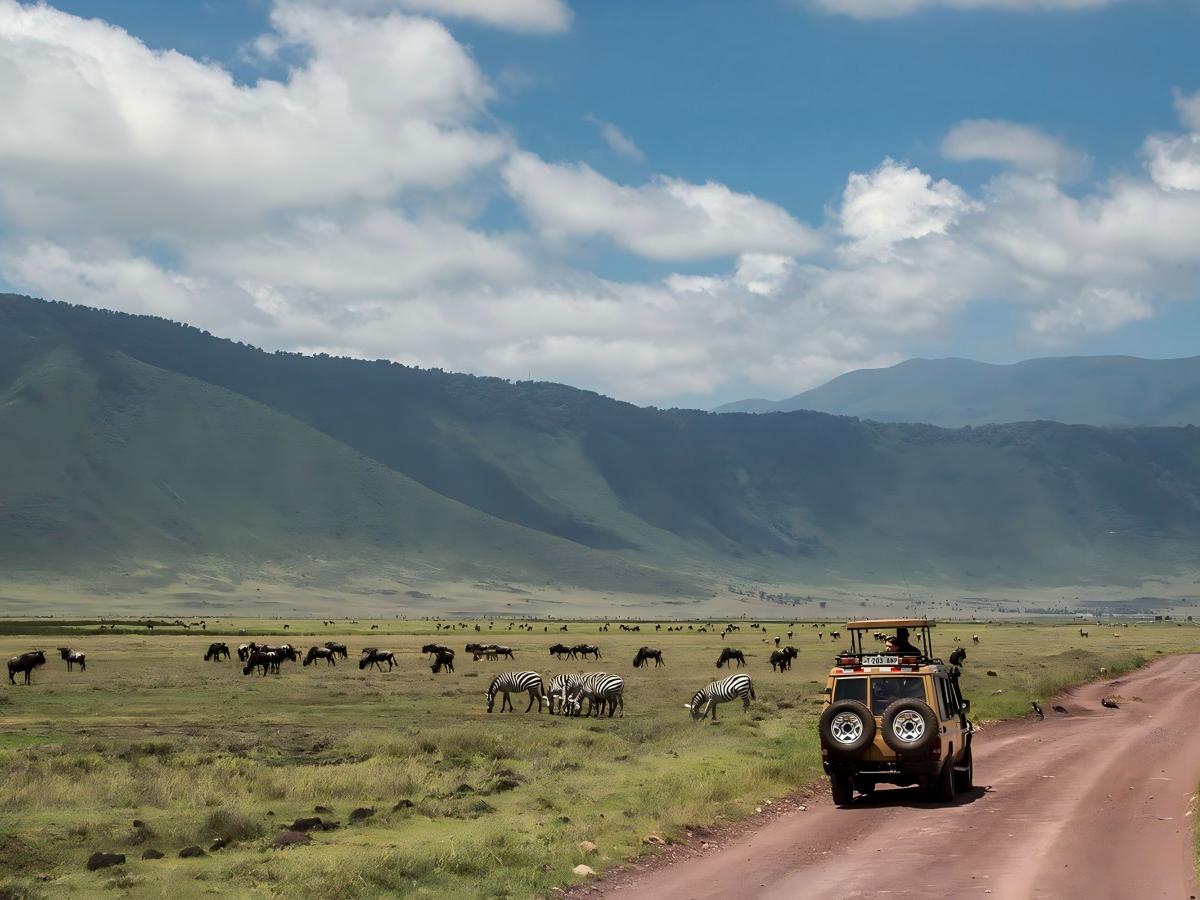
The Ngorongoro Crater is a haven for wildlife, inhabited by more than 25,000 large mammals, with a huge variety of species and large gatherings of fauna that you don't have to travel far to find.
Advertisement
Big Five Encounters
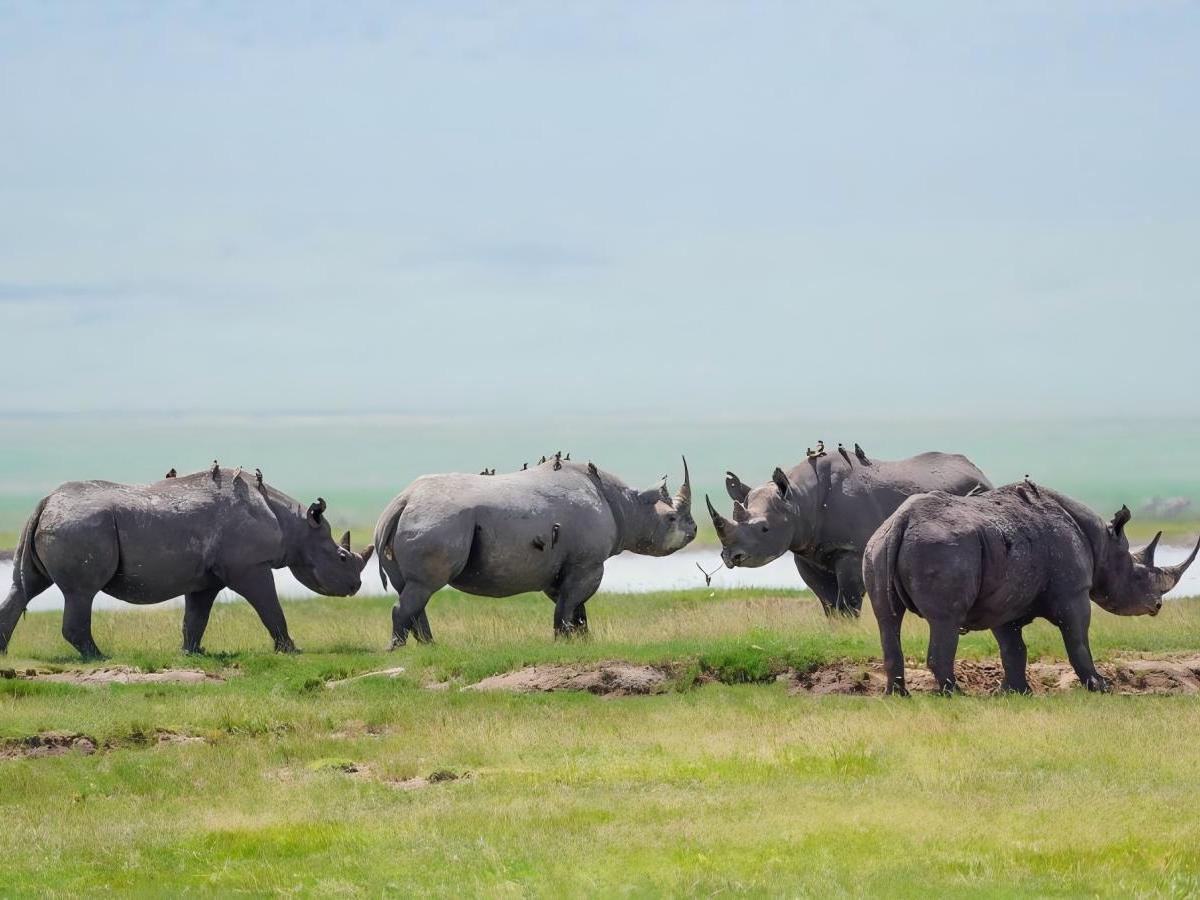
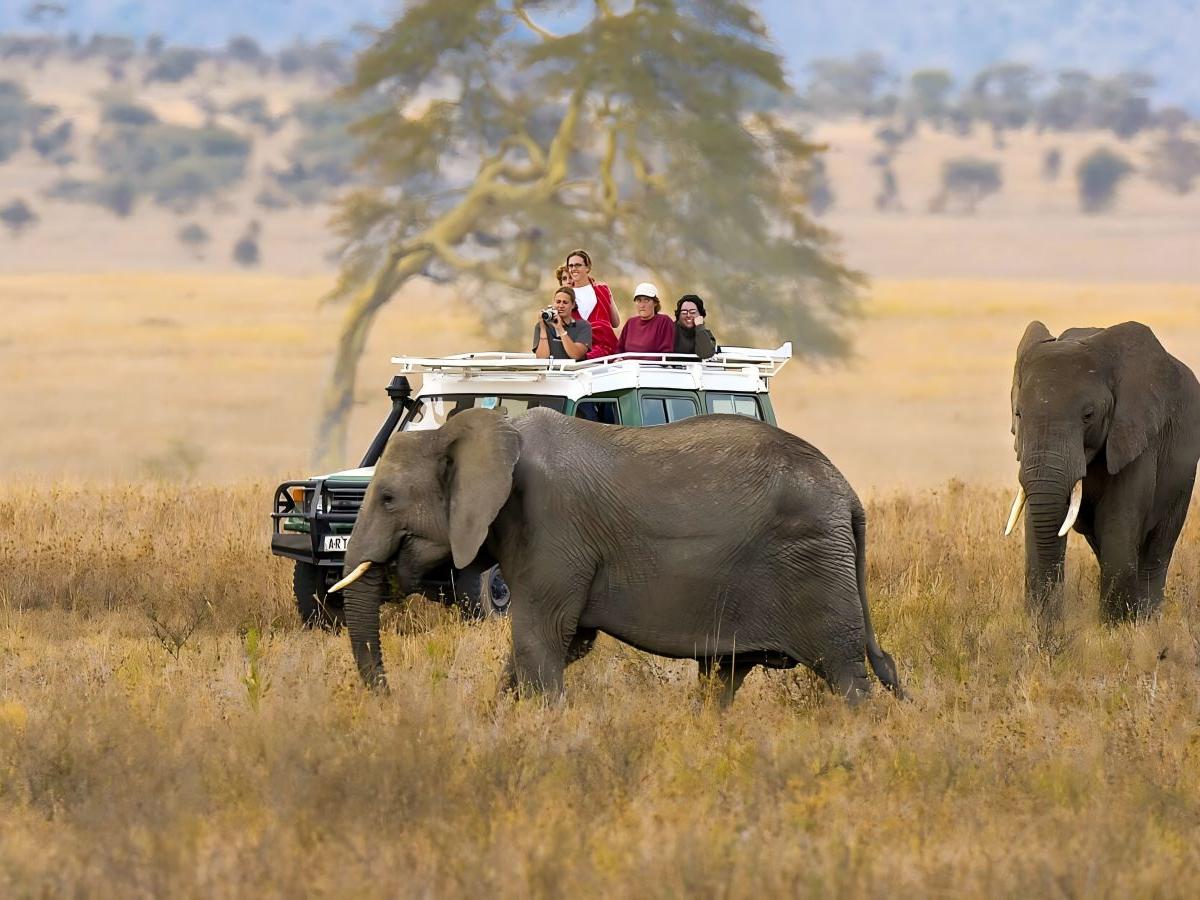
Lions, elephants, rhinos, leopards and buffalo are Africa's famous 'Big Five' and all have the opportunity to be seen within the crater. Early in the morning, the lion family may be lazily lying on the rocks sunbathing, or waiting for an opportunity to hunt; large African elephants roam the grasslands in groups, using their long trunks to roll up grass to eat; rhinoceros quietly rolling in the mire, enjoying the coolness brought by the mud bath; and stealthy leopards, occasionally lounging on the branches of the trees, waiting for the best time to hunt; the buffalo herd vastly crossing the grasslands, the The buffalo herds crossing the grassland are magnificent.
Other Wildlife
In addition to the “Big Five”, there are also herds of zebras and wildebeests in the crater, whose black and white stripes form a unique landscape on the grasslands; elegant giraffes stretch their necks and nibble on the leaves of the trees high above; nimble antelopes jump and weave in and out of the bushes; and flamingos gather at the lakes inside the crater, where their pink figures contrast beautifully with the blue waters of the lake, forming a unique landscape. The flamingos gather at the lake in the crater, their pink figures and the blue water of the lake contrasting with each other, constituting a picture of great beauty.
Best time to visit
Ngorongoro Crater is open all year round, but the best time to visit is from June to September every year, when it is in the dry season, with less precipitation, the roads are relatively dry, which is easy for vehicles to drive, and wild animals also gather near the water source, which makes it easier to watch them. December to February is also a good choice, when Tanzania's short rainy season, the grassland is green, the landscape is charming, and you can see the newborn animal cubs. This is the short rainy season in Tanzania, when the grasslands are green, the scenery is stunning and newborn babies are seen.
Transportation
By Air: Arrive in Tanzania at Kilimanjaro International Airport or Dar es Salaam International Airport and transfer to one of the smaller airports near Ngorongoro, such as Serengeti Airport, and then take a vehicle arranged by a local tour operator to the crater.
Overland: The most common way to reach the crater is from Dodoma, a distance of about 180 kilometers and a drive of about 4 - 5 hours. You can choose to charter a vehicle or join a local tour group on a cross-country vehicle, the cost of which depends on the model of vehicle and the number of days of the trip, usually ranging from US$150 - 300 per day, while the cost of joining a tour group is relatively fixed, with transportation, guide and accommodation included, and is priced at around US$200 - 400 per day.
Tickets and Accommodation
Tickets for the caldera are divided into day passes and multi-day passes, with day passes costing around US$60 for adults and half-price for children, and need to be purchased before entering the caldera. Accommodation options range from affordable campgrounds, which cost around US$20 - US$50 per night and bring you closer to nature, to high-end luxury hotels and resorts, which cost US$300 - US$1,000 per night or more and offer comfortable accommodations and excellent service.
Things to note
It is strictly forbidden to get out of your vehicle inside the crater and you must remain inside at all times to ensure your safety and not disturb the wildlife.
Respect the culture and lifestyle of the local Maasai people and ask permission to take photographs.
Carry enough drinking water, food and sunscreen, as the sunlight inside the crater is strong and it is easy to get sunburned.
Prepare cameras, binoculars and other equipment in advance to capture the wonderful moments of wildlife.
Sunrise and Sunset Tour
Early in the morning, wait for the sunrise on the crater rim. When the first rays of sunshine pour over the vast grassland and inside the crater, the golden light gradually wakes up the sleeping earth, and the wild animals start a new day's activities, the scenery is like a dream. In the evening, enjoy the magnificent sunset, the setting sun dyed the sky orange-red, the afterglow sprinkled on the grassland, for the whole crater covered with a layer of golden veil, romantic and serene.
Maasai Cultural Experience
Around the crater live the Maasai people, one of the most famous nomadic people in East Africa. It is possible to visit a Maasai village and learn about their unique way of life, traditional architecture and cultural practices. Watch the wonderful song and dance performances of the Maasai people and feel their love for life and reverence for nature; you can also make Maasai traditional handicrafts with your own hands, leaving a unique souvenir of your trip.
Ngorongoro Crater offers travelers an unforgettable journey through Africa with its unparalleled natural beauty and abundant wildlife. Follow this guide and embark on a marvelous journey to explore the crater, and I believe you will be rewarded with full of surprises and touches that will leave you with everlasting memories in this magical land.