
Advertisement
You are standing on the bustling waterfront of the Bund in Shanghai. The skyline before you is a perfect blend of sleek, modern skyscrapers and historic, grandiose buildings. The hum of the city is in the air, but there is also an untold story, a tale of change, ambition and dreams that goes back more than a century. The Bund is more than just a place, it's a living, breathing chronology of Shanghai's transformation - and with every step, you can feel its history. Interested? Let's delve deeper into this iconic landmark, where the story of the Bund will surely leave you wanting more!
Advertisement
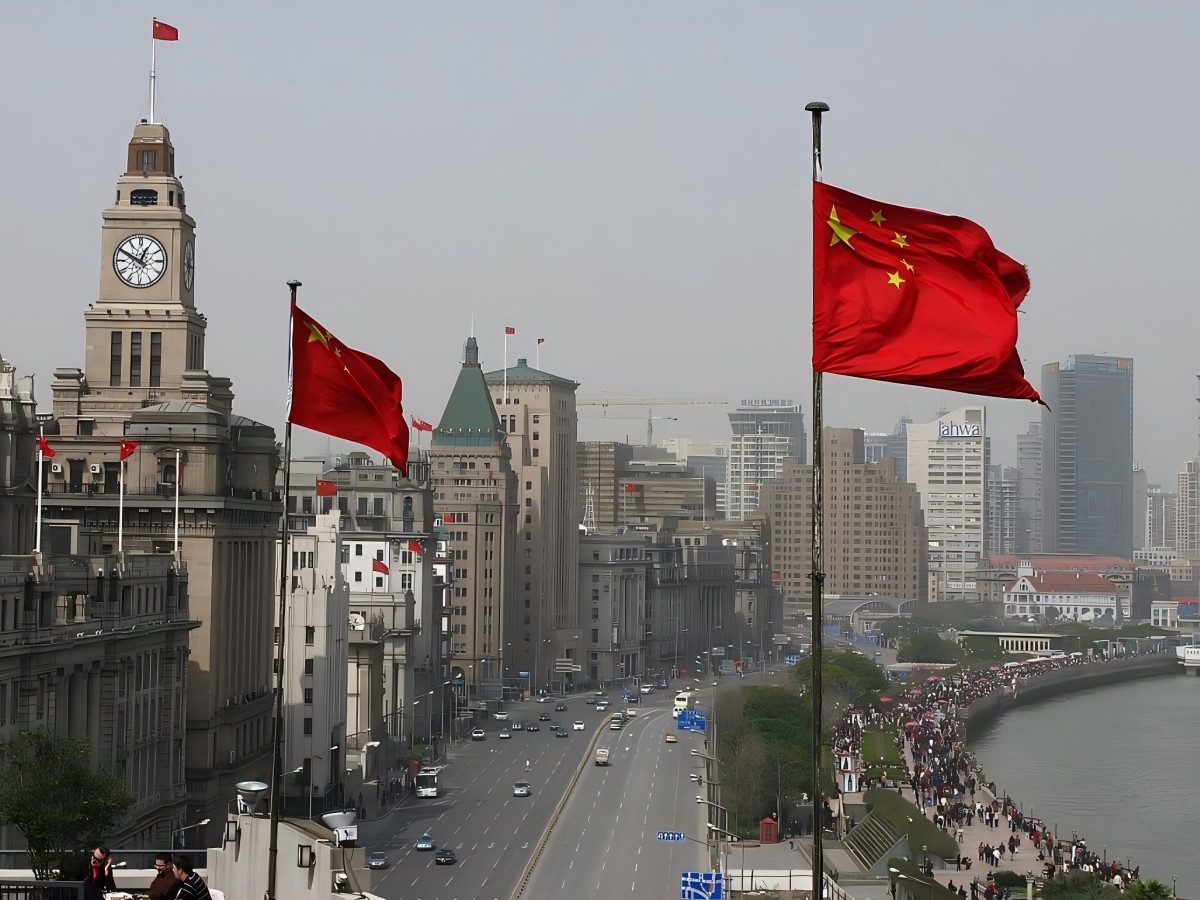
Let's turn back the clock to the middle of the 19th century. Shanghai was still a quiet fishing village, not as prosperous as it is today. But the first Opium War in 1842 changed everything. After China's defeat, Shanghai was opened up as a “treaty port,” meaning foreign powers could enter the city for trade, and in 1844, the British, eager to expand their trade routes, built the first wharf along the Huangpu River, Shanghai's lifeblood. And guess what? That was the birth of the Bund, even though it wasn't called the Bund yet. At the time, the Bund was a muddy wasteland. But as Shanghai's foreign concessions grew, so did the Bund. The Bund soon became a major trading center, with a wide range of goods from opium to textiles and, of course, tea. While the locals may have been skeptical of this new foreign power, it is undeniable that the Bund had begun to take on a life of its own.
Advertisement
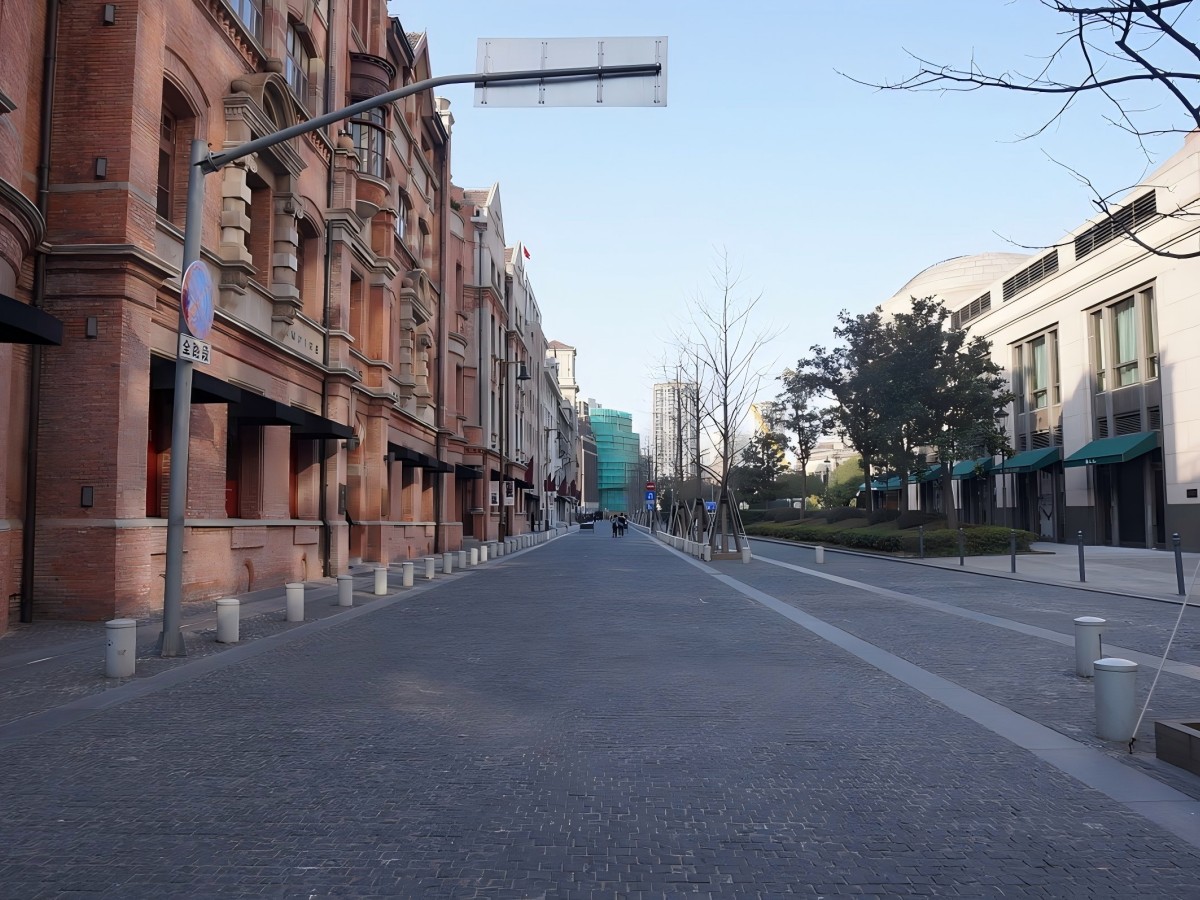
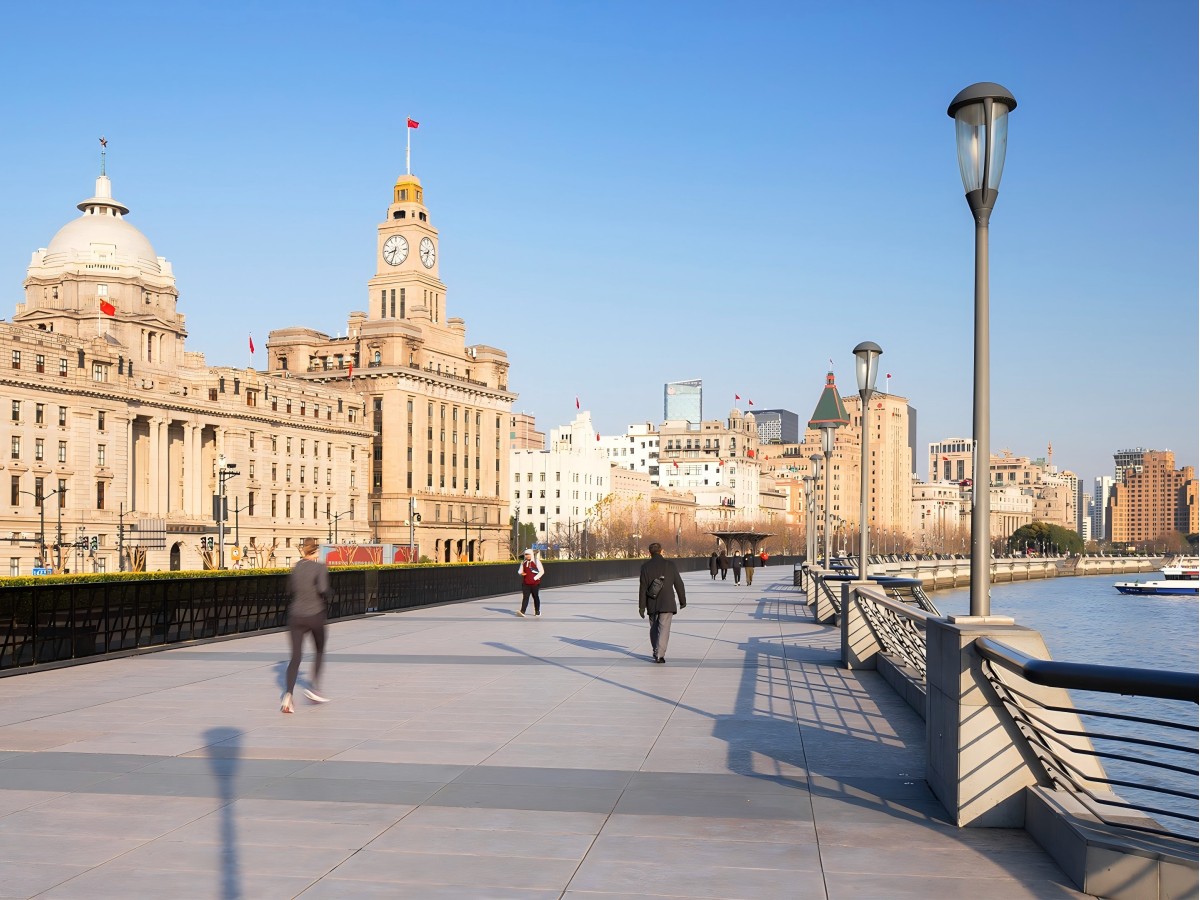
Now, let's talk about why the Bund became so important in Shanghai's history. in the 19th century, foreign powers set up store here, and the Bund quickly transformed from a simple pier into a grand avenue of buildings reflecting the architectural styles of Western nations. The British, the French, the Americans - their influence was everywhere. Imagine walking down a street lined with buildings that are easily reminiscent of London, Paris or New York! These were not ordinary buildings, but symbols of imperial power, wealth and the global economy. The Bund soon became a showy area for foreign banks, trading companies and consulates that called the shots in Shanghai. These institutions were not only there to do business, but also to assert themselves. The British Consulate adopts a colonial-era architectural style, while the Hong Kong and Shanghai Bank building looks like a Victorian dreamland, proclaiming to the world, “We are the masters here!” It's the ultimate in flexibility. But the Bund wasn't just subject to foreign influences. Local Chinese are coming into their own, albeit in different ways. As Shanghai's economy boomed, Chinese businessmen and entrepreneurs established themselves on the Bund, contributing to the growing cityscape. Let's not forget the cultural exchanges of the time either - Chinese traditions and customs were influencing people's daily lives as Western-style buildings rose up. The Bund was a center of fusion, where East and West met in ways you can't imagine.
Advertisement
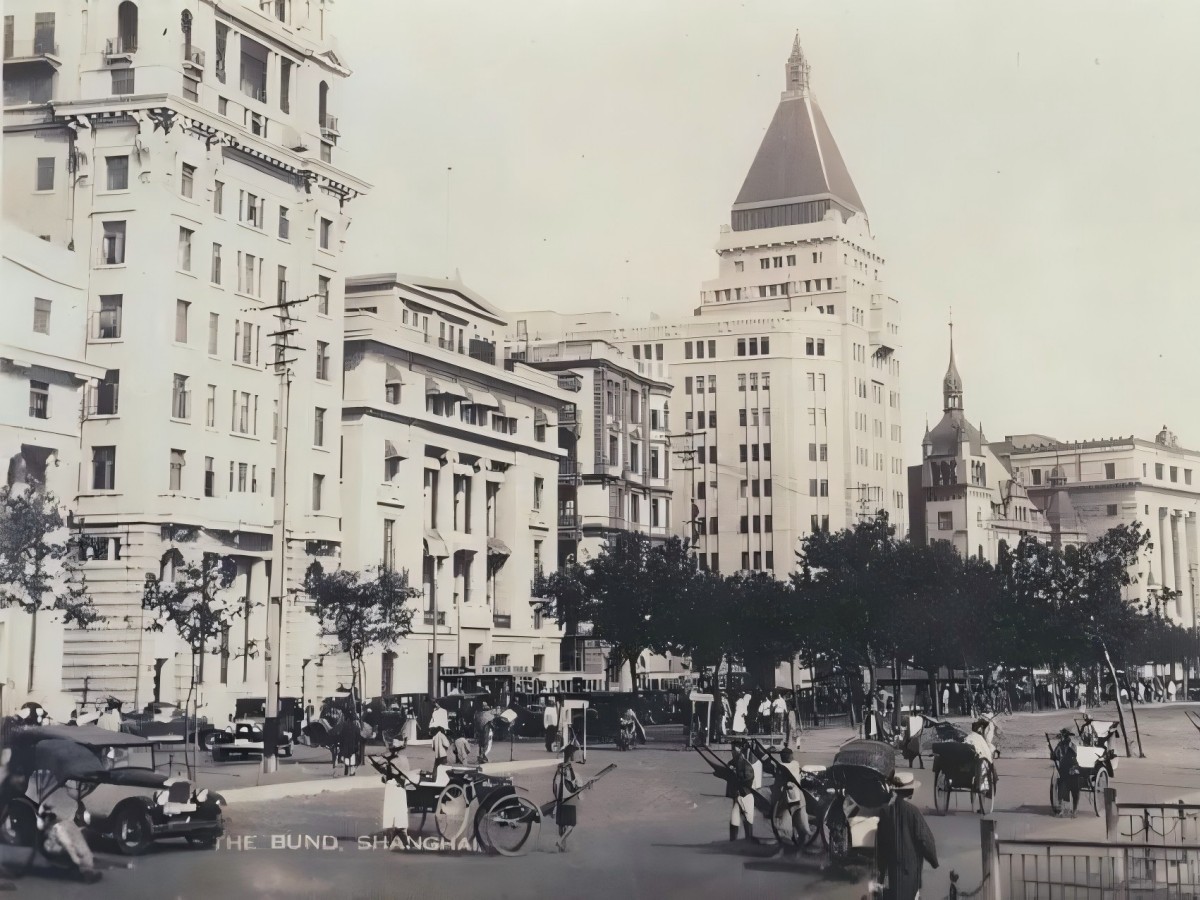
The 20th century was definitely a roller coaster for the Bund. As Shanghai ascended to the world stage, the Bund became a place where history was made. As the 1920s dawned, Shanghai was in full swing as one of Asia's most prosperous cities. The Bund was at the center of it all, and with the rise of jazz, swanky nightclubs and high-society parties, the Bund became a symbol of Shanghai's glamour and indulgence. But not everything was glamorous: in 1937, Japan invaded China and Shanghai was turned into a war zone. Once a symbol of foreign power and wealth, the Bund now bears witness to the horrors of war. Despite the enormous challenges the city faced, the Bund stood resiliently, like a pillar in the storm, witnessing the city fight for its future. After the war, Shanghai underwent tremendous social and political changes. 1949 saw the founding of the People's Republic of China and a new era for the Bund. As China closed its doors to foreign powers, the Bund gradually disappeared, but the historical buildings remained, silently witnessing the city's transformation.
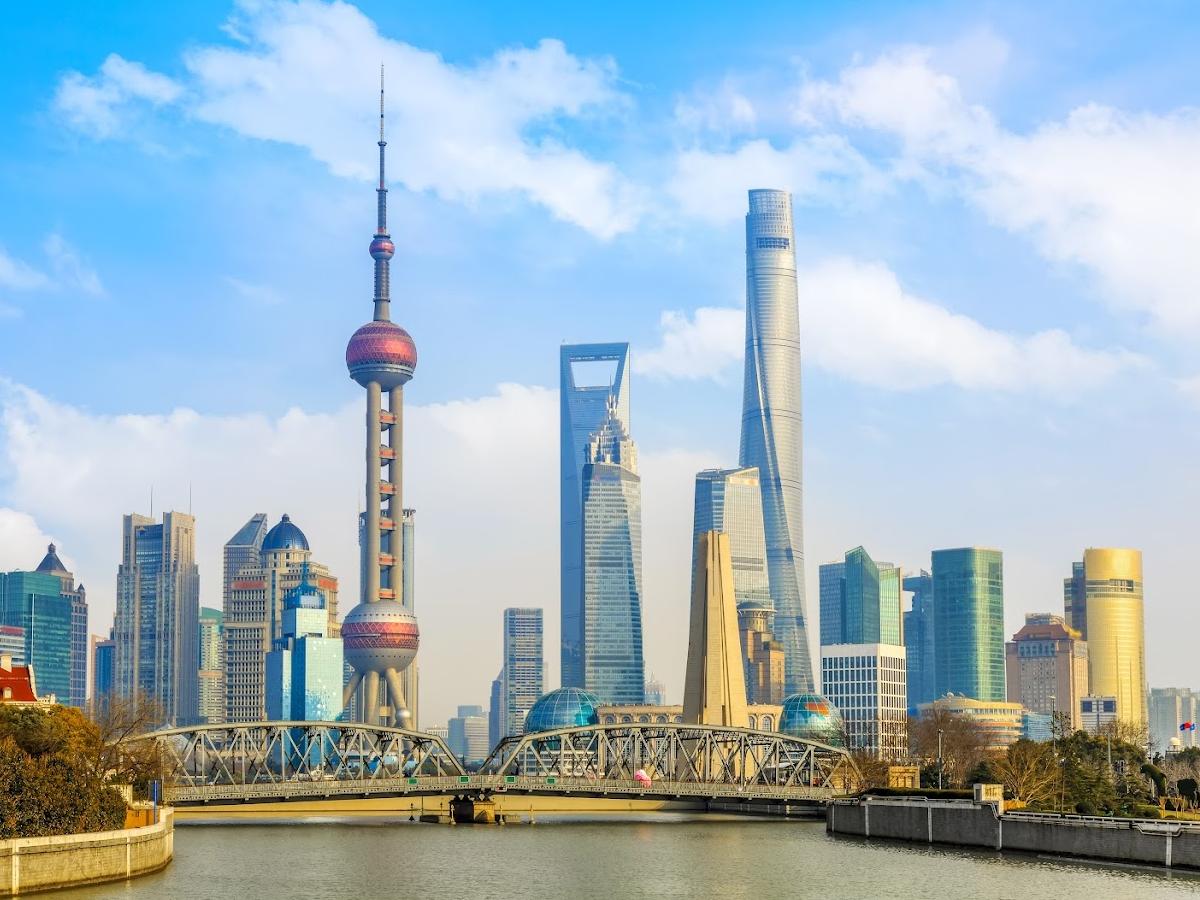
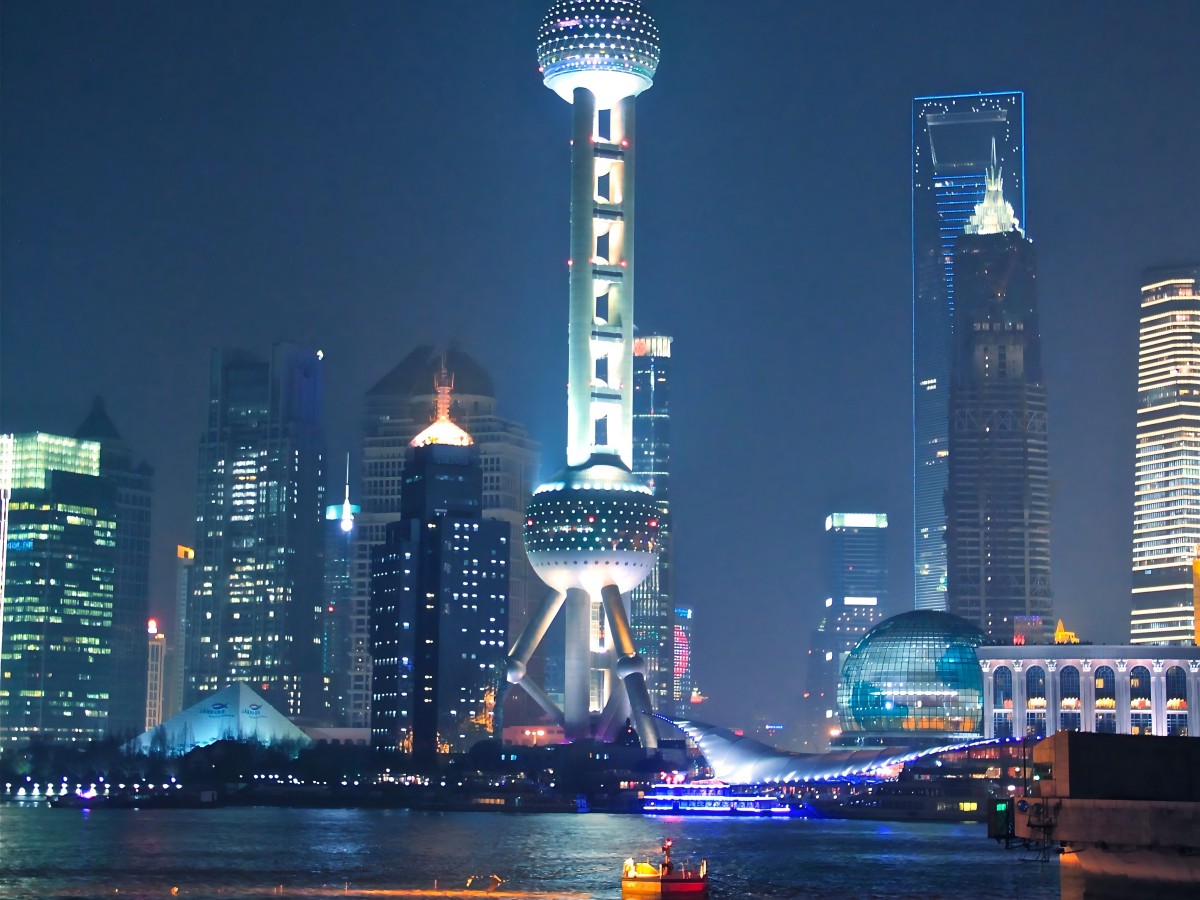
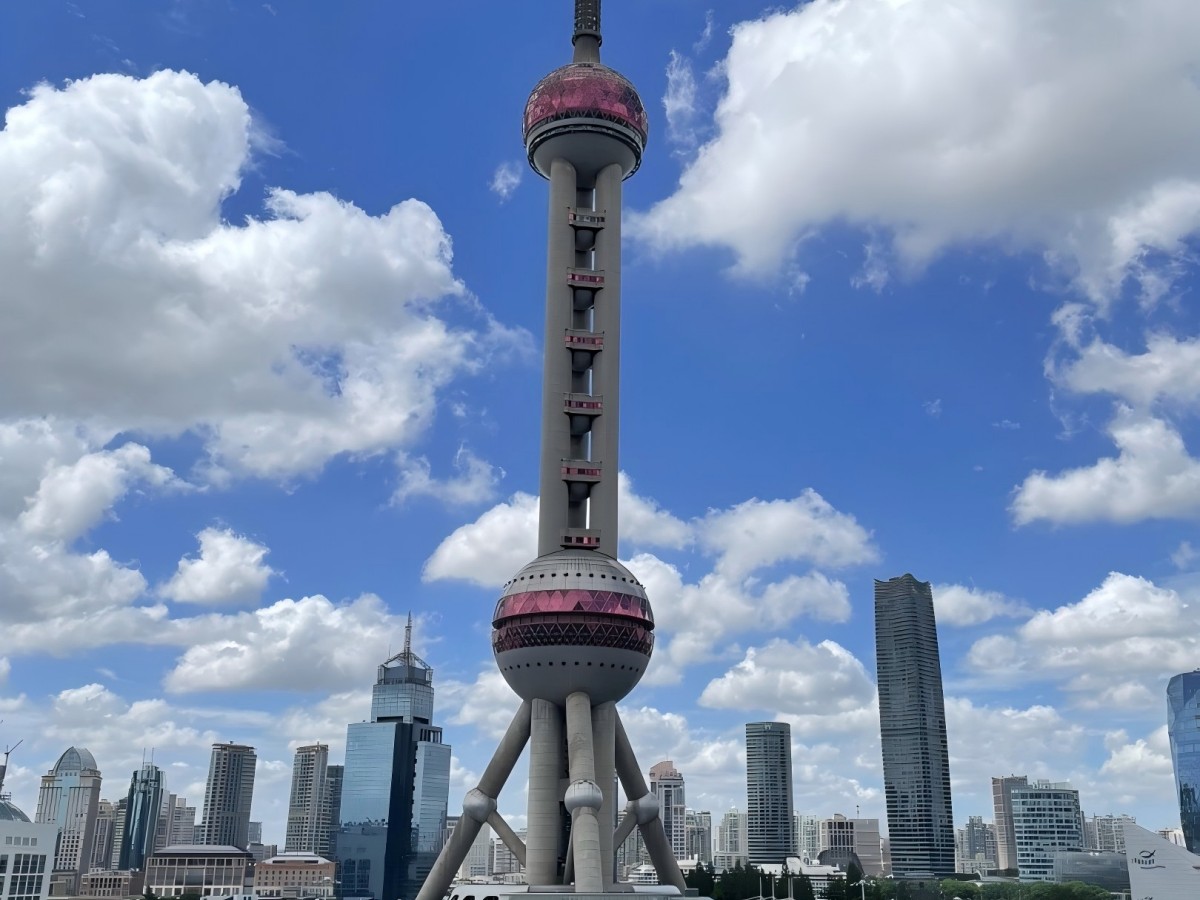
Let's go back to the present. In the 21st century, the Bund is no longer a relic of Shanghai's past. It is a thriving center that blends history with the dazzling modernity of the surrounding city. The iconic skylines you see today - the Shanghai Center Tower, Jin Mao Tower and the futuristic Pearl Tower - are testament to how far the city has come. But here's the beauty of it all: the Bund still retains its past, proudly displaying colonial-era architecture while standing side-by-side with sleek skyscrapers that represent Shanghai's amazing growth. Strolling along the Bund today, you can almost feel the energy of the past colliding with the present. Whether you're gazing at the historic buildings or sipping a funky cup of coffee in one of the trendy cafes overlooking the Huangpu River, you can feel a sense of continuity. Past and present coexist like two old friends who have stood the test of time together. The Bund is a cultural mosaic - a place where history, culture and the modern world intertwine in the most spectacular way.
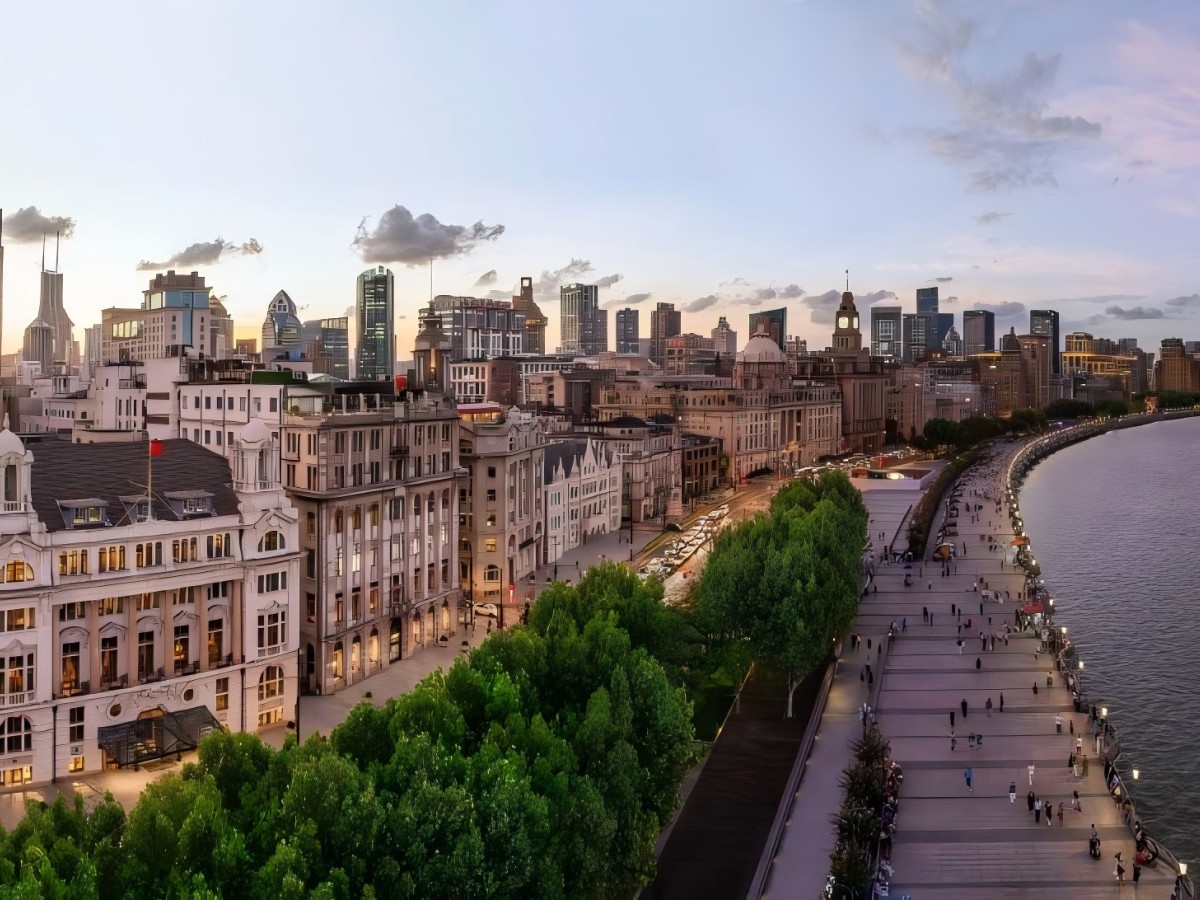
The Bund is full of history, culture and stunning views, but what exactly can you do there? Let's just say you're in for a treat. The Outer Banks is perfect for a leisurely stroll - whether you're admiring the spectacular architecture, snapping photos of the skyline, or soaking up the atmosphere. You'll feel like you've traveled back in time as you stroll along the riverbank. You can also take a boat trip on the Huangpu River. Trust me, it's the best way to see both the Bund and Pudong's modern skyline. The contrast between the two is jaw-dropping! If you want to learn more about the history of the Bund, you can also take a guided tour to learn the stories behind each building. Who knows? Maybe you'll even discover some untold secrets that most people overlook! If you're hungry (because shopping all day can work up an appetite!) ), there is no shortage of dining options on the Bund. Whether you want to savor fine dining at a rooftop restaurant with a great view or take a break at a quirky cafe, you'll find something to satisfy you. But honestly, there's nothing quite like sitting by the river, sipping a tipple and watching the sunset over the city skyline. It's pure magic.
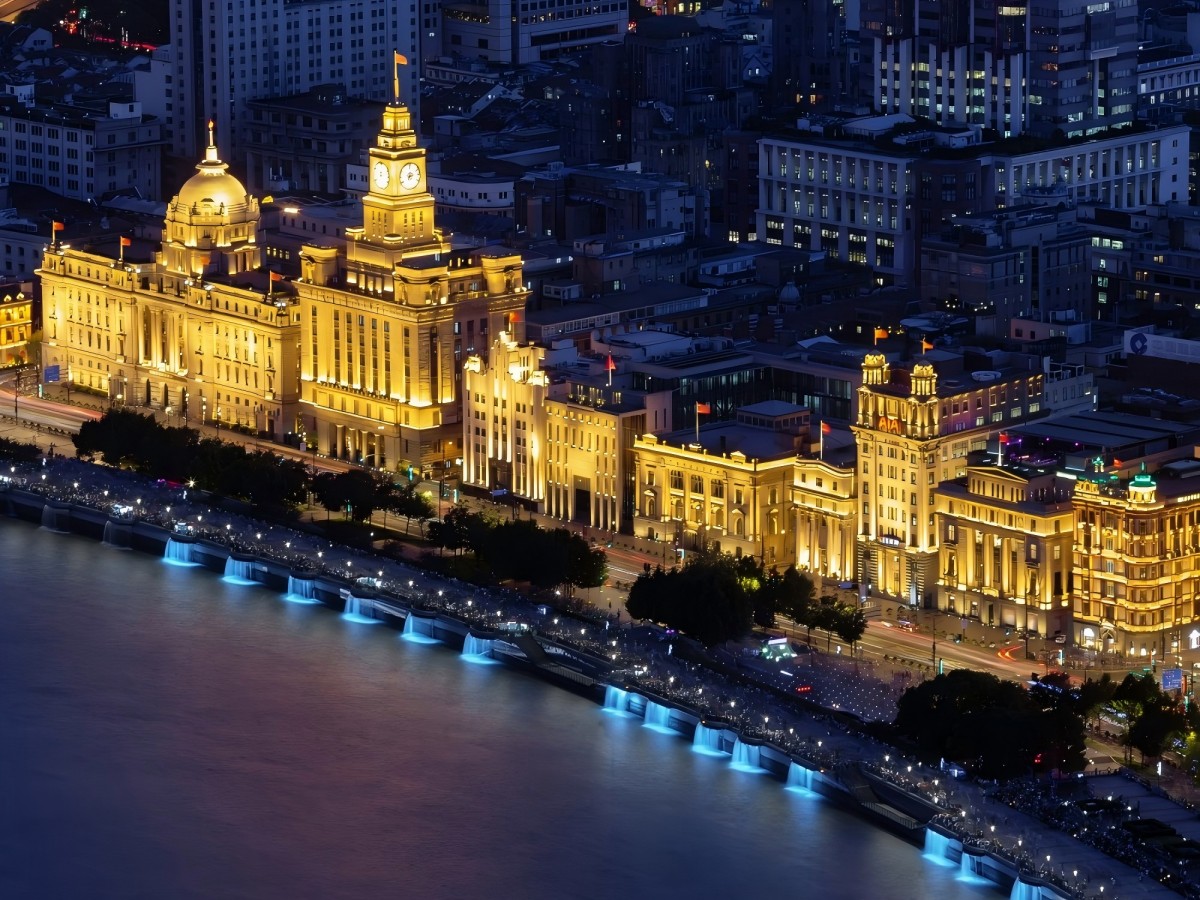
The Bund isn't just a daytime destination. Its vibrancy at night will also make your jaw drop. As the sun sets and the lights come on, the Bund is transformed into a glittering wonderland. The old colonial buildings glow magically in the soft light of the river. At the same time, the modern skyscrapers on the other side of the river are lit up with colorful lights, creating a stunning contrast. The Bund, a unique place, is more than just a historical landmark, it is a reflection of the soul of Shanghai. From its humble beginnings to its current status as a symbol of international trade, from its former glamorous playground to its rebirth as a modern cultural center, the Bund is like a storybook waiting to be explored. As you stroll through the legendary streets, you'll realize that you're not just visiting a place, you're stepping into history.