
Advertisement
Gateway of India, as a landmark building in Mumbai and even India, carries a profound historical and cultural heritage, attracting tourists from all over the world. Whether you are a history lover or a traveler who is keen to explore the world's architectural wonders, Gateway of India will not disappoint you. The following is a complete travel guide to Gateway of India to help you start a wonderful journey to the Gateway of India.
Advertisement
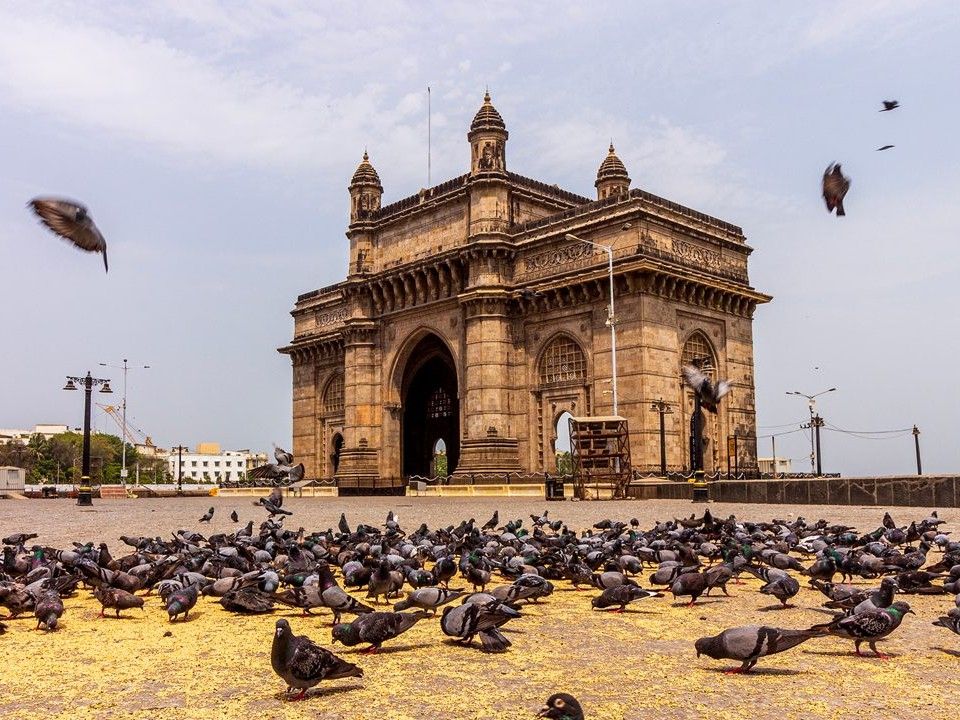
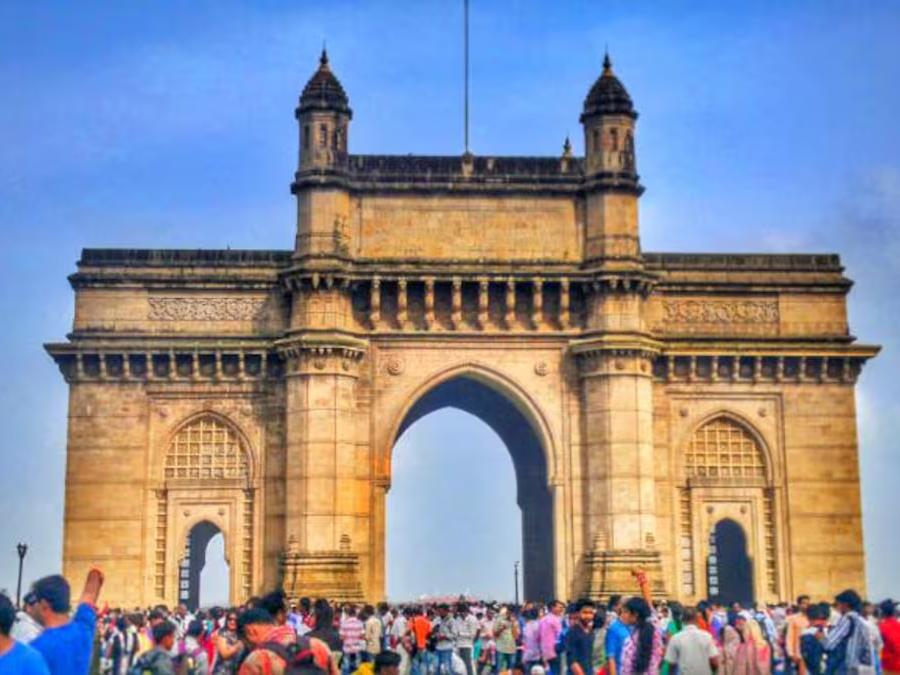
The Gateway of India is located in Apollo Dock in Mumbai. It was built to commemorate the visit of King George V and Queen Mary of the United Kingdom in 1911 and was officially completed in 1924. It is not only a landmark of Mumbai, but also a witness to the historical changes in India. After India's independence in 1947, the last batch of British troops evacuated from here by ship, marking India's escape from colonial rule and independence.
Advertisement
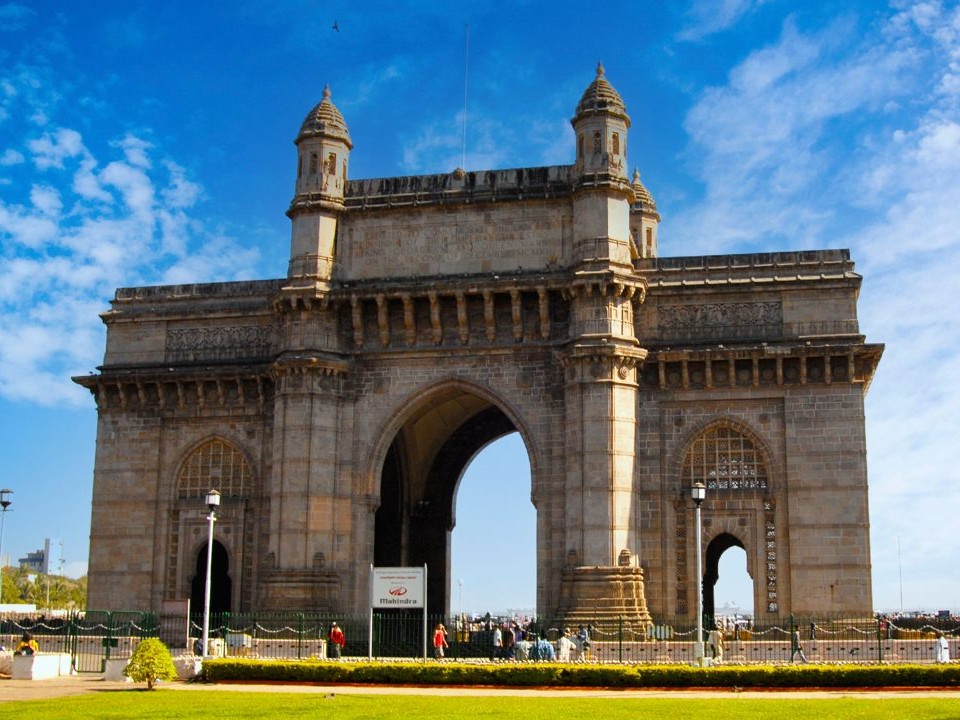
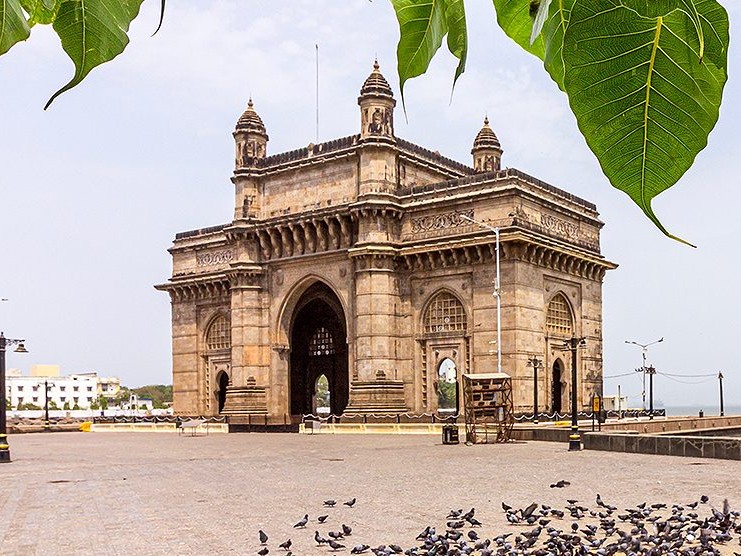
From an architectural point of view, the Gateway of India integrates the 16th-century Gujarati Muslim architectural style, and the magnificent arch as high as 26 meters is eye-catching. The exquisite carvings on the top of the arch, which integrates traditional Hindu and Islamic patterns, show the exquisite traditional Indian carving craftsmanship. The main body of the building is made of basalt, which is solid and solemn. The surrounding small buildings and gardens set off each other, forming a beautiful picture.
The Gateway of India at night has a unique flavor. The lights are on, and the colors and brightness are constantly changing, outlining the outline of the building and adding a mysterious color to it. There are also street performers performing music, dance, acrobatics, etc. nearby, bringing a rich cultural experience.
Before you leave, you need to make a thorough travel plan. First, determine your travel time and itinerary, and choose the most suitable time to travel, taking into account the climate characteristics of India and your personal vacation time. Then, make a budget, including transportation, accommodation, food, and tickets. At the same time, understand India's cultural customs and local laws and regulations, respect local traditions, and avoid unnecessary troubles caused by cultural differences. In addition, book your flight tickets and hotels in advance to ensure a smooth trip.
Advertisement
International tourists usually arrive at Chhatrapati Shivaji International Airport in Mumbai. From the airport, you can take a taxi to Gateway of India, which takes about 30-45 minutes, depending on traffic conditions. You can also take the Airport Express to downtown Mumbai and then transfer to local public transportation such as buses or subways. Mumbai's subway network covers a wide area, so take the subway to a station close to the Gateway of India and then walk to it.
Train is an economical option for traveling to Mumbai from other cities in India. There are multiple train stations in Mumbai, and you can choose the appropriate transportation method to get to Gateway of India based on the actual situation after arriving.
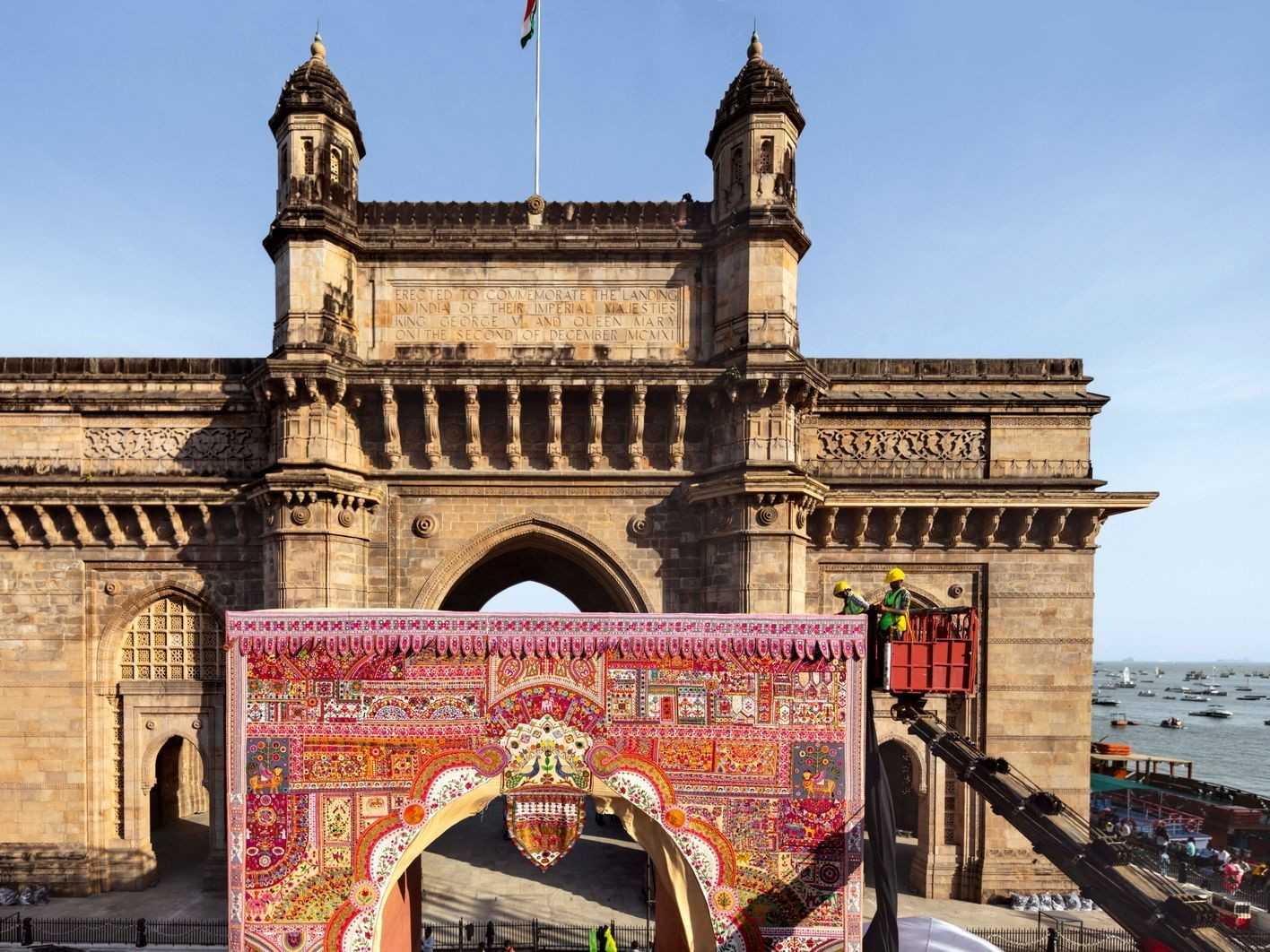
India has a tropical monsoon climate with high temperatures throughout the year and two seasons: dry and rainy. The best time to visit Gateway of India is from October to March of the following year. This period coincides with India's dry season, when the weather is cooler and sunny, which is suitable for outdoor activities while avoiding the inconvenience caused by frequent rainfall during the rainy season. Especially in winter, the temperature is pleasant, and visitors can enjoy the fun of touring around Gateway of India and enjoy the beautiful sea and city scenery.
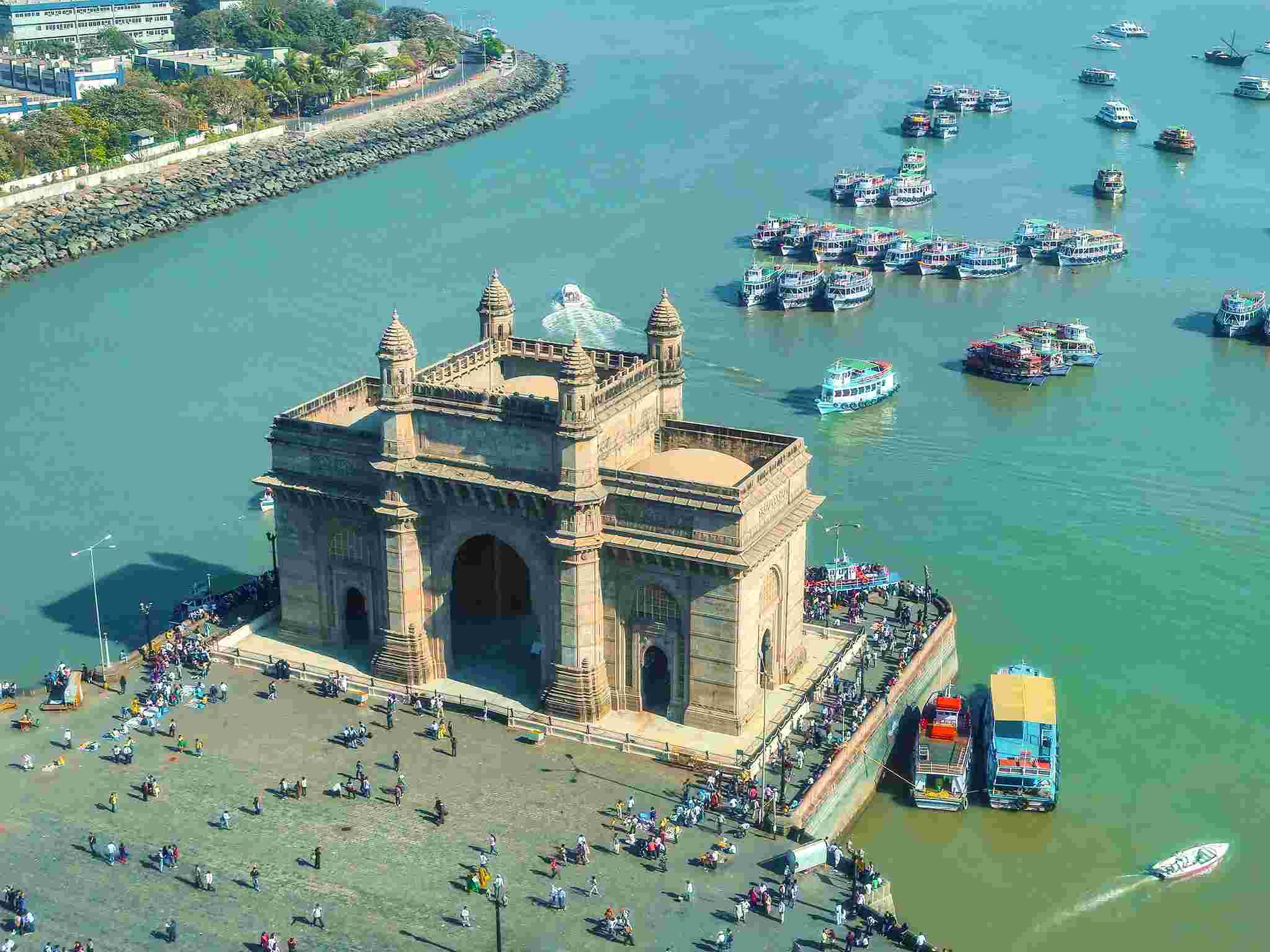
Gateway of India is open all day, and visitors can freely arrange their visit time according to their own itinerary. However, in order to appreciate the beauty of Gateway of India at different times, it is recommended that visitors choose to go there in the morning or evening. In the morning, Gateway of India looks particularly solemn and solemn under the sunshine; in the evening, with the afterglow of the sunset and the gradually lit lights, Gateway of India shows its romantic and charming side.
It is worth mentioning that visiting the Gateway of India is free, which allows more tourists to experience the charm of this historical building up close. However, there may be some other paid items around the Gateway of India, such as taking a cruise to enjoy the scenery of Mumbai Harbor, or buying some special souvenirs, etc. Visitors can choose to experience according to their interests and needs.