Advertisement
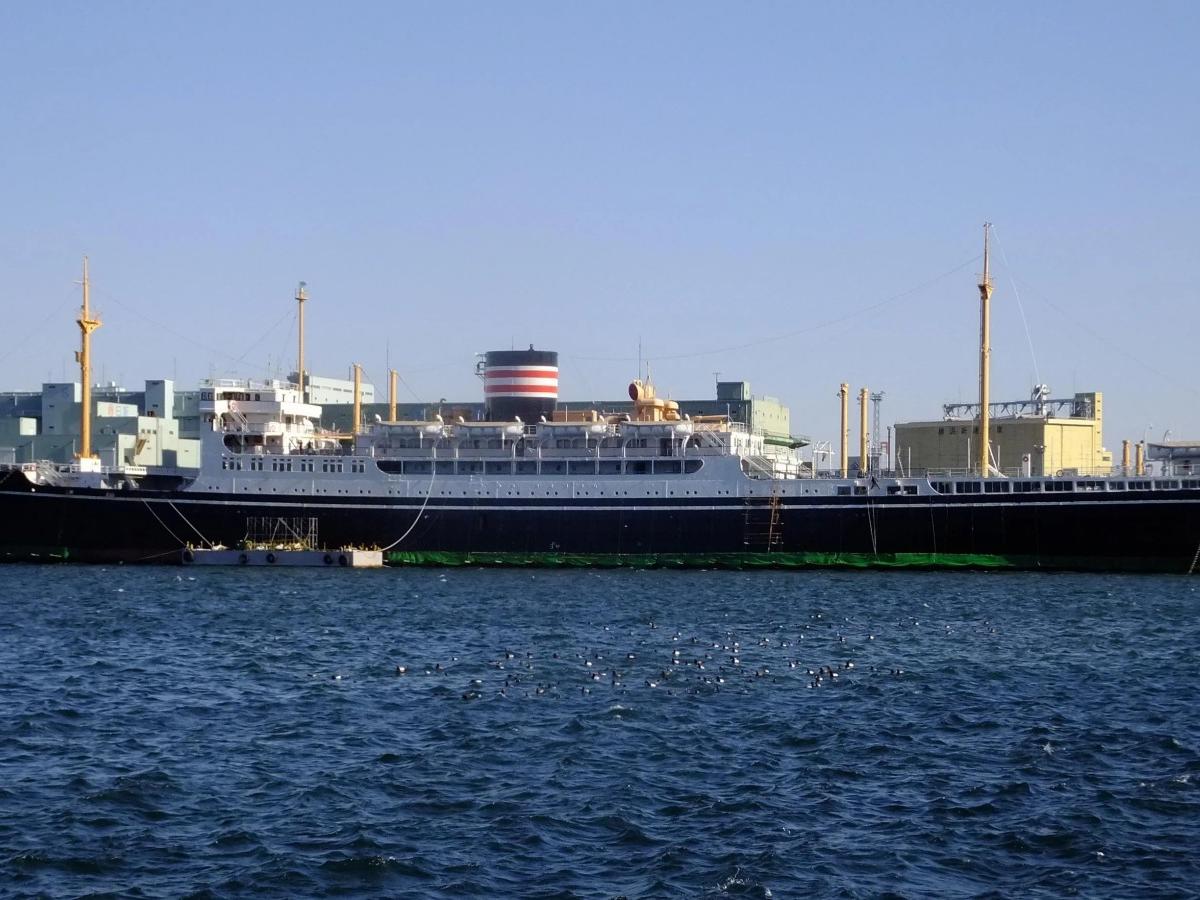
The Port of Yokohama is one of Japan's historic harbors, connecting the country to the world in trade, and the Hikawa Maru is undoubtedly a unique presence amidst the waves of this history. As one of the cultural symbols of the Port of Yokohama, the Hikawa Maru is not only a ship, but its story carries a microcosm of Japan's modern history. It has witnessed a storied history from its pre-war glory to its post-war rebirth.
Advertisement
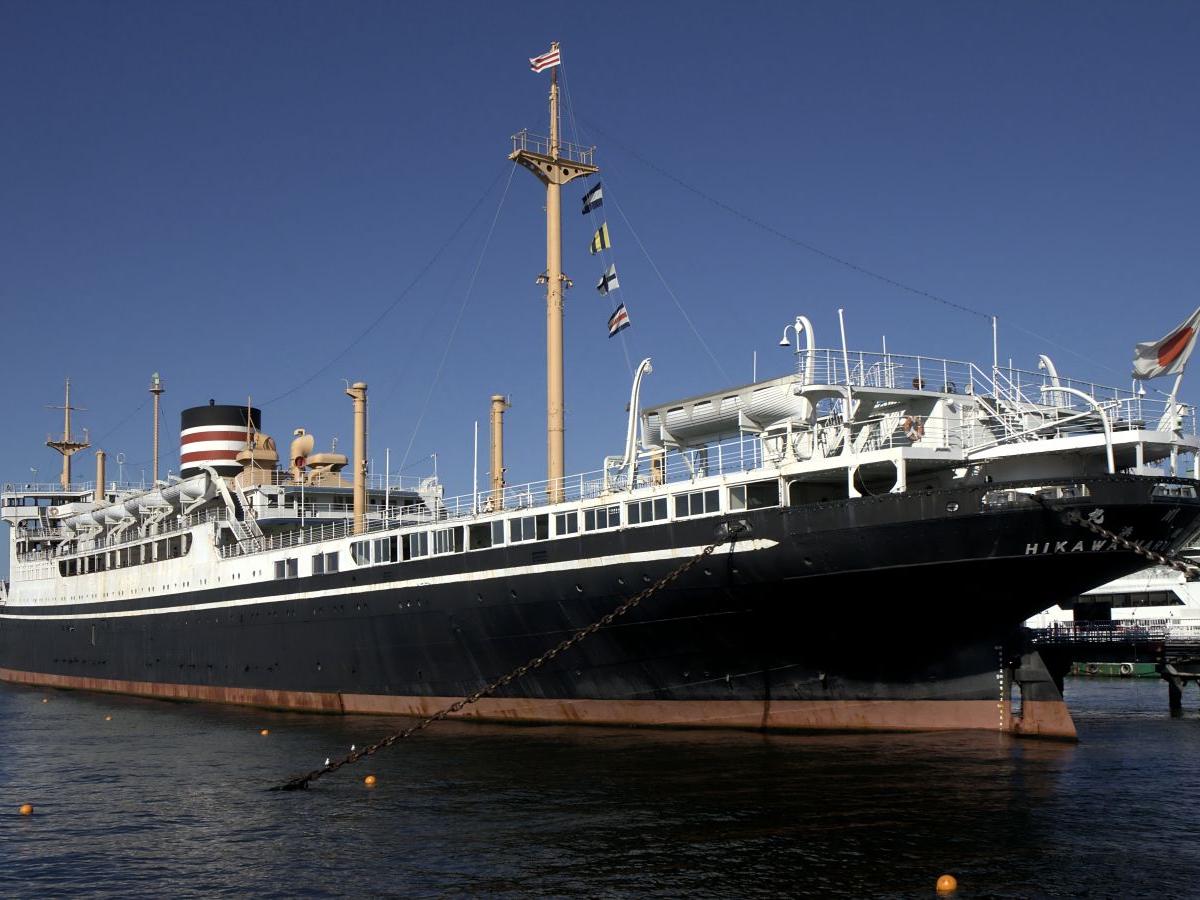
The Hikawa Maru was originally built in the 1930s as a luxury passenger ship operated by Nippon Yusen Kaisha (NYK). The ship's hull utilized the most advanced technology of the time, and its luxurious décor and amenities made it one of the most prominent ships of its time. Designed not only for comfort, but also incorporating modern maritime technology, it became a shining jewel departing from the port of Yokohama.
Advertisement
The Hikawa Maru's primary mission was to provide regular service between Yokohama and the west coast of the United States, carrying a large number of passengers and cargo and connecting Japan with North America in important commercial and cultural exchanges. As her voyages progressed, the Hikawa Maru earned a reputation not only within Japan, but also as a bridge between Japan and the rest of the world. Its luxury and sailing ability established it as an important part of Japan's modern maritime history.
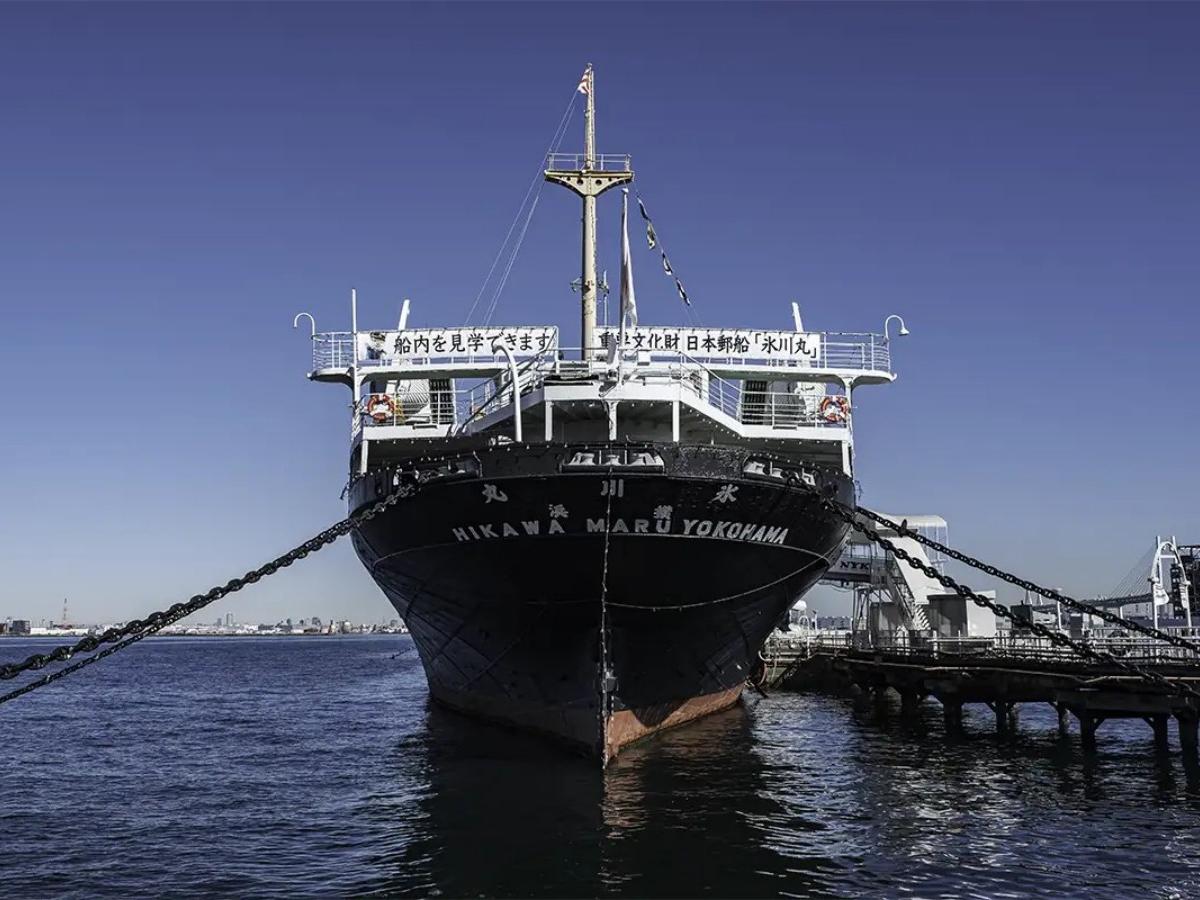
The outbreak of World War II changed the fate of the Hikawa Maru. During the war, the luxury passenger ship was requisitioned as a military vessel and endured difficult times. Its original commercial routes were interrupted and replaced by various military missions. Although it still retained its splendor in appearance, its function was no longer that of an elegant passenger ship, but rather it became a member of the war machine.
Advertisement
After the war, the Hikawa Maru was not able to return to its former prosperity. Its routes were gradually reduced due to wartime damage and changes in the shipping industry, and eventually, it was forced to be decommissioned and docked at the port of Yokohama. Although the ship's hull still exists, its function and significance have changed profoundly.
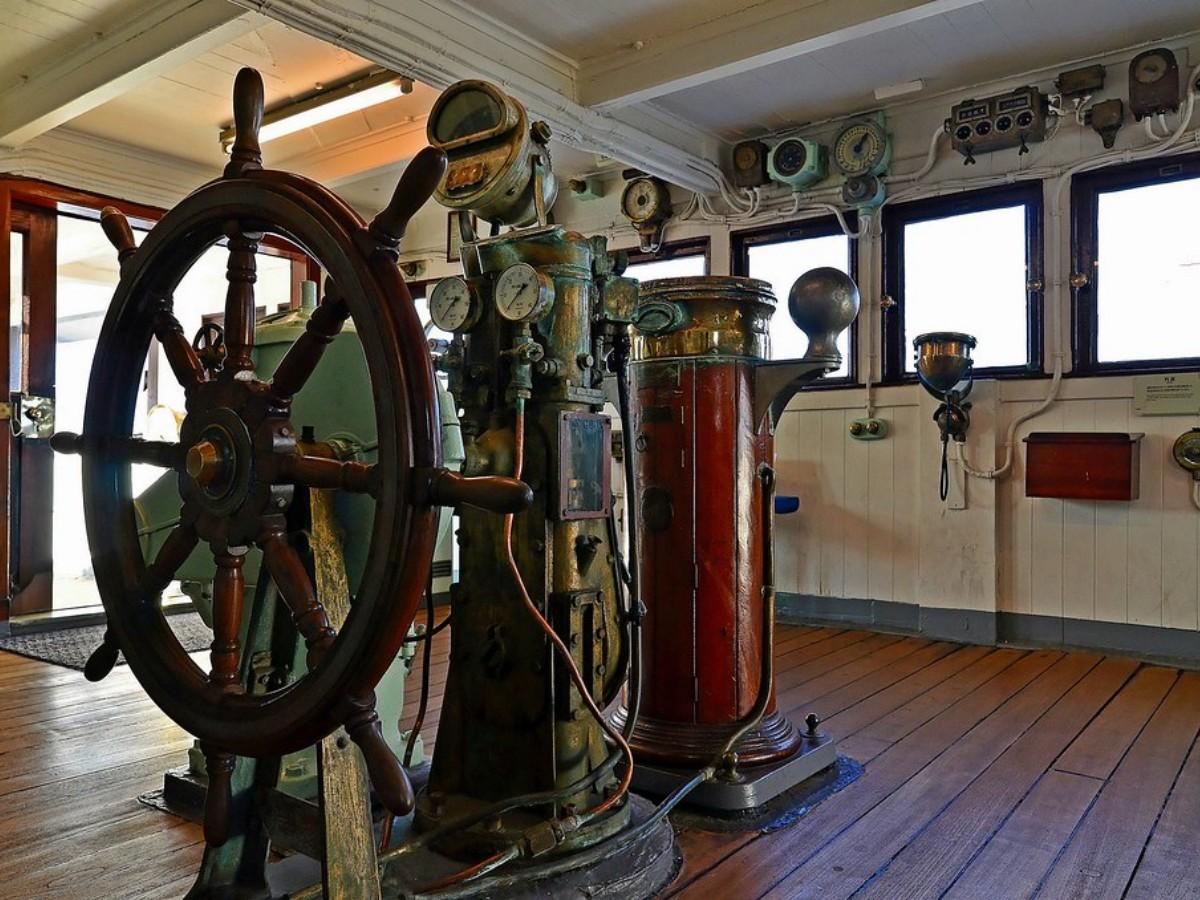
The Hikawa Maru has not completely disappeared into history. Its fixed position in Yokohama Harbor has gradually transformed it into a historical site that attracts thousands of visitors. On this ship, visitors can experience the grandeur of the ship and the splendor of its past. The ship's exquisite décor, cozy cabins, and traces of the World War II era have become a testament to history.
Today, the Hikawa Maru has become one of Yokohama's major tourist attractions. It is not just a ship, but a living fossil of history. The ship's museum displays the entire history of the ship, including its construction, voyages, wartime experiences, and its transformation into a museum after the war. Visitors can walk around the ship and see what life was like for passengers in the luxurious surroundings of yesteryear, as well as the trials and tribulations the ship endured during the war.
The ship's exhibits are varied and include nautical equipment of the time, seafarers' paraphernalia, and records from the period of the massive war. These exhibits provide not only an understanding of a ship's history, but also a glimpse of the turbulent times when the Hikawa Maru was not only an attraction of the Port of Yokohama, but also an important part of Japan's shipping history, thanks to the historical and cultural value it contains.
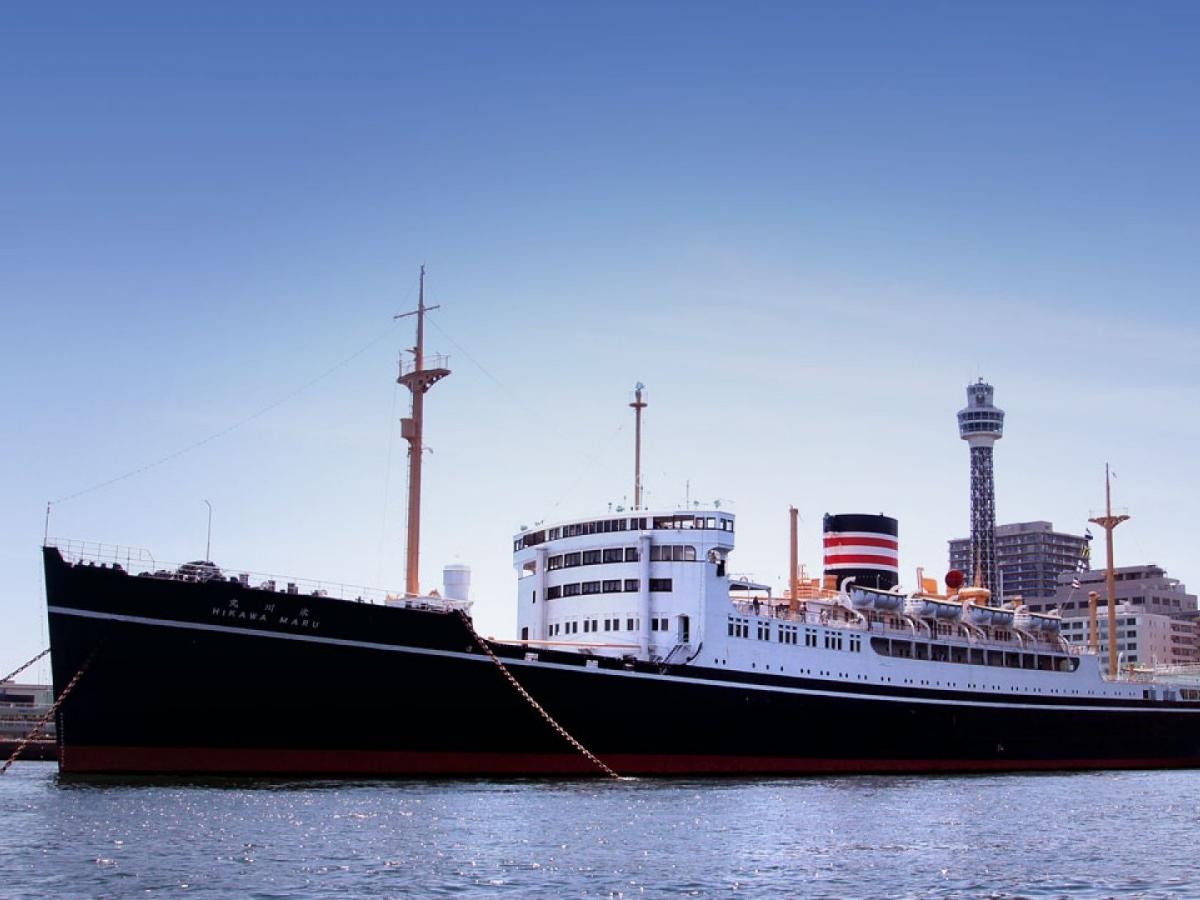
The history of the Hikawa Maru is more than just the story of a ship; it is a symbol of Yokohama's connection to the world. Yokohama has been a window for cultural exchange between Japan and the world since it became an international port in the late 19th century, and the existence of the Hikawa Maru symbolizes not only the glory days of Japan's shipping industry, but also Yokohama's role as a bridge of world exchange, carrying many historical collisions and fusions.
The port of Yokohama was once Japan's gateway to the outside world, and there are countless maritime stories behind this port. It is these maritime stories that have shaped the culture of Yokohama today. The Hikawa Maru is part of these stories, recording Yokohama's history as a maritime city and witnessing Japan's dramatic transformation from closed to open, from wartime to post-war.
The Hikawa Maru is not only a witness to maritime history, but also a carrier of Yokohama's history and culture. Standing on the deck of the Hikawa Maru, visitors can look back and reflect on the changes in history, as well as feel the unique charm of Yokohama as a city in the midst of globalization.