Advertisement
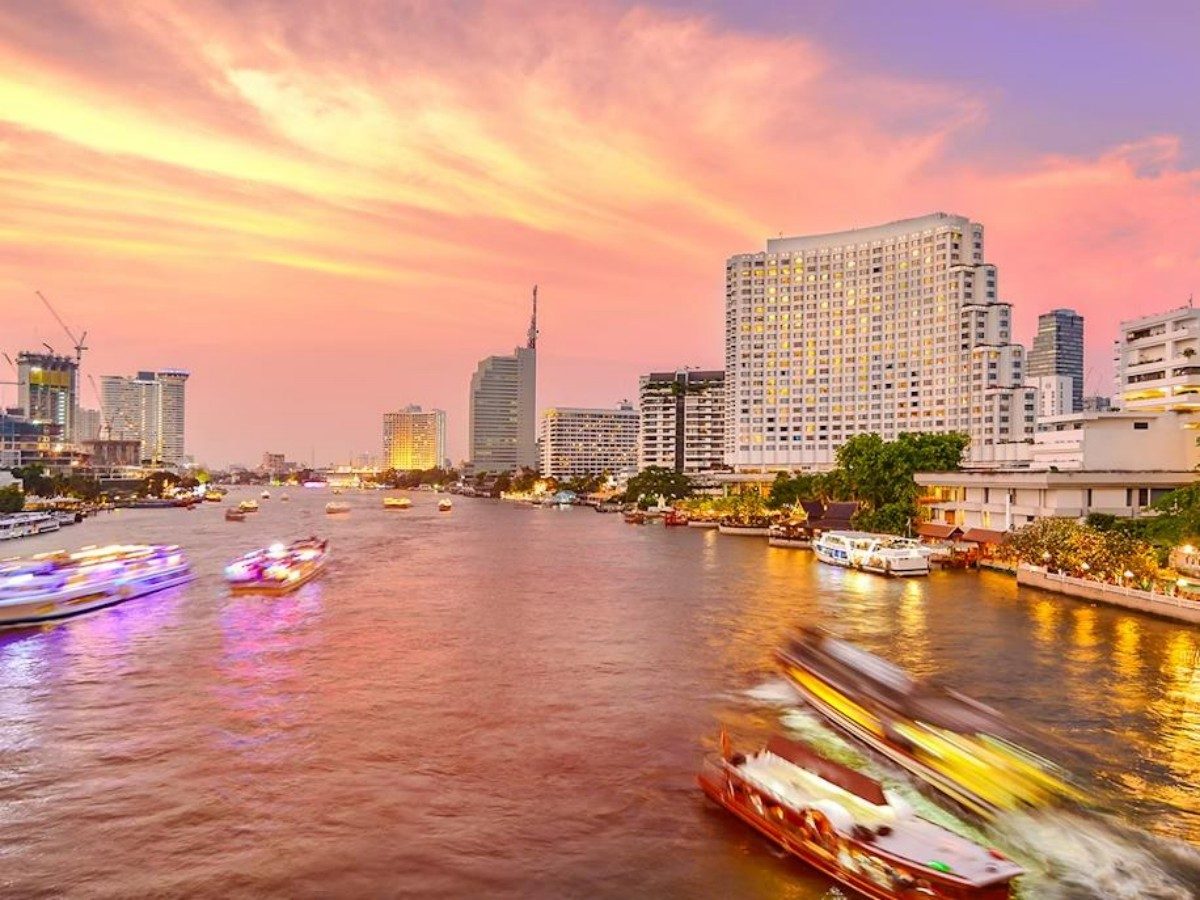
If Bangkok were a pearl set in Southeast Asia, the Chao Phraya River would be the golden vein running through its heart. Known by Thais as the "Mother River," this river runs north to south across the country, ultimately emptying into the Gulf of Siam in Bangkok. It's not only Thailand's largest river, but also a nexus of millennia-old civilization and modern prosperity. Riverside pagodas stand side by side with skyscrapers, traditional longtail boats and modern cruise ships ply the waters, and the sounds of chanting in the morning light and candlelit dinners under the dusky sky intertwine to create a unique urban symphony. For travelers, the Chao Phraya River's allure lies not only in its magnificent river views but also in a route that connects the best of Bangkok. Starting at Wat Arun, a symbol of the Thai spirit, passing historical landmarks like the Grand Palace and Wat Pho, and concluding at IconSiam, Bangkok's newest landmark, this route is truly a "condensed journey of Bangkok's culture and modern experiences." This article will help you discover five must-see stops on this route, along with practical tips to help you navigate the Chao Phraya River with ease.
Advertisement
Dockage Highlights
Advertisement
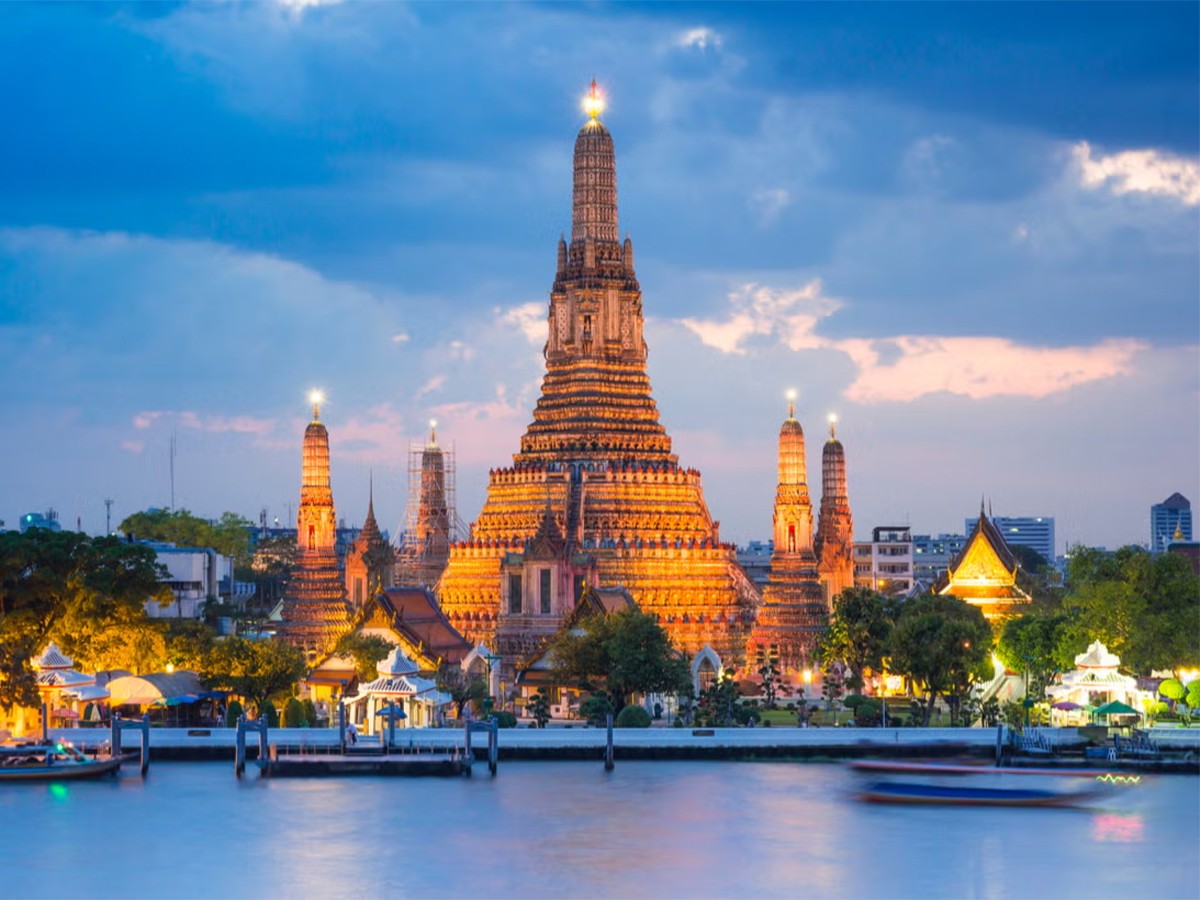
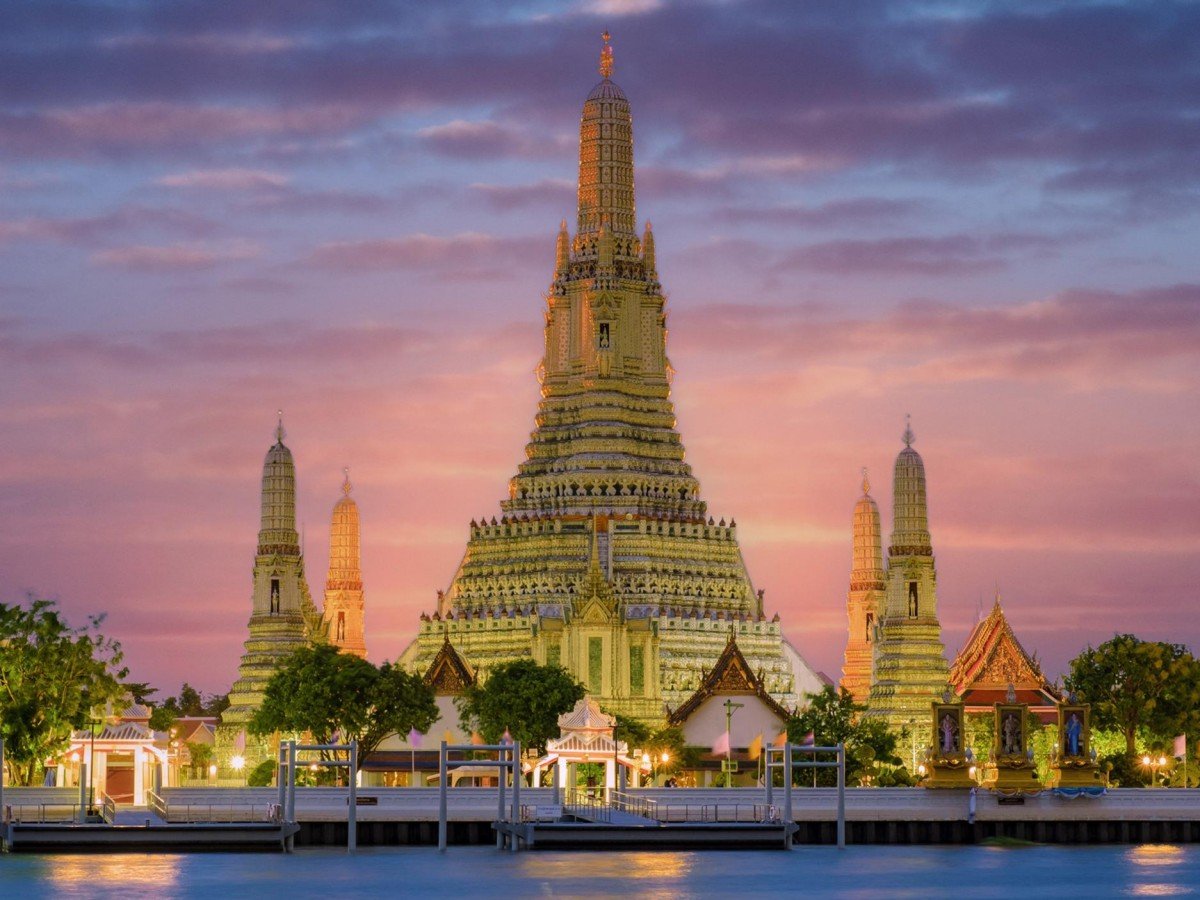
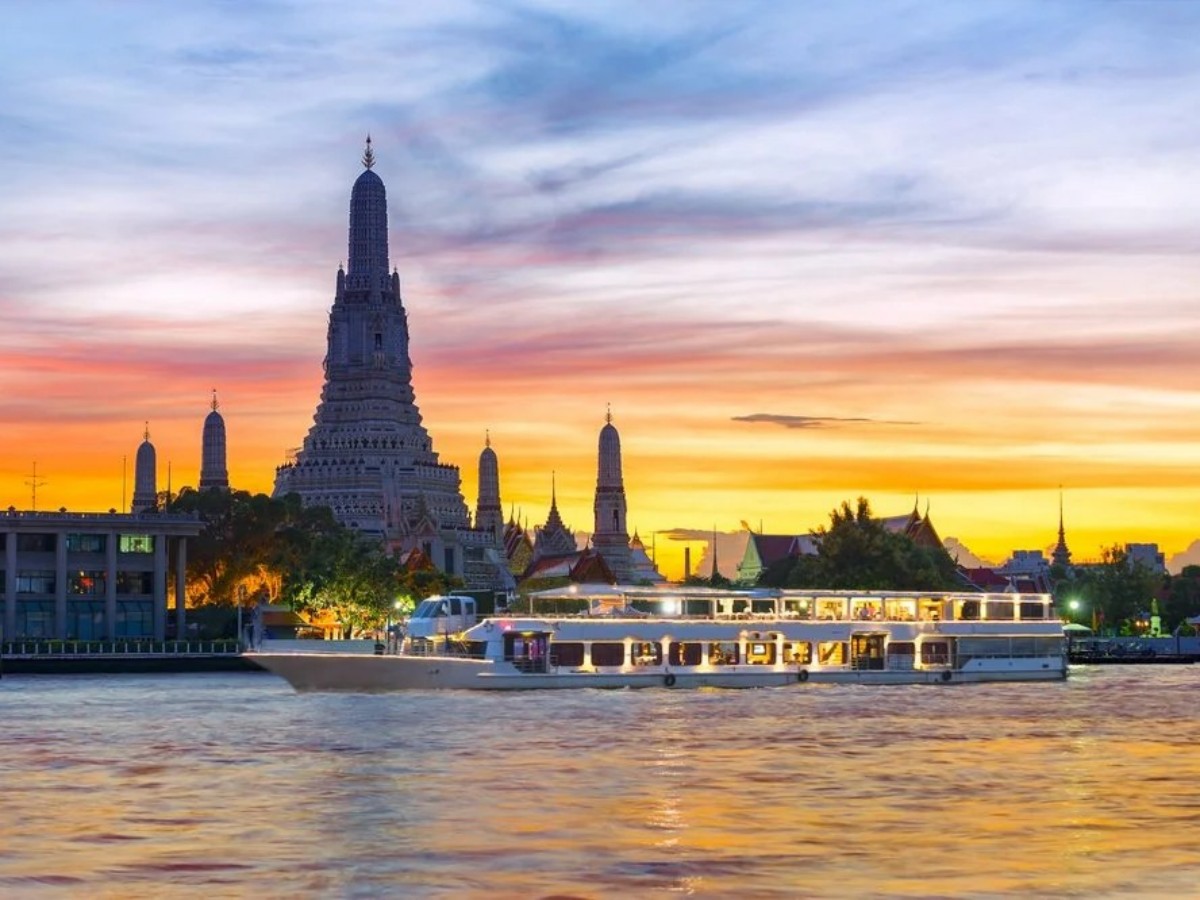
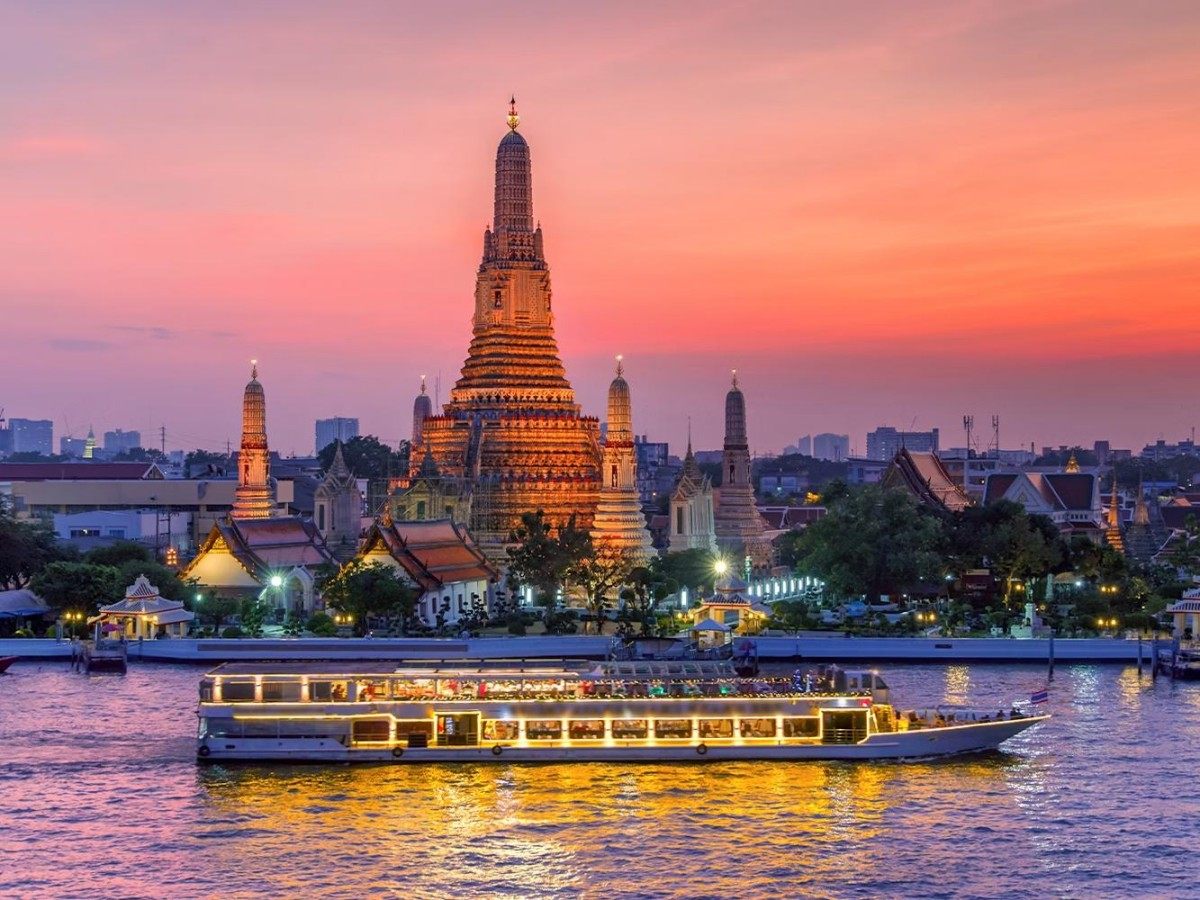
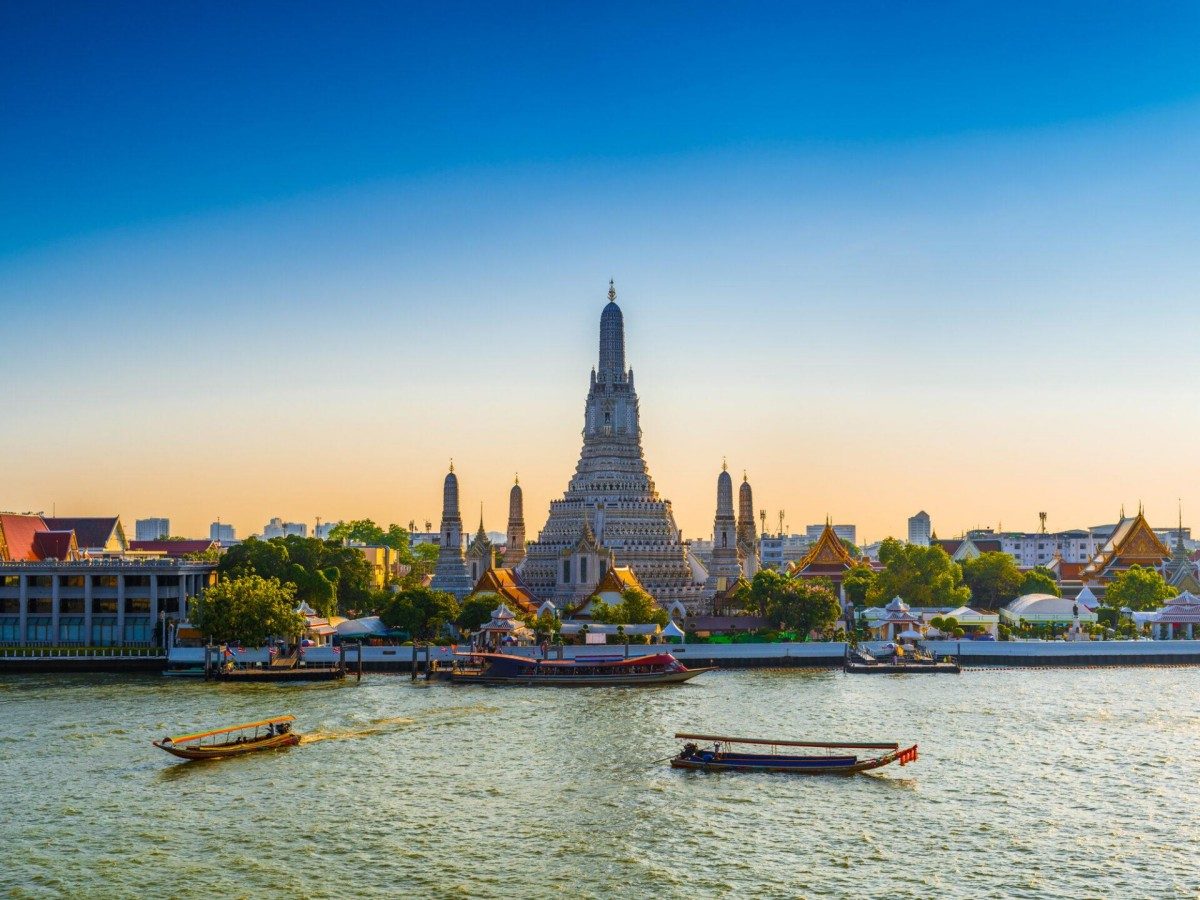
If Bangkok's temples are the most visually striking, the "Corn Tower" at Wat Arun (also known as Wat Arun) would undoubtedly take the top spot. Inspired by the Hindu myth of Mount Meru, this 82-meter-tall white pagoda is inlaid with tens of thousands of colorful tiles and shells, reflecting a dazzling light in the sunlight. Even more breathtaking is its architectural style, which blends Thai spires with Angkor-style corridors, seemingly transporting Cambodia's ancient civilization to the banks of the Chao Phraya River.
Historical Background
Wat Arun was built in 1768 in memory of Taksin Chao Phraya, the 41st king of Thailand and a national hero of Chinese descent. Taksin Chao Phraya led his army to repel Burmese invaders and establish the Thonburi Dynasty. His statue stands before the temple, a symbol of the "guardian of the nation" in the hearts of Thais. Tips
Pagoda Climbing: The pagoda features a spiral staircase that leads to the top floor for panoramic views of the Chao Phraya River (be aware of the steep steps; non-slip shoes are recommended).
Photography: The riverbank in front of the temple offers an ideal vantage point for capturing the pagoda and the Chao Phraya River. To avoid the crowds, arrive before 7:00 AM when the light is softer and fewer tourists are present.
Cultural Experience: The temple houses a traditional Thai massage school, offering authentic traditional Thai massages (reservations required).
Transportation: After disembarking at Pier N8, it's a two-minute walk to Wat Arun. To reach Wat Pho on the other side, take a ferry from the pier (4 baht, approximately one minute).
Highlights
Advertisement
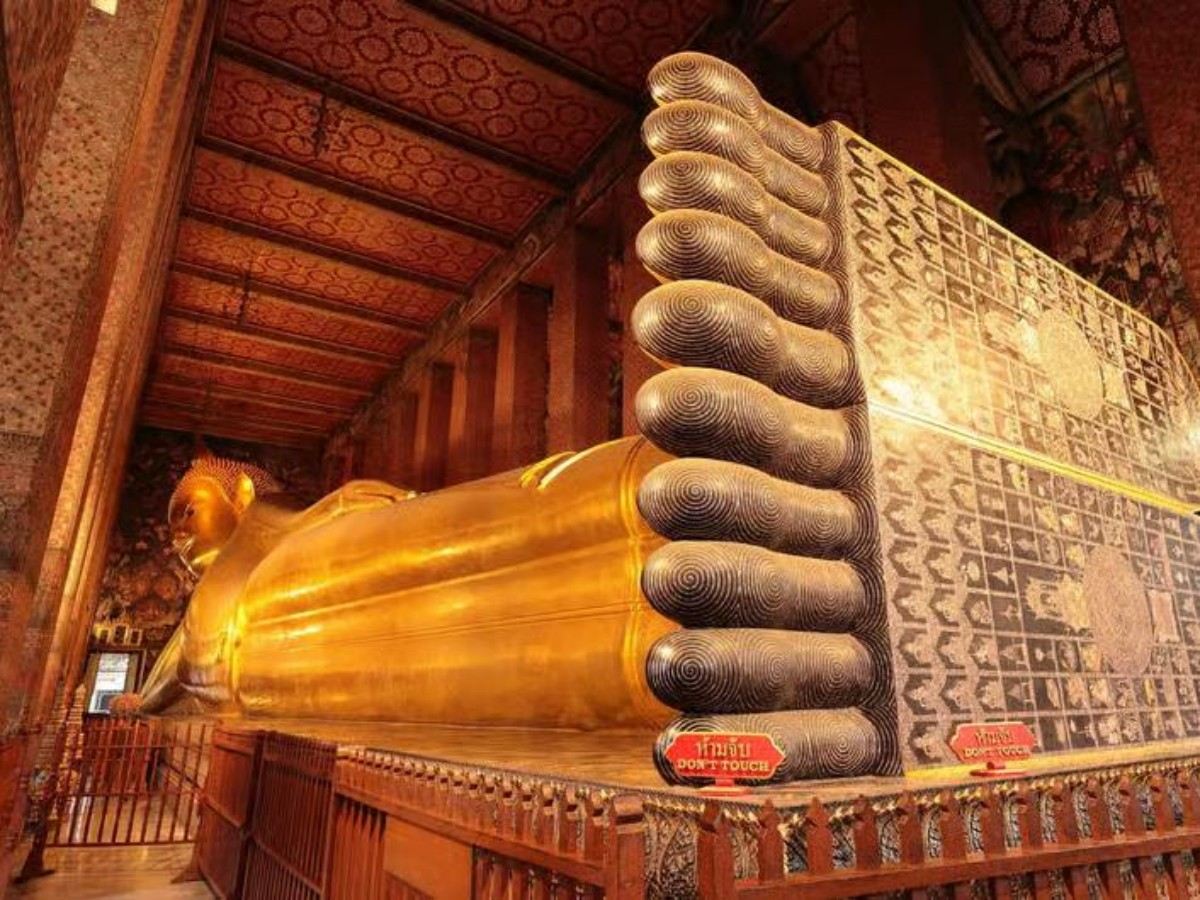
Compared to the majestic Wat Arun, Wat Pho is more reserved and profound. Built in the 16th century, this temple is renowned for its 46-meter-long, 15-meter-tall gilded reclining Buddha. The soles of the Buddha's feet are inlaid with 108 auspicious patterns inlaid with mother-of-pearl, symbolizing the "108 kinds of defilement" in Buddhism. The temple also houses Thailand's oldest medical school, and its traditional massage school has been designated an Intangible Cultural Heritage by UNESCO.
Must-Try Experiences
Thai Massage: The temple's massage school offers a one-hour traditional massage (approximately 400 baht). The massage therapists are highly trained and offer authentic techniques.
Explore the Pagodas: The temple grounds are dotted with 108 white pagodas, each housing a Buddha statue in a different pose. Strolling through them feels like stepping into a Buddhist paradise.
Tour Tips
Dress Code: Cover your shoulders and knees (shawls are available for rental at the temple for 20 baht). Opening Hours: 8:00 AM - 6:30 PM (Massage School Opens Until 7:00 PM).
Admission: 200 THB/person (Includes one bottle of mineral water).
Transportation
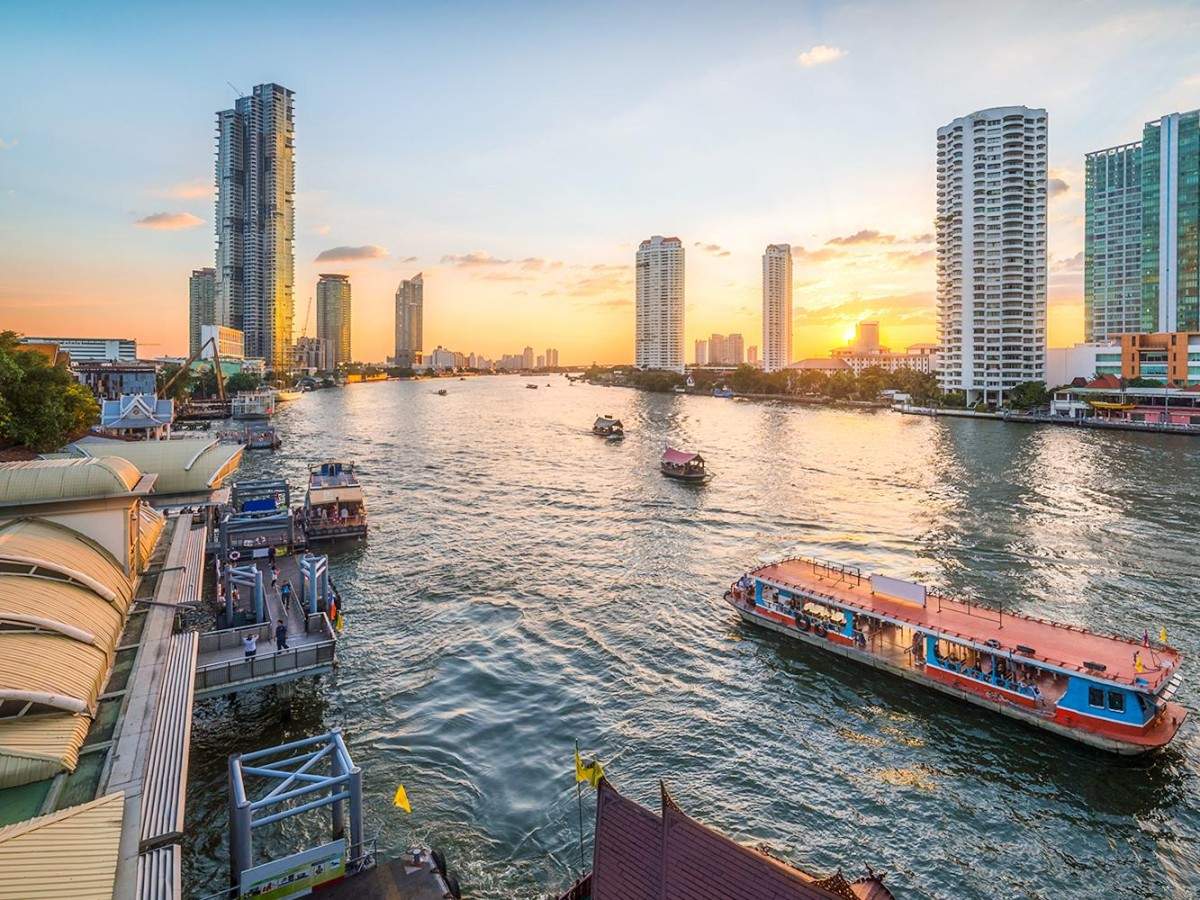
After taking the ferry from Pier N8, it's a 5-minute walk to Wat Pho. To reach the Grand Palace, continue north for 15 minutes or take a tuk-tuk (approximately 50 THB).
Dockage Highlights
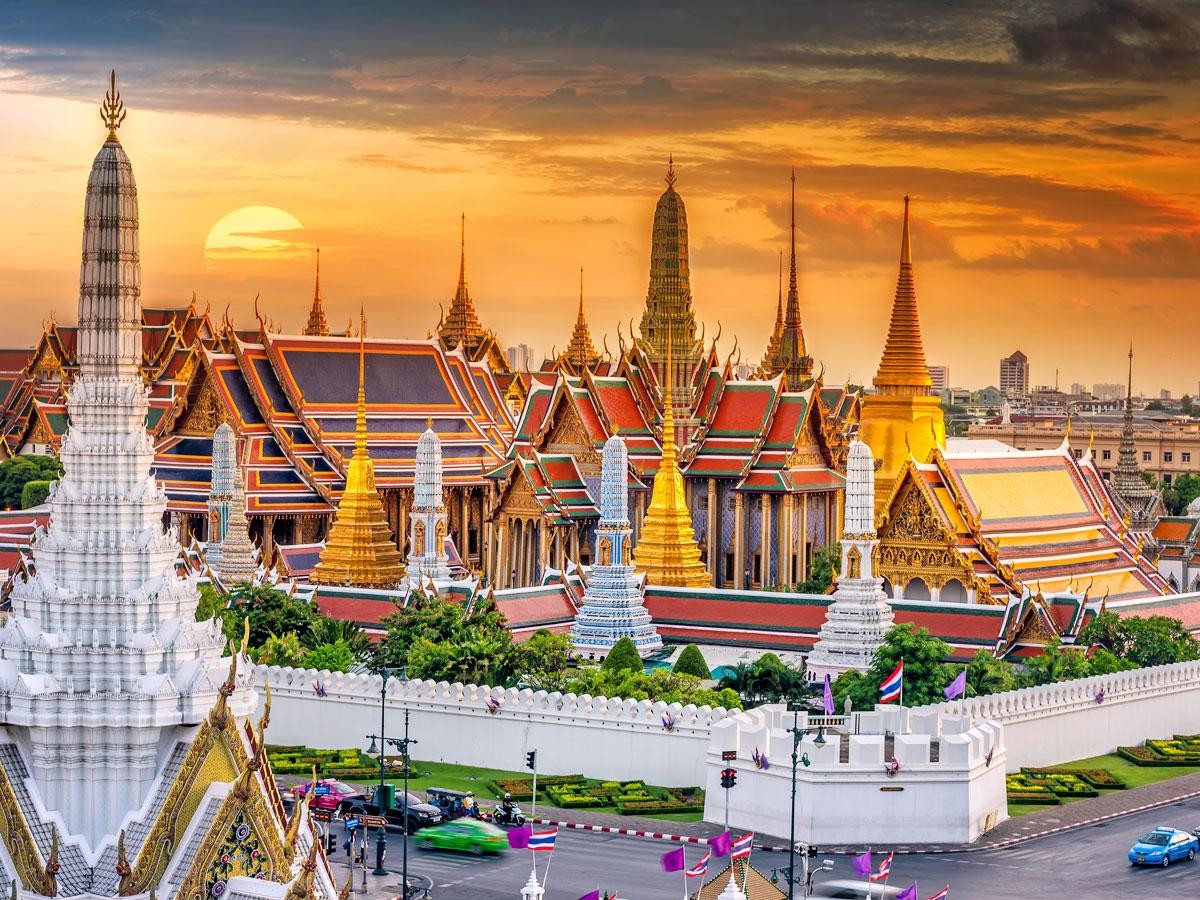
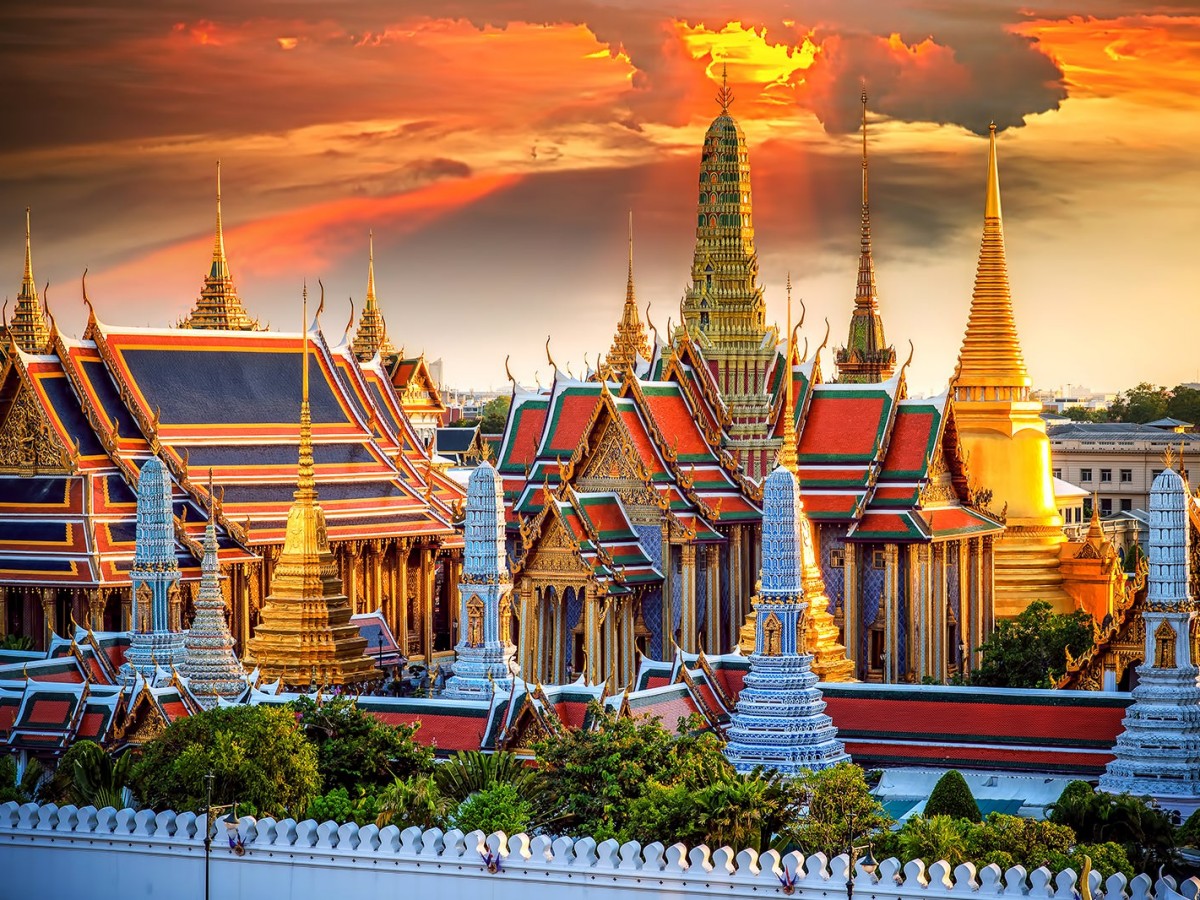
As the most complete and largest palace complex of all the Thai royal palaces, the Grand Palace is a must-see landmark in Bangkok. Built in 1782, the palace blends Thai, Chinese, and European architectural styles. The magnificent Wat Phra Kaew, the Chakri Bhavan, inlaid with tens of thousands of gemstones, and the three white spires that symbolize royal authority all embody the dignity and majesty of the Thai royal family.
Key Highlights
Wat Phra Kaew: Enshrines the Emerald Buddha, a Thai national treasure carved from a single piece of jade. Every year, the King personally changes the Buddha's golden robes with the changing seasons.
Chakri Bhavan: A European-style palace built during the reign of King Rama V, the ceiling is inlaid with stained glass imported from Belgium. Sunlight filtering through the glass creates a dreamy play of light and shadow. Travel Tips
Dress Code: Long pants/long skirts (below the knee) and sleeved tops are required. Sleeveless, ripped, or see-through clothing is prohibited. (Clothing rentals are available at the temple for 200 baht per item).
Avoid crowds: The Grand Palace is open daily from 9:00 AM to 3:00 PM. It is recommended to arrive before 8:30 AM to avoid the peak tour group season.
Ticket Information: 500 baht per person (includes admission to the Temple of the Emerald Buddha, the Grand Palace, and the National Museum).
Transportation
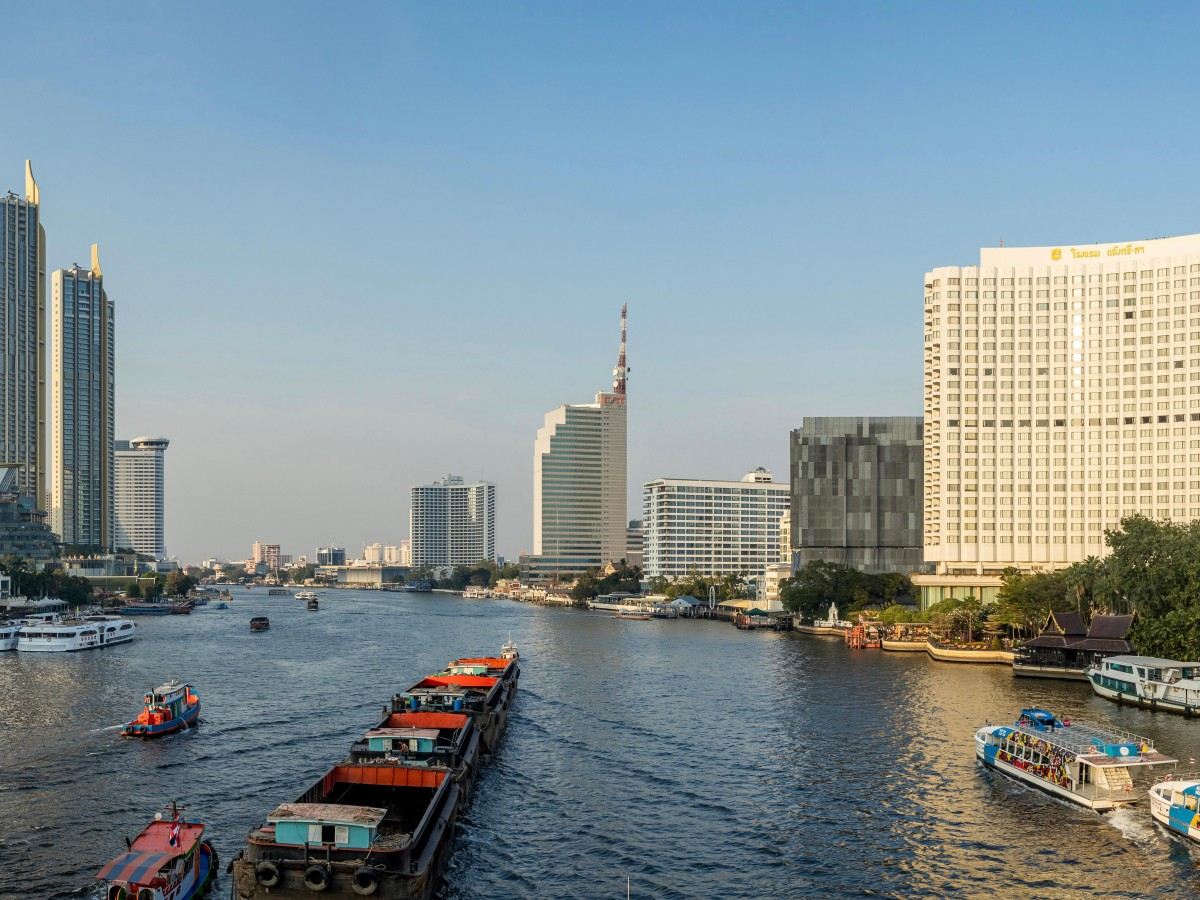
After disembarking at Pier N9, follow the signs for a 5-minute walk to the Grand Palace. To reach Khao San Road, take the orange public boat to Pier N13 (approximately 20 minutes).
Dockage Highlights
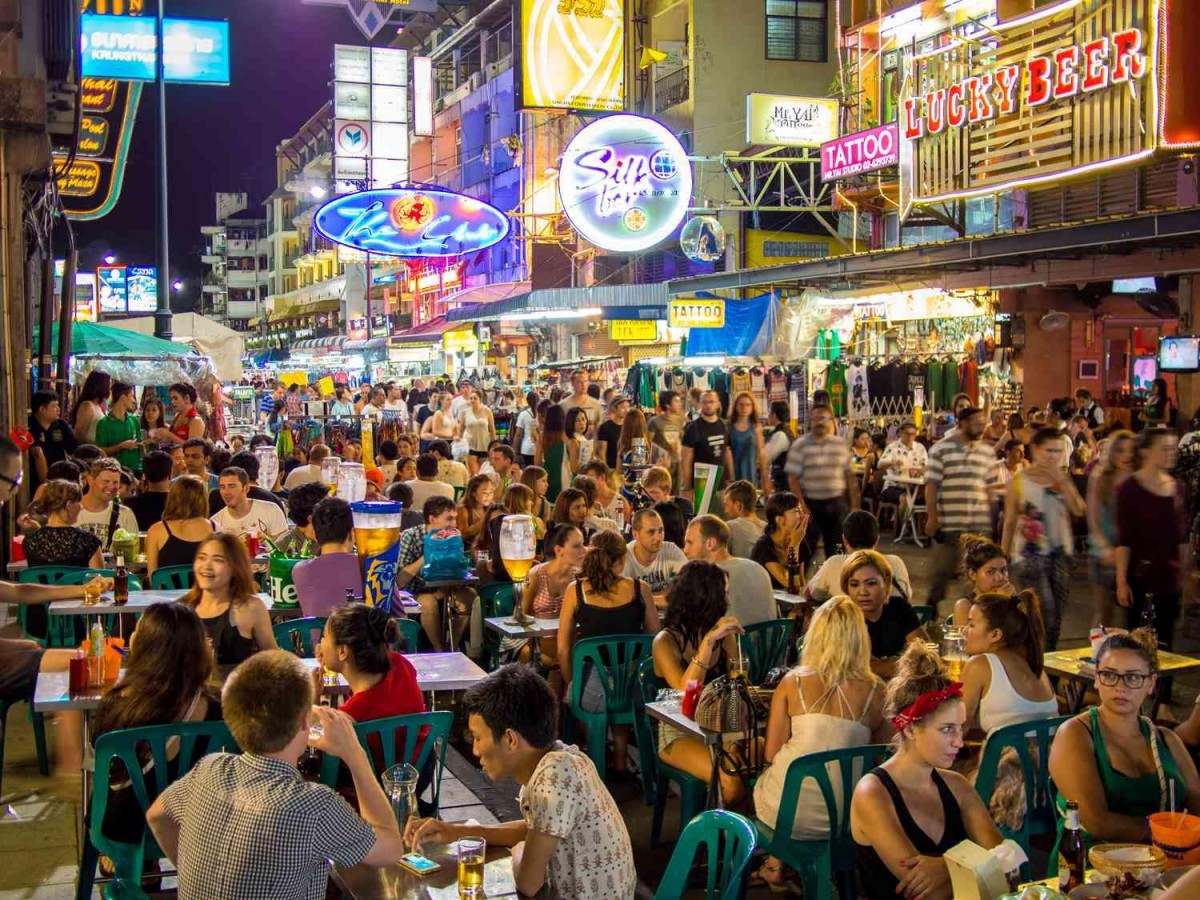
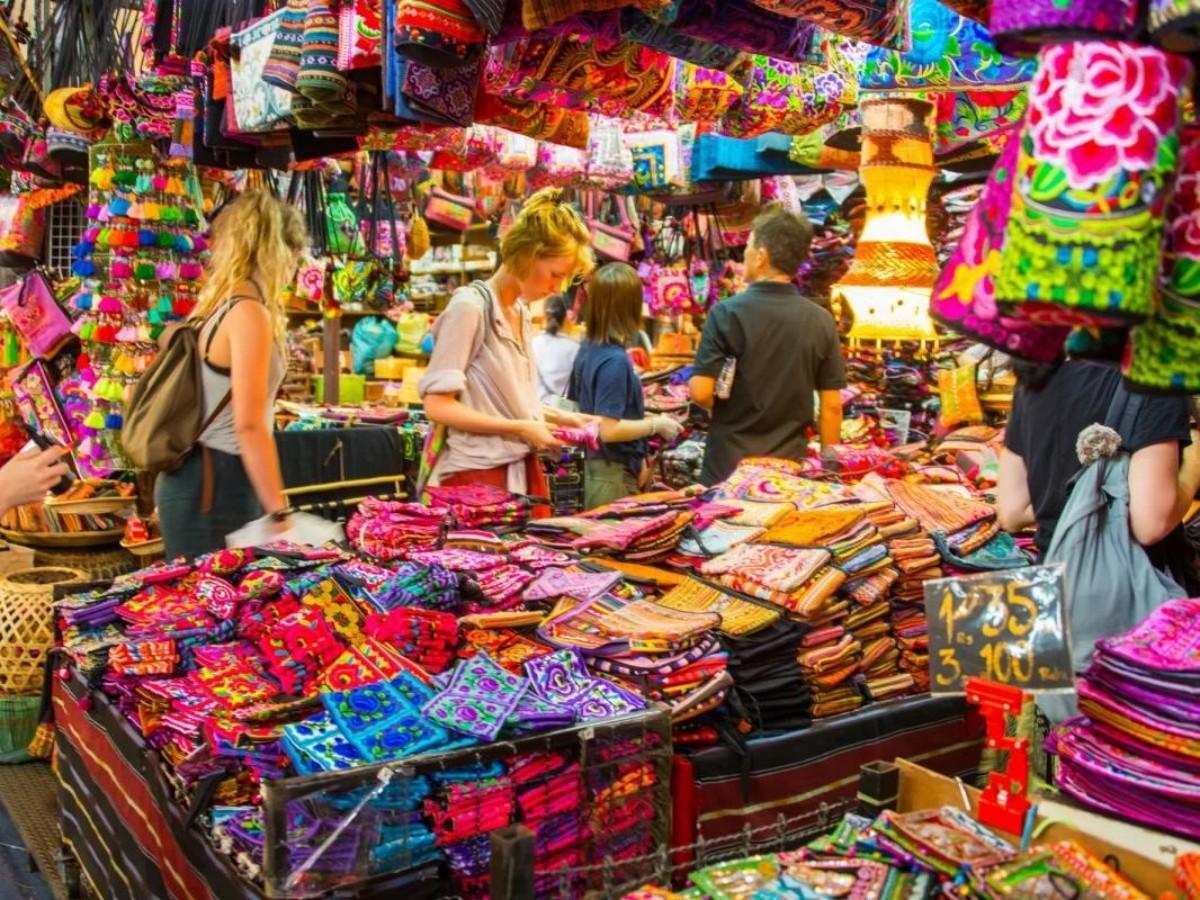
If the Chao Phraya River connects Bangkok's past and present, Khao San Road embodies the city's diversity and inclusiveness. This narrow alley, less than 500 meters long, is a global hub for backpackers, street performers, tattoo artists, and bar owners. By day, it's a souvenir-hunting paradise; at night, the neon-lit beer bars and street performances bring the atmosphere to a climax.
Must-Try Activities
Thai Cuisine: Try mango sticky rice, banana pancakes, or freshly squeezed coconut smoothies (all 50-100 baht).
Shopping: Pick up a handwoven bag, an elephant T-shirt, or a Thai scented candle (negotiate up to 60% off the listed price).
Nightlife: For a taste of Bangkok's nightlife, head to The Club or Ad Here, where a beer costs around 100-150 baht. Travel Tips
Safety Tips: Khao San Road is crowded, so be sure to keep your belongings safe. Avoid walking alone in secluded alleys at night.
Transportation: After disembarking from Pier N13, walk to Khao San Road in 10 minutes. To reach Siam Square, take a tuk-tuk (approximately 150 baht).
Dock Highlights
As Bangkok's newest landmark complex, IconSiam is designed with the concept of "Thai style meets modern technology," seamlessly blending tradition with the future. It features the world's largest indoor floating market, Thailand's first IMAX laser cinema, and "floating flagship stores" by luxury brands such as Louis Vuitton and Gucci. Even more breathtaking is the rooftop observation deck, with a 270-degree glass curtain wall offering a panoramic view of the Chao Phraya River at night. The "Maenam Galaxy Light Show" takes place every night at 7:00 PM, with thousands of LED lights illuminating the river in a dreamlike display. Must-Try Activities
Indoor Floating Market: Sample Thai boat noodles, mango sticky rice, or freshly toasted coconut ice cream (average price: 80-150 baht).
Art Exhibitions: The mall regularly hosts contemporary Thai art exhibitions, most recently featuring a photography exhibition titled "Chao Phraya: River of Life."
Riverside Restaurants: Recommended: Supatra River House, whose Thai green curry chicken and tom yum goong soup were recognized as "must-try" dishes by the Michelin Guide (approximately 800 baht per person).
Tips: Getting There: After disembarking from IconSiam Pier, the mall is a two-minute walk away. To reach Asiatique Night Market, take the mall's free shuttle boat (last boat at 11:30 PM).
Hours: The mall is open from 10:00 AM to 10:00 PM, and the riverside light show runs daily from 7:00 PM to 12:00 AM. Route Information
Ferry Ticket Prices:
Blue Route Sightseeing Boat (covering Piers N8-IconSiam): 40 baht one-way, 150 baht for a day pass.
Orange Express Boat (covering Piers N8-N13): 15 baht one-way.
Longtail Boat (Private Charter): Approximately 300-500 baht/hour (negotiable).
Operating Hours:
Blue Route Sightseeing Boat: 9:30 AM - 4:00 PM (daily).
Orange Express Boat: 6:00 AM - 7:00 PM (daily).
Ticket Purchase Location: Purchase tickets at ticket booths at each pier or directly on the boat (it's recommended to have change to avoid hefty "tourist fees").
From the pagodas of Wat Arun to the neon lights of IconSiam, this route is not only a visual feast but also a cultural journey through time. The Chao Phraya River has witnessed Bangkok's transformation from a fishing village to a cosmopolitan city, and it also carries the Thai people's reverence and love for nature, history, and the future. Next time you visit Bangkok, slow down and take a longtail boat ride, letting the river carry you through the city’s soul.