Advertisement
Besides the dreamy islands and crystal-clear waters of Krabi's coast, there's an unexpected attraction: Fossil Shell Cemetery (also known as Susan Hoi). It's about 17 kilometers from Krabi Town, a half-hour drive away. On the surface, it looks like an ordinary rocky beach, but closer, you'll discover layers of hardened shell fossils beneath your feet, like a vast natural history book, quietly recording the underwater world of approximately 40 million years ago. Imagine this area once a shallow sea, where millions of snails, snails, and shellfish died and gradually settled, sealed in thick layers of rock by time and geological processes. Now, standing directly on this "ancient ocean" is a truly remarkable experience.
Advertisement
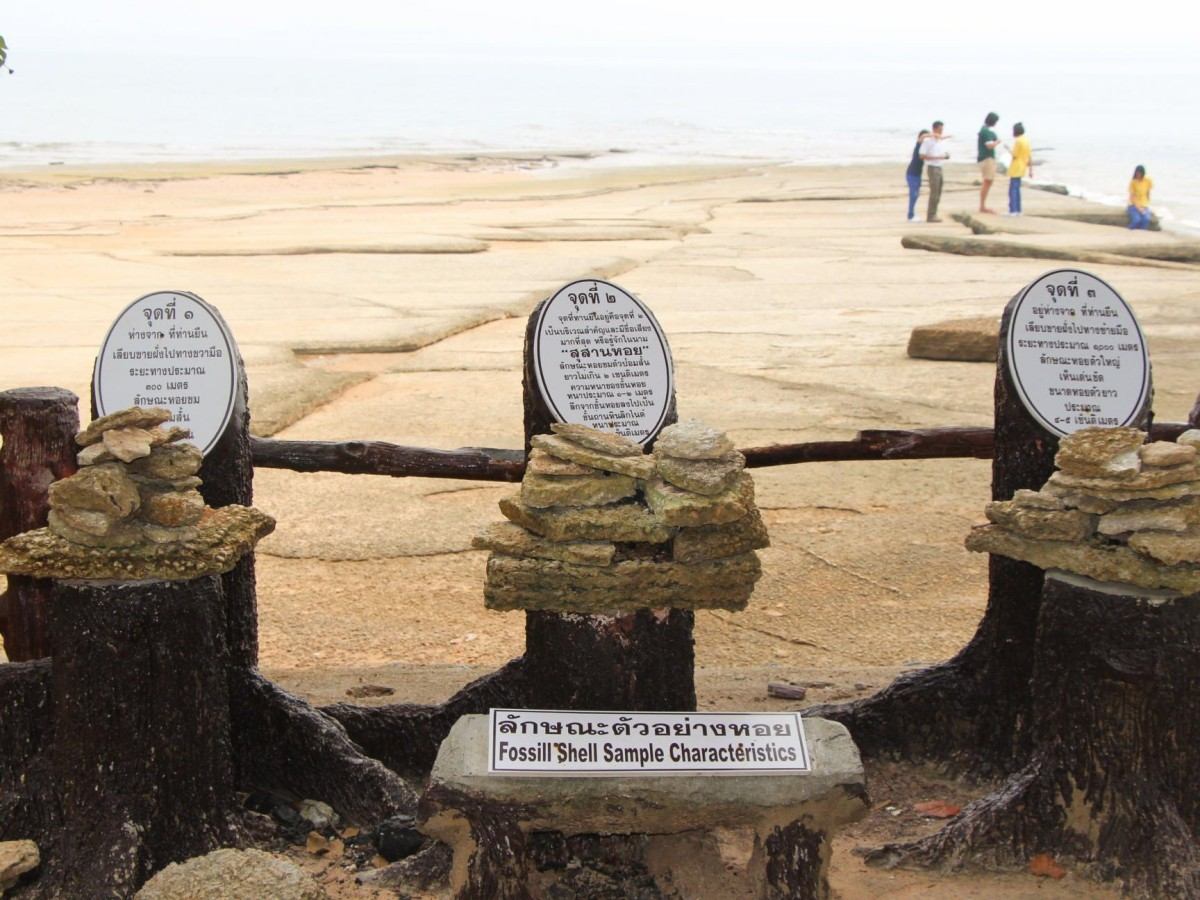
Fossil Shell Cemetery is a nature reserve in Krabi and requires an entrance fee. Tickets for foreign tourists are generally around 200 Thai baht, with children half price and locals significantly cheaper. The site is relatively well-managed, with a ticket booth and a small visitor center at the entrance where you can find a simple English brochure. The site is generally open from 8:00 AM to 5:00 PM, with the best times to visit being in the morning or evening. In the morning, the slanting light makes the texture of the shell fossils clearly visible, perfect for photographing. In the evening, the fossil beach, bathed in the setting sun, creates a uniquely tranquil atmosphere. However, it's important to note that during the rainy season, the tides rise slightly, potentially covering some of the fossil beds. It's best to avoid heavy rain to avoid wasting your visit.
Advertisement
The Fossil Shell Cemetery is easily accessible from Krabi Town. The most common way is to rent a motorbike or car and drive southwest along Highway 4034. The road is in excellent condition and the journey takes less than half an hour. If you prefer not to drive, you can hire a tuk-tuk or songthaew for between 300 and 400 Thai baht one way, suitable for two or three people. Tours with a group often combine the Fossil Shell Cemetery with nearby attractions like Nong Thale Lagoon or Ao Nam Mao Beach, making for a comfortable half-day or full-day trip. For independent travelers, motorbikes are undoubtedly the most flexible option, not only affordable but also allowing for frequent stops to explore the small fishing villages along the way.
Advertisement
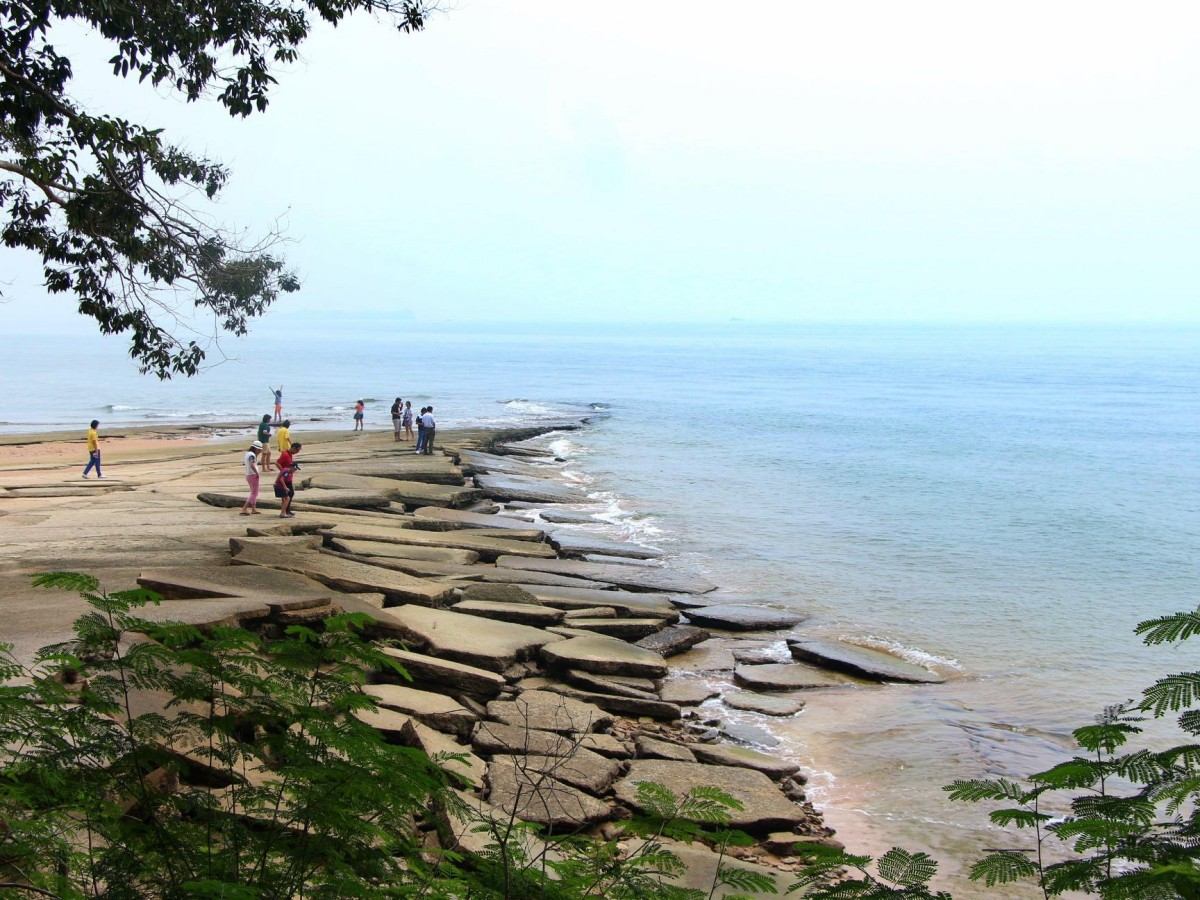
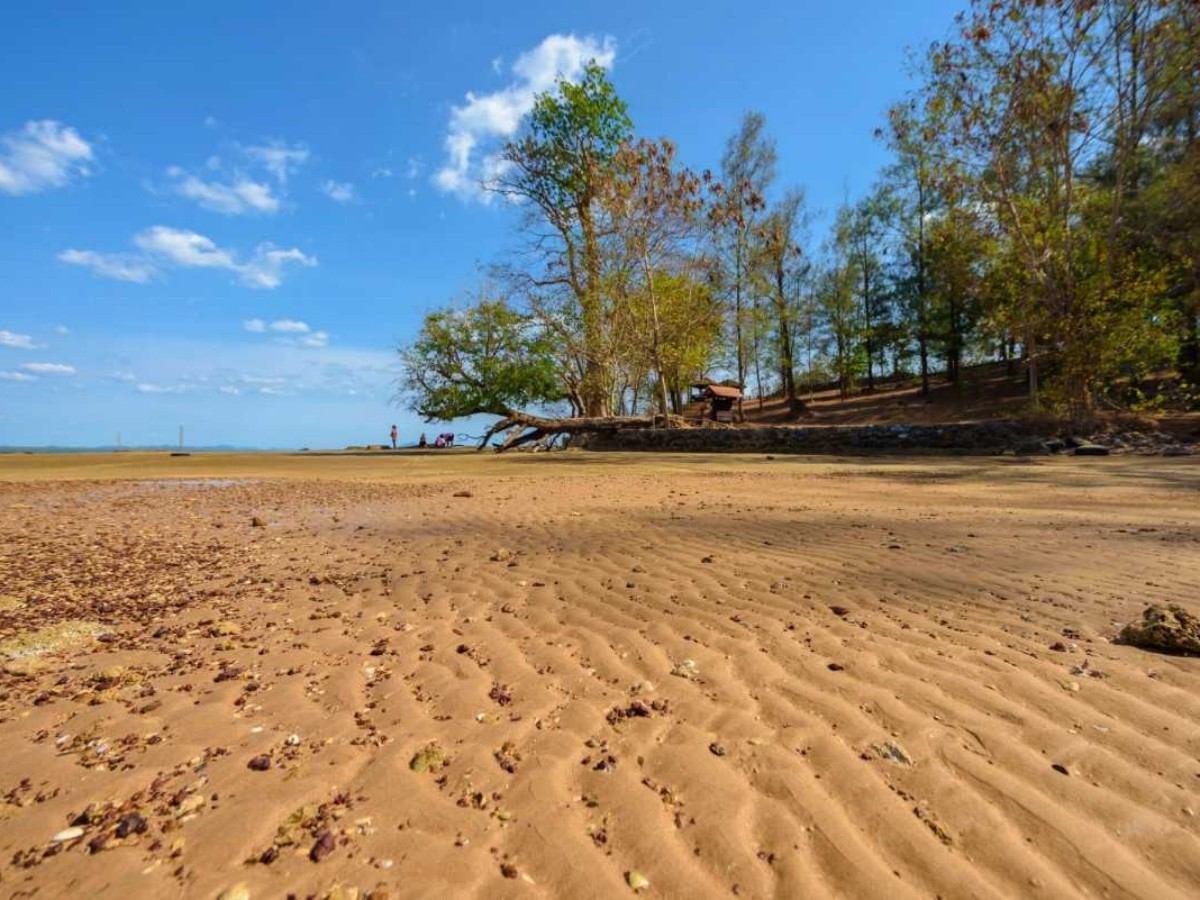
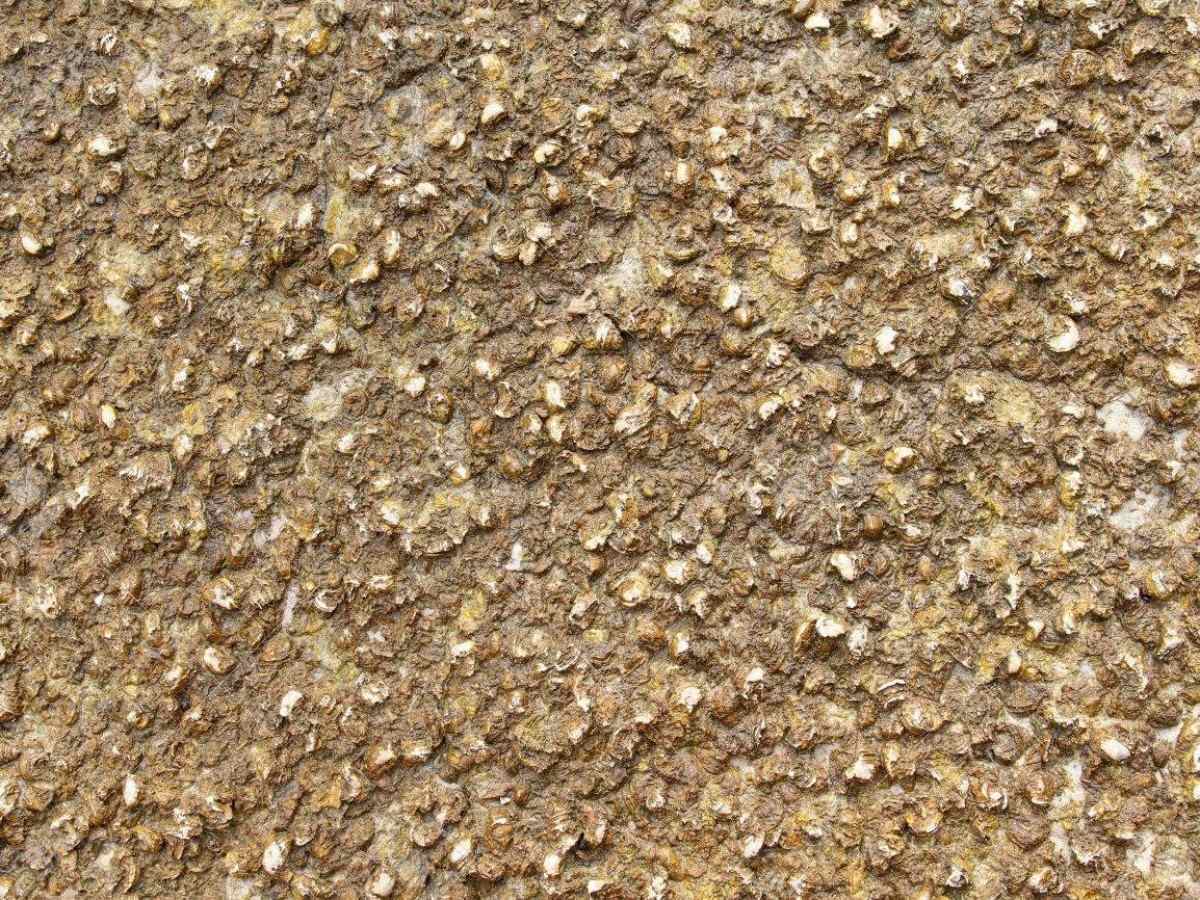
Upon arrival at the Fossil Shell Cemetery, the first thing you see is a vast, flat, rocky beach. At first glance, it looks like concrete, but closer inspection reveals a surface studded with intact and broken shells. These tightly packed shells, up to 40 to 50 centimeters thick, cover an area of approximately 200 square meters, resembling layers of natural "growth rings." Most intriguingly, the fossils aren't scattered throughout the rock; instead, they form a massive "shell slab" that you can walk on. This is a rare sight worldwide; besides Krabi, such large-scale shell fossil cemeteries have only been found in India and the United States. In addition to the Fossil Beach itself, the scenic area also features a small museum showcasing the local geological evolution, flora and fauna, and fossil specimens. If you're interested in natural science, spend half an hour here exploring the displays and models to gain a more intuitive understanding of the formation of this area. There are also small shops outside the museum selling drinks, snacks, and souvenirs, making it easy to find supplies.
For photography enthusiasts, Fossil Shell Cemetery is also a great place to take photos. The fossil beds, bathed in sunlight, display a crisscross pattern of brown and grayish-white, creating a striking contrast against the distant blue sky and azure sea. Try shooting from a low angle, with the fossil beds in the foreground and the distant seascape in the background, for a striking image. If time permits, wait until sunset, when the afterglow casts a golden glow on the rocky beach, adding to the mystical atmosphere of the entire site.
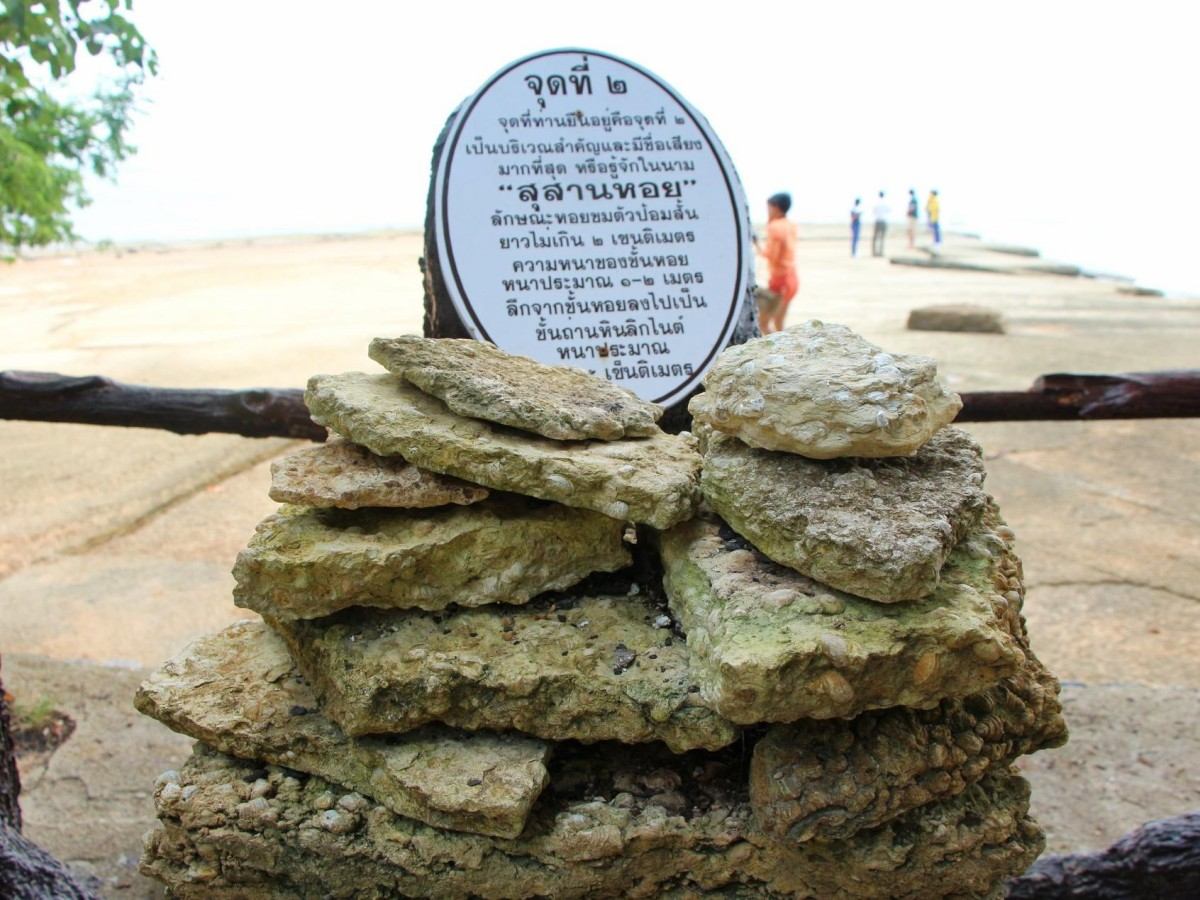
Although Fossil Shell Cemetery appears flat, some areas are close to the sea, making the surface slippery. Therefore, it is recommended to wear non-slip shoes and avoid walking directly onto the beach in flip-flops. The fossil beds are tens of millions of years old, but they can be damaged by trampling and erosion. Therefore, please be sure to follow the park's regulations and refrain from prying or removing fossils.
A visit to Fossil Shell Cemetery itself takes approximately 1 to 1.5 hours, but if you'd like to explore more, you can combine it with other nearby attractions, such as a stroll along Ao Nam Mao Beach, sunrise photography at Nong Thale Lagoon, or a authentic seafood meal at a nearby fishing village. This enriches your visit.
Also, it's recommended to bring water and sunscreen. There's no significant shade here, so the direct midday sun can be quite intense. Families with children can also enjoy this opportunity to connect with nature while allowing them to directly experience the history and wonders of the Earth—a truly educational and entertaining experience.
Standing atop Fossil Shell Cemetery, gazing down at the dense mass of fossilized shells beneath your feet, it's hard not to be awestruck by this ancient geological wonder. It is not as lively as the beach, nor as majestic as the mountains, but it tells stories from tens of millions of years ago in a silent way. From the prehistoric ocean to today's wonders, it makes people realize the power of time and the greatness of nature.