Advertisement
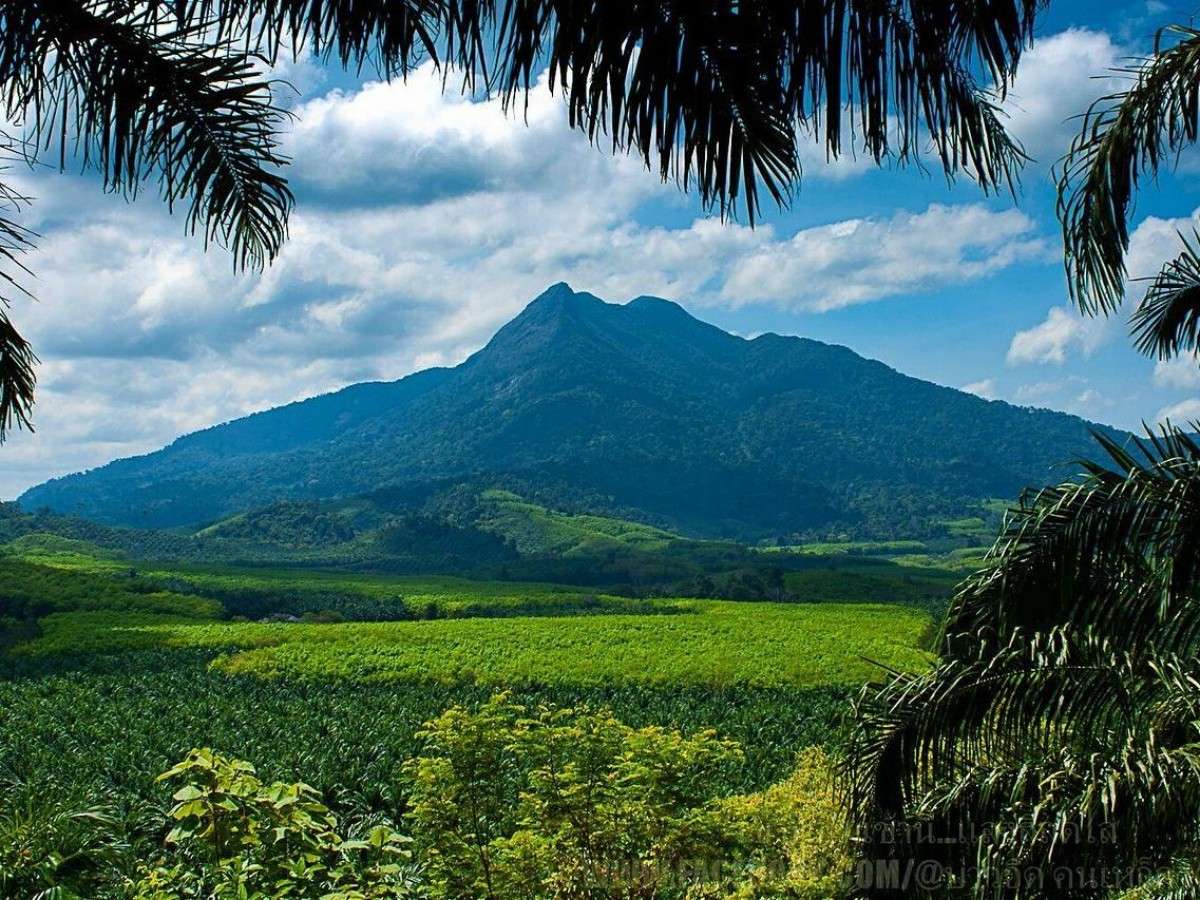
When I first heard "Tiger's Nest Temple," I thought it was just a name. It wasn't until I actually reached the foot of the mountain in Krabi, Thailand, and saw the long staircase leading to the sky, that I realized this journey is not only physically demanding, but also mentally challenging. Many say the steps and pagodas here will make you question your life, but it's this effort that's rewarded with the breathtaking golden Buddha and breathtaking views atop. Before you set out, there are some things you should know in advance to avoid feeling frustrated or missing out on the temple's true charm.
Advertisement
The name Tiger Cave Temple (Wat Tham Sua in Thai) sounds quite mysterious, and legend has it that it's associated with tigers. Locals have passed down the story that hundreds of years ago, this area was a dense forest and limestone caves where tigers once inhabited, earning it the name "Tiger's Nest." Later, Buddhist monks discovered this natural cave and began practicing there. Tiger claw-like marks can still be seen on the cave walls, adding to the legend's mystique.
Advertisement
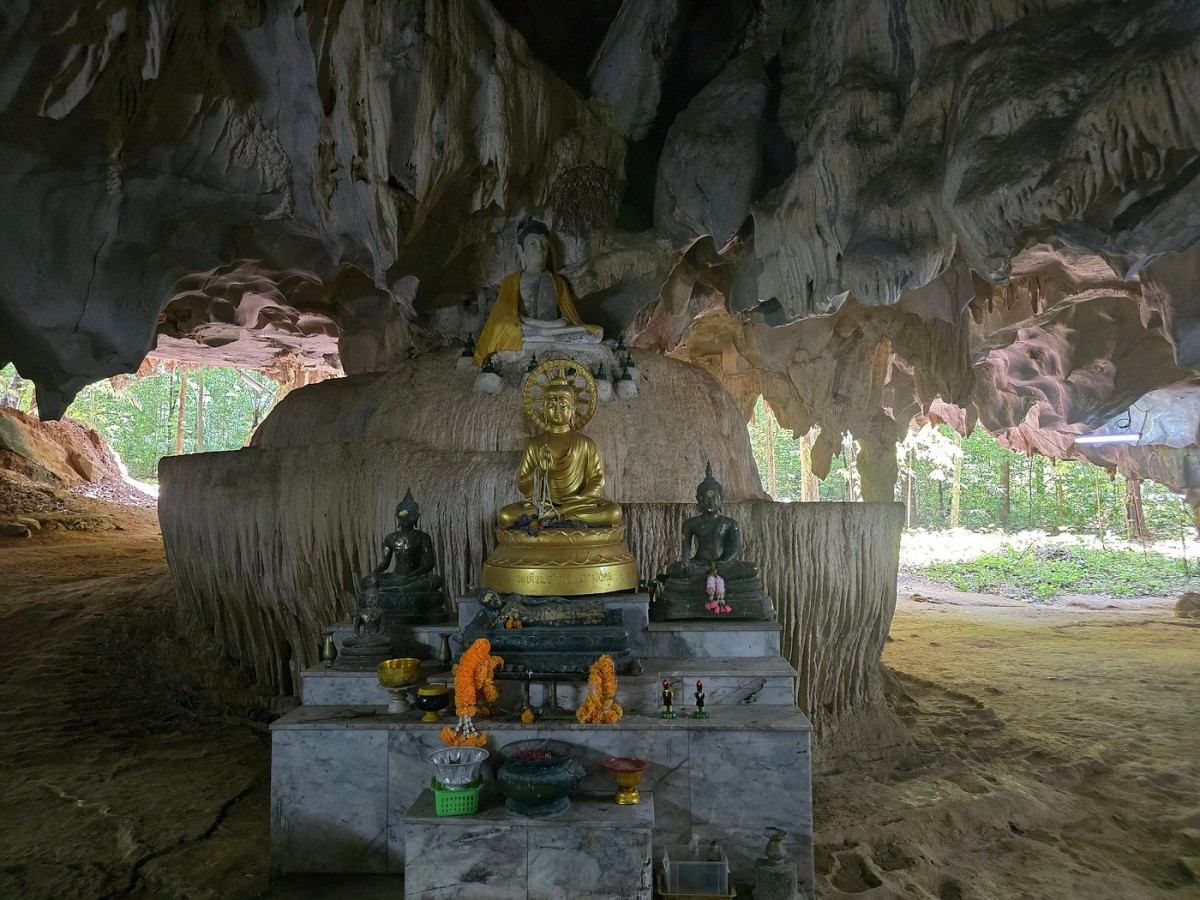
Unlike other Thai temples, Tiger's Nest Temple is renowned not for its magnificent architecture but for its integration with nature. Originally, monks meditated and practiced in the caves, which gradually became a spiritual center. To this day, monks still reside and practice within the temple, allowing visitors to not only see the Buddha statues but also experience the atmosphere of a "mountain forest Buddhist kingdom."
This temple is also a spiritual haven for the people of Krabi. Locals and Buddhist believers from other regions come here to pray, light incense, and wish for good fortune. For visitors, Tiger's Nest Temple offers both a window into cultural experience and a perfect place to understand the Buddhist traditions of southern Thailand.
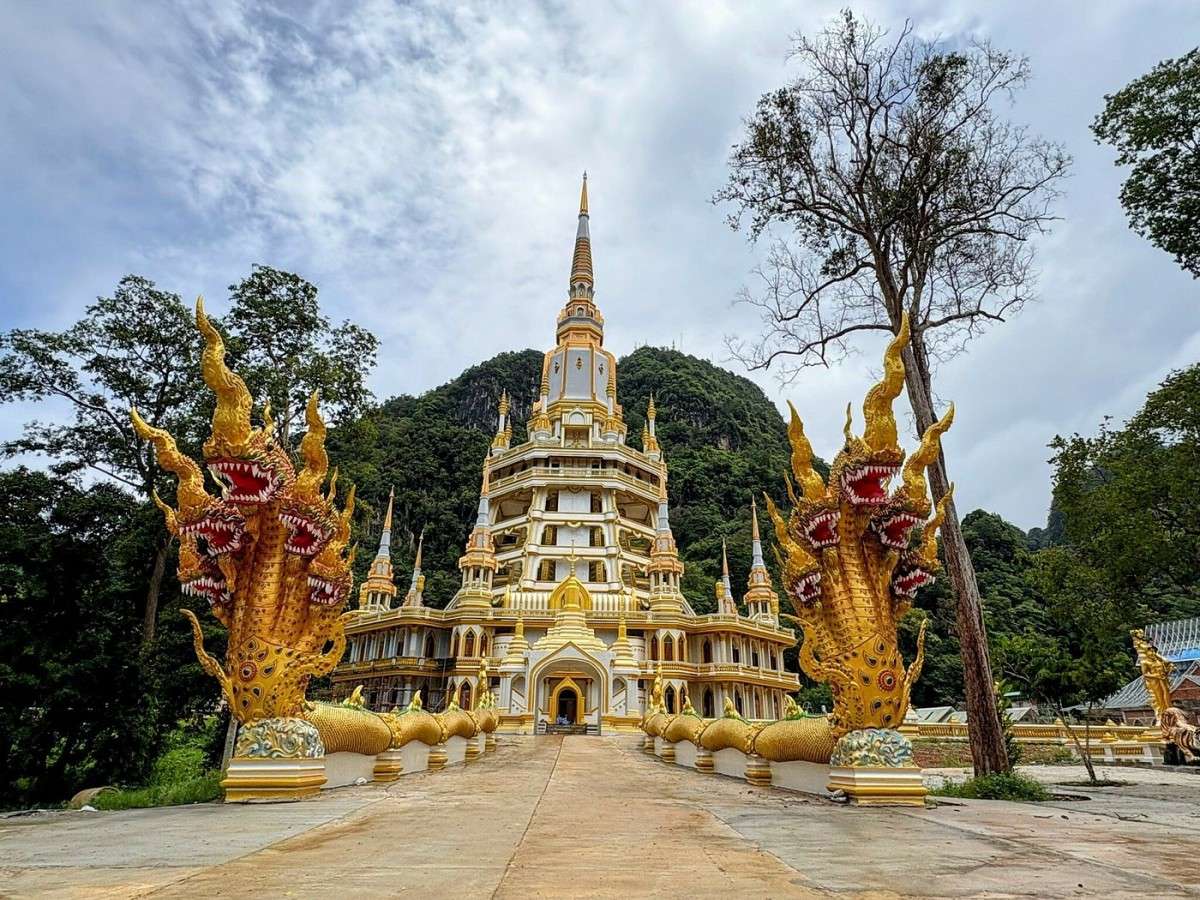
Tiger's Nest Temple is not a single attraction, but a multifaceted experience. At the foot of the mountain lies the temple's entrance area, home to a pagoda, monks' quarters, and Buddhist statues. Many visitors enjoy taking photos here, especially when the golden Buddha statue gleams in the sunlight, creating a truly impressive spectacle.
Advertisement
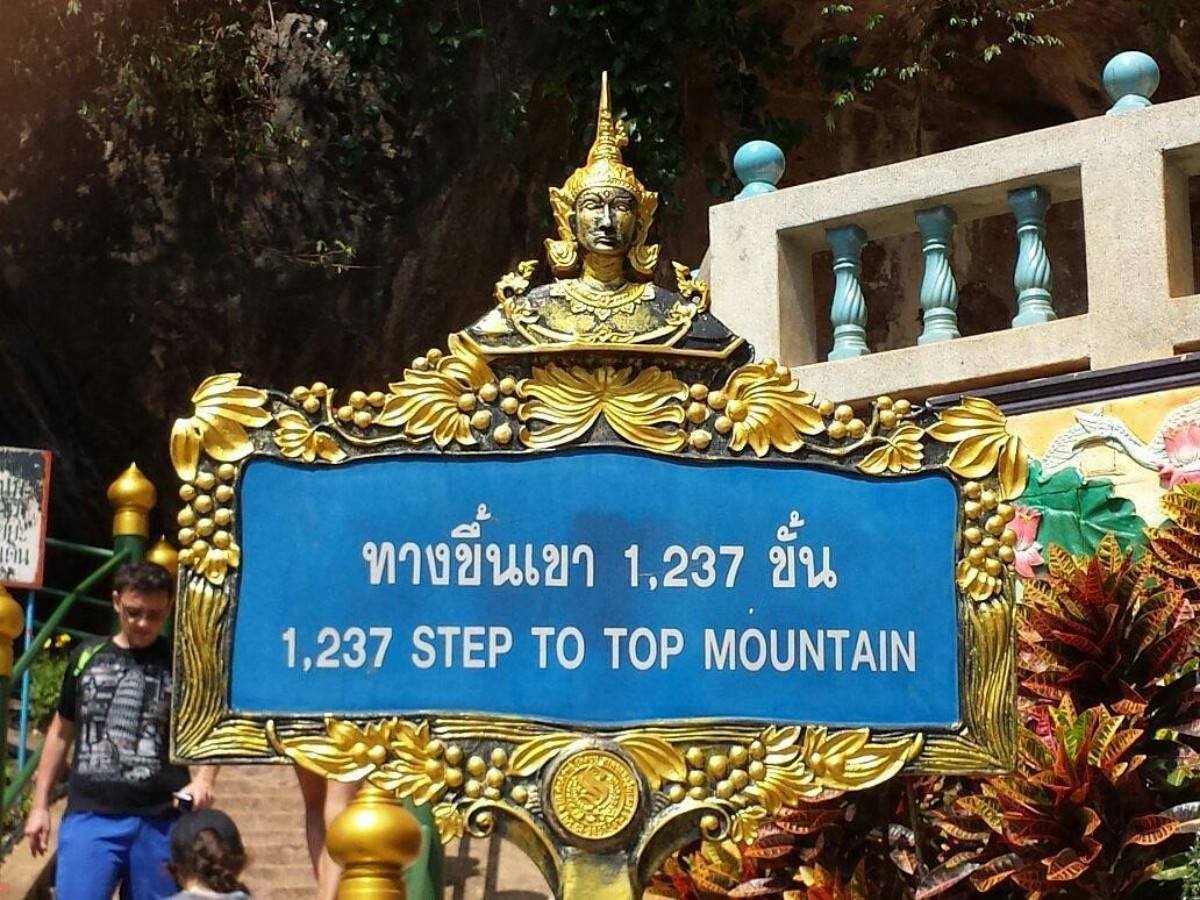
The true highlight is the "Golden Buddha" atop the mountain. To see it, you must first tackle the famous 1,260 steps. These steps aren't flat, but rather rise and fall, with some even exceeding the length of a person's calf, making each step a real challenge. Along the way, you'll encounter playful monkeys who sometimes snatch food or even target visitors' water bottles, so it's best to keep your snacks safe to avoid being "robbed."
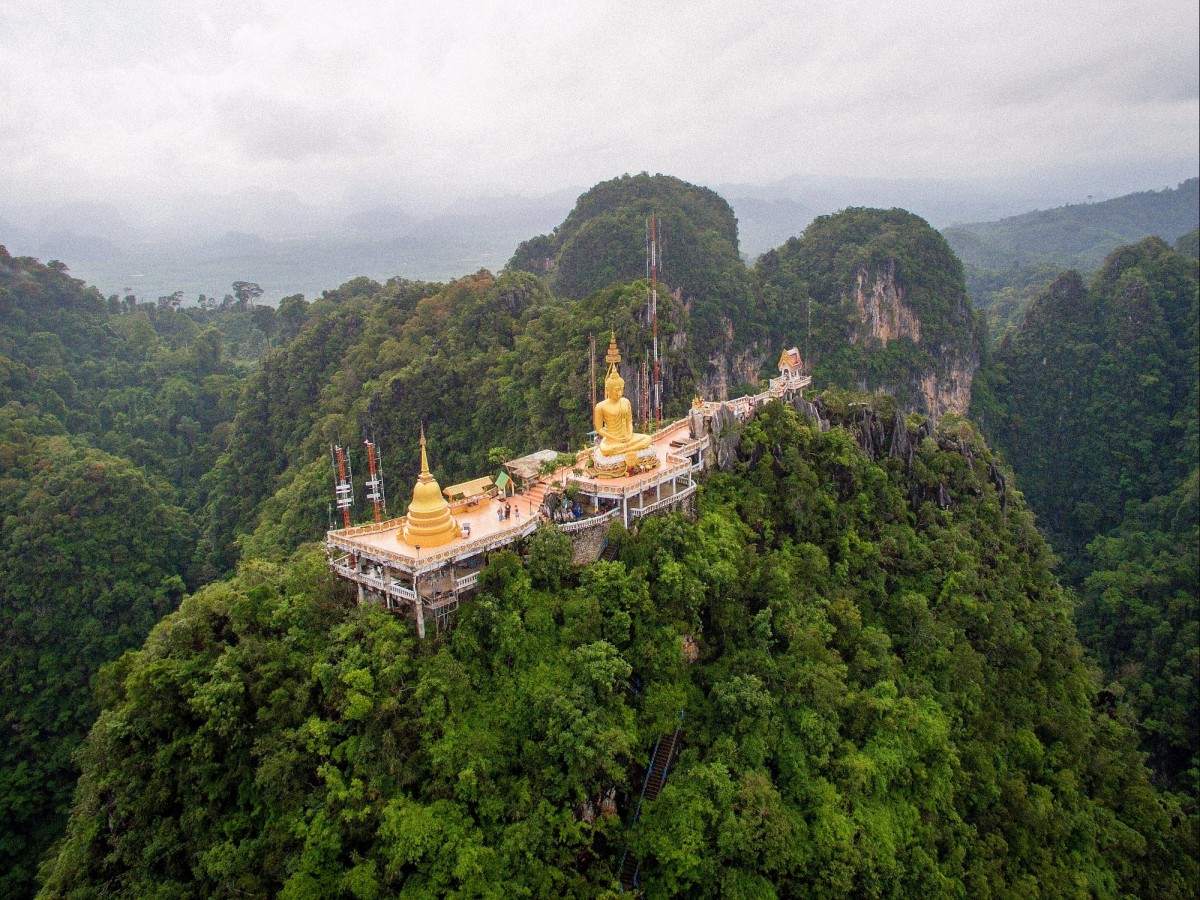
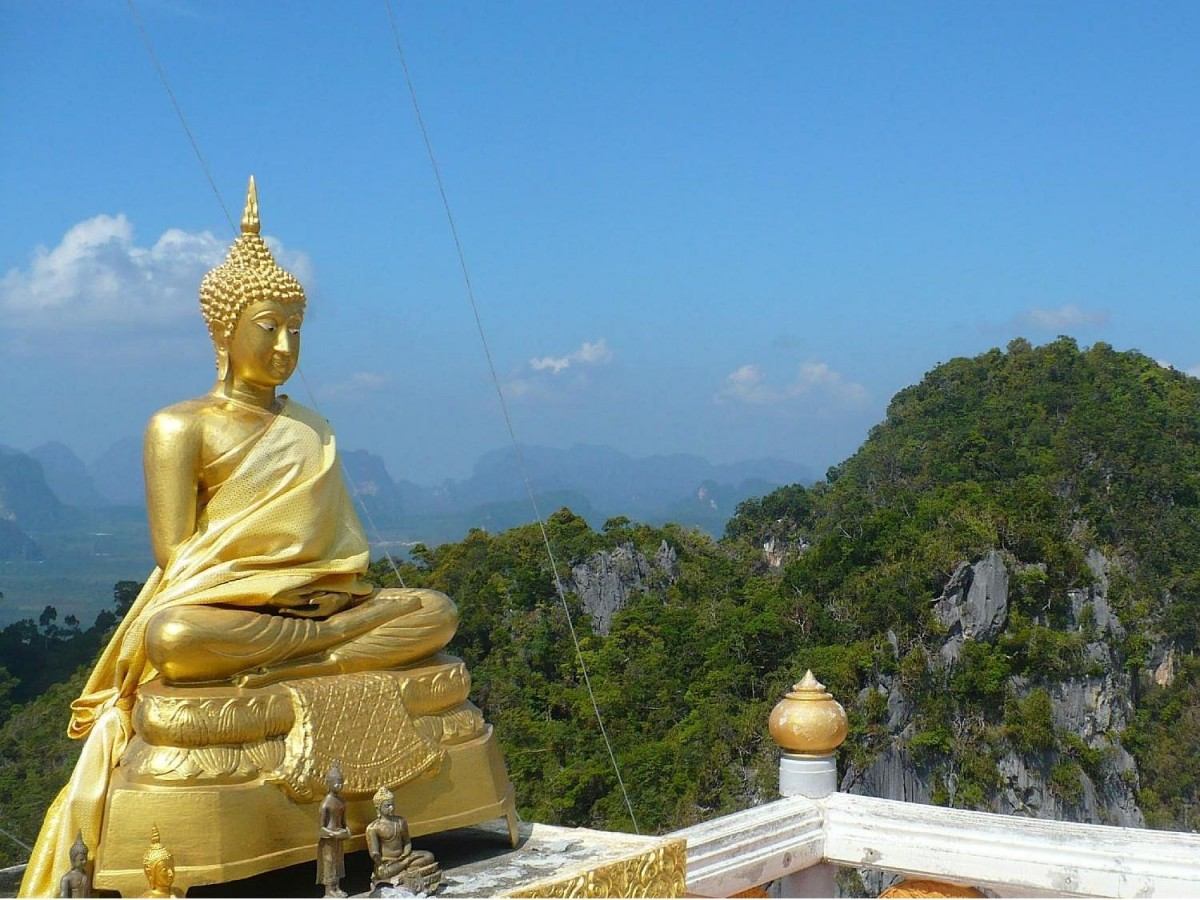
Once you reach the summit, any fatigue will be washed away by the breathtaking view. A massive seated golden Buddha statue sits atop the mountain, serenely overlooking the Krabi mountains and the Andaman Sea. On clear days, the distant islands and bay are clearly visible, and sunsets are particularly magnificent, tinting the sky and sea in a vibrant orange, resembling a splash of ink painting. Besides the golden Buddha, the summit also boasts a row of small pagodas and meditation spots, creating a solemn and tranquil atmosphere. Even amidst the bustling crowds, you can still feel a sense of transcendence.
When it comes to Tiger's Nest Temple, many people immediately think of the 1,260 steps. Some jokingly call it a "double test of the soul and the knees." If you're planning to visit, be sure to prepare yourself mentally. Generally, a moderately fit climber should take about 40 minutes to an hour to reach the summit, though it may take longer if frequent breaks are taken. Climbing at midday in summer can be almost excruciating, as the humid air can make you sweat profusely. Therefore, it's best to set out in the morning or evening.
Krabi has a tropical climate with year-round high temperatures and humidity. The best time to visit is from November to March, when the weather is dry and cool, making it ideal for climbing. Visiting during the rainy season (May to October) can make the climb more difficult and risky, as the trails can be slippery.
Bringing plenty of water is crucial during the climb. Many tourists finish their water bottles halfway through the hike, and there are no shops selling drinks on the mountain. If you're prone to heatstroke, wear a hat, sunglasses, and lightweight, breathable clothing. Sneakers or hiking shoes are recommended; avoid flip-flops, as the steps can make it difficult to navigate.
Tiger Cave Temple is approximately 8 kilometers from Krabi Town, a 15-minute drive. If you're staying in Krabi Town or Ao Nang Beach, you can easily get there by taxi or rent a motorbike. The temple itself doesn't charge admission, which is very tourist-friendly, but you may be asked to leave a small donation at the entrance to support its maintenance.
At the foot of the mountain, there's a parking lot, restrooms, and a few small stalls selling water, coconut juice, and simple snacks. There are also a few souvenir shops near the temple, selling Buddhist jewelry and bracelets. While prices aren't cheap, the unique atmosphere is a plus.
It's important to note that as a sacred Buddhist site, Tiger's Nest Temple requires proper attire. Both men and women should wear clothing that covers their shoulders and knees. If you're wearing shorts or a tank top, you can borrow a shawl or long cloth sarong at the entrance. Otherwise, you may be refused entry.
If you prefer not to travel alone, many local travel agencies offer half-day tours, which often include round-trip transportation and a guided tour. This option is a less stressful option for first-time visitors to Krabi.
Timing: Climb around 6 a.m. to see the sunrise from the summit, when the temperature is relatively cool. Arrive in the evening for a stunning sunset.
Energy Management: Don't push yourself too hard during the climb; stop every 200 steps to rest and rehydrate.
Monkey Prevention: Avoid waving food or drink bottles in front of monkeys, and avoid making eye contact or provoking them.
Photography Tip: The Buddha statue and the distant mountain views at the summit offer excellent photo opportunities, but you may need to be patient if the area is crowded. Bring a wide-angle lens for a better panoramic view.
Mindset: Many people may be tempted to give up mid-climb, but remember that the views and Buddha statues at the summit are absolutely worth the effort. The meaning of Tiger's Nest Monastery isn't just about seeing it; it's about completing the climb, a miniature spiritual journey.
Finally, when you reach the final step, breathlessly, and look up to see the golden Buddha standing silently, you'll understand—the meaning of travel isn't just about reaching your destination, but also about the trials and tribulations along the way. Tiger Cave Temple is both a scenic journey and a spiritual experience. Before going, you might be afraid of the difficult steps, but after you actually walk it, you will take back not only photos, but also a sense of strength that "I can do it."