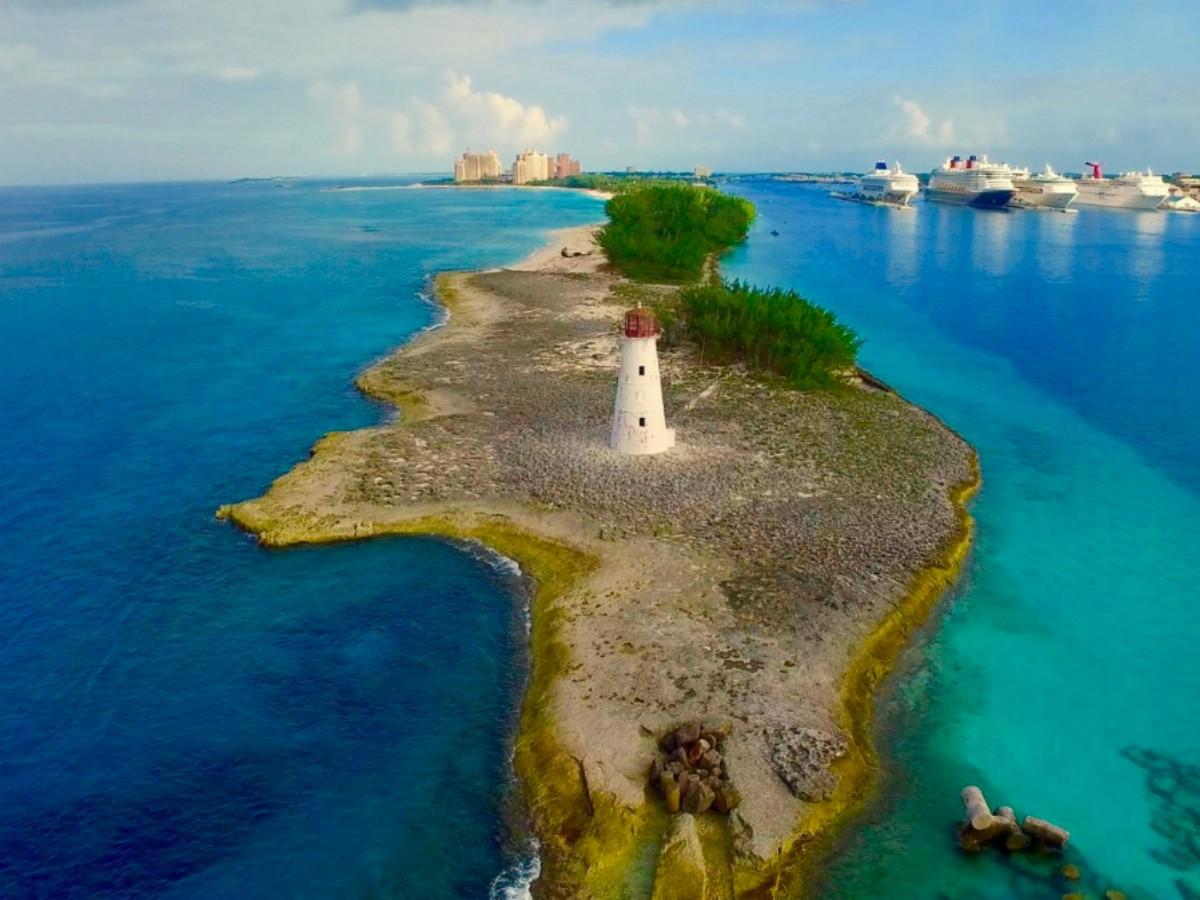
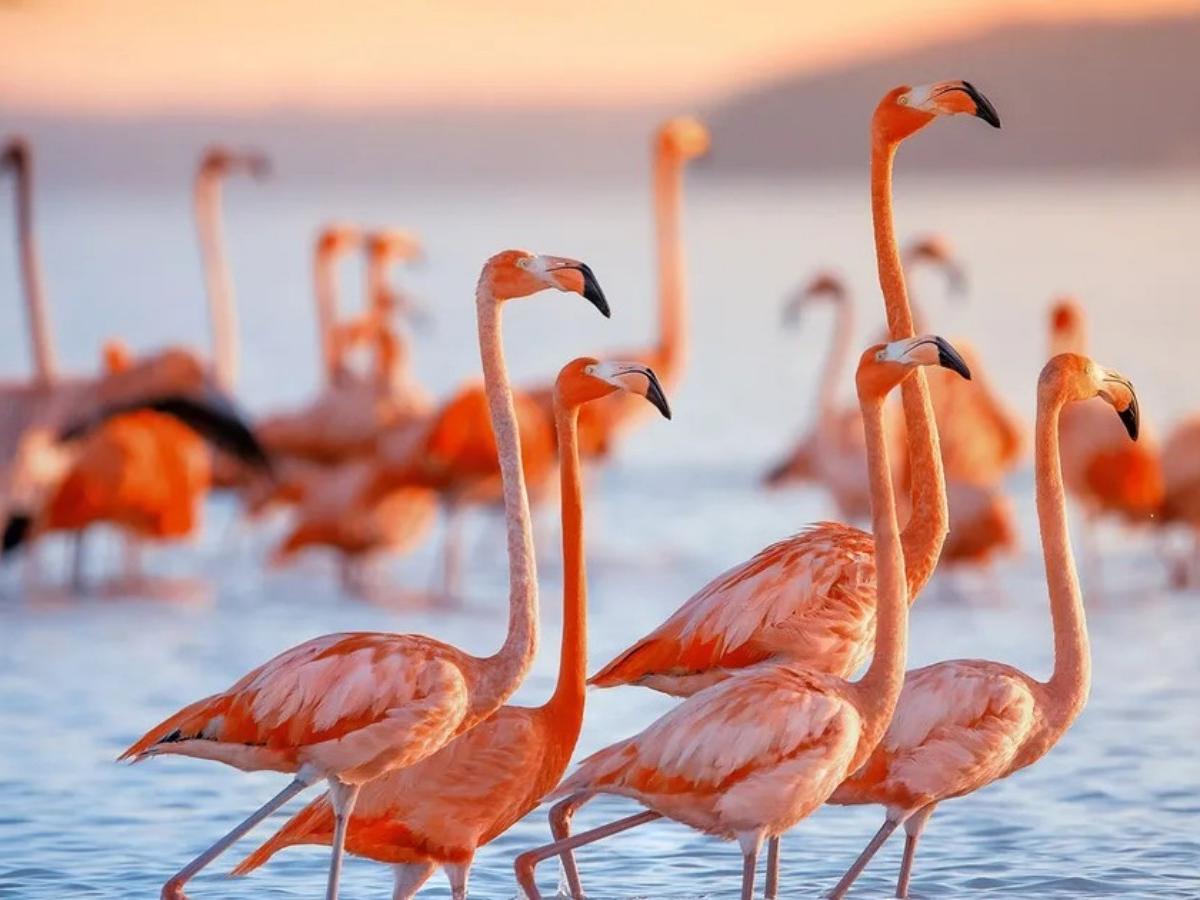
In Great Inagua in the southern Bahamas, there is a mysterious and spectacular place - Morton Salt Facility. It is not only the backbone of the local economy, but also one of the largest sea salt production factories in the world. On this salt pan covering tens of thousands of acres, sea breeze, sunshine and time work together to compose a series of wonderful journeys about sea salt. For many people, a pinch of salt in the kitchen is insignificant, but they don't know what kind of natural miracles and human wisdom are hidden behind it.
Advertisement
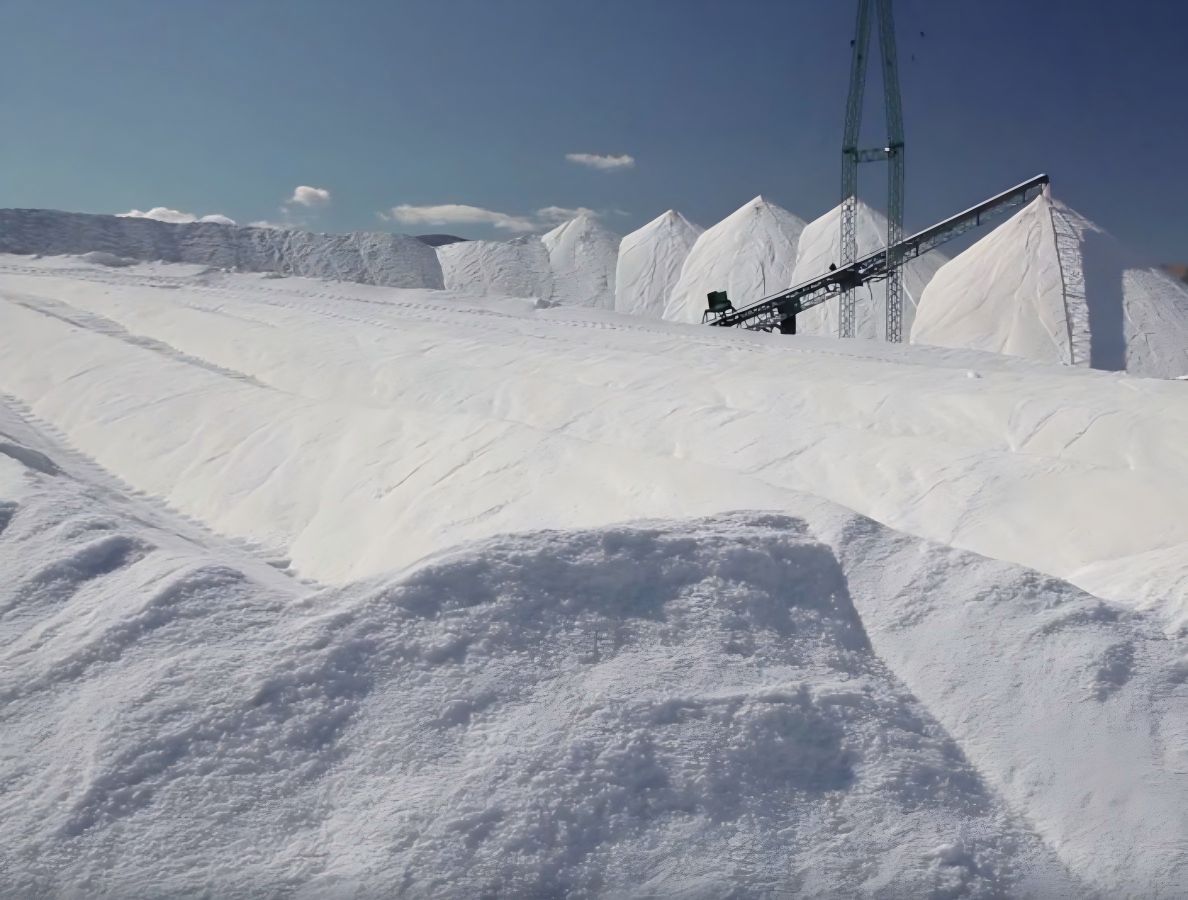
The raw materials relied on by Morton Salt Facility are not minerals, but the ocean. The geographical and climatic conditions here are unique, with low average annual rainfall and high evaporation rate, which enables this vast salt pan to maximize the absorption of sunlight and convert seawater into crystalline salt. The entire sea salt production process does not rely on complex chemical reactions, but is completed through natural evaporation. Seawater is first introduced into shallow salt ponds, where it gradually evaporates under the action of high temperature and strong sunlight, and the salinity increases, eventually forming salt crystal precipitation.
Advertisement
During this process, factory workers will constantly monitor the water level, temperature and concentration in the salt pond to ensure that the salt is gradually concentrated to the optimal crystallization state. Once the salt crystals are formed, they are collected using large mechanical equipment. Unlike traditional manual salt drying, Morton uses modern salt mining machines, which greatly improves efficiency and quality control, while also reducing the possibility of human pollution.
During the evaporation process in the salt pond, due to the increase in salinity, some microorganisms begin to multiply in large numbers, especially single-celled organisms dominated by "salina algae". These microorganisms release a natural pink pigment, causing the water in the salt field to appear dreamy pink. Standing on a high place and looking down, the salt ponds like a palette, pink, light blue, and orange-red are intertwined, like the paint splashed by the painter, and have become a check-in place for many tourists to take pictures.
Advertisement
This landscape is not man-made, but a wonderful gift from nature in a specific environment. The color changes of the Pink Lake depend on the interaction of light, time and salinity. Every time you look at it, you can see different levels of color flow, like a visual feast.
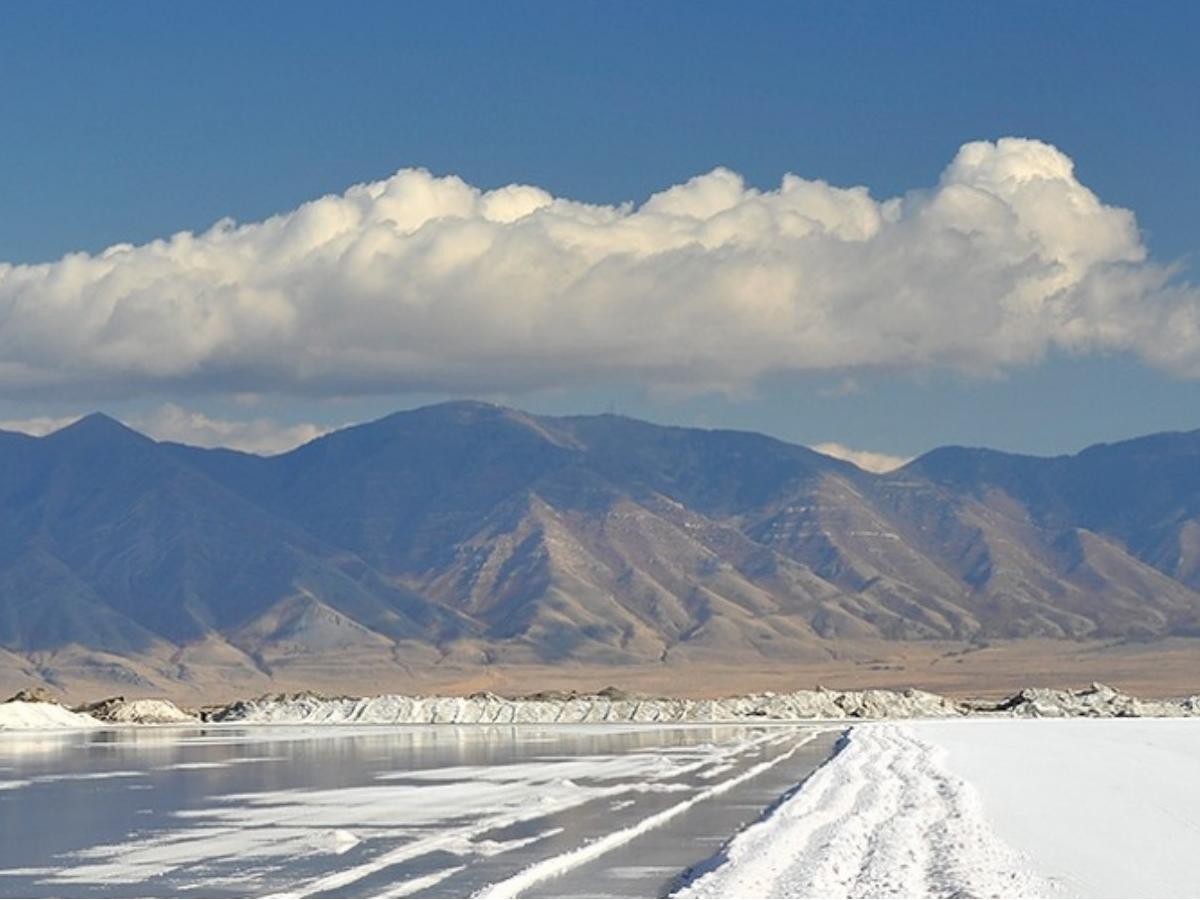
In daily life, people often understand salt as a seasoning for cooking. However, in the exhibition area or guided tour of Morton Salt Facility, you will find that the uses of salt are far more than that. In addition to its edible value, sea salt has an irreplaceable position in the fields of industry, agriculture, medicine and cosmetics. Whether it is road deicers, water treatment products, body scrubs, or mineral bath salts, this natural mineral is indispensable behind them.
By classifying the particle size, purity and mineral composition of salt crystals, Morton can produce a wide variety of salt products to meet the needs of different fields. Especially in the food industry, many products have extremely strict standards for the taste and dissolution rate of salt, which also requires producers to rely not only on natural conditions, but also to cooperate with high-tech instruments and precise management to complete screening and refining.
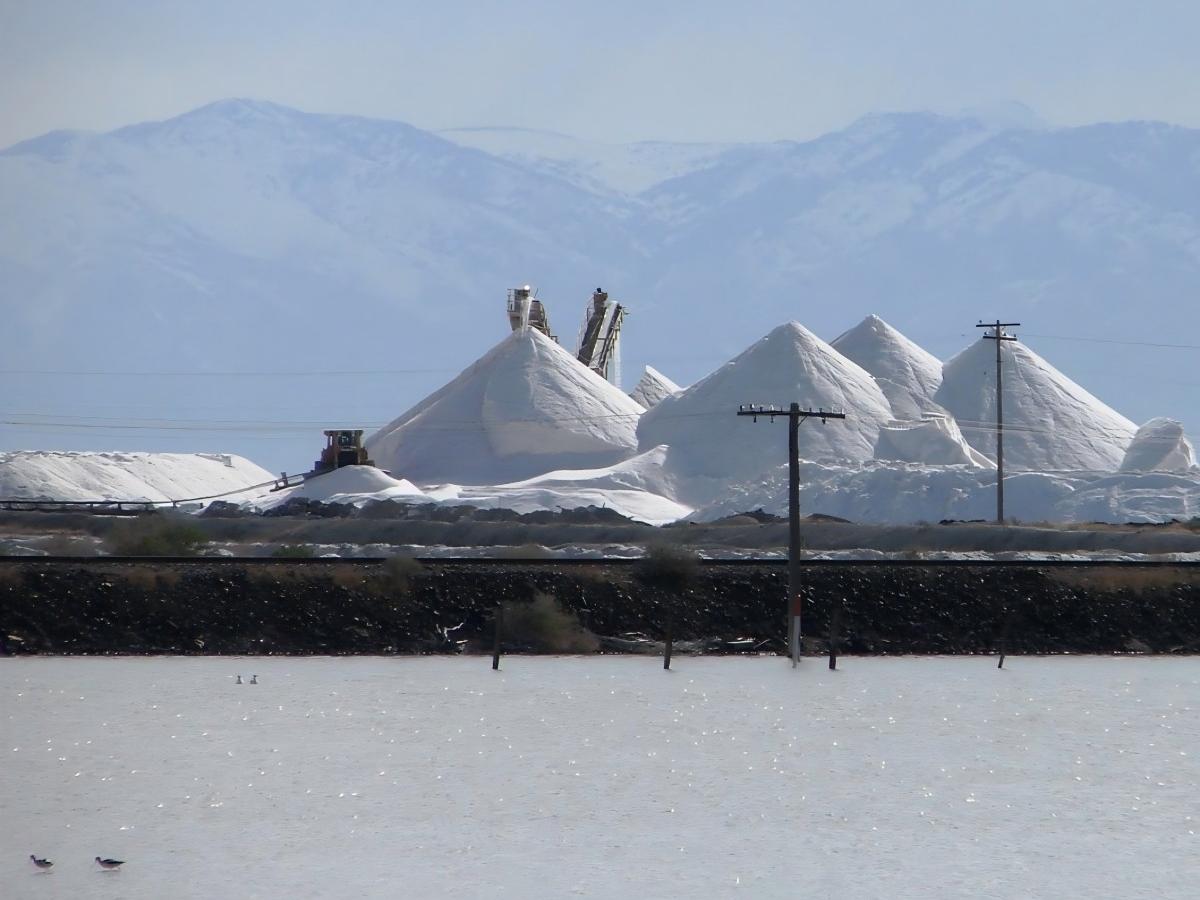
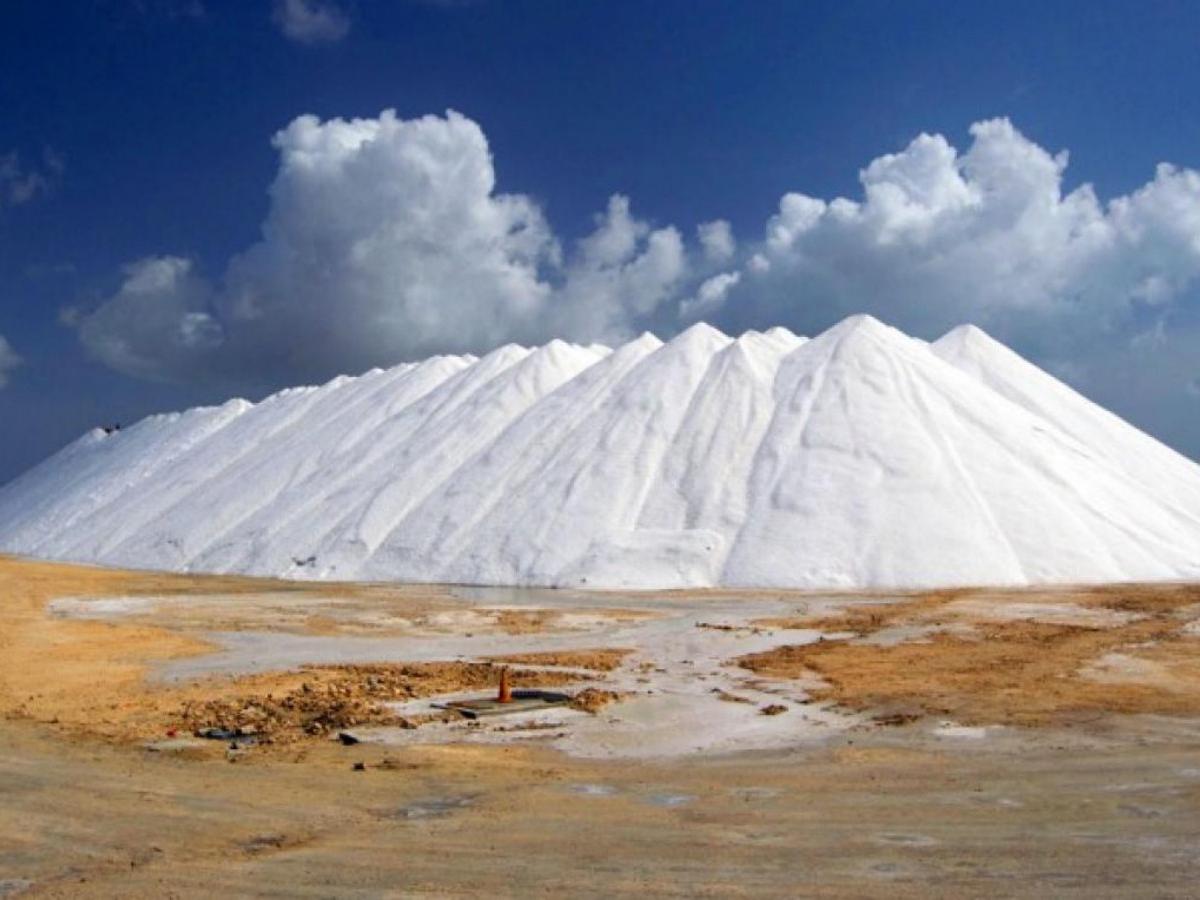
Coming to Morton Salt Facility is not just a visit to the production process, but also a sensory journey immersed in the interweaving of nature and humanity. Guided by a tour guide, visitors can walk into salt ponds, observe the formation process of crystallized salt up close, touch the salt layer that has not yet completely dried, and even take away a small bag of coarse salt collected by hand as a souvenir. Standing in front of the salt pile, the pure white crystals extend like snow-capped mountains, and an indescribable shock arises spontaneously.
In the evening, when the sun shines obliquely on the salt pan, reflecting the golden red and pink purple interlaced sky and water shadows, many tourists will stand for a long time and are reluctant to leave. The salt pan not only witnesses the miracle of natural power, but also carries the gentle power of human and nature's cooperation and coexistence.
Morton Salt Facility repeats the same work every day: turning drops of seawater into crystals. However, this seemingly simple process is actually the intersection of history, geography, science and culture. Whether from the perspective of natural evolution or from the perspective of industrial economy, the energy contained in this salt factory in a corner of the Caribbean Sea is far more profound than we can imagine. This is not only a journey about condiments, but also a deep reflection on how people and nature can work together. From the moisture blowing in the sea breeze to the sea salt that is finally scattered on tables around the world, each crystal tells a unique story belonging to Morton and Great Inagua. And every time we sprinkle a pinch of salt, isn't it a silent tribute to the gift of nature?