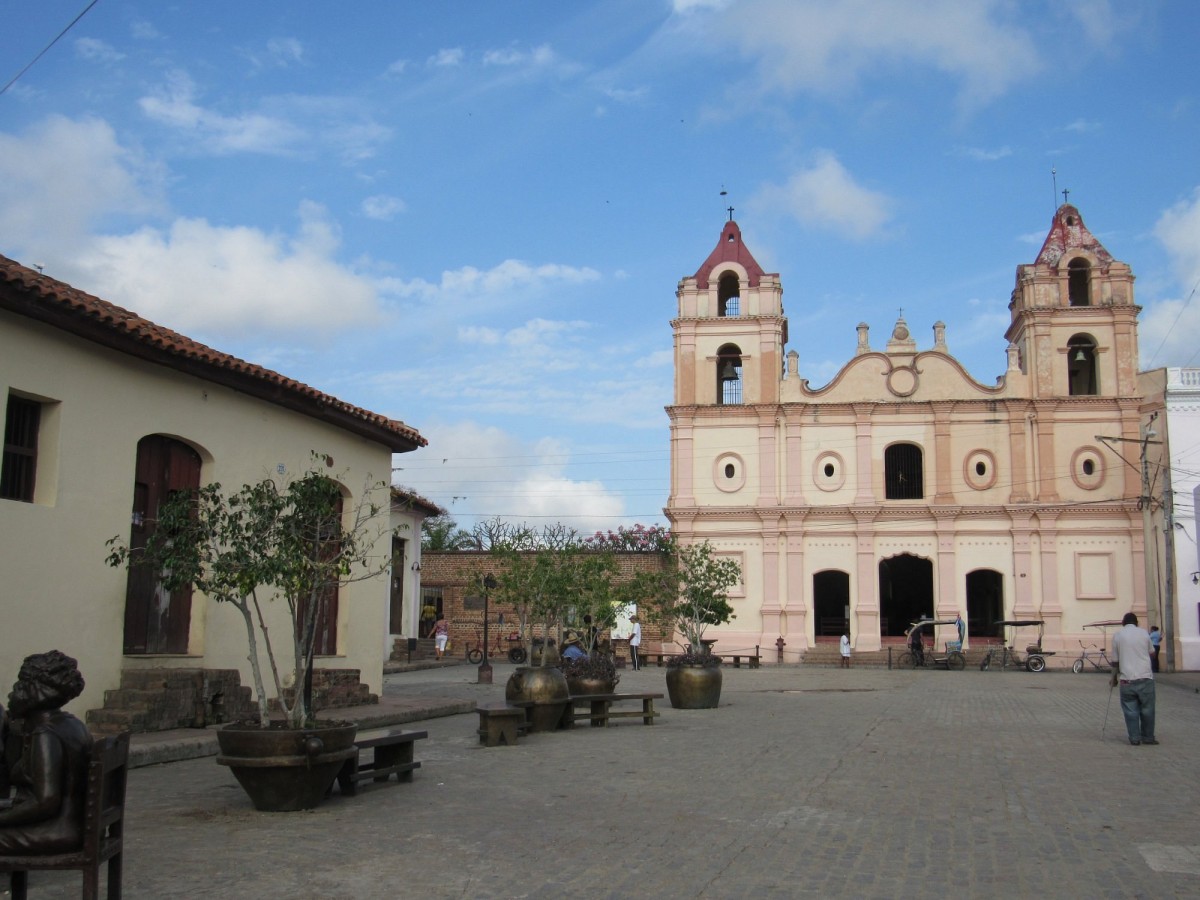
If Cuba is a melody with a distinct rhythm, then Camagüey is perhaps the gentlest bass line within it. It is not as flashy as Havana nor as classical and elegant as Trinidad, yet it transforms the essence of life—breathing, conversing, walking—into something exceptionally clear through an extremely slow and relaxed pace. The soul of Camagüey lies in a small square called Plaza del Carmen. It has no grand churches or rows of tourists, but it does have the ever-present aroma of steaming coffee, the rustling of conversations, and the rhythm of sunlight dancing across red-tiled roofs. Here, you don't need a schedule; all you need is a wicker chair, a cup of Café Cubano, and a little time.
Advertisement
Plaza del Carmen is located on the eastern side of Camagüey’s historic city center. Though the square itself is not large, it has witnessed the city’s transformation over centuries. Camagüey’s history dates back to the 16th century, and this square was once the heart of residents’ religious life. At the center of the square stands the 18th-century Iglesia de Nuestra Señora del Carmen. The church’s two towers gleam with a soft lime-white hue in the sunlight, as if time has frozen.
Advertisement
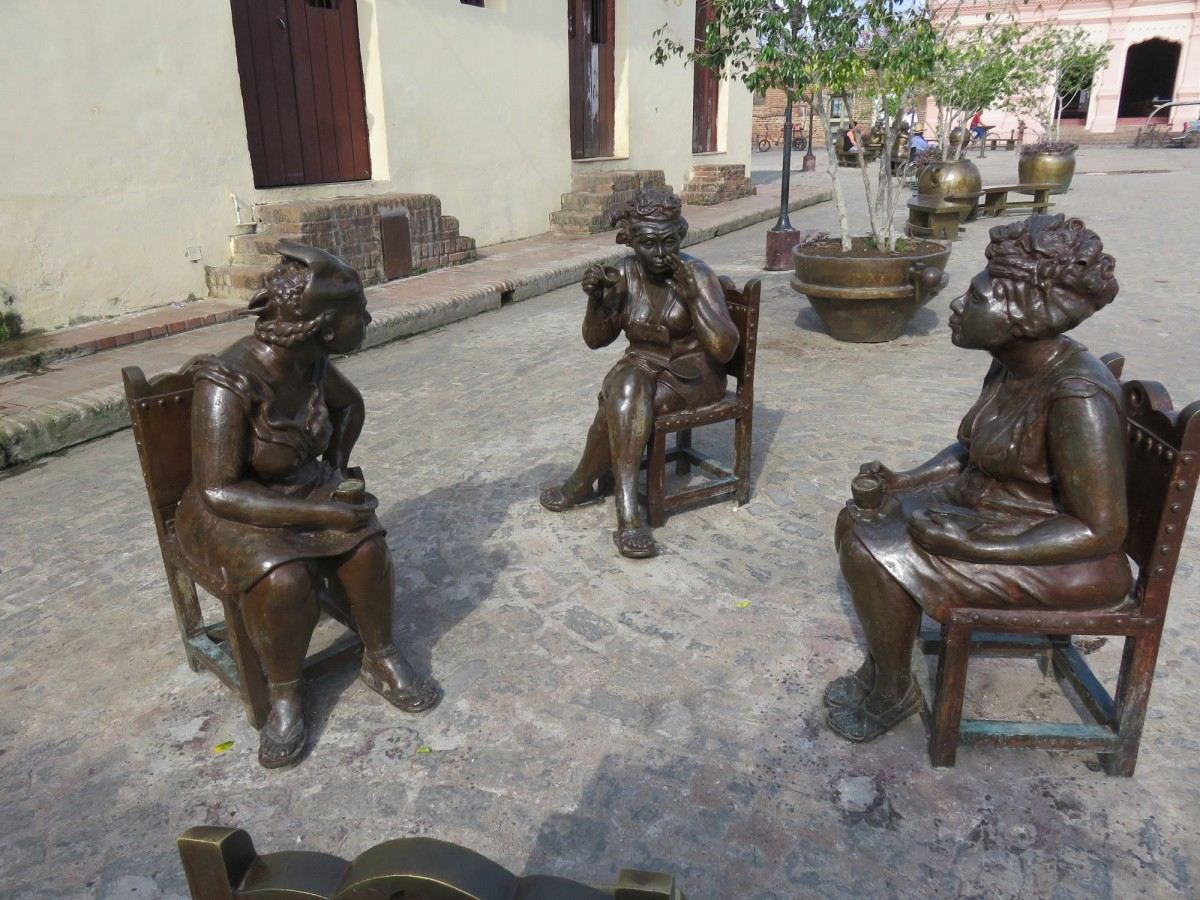
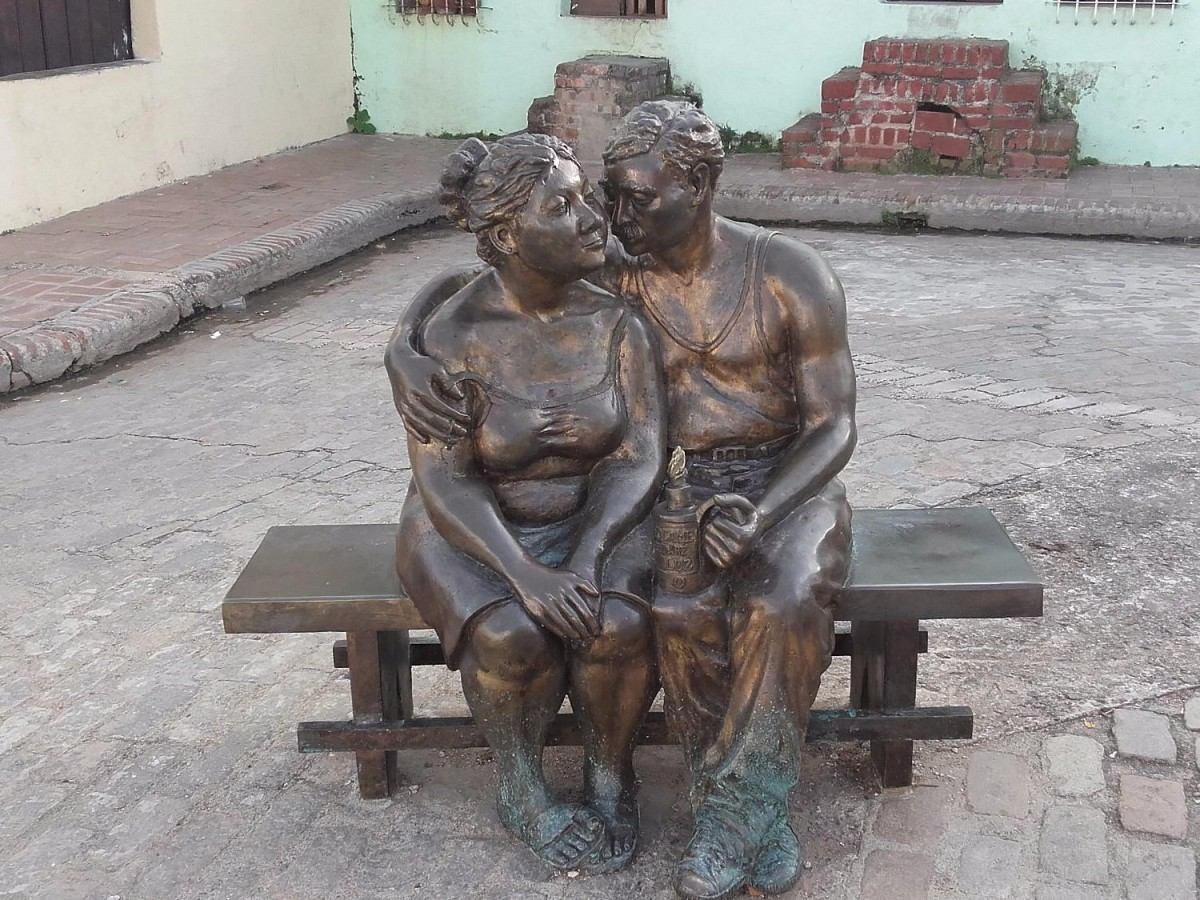
Even more striking are the sculptures scattered throughout the square. These bronze statues, created by local artist Martha Jiménez, vividly depict scenes of daily life—old women chatting, an elderly man reading the newspaper, a child holding a water jug... They are not merely decorations but seem to be an integral part of the square, quietly participating in every morning and evening story, infusing the entire square with warmth and intimacy.
Camagüey is known as the “city labyrinth,” with its streets designed in a winding, maze-like structure to defend against pirate attacks. In such a city, Plaza del Carmen feels like a deliberately hidden heartland—you'll always stumble upon its quiet simplicity after turning a few corners and passing by some low walls.
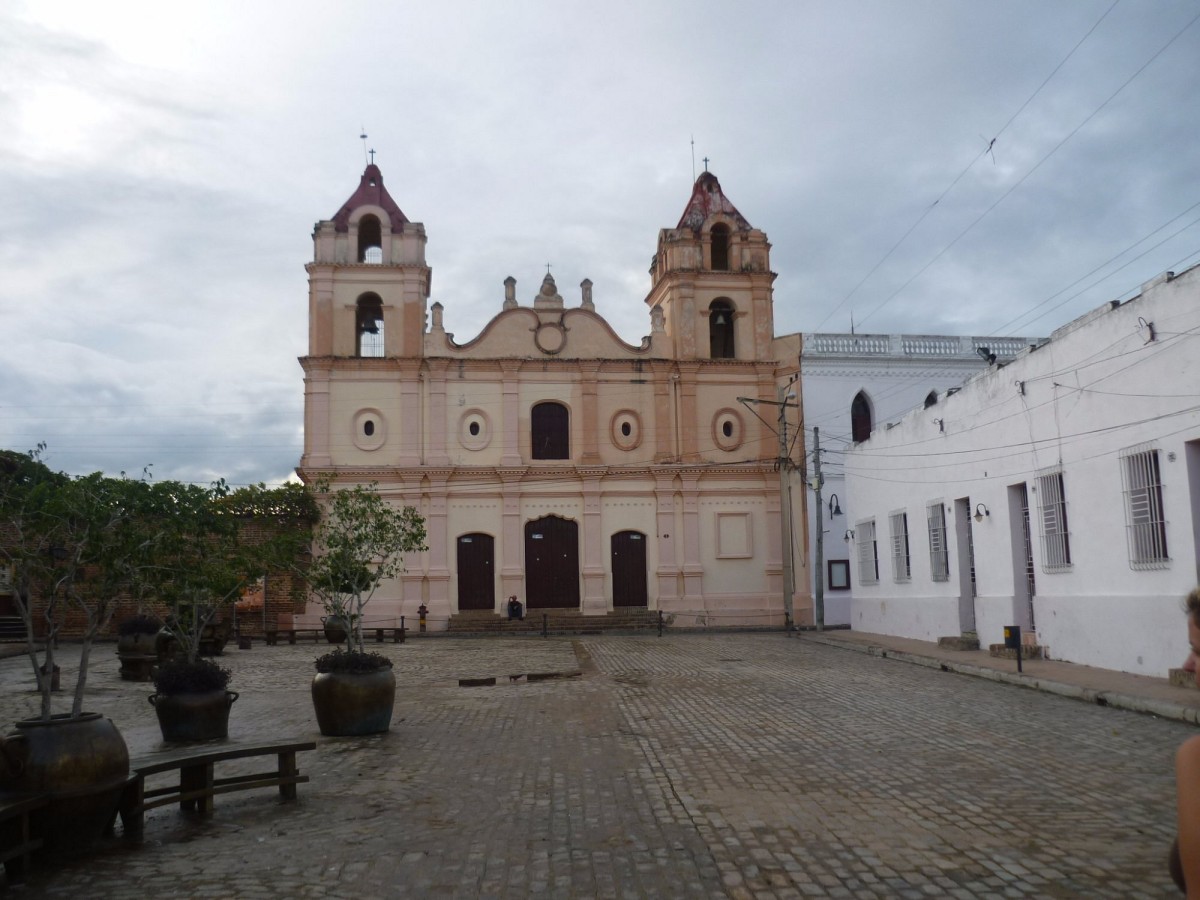
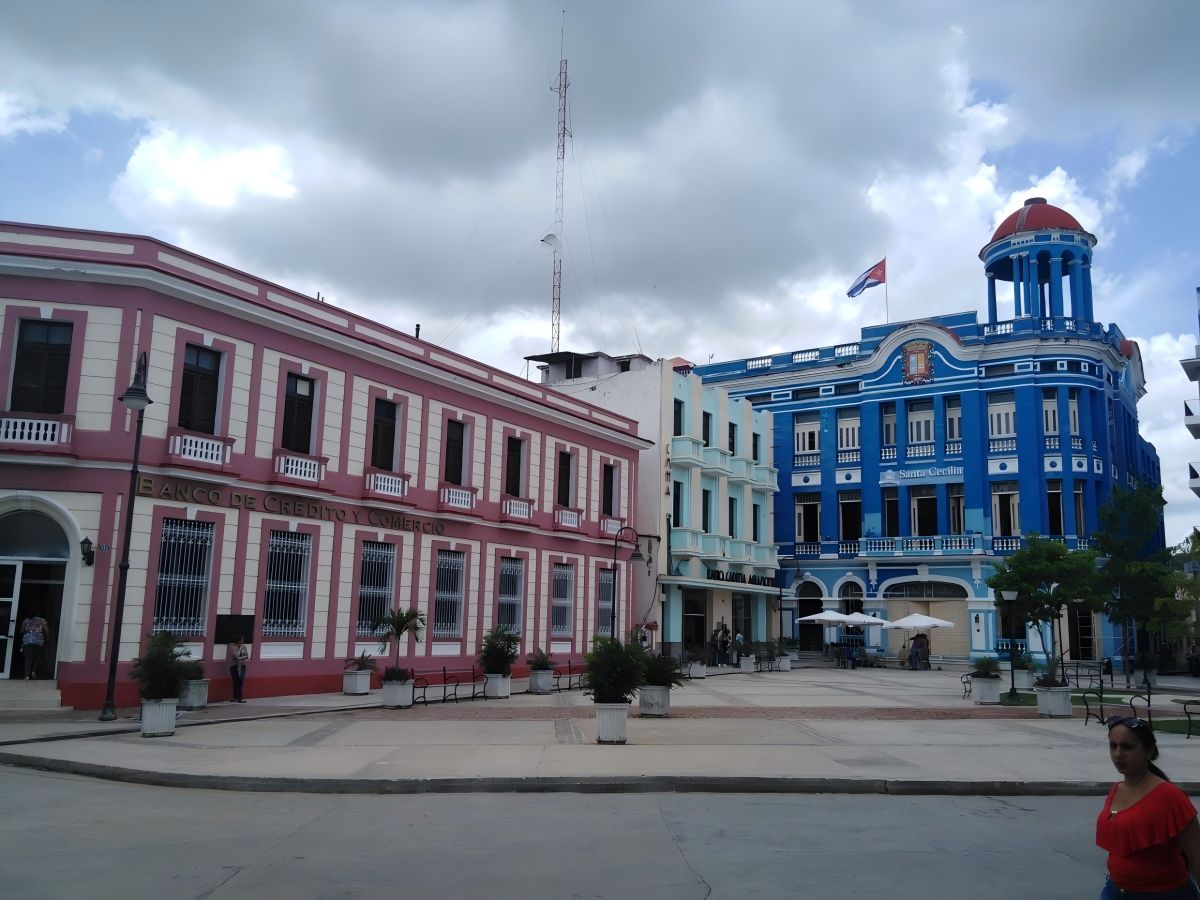
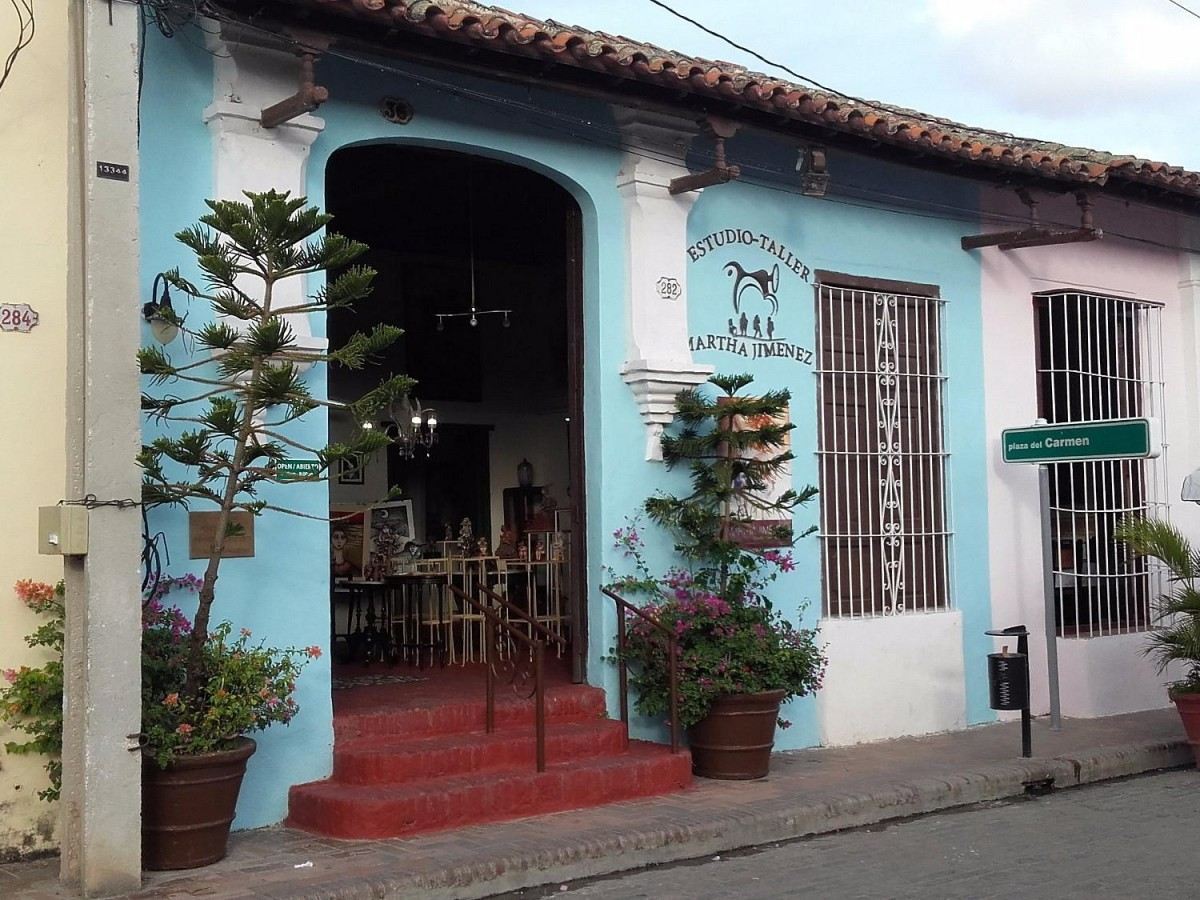
Stepping into Plaza del Carmen feels like entering a living book. Besides churches and sculptures, the square is surrounded by well-preserved colonial-style residential buildings. Their walls are painted in earthy red, sky blue, or yellow hues, weathered by time, with curved clay tiles on the roofs and old wooden decorations on doors and windows, exuding a strong retro charm.
Advertisement
Among these old houses are several small galleries and folk workshops. The most notable is Martha Jiménez’s studio and gallery, where you can witness the sculptor’s creative process firsthand and purchase unique ceramic works or prints. This seamless integration of art and daily life makes Plaza del Carmen not only a tourist attraction but also a genuine living space.
Along the square’s edges are several specialty cafés and private restaurants. Unlike those in big cities, they don’t go out of their way to dress up; instead, they casually place outdoor tables and chairs on the cobblestones, letting flowers climb the walls and music drift in the breeze. In the evening, a gentle breeze carries the scent of roasted bananas, and a few locals gather around the square to play chess and chat. Everything seems to move at a leisurely pace, embodying what could be called the authentic “Cuban slow life.”
Camagüey is pleasant year-round, but the best time to visit is during the dry season from November to April. The weather is sunny, with moderate temperatures (25°C to 28°C during the day) and low humidity, making it ideal for outdoor walks and photography. If you wish to avoid peak tourist seasons, November or February are good choices, offering good weather while preserving the local tranquility.
The best time to visit Plaza del Carmen is between 8 and 10 AM or 4 and 6 PM. In the morning, the light is soft, and the air is filled with the aroma of freshly ground coffee beans; in the evening, there are often street performances, impromptu dances, or children playing, with the sunset casting its glow on sculptures and brick walls—a perfect moment for photography.
If you have ample time, it is recommended to spend 2 to 3 hours in the square and its surrounding areas, including enjoying a cup of coffee, visiting galleries, chatting with shop owners, and taking a leisurely stroll through the church courtyard. This is not a “check-in” tourist spot but a place worth lingering in and immersing oneself in.
In the slow-paced atmosphere of Plaza del Carmen, coffee is not just a beverage but a social ritual and a lifestyle. Café Ciudad on the west side of the square is one of the most popular cafés. Though small, with just a few wooden chairs and a terrace, its Café Cubano (Cuban espresso) is rich and aromatic. Pair it with a handmade dessert like caramel banana cake or coconut flake pastry for the perfect afternoon treat.
For those seeking a more Western-style option, El Paso Café offers lattes, iced coffee, and light bites like avocado toast and local cold soup. The café’s exterior walls often feature graffiti exhibitions by local artists, creating a relaxed atmosphere ideal for a quick break or reading.
For a proper meal, the private restaurants around the square offer authentic Cuban home-style dishes: roasted pork with rice and beans (Lechón Asado con Congrí), fried green plantain chips (Tostones), and fish fillets served with fresh lime. If you happen to be there in the evening, sitting at an outdoor table watching the sky darken while listening to live guitar music, you can truly experience the Cuban philosophy that “eating is also a way of life.”
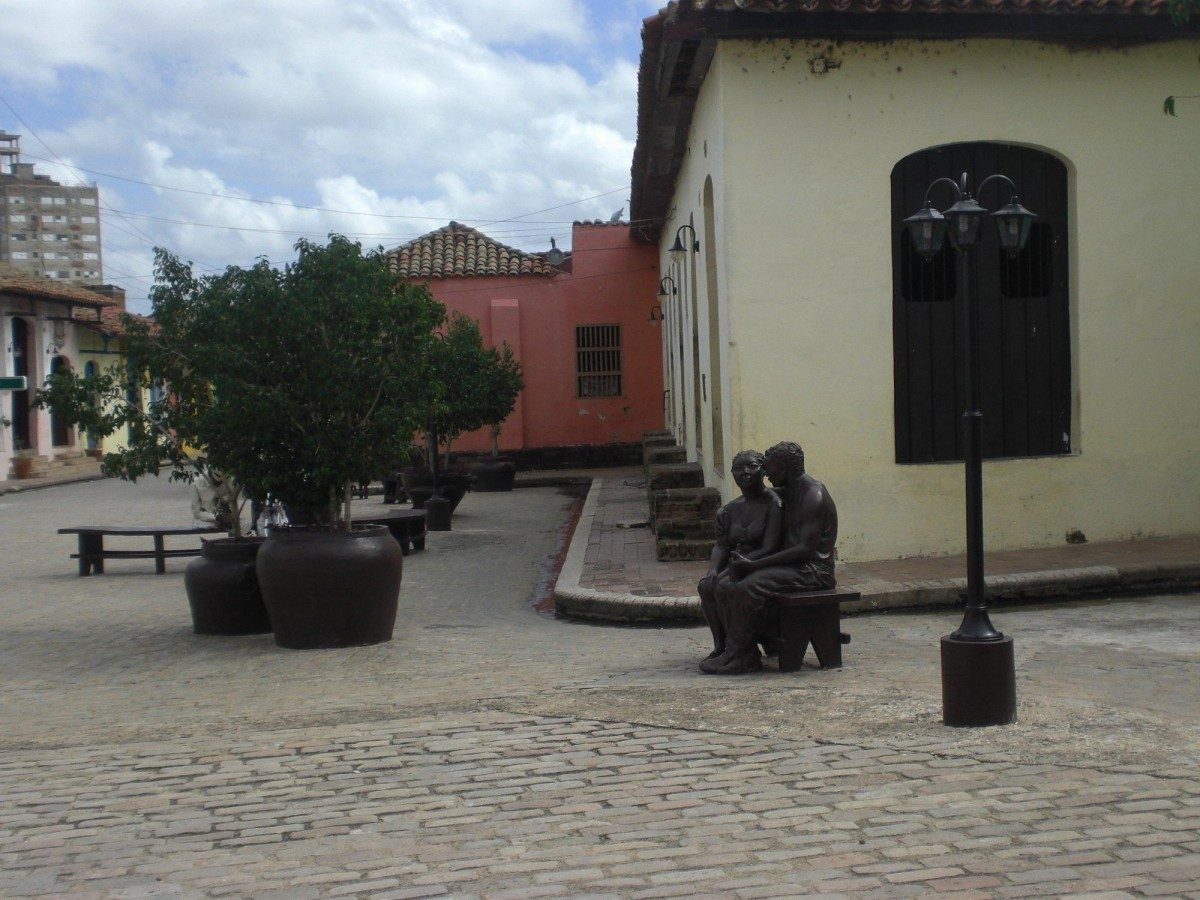
Dress Code: Camagüey has a warm climate, so it is recommended to wear light-colored, breathable clothing and comfortable walking shoes. The square has a cobblestone surface, so high heels are not suitable.
Bring cash: Most cafes, galleries, and small shops around the square do not accept credit cards, so please prepare Cuban pesos (CUP) or exchanged euros/dollars.
Learn a few Spanish phrases: While some shops can speak basic English, knowing some simple Spanish (such as “Hola” and “Un café, por favor”) will make communication more natural.
Nearby attractions to explore: Near Plaza del Carmen, you can also visit Plaza San Juan de Dios and Teatro Principal, which can be extended as part of a leisurely walking route.
Photography etiquette: Before taking photos of statues or gallery works, please politely ask for permission or give a brief signal to respect local cultural customs.
If you also want to step away from the fast-paced life and give yourself a true “travel experience,” come to Plaza del Carmen in Camagüey and take a seat. You don't need to plan anything; just find a corner to sit in and quietly soak it all in—you'll discover that slowing down is actually a deeper form of arrival.