

Advertisement
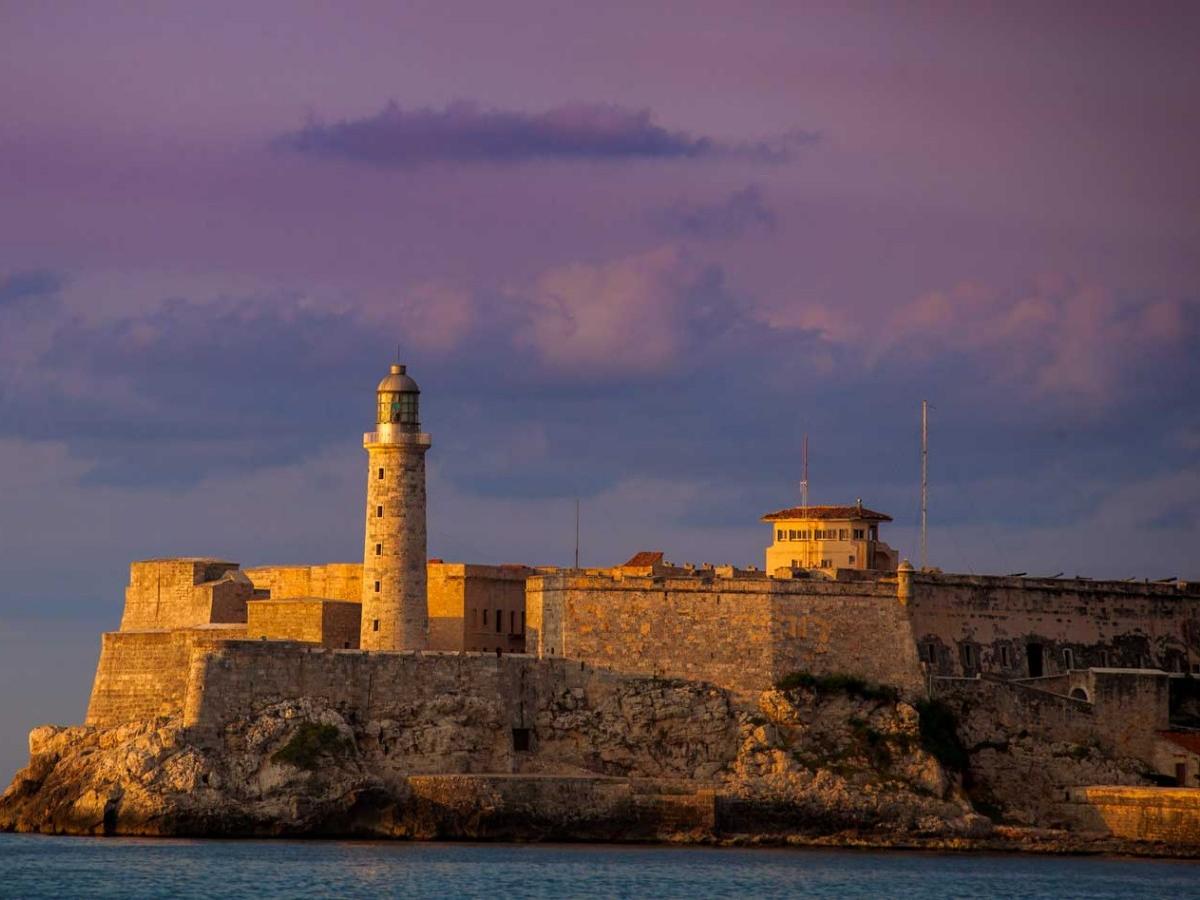
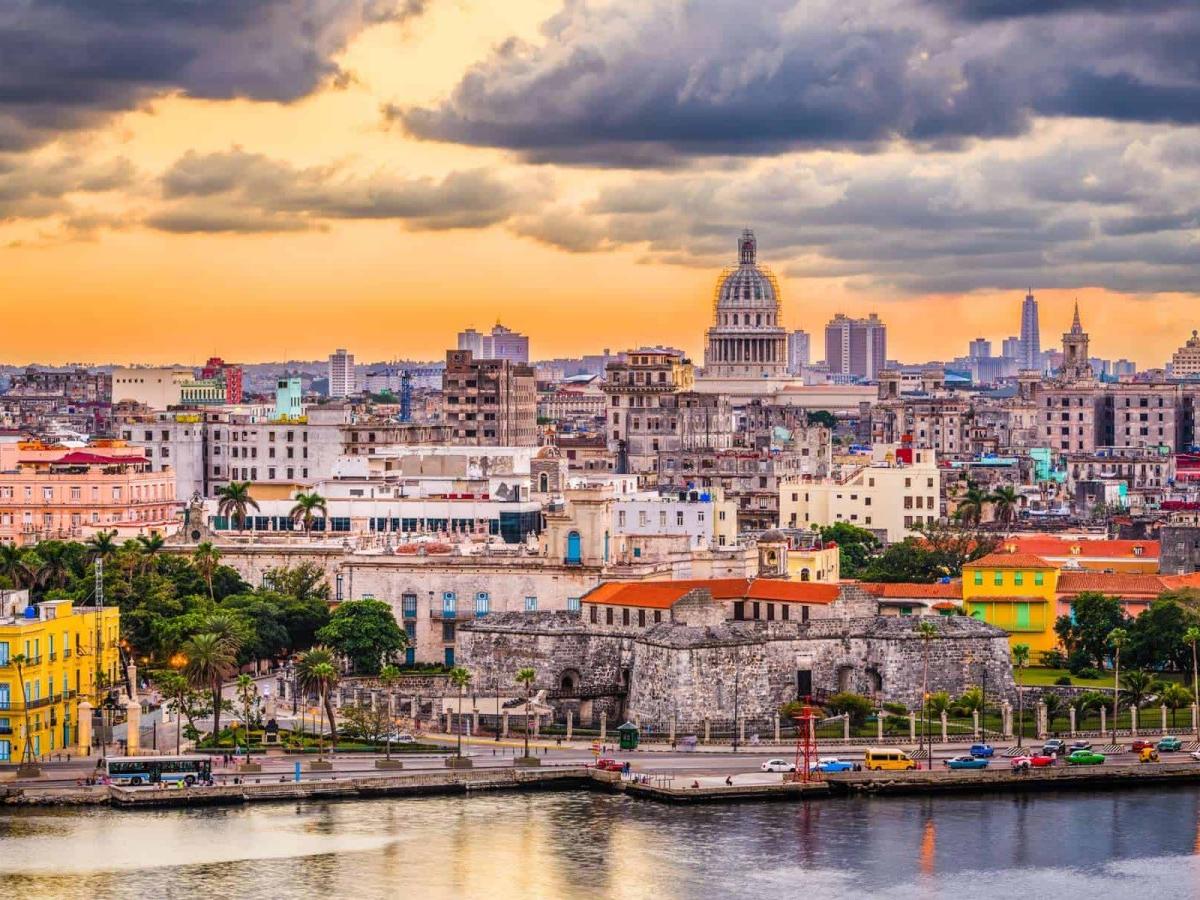
Morro Castle located in Havana, Cuba, is one of the city's most emblematic historical sites and an important naval defense building in Cuba. The castle is not only a witness to Cuban history, but also a typical military building whose construction background, historical changes and cultural significance are worth exploring in depth. As a landmark of Havana, Castillo del Morro not only attracts countless tourists, but also becomes an important window to understand Cuban history and culture.
Advertisement
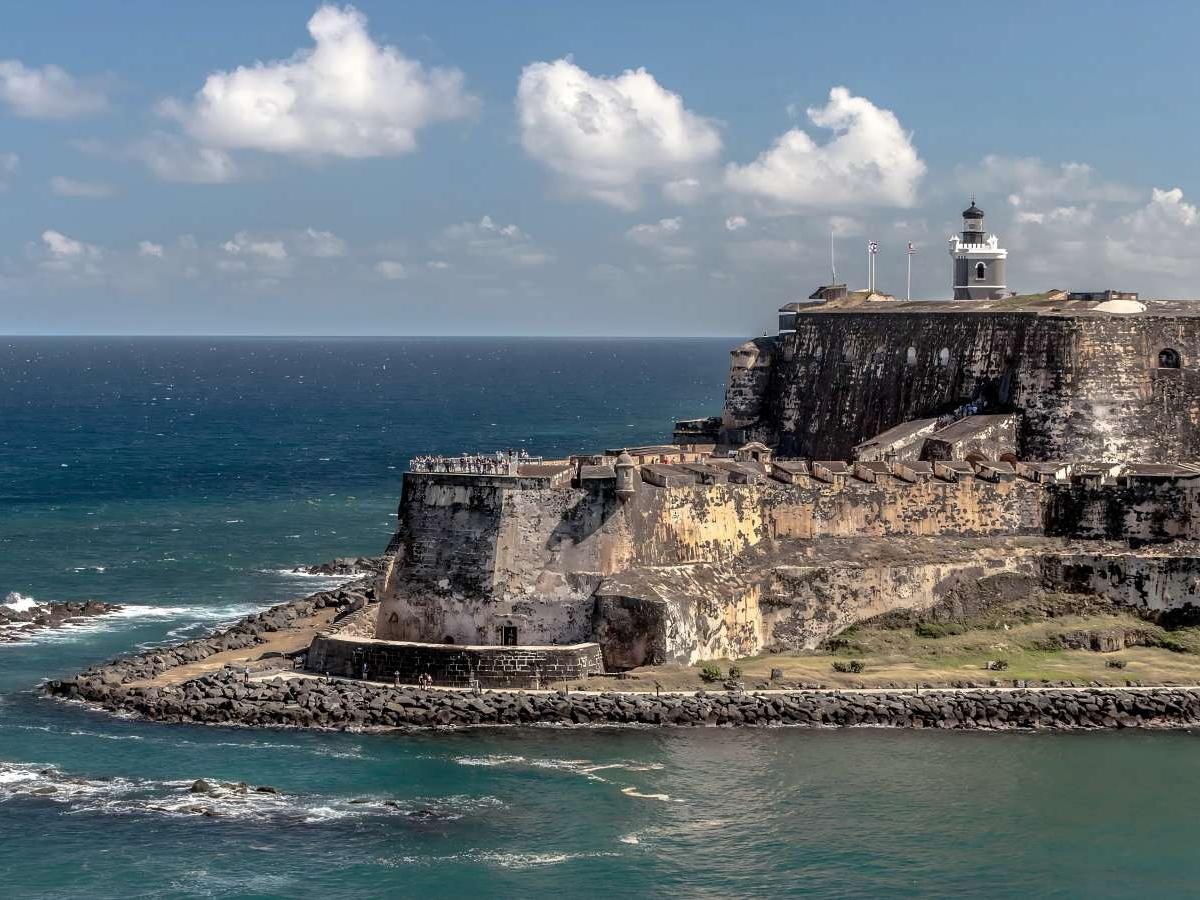
The construction of Castillo del Morro began at the end of the 16th century to protect the harbor of Havana from enemy raids. Since the discovery of the New World by Christopher Columbus in 1492, Havana Harbor has been an important maritime shipping hub. In order to prevent enemy maritime raids, the Spanish colonial government decided to build a powerful fortress at the entrance to Havana Harbor.
Advertisement
The site of this fort was extremely well chosen; it was located on the northern shore of Havana Bay, overlooking the entrance to the Atlantic Ocean, and was able to effectively monitor all ships passing through the harbor. Designed by Spanish engineers, the architecture incorporates the Renaissance concept of military defense, with a tight structure and strong defensive features. Over time, the fortress became the center of Havana's naval defense and played an important role in several periods of history.
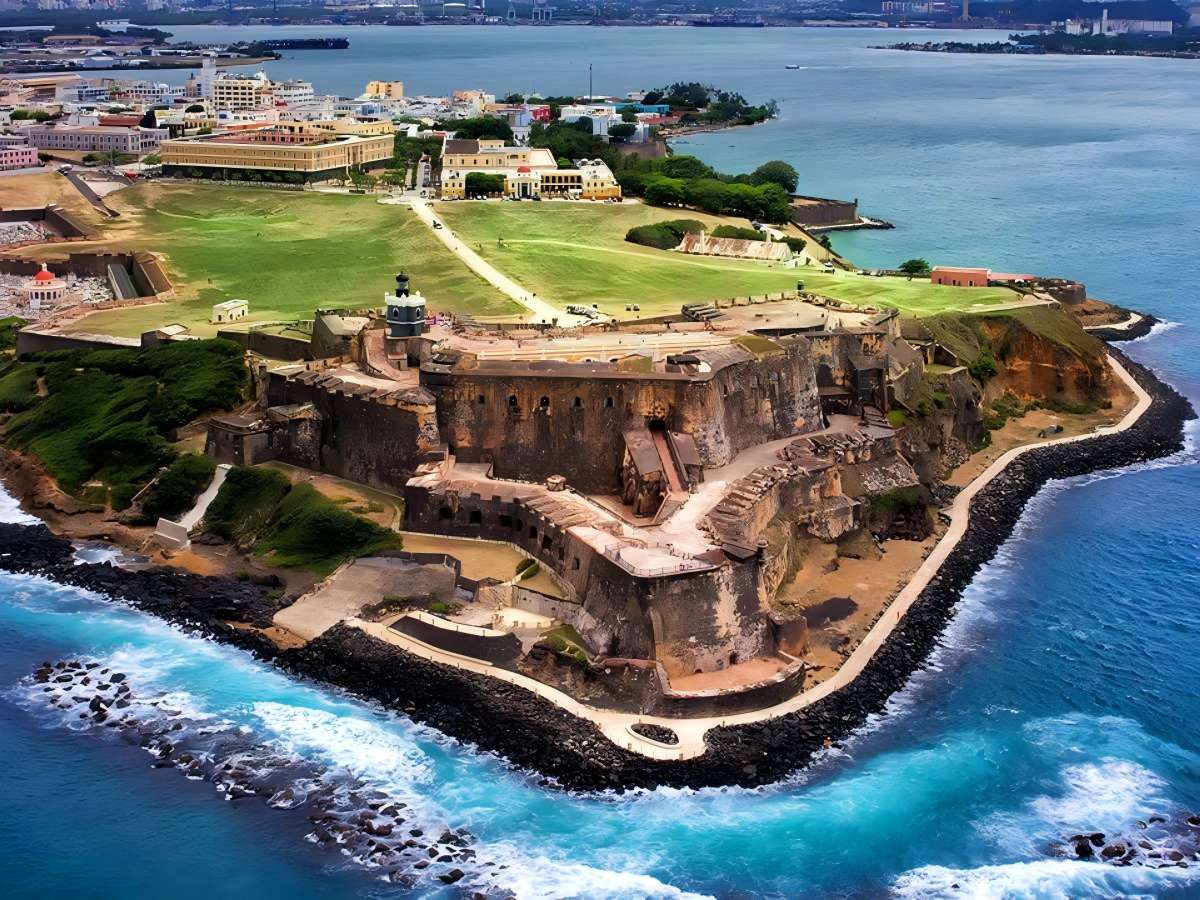
The architectural style of Morro Castle reflects the typical Spanish colonial idea of military defense. The overall structure of the castle is in the shape of an irregular polygon, reinforced by the use of the natural topography. The exterior walls of the castle are thick and sturdy, using a large amount of stone and brick, making it able to effectively withstand enemy fire. The design of the castle focused on strengthening its defenses, including high walls, bunkers and turrets.
Advertisement
The turrets within the castle were an important part of its defense system. The design of the turrets allowed soldiers to shell invading ships from multiple angles, maximizing the security of the harbor. The Castillo del Morro also has a lighthouse (Morro Castle Lighthouse), which dates back to 1845 and is still an important beacon in Havana Harbor, guiding ships in and out of the harbor.
In addition to its military function, the castle also housed a prison, which was once used to hold prisoners. The establishment of this prison highlights the multiple functions that the Morro Castle has served in many periods of history, from fortification to symbol of law and order.
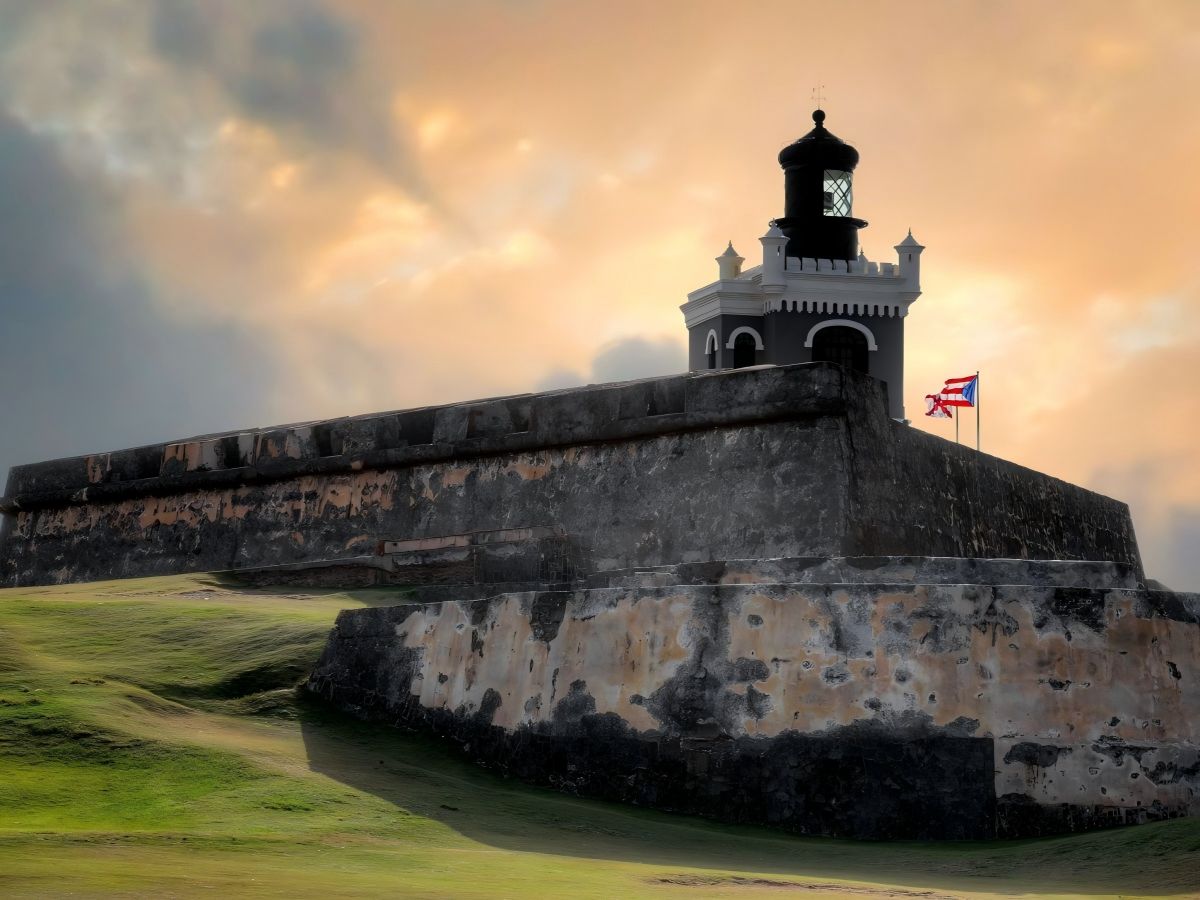
During the Spanish colonial period, the Morro Castle was one of Havana's most important defenses. It was used by the Spanish government as an important defense against enemy forces and to protect shipping, and was involved in many attacks by pirates, British troops, etc. In 1628, the Castle underwent a large-scale reconstruction to further strengthen its defensive function. With the decline of Spanish colonization in the Americas, Morro Castle gradually became a symbolic military facility.
At the beginning of the 19th century, the castle was attacked by the British, especially in 1762, when they briefly occupied Havana and used Morro Castle as a strategic location. Although the British forces eventually retreated, the castle's historic status was further highlighted.
At the beginning of the 20th century, the political and military situation in Cuba changed dramatically under the influence of the United States. As Havana became an important international port, Morro Castle was gradually transformed into a historical site. After the Cuban Revolution, Morro Castle became an important symbol of the history of the revolution and the heritage of naval defense, especially under the Cuban government's policy of cultural preservation, when it was classified as a National Historic Site and opened for public visits.
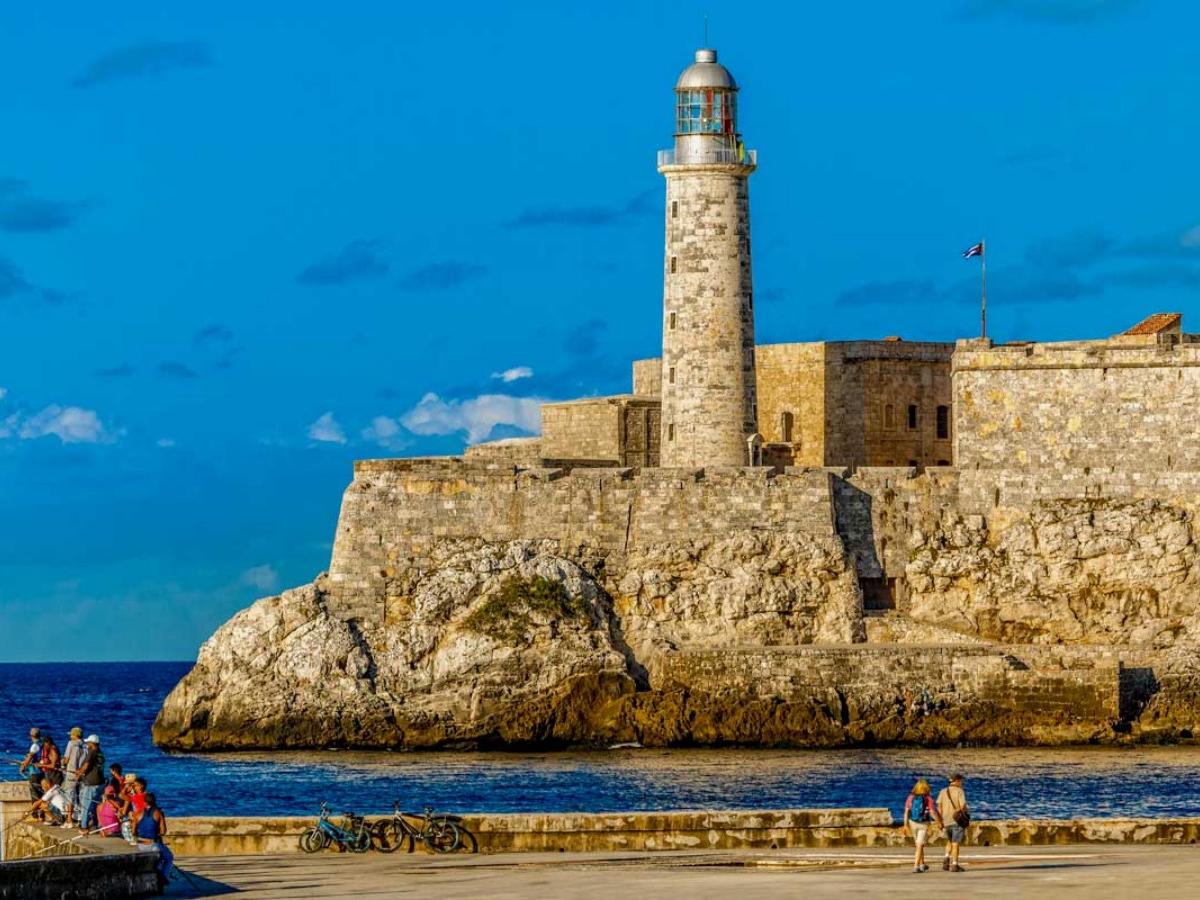
As one of the most historically significant buildings in Cuba, the Morro Castle is more than just a military site; it is also rich in cultural values. The castle's existence has witnessed the changes in Cuba's history, from Spanish colonization to the struggle for independence and the triumph of the revolution, the walls and towers of Morro Castle tell the story of the Cuban people's efforts to fight for freedom and independence.
For modern Cubans, Morro Castle is not only a witness to history, but also a source of national pride. It symbolizes the resilience of the Cuban people in the face of foreign invasion, and represents the historical process of the Cuban people's ultimate freedom and independence after a long period of colonial rule. Today, Morro Castle is an important part of Cuban culture, attracting thousands of visitors and helping them to understand Cuban history and culture through various displays and explanations.
As a landmark building in Havana, Cuba, Morro Castle has not only witnessed the changes in Cuban history, but also become a symbol of Cuban culture. Its construction background, architectural features, historical changes and cultural significance all reflect the unique charm of this city and country. Whether as a military facility or as a historical site, Morro Castle has played an irreplaceable role and has profoundly influenced the historical memory and cultural identity of the Cuban people.