
Advertisement
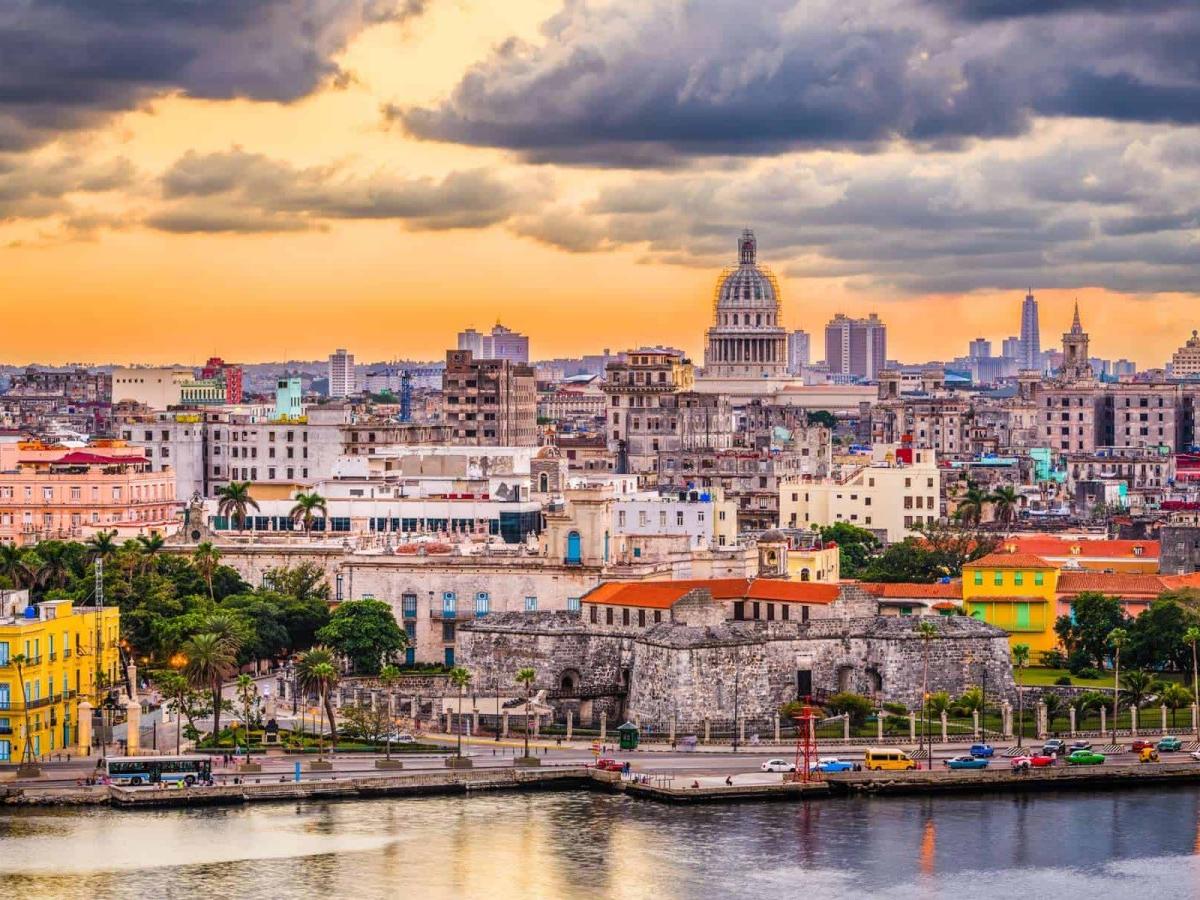
One of the most emblematic places in Havana, Revolutionary Square is not only the center of Cuban history and politics, but also a must-see destination for tourists from all over the world. This square is not only famous for its historical background, but also for its immense size and visual impact, making it an iconic Havana attraction. The plaza takes its name from the Cuban Revolution, and as a center of revolutionary activity, it has witnessed many important historical events and social changes.
Advertisement
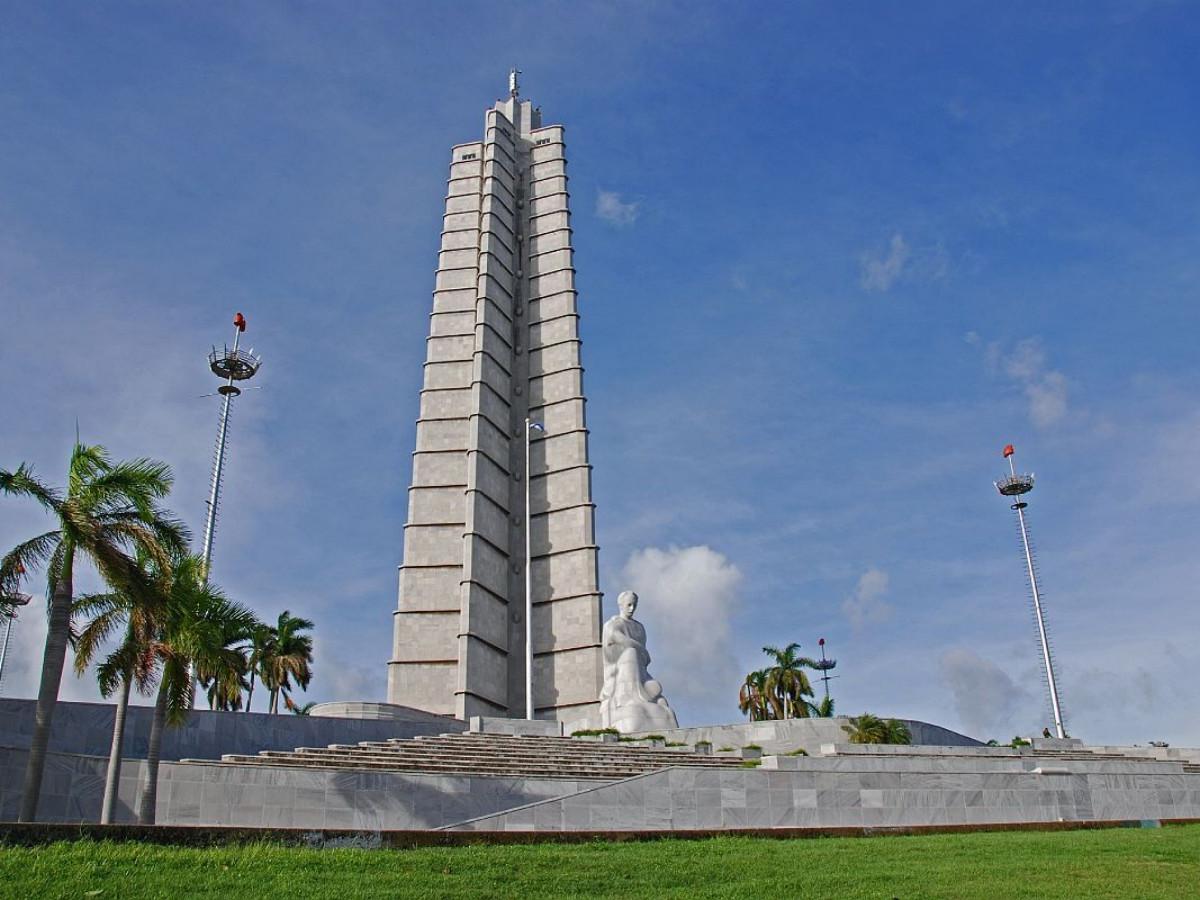
Revolutionary Square is located in the center of Havana, next to the Cuban Capitol and the National Palace of Culture. Built in the mid-1950s, the plaza was originally designed to host large gatherings and celebrations. The construction of the plaza was led by the government of the time, and was originally planned to be a place to showcase the majesty and power of the Cuban regime.
Advertisement
However, the plaza's historical significance took a radical turn in 1959, when the Cuban Revolution led by Fidel Castro succeeded in overthrowing the dictatorship of Fulgencio Batista on January 1, 1959, and the plaza began to become an important symbol of political change in Cuba. In the months following the triumph of the revolution, Castro and other revolutionary leaders stood in the plaza and gave celebrations and speeches announcing the new socialist regime. The size and location of the plaza made it a symbol of the spirit of the revolution.
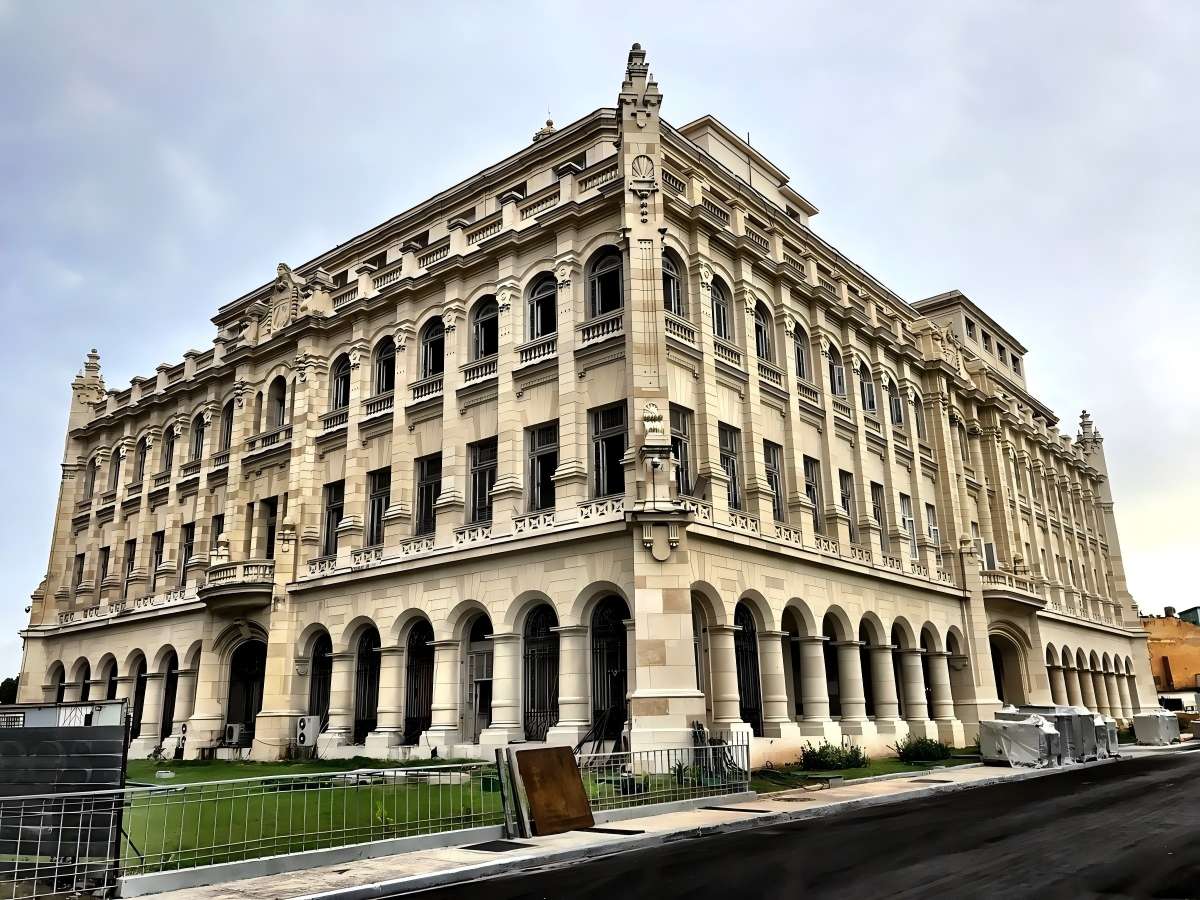
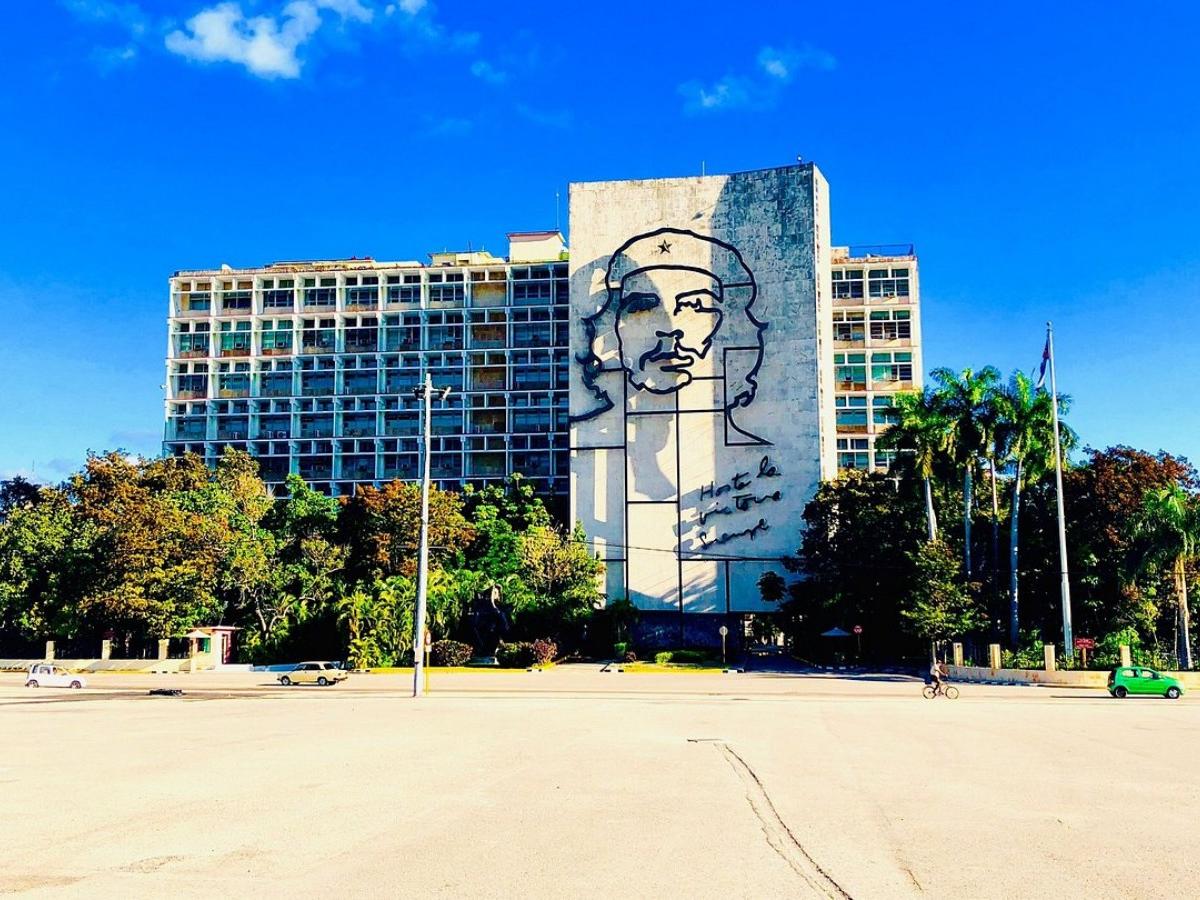
The design of Revolutionary Square is simple but very powerful. The plaza is surrounded by several important buildings, including the Cuban National Palace of Culture, the Museum of the Revolution and the National Theater. The center of the plaza has a huge open space that can accommodate thousands of people. Rallies, political events, celebrations and commemorative ceremonies are often held in this square.
Advertisement
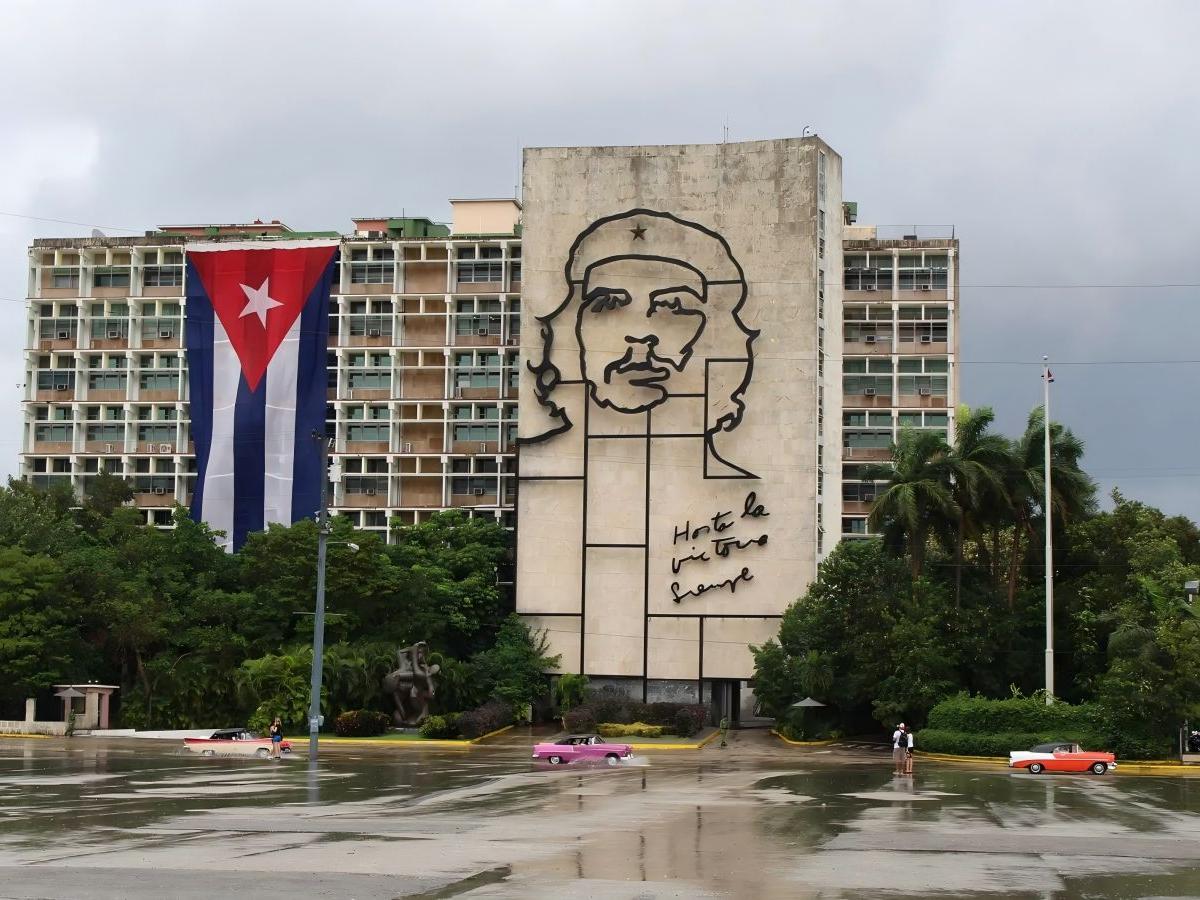
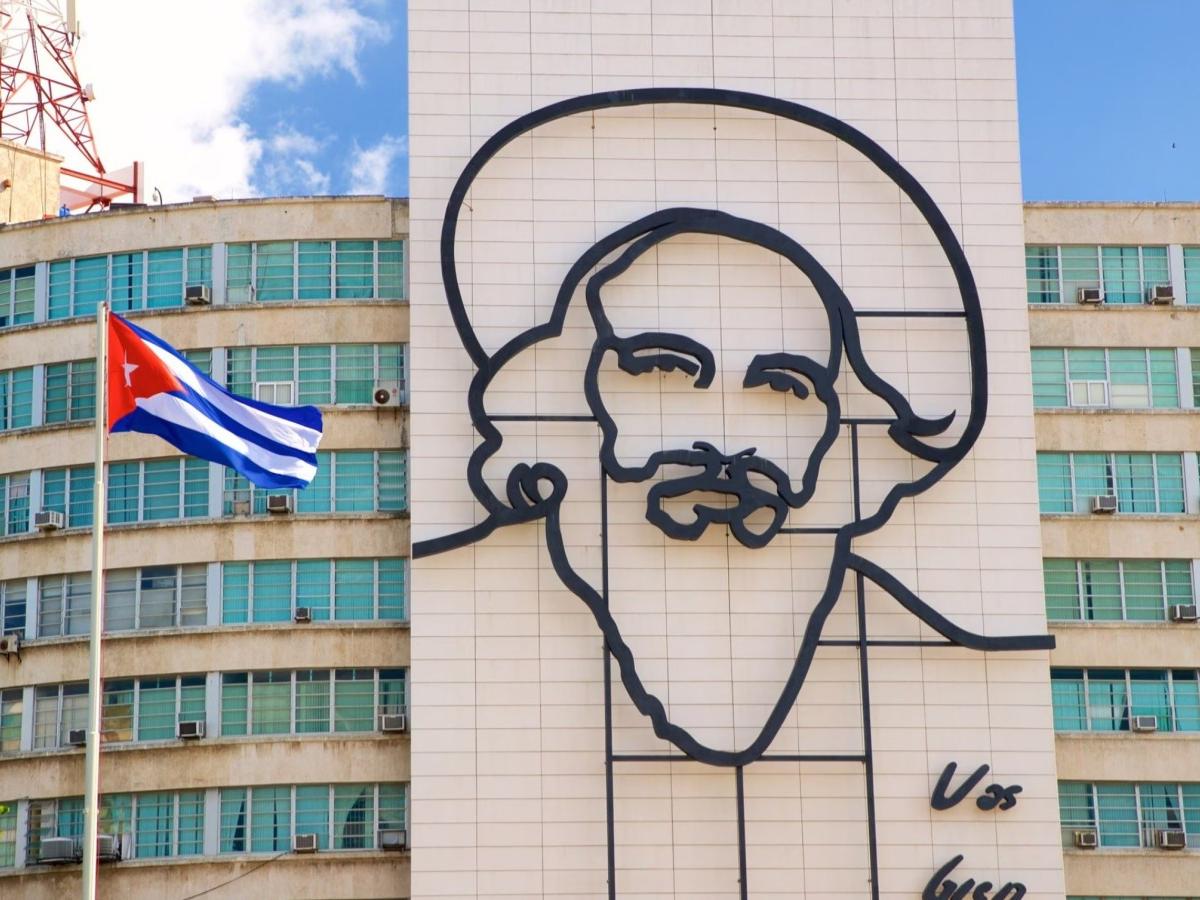
The most striking features of the square are two huge statues. The first is a huge portrait of Ernesto Che Guevara, an iconic figure of the Castro Revolution. The portrait is in the form of a massive steel structure, with the iconic figure looking down on the crowd in the square. The image of Guevara has widely represented revolution and revolutionary ideals, becoming one of the symbols of socialism and revolution worldwide.
The other statue is a huge portrait of revolutionary leader Fidel Castro. This portrait is located on the other side of the plaza and symbolizes Castro's leadership of the Cuban Revolution. The design of the plaza also includes a monument that commemorates the triumph of the Cuban Revolution and the contributions and sacrifices made to the Cuban people.
In addition, the plaza's architecture and surroundings are closely tied to Cuba's socialist philosophy. The architectural style is simple and documentary, emphasizing strength and unwavering revolutionary conviction. The plaza was designed with openness and inclusiveness in mind, aiming to unite the people in rallies to fight for the future of Cuba.
Revolutionary Square is more than a simple physical space; it is a profound reflection of the political spirit and transformation of Cuban society. As an important symbol of the Cuban Revolution, the plaza became a stage for the government to express its power and revolutionary achievements. In this plaza, the Cuban government has held a series of historic political rallies, the most famous of which was Fidel Castro's long speech.
Castro's speeches in the plaza often lasted for hours, conveying his strong belief in the ideals of socialism and his determination to confront U.S. and Western powers. These speeches not only had a profound impact in Cuba at the time, but also attracted global attention to the Cuban Revolution and its aftermath.
The Plaza also served as a propaganda tool for the Cuban socialist regime, where Castro and other revolutionary leaders proclaimed Cuba's independence and sovereignty to the world, especially after the U.S. economic embargo was imposed in 1961, and became a symbol of opposition to U.S. hegemony and a demonstration of Cuban resolve. Over time, the Plaza became a witness to many historic events, such as commemorations of revolutionary martyrs and rallies for the country's victory.
Revolutionary Square is one of the most emblematic sites in Havana, which not only bears witness to the greatness of the Cuban Revolution, but also reflects the Cuban people's unwavering quest for freedom, independence and social justice. As a microcosm of history, it carries countless memories of the Revolution and has become the centerpiece of Cuban political culture. Both for the Cuban people and for revolutionary thinkers around the globe, the Plaza de la Revolución will continue to fulfill its unique historical and cultural value.