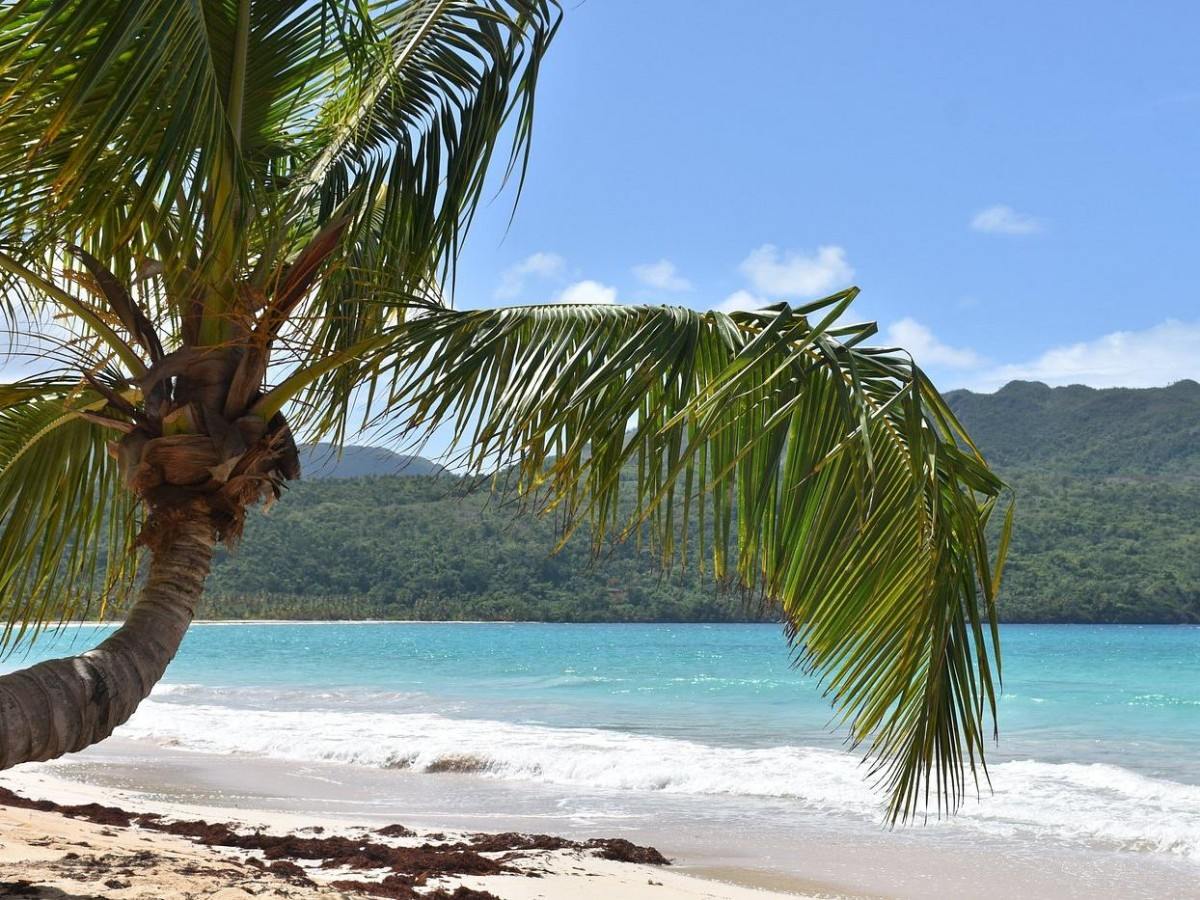
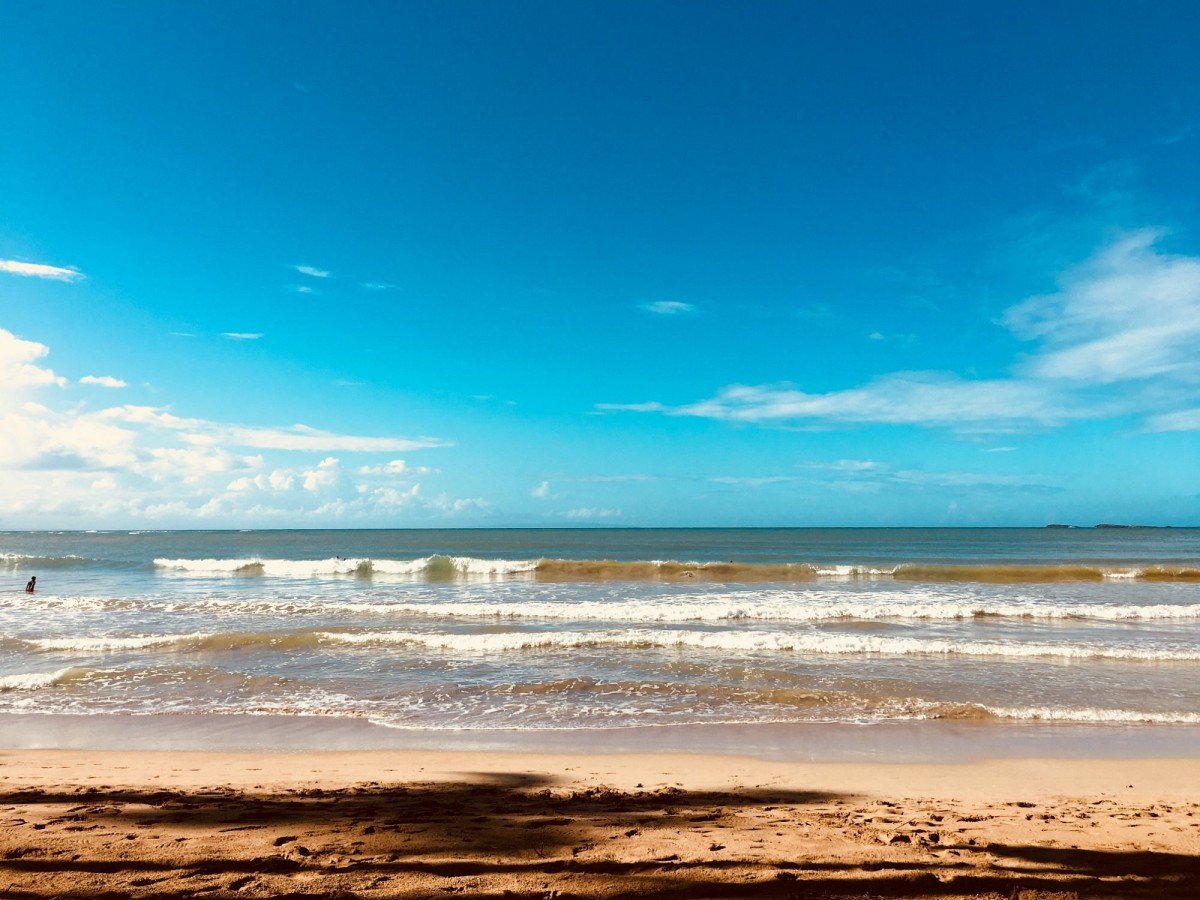
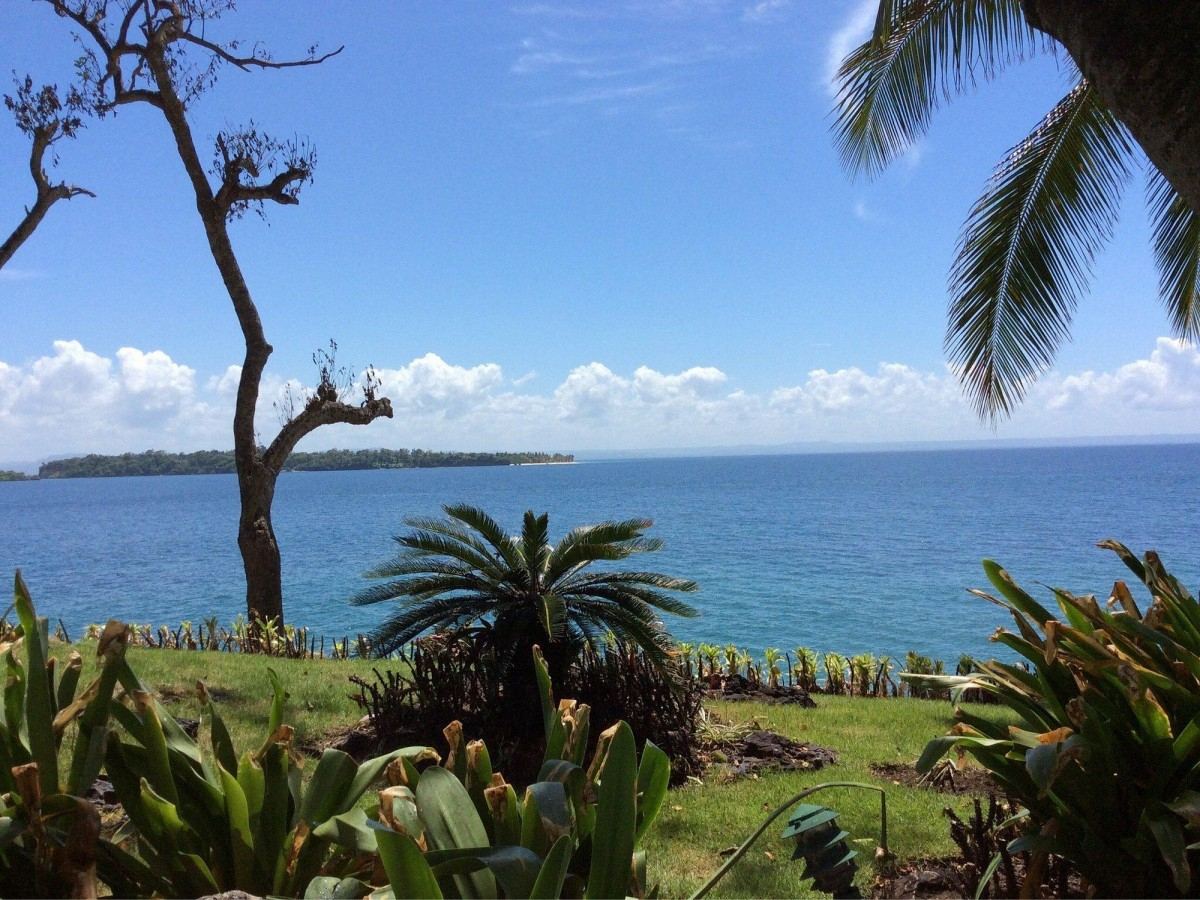
There are always places that don’t belong on your must-visit list, yet once you set foot there, you’ll find yourself willing to slow down and reluctant to leave. Samaná Bay in the northeastern corner of the Dominican Republic is such a place—gentle sea breezes, dolphins leaping, mangroves like a flowing oil painting, and deeper within, waterfalls, caves, and forest trails waiting for you to explore at your own pace.
Advertisement
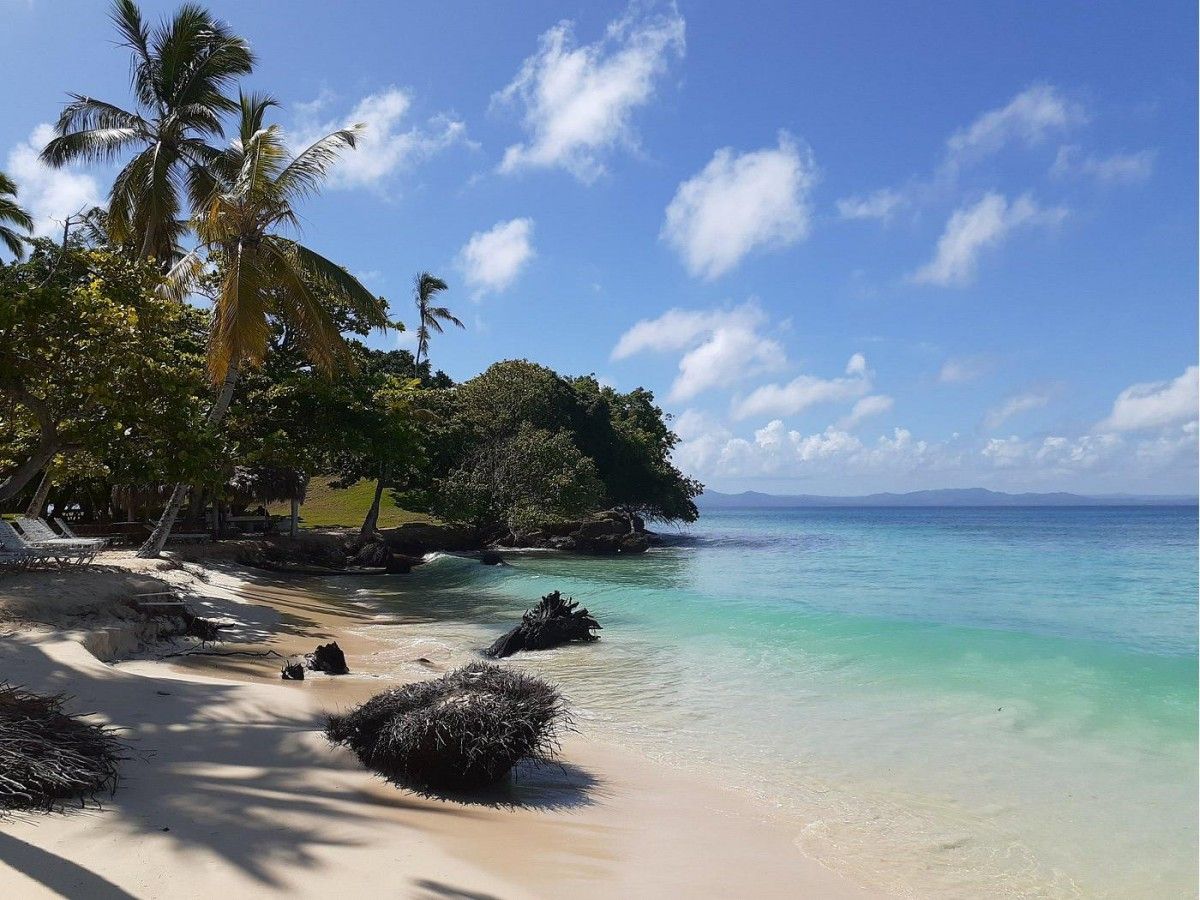
While Samaná Bay is renowned for its natural beauty, its history is equally fascinating. This bay was one of the locations visited by Columbus during his second voyage in 1493 and one of the earliest points of European contact in the Caribbean. However, less well-known is that this land later became a refuge for a group of freed slaves and African immigrants, particularly in the 19th century when African Americans settled here, leaving a profound cultural imprint.
Advertisement
Santa Bárbara de Samaná still retains some Victorian-style wooden houses, English-style place names, and the local population’s fluent English accent (spoken alongside Spanish), all of which give this seemingly tropical fishing village a unique cultural backdrop. If you’re interested in culture, you can explore this somewhat hidden immigration history at the town’s small church and community museum.
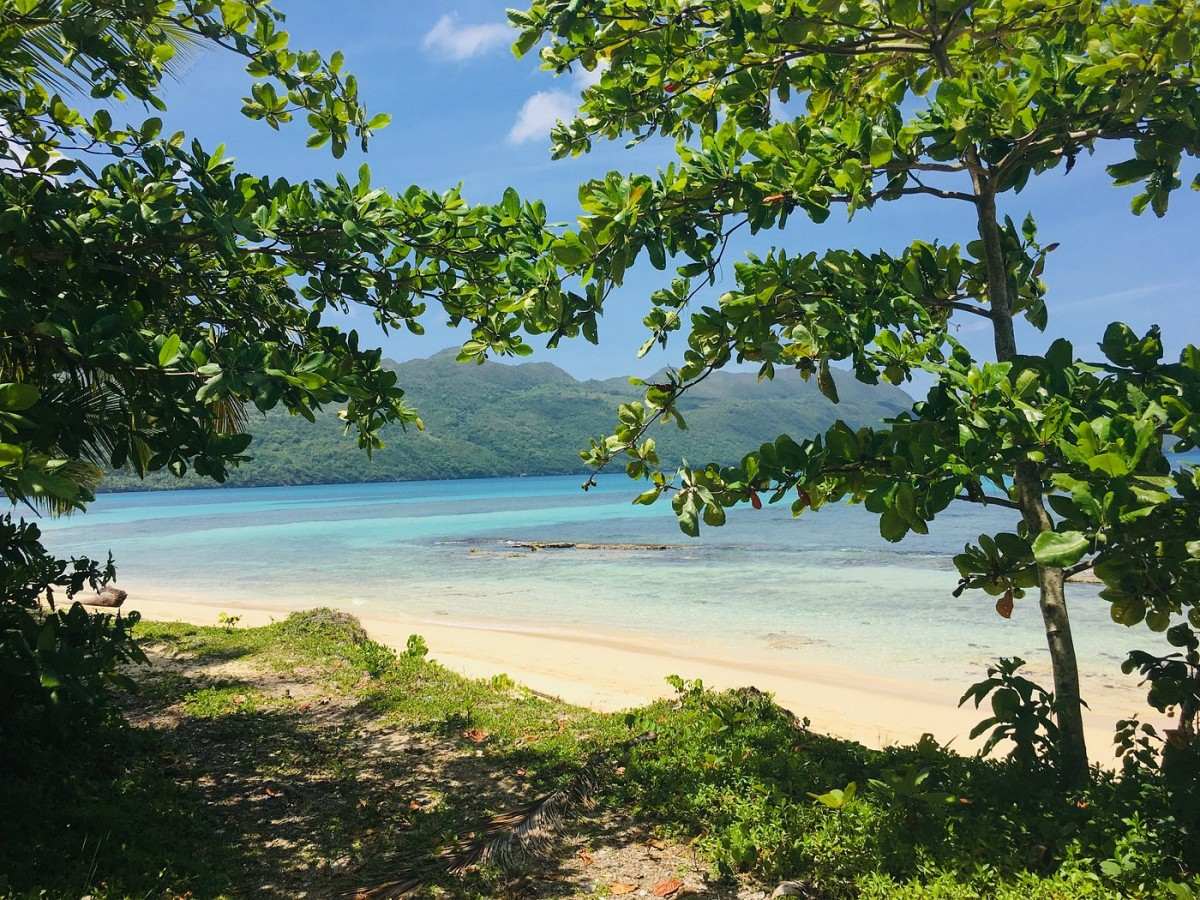
What truly sets Samaná Bay apart is its natural structure: one side is pristine mangrove wetlands, the other is dense forests and hidden waterfalls, connected by a tranquil turquoise bay into an ecological paradise. One of the highlights of this bay area is Los Haitises National Park.
Advertisement
Taking a small boat from Samana Town into the bay area, you’ll reach the mangrove region after about 20 minutes. This isn’t a decorative mangrove forest for tourist photos—it’s a genuine ecosystem: roots intertwine like a web, egrets stroll atop them, fish dart through the water, and dolphins occasionally leap from the surface. Some routes also take you to explore limestone caves such as La Linea or Cueva de la Arena—inside, you'll find ancient Taíno murals and rock carvings, the oldest voices of this land.
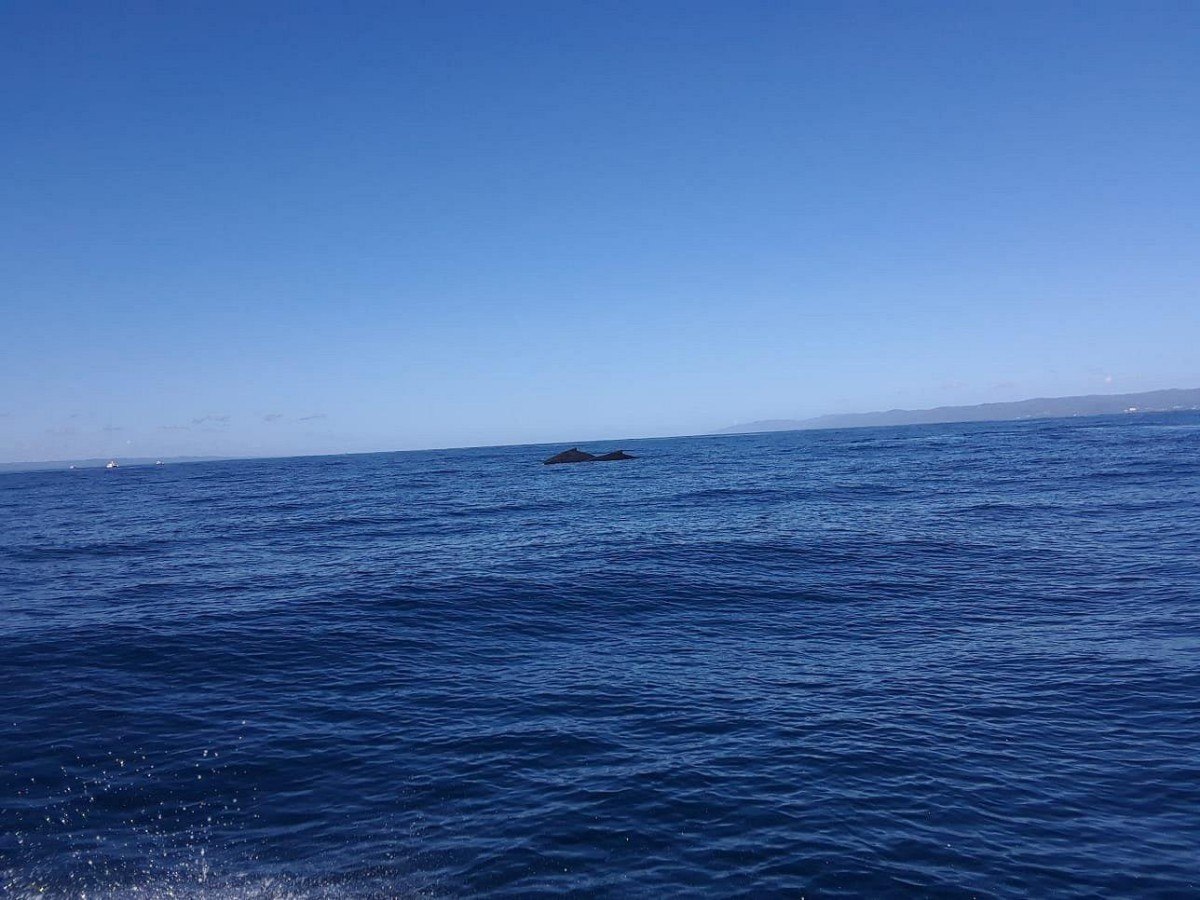
If you visit during the winter (January to March), be sure to add one more activity: whale watching. Every year, thousands of humpback whales return to this bay to mate and reproduce, making it one of the world's most famous whale-watching spots. You'll witness adult whales breaching the surface, tail flukes slapping the water, and even adorable scenes of baby whales swimming close to their mothers—not in an aquarium, but in the real, wild marine theater.
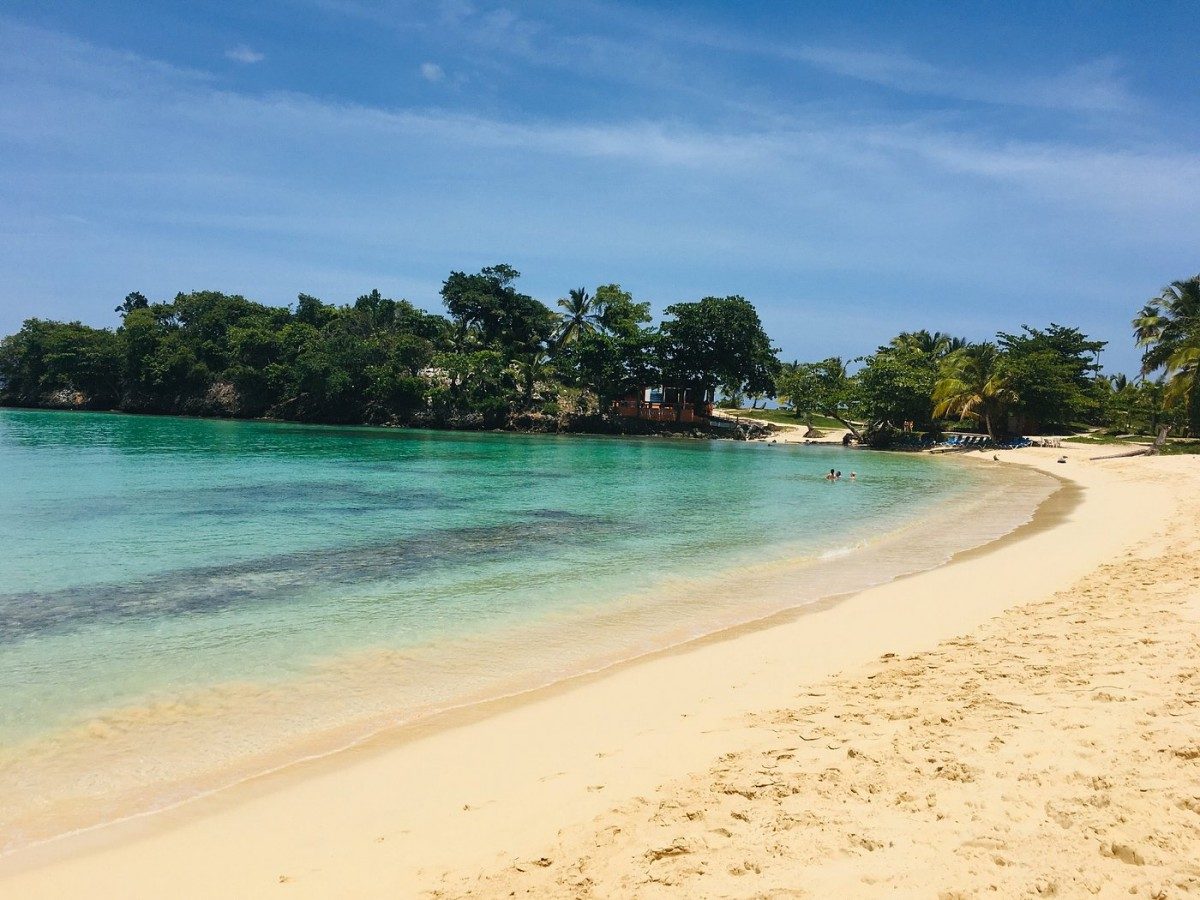
If the mangroves and caves are a journey by boat, then the mountain hiking in Samana Bay is another world.
The most classic “hidden route” is the combined route to El Limón Waterfall. This journey begins from El Café Village or Rancho Limón, with two options: hiking or horseback riding. Both routes traverse a tropical forest and orchard, with banana trees, cocoa trees, and coffee trees intertwined along the way. Children enthusiastically greet you along the path, and farmers occasionally sell homemade sugarcane juice or cocoa paste, providing both energy and a warm, human touch.
After about 45 minutes, you will hear the roar of the waterfall. El Limón Waterfall is approximately 50 meters high, cascading down a sheer cliff into a turquoise natural pool. The pool’s edges offer opportunities for wading, swimming, or even diving. Many choose to enjoy a light snack and rest here before returning along the same path.
Tip: It is recommended to depart early in the morning to avoid the hottest part of the day. Wear waterproof shoes or slip-resistant sneakers, as the mountain paths can become slippery after rain.
Samana has a tropical rainforest climate, with warm and humid conditions year-round, averaging between 25°C and 30°C. However, there are two key seasons for visitors to note:
November to April: This is widely recognized as the best time to visit, with dry, sunny weather ideal for water activities and hiking. It is also the whale migration season, making it the prime time to spot humpback whales.
May to October: While travel is still possible, this period sees heavier rainfall and occasional tropical storms. The advantage is that there are fewer people and lower prices, making it ideal for those who prefer quiet and want to avoid peak tourist seasons.
Regardless of the season, it is recommended to bring mosquito repellent, rain gear, quick-dry clothing, and sunscreen, as both mangrove and forest hikes involve close contact with nature.
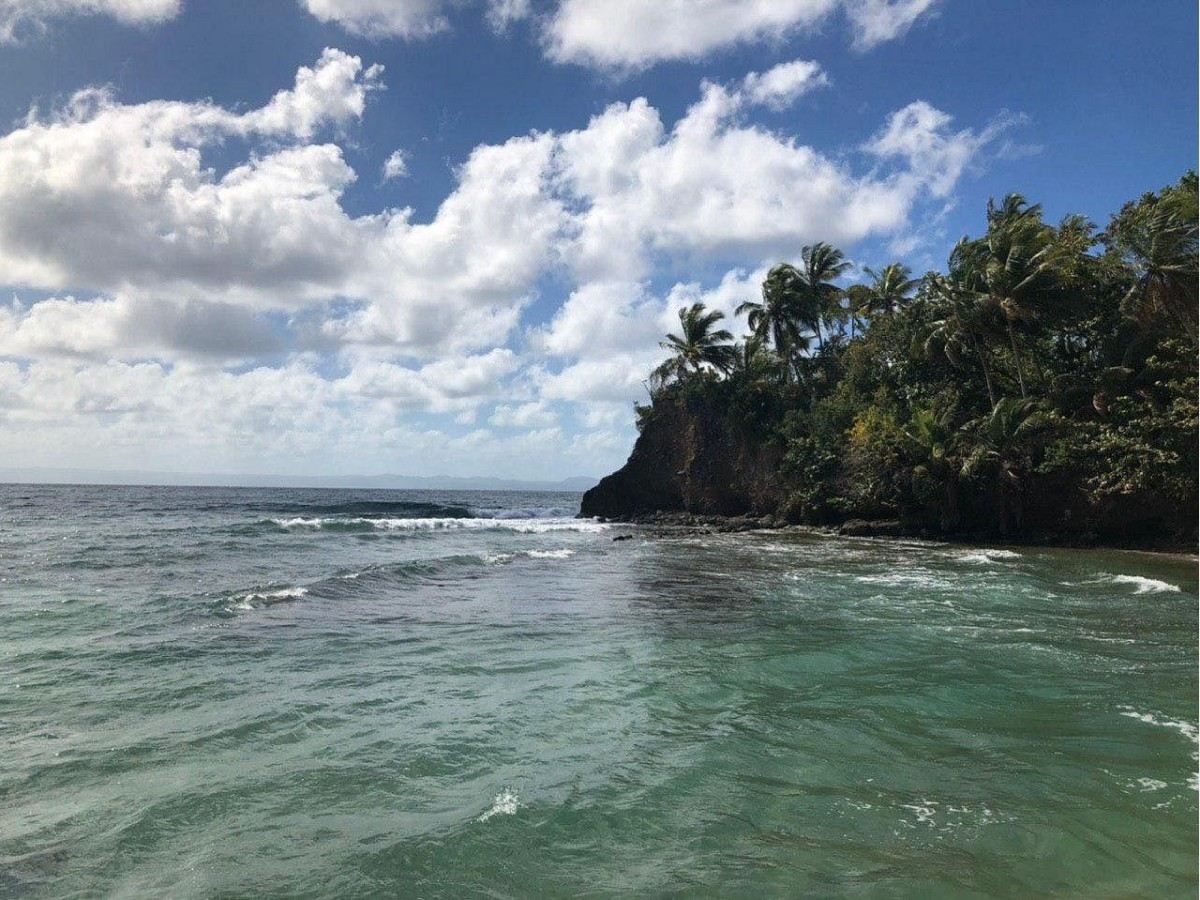
Reaching Samana Bay is more convenient than you might imagine. If departing from the capital, Santo Domingo, there is a highway available, with a travel time of approximately 2.5 to 3 hours. Another option is to hire a car from Santiago or Punta Cana, with equally scenic views along the way.
If you arrive at the local Samana International Airport (Aeropuerto El Catey), the journey is even more convenient, as the airport is approximately a 45-minute drive from Samana Town, making it an ideal starting point.
In terms of accommodation, Samana town offers a variety of mid-range hotels and boutique guesthouses. For those seeking a more resort-like experience, there are luxury hotels along the bay, such as resorts near Las Galeras or Cayo Levantado.
For dining, why not try a seaside BBQ? Freshly grilled lobster, coconut rice, and spicy coconut chicken soup are local delicacies. In the evening, take a stroll along the Malecón seaside promenade in the town center, where you may occasionally encounter street bands playing local merengue or bachata music.
If you're tired of rushed trips filled with “must-visit” spots and “five attractions in one day,” consider adding Samana Bay to your travel list. Here, there are no bustling cruise ship ports or flashy resorts. Instead, you'll find the serene sounds of mangroves, the cool pools beneath waterfalls, and the thrilling moment when humpback whales breach the surface. As you stroll along hidden paths, you'll discover that the most beautiful landscapes are often the ones that quietly remain untouched.