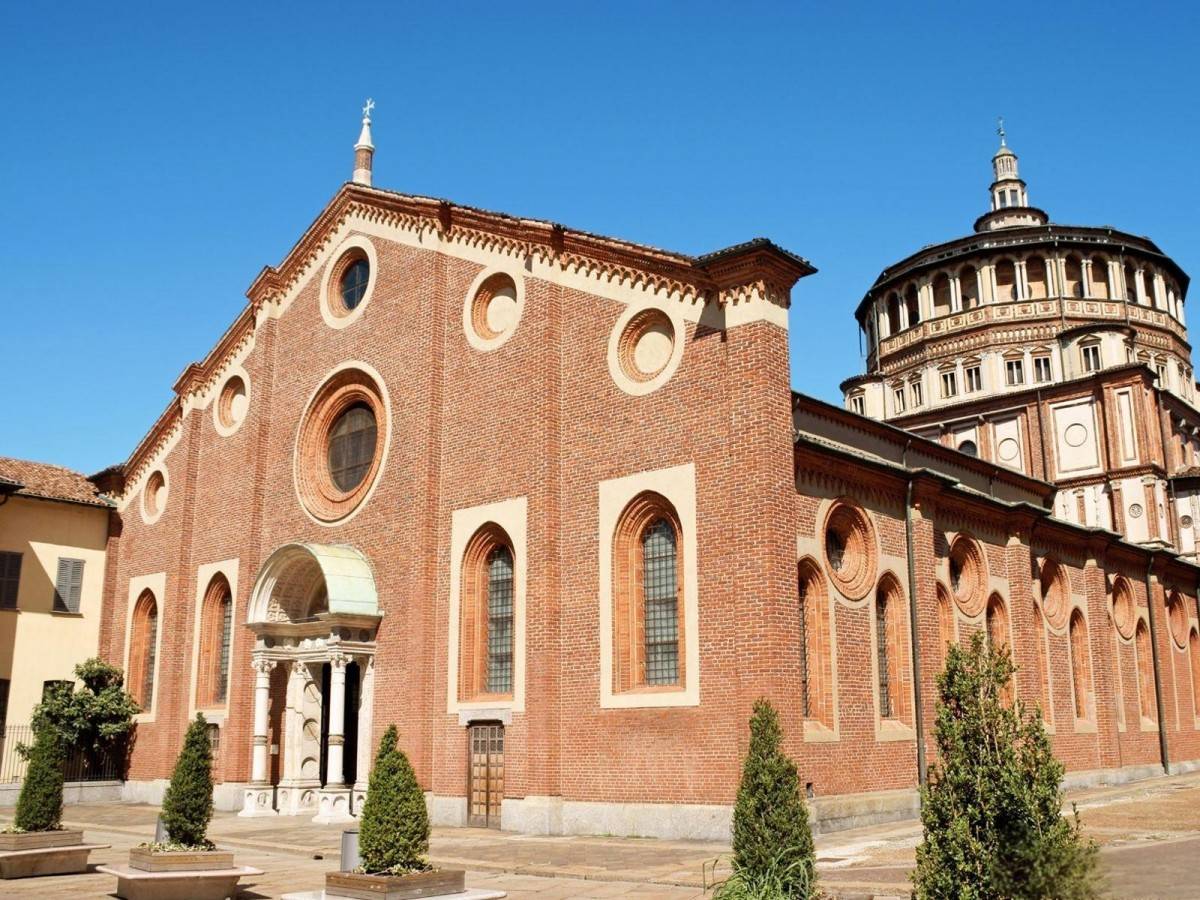
When Milan's fashion windows are flashing on Via Montenapoleone, just walk northwest for 15 minutes and you will encounter a building that freezes time - Santa Maria delle Grazie. This red brick church seems low-key, but it was selected as a World Cultural Heritage in 1980 together with the Mogao Grottoes in Dunhuang. One morning in 1498, Leonardo da Vinci put down his brush here and completed the most famous puzzle in the history of human art, "The Last Supper". Today, more than 400,000 tourists hold tickets booked months in advance every year, just to stay in front of this mottled wall for 15 minutes and witness 500 years of time flowing in the cracks of the paint. The story here is far more than a mural. The church building itself is a living fossil of the Renaissance. The dome designed by Bramante once made Michelangelo stop and marvel, and the corridors are still filled with the herbal fragrance of the 15th-century monastery. Following this guide, you will unlock the correct posture of art pilgrimage: from understanding the mathematical beauty in the architectural code to discovering the psychological map of the twelve disciples hidden in "The Last Supper", and even encountering restoration experts under the dome to reveal Leonardo da Vinci's "failed experiment". Now, let's push open this iron door carved with grapevines!
Advertisement
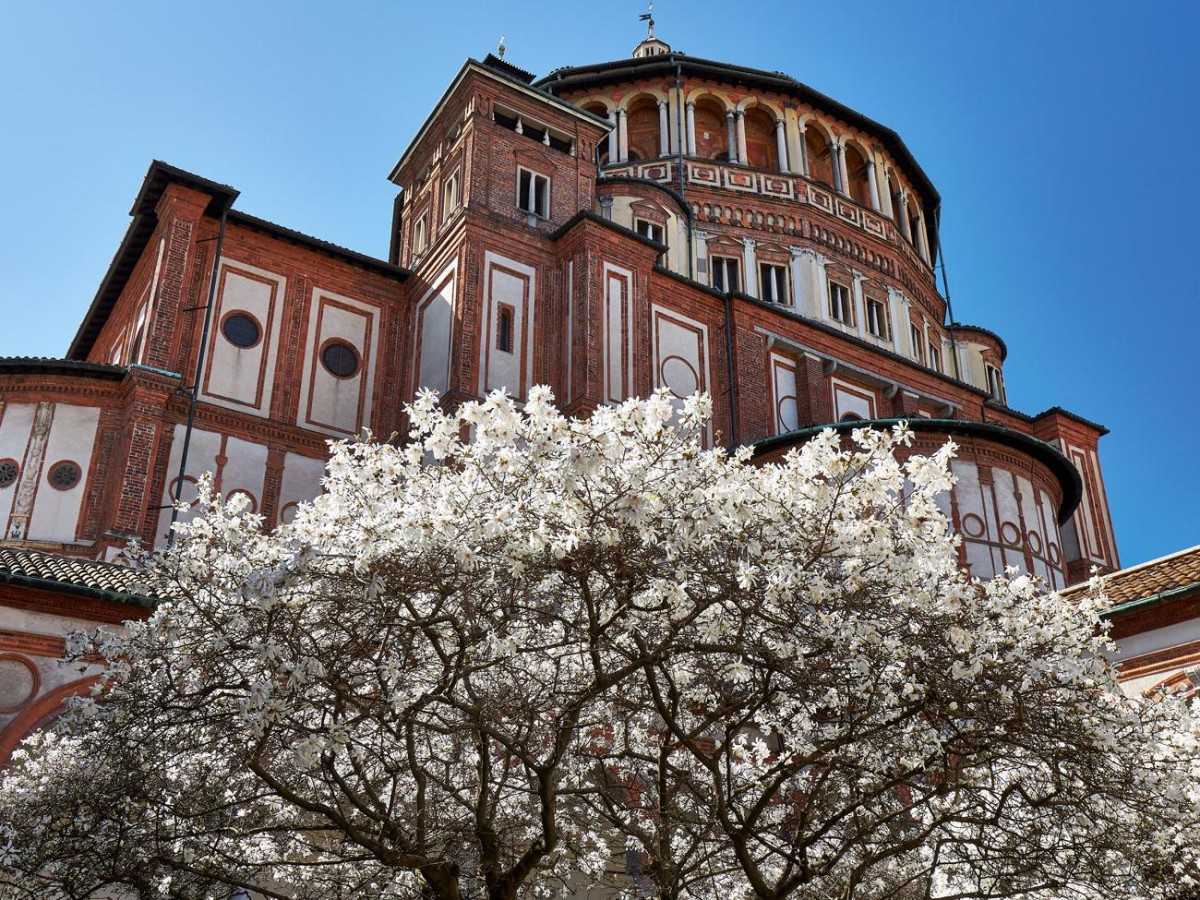
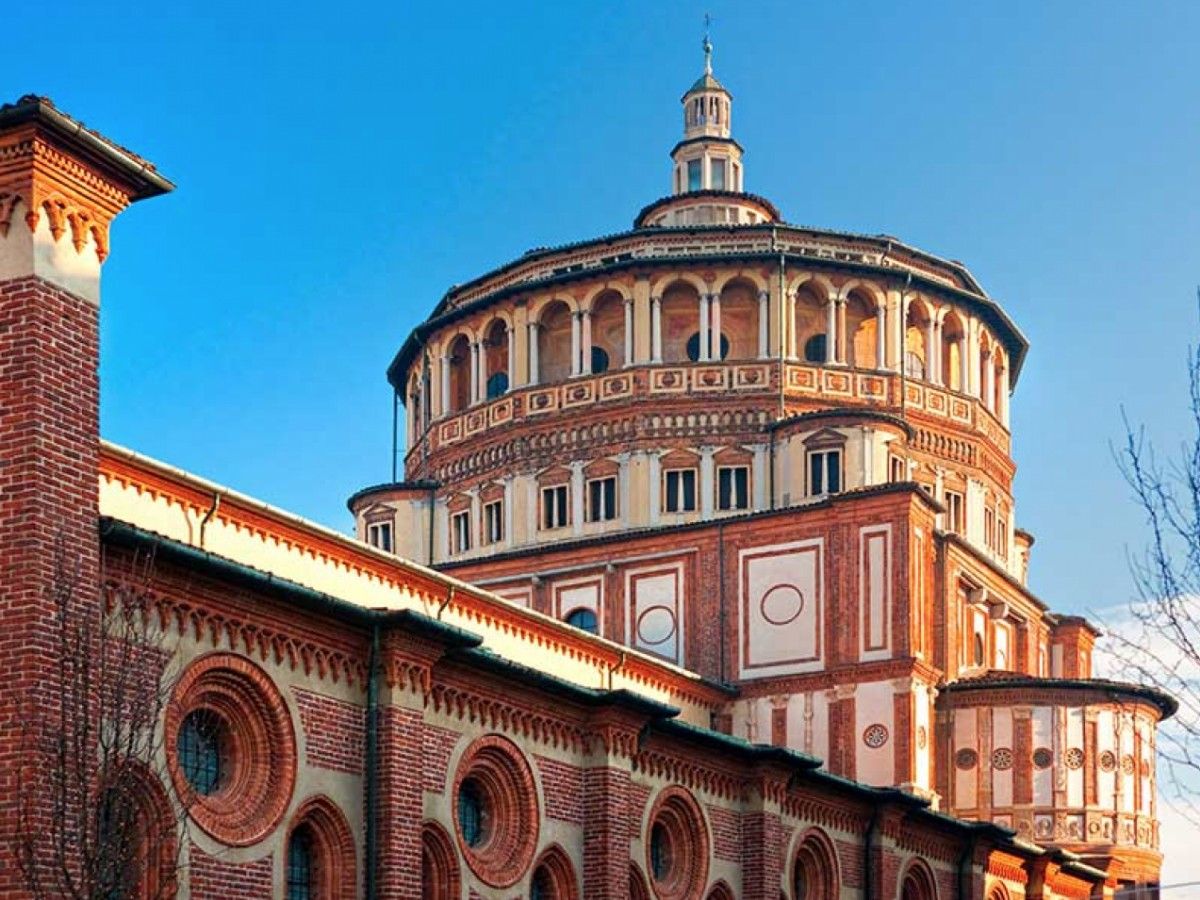
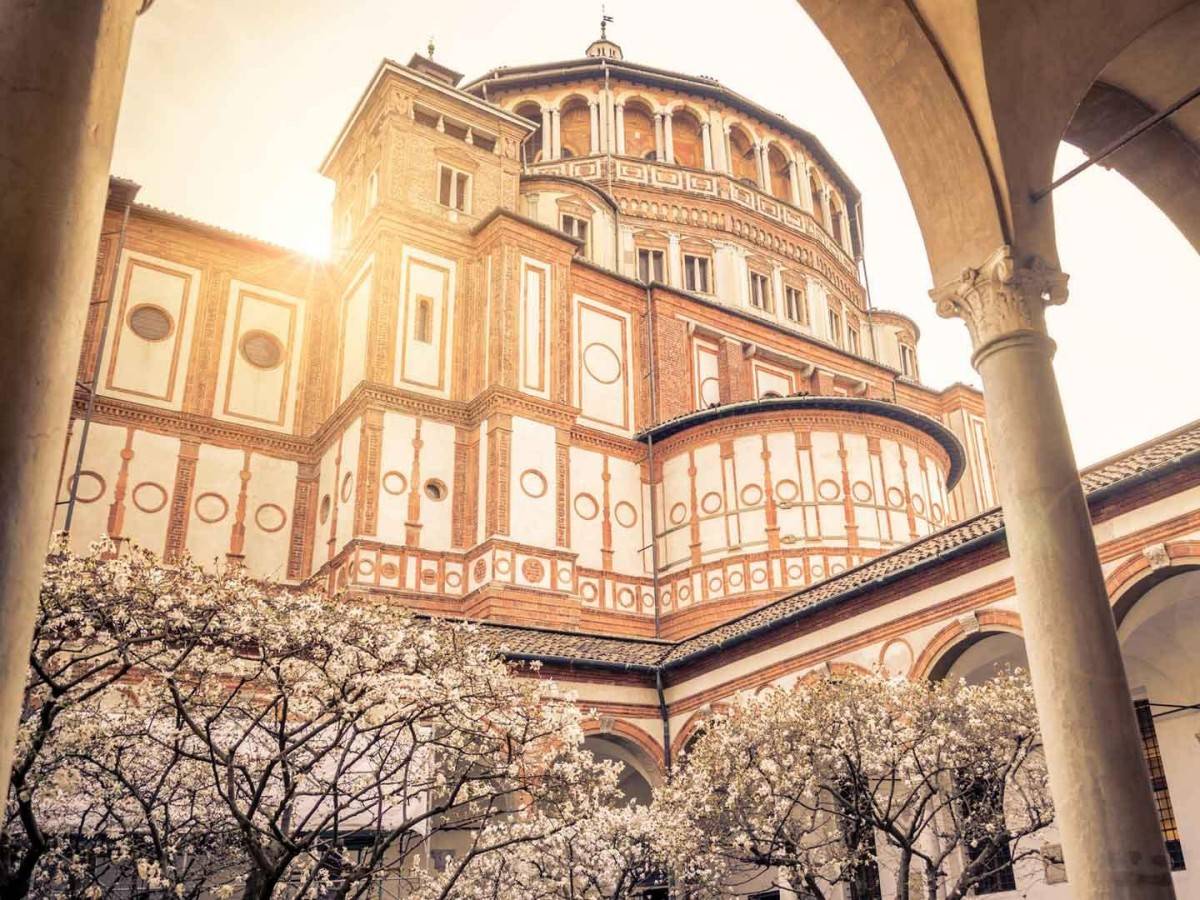
The architecture of Santa Maria delle Grazie is itself a fine work of art. The main facade of the church adopts the typical Lombard Gothic style, and the exquisite rose window and elegant arcade complement each other. The octagonal dome designed by Bramante is a miracle in the history of architecture. Its perfect geometric proportions and exquisite lighting design show the ultimate pursuit of beauty by architects in the Renaissance.
Advertisement
The interior space design of the church is ingenious, and the proportion of the nave and the side aisles is just right, creating a solemn and elegant atmosphere. The frescoes on the walls complement the exquisite stained glass windows, and the sunlight shines on the ground through the colored glass, forming a dreamy light and shadow effect.
The humanistic spirit of the Renaissance is reflected in every detail of the building. The carvings on the capitals are lifelike, depicting biblical stories and classical myths; the decorative patterns on the vaults are intricate and exquisite, showing the superb skills of the craftsmen. These details not only have extremely high artistic value, but are also important physical materials for studying the architectural art of the Renaissance.
The Last Supper on the north wall of the church restaurant is the pinnacle of Leonardo da Vinci's artistic career. This mural was created between 1495 and 1498, using a unique dry fresco technique to show the shocking scene of Jesus and the twelve disciples having their last meal together. Leonardo da Vinci broke through the limitations of traditional painting and gave the picture an unprecedented sense of space and drama through superb perspective techniques and light and shadow processing.
Advertisement
The expressions and postures of each character in the painting have been carefully designed to perfectly convey their respective psychological states. Jesus is in the center of the picture, with a calm and solemn expression; the expressions of the twelve disciples, who are shocked, angry, or confused, are lifelike. Leonardo da Vinci used delicate brushstrokes to freeze this historic moment forever.
In order to protect this precious art treasure, the church has taken strict protection measures. Visitors need to make an appointment in advance, and each visit is limited to 15 minutes, and must pass through a special air filtration system. Although these measures increase the difficulty of visiting, they ensure that this human art treasure can be passed on forever.
Visiting Santa Maria delle Grazie requires full preparation in advance. It is recommended to book tickets on the official website at least 2-3 months in advance, especially during the peak tourist season. Formal clothing is required during the visit, and flash photography is prohibited. The church is open from 8:15 to 18:45 from Tuesday to Sunday and is closed on Mondays.
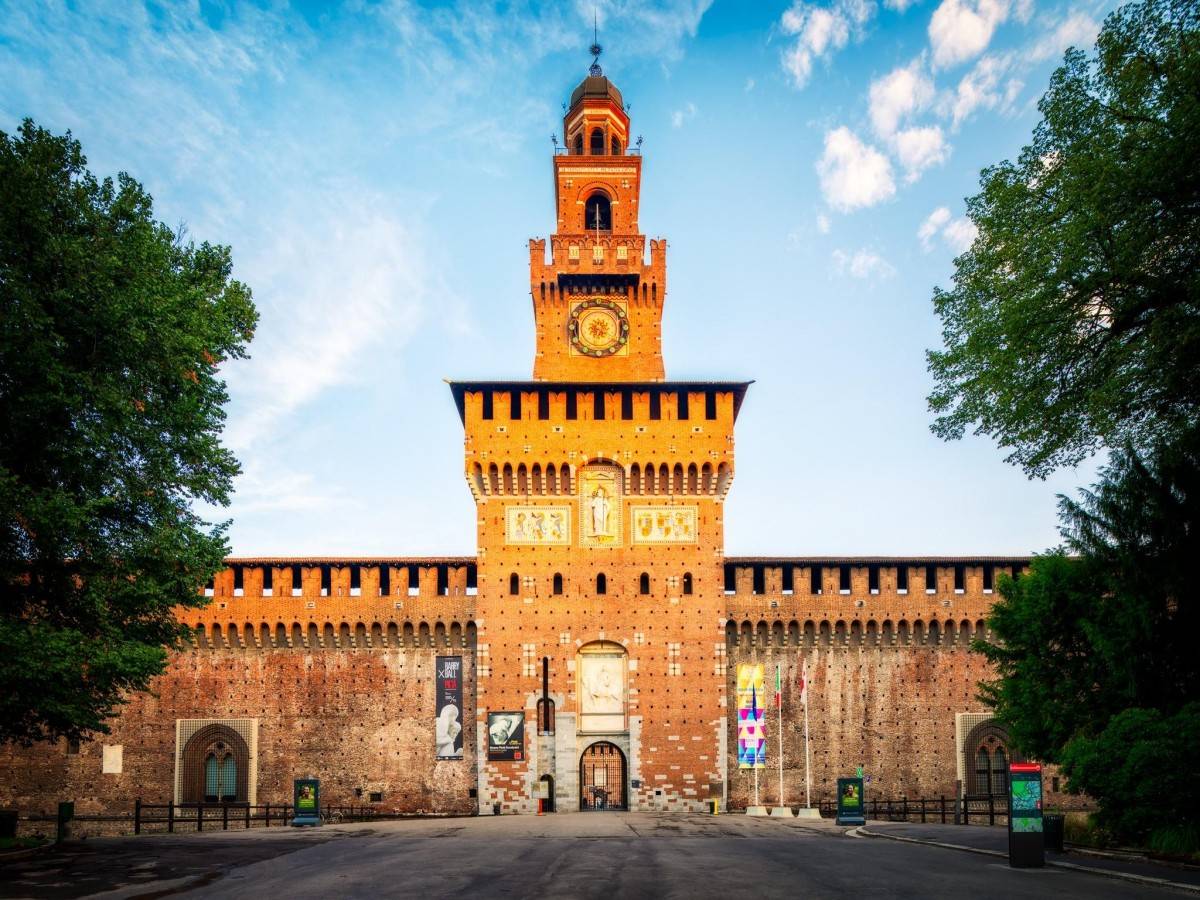
The surrounding supporting facilities are complete, and there are cafes and souvenir shops in the church square. It is recommended to go to the visitor center to pick up a guide book or rent an audio guide before visiting. There are also famous attractions such as Sforza Castle and La Scala Opera House near the church, which can be arranged to visit on the same day.
When visiting, you need to pay attention to keeping quiet and respect the etiquette norms of religious places. It is recommended to reserve at least 2 hours for the visit, of which 15 minutes are used to appreciate "The Last Supper", and the rest of the time can be used to savor the architectural art and historical atmosphere of the church.
Santa Maria delle Grazie is not only a religious building, but also the crystallization of human artistic wisdom. It witnessed the brilliant achievements of art and science during the Renaissance and carries the eternal pursuit of beauty by mankind. Standing in front of "The Last Supper", we seem to be able to hear the echo of history and feel the eternal charm of art across time and space. This art temple will continue to stand on the land of Milan, telling the world the glorious chapter of human civilization.