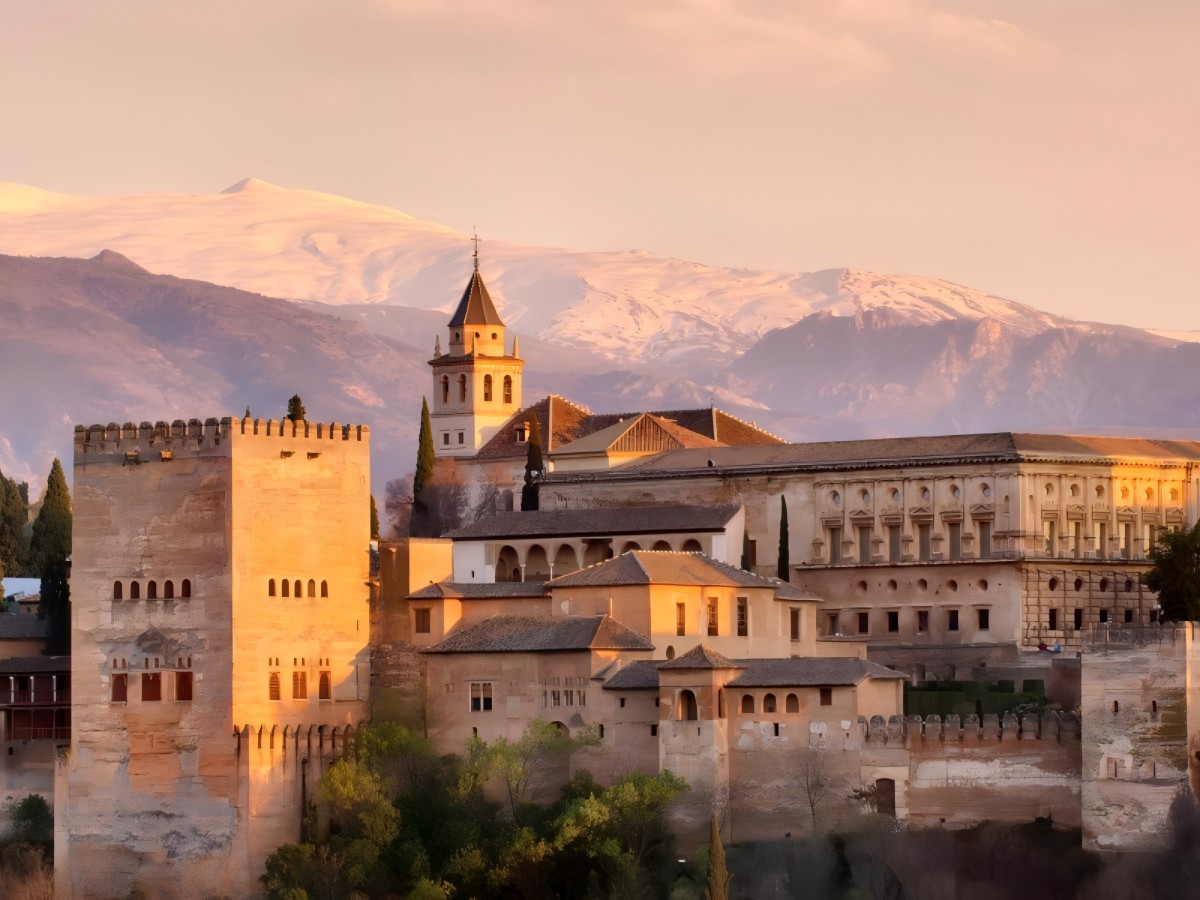
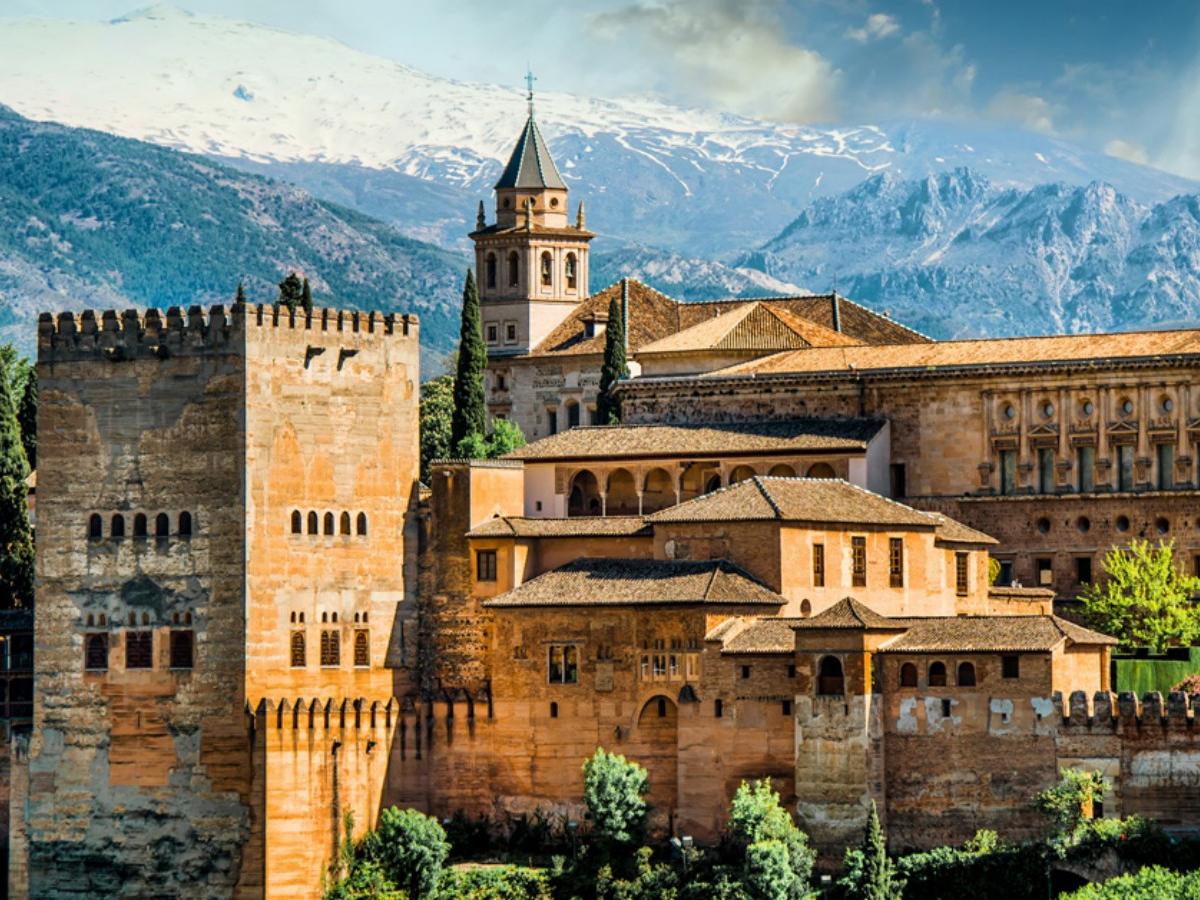
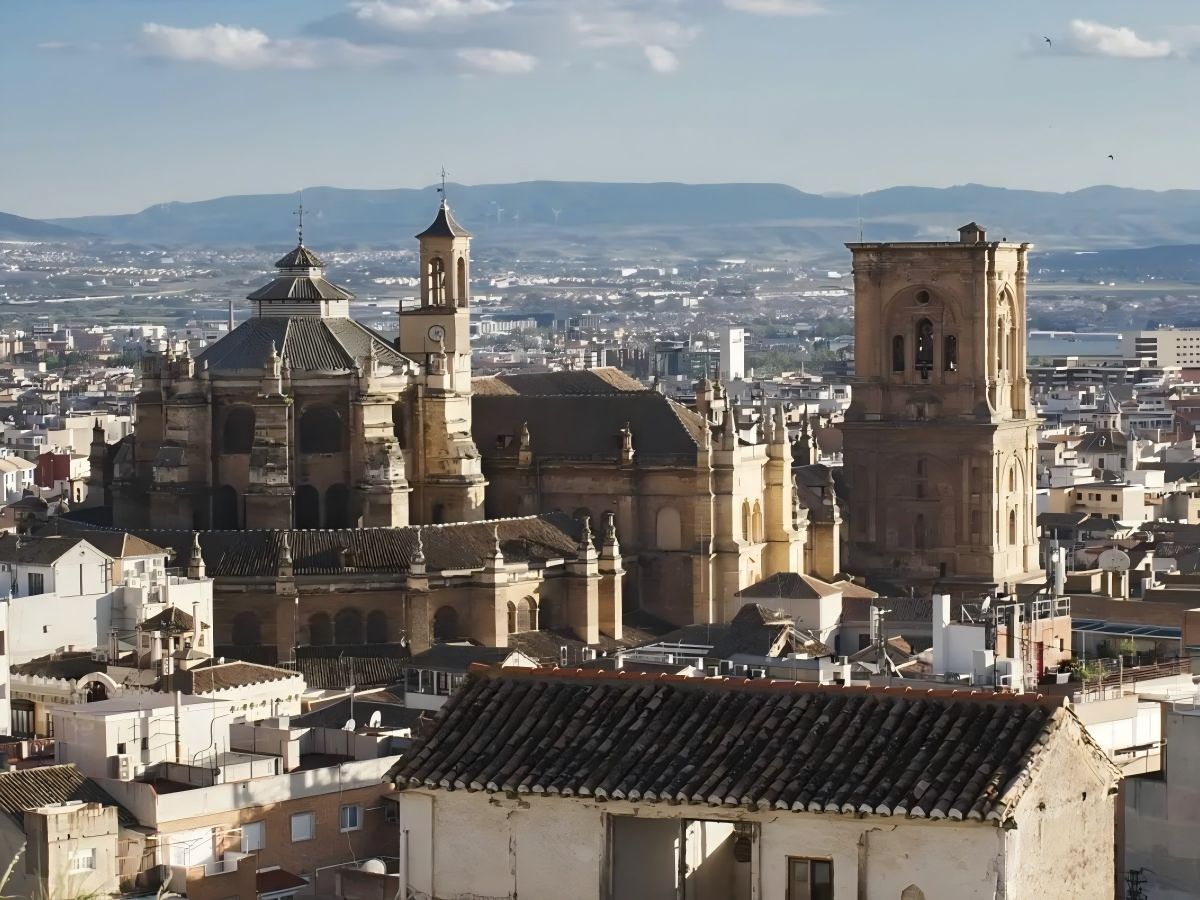
Granada, the jewel of Andalusia, ruled for centuries by the Moors, has witnessed both the glory of Islamic civilization and the return of Catholic rule. One of the city's most remarkable buildings is the Granada Cathedral. It is not only the pinnacle of Renaissance Spanish architecture, but also known as “one of the most beautiful churches in Spain” due to its exquisite decorations, grand scale and deep historical background.
Advertisement
The construction of the Cathedral of Granada began in 1523, at the end of the Spanish Reconquista, when the armies of the Catholic kings Fernando II and Isabella I captured Granada in 1492, putting an end to the Muslim rule on the Iberian Peninsula. To highlight the victory of Christianity, they decided to build a magnificent Catholic church in the center of the city to replace the original mosque.
Advertisement
The construction of the cathedral took nearly two centuries and the hands of several architects, evolving from its original design in the Gothic style to a fusion of Renaissance and Baroque styles. Its finalized exterior and interior make it one of the most important works in the history of Spanish architecture.
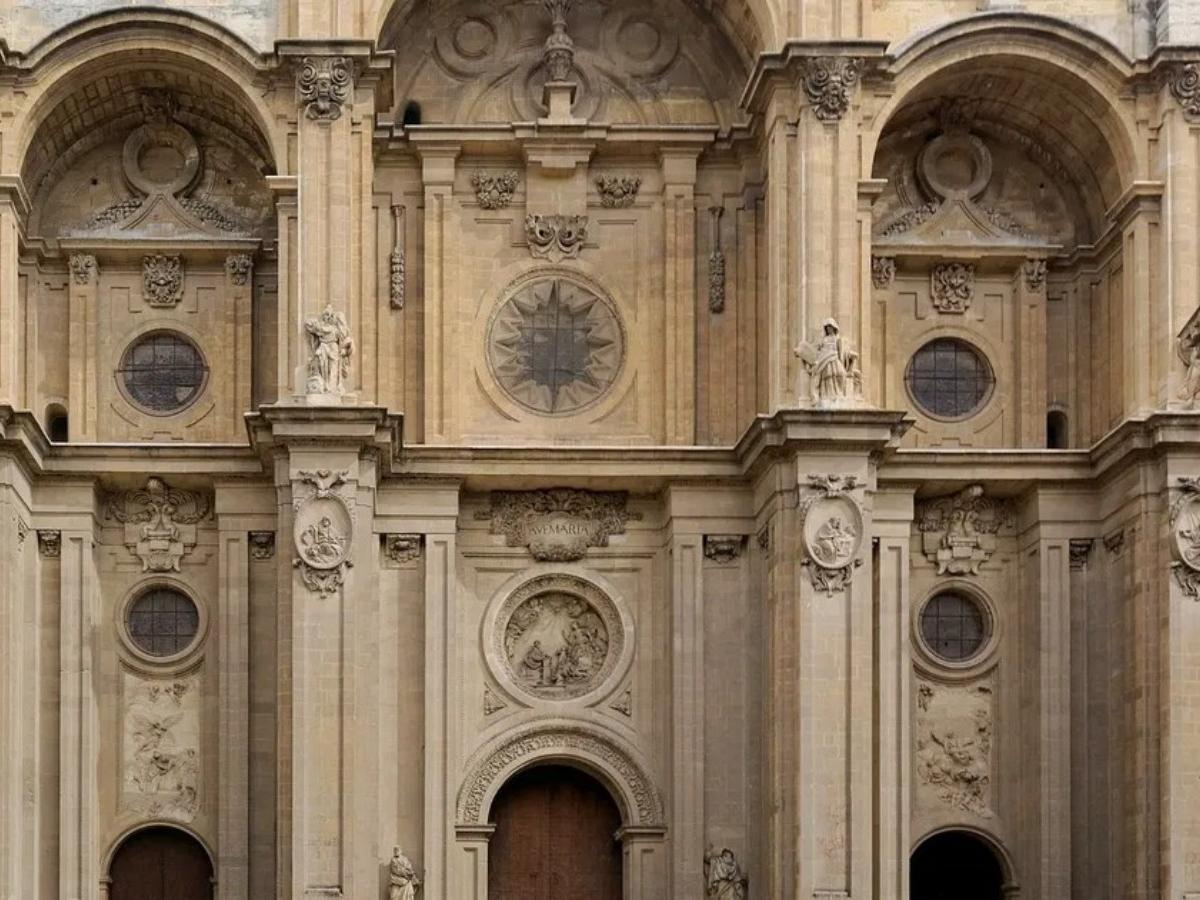
The magnificent façade of Granada Cathedral is, above all, the centerpiece of its charm. The front façade of the cathedral is tall and imposing, with beautifully carved stone columns, bas-reliefs and arches displaying the splendor and power of the Baroque style. Compared to the spires of other Gothic churches in Spain, Granada Cathedral emphasizes symmetry, smooth lines and balanced geometric structures, making its appearance both solemn and full of elegant rhythm.
Advertisement
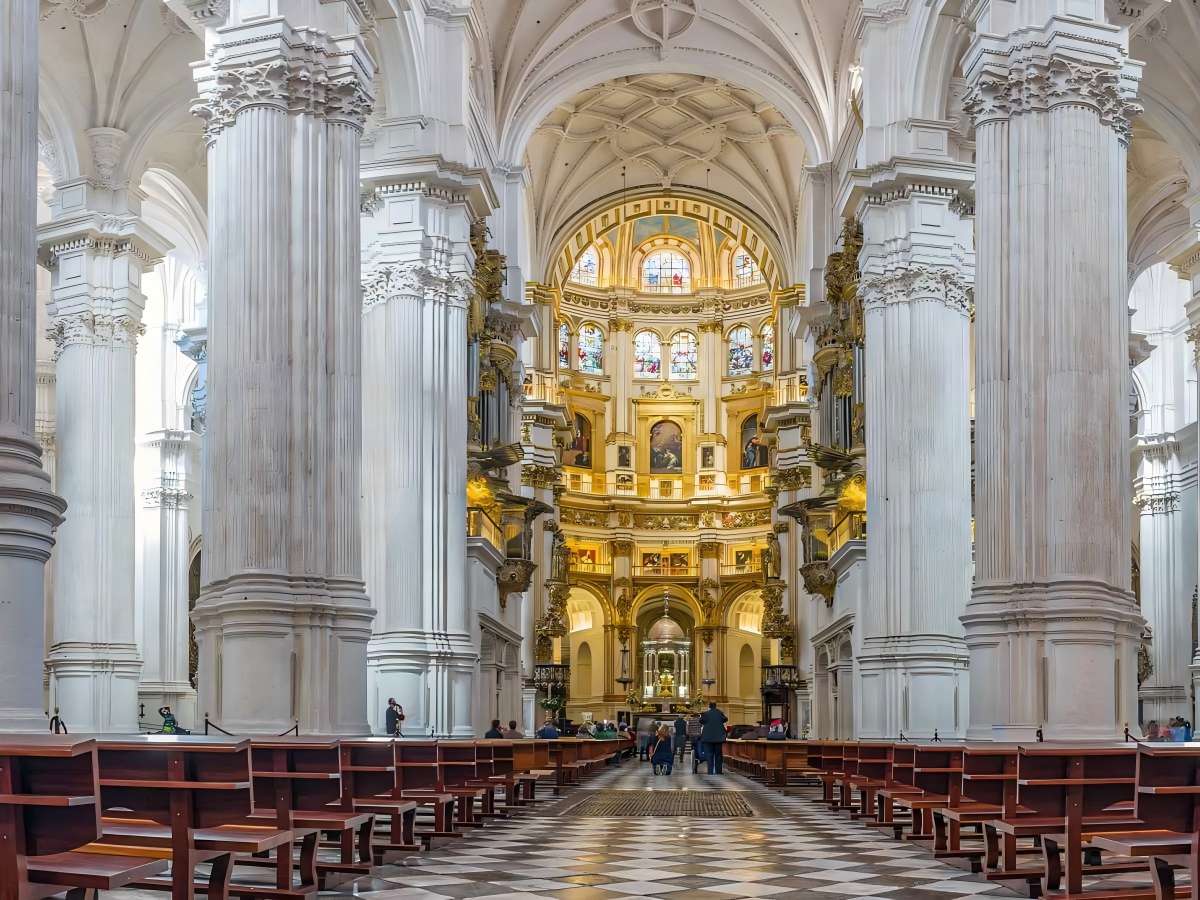
Inside, the first thing that strikes you is the dome, which is tens of meters high, and the stunning white marble structure. Light pours in through the soaring stained glass windows, making the space both sacred and serene. The massive columns and arched galleries around the main altar display the classic features of Italian Renaissance architecture, while the details of the carvings and gold leaf decorations have a distinctive Spanish Baroque flavor.
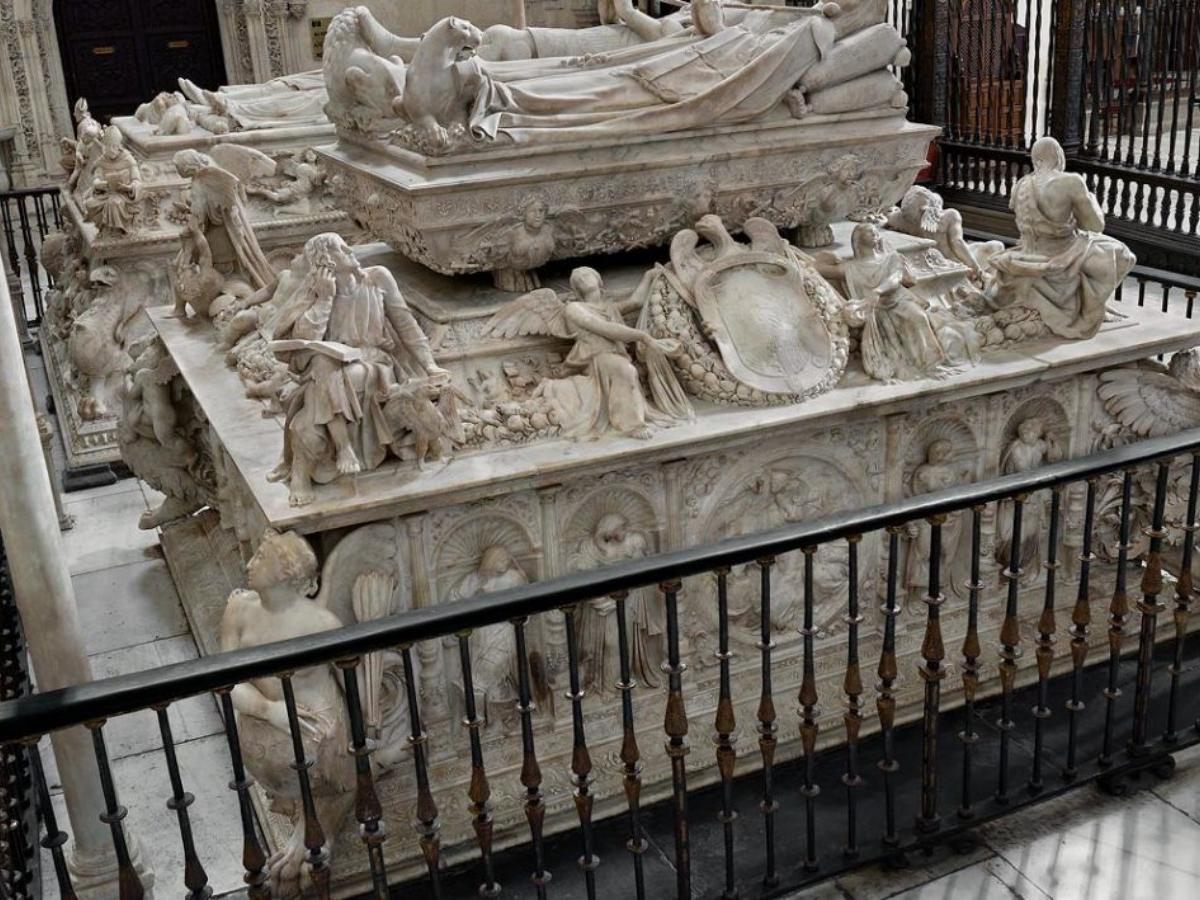
Granada Cathedral is not only a place of worship, but also a witness to Spanish history. The Chapel Royal adjacent to the Cathedral is one of the most important royal cemeteries in Spain, where the “Catholic Kings”, Fernando II and Isabella I, are buried. The couple not only unified Spain, but also contributed to Columbus's voyages, which ushered in an era of global expansion for Spain.
Inside the Chapel Royal is the sarcophagus of the two kings, delicately carved and imposing, showing the majesty and glory of their lives. Besides the Kings and their wife, their daughter Juana I and son-in-law Philip I are also buried here. Visitors can not only feel the solemn atmosphere of the royal tombs, but also get a glimpse of the history of Spain's Golden Age.
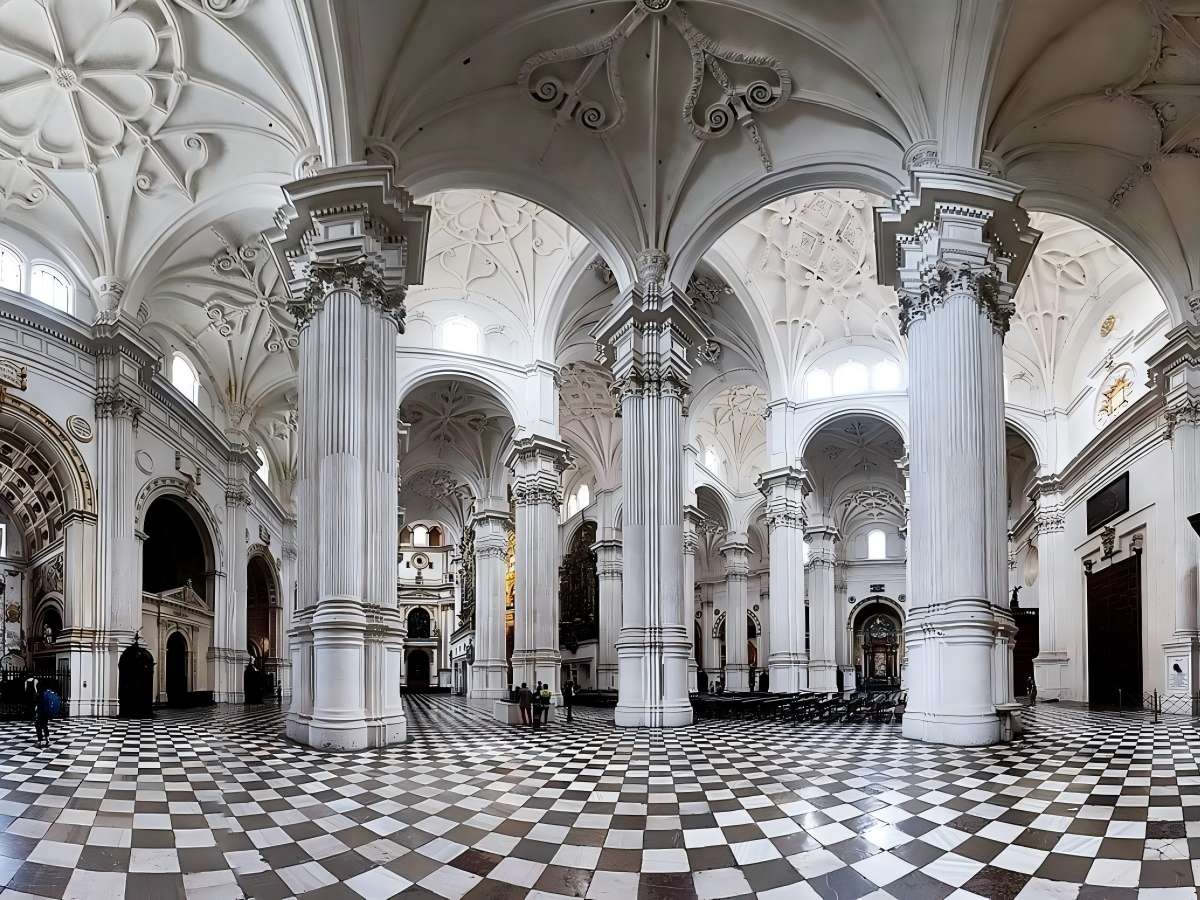
In addition to the architectural splendor of Granada Cathedral, the stained glass and paintings inside are also breathtaking. The sunlight pouring in through the colorful glass windows makes the whole church look like a dream. When you come here at different times of the day, the change of light and shadow will make the whole space show a very different atmosphere, creating a sense of sacred ceremony.
The interior of the church also houses many important works of art from the Renaissance and Baroque periods, including religious frescoes and sculptures painted by Alonso Cano. This 17th-century Spanish master artist was not only a gifted painter, but also one of the architects of the cathedral. His works perfectly combine the solemnity of religion with the delicate emotions of humanism, adding a unique artistic value to the cathedral.
There are many churches in Spain, but Granada Cathedral is known as “one of the most beautiful” because of its history, architecture, religious beliefs and cultural fusion. It is not only the pinnacle of Renaissance architecture, but also a historical monument full of legends, from the remains of the Moorish Empire, to the splendor of the Catholic dynasty, to today's pilgrimage of tourists from all over the world, each stone brick engraved with the traces of time. When traveling to Granada, whether it is to admire its architectural aesthetics, to listen to the sacred melodies of the organ, or to feel the weight of history in the Royal Chapel, every moment of the experience is unforgettable. It's not just a church, it's a glorious temple of faith and art that spans the centuries.