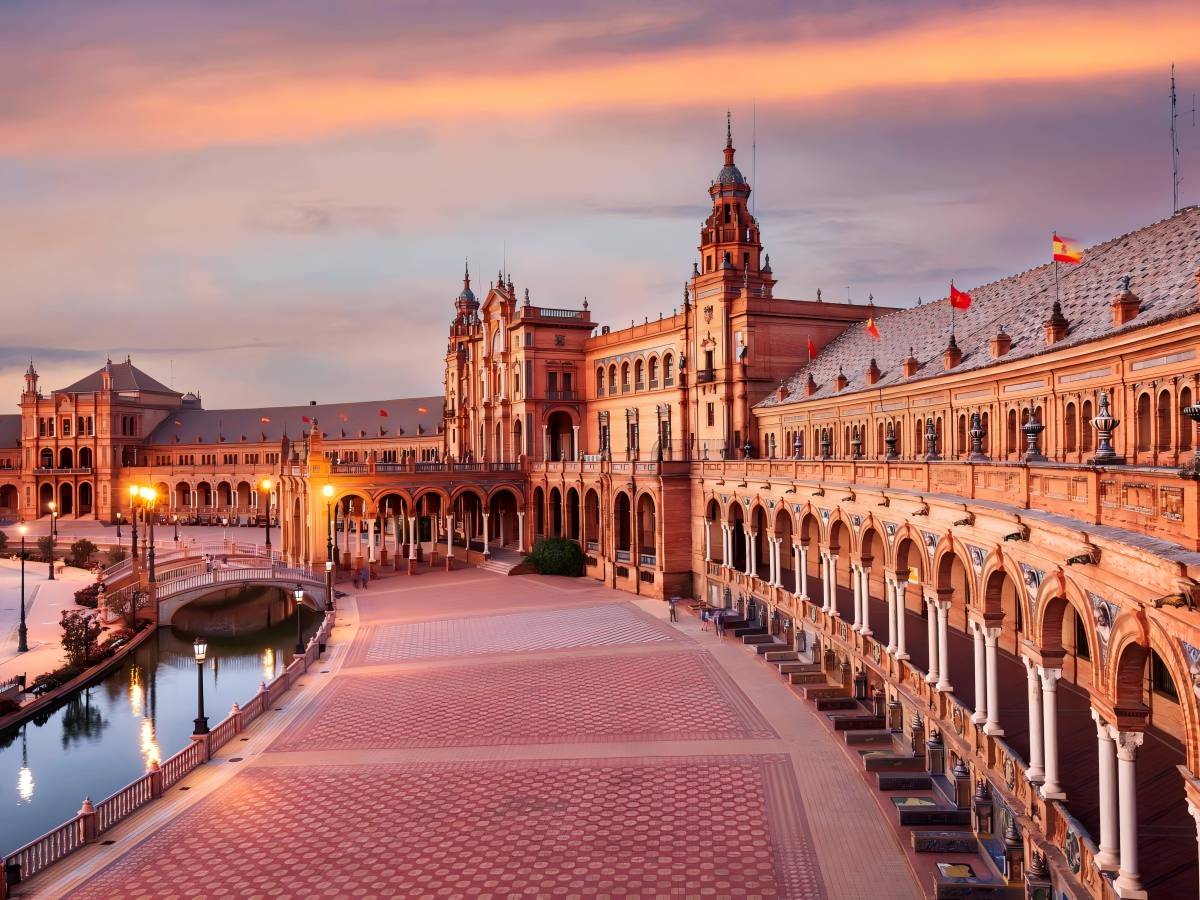
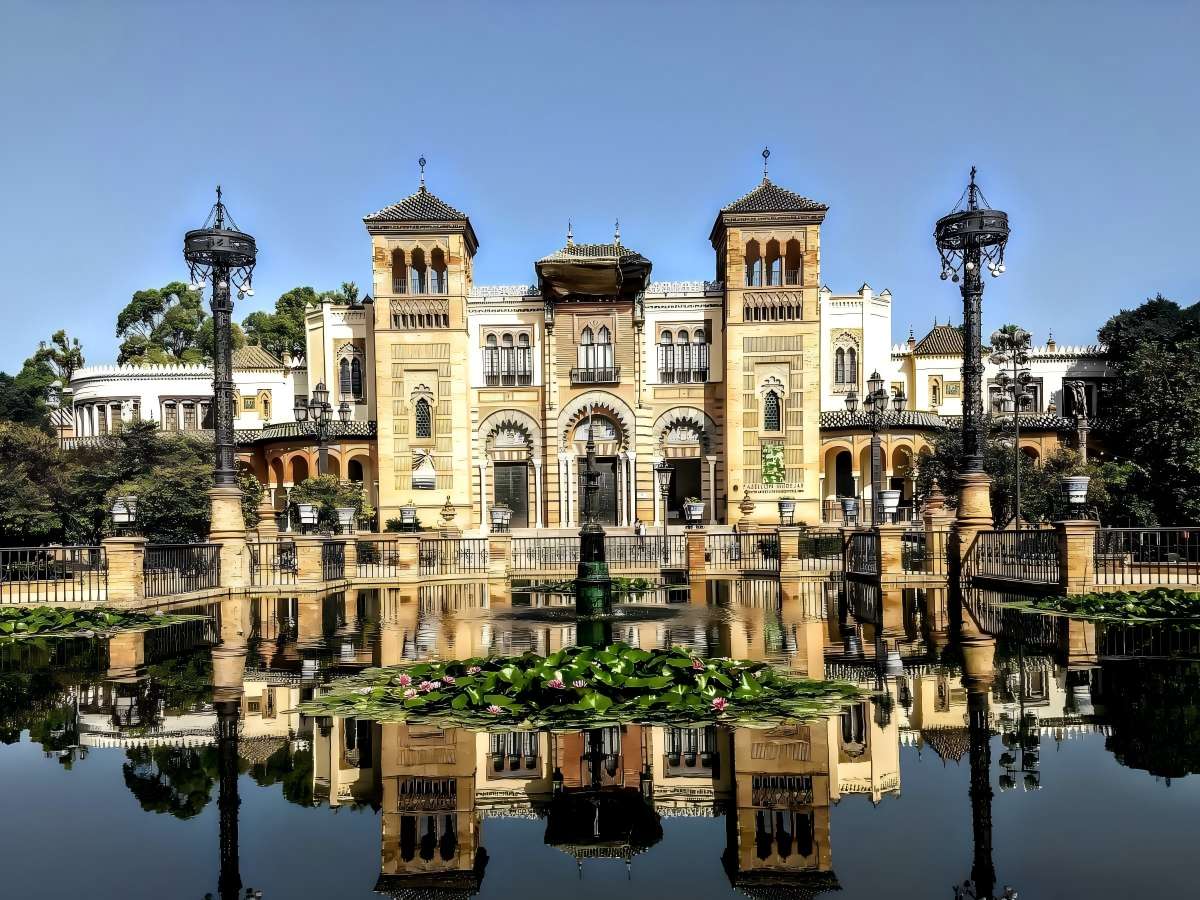
When spring breezes blow across the Iberian Peninsula, the air in Spain is filled with a solemn and sacred atmosphere. In the week before Easter, Seville celebrates Holy Week, the most important religious celebration of the year. The city, with its rich history and culture, is transformed for the week, its streets filled with devotees, robed ascetics, majestic processions of icons and pilgrims from far and wide. As the centerpiece of the festivities, Seville Cathedral not only carries the weight of history, but also serves as the most glorious stage for Holy Week celebrations.
Advertisement
One of the largest Gothic churches in the world, the Catedral de Sevilla was built in the 15th century on the site of a former mosque. The church is not only an architectural marvel, but also a symbol of faith. Every Holy Week, the church bells echo over the city, announcing the arrival of this great religious festival. Believers gather here to prepare for the days of processions, ceremonies and prayers.
Advertisement
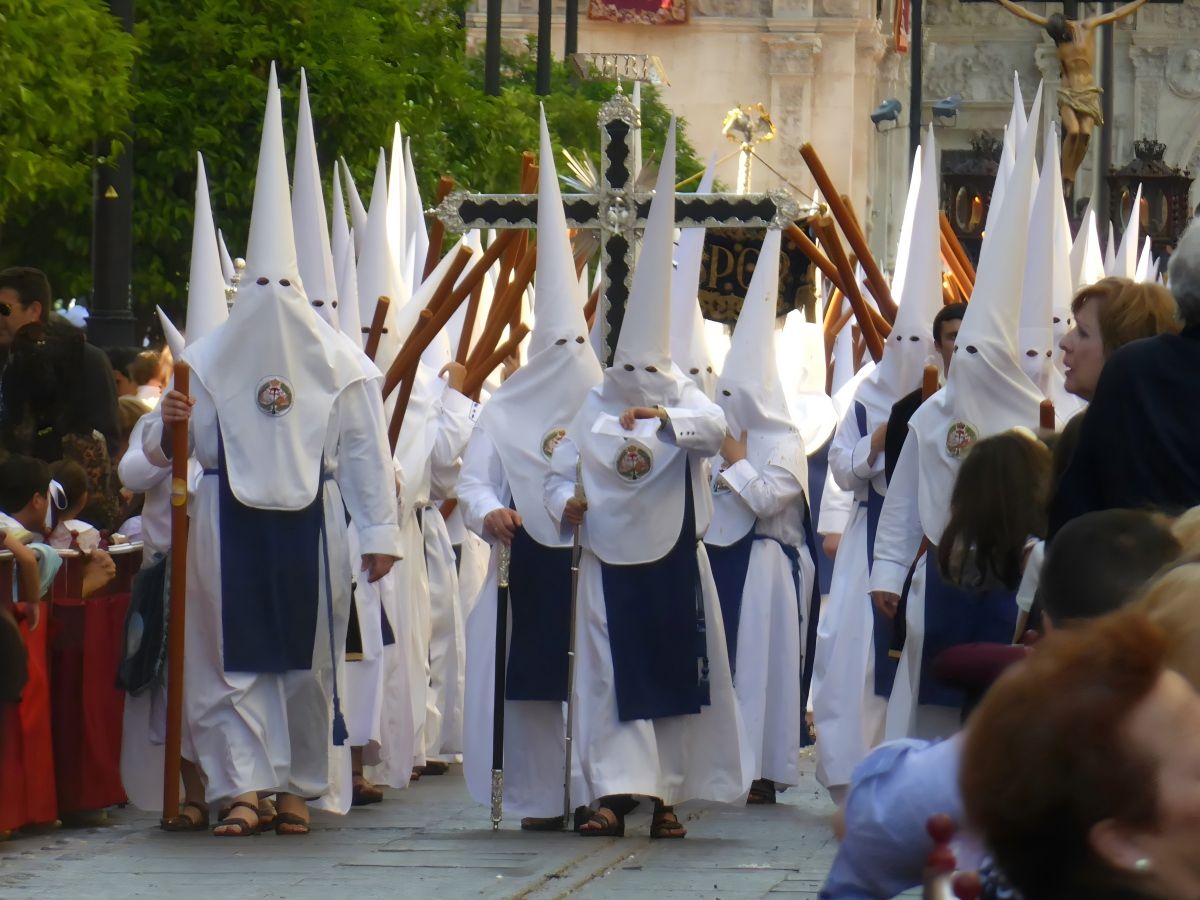
During Holy Week, there is no more striking sight than the processions of the various brotherhoods. Dressed in traditional robes and peaked caps, the ascetics march slowly, candles in hand, along carefully planned routes. Many walked with heavy steps, but still knelt and prayed with determination, expressing their reverence for their faith in the most devout way possible.
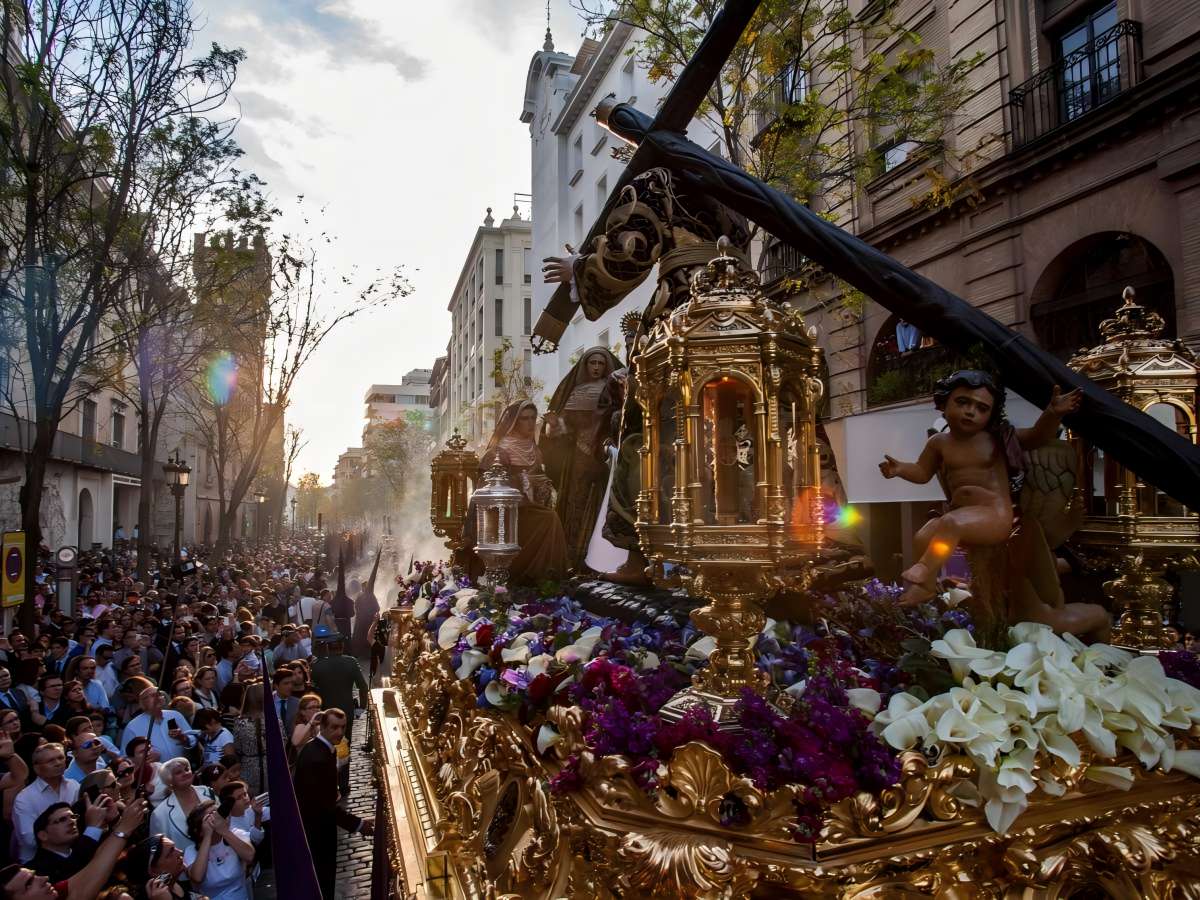
What really attracted the attention of the crowds were the icon floats. These huge floats are beautifully carved with scenes of the Virgin Mary, the Crucifixion or the Resurrection, ornately decorated and glittering with gold and silver. They are carried on the shoulders of dozens of strong bearers, moving slowly to a mournful marching song. The audience is moved by their sweaty, determined steps on a hot night.
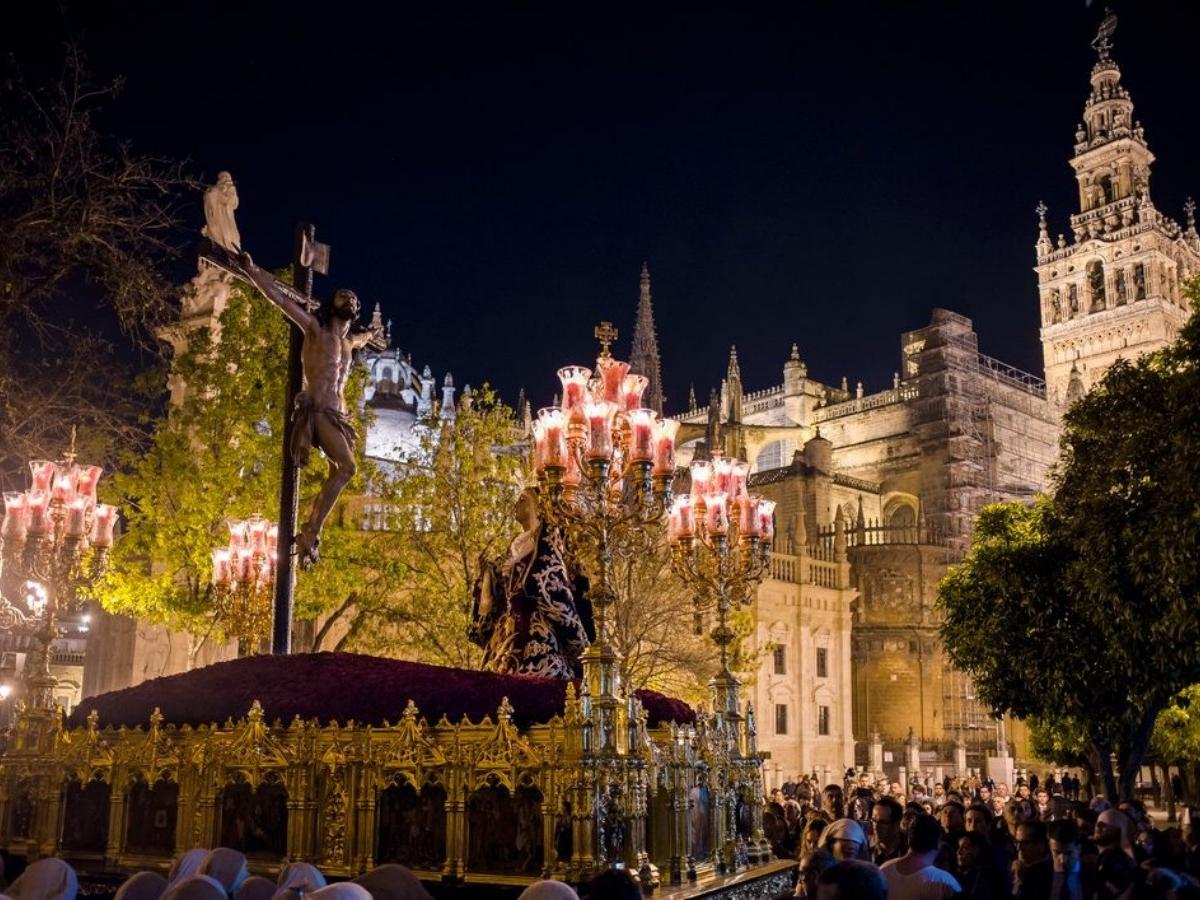
If the iconostasis floats are the visual feast of the Holy Week celebrations, then the melodious hymns are the soul of this spiritual baptism. During the Holy Week celebrations in Seville, one can hear the deep and touching “Saeta”, a traditional Andalusian hymn that is usually sung by devotees or singers during the procession.
Advertisement
The Saeta has a low, emotional melody, and most of the lyrics are about the crucifixion of Jesus and the Virgin's grief. The singer stands on a balcony or suddenly opens his voice in the crowd, and his high-pitched song penetrates the night sky, intertwining with the bells of the floats and the whispers of the ascetics, making the whole city seem to go back to the day when Jesus walked on the path of suffering.
This music is not just an expression of art, but a demonstration of faith. Many of the Saeta singers would burst into tears while singing, and the onlookers would cry along with them. At this moment, everyone is immersed in the same emotion: sadness, admiration, devotion, hope ...... All these complex emotions are transformed into a silent resonance that echoes through the stone streets of Seville on the night of Holy Week.
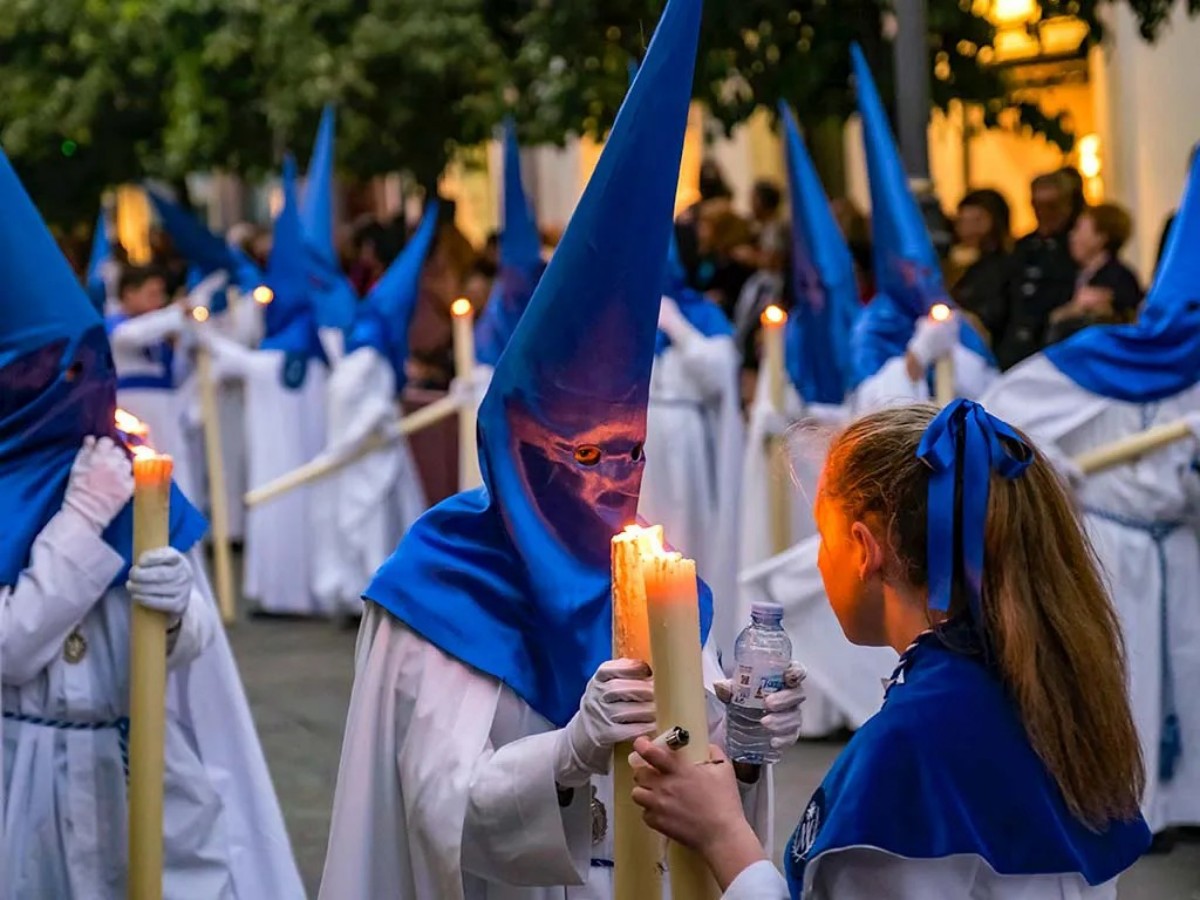
As night falls, the square in front of Seville Cathedral is gradually lit up by soft candlelight. Thousands of believers and tourists, holding candles, stand quietly on both sides of the road, waiting for the procession of icons to pass by. Between the interplay of light and shadow, the whole city seems to be transformed into a huge chapel, and everyone is immersed in the sacred atmosphere of religion.
Nothing is more impressive than the midnight procession on Holy Friday. This is the most solemn night of the entire Holy Week, symbolizing the crucifixion and death of Jesus. As the floats slowly pass through the main entrance of the cathedral, the faithful bow their heads in prayer, and the scene is silent, with only the dim light of burning candles reflecting on people's faces.
At this point, many of the participants in the procession had been walking for dozens of hours, but they still insisted on walking. This is not only a traditional ceremony, but also a test of faith. Even if they were physically tired, they still had to insist until the last moment, because for them, this was the deepest remembrance and veneration of the crucifixion of Jesus.
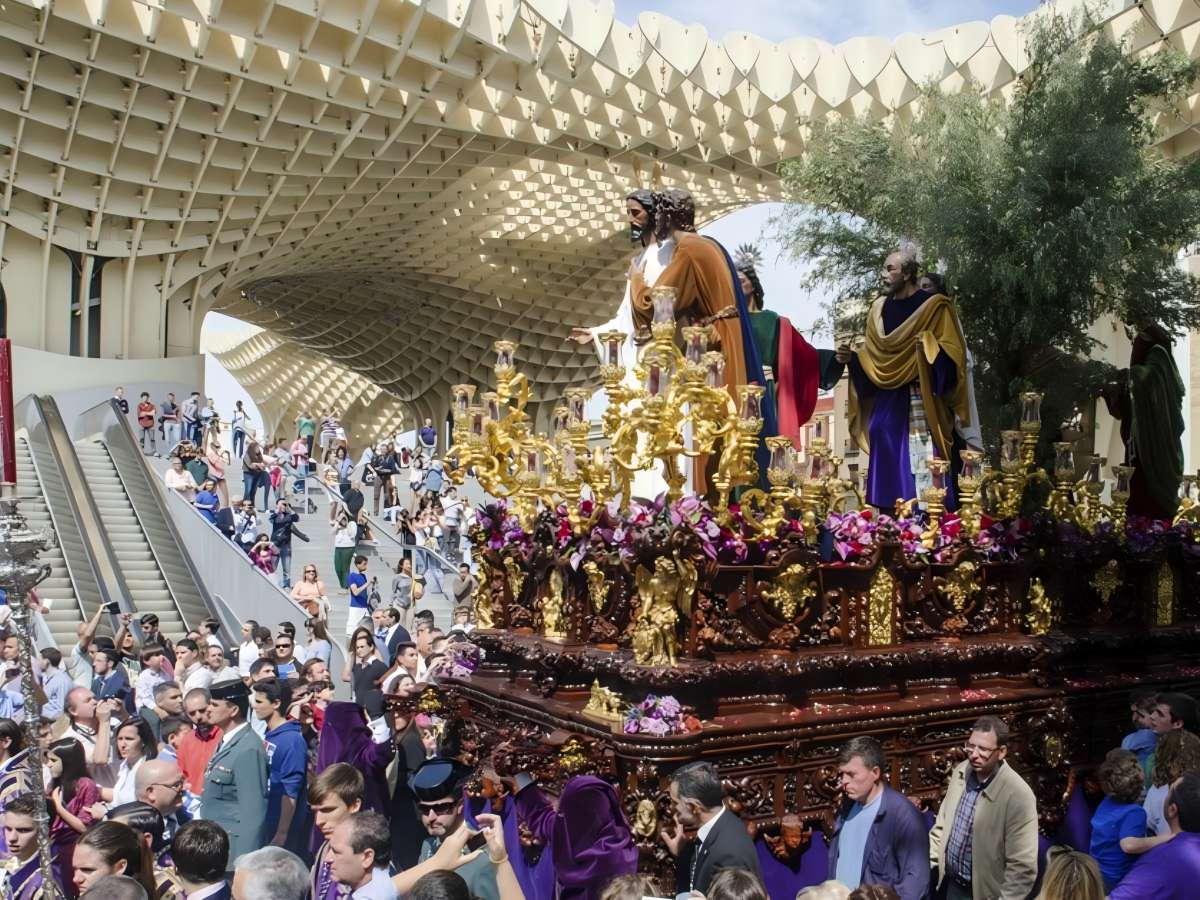
As Easter morning approaches, the bells of Seville's cathedral ring again, this time announcing the return of hope. People emerge from their grief to welcome the joy of Jesus' resurrection. The church doors reopen, the sun shines on the stone paved square, and people change into brightly colored dresses, with easy smiles on their faces.
At this point, a different scene begins to emerge on the streets of Seville - traditional flamenco dancers begin to improvise in the alleys, the sound of cheerful guitars emanates from the taverns, and tourists reoccupy the corners of the city, enjoying the warm spring sunshine that follows the festivities. Although the Holy Week celebrations have come to an end, the immersive religious experience, the passion for faith that burned during that week, remains in the hearts of all.
The Holy Week celebration is not only a religious ceremony, but also the deepest cultural expression of Seville. As the centerpiece of all this, Seville Cathedral is not just a building, it carries history, faith, art and emotion, and during Holy Week it becomes a bridge between the past and the present, the sacred and the mundane. Whether you are a believer or a tourist, if you stand in front of this Gothic cathedral, listen to the bells echoing and watch the icon pass by, you will be infected by the city's piety and passion. Holy Week is not only the biggest religious event of the year in Seville, but also a spiritual baptism of faith, perseverance and hope.