To be honest, originally I didn't have high expectations for the Olympic Museum in Lausanne. After all, I'm not a particularly passionate sports fan, and I didn't expect to be red-eyed at a medal display in a museum. But I didn't expect the visit to be one of the most unexpected and moving parts of my journey in Switzerland. It's not just about competitions and medals, it's about dreams, perseverance, and connections between people.
Advertisement
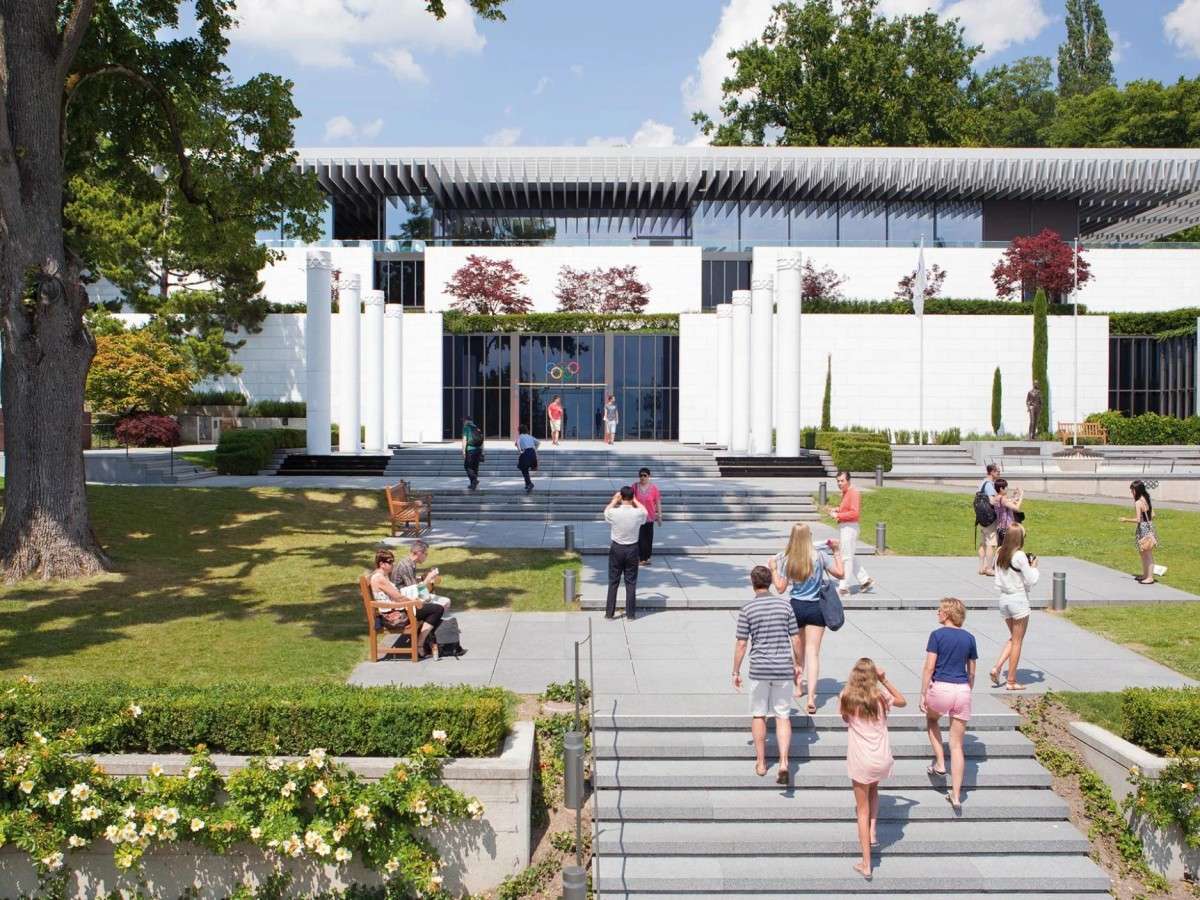
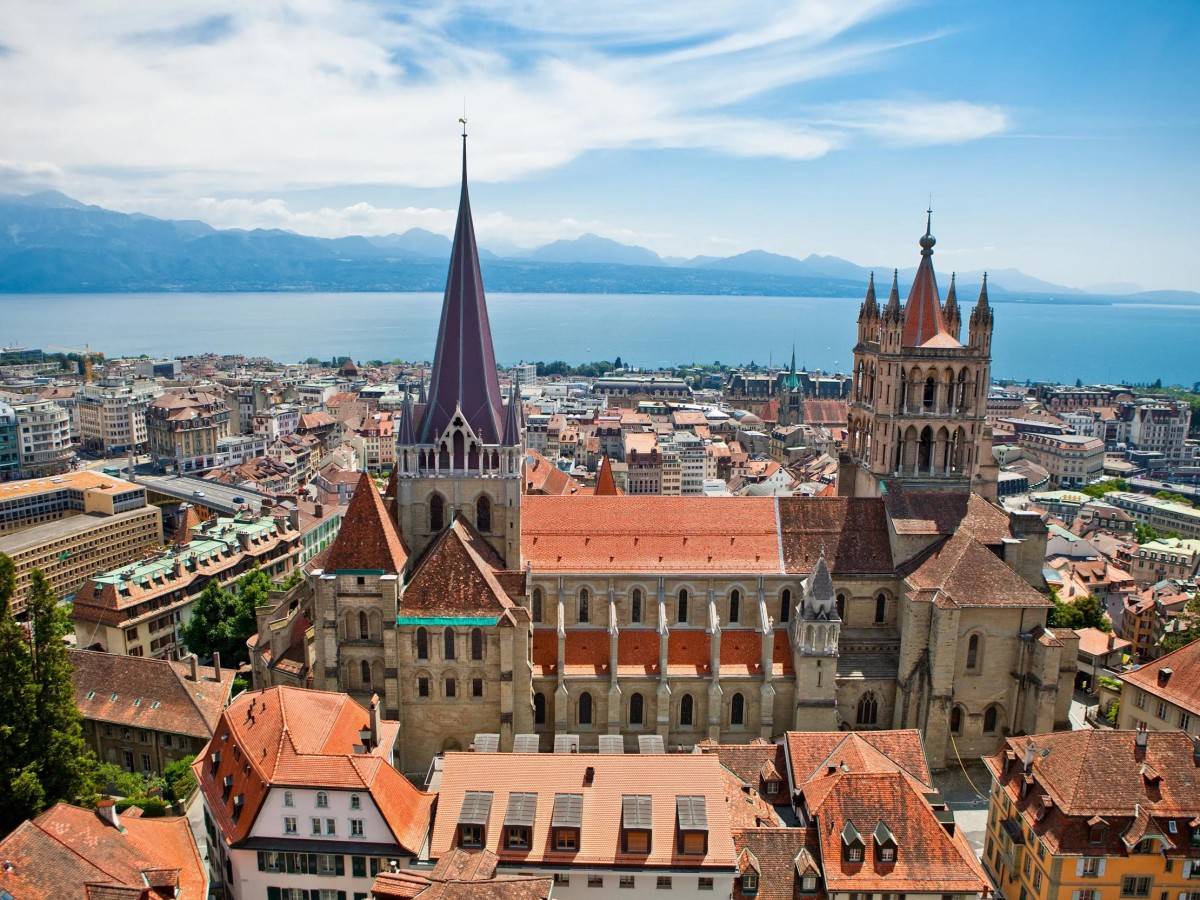
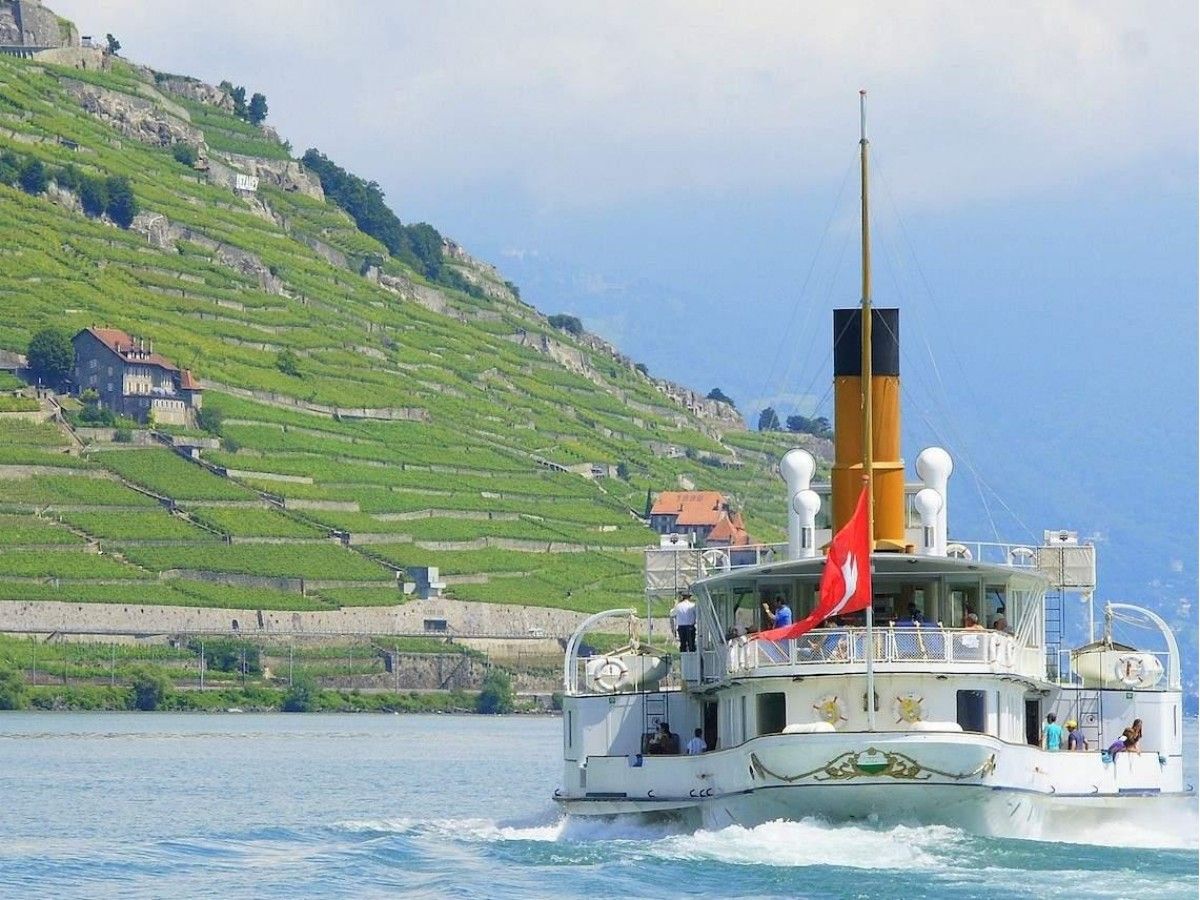
Lausanne, a small Swiss city, is the headquarters of the International Olympic Committee. Therefore, its relationship with the Olympics is not a “hot spot”, but a real foundation. 1993, the IOC simply set up the museum on the edge of Lake Geneva, facing the mountains and the lake. To be honest, the location alone is already half the battle.
Advertisement
As soon as you enter, you can feel that this is not a “cold exhibition hall”. Instead of the stacked museum of historical documents you'd expect, it's full of interactive installations, physical exhibits, and video clips that tell real and inspiring stories - not just about Olympic champions, but also about athletes who never made it to the podium, but gave it their best shot.
You'll see sports equipment from the ancient Olympian period, tickets and souvenirs from the first modern Olympics, designs from previous torches, and even footage from the opening ceremonies of each host city. Every detail is telling you: the Olympic Games are not far away from you and me.
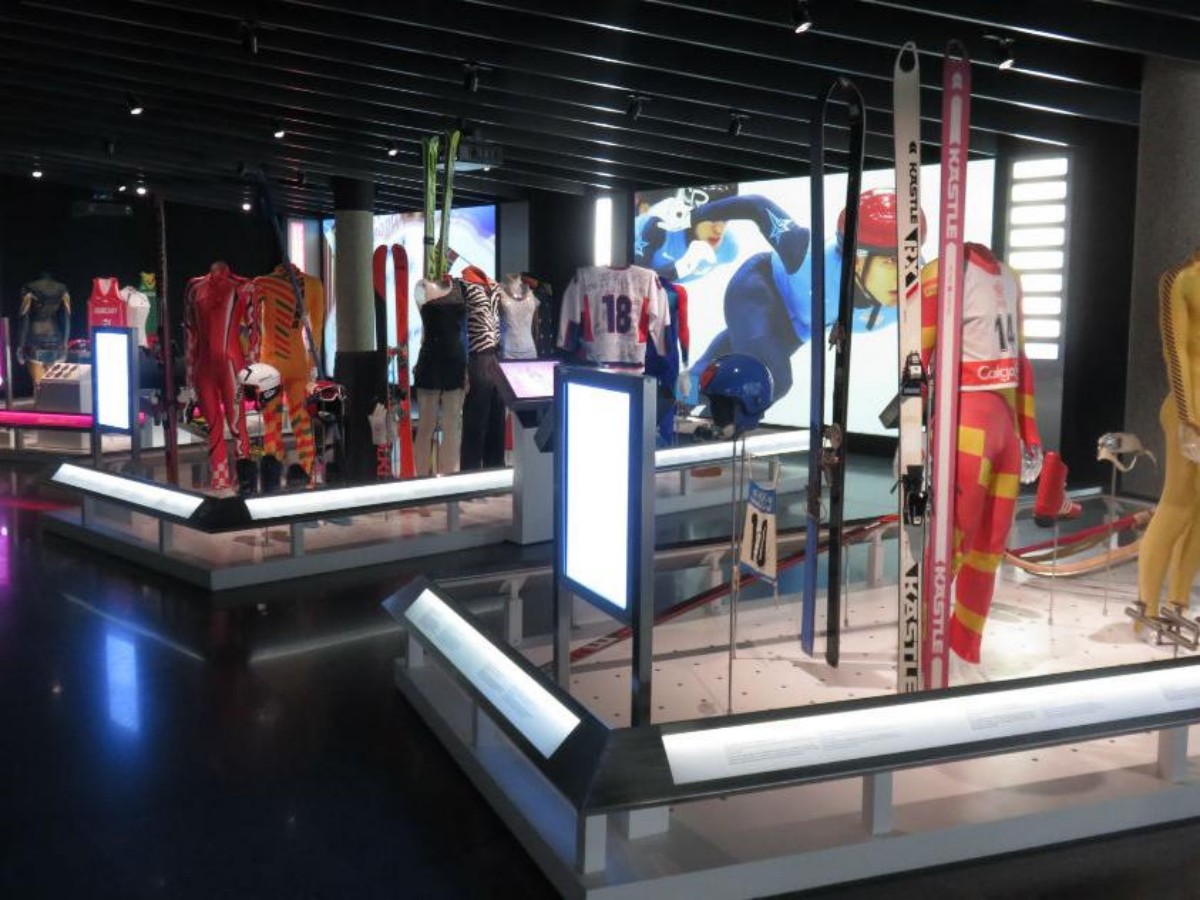
The whole museum is divided into three exhibition areas, designed with a sense of rhythm:
Advertisement
The first layer: the history of the Olympic Games
This level is more like telling “how the Olympics came to be”. Instead of reading from a textbook, it tells the story of the development of the Olympics from Ancient Greece to modern times. You can see those “ancient” running shoes, discus, medals, watching, it is like catching up with an extra-long version of “Hot Fuzz Anime”.
I was particularly impressed by one part of the movie: it talked about an African runner who broke his ankle at the end of a race, but insisted on limping to the finish line, and the audience gave him a standing ovation. The audience gave him a standing ovation. At that moment, you will realize that the Olympics is not about “winning”, but about “finishing”.
Level 2: Olympic Spirit and Athletes
Here, the costumes and equipment for various sports are displayed, as well as simulated training equipment. You can even try to “measure your reaction speed” or “feel the heartbeat at the start of track and field”.
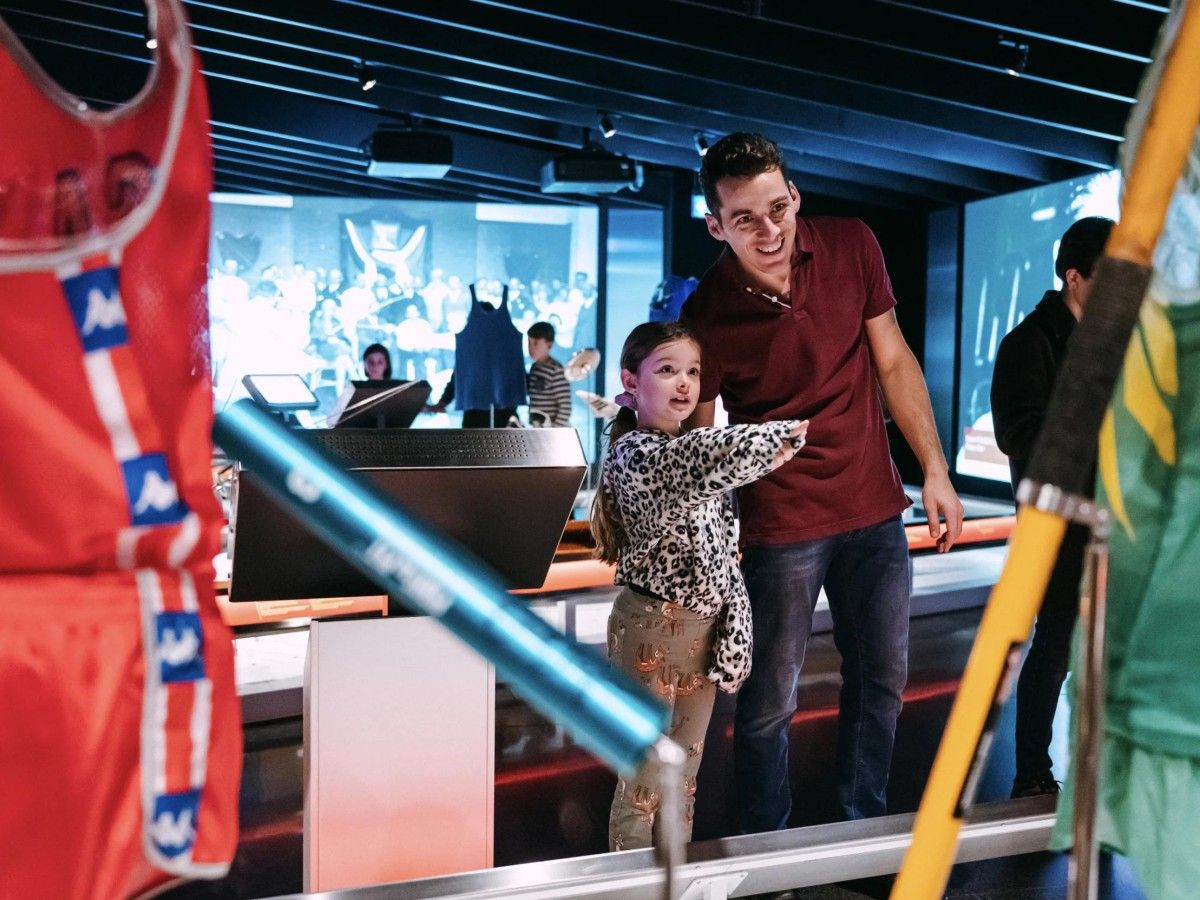
The interactive screen on the wall has a lot of little surprises, for example, you can click into the story of an Olympic athlete to see his/her training routine, challenges, and even a message from the coach. The “human touch” is my favorite part, not just the heroics, but the jigsaw puzzle of life.
Layer 3: Behind the Scenes and Legacy
This layer is kind of like an “emotional conclusion” to the whole Olympic journey. You can see behind the scenes of the Olympics, such as broadcasting technology, choreography, the evolution of the mascot, as well as the stories of many volunteers and staff. It tells you that behind the glamorous stage, there are countless people who work silently.
The last space on the whole floor is a circular projection hall, playing a short film edited from various Olympic clips. It was magnificent and full of emotions. At that moment, even I, who usually don't watch much sports, had a warm feeling in my eyes and was really “cured by the Olympic spirit”.
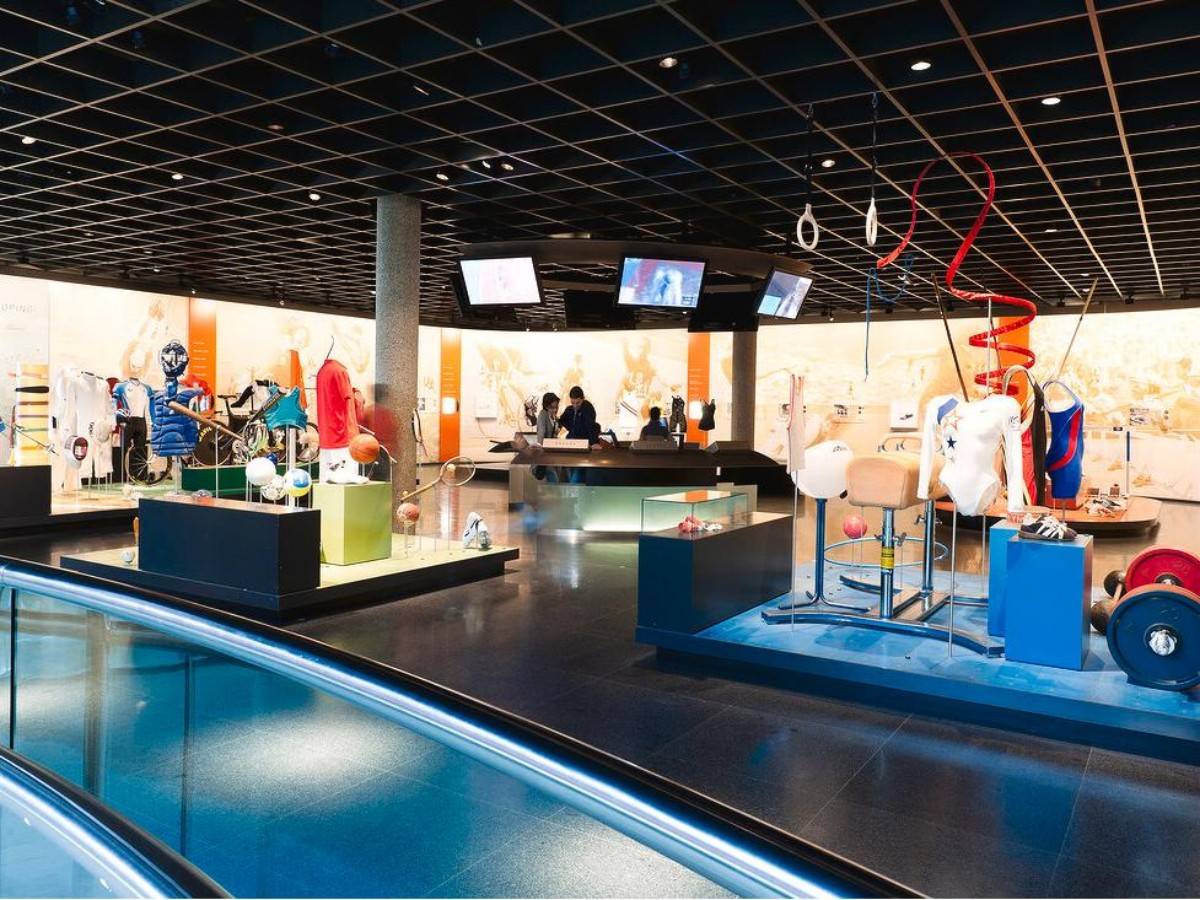
The order of my visit was simple: I got in around 10am, bought my ticket and started from the first floor. I spent quite a bit of time on each level, especially the interactive area and the one showing videos, and I didn't realize how long I was staying.
At lunchtime, I suggest you go to the museum's own lake view restaurant for a light lunch. There the view is very good, while watching the Lake Geneva sparkling, while recalling those hot moments just now, feel like I just ran a marathon.
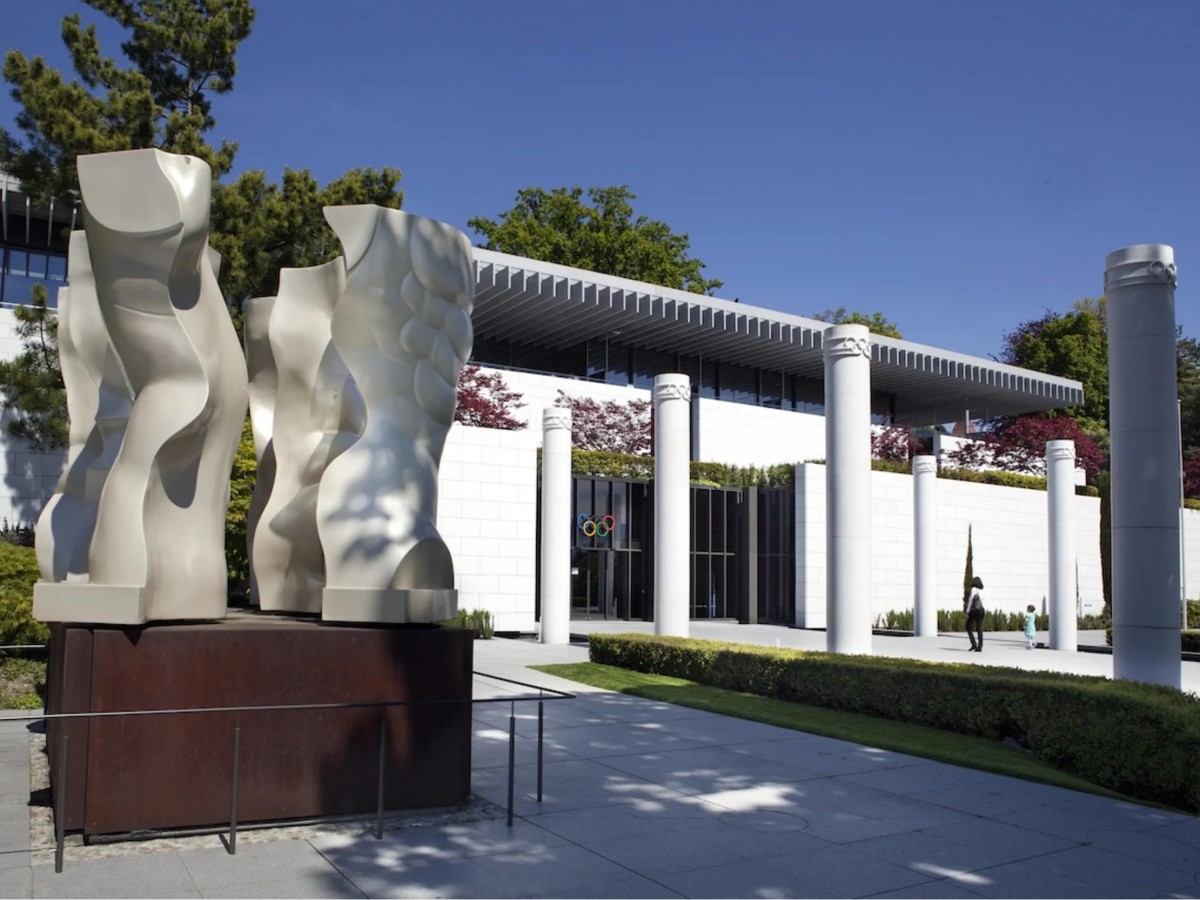
After the meal, you can also walk in the “Olympic Park” outside the museum. There are Olympic torches, handprints of celebrities, and many sculptures, and the scenery is fantastic. When the weather is good, there are many locals picnicking and sunbathing on the grass, and the atmosphere is very relaxing.
Location
Avenue de l'Elysée 1, 1006 Lausanne, Switzerland
Take the metro M2 to Ouchy-Olympique station, about 5 minutes walk.
Opening hours
Summer (May-October): 9:00-18:00 daily.
Winter (November-April): Tuesday through Sunday 10:00-18:00 (closed Mondays)
Tickets
Full price Adult (from 16 years old):20 CHF
Full price Child : (up to 15 years), accompanied by an adult:Free
Reduced rate Pensioner:14 CHF
Reduced rate Students, disabled person:14 CHF
Recommended time
About 2.5-3 hours, reserve 4 hours if you want to go deeper.
Dining recommendations
There is a self-service lake-view restaurant on the premises with moderate flavors, mainly because the view is such a plus. There are also some good cafes nearby, a ten minute walk away.
Souvenir Tips
You can buy all kinds of Olympic peripherals in the stores, a bit expensive but good quality. If you are an Olympic fan, don't miss the limited edition torch models and commemorative coins.
This trip made me reacquaint myself with the meaning of the word “Olympics”. It is not just about winning, losing and medals, but also about the spirit of never giving up and going all out. It is a spirit of never giving up and giving your all. This spirit knows no boundaries, no fields, no matter whether you are an athlete or not. So if you come to Switzerland, don't just visit the picturesque mountains and lakes, and don't think that this is only a place for sports fans. The Olympic Museum in Lausanne is a place that can really touch the heart of every ordinary person. After reading this, even if you don't buy a ticket right away, you will be able to remember this feeling of being ignited at some point. And then, really move to see it.