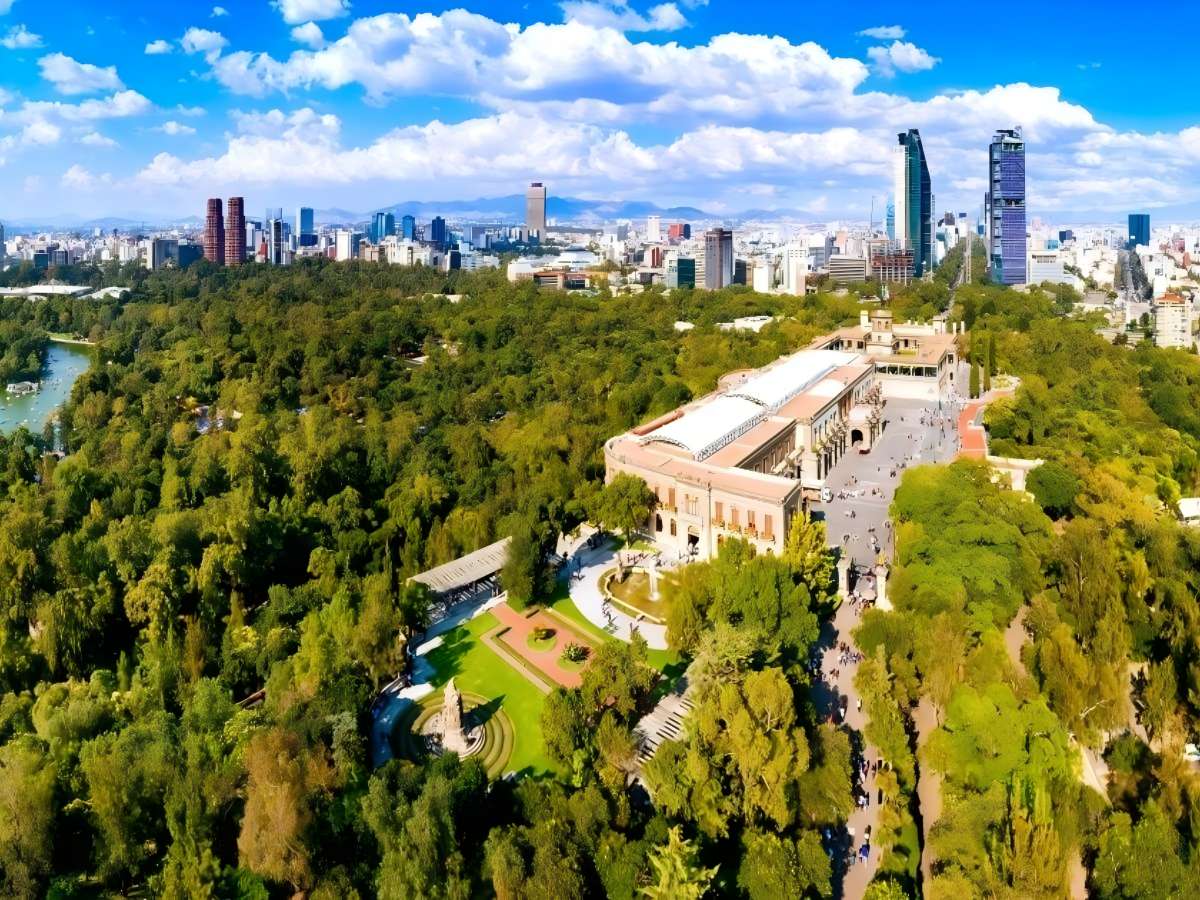
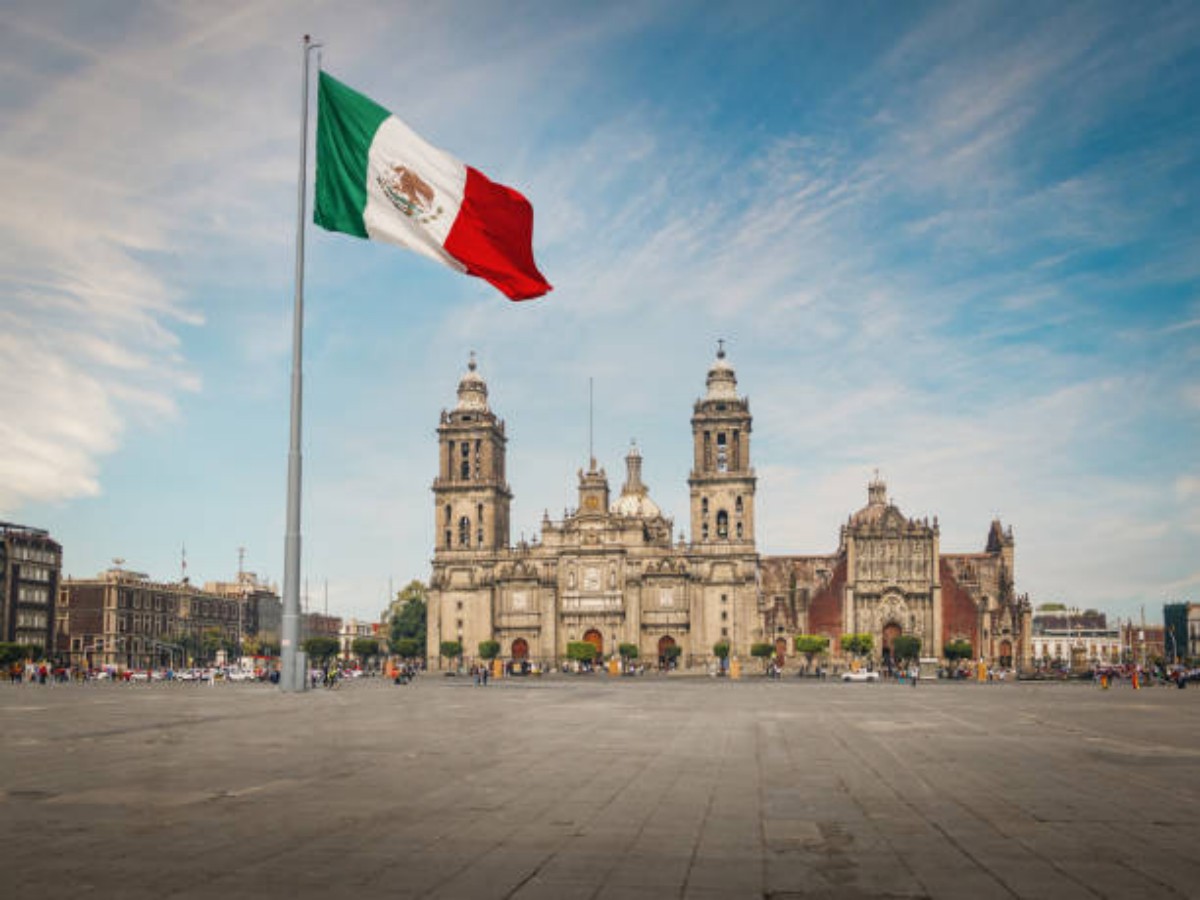
Located in the heart of Mexico City, Chapultepec Park is not only a vibrant urban green space, but also an invaluable legacy of Mexico's history and culture. As one of the largest urban parks in Latin America, this area full of historical sites and natural landscapes carries the story of Mexico's history for hundreds of years. From the ancient Aztec civilization to the colonial era, and then to the political and cultural changes in modern Mexico, Chapultepec Park has been a witness to the history of the city and the country.
Advertisement
The name of Chapultepec Park comes from the Aztec word “Chapoltepēctli”, meaning “snail hill”, because the hill is shaped like a snail shell. The history of the park dates back to the Aztec Empire, and in the heart of the park, the Aztec Emperor Montezuma II built a palace that was used as a retreat. This place is not only a cultural symbol of the Aztecs, but also a key location in the history of the Mexican War of Independence and modern politics.
Advertisement
One of the best known historical sites in Chapultepec Park is its unique Aztec ruins. Located in the park's hills, the site was the vacation home of Aztec Emperor Montezuma II. Here you can see the ancient stone steps and platforms of the structures that were once used by Aztec nobles and emperors for religious ceremonies and leisure activities.
The Aztec ruins are not completely preserved, but they remain an important window into Mexico's ancient culture. Through guided tours or exhibits, visitors can learn how the Aztecs blended with nature and utilized topographical features to build this massive palace. In addition, the park has a dedicated museum and archaeological displays that provide in-depth cultural context and give visitors a more intuitive understanding of the Aztec civilization.
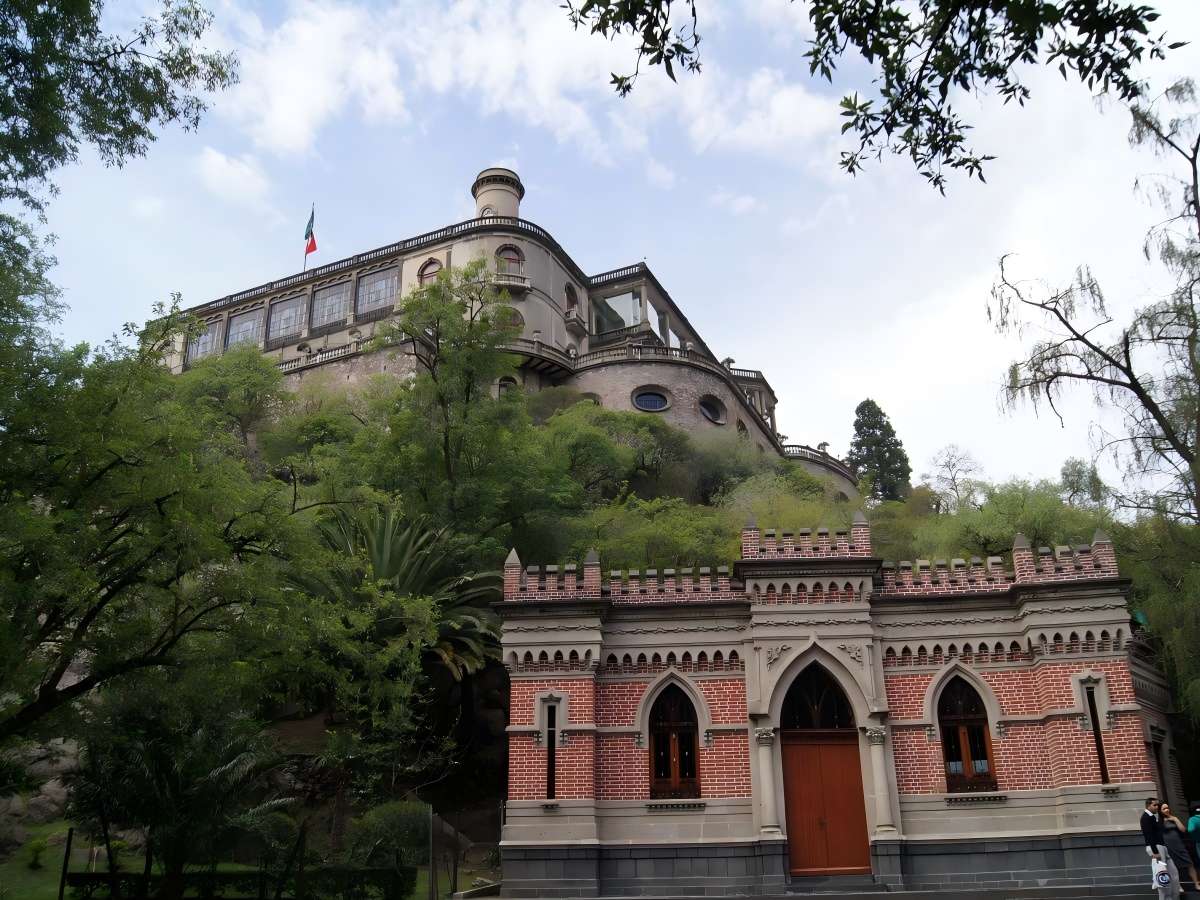
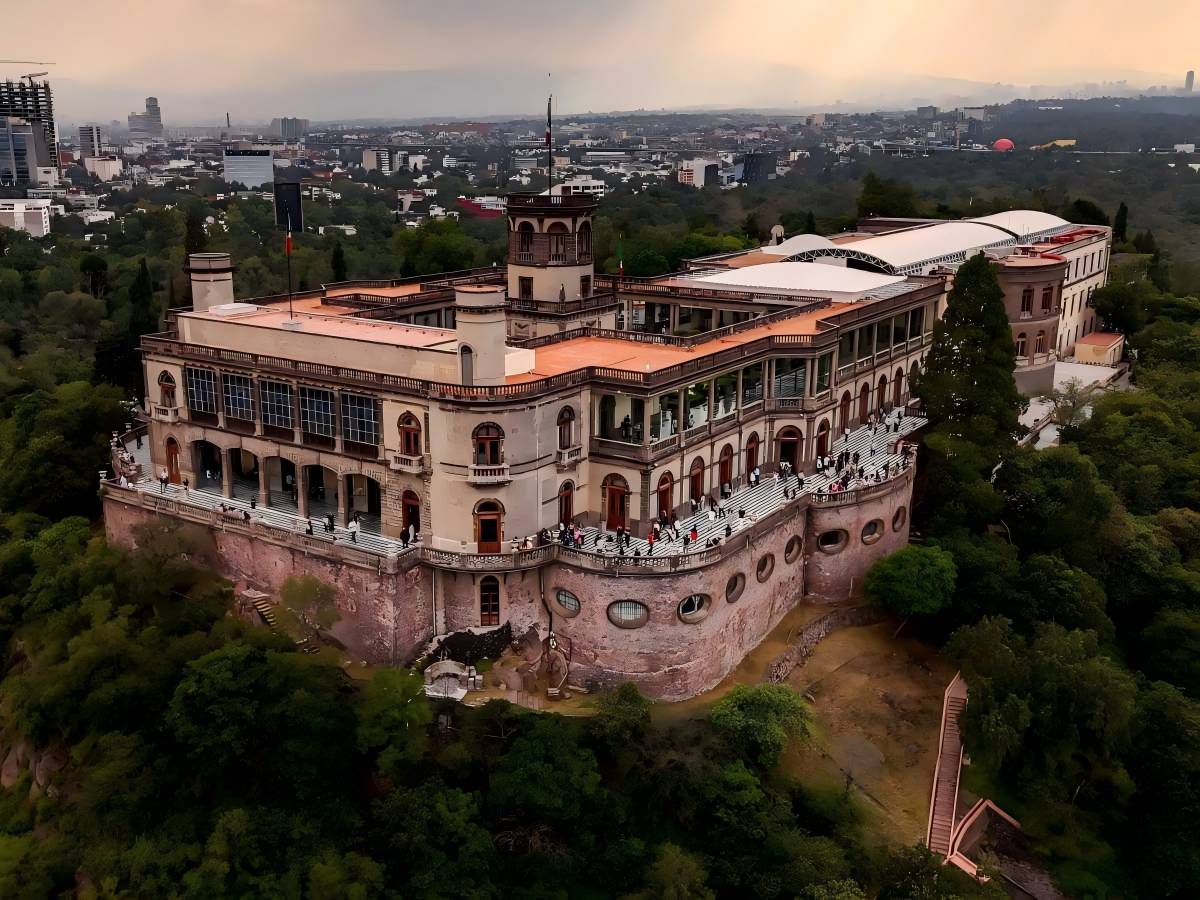
The Castillo de Chapultepec is one of the most remarkable historical sites in Chapultepec Park. Originally built in 1785 for the Spanish Viceroy, the castle became the palace of the kings and emperors of Mexico, and to this day it remains an important symbol of Mexican history. Chapulte Castle has a deep sense of royalty and its architecture is a blend of neoclassical and Spanish colonial elements of great artistic value.
Advertisement
In the 19th century, the castle became the residence of Emperor Agustín de Iturbide and later Mexican emperors, and at the end of the 19th century, the castle was converted into a military school, a change in history that influenced the political landscape of Mexico. One of the most famous events was in 1847, during the Mexican-American War, when a group of young Mexican officers fought to the last minute in the castle's military school against the American invasion. The ruins of the castle today preserve many artifacts and monuments related to this historic event, making it an important witness to Mexican history.
Today the Chapultepec Castle has been converted into a museum that exhibits a rich collection of artifacts on Mexican history, culture and art. Visitors can enjoy the rich historical artifacts, magnificent palace decorations, and beautiful garden views. Standing on the high ground of the castle, you can also catch a glimpse of the beautiful panoramic view of Mexico City, especially at sunset, which has become a popular place to take pictures.
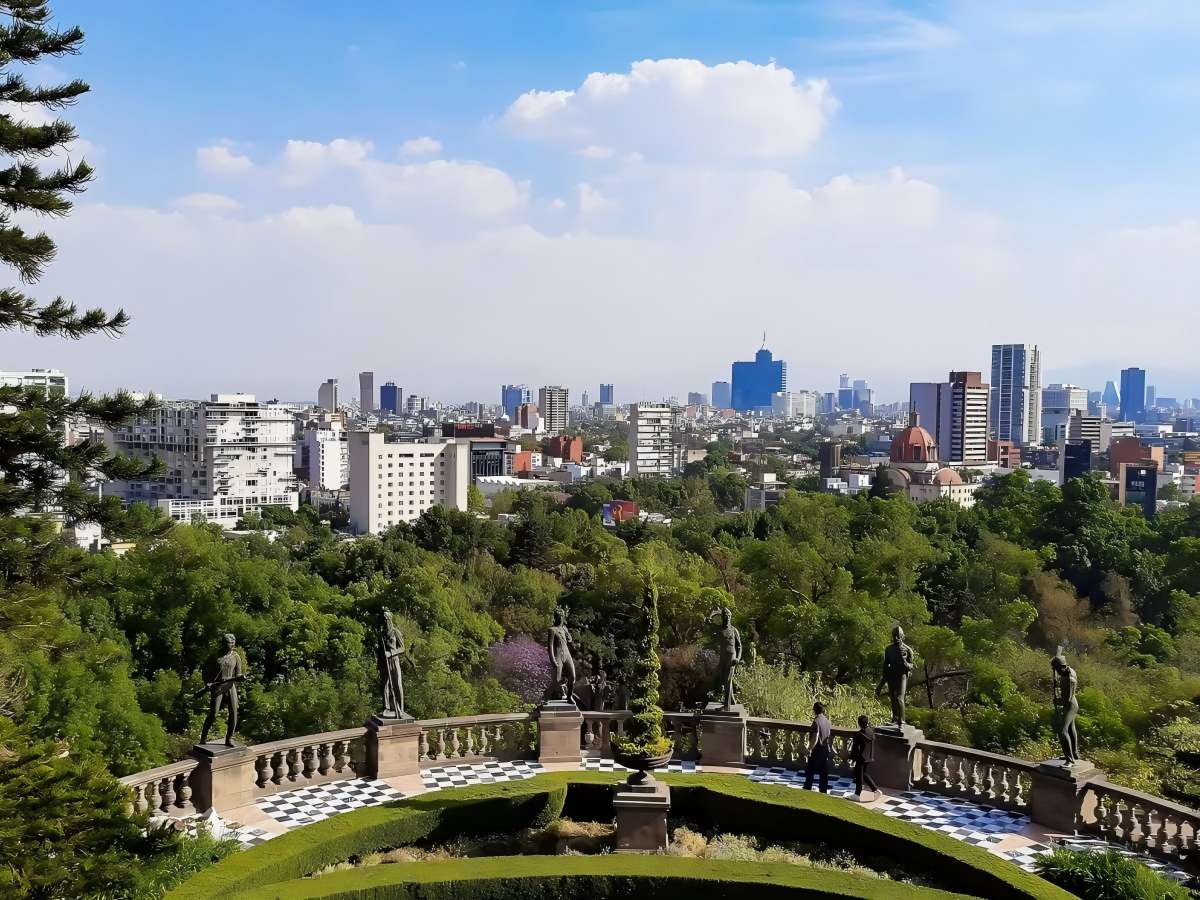
Another layer of historical significance of Chapultepec Park lies in its close relationship with the Mexican War of Independence. A monument in the park, the Monumento a los Niños Héroes (Monument to the Heroes of Chapultepec), was built in honor of the six Mexican teenage heroes who died heroically in the Mexican-American War of 1847. . These young officers died bravely in the defense of the castle and are still considered national heroes.
The monument is surrounded by lawns and gardens, usually an ideal place for tourists and citizens to walk and relax. September 16 every year, that is, Mexico's Independence Day, Chapultepec Park will hold a grand commemoration, many people came to pay tribute to these heroes, feel the weight of history and national pride.
In addition to the rich historical sites, Chapultepec Park itself is also a beautiful natural landscape. With its vast green areas, artificial lakes and rich flora, the park is an ideal place for citizens and tourists to relax and enjoy nature. Visitors can enjoy the tranquility and nature in the city by boating, walking or biking on the lake.
Chapultepec Park is also home to several museums, including the Mexican Museum of Modern Art and the Museum Area, which offer a more in-depth cultural experience. The park also has a zoo and children's playground, making it a great place for families.
More than just a park in Mexico City, Chapultepec Park carries the deep history and culture of Mexico. Whether it is the remains of the Aztecs, the commemoration of the Mexican War of Independence, or the display of modern Mexican culture, Chapultepec Park is the best place to learn about Mexican history and culture. Visitors can feel the pulse of Mexico's long history here and experience the cultural heritage and changes from ancient times to the present. Whether you are a history buff or a nature explorer, Chapultepec Park offers an unforgettable journey.