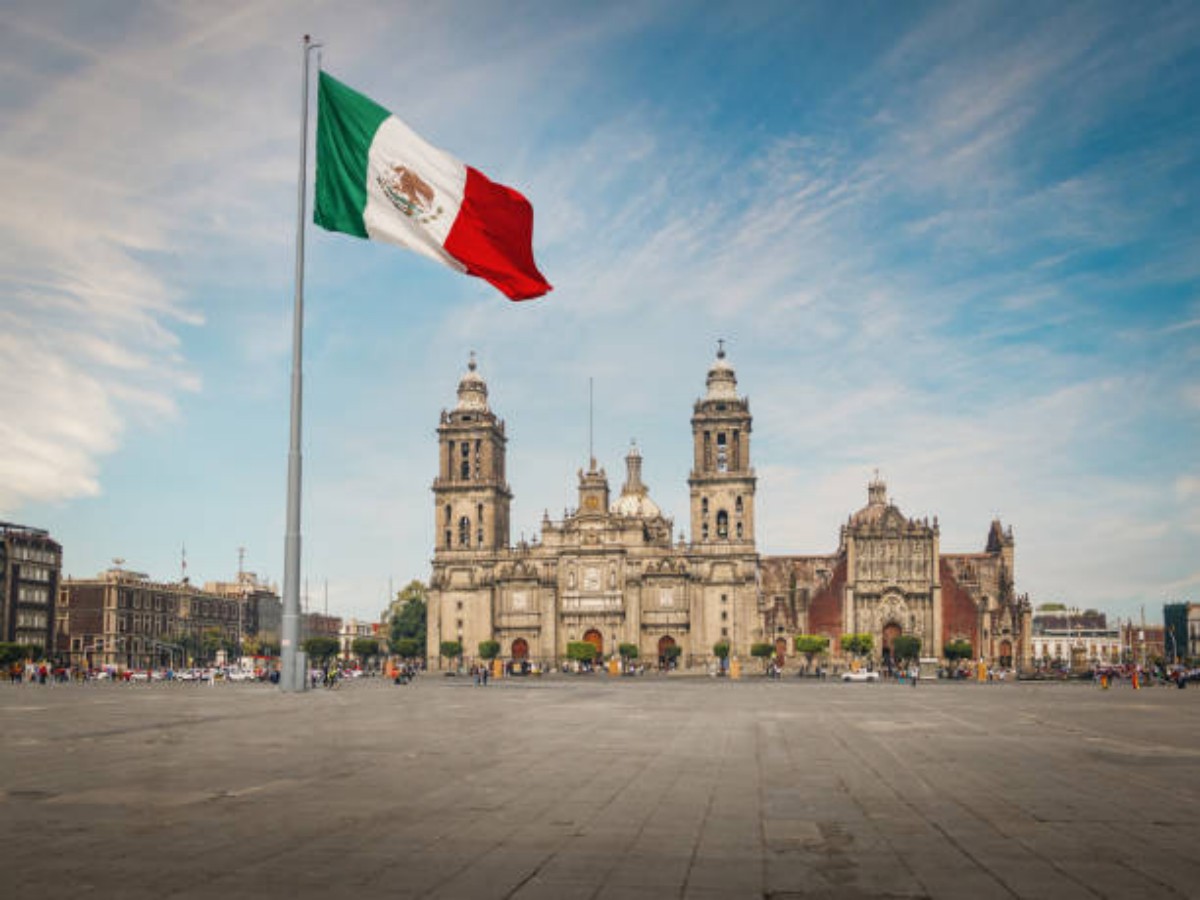
If you're interested in ancient civilizations or want to learn more about the mysterious American cultures of the Maya and Aztecs, then the National Museum of Anthropology is definitely worth a visit. Not only is it one of the largest and most important museums in Mexico, it is also considered one of the top anthropology museums in the world. It houses countless valuable archaeological artifacts, from giant sunstones to exquisite feather headdresses, showcasing the glorious history of Mexico's indigenous civilizations. Follow me as I explore this museum today!
Advertisement
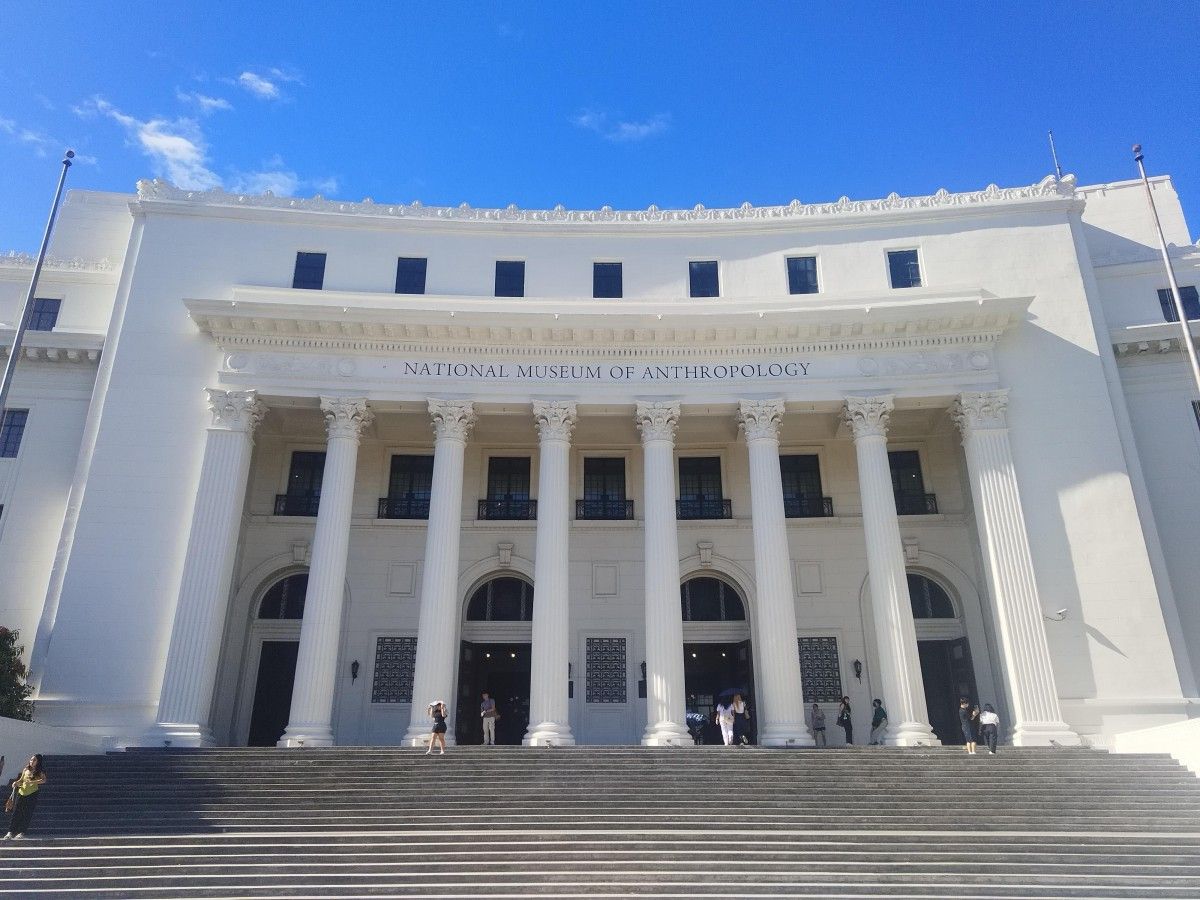
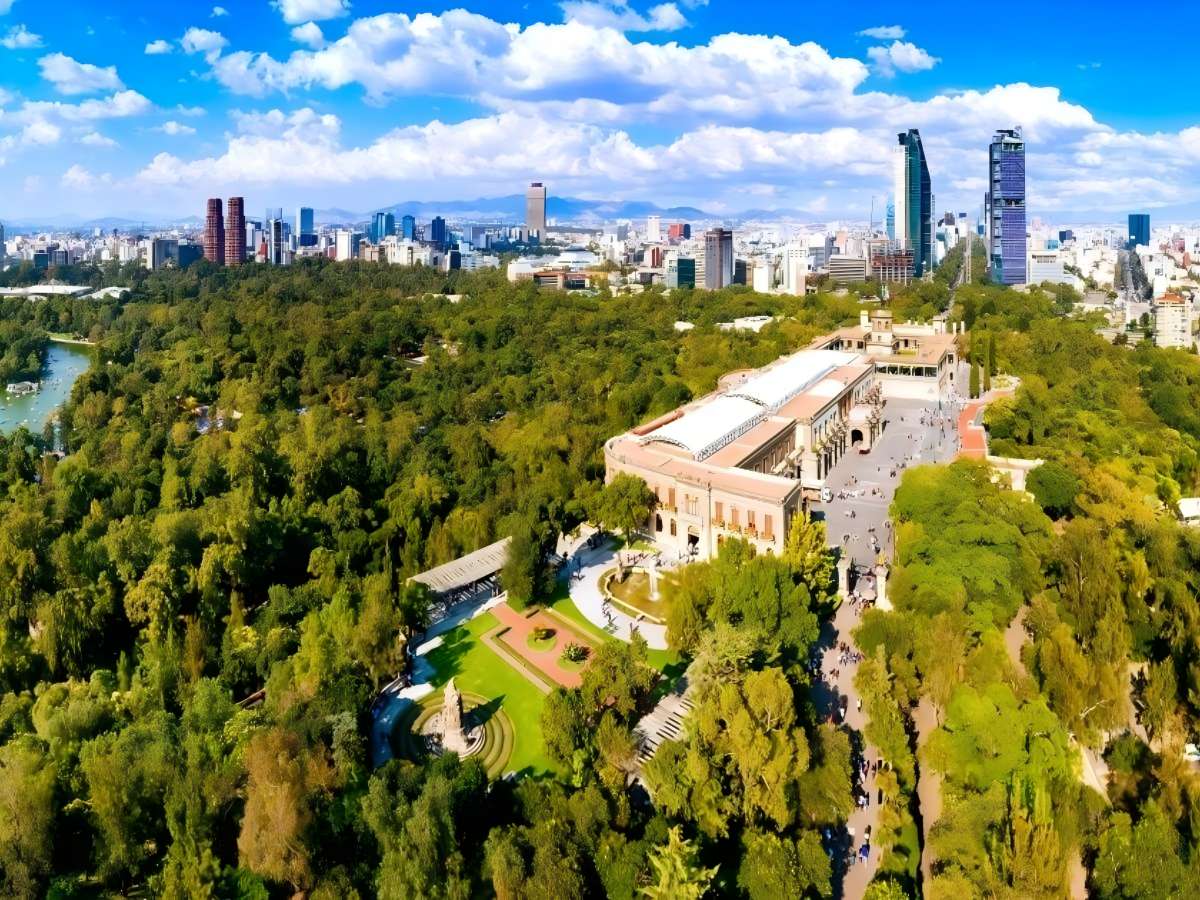
The National Museum of Mexican Anthropology was built in 1964 and is located inside the Bosque de Chapultepec in the capital city of Mexico City. It was established to show the world Mexico's long history and rich cultural heritage, while preserving and studying the traditions and way of life of the native indigenous people.
Advertisement
The museum's design is also very elaborate; it was designed by the famous architect Pedro Ramírez Vázquez in a modern yet classical style. The most striking feature is the huge umbrella-shaped pool, El Paraguas, at the entrance, a huge concrete canopy supported by a single column, symbolizing the rain that nourishes the earth, as well as the continuity and prosperity of the indigenous culture.
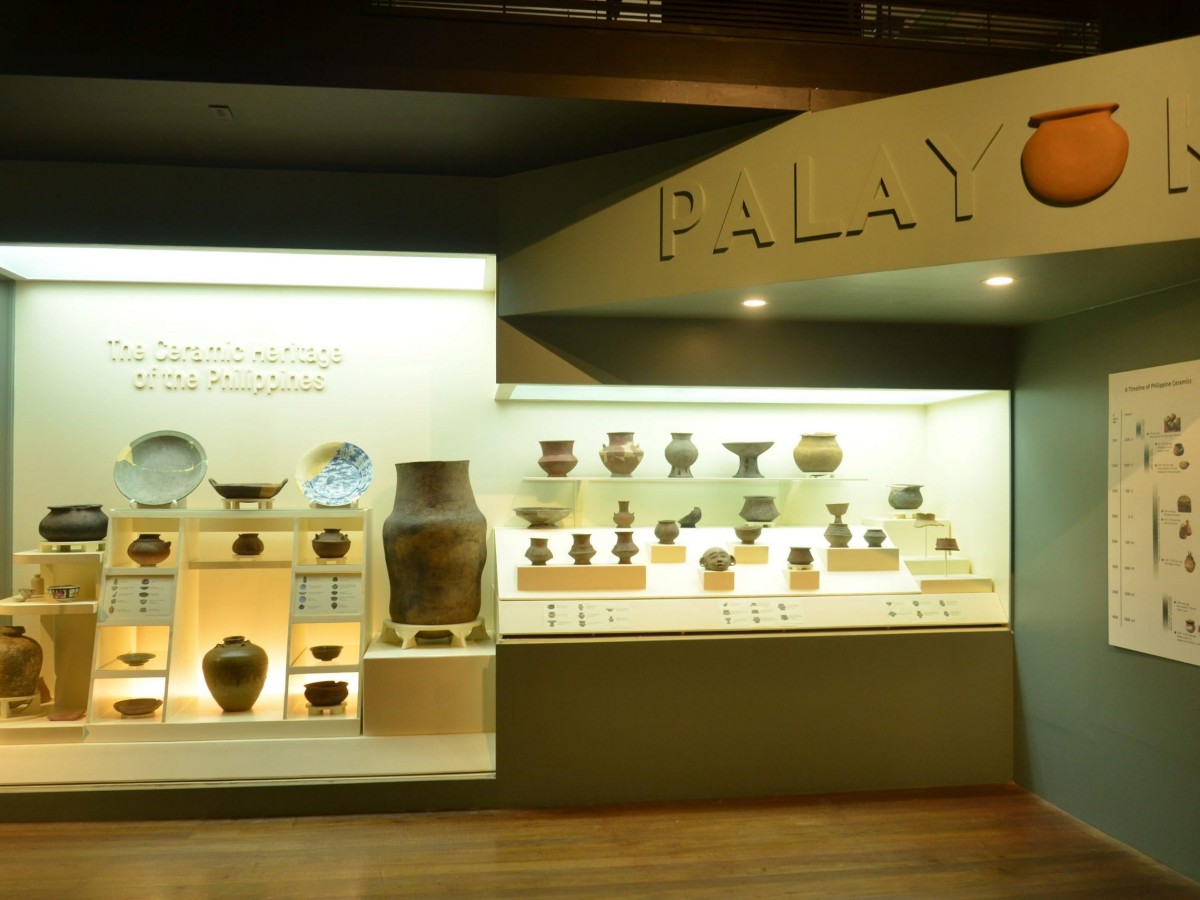
With 23 galleries, 12 of which are permanent, this museum covers the most important civilizations in Mexican history. Whether you're interested in the Mayan culture, the Aztec Empire, or other Indian tribes, you'll find amazing artifacts and stories here.
Advertisement
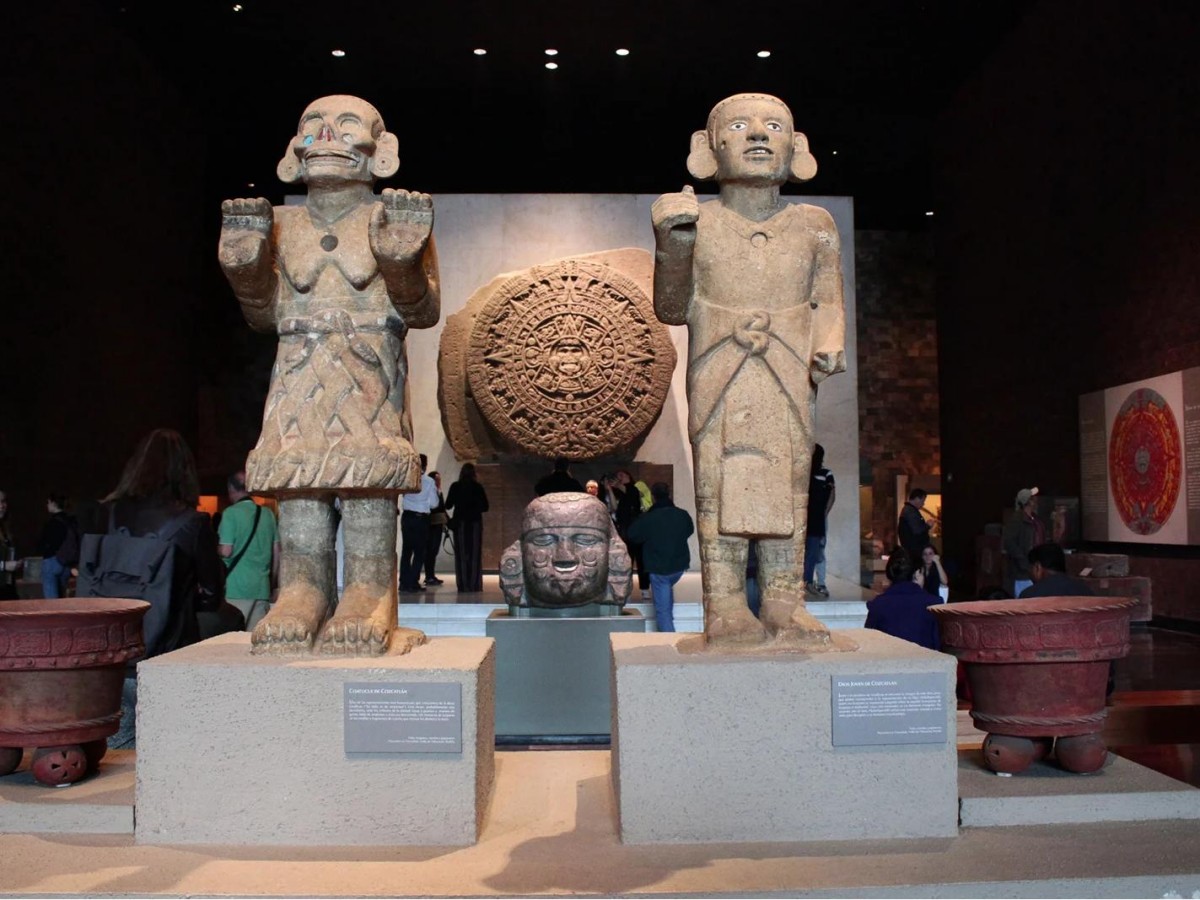
Piedra del Sol
This is one of the museum's most famous exhibits, also known as the Aztec Calendar Stone. Over 3.5 meters in diameter and weighing 24 tons, this massive circular carving is covered with intricate symbols that symbolize the Aztec view of the universe and time. Although many people mistake it for a calendar, it is actually more like a stone tablet for religious ceremonies. Standing in front of it, you will be captivated by the mysterious and shocking sense of power.
Mayan Heritage: Red Queen's Tomb at Palenque
The Mayan civilization has always been known for its highly developed astronomy and architecture, and Palenque is one of the important ancient Mayan cities. In the museum, you can see a replica of the “Red Queen” tomb at Palenque. The Red Queen was a dignified Mayan noblewoman whose tomb was covered in red powder, hence the name. Her funerary objects, including exquisite jade and decorative items, are also on display here, providing a more intuitive understanding of the luxurious life of the Mayan royal family.
Quetzalcóatl
The feathered serpent god was one of the main deities believed by the Aztecs and Toltecs, representing wind, wisdom and creativity. In the museum's gallery, you can see the image of the Feathered Serpent God carved in stone, which has the form of a serpent but is also covered with feathers, symbolizing divine power.
Olmec Megalithic Heads
The Olmec civilization is one of the earliest known civilizations in Mexico, and their most famous cultural heritage is these giant stone heads. These heads are generally 2-3 meters high, with a majestic expression, full of power. Archaeologists are still studying the exact purpose of these heads, but it is certain that they represent rulers or important figures of the time.
In addition to the wealth of exhibits, the design of the museum itself is full of highlights, with the following areas of particular interest:
The central courtyard and “umbrella” pool - the museum's signature building, where you can feel the architectural design blending with nature, and where you can take great photos!
Interactive exhibits -- Some of the galleries have interactive installations such as digital screens and virtual reality experiences that allow visitors to gain a deeper understanding of Mayan and Aztec life.
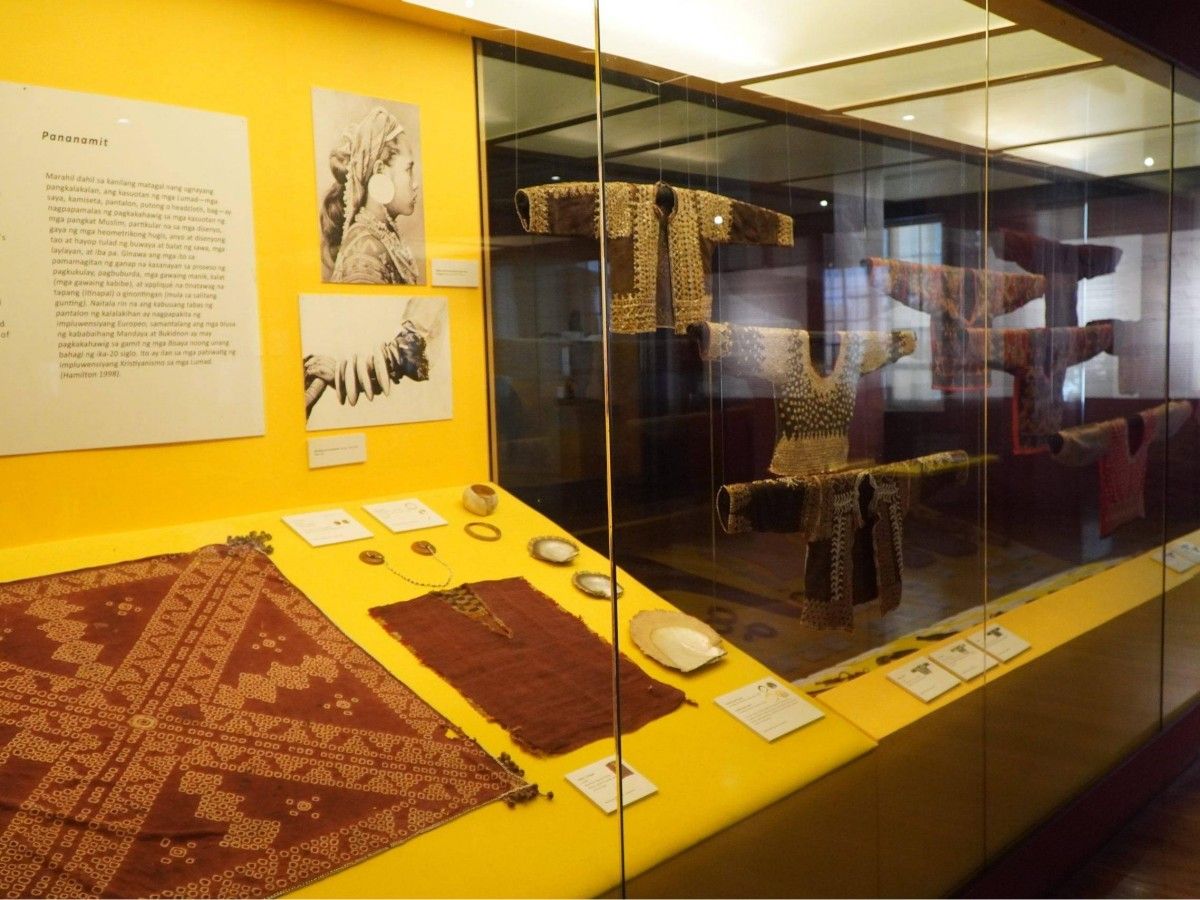
Ethnic Culture Exhibition Halls -- In addition to ancient civilizations, there are also exhibition halls showcasing modern Mexican indigenous cultures, such as traditional costumes and handicrafts from Oaxaca, Chiappas, and other places, giving you a more comprehensive understanding of Mexico's diverse cultures.
Museum Shop -- There are many beautiful souvenirs, such as Mayan-style jewelry, Aztec totem T-shirts, handmade pottery, etc., and those who like to buy handmade souvenirs should not miss it.
If you are planning to visit the Museo Nacional de Antropología de México, the following information may help you:
Address: Museo Nacional de Antropología, Av. Paseo de la Reforma & Calzada Gandhi, Chapultepec, Mexico City
Opening hours: Tuesday to Sunday 9:00-18:00 (closed on Mondays)
Admission: General admission is about 95 pesos, with discounts for students, teachers and seniors, and every Sunday is free for Mexican citizens.
Photography: Photography is allowed inside the museum, but flash and tripods are prohibited.
Guided tours: audio tours can be rented or you can join one of the free guided tours organized by the museum (multi-language options available)
It's recommended to schedule at least 3-4 hours to take your time wandering around, and if you're a history buff, you may want to spend the whole day. There are quite a few restaurants near the museum, so you can get tired of wandering around and grab some Mexican food, such as Tacos and Tequila.
The National Museum of Mexican Anthropology is more than just an exhibition space, it is a cultural temple that links the past with the future. The collection of precious artifacts here tells us the glorious history of the Mayans, Aztecs and other indigenous peoples, giving us a deep impression of the richness and diversity of Mexican culture. Whether you are a history buff or simply want to experience a different culture, this place can bring you unique rewards. If you have the chance to go to Mexico City, don't miss this museum, I'm sure you will be impressed by its charm!