
Advertisement
In New York City, there is one place that commands respect - the 9/11 Memorial & Museum - a place that is more than just a monument or an exhibition hall, it holds the memory of the terrorist attacks of September 11, 2001, and speaks to the lives lost, the resilience of the city, and the light of humanity. It also speaks of the lives lost, the resilience of the city and the glory of humanity. Whether you are a local resident or a visitor from afar, this is a place to take a moment and visit to gain a deeper understanding of the impact that day had on the world.
Advertisement
On September 11, 2001, the Twin Towers of the World Trade Center in New York were struck by two hijacked airliners, and soon after the two skyscrapers collapsed, killing nearly 3,000 people. It was the worst terrorist attack in U.S. history, and it changed the world deeply. What happened that day not only shattered countless families, but also plunged New York, and indeed the entire United States, into a state of grief and shock.
Advertisement
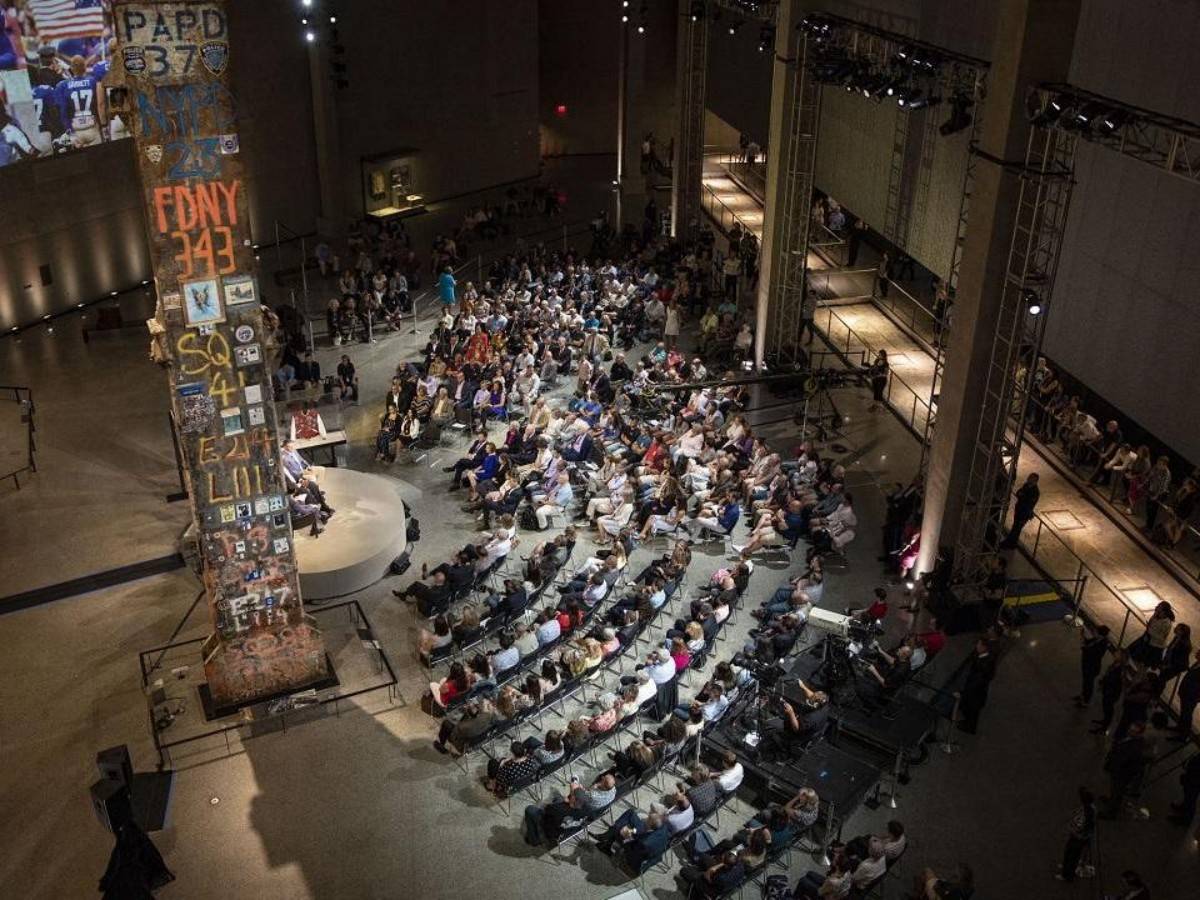
In order to honor the victims and remind future generations of this history, New York built the “9/11 Memorial and Museum” on the site of the original Twin Towers. This place is not only a place to honor the past, but also a testament to how New York has rebuilt itself after the disaster. Every year on September 11th, a solemn ceremony is held here, where families of the victims, government officials, firefighters, and ordinary citizens gather to read the names of the victims and express their grief. For visitors who come here, it is not only a historical site, but also a place where one can feel the preciousness of life.
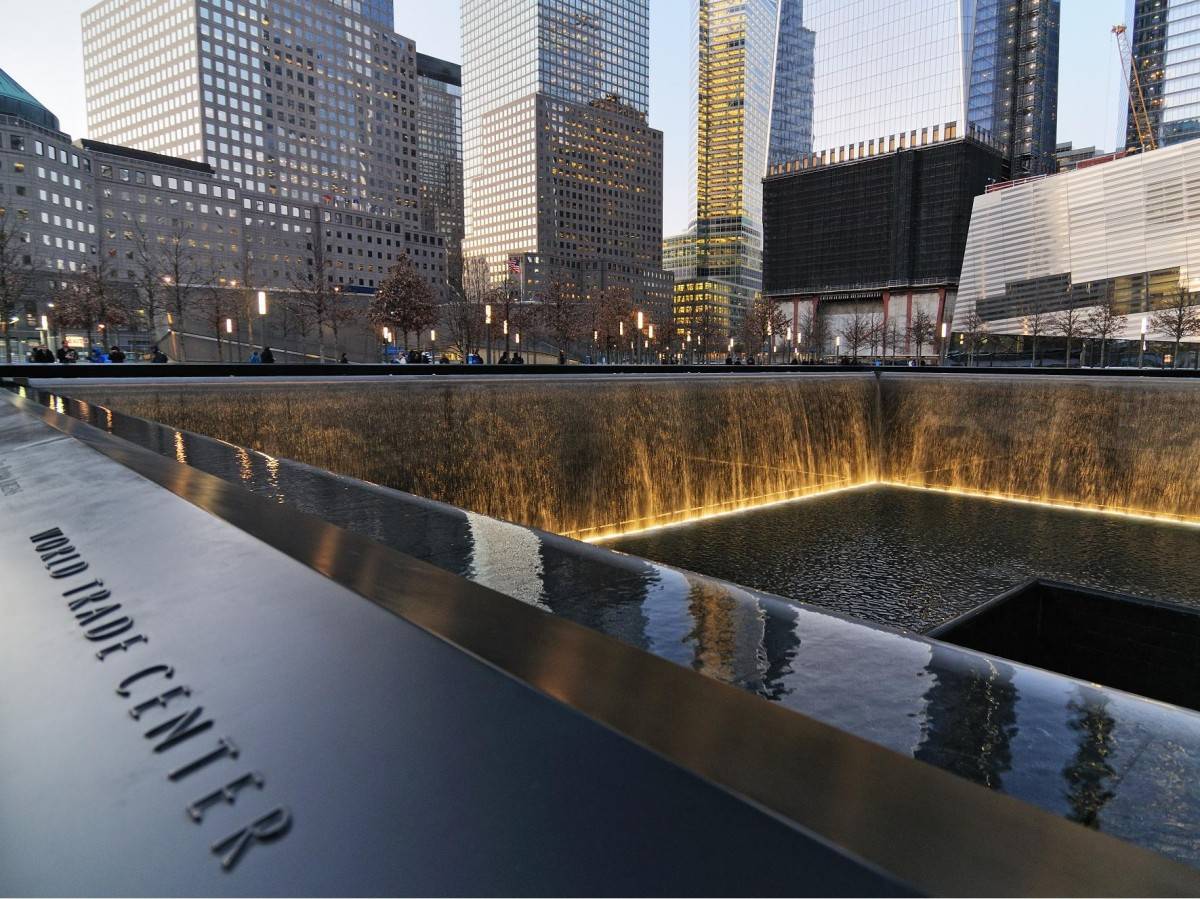
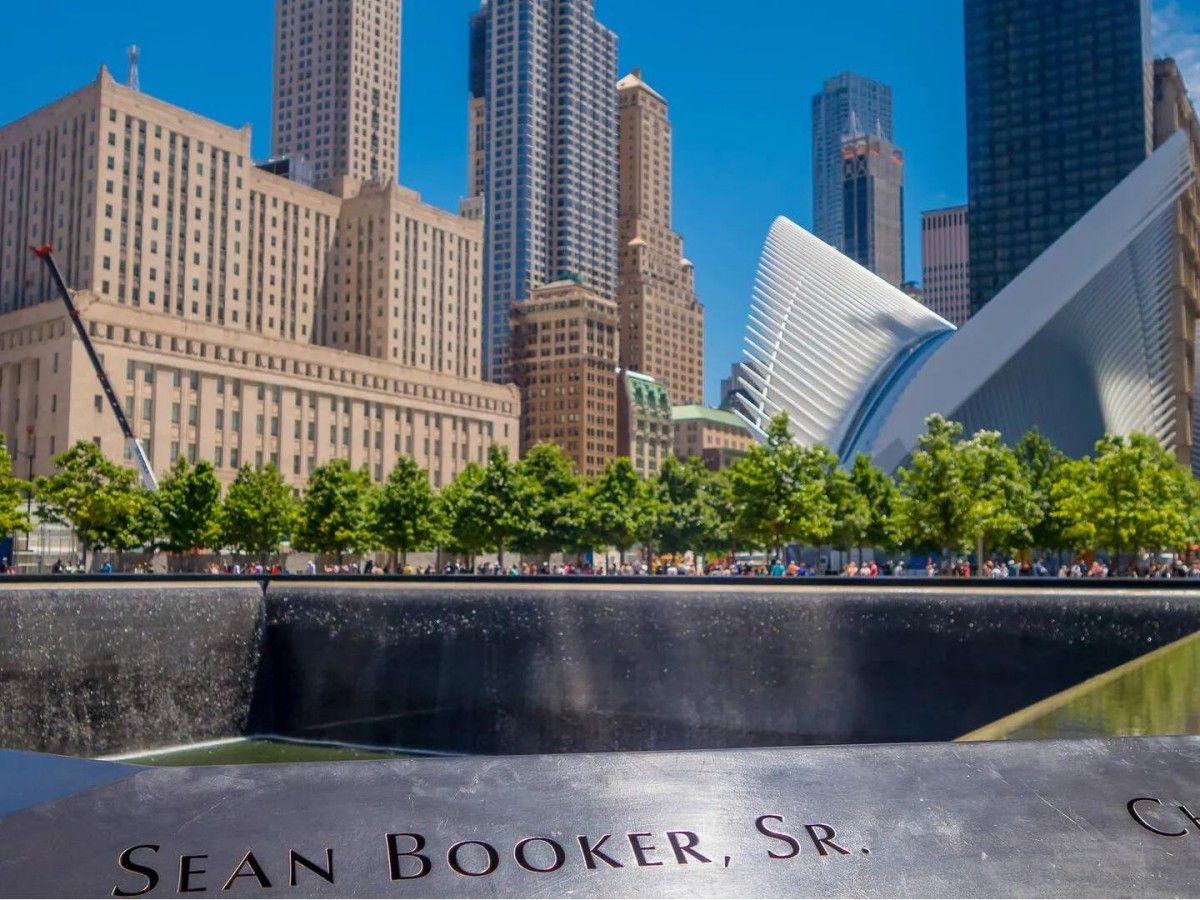
Walking into the 9/11 Memorial, the first thing that catches your eye is the two huge square pools, which are located at the foundations of the original Twin Towers. These two pools are one of the largest man-made waterfalls in the world, with the water continuously falling towards the center, symbolizing the lives lost and endless thoughts. The bronze railings around the pools are engraved with the names of all the victims, whether they were commuters in the buildings at the time, rescuers, or passengers on the hijacked airplanes that day, their names are remembered here forever.
Advertisement
The entire memorial plaza is designed to be very quiet, without too much decoration, and everything is solemn and powerful. You won't hear the noisy voices of tourists here, but more people standing quietly with their heads bowed in remembrance. Around the pool, you may see a white rose next to some of the names - something the staff put there on the victims' birthdays on purpose as a way of thinking of them.
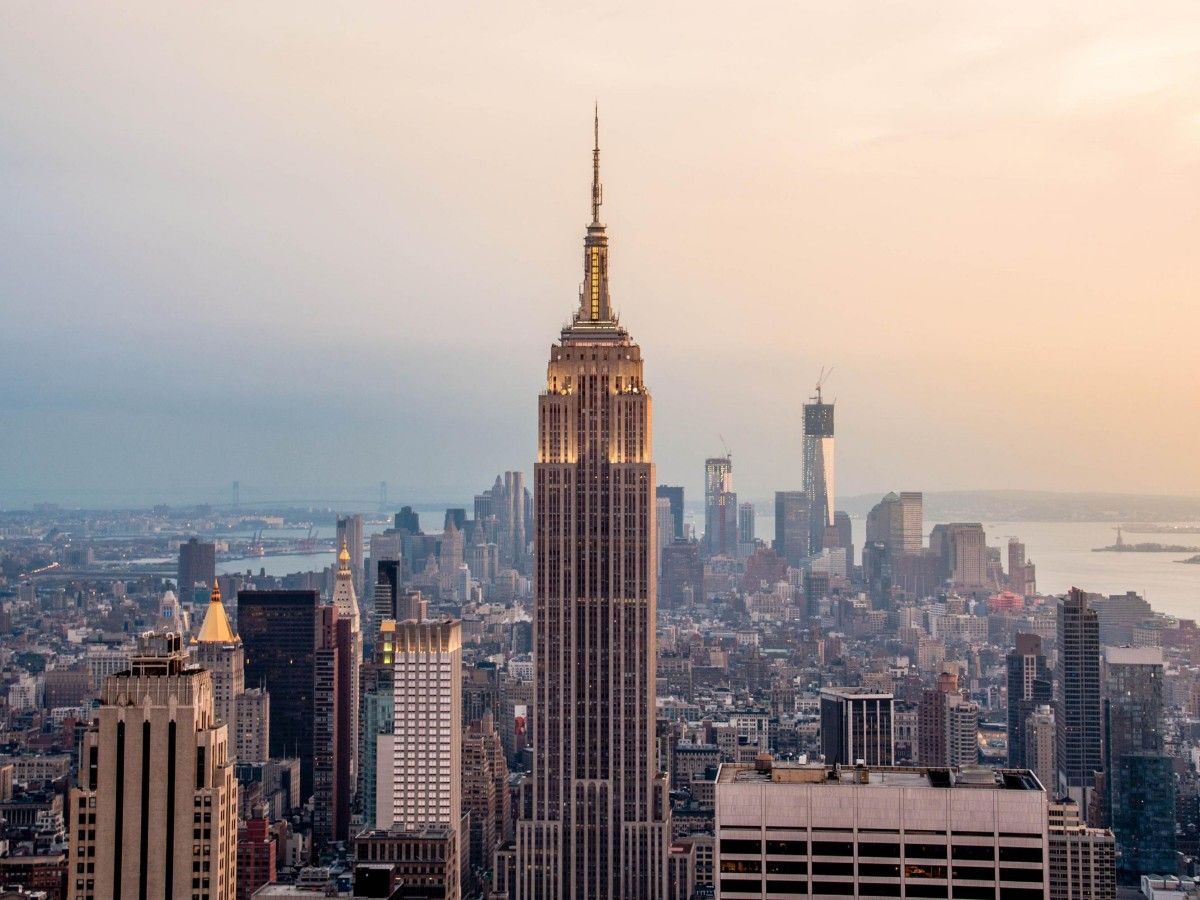
The new World Trade Center complex next to Memorial Plaza is also worth a look, especially One World Trade Center, which stands at 1,776 feet (541 meters), a number that symbolizes the year of America's independence. This skyscraper is not only a new landmark in the New York skyline, but also represents the city's strength in rising from the ashes.
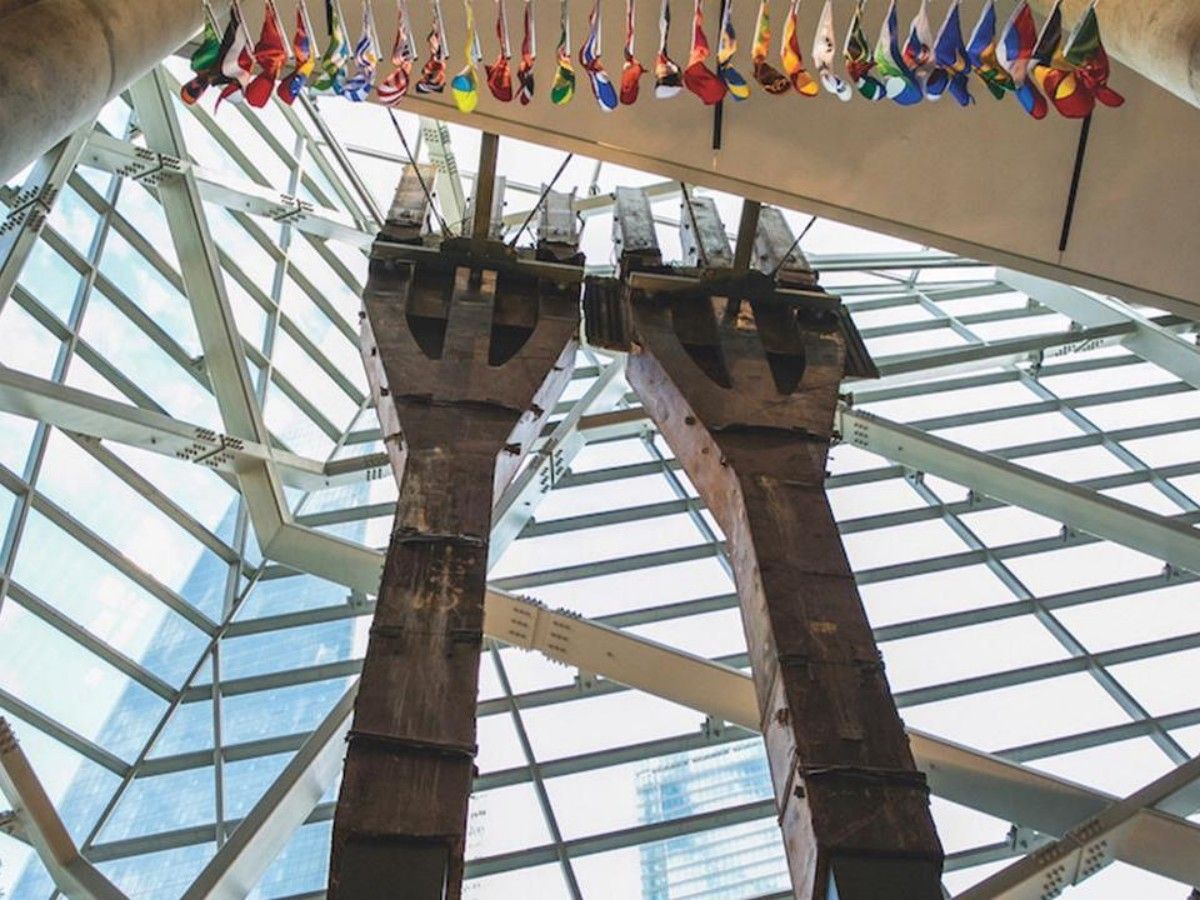
Located in the underground portion of Memorial Plaza, the 9/11 Museum gives visitors a truer sense of what happened on that day through numerous exhibits, images and survivor accounts. Upon entering the museum, what is probably most striking are the debris recovered from the ruins, such as charred fire trucks and deformed steel beams, as well as the personal belongings donated by the families of the victims, such as lost shoes, broken eyeglasses, and photographs. These exhibits, though seemingly ordinary, tell the stories of countless families and make you feel for what happened to those ordinary people.
One of the heaviest galleries in the museum is Reflecting on 9/11, where audio recordings from the families of the victims are played, describing the day they lost their loved ones. This approach touches the heart in a much more heartfelt way than mere words, and gives a real sense of the pain of that day.
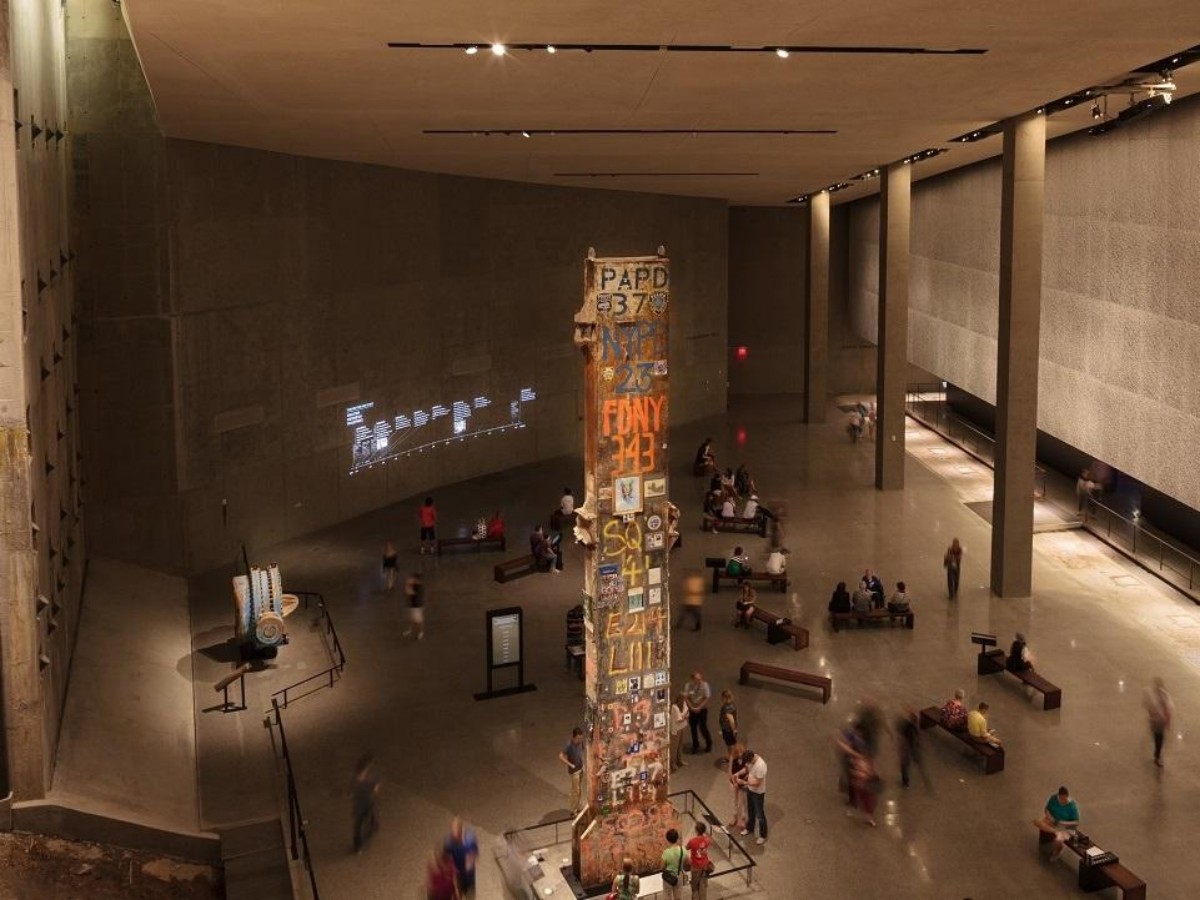
There is also a special exhibit in the museum, The Last Column, which is a piece of steel wreckage that was the last to be removed from the rubble and is filled with messages from firefighters, rescuers and survivors. This column symbolizes the indomitable spirit and represents the heroes who risked their lives to save others during the disaster.
If you plan to visit the 9/11 Memorial & Museum, it is best to purchase your tickets online in advance to avoid lines at the site. Admission to the Memorial Plaza is free, while the museum requires a ticket, which costs about $33 for adults, with discounts for students, seniors, and military personnel. Additionally, every Monday from 5 to 7 p.m., the museum offers a limited number of free tickets, but reservations are required.
Hours of operation are generally 9 a.m. to 7 p.m. and may be adjusted during the summer months and on special holidays. Visitors are advised to allow enough time for their visit, especially for the museum section, which will take at least two hours or more if they want to take a serious look at all the exhibits.
A security check is required before entering the museum and, similar to the airport, large luggage, weapons, food and drink are prohibited. Taking pictures is allowed, but don't use flash and try not to talk loudly to respect the atmosphere of the place.
Also, if you are a family with children, you need to be aware that certain exhibits in the museum may be frightening for younger children, such as the gallery showing images from the day of the attack. Therefore, parents are advised to choose the appropriate exhibit areas to visit based on their children's age and acceptance.
The 9/11 Memorial & Museum is more than a place to tell the past; it is a space for reflection. It is a place that reminds us of the cost of war and terrorism, tells us the importance of unity, and makes us appreciate the life before us. No matter what country you're from, walking in here will leave you with a sense of the hurt left by that day and how New York has stood up with resilience and courage. When you leave, you may leave with a heavy heart, but also with a reverence for life and a greater understanding of the world. This is not just an ordinary tour, but a journey that makes you think.