

Advertisement
Every time I walk into a war memorial, my mood is different. But the Australian War Memorial is the only one that has kept me calm for a long time. In Canberra, the capital city of strict planning and gentle rhythm, it is like a solemn and quiet heart, quietly beating the memory and sacrifice of the country. There's no hustle and bustle of guided tours or commercialized atmosphere; instead, there's calm, respect and deep reflection. If you come to Canberra for the first time, the first time into this memorial, this guide will help you with the most appropriate way to walk through this trip is full of historical thickness, but also rich in humanistic temperature of the journey.
Advertisement
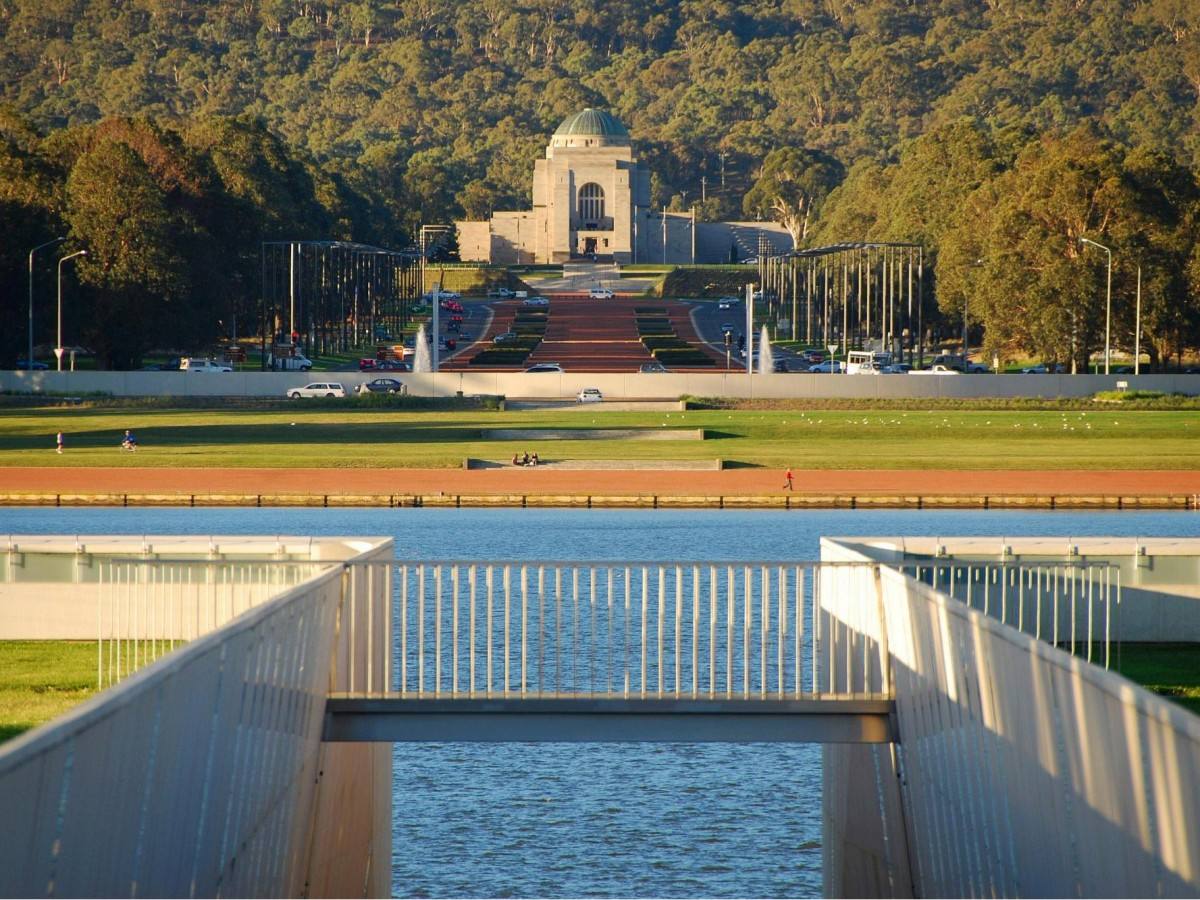
Before you enter the main hall, the memorial avenue and square in front of the War Memorial already make you sink into your heart. Anzac Parade is lined with various memorial statues, from the cavalry of the First World War to the medical soldiers of the Vietnam War, each of which corresponds to a part of the history of participation in the war. It's recommended that you start by hiking from the center of Canberra and walk the stately avenue, which takes about 20 minutes and serves as a sort of mental padding before entering the main pavilion.
Advertisement
Free guided tours are held in front of the memorial at 10.30am and 4.30pm each day, with volunteers talking about the significance behind the building. Especially in the evening, the Last Post Ceremony, where torches are lit in the atrium of the main hall and trumpets echo in a low voice, will be the most touching scene of your whole trip.
The War Memorial consists of three core areas: the Commemorative Area, the Galleries and the Research Center, which you can visit in the following order to save time and not miss the highlights.
Advertisement
1. Commemorative Area
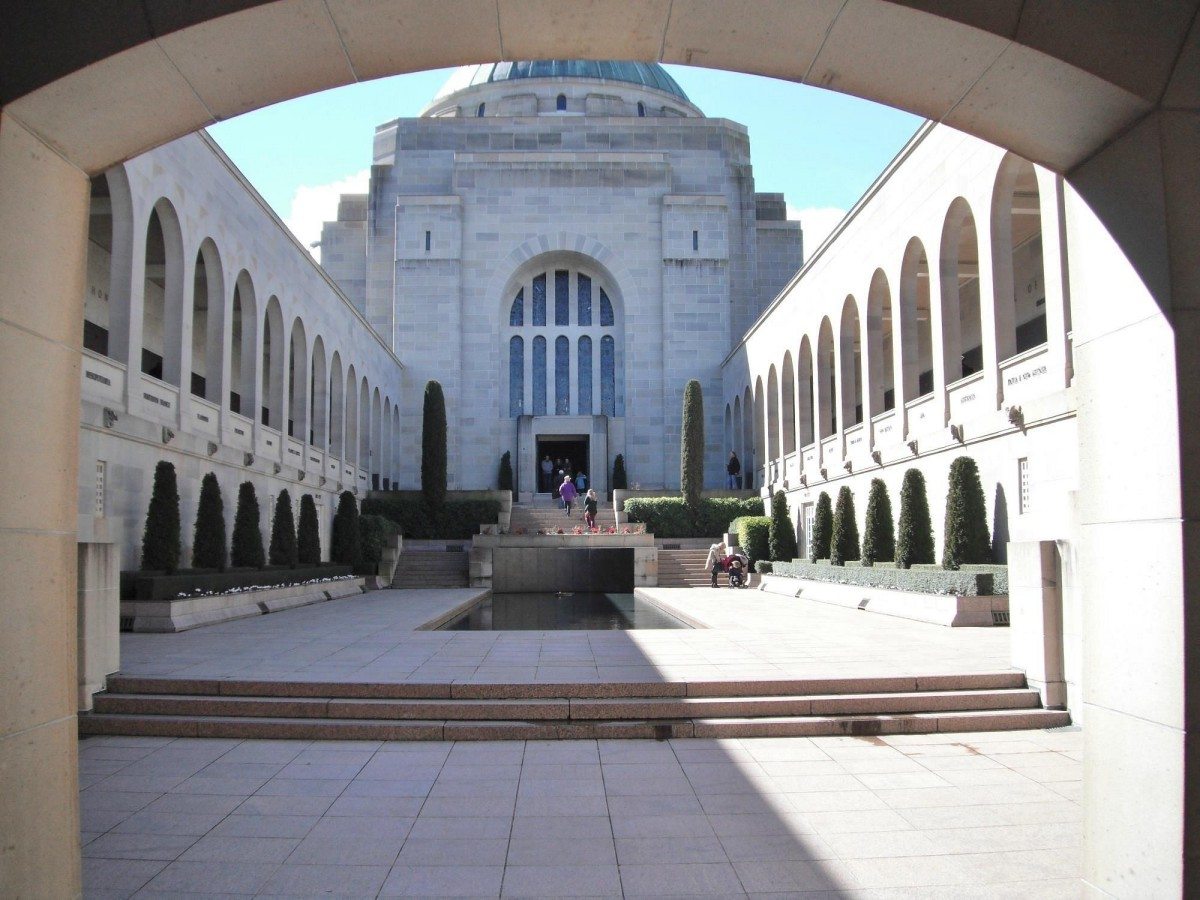
When you enter the main hall, the first thing you will come to is the domed memorial hall in the center of the building. The interior of this domed building is covered in mosaics and stained glass windows that tell the story of the sacrifice and glory of Australia's battles. The Reflecting Pool and Eternal Flame in the atrium are the symbols of Australia's national memorial system, and speak silently of respect for the fallen.
The most moving feature is the 'Roll of Honour' in the cloister - the name of every Australian soldier who died is engraved on it, and the wall is covered with red poppies in remembrance. You'll see people gently placing notes next to the names of their loved ones, and for a moment, the memorial is no longer a historical building, but a living memory.
2. Galleries
The galleries are divided into a number of sections that show the wars in which the Australian Army was involved in historical order. The following sections are recommended:
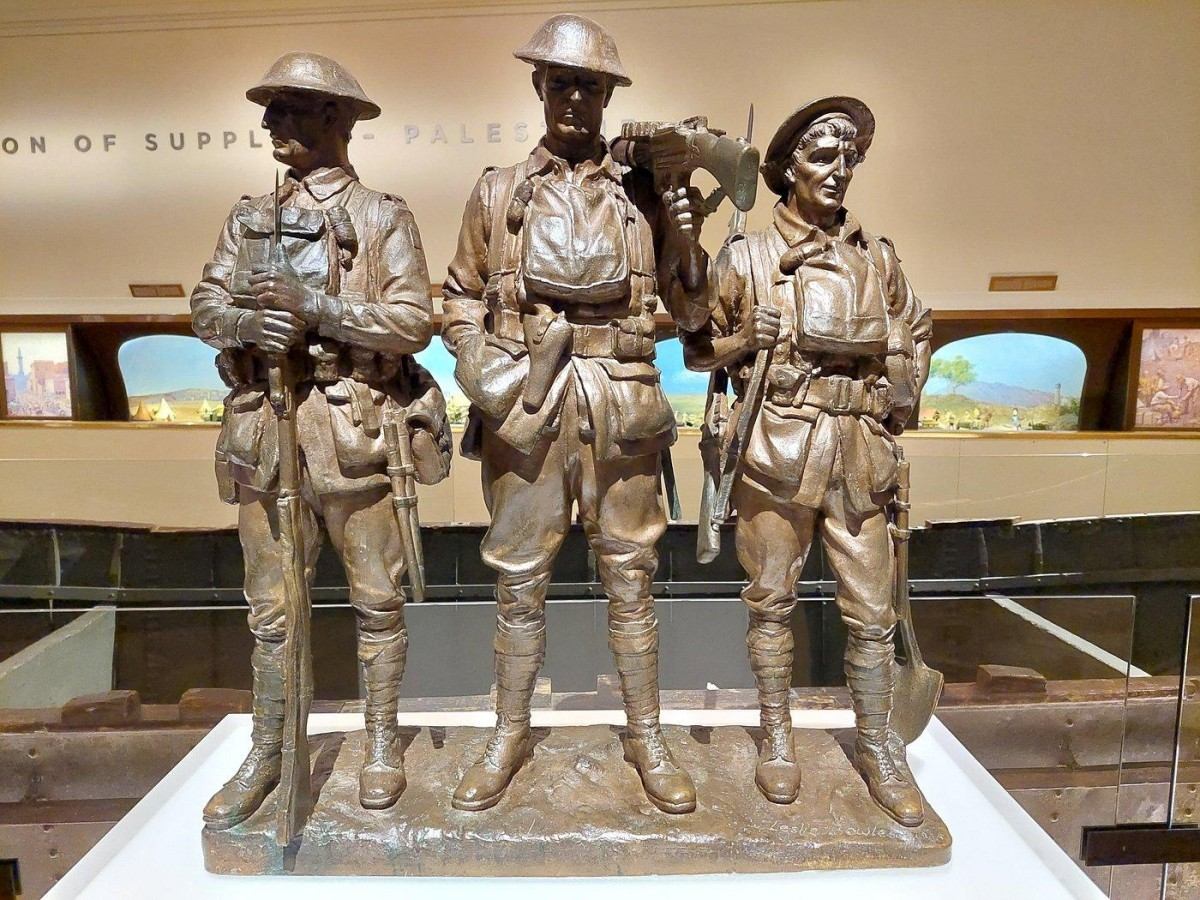
World War I Gallery (WWI Gallery): focuses on the Battle of Gallipoli, presenting the first key chapters of the Australian Army's history. There are plenty of soldier's diaries, trench restorations and miniature battlefield models, making it ideal for children to learn about.
World War II Gallery: Larger than the WWI area, the WWII Gallery covers the North African campaign, the Pacific War and Australia's home defense system. It is worth mentioning that there is a real Japanese Zero fighter plane and a Martin Malada bomber used by the Australian Army on display, making it a pilgrimage site for military buffs.
Modern Warfare Zone: From the Korean War, Vietnam War and peacekeeping in East Timor, to missions in Afghanistan and Iraq, the role of the Australian military in the Cold War and modern geopolitical conflicts is illustrated through images, objects and interactive panels.
3. Research Center
Heavy armaments and air weapons are displayed in a huge gallery at the back of the main hall. Not to be missed is Over the Front, a daily hologram show projected around a ceiling-mounted airplane that tells the story of the pilots who lived and died in the air battles of World War I. The audiovisual experience is stunning. The audio-visual experience is extremely powerful and it is recommended to know the schedule in advance.
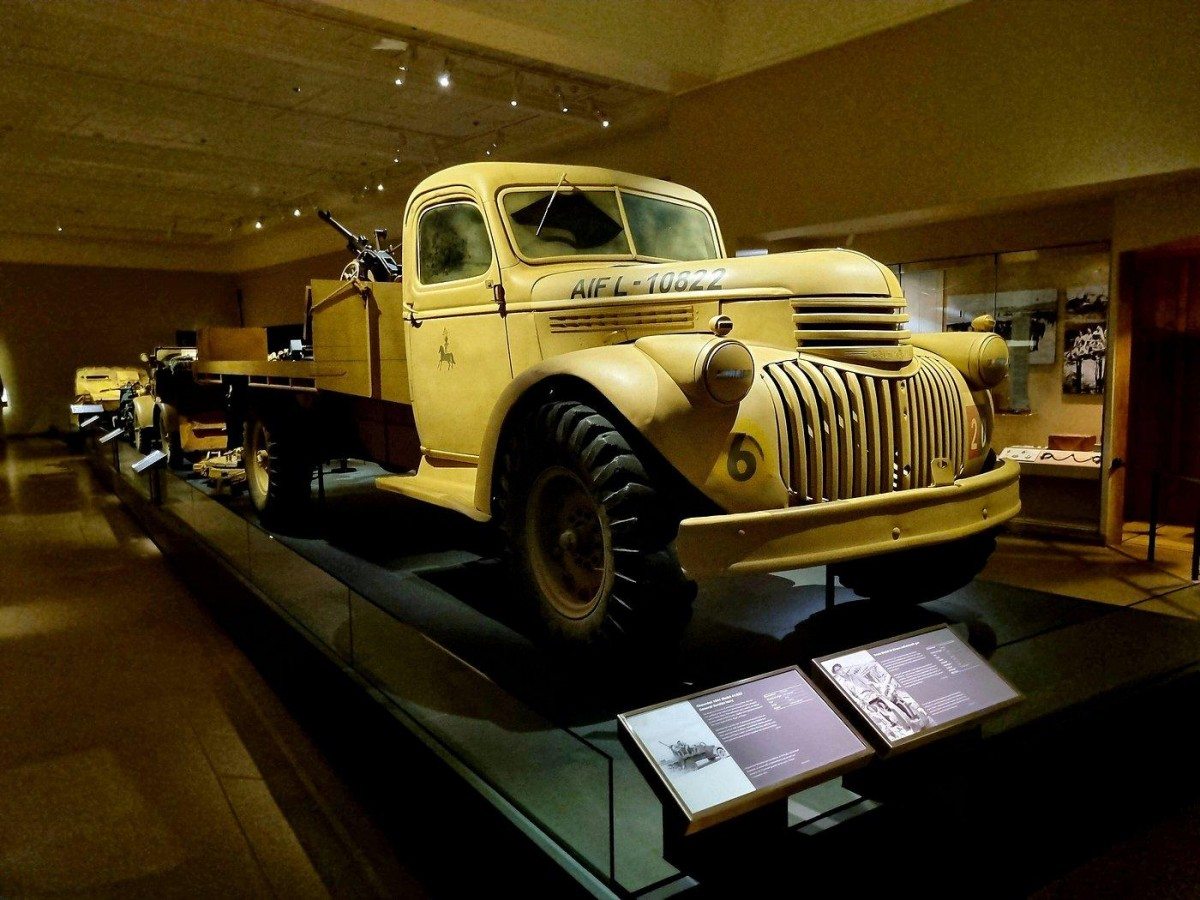
Many people come to the War Memorial Museum just “to see”, in fact, as long as reasonable planning, 3 hours can be an in-depth, complete visit. The following is a recommended sequence:
Hour 1: Walk in from Memorial Avenue, first visit the Memorial Square and external statues, then join the guided tour to understand the overall concept of the memorial.
Hour 2: Enter the Memorial Hall and Main Pavilion, focusing on the WWI and WWII exhibits, with optional audio guide equipment available to aid understanding (approx. AUD$10).
Hour 3: Proceed to ANZAC Hall for the Air Show and finally the Sunset Bugle Ceremony at 4:45pm. Stop off at the café or souvenir store afterwards.
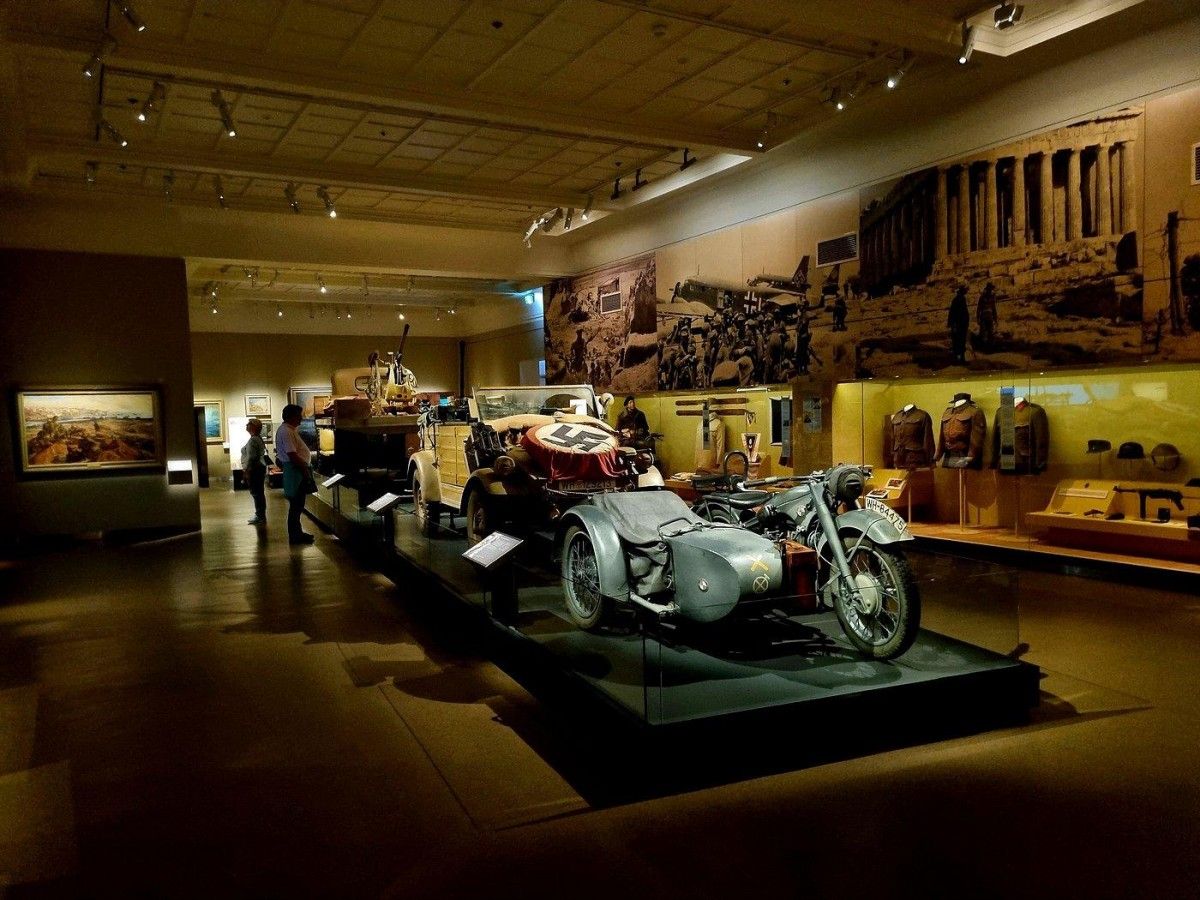
Admission to the Australian War Memorial is free for all visitors, but some temporary exhibitions or events may require booking. You can book a tour slot in advance through the official website (awm.gov.au), especially during national holidays or commemorative days (such as ANZAC Day on April 25th).
Recommended combination options:
Basic tour (free): suitable for free-range visitors who can arrange a 1-2 hour casual tour.
Themed guided tour (recommended): book in advance on the official website, free but limited number of visitors, suitable for visitors interested in a certain historical period.
Family/parent-child route: Families with children can make use of the children's guide book and interactive exhibits, some of which are equipped with simulation experience equipment.
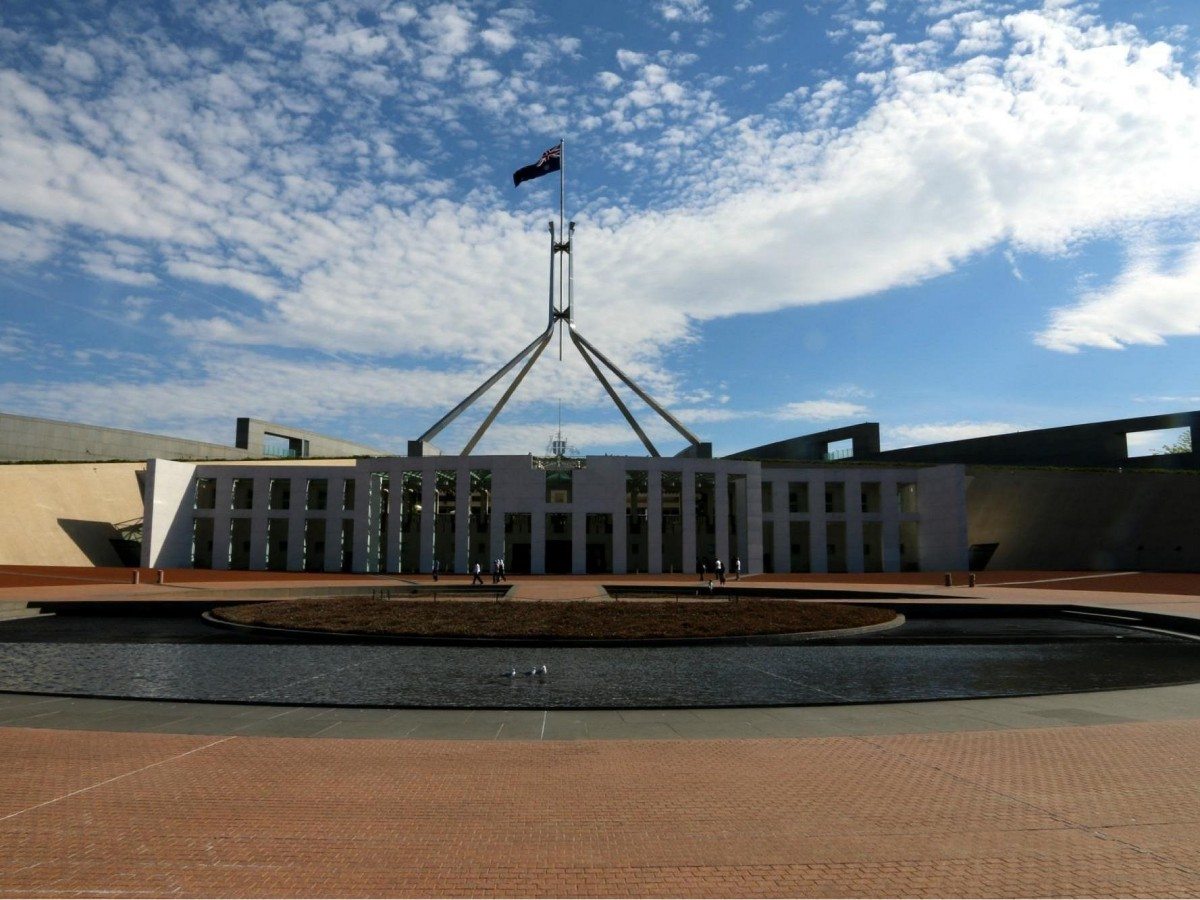
For an in-depth tour, it is recommended to pair the tour with attractions such as Parliament House in Canberra and the National Gallery to fully experience the humanistic charm of Australia's capital city in 1-2 days.
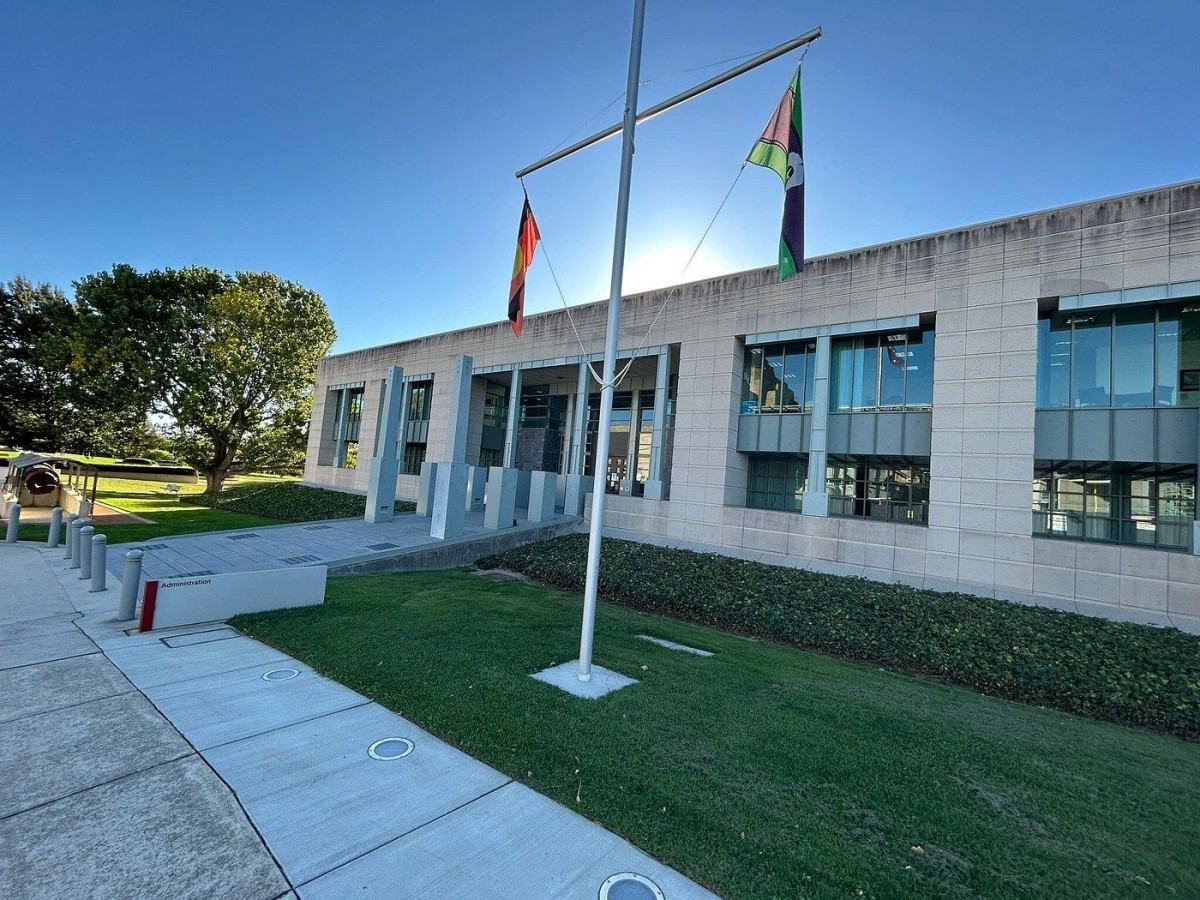
Transportation:
About 20 minutes walk from Canberra city center.
Public buses No. 81, No. 2 and No. 4 are accessible, and the ride takes about 10 minutes.
Self-driving visitors can use the Memorial Hall underground parking lot, where parking is free.
Facilities at the museum:
A café (Poppy's Café) is attached to the Memorial, where you can enjoy a light Australian meal and coffee.
The souvenir store sells war-themed books, commemorative medals, handmade postcards and more.
Tip:
Flash photography is not permitted inside the pavilion.
Some of the exhibit areas are sensitive to sound, so please be quiet, especially in the Memorial Hall.
Wear comfortable footwear, the exhibits span a large area and require a long walk.
The moment I walked out of the memorial, I still remember the last words of the volunteer docent, “We are not here to worship war, but to remember peace.” This museum does not rely on noise or excitement, but uses silence and authenticity to evoke in each of us a sense of respect for sacrifice and reflection on the future. If you're in Canberra, don't miss this place - it deserves every serious walker to stop and listen.