


Advertisement
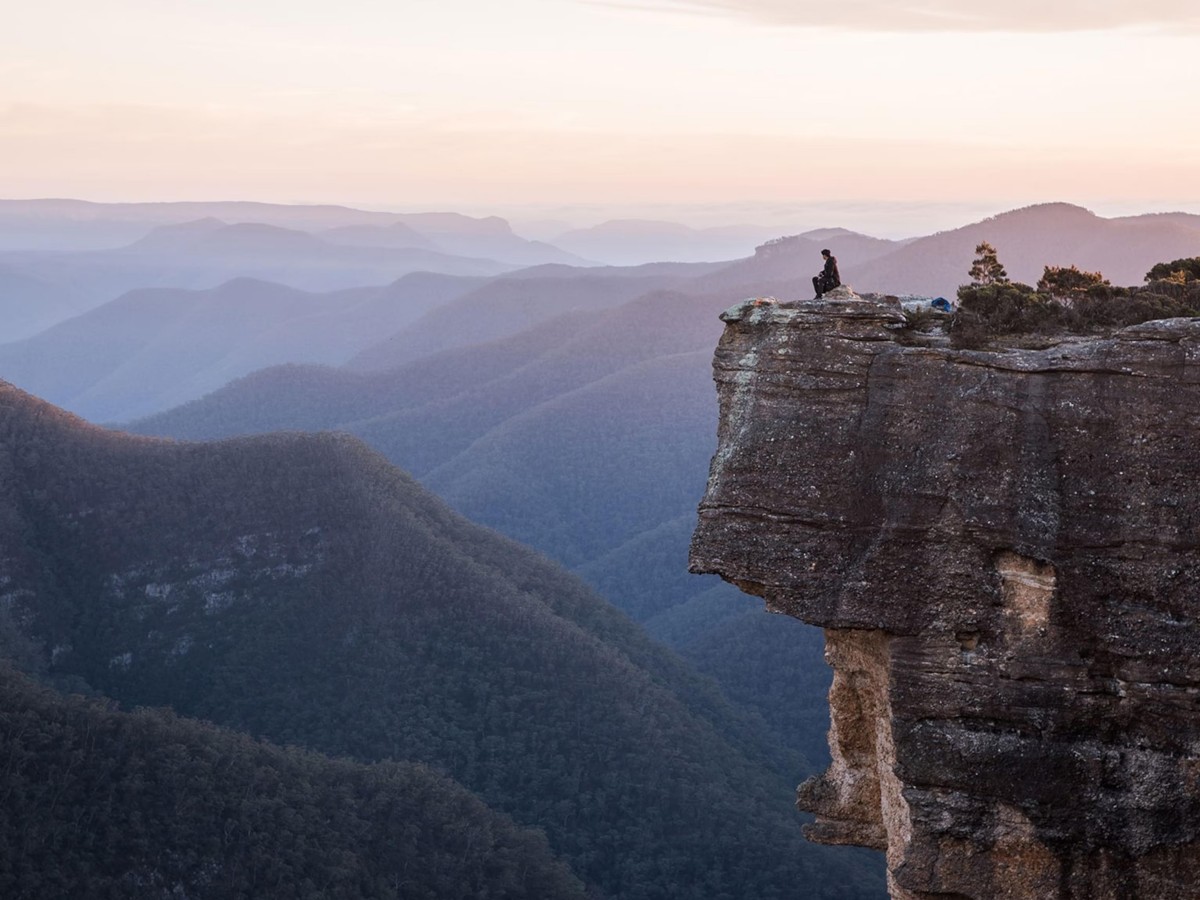
If you're spending a lot of time in Sydney and want to escape the hustle and bustle of the city for a while and relax in nature, Blue Mountains is definitely a perfect choice. Located about 50 kilometers west of Sydney, it's known for its spectacular gorges, rolling hills, waterfalls and dense eucalyptus forests, making it one of Australia's most popular natural attractions. The Blue Mountains are not only picturesque, they also have a long history of Aboriginal culture and are perfect for hiking, photography, exploring or simply enjoying the fresh air. Whether you're a traveler who loves the outdoors or want a relaxing drive, this place will wow you.
Advertisement
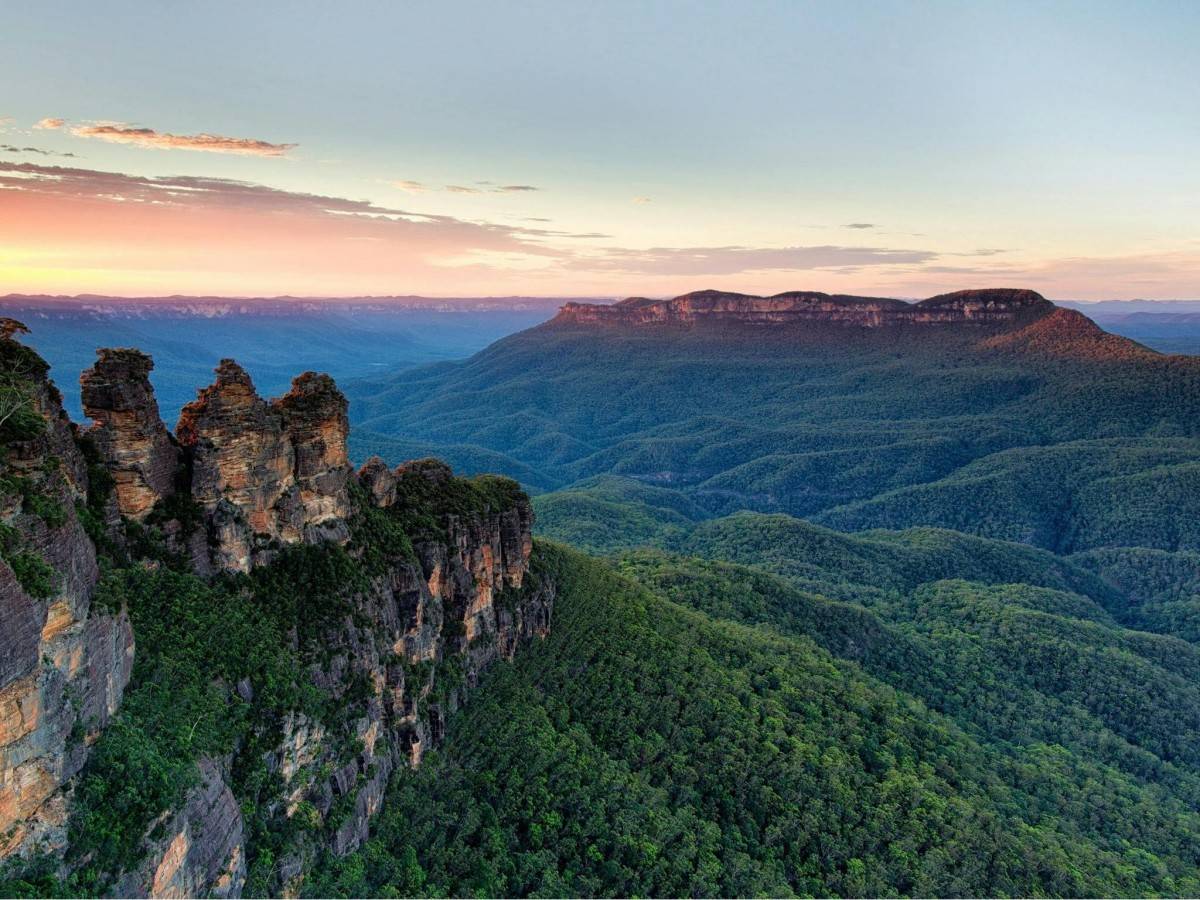
The history of the Blue Mountains goes back tens of thousands of years and was home to the Aboriginal people of Darug, Gundungurra and Wiradjuri long before European settlers arrived in Australia. They lived and hunted in these vast mountain forests and left behind a wealth of petroglyphs, rock carvings and legends.
Advertisement
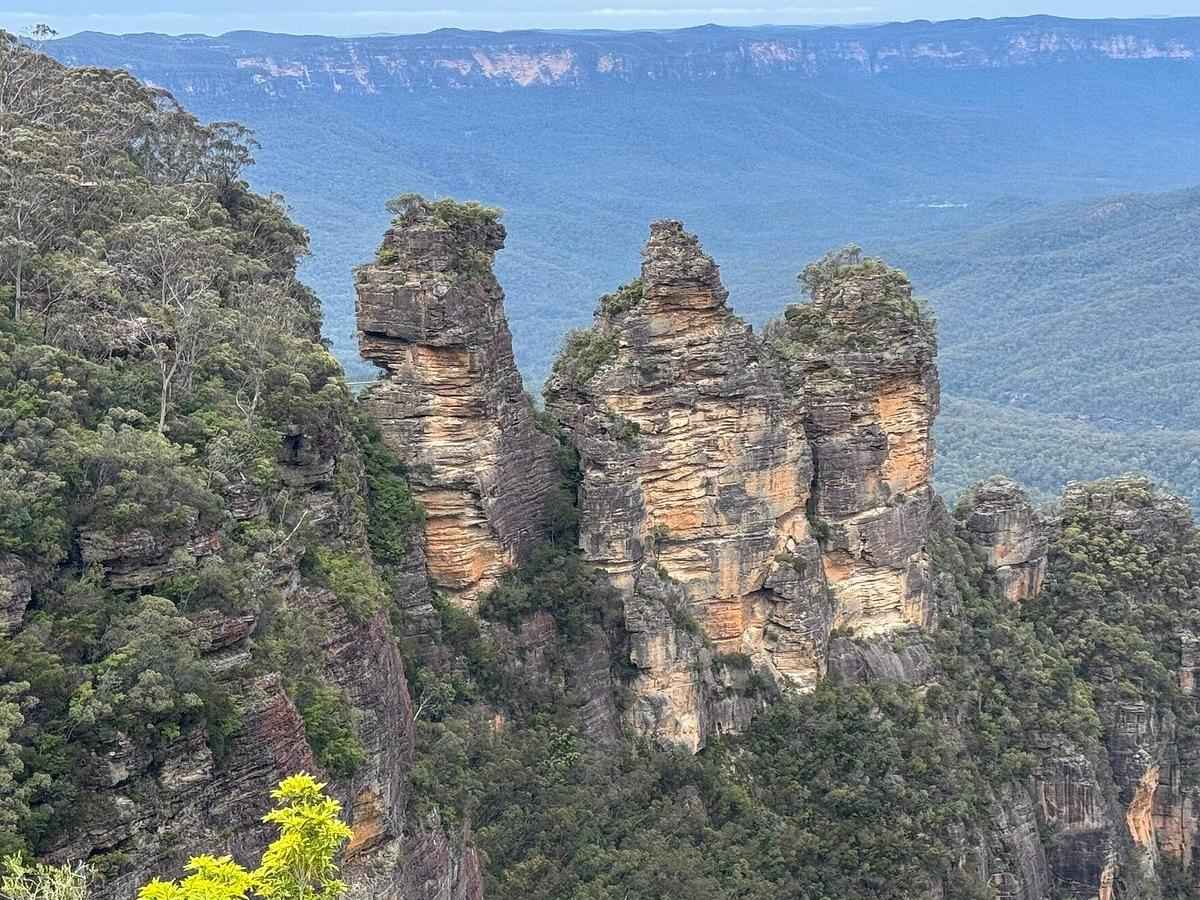
One of the most famous stories is the legend about the Three Sisters. According to local aboriginal myths, the three rocks were originally three beautiful sisters who were turned into stone by spells in order to escape the war. This touching legend not only made the Three Sisters a symbol of the Blue Mountains, but also filled the land with mystery.
It wasn't until 1813 that European explorers Gregory Blaxland, William Lawson and William Charles Wentworth successfully traversed the Blue Mountains, opening the door to the development of the Australian outback. Now a World Heritage Site, the Blue Mountains are one of Australia's best-protected eco-regions, attracting countless visitors each year to explore.
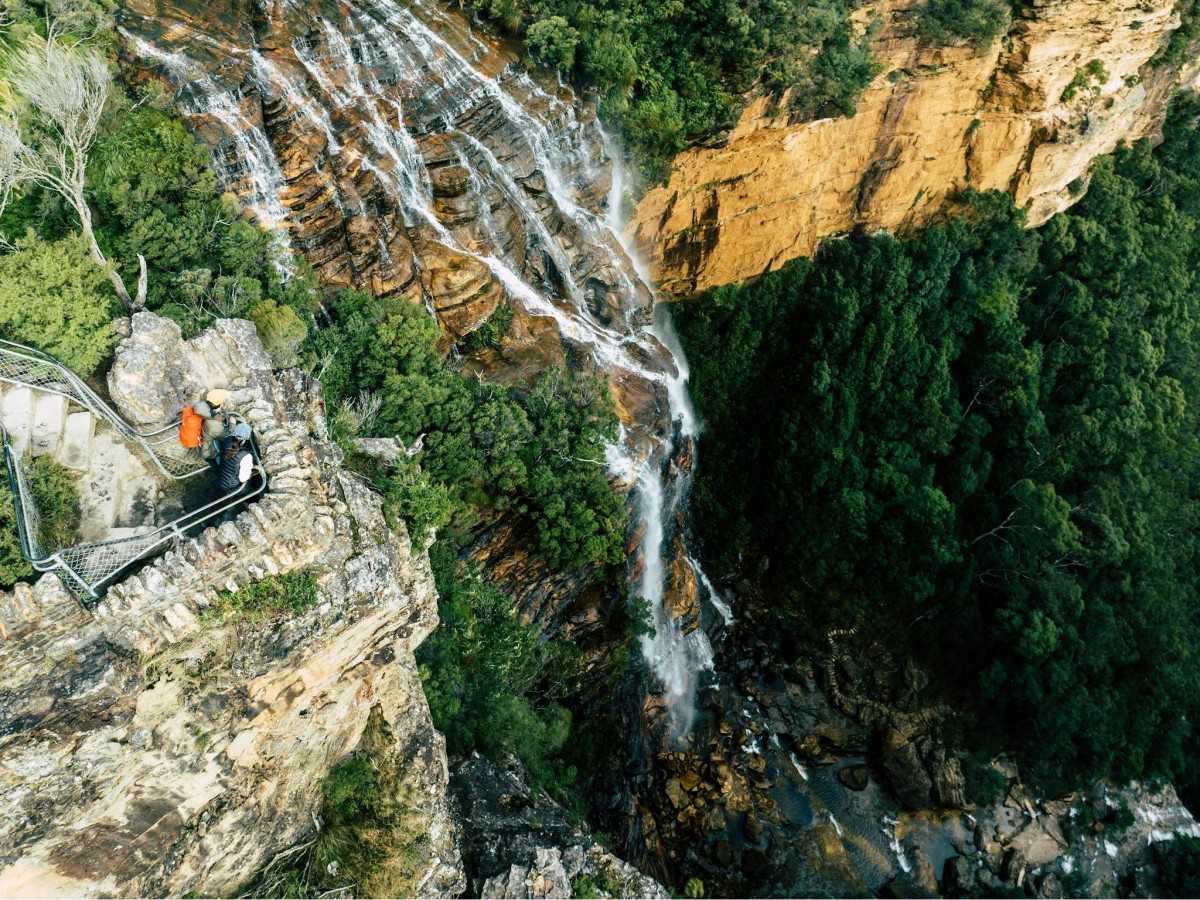
The Blue Mountains have a slightly cooler climate than Sydney, and each season of the year has its own characteristics, making it ideal for traveling at almost any time of year, but each season offers a different experience.
Advertisement
Spring (September to November): The Blue Mountains are at its best for hiking and outdoor activities in spring, when everything comes back to life, wildflowers abound and temperatures are moderate (10°C-22°C). The Blue Mountains Botanic Garden is a colorful place to take photos this time of year.
Summer (December-February): The Blue Mountains are warm in summer (15°C-30°C), but cooler than Sydney's city center, making them ideal for escaping the heat. However, there are more tourists during this season and some of the trails and attractions may be crowded.
Autumn (March - May): Autumn is a photographer's paradise, when the leaves turn gold and red and the whole valley looks like it's covered in warm colors. The temperatures (8°C-22°C) are also very pleasant for a leisurely trip.
Winter (June-August): If you prefer colder weather, the Blue Mountains in winter offer a true Australian mountain experience. Temperatures can drop below zero and there is occasional snow, especially around Katoomba and Blackheath. Winter is also a great time to soak in the hot springs and enjoy a fireplace cabin.
There are a variety of ways to get to the Blue Mountains, the most common being self-drive, train and tours.
Self-drive: The Blue Mountains are about a 90-minute drive from Sydney along the M4 highway, a scenic drive that's ideal for free travel. The best thing about driving is that you can stop and enjoy the scenery whenever you want, and you can also go to places that aren't easily accessible by public transportation, such as wineries or walking trails in the Megalong Valley.
Train: If you don't want to drive, you can take the Blue Mountains Train from Central Station to Katoomba, which is about a 2-hour ride. Once in Katoomba, you can take the local Blue Mountains Explorer Bus to see the main attractions.
Tours: For those who don't want to worry about transportation and scheduling, many tour operators offer one- or two-day packages that cover popular attractions such as the Three Sisters and Wentworth Falls.
For lodging, the Blue Mountains have a variety of options, from luxury resorts to budget inns, bed and breakfasts and even campgrounds. If you want to experience true mountain life, consider staying in a cabin with a fireplace for extra ambiance in the winter.
Check the weather in advance
As the Blue Mountains are high up in the mountains, the weather can change quickly, so it's a good idea to check the weather forecast before you go. If you go in winter, you'd better bring warm clothes, while in summer, you should pay attention to sun protection.
Hiking shoes are your best friend
There are many beautiful hiking trails in the Blue Mountains, such as the Three Sisters Walk, the Jamison Valley Walk and the Giant Stairway. some of the trails are quite steep, so it's important to wear a pair of comfortable hiking shoes.
Bring plenty of food and water
There are a number of cafes and restaurants in Katoomba and surrounding towns, but if you plan to hike, it's a good idea to bring your own snacks and plenty of water, as there are no supply points near some of the attractions.
Keep an eye out for wildlife
The Blue Mountains are home to wildlife such as kangaroos, koalas, and echidnas (an Australian echidna is a small animal that looks like a hedgehog). If you're driving through forested areas, especially in the early morning and late afternoon, keep an eye out for kangaroos on the road. Also, try to avoid feeding the wildlife to avoid affecting the ecosystem.
Don't miss the Blue Mountains Cable Car and Observation Deck
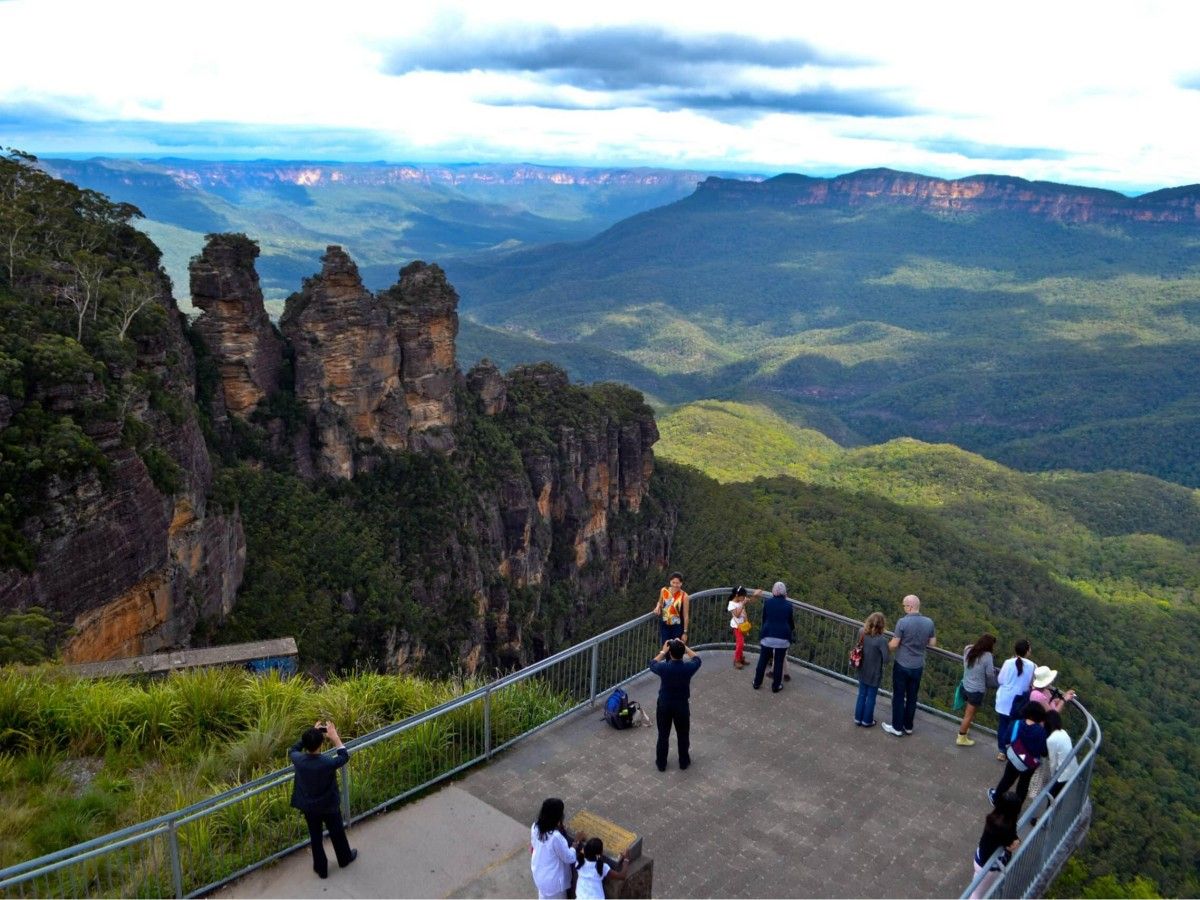
Want to see the whole of the Blue Mountains? Then you must go to Scenic World to experience the Skyway, a cable car with a glass floor, or ride the Scenic Railway, the world's steepest railroad, for a thrilling journey through the valley. Plus, Echo Point is the most classic lookout point for photo ops.
The Blue Mountains are more than just a scenic destination, they are a place full of history, culture and natural wonders. Whether you want to take it easy and see the sights or explore the pristine forests in depth, this place will fulfill your expectations. Every time you visit the Blue Mountains, there's something new to discover - perhaps a chance sunrise, a previously untraveled trail, or even a koala lazing in a tree.