In the Andes Mountains of southern Ecuador lies the historic city of Cuenca, which is known for its well-preserved colonial architecture, culturally rich neighborhoods, and surrounding natural beauty. It is famous for its well-preserved colonial architecture, cultural neighborhoods and surrounding natural beauty. However, in the heart of this fascinating city, there is another site that has been carefully hidden by history and time, quietly telling the glory and mystery of the Inca civilization: the Pumapungo Archaeological Park. This archaeological park is not only an important window to the Inca culture, but also a microcosm of Ecuador's human and natural intersection, attracting history buffs, cultural explorers and nature watchers from all over the world.
Advertisement
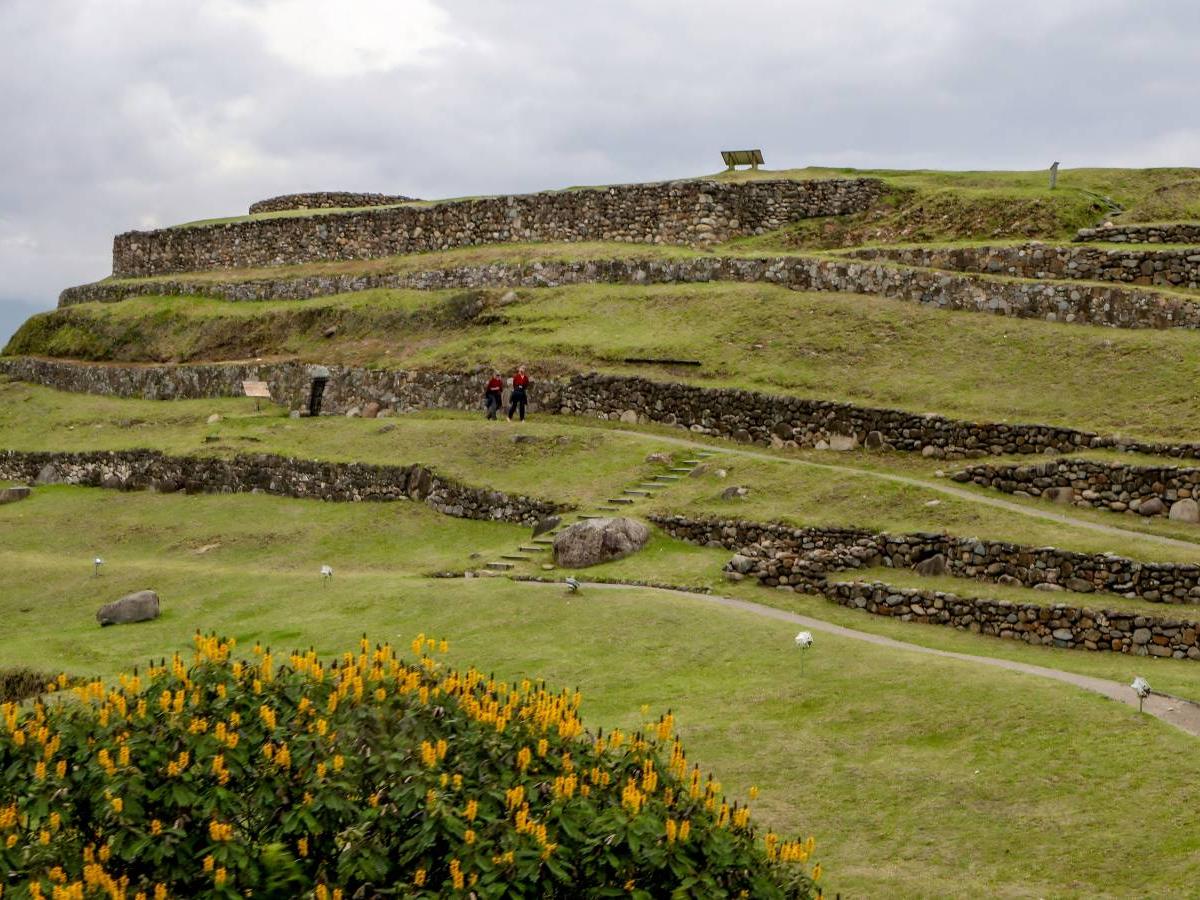
Pumapungo, meaning “Gate of the Puma” in Quechua, is a sacred name given to this land by the Incas. At the height of the Inca Empire's expansion into what is now southern Ecuador, Pumapungo was one of the centers of activity for Inca nobles and priests, and an important point of access to the northern provinces of the empire. According to legend, it was once a magnificent urban complex, including the Temple of the Sun, living quarters, storage rooms, gardens, and a waterway system, which demonstrated the Incas' mastery of urban planning and religious belief systems.
Advertisement
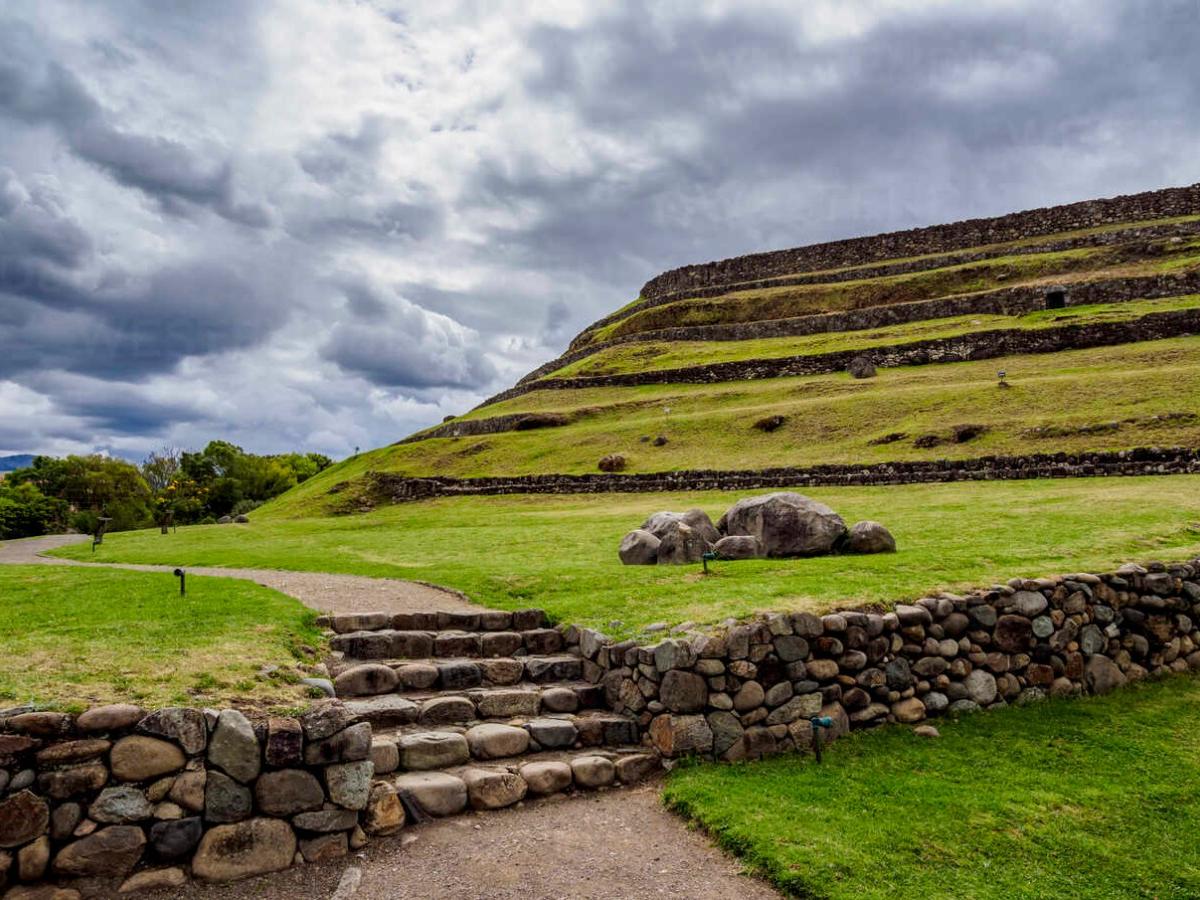
Despite the invasion of the Spanish colonists and the erosion of time, the ruins of Pumapungo still stand in the center of Cuenca, becoming one of the most important physical evidence of the Inca civilization in Ecuador. Today, archaeologists have uncovered numerous stone walls, altars, platforms and aqueduct systems that reconstruct the grandeur of this Inca city in its day. Strolling along these ancient stone pathways, it is as if you can hear the echoes of the grand religious ceremonies of the past and feel the breath of the people who constructed their temples brick by brick with stone.
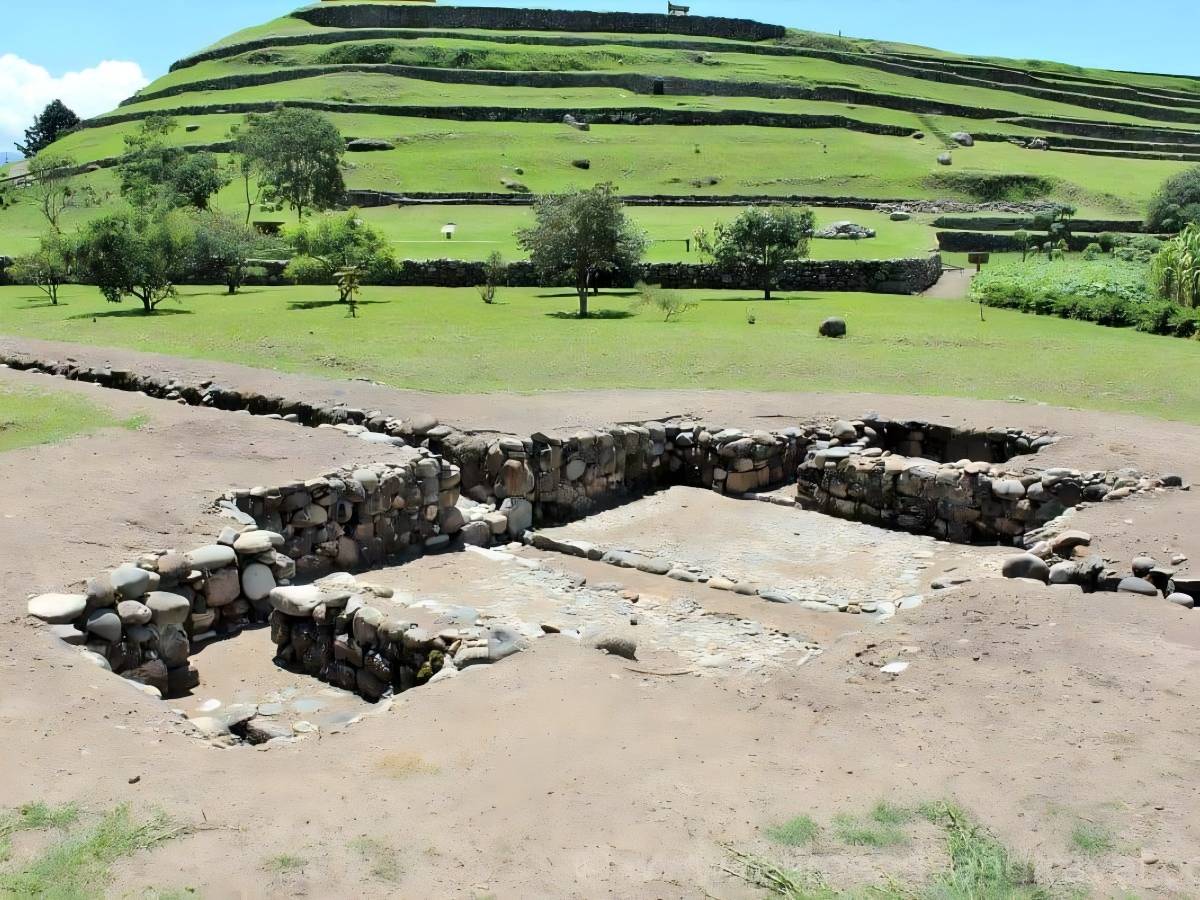
Unlike many archaeological sites that are monolithic in nature, the Pumapungo Archaeological Park is a unique space that combines cultural heritage with natural landscapes. In addition to the preserved remains of Inca stone walls, plazas, and religious buildings, the park features a botanical garden, a bird sanctuary, and an accompanying museum of ethnic cultures, allowing visitors to gain insight into Ecuador's multiculturalism from multiple perspectives.
Advertisement
The botanical garden in the park not only demonstrates the diversity of plants native to the Andean region, but also recovers the plant cultivation methods used by the Incas for medicinal, culinary and ceremonial purposes. Through this garden, one can visualize the harmonious relationship between the Incas and nature - not only did they know how to utilize natural resources, but they also revered the sacredness of Pachamama, the Mother Earth, in their beliefs.
The bird sanctuary on the other side of the park is an important part of the park's ecosystem. It is home to many birds from different ecological zones in Ecuador, including endangered and injured species such as the Andean eagle and the colorful macaw. These birds are rehabilitated under the careful care of the staff, and at the same time provide visitors with an excellent opportunity to get closer to nature and learn about ecology.
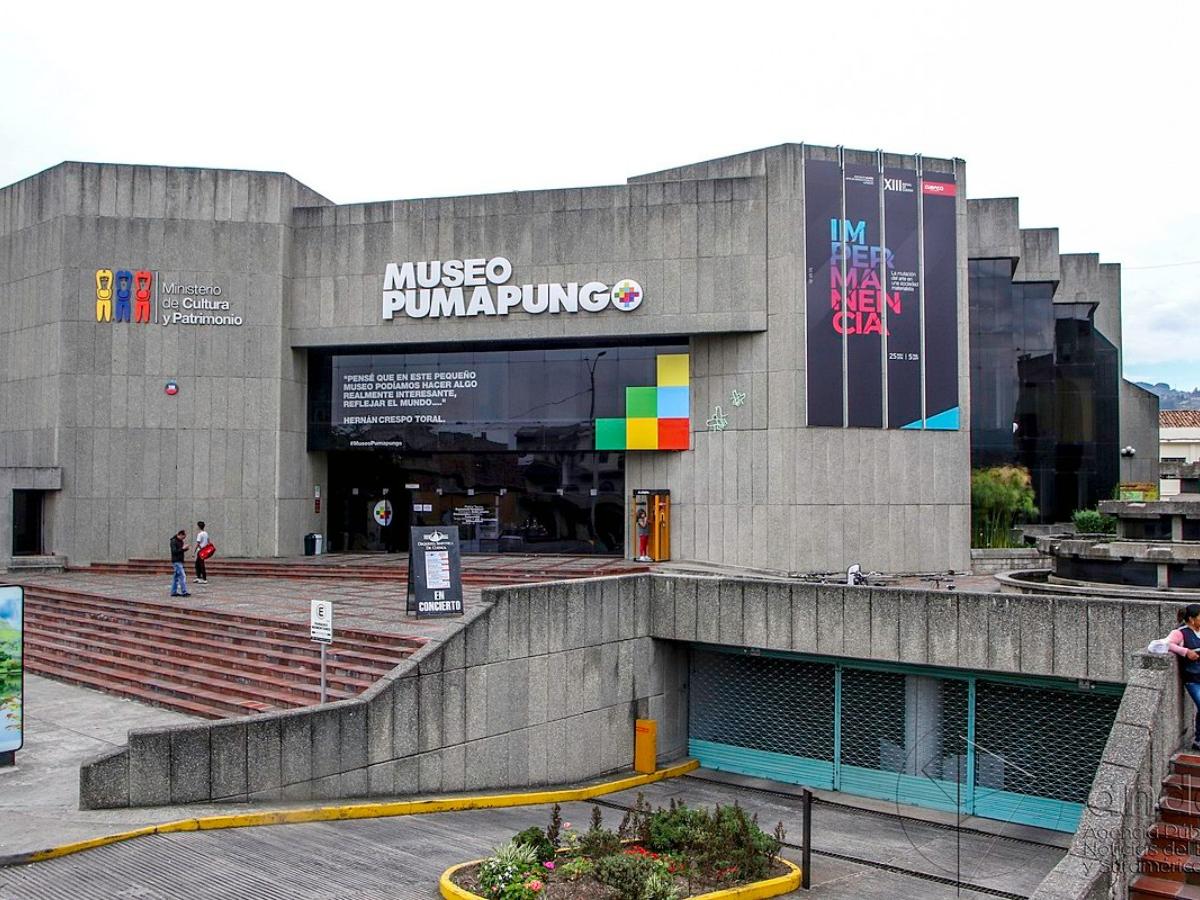
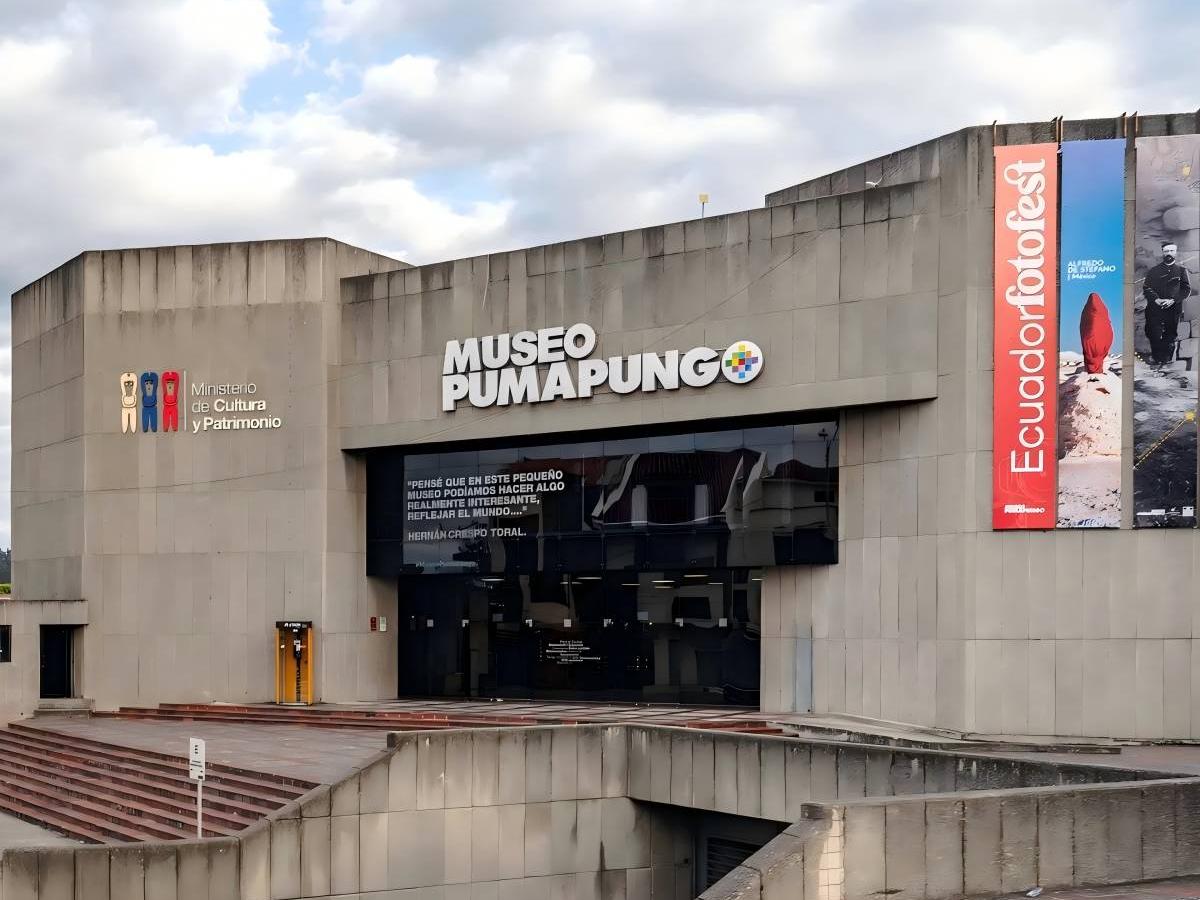
The Museo Pumapungo in the Pumapungo Park is a paradise for culture lovers. The museum has a large collection of artifacts, costumes, everyday objects, and musical instruments from Ecuador's indigenous peoples, including those of the Sierra, Costa, and Oriente. One of the highlights of the museum is the fully restored native dwellings, where visitors can walk through them as if they were in a post-Inca Ecuadorian indigenous community, experiencing their simple yet rich way of life.
Even more amazing is the mummy exhibition in the underground section. These ancient remains, preserved to this day, demonstrate the Andean civilization's understanding of death and reincarnation, and reveal the early Indians' mystical concepts of body preservation and religious rituals. The Museo de las Naciones combines archaeology, ethnography, art, and modern exhibition techniques to make Pumapungo not only a site, but also a space where cultural stories can be “read”.
Pumapungo Archaeological Park is not just a travel destination, it is a living museum, an open history book, and a bridge to the fusion of ancient Andean civilization and modern culture. Everyone who walks into this land will rethink the relationship between people and civilization and discover their connection to the world in the silence of the stone walls and the distant sound of the wind. When you come to Cuenca, if you miss Pumapungo, you are missing a precious journey through millennia of history and touching the Inca soul. And if you've been here, you'll always remember the stone steps glistening in the sunlight with the afterglow of history, and the flocks of macaws chirping softly in the wind, together telling the unfinished story of this land.