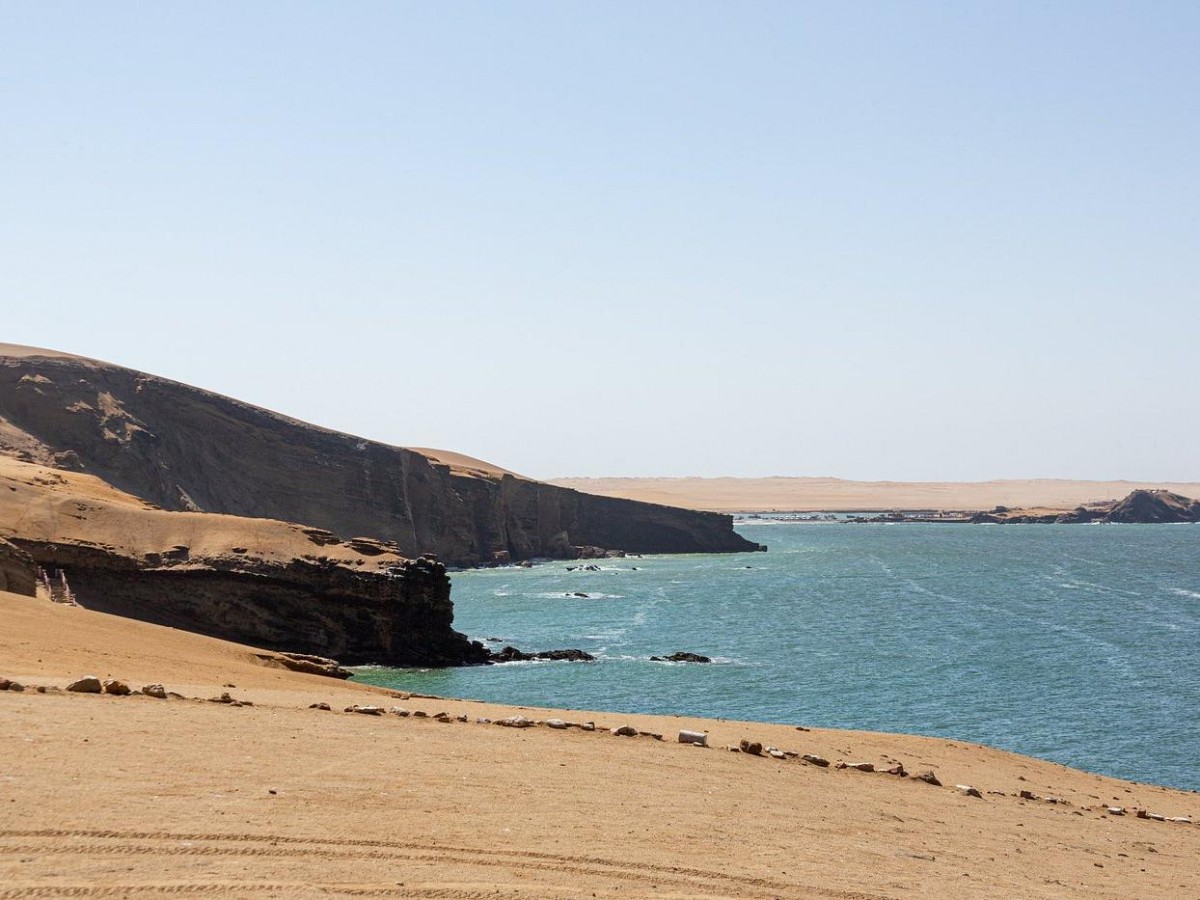
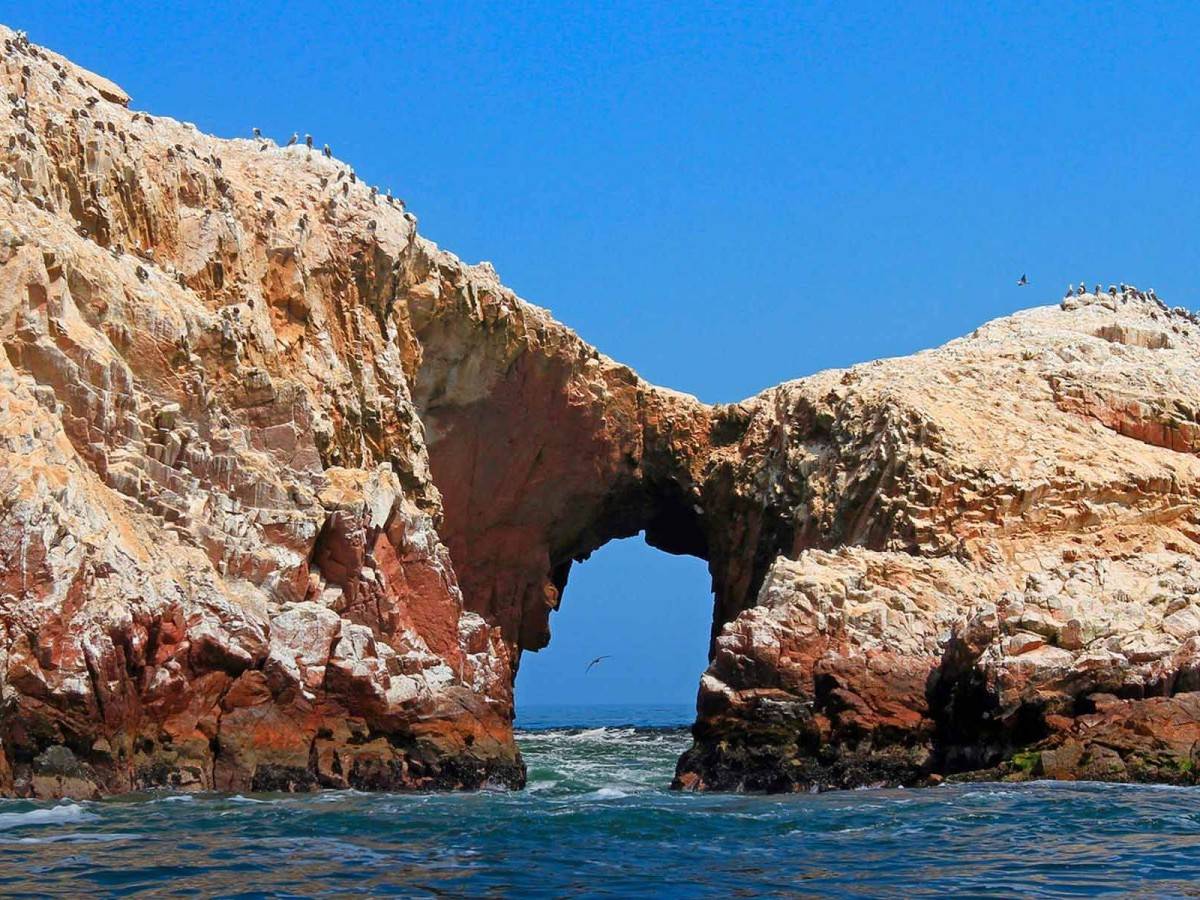
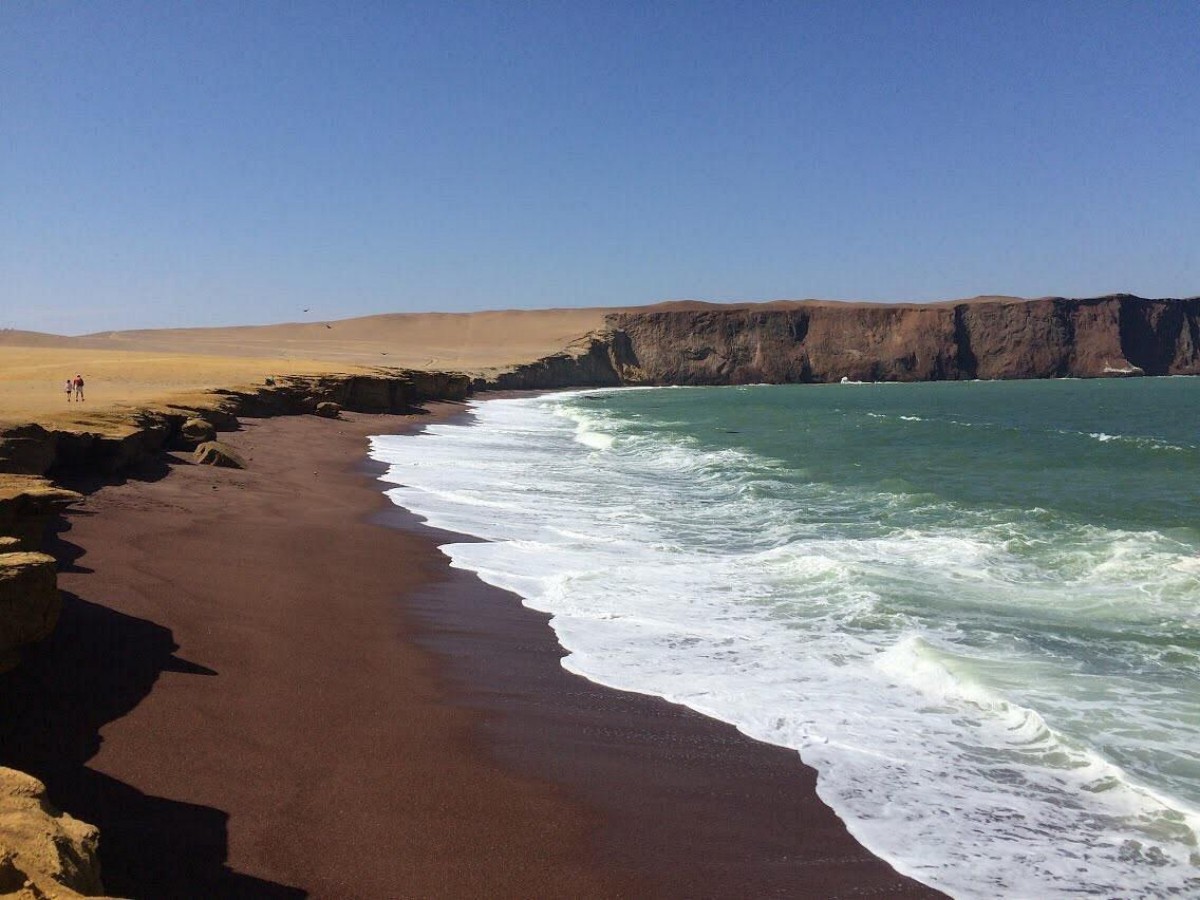
When you think of Peru, the images that come to mind are Machu Picchu, the Nazca Lines, and the Rainbow Mountains. ...... But if you ask me where else in Peru can you encounter hundreds of wildlife species in an hour, see mesmerizing giant geoglyphs, and feel truly free in the sea breeze and birdsong? I'd definitely recommend Islas Ballestas, nicknamed “Little Galapagos”, but believe me, it's not just “small and beautiful”, it's unique. But trust me, it's not just “small and beautiful”, it's unique. In today's post, we're going to take a look at the 3 highlights and 5 must-see wildlife species of this magical archipelago, as well as some useful tips to make sure you have a great time and get your money's worth out of it!
Advertisement
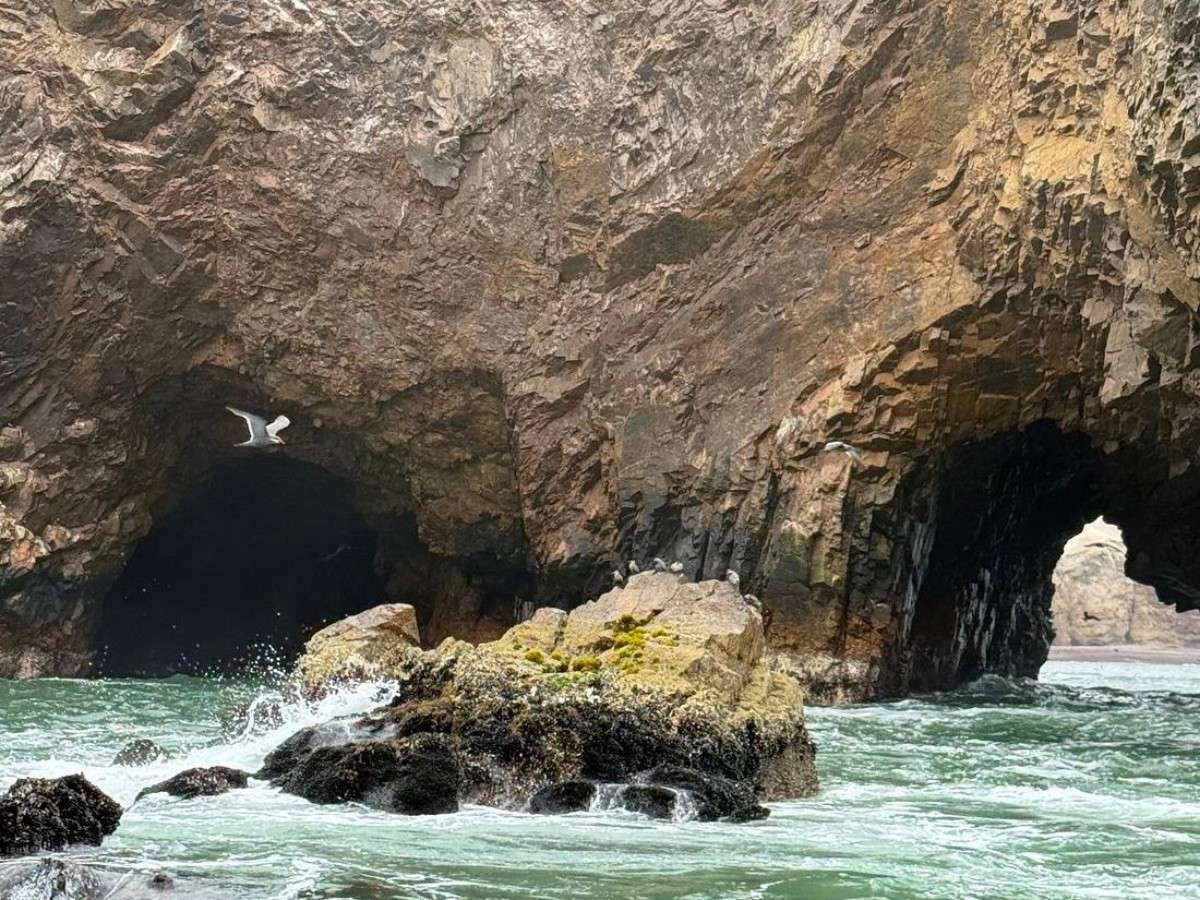
Highlight 1: Experience the mystery of “Candelabro” up close!
Advertisement
The first thing that takes your breath away on the boat to the Ballestas Islands is not the animals, but a huge mystery - the Candelabro de Paracas.
Carved into the dunes facing the sea on the Paracas Peninsula, this mysterious geoglyph is about 180 meters long and more than 50 meters wide at its widest point. From the sea, it looks like a giant candelabra, and some say it looks like a cactus or a trident ...... So far no one has been able to explain exactly where it came from.
Some archaeologists speculate that this is the ancient Paracas culture of navigation markers, there are also rumors that it has a mysterious connection with the Nazca Lines, and there is a little more romantic: it is the pirates left the code word.
Regardless of the answer, when the boat slowly approaching, you look at the wind and sun in the still clear giant paintings, there will be a kind of slightly goosebumps shock: traces of mankind, and the power of nature, so intertwined.
Highlight 2: The world-class seabird kingdom, the real “island of all birds”.
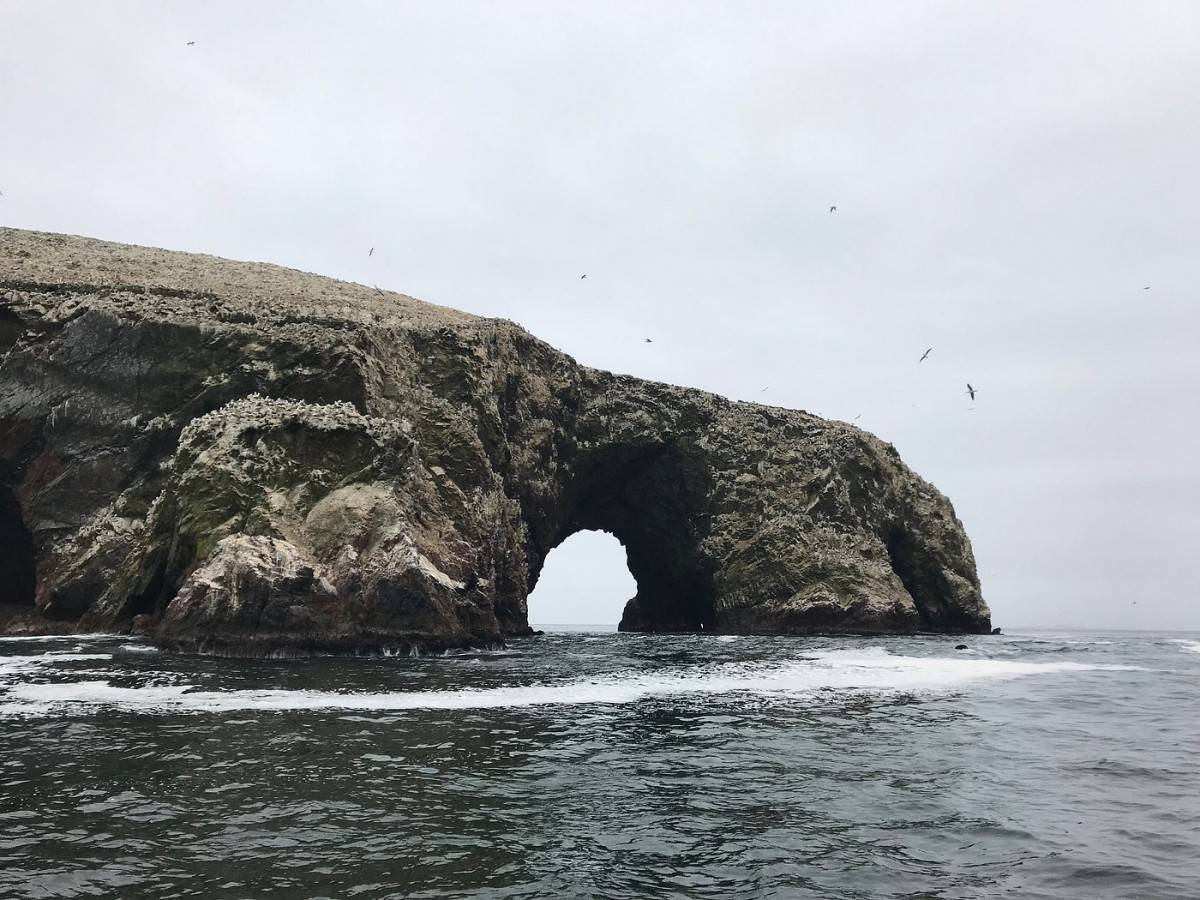
Continuing to move forward, the boat is almost to the archipelago area, ears began to fill the sky with birdsong. Look up - dense black spots hovering in the sky, so called “peak bird flight time”.
The Ballestas Islands are one of the largest seabird colonies in the South Pacific, with an exaggerated population that at its peak can hold more than 2 million seabirds per square kilometer.
The most common are Peruvian Boobies, Peruvian Cormorants, Red-footed Gulls and many more. They nest on cliffs, caves, and rock faces and are completely unafraid of people, and every now and then there are mischievous birds that skim low over the top of your boat, which is super vivid.
And it's not just the sheer numbers that make this place “white gold” - in the 19th century, the guano (rich in nitrates) was exported on a large scale for use as fertilizer, earning Peru a lot of foreign exchange. Although collection is now prohibited, the mountains of white guano that have accumulated on the island are still like a mark of time.
Highlight 3: Intimate show of sea lions, penguins and dolphins
Before you get over the shock of the birds, you can turn your head and see another adorable scene - an entire rocky outcrop of chubby South American sea lions lazily basking in the sun or roaring and fighting, a lively family of animals.
What's even more surprising is that the Ballestas Islands are one of the few places where you can see Humboldt penguins in their natural state! These small, super-fast penguins, which normally live off the coast of South America, are super cute. If you're lucky, you might even see groups of dolphins leaping out of the sea and racing the boat on your voyage.
1. South American Sea Lion
Advertisement
As soon as you get to the island, you can hear them “roaring” all the time. Huge but lazy character, sometimes lazy to care about the boat, and sometimes will be curious to probe and look. Especially in spring and summer, the baby sea lions are so cute that their hearts will melt.
2. Humboldt Penguin
Humboldt Penguin is a small, white-bellied, fast-moving sea lion. They like to hide in the crevices of the rocks and need to be found carefully. But once you find one, watching them wiggle around in the crevices will make you want to take one home!
3. Peruvian Booby
One of the most common large seabirds here, this white-bodied, blue-footed bird is very recognizable. They're super impressive when they're hunting: they plunge into the sea from the air with a splash that's like a documentary come to life.
4. Gray Gull
Gray Gulls look smaller than normal gulls and are easily recognized by their pinkish-red feet. They usually move around in small flocks, sometimes landing quietly on the boat rail, very close to people.
5. Pacific Bottlenose Dolphin
Although not 100%, the chances of seeing them are not bad. The dolphins like to jump and play in the cool water in the morning, chasing after the boat and beating the waves, super energetic.
Departures
Most boat tours to the Ballestas Islands depart from the marina in Paracas. It's about a 3.5 hour drive from Lima, so it's recommended to spend a night in Paracas the day before for an easy boat ride the next morning.
Best time of day
Best time of day to leave: between 7:30 and 9:00 a.m. The wind and waves are low, the animals are active, and the light is soft and superb.
Best time of year: April through November for dry weather and high visibility. But even in the summer months from December to March, there are plenty of animals to see, just with stronger sunlight.
How to book a tour
Price: Usually around $25-$40, including boat ticket and guided tour (remember to check if port tax is included, probably another $5).
Note: Be sure to choose a regular company with life jackets and an English speaking guide. Advance online booking is recommended for popular seasons (Holy Week, summer vacation).
Necessary equipment
Windproof jacket (morning sea breeze is very cold)
Sunglasses, sunscreen
Waterproof bag (camera and cell phone against splashing water)
Telephoto lens/binoculars (more fun to photograph animals)
Small amount of cash (marina tax, buy water, etc.)
Precautions
Protect the environment, you can't bring food to feed the animals.
Can not climb the Ballestas Islands, can only take the boat around the viewing, to protect the ecological balance.
Seasickness body friends remember to take seasickness medicine in advance.
Ride the boat through the sea, close to watch the sea lions rolling, penguins trotting, seabirds circling in the sky, that moment you will suddenly understand that the most precious travel, in fact, is not a famous landmark photo, but these unexpected, living, real and beautiful moments. And the Ballestas Islands in Paracas is such a place - it steals your heart quietly with the sea breeze and the power of life.