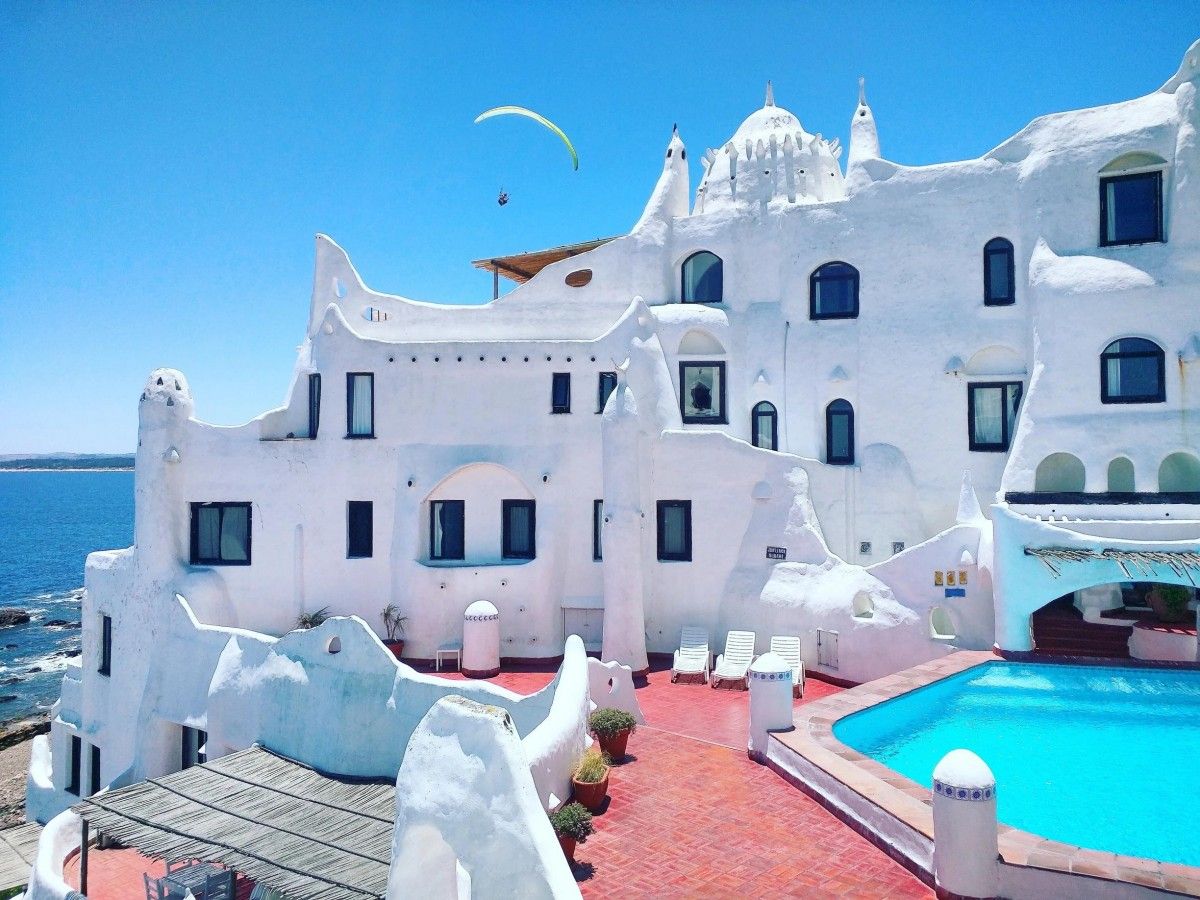
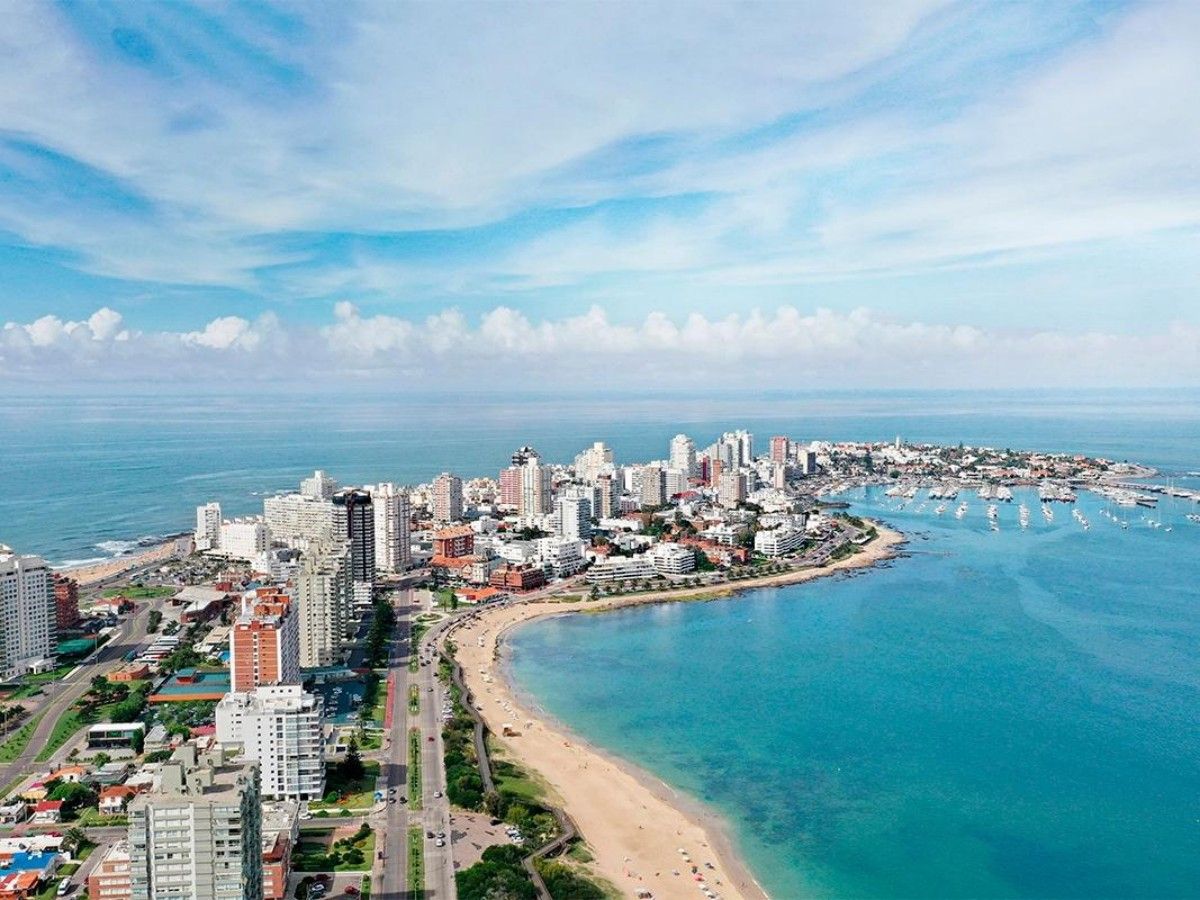
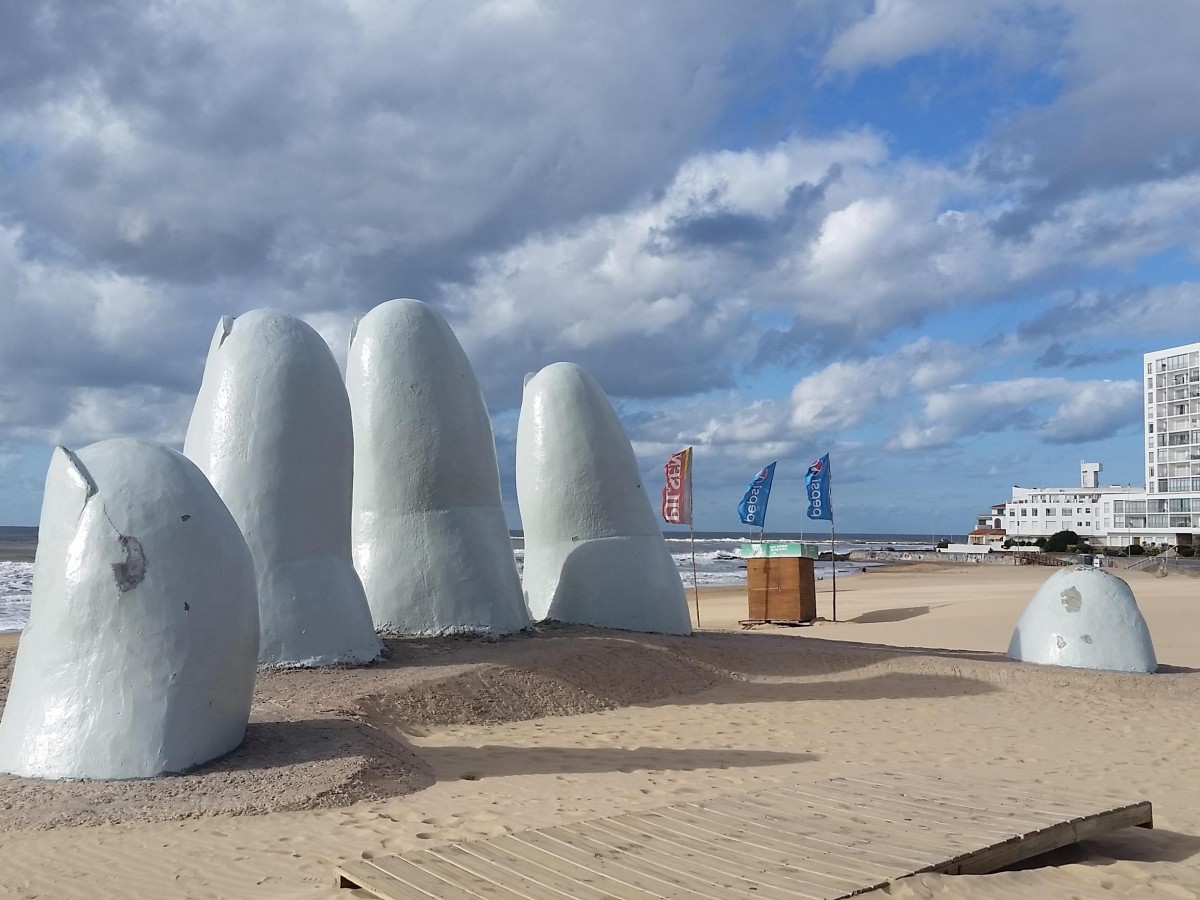
If you visit Punta del Este, Uruguay, besides the sunny beaches and the “finger sticking out of the ground”, there is another place you can't miss: the white building on the beach that looks like it grew out of a fairy tale, Casa Pueblo. From a distance, it looks like a white cloud hanging on a cliff, next to the boundless sea, the sky is bright blue, the wind is salty sea breeze, how to look how dreamy. It is not an ordinary attraction, not to mention a simple art gallery, it is an artist's heart and soul, it is architecture, it is painting, it is life, it is a story that can't be told. Think of it as the “Santorini of Uruguay” with a touch of “Gaudi's soul” and a quiet South American vibe. Coming to Casa Pueblo is not just about taking a few photos, it's more about experiencing how one's dream becomes a reality step by step. It's a little bit artistic, a little bit childish, a little bit lonely, and a little bit romantic, and it's perfect for you to spend an afternoon walking around, looking and feeling.
Advertisement
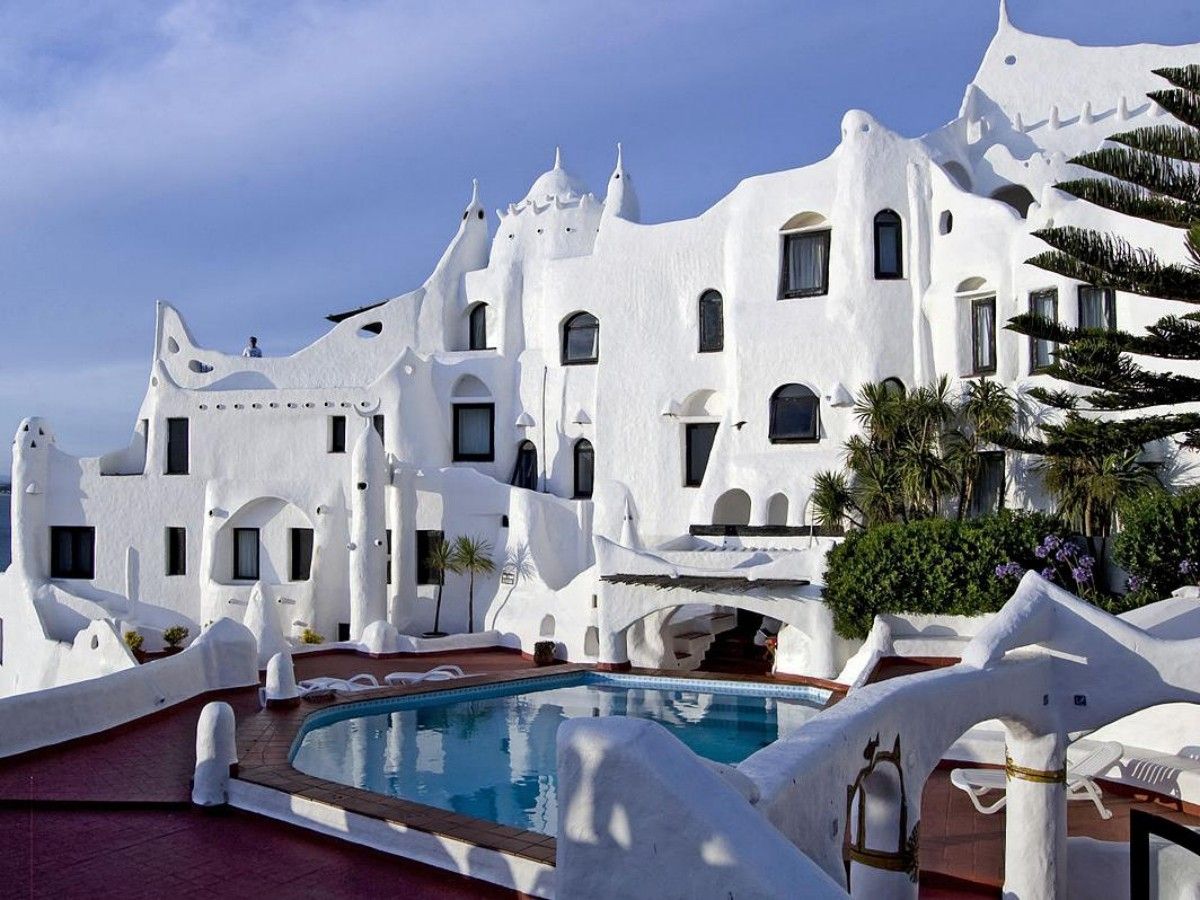
This magical white house was built brick by brick by a local Uruguayan artist, Carlos Páez Vilaró. He is an artist, architect, composer, poet and a true idealist. In the 1960s, he found this cliff by the sea, thought it was so beautiful that he decided to build his own home here, and as he did so, it slowly became an art gallery, then a museum, a hotel, a café, and now the Casa Pueblo we see today.
Advertisement
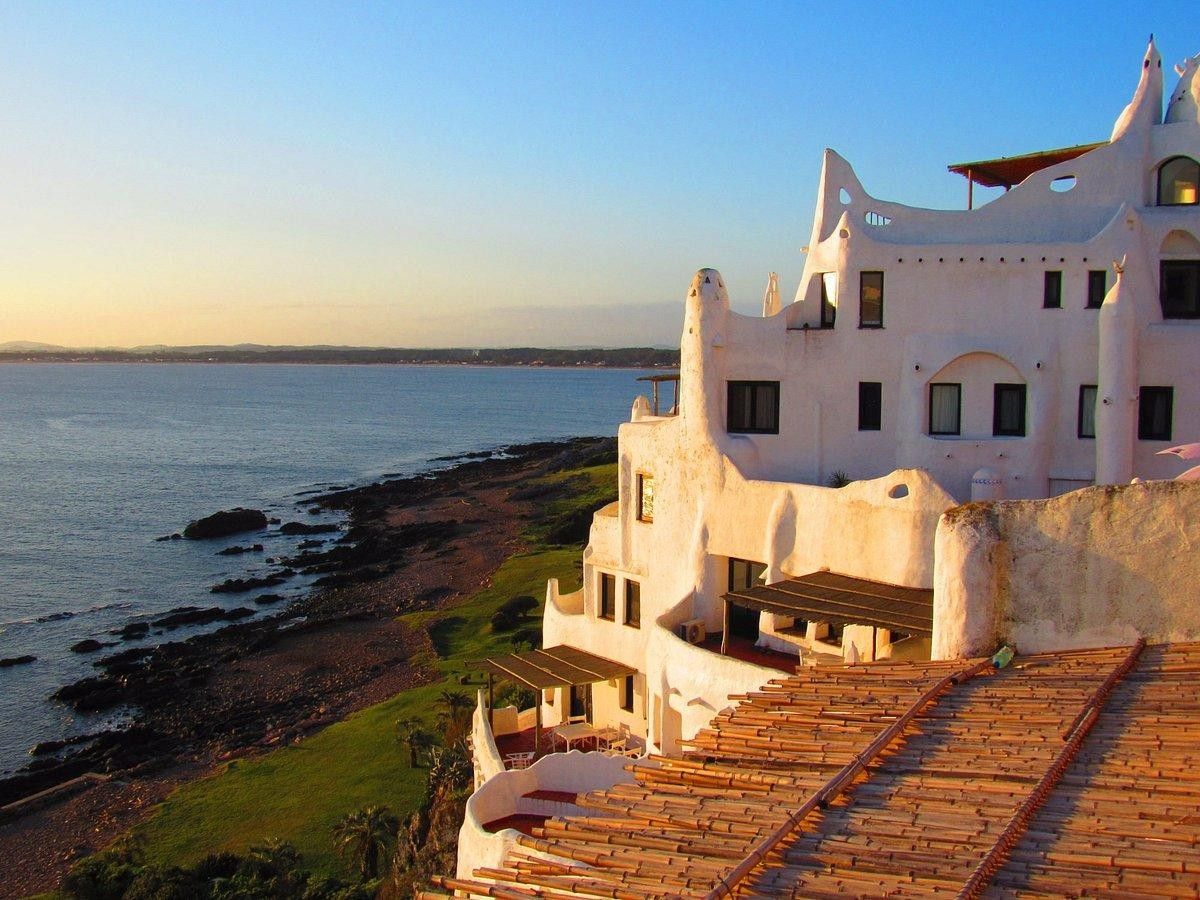
Casa Pueblo has no right angles, but all curves, just like clay kneaded by hand. Its style was greatly influenced by the Spanish architect Gaudi, and mixed with the indigenous culture of South America and the Mediterranean flavor, so it does not look like a “standard” building in any way. But it is precisely because of this “non-mainstream” that it has its own character.
Vilaró lived and created here for decades, and until his death in 2014, he still lived in this house. Many of his paintings, sculptures, and manuscripts are on display here, and there is even a small room where he kept his desk as it was. His son, was one of the 16 people who survived the Andean plane crash that year (that accident was later made into the movie “Out of the Valley of Despair”), so you walk around the house and realize that it's not just an art space, but also a family's carrier of memories and emotions.
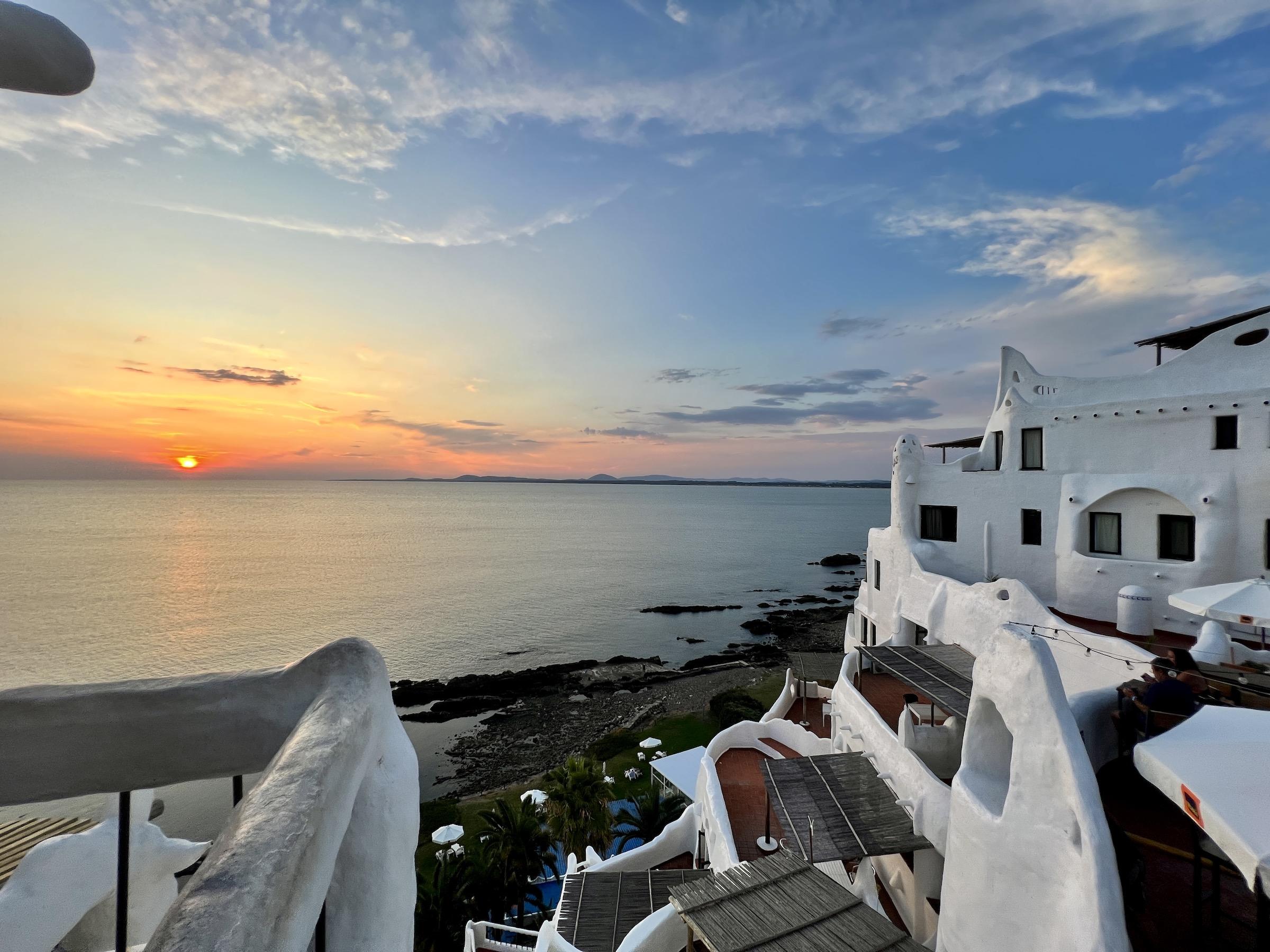
In addition to the architectural structure, which is a sight to behold in its own right, the location where Casa Pueblo is situated is particularly well thought out. It faces the Atlantic Ocean, and the whole building extends down the mountain, as if “growing” from the cliff. Standing on the balcony to look out, the sea and sky, the sky blue like fake, the waves beat on the reef, a sound like the world is breathing. If you come in the evening, the sunset here can directly seal God. Every sunset, the staff will also play a piece of Vilaró himself recorded “Sunset Poem”, the voice is low and gentle, with the scene of the slowly setting sun, listening to it will give you goosebumps.
Advertisement
The interior of the gallery is small, but rich in detail. Each door and window has a unique shape, and many of them have been hand-painted or inlaid with mosaics. Most of the paintings on the walls are by Vilaró, who likes to paint the sun, women, African elements, and Uruguayan countryside. The colors are strong, the brushstrokes are wild, and without reading the labels you can feel that “he's really having fun with his paintings”.
If you are willing to spend more time, we recommend you to sit in the cafe inside the museum, where the seats by the window have a direct view of the sea. Ordering a cup of Uruguayan coffee or maté tea, with a small cake, and relaxing your mind while enjoying the view from the window is a very special enjoyment.
Casa Pueblo is open to the public, but you have to buy a ticket to get in. Prices may fluctuate a little bit from year to year, but it's roughly like this:
Adult ticket: about 300 Uruguayan pesos (almost 7 to 8 dollars)
Students and seniors get a discount.
Children usually get in for free or half price
You don't need to make reservations, but you can usually buy tickets on the spot, except for Christmas, New Year's, and the Uruguayan summer (December through February), when it gets especially crowded, so it's advisable to get there a little early. Opening hours are usually from 10am to 6pm, sometimes an hour longer in summer. It is advisable to avoid going at midday when the sun is at its peak, as the balconies can get really hot.
Tickets include entry to the art gallery, most of the galleries and the terrace. However, if you want to stay at Casa Pueblo's hotel for a night, you'll need to book a separate room, which will be quite a bit more expensive (starting at around $150 a night), but beats the experience, especially for couples or art lovers.
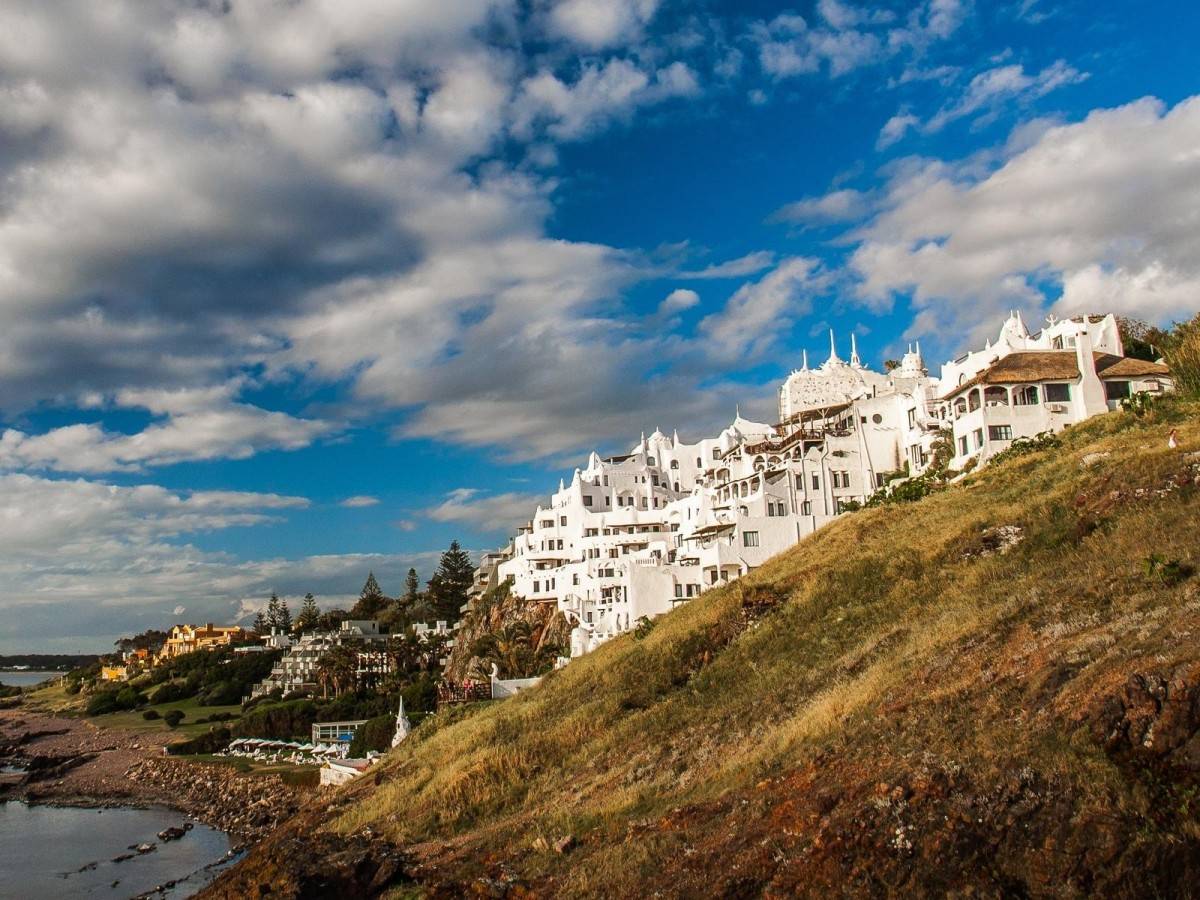
The most important thing you can do at Casa Pueblo is to make sure you don't forget your camera, or at least have enough memory on your phone-every corner of the place looks like it's waiting for you to take a picture. White walls, blue skies, curves and sunlight combine to create a natural filter. It is recommended to wear some bright colors, such as red, yellow and blue, which will be especially photogenic. Slippers or comfortable sneakers are the best, because there are many stairs here, and they are all irregular structures, so you have to be a little careful when walking.
Another suggestion is to make Casa Pueblo your last stop in Punta del Este. The atmosphere here is perfect for “slowing down”, where you can reflect on your trip, look at the sea, listen to the wind, and soak up the sun, and feel like you're wrapping up your trip and then moving on.
If you're traveling by car, you can stop by Portezuelo Beach or the nearby fishing village of Punta Ballena, which is not very crowded, but the scenery is pure, and it's nice to have lunch and buy some handmade souvenirs.
A lot of people go to the most popular places when they travel, and they always go wherever the crowds are. But Casa Pueblo is different, it is not the kind of “Netflix” place that is amazing at a glance, but a place where you will suddenly feel “wow, this place is really different” only after you have looked at it for a few more times, walked a few steps slowly, and quieted down. It carries the love of an artist, the story of a family, and a country's understanding of art and freedom. You don't need to know anything about art, nor do you need to be particularly artistic, as long as you are willing to spend a little more time looking at it, you will love it. It's not loud, but it carries weight. It's not high profile, but it's special. So next time you have a chance to go to Punta del Este, don't just look at the beach and sunset, remember to leave half a day for this “white castle” - Casa Pueblo. not for anything else, just for the feeling of standing quietly on the balcony, watching the sea breeze blowing through your hair. The feeling of standing quietly on the balcony, watching the sea breeze blowing through your hair.