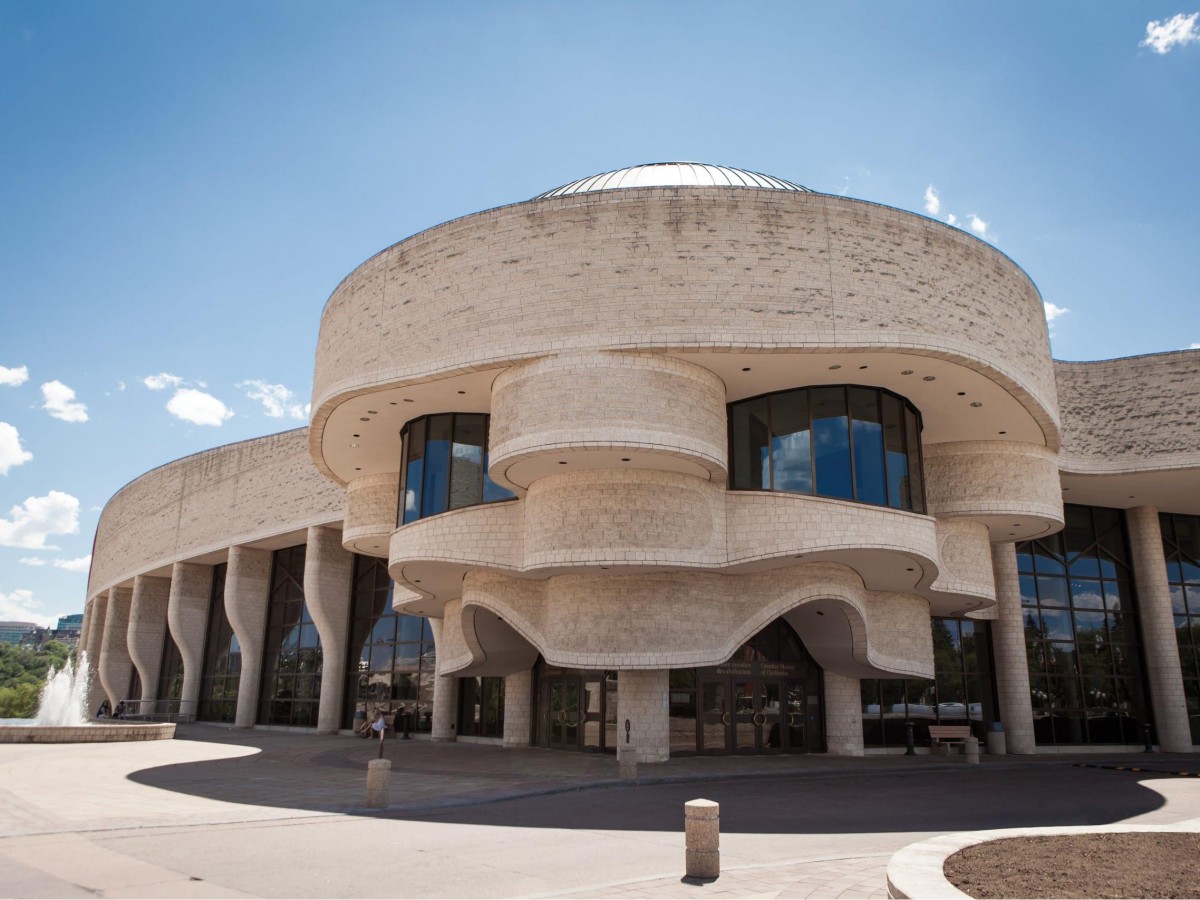
When I first walked into the Canadian Museum of History, I was literally frozen. But don't worry, I found a route that is not tiring and not boring, and I had a much better time than I expected. This article is here to help you avoid the pitfalls, save time, but also have fun wandering.
Advertisement
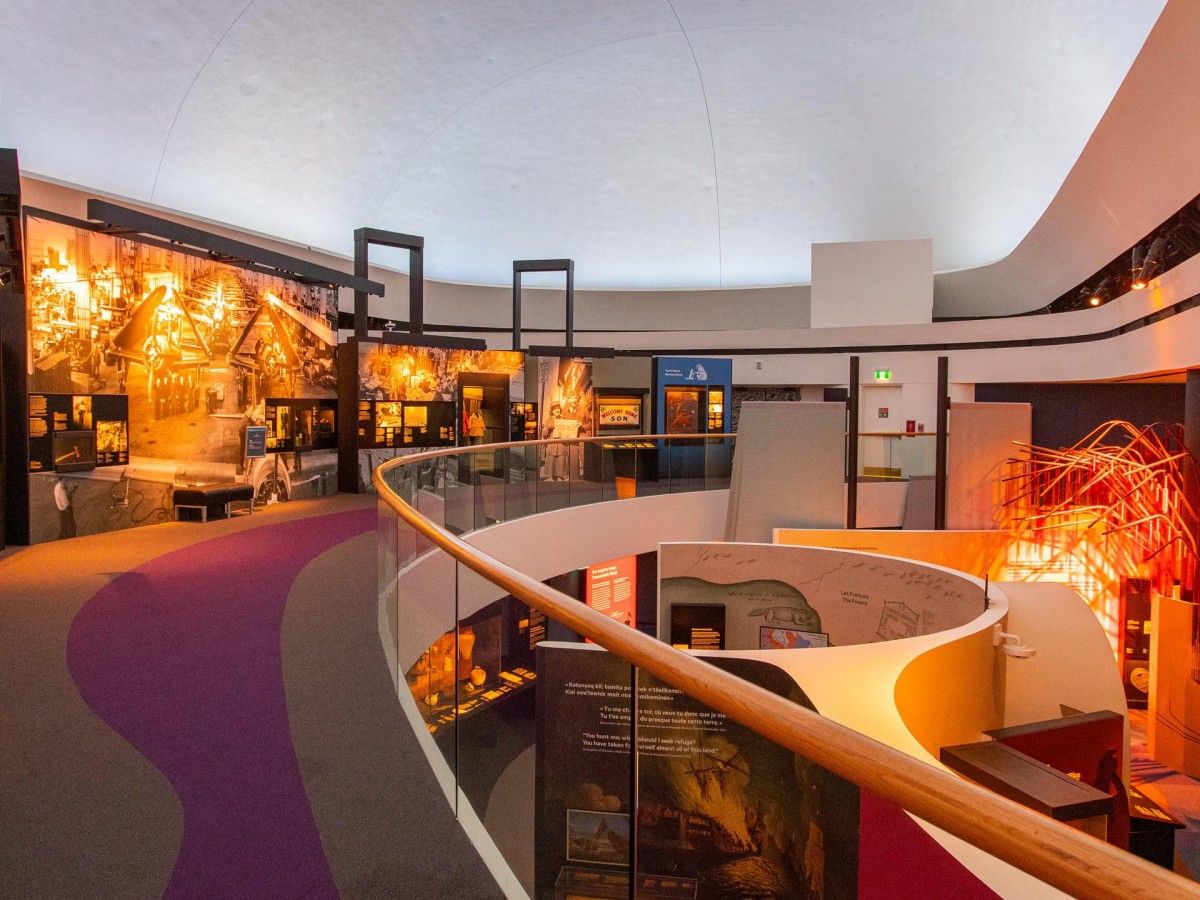
The Canadian Museum of History is not a traditional museum with a timeline and artifacts. It's more like an “immersive documentary” that uses space, images, sound and real stories to tell the story of Canada's past, present and “identity” as a nation.
Advertisement
The location of the pavilion is also very delicate - it is built on the opposite bank of the Ottawa River, across the river from Parliament Hill. When you look out of the windows, it's a picture of “culture and power in conversation”. It's not just “national”, it's also “human”: the exhibitions are designed around “telling good people's stories” rather than cold chronology.
You'll find that this place is particularly attentive to “aboriginal culture”, which is not politically correct, but really wants you to understand what the “bones” of this country are like.
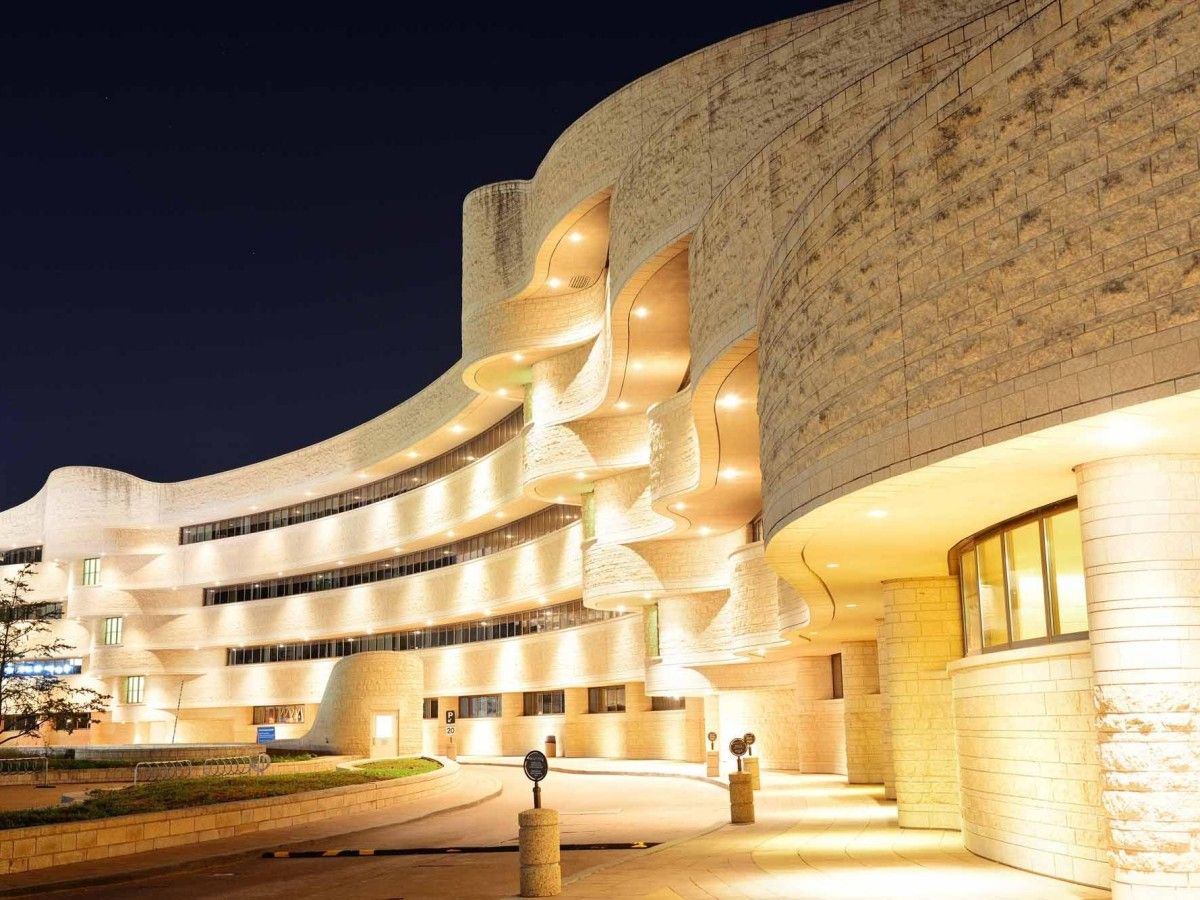
The main exhibition hall of the museum is divided into several core areas. Simply put, following this order is the smoothest and most energy-saving way to go:
Advertisement
Step 1: Grand Hall - visual impact first wave
Once you enter the door, don't rush to go deeper, first go to the right side of the “Grand Hall”. This is the most stunning Aboriginal exhibit I've ever seen, with six towering totem poles standing in front of a huge glass wall, like they're welcoming you, but also like they're scrutinizing you. The West Coast Longhouse in the back is full of details. Don't just take pictures, look at the murals, beams and carvings, each one has a story.
This space has a special “aura”, as if the starting point of Canadian culture is here to set a “general tone” for you.
Step 2: Canadian History Hall - This is the heart of the place, don't take the wrong way!
Take the elevator from the side of Grand Hall to the first floor (not the entrance floor), then enter the “Canadian History Hall”, which is the highlight of the whole museum, it's worth spending an hour or two. The exhibition is divided into three “chapters”:
The first part is about the beginnings: from the Ice Age to the formation of the diverse cultures of the Aboriginal people who lived on this land;
The second section, Encounters and Collisions, is about the impact of the arrival of European colonizers, the Franco-British wars, trade routes, and social changes that laid the foundation for the diversity of modern Canada;
Part III Changes and Constants: is about recent history, technological developments, social movements, and even includes topics such as Chinese railroad workers and Japanese internment, quite literally and unobtrusively.
The point is: the exhibition is very “non-linear”. You can skip around to the parts that interest you, rather than sticking to the order. If you have children, you can also follow the audio guide and do the “question challenge task” to increase the fun.
Step 3: Provisional exhibition area + small exhibition halls, walk around as you like
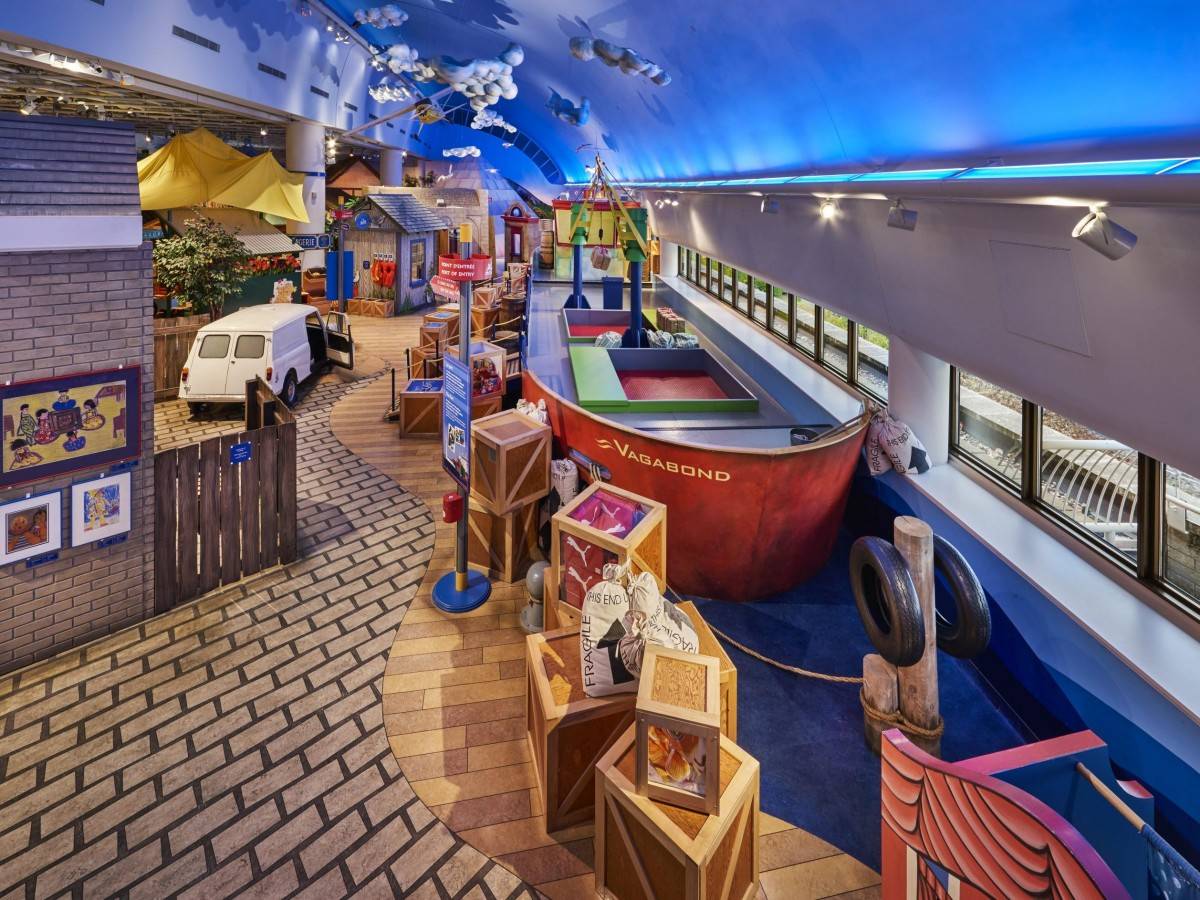
After seeing the main exhibition area, if you still have energy, you can look at the side of one or two small exhibitions, such as the “Children's Museum”, “Stamp Exhibition”, “Historical Figures Special Exhibition” and so on. These exhibits are quite relaxing, and sometimes there are interactive games, suitable for parents and children, or visitors who just want to stroll around easily.
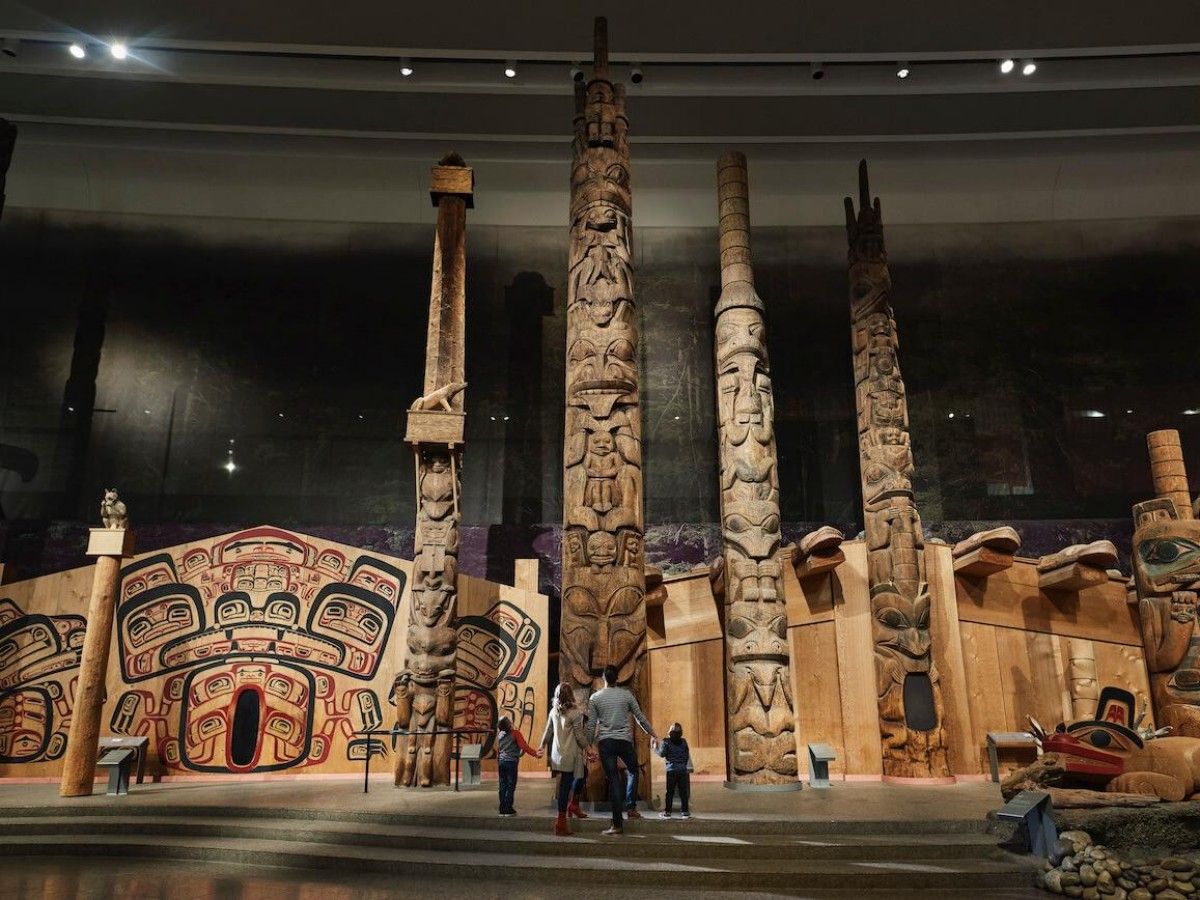
I entered the museum at 10am, and when I first saw the totem poles in the Grand Hall, I stood in place for several minutes, unable to move away - the quiet yet powerful atmosphere was too captivating.
Then the moment you enter the main exhibition hall, the design of the museum is very clever: the lights dimmed all of a sudden, forcing you to focus. You're not “walking around”, you're “walking into the story”.
I still remember one little piece: the 1972 hockey game between Canada and the Soviet Union, which was considered to be “the epitome of Cold War sports”. The exhibit used a black-and-white video with original audio, the crowd chanting in the background, and the narrator's almost out-of-control speed of speech, and for a moment I actually got goosebumps - history can be so warm.
There is also a small episode: a five or six-year-old child stood in front of the exhibition of railroad workers, asked his father, “Why did they do such dangerous things? His dad thought for a moment and said, “Because they paid for the scenery we can see on the train today.”
At that moment, I suddenly realized that this is not just a museum, but a way to “talk to history”.
Address: 100 Laurier Street, Gatineau (across the bridge from downtown Ottawa)
Opening hours: 10:00-17:00 (extended to 20:00 on Thursdays)
Ticket Price: Adults about 21 CAD, under 17 years old for free; buy in advance on the official website can save the queue
Recommended length: at least 2 hours, leave 3 hours if you want to see everything.
Restaurant / rest: the museum has a view of the cafe, can see Parliament Hill, coffee is good but not cheap; you can also go out and walk 10 minutes to downtown Ottawa to eat!
Suitable for people: history control, photography party, families and children are suitable; do not recommend too rushed to see
Tips: Don't come in and just stroll around, follow Grand Hall → History Hall → other exhibits, the line of motion is smoother, and you can save a lot of energy and attention consumption.
The moment I walked out of the museum, a phrase kept floating in my mind: “History is not the past, it's the way we are now.” If you're curious about the cultural underpinnings of Canada, or just want to do a little “walking” on your trip, this museum won't disappoint. And if you visit it the right way, it's not heavy at all, but rather makes you think that learning a little bit about history can be fun.