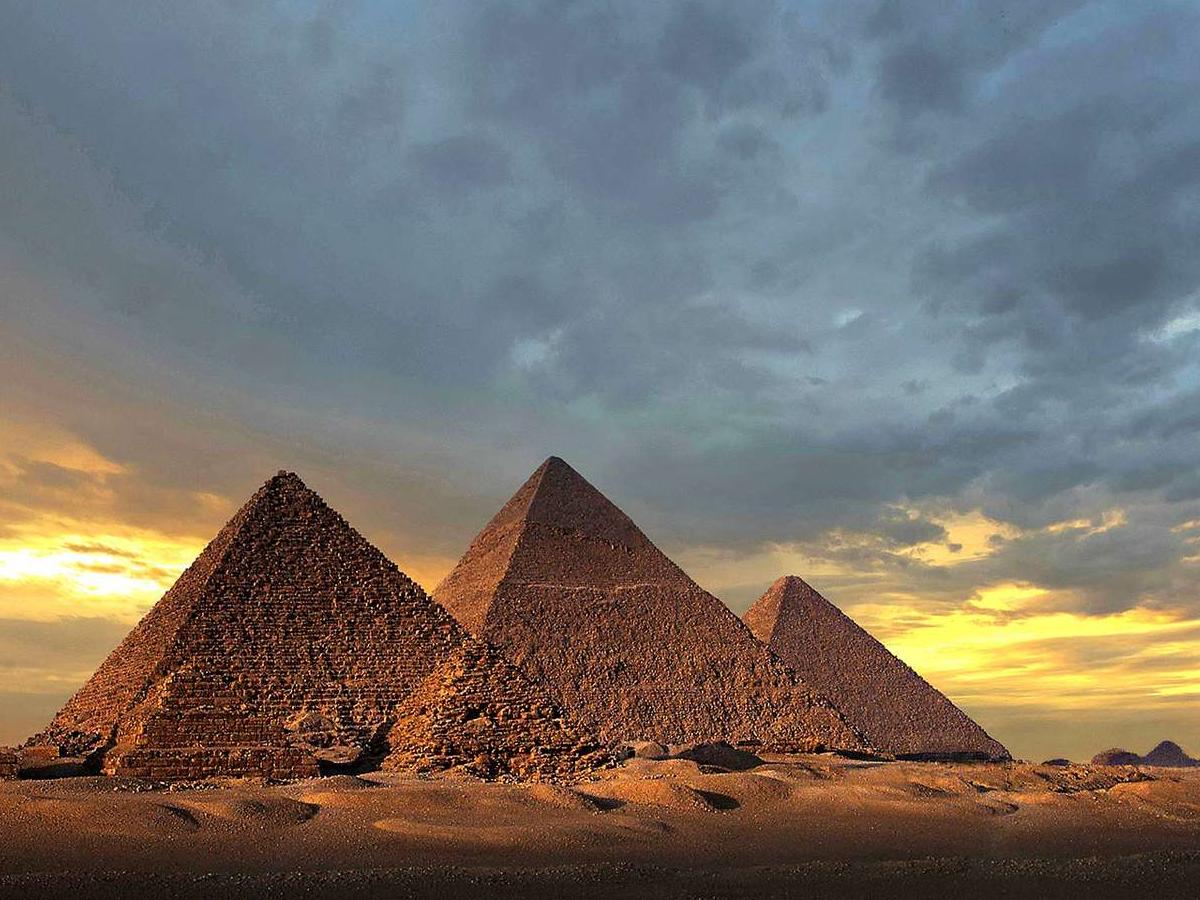
Stand in front of the Pyramids of Giza as the golden desert sunlight refracts off the smooth, ancient stone. Tilt your head back to take in the grandeur of these giant structures. They are older than Rome, older than the Great Wall of China, older than anything man has built that still stands today. And yet, how on earth did they build these structures? No cranes, no bulldozers, no modern engineering software - just the ingenuity and unwavering determination of the ancient Egyptian builders.The Pyramids of Giza are more than just giant tombs, they are mind-boggling puzzles engraved in history that still challenge us to decipher their secrets. Get ready, we're about to embark on a wild journey through time to unravel the mysteries behind the construction of the pyramids!
Advertisement
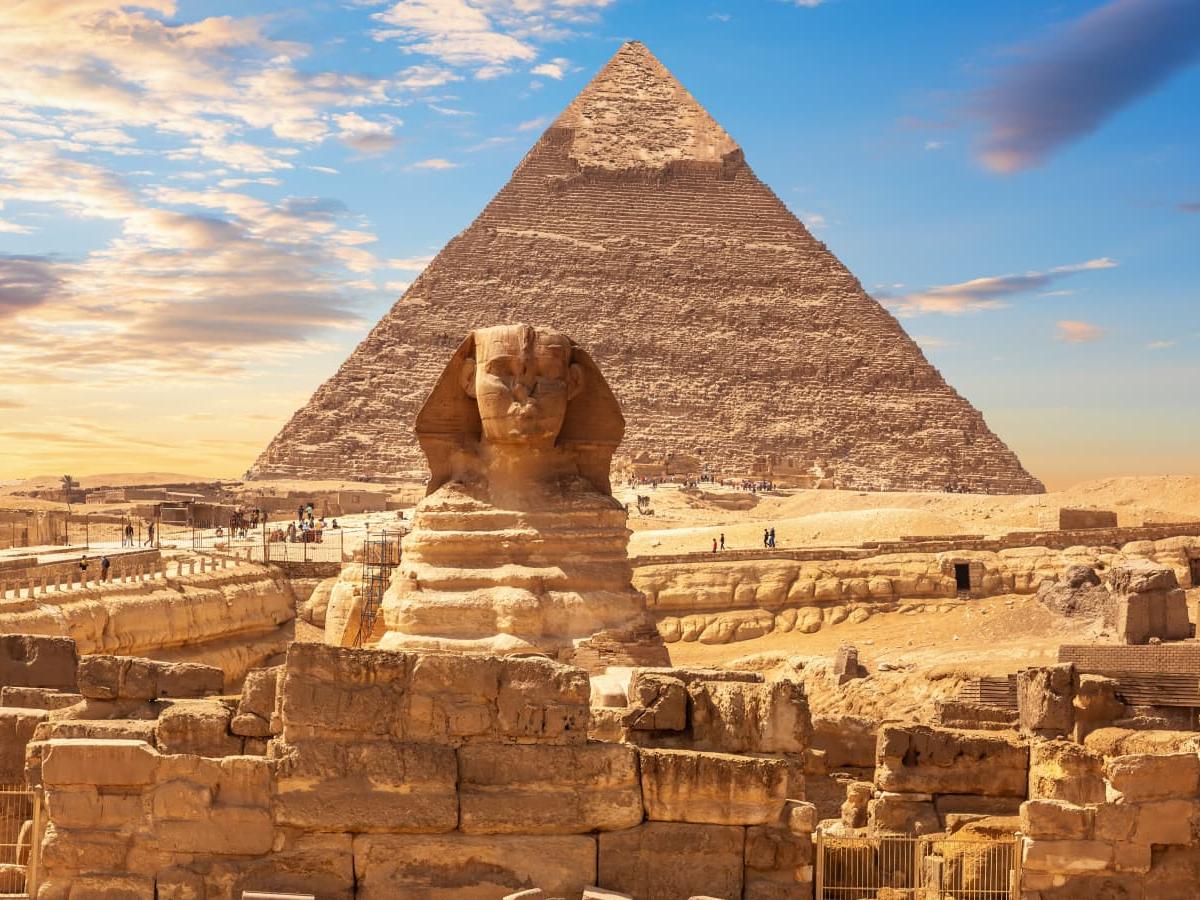
First, let's set the stage.The Pyramids of Giza were built more than 4,500 years ago and were commissioned by the pharaohs as a place of eternal rest. The most famous of these? The Great Pyramid of Khufu (or Great Pyramid of Cheops), originally 146.6 meters high (now slightly lower due to erosion). With an estimated 2.3 million limestone blocks, each weighing between 2.5 and 15 tons, the logistics of the construction process were a nightmare, even by today's standards. The workers didn't have trucks, cranes or rebar. So how did they do it? Some say aliens (seriously, some people actually believe this). Others say it was lost ancient technology.
Advertisement
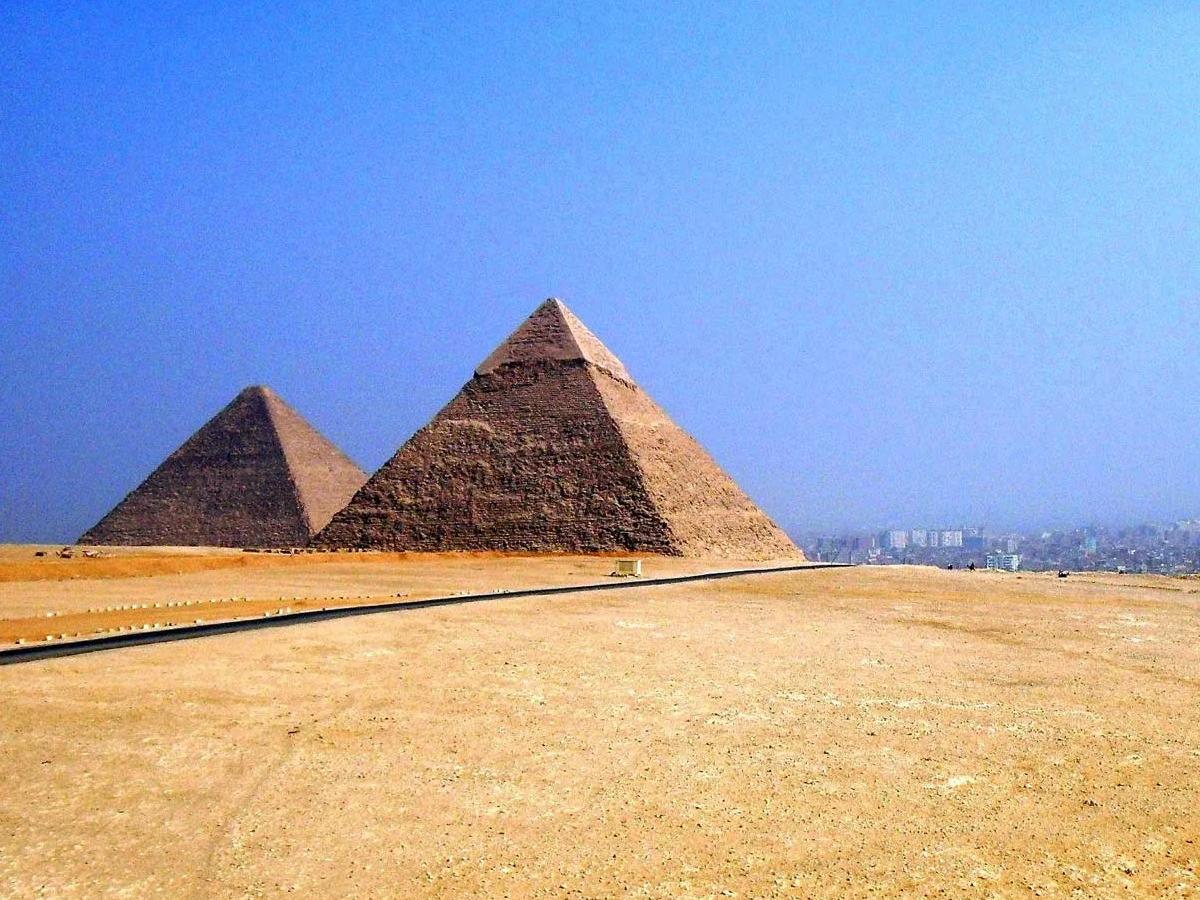
One of the main modern explanations is the slope theory: imagine a huge straight or zigzag slope of mud bricks and limestone leading up to an ever-expanding pyramid. Workers haul heavy bricks up these slopes on wooden sleds lubricated with water to minimize friction. Sounds feasible, right? Well here's the problem - such slopes would have to be miles long and strong enough to support tens of thousands of workers hauling huge blocks of stone. Some Egyptian antiquarians believe that the builders may have used a spiral ramp that wrapped around the exterior of the pyramid, rather than a straight ramp. This would have required less material, but it raises another question - why have we found no clear evidence of such a ramp?
Advertisement
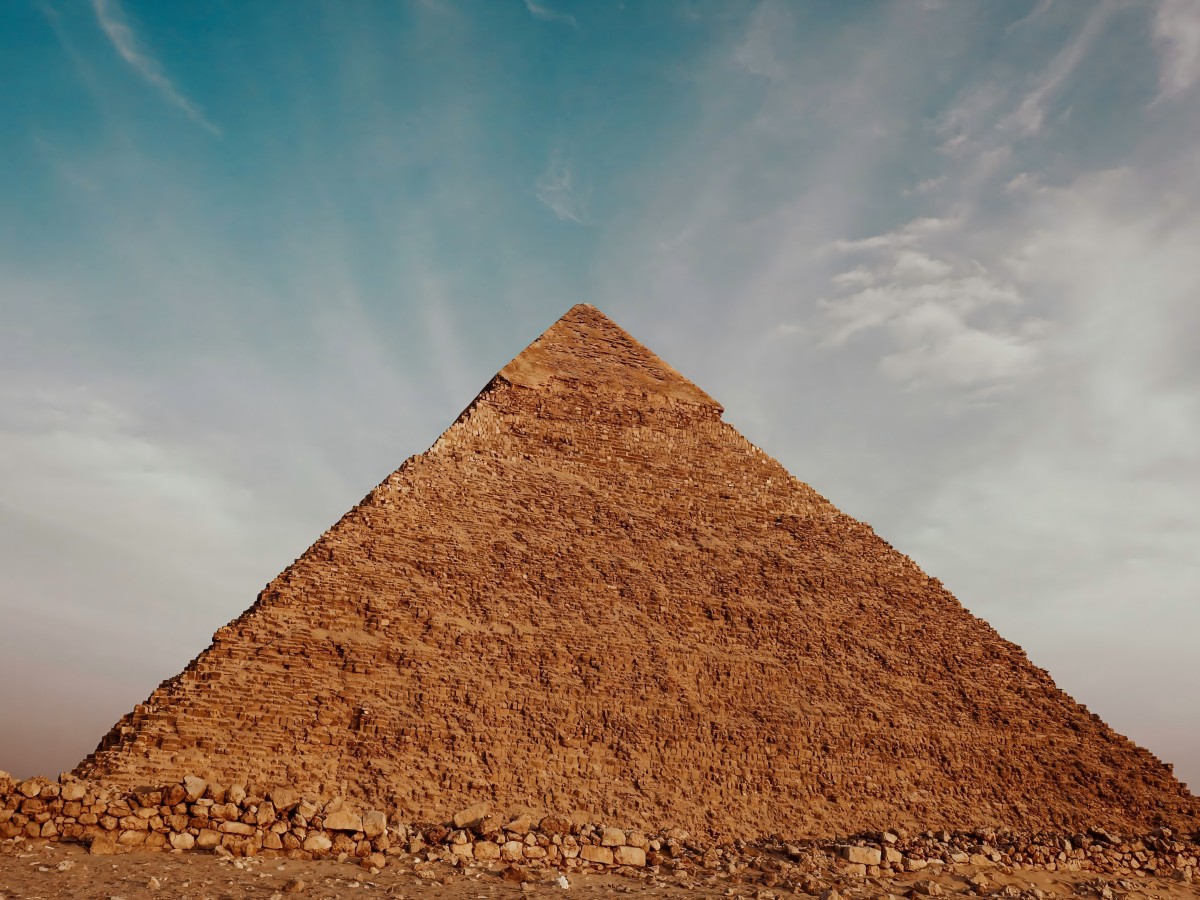
Now, let's talk about another theory: the Internal Spiral Slope Theory. In this model, the pyramids were built from the inside out. French architect-Jean-Pierre Houdin believes that there is a hidden slope inside the pyramid, which is still buried inside the pyramid today, that was used to transport the stones upwards. If this is true, it means the builders were even more ingenious than we thought. And guess what? Some thermal imaging scans of the Great Pyramid have uncovered anomalies that may just support this idea. Are we about to solve the mystery? Or will we never know the truth?
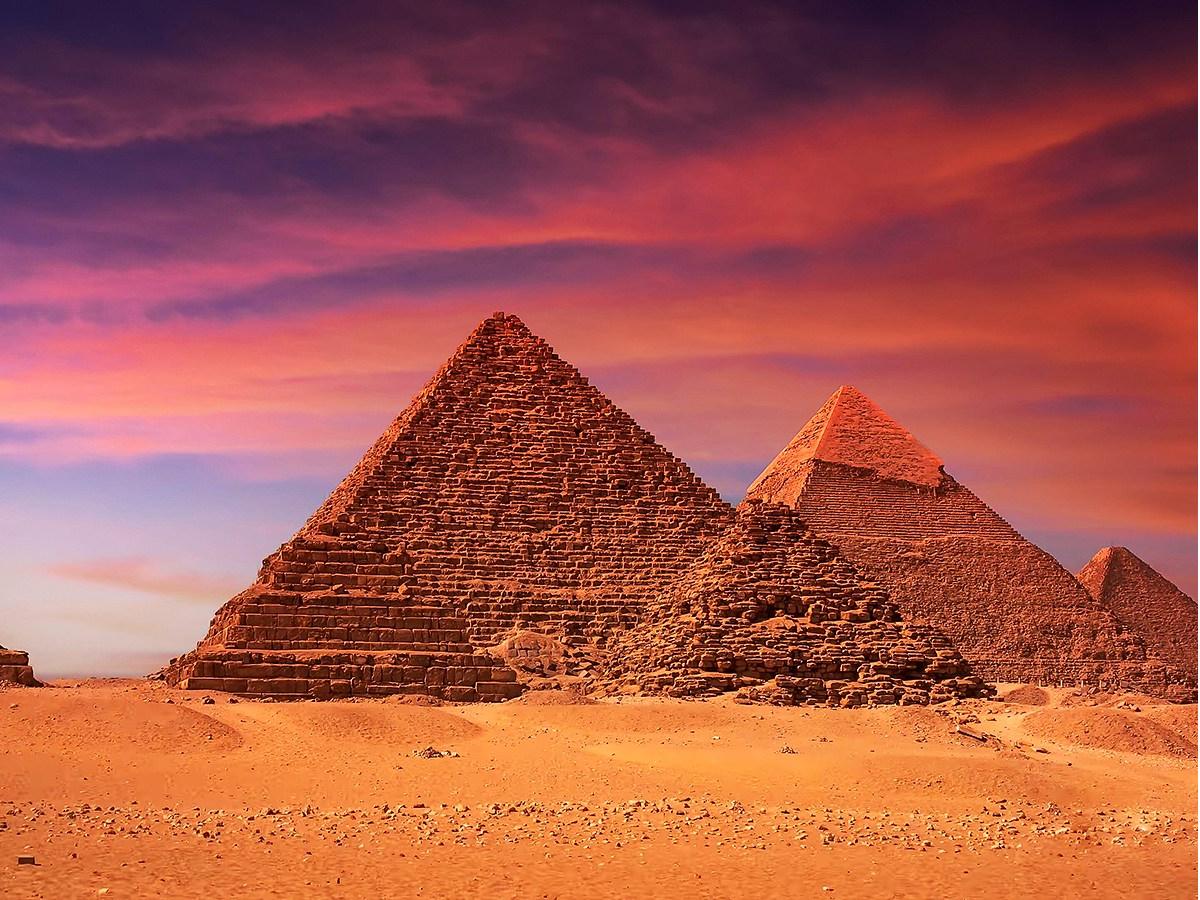
Before you start picturing thousands of exhausted Egyptian workers sweating in the hot desert sun, we need to dispel one major myth: the pyramids were not built by slaves. There were no chains, no whips; instead, there was a labor force of skilled and seasonal workers, many of whom were well-fed and clothed, lived in nearby workers' villages, and even had tombs near the pyramids as a mark of respect. Think of it as the most intense construction job in the world, but with decent employee benefits! How do you lift those incredibly heavy stone blocks? Some believe the Egyptians used counterweights and a pulley-like system, but there is little evidence of this. Others believe the Egyptians used a lever system, with a team of workers balancing and placing the stones in place. Some modern experiments have even tested the idea of using water flotation in a canal system to transport the stones around the site.
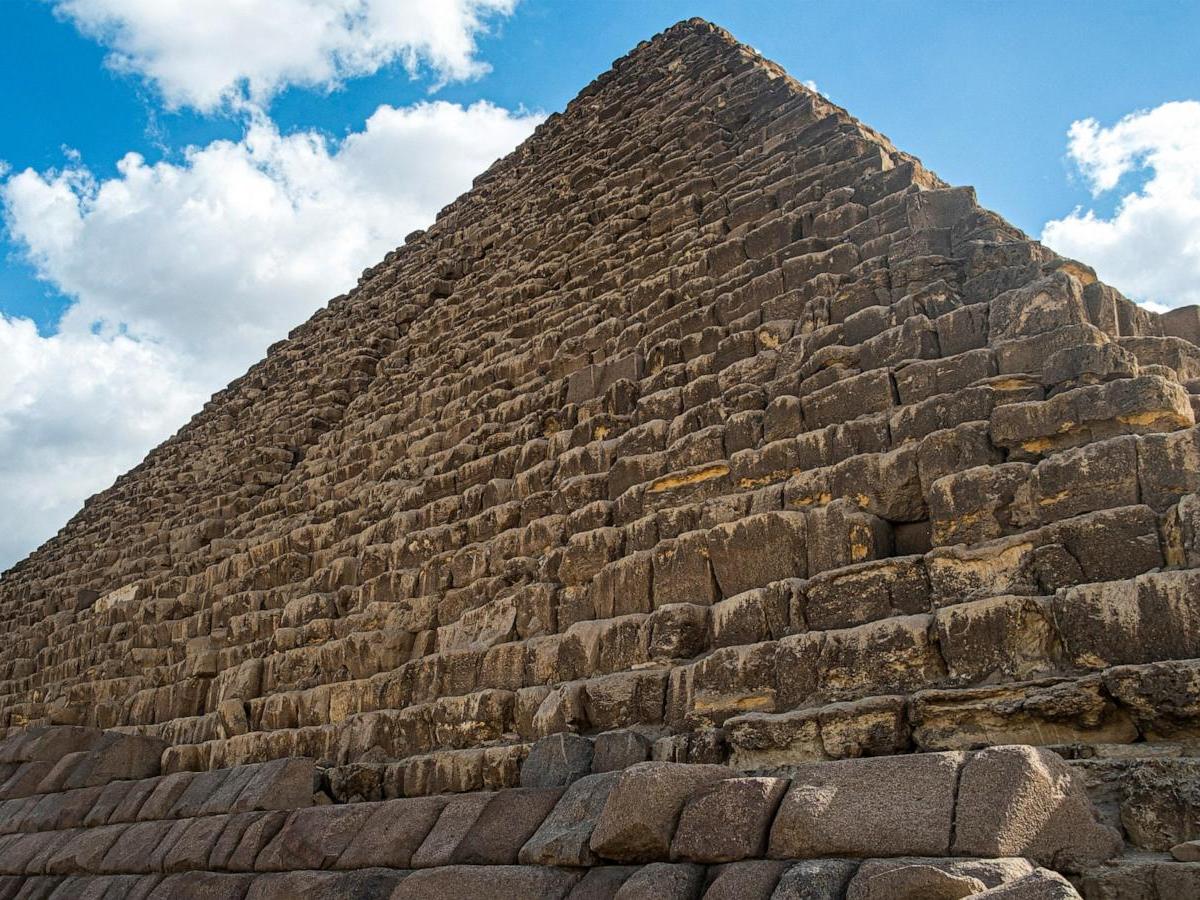
The Shell Stones - those beautiful, polished white limestone blocks that once covered the pyramids, making them sparkle in the Egyptian sun like beacons of divine power. The stones were cut and placed so precisely that not even a modern credit card could fit between them. Over time, however, many of the stones were stolen or eroded, leaving the rugged pyramids we see today. If you squint and look closely, you can still find traces of ancient glory on some of the remaining sections. The real kicker is this: even with all these theories, we still don't have an answer that's 100 percent certain.The Pyramids of Giza remain one of history's greatest engineering mysteries. Every year new discoveries - whether hidden chambers detected through cosmic rays or newly discovered worker graffiti - add new pieces to the puzzle, but the full picture remains elusive. Perhaps that's what makes them so magical.
The next time you see a picture of the Great Pyramid, or - better yet - if you ever get the chance to visit it in person, take a moment to appreciate the sheer ingenuity of the builders. No aliens, no supernatural forces, just raw human innovation, sweat and determination.The Pyramids of Giza are more than just ancient tombs, they are time-traveling messages from the past that dare us to keep asking questions.