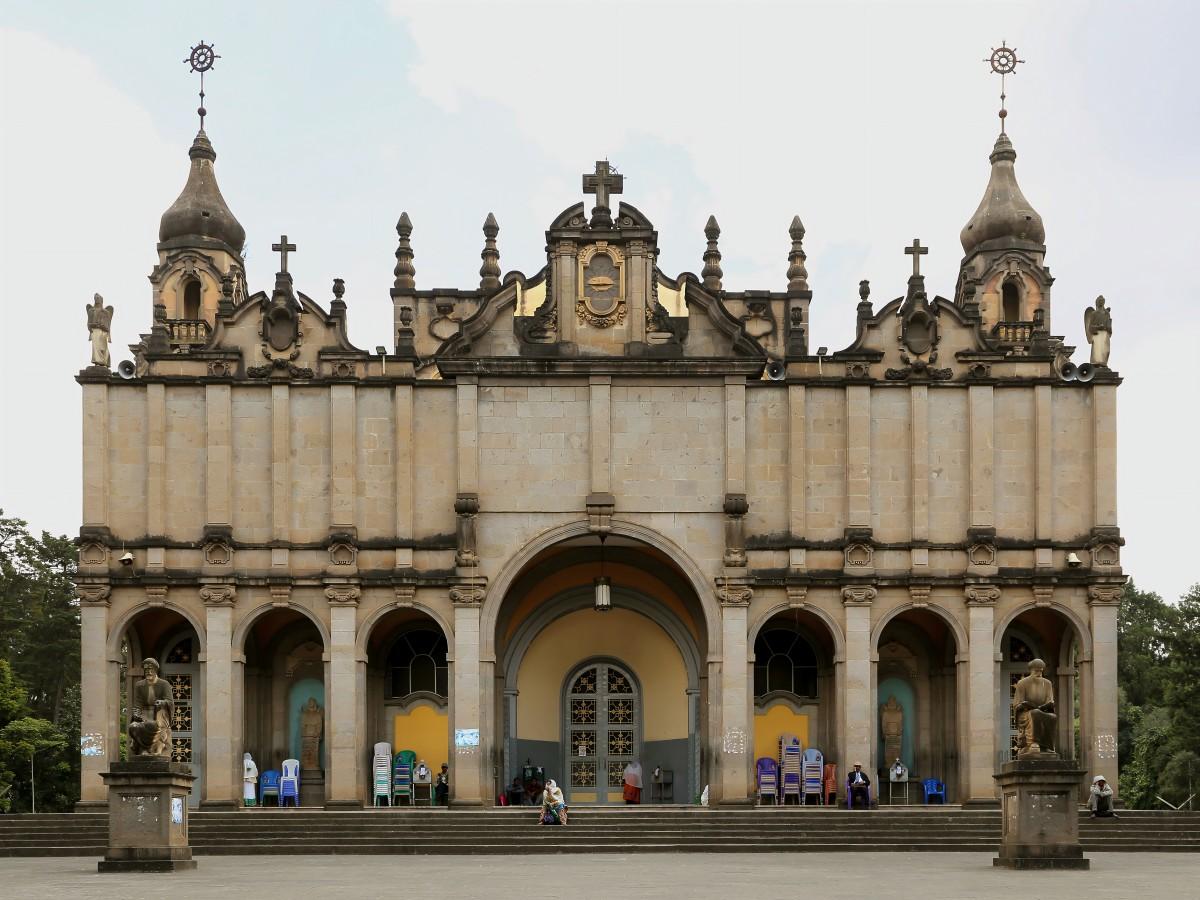
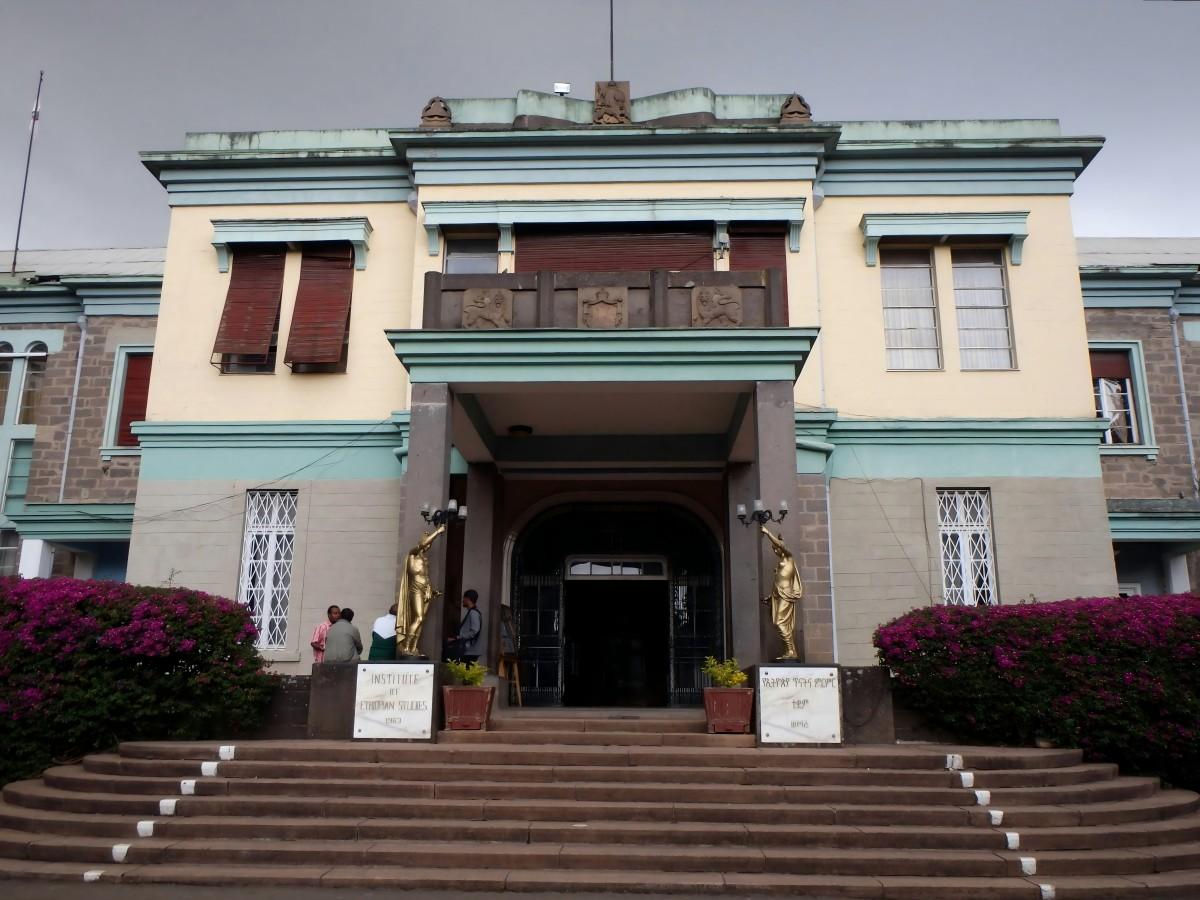
Ethiopia, the ancient and mysterious land of Africa, is like a thick history book, each page is written with a long history and diverse culture. From the remains of ancient human origins to the unique cultural heritage of more than 80 ethnic groups, every one of them is fascinating to culture lovers. The Ethiopian National Museum is like the most brilliant chapter in this history book, gathering the wisdom and flavor of this country for thousands of years. It is like a lighthouse of culture, illuminating the way to explore the essence of Ethiopian culture and attracting tourists from all over the world to unveil its mysterious veil. Next, let's go into this cultural treasure trove and start an in-depth tour.
Advertisement
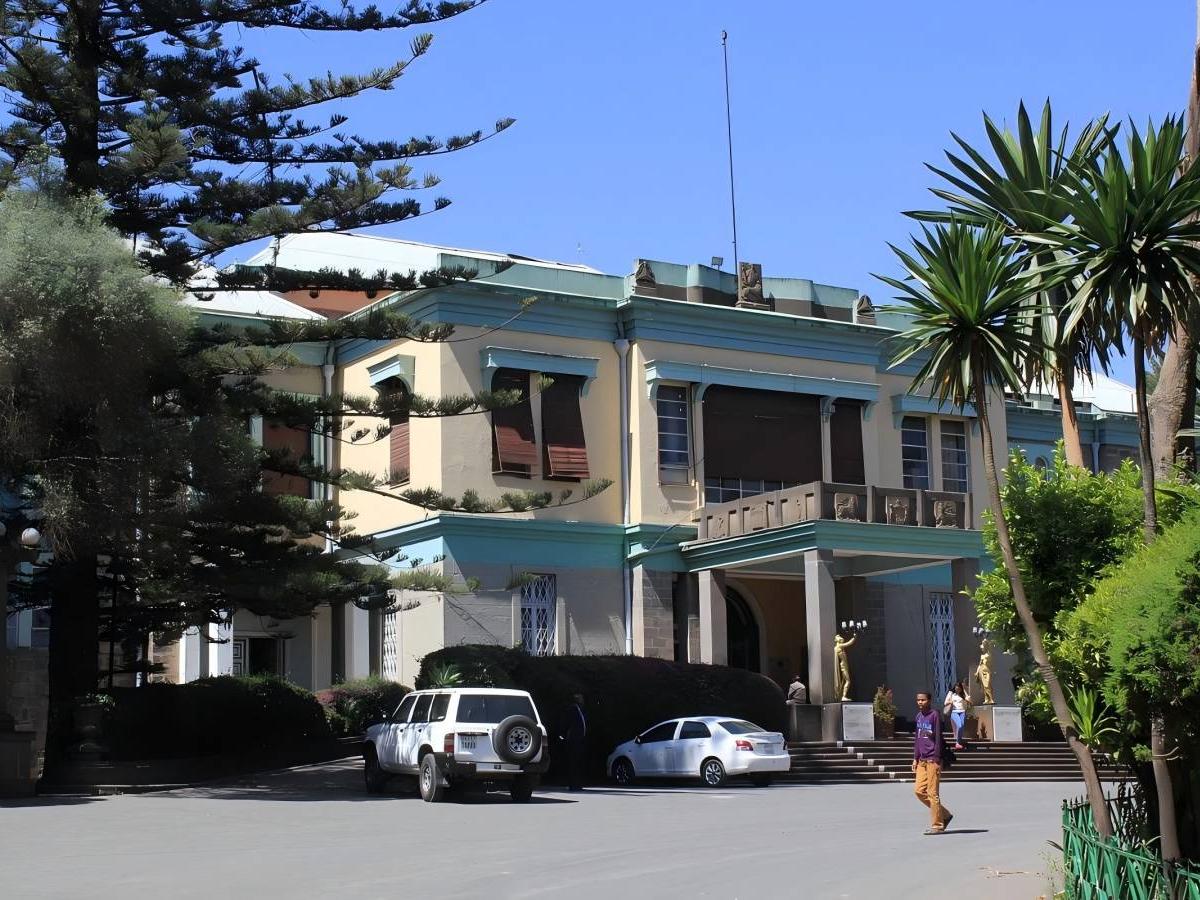
The Ethiopian National Museum is steadily located on the campus of Addis Ababa University in the capital city of Addis Ababa. Since its opening in 1966, it has become a glittering cultural landmark on the African continent, focusing on all aspects of Ethiopia's amazingly rich ethnic culture. The museum's architecture skillfully blends local traditional features with modern design concepts, exuding an austere and dignified atmosphere on the outside, while the interior space is well laid out to create a suitable environment for the display of various exhibits. With a collection of more than 200,000 artifacts spanning all periods of Ethiopia's history and encompassing a wide range of ethnic groups, the museum is an ideal window into the country's multiculturalism.
Advertisement
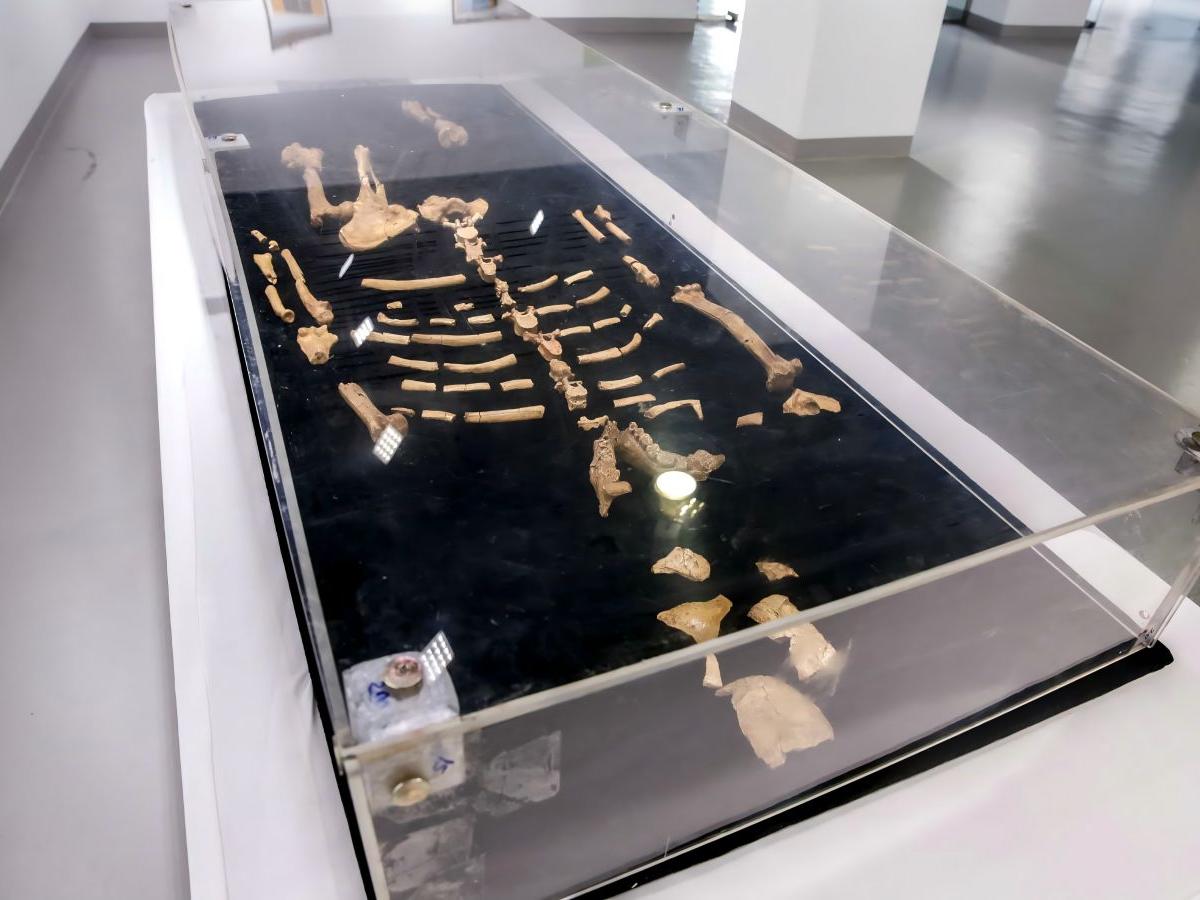
Lucy Fossil Replica: The original fossil of Lucy, a landmark discovery in the history of human archaeology, is carefully preserved at the National Museum of Ethiopia. At the National Museum, you can see a very fine replica of Lucy's fossil up close. Lucy is considered one of the earliest human ancestors, living some 3.2 million years ago. Gazing at this replica, the unique body structure of early humans is visually displayed, making you feel as if you have traveled back in time to experience the long and miraculous years of human evolution.
Advertisement
Traditional Costume Display: Ethiopia has more than 80 ethnic groups, each of which has its own unique traditional costume. In the exhibition hall of the museum, there are colorful and different styles of national costumes on display. The Oromo costumes, for example, usually use bright red and blue as the main colors and are embroidered with exquisite patterns, which are not only highly ornamental, but also carry the cultural significance and social status symbols of the ethnic group. In contrast, the Somali dresses tend to be simple, mostly in white, beige and other plain colors, and made of light materials, which are very suitable for the local hot climate. These costumes are a vivid and vibrant manifestation of the richness and diversity of Ethiopian culture.
Religious artifacts: Ethiopia has a long history of religion, Christianity and Islam are deeply rooted here and have had a profound impact. The museum collects a large number of precious religious artifacts, such as the ancient Bible manuscripts, the exquisite illustrations drawn on its pages, which fully demonstrates the superior painting skills and pious religious beliefs at that time. There are also beautifully bound Islamic Korans, as well as crosses, incense burners and other religious ritual instruments commonly found in churches. These artifacts are like a link in time, connecting the development of Ethiopian religious culture.
Ethnic musical instruments: Ethiopia's music culture is also rich and colorful, the museum displays many unique ethnic musical instruments. As a traditional stringed instrument, the klel, whose body is usually made of wood and strings are made of animal intestines or metal wires, has a unique sound and plays an important role in local music performances. There is also the small and delicate mashinko, which produces a clear and pleasant sound when played. These instruments are not only instruments for playing music, but are also key vehicles for Ethiopia's cultural heritage.
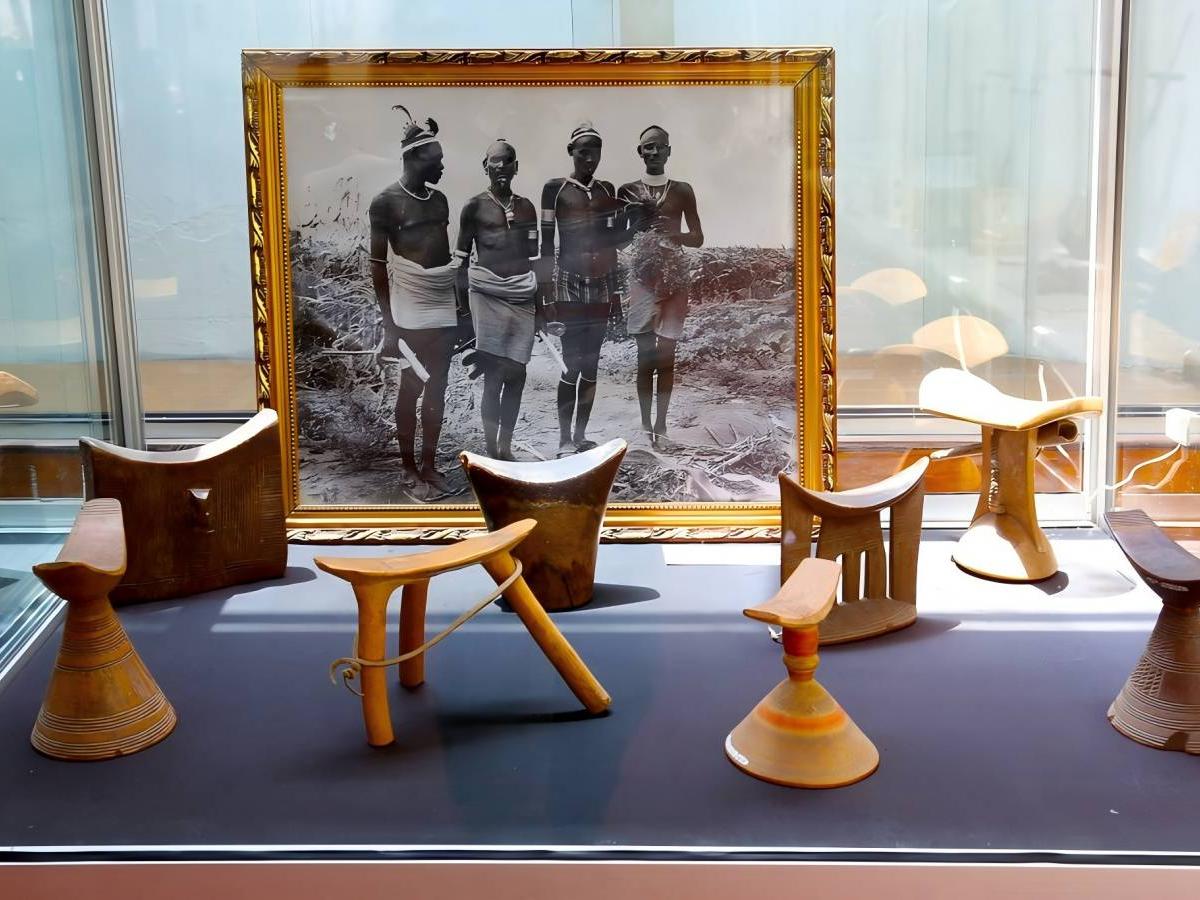
Ground Floor: When you enter the first floor of the museum, the first thing you will see is the section on the origins and early history of the Ethiopian people. Here, you can see the display of cutting-edge research results on the origin of mankind, as well as the realistically reproduced scenes of early Ethiopian tribal life, including simple living tents, primitive hunting tools and so on. Afterwards, you can move to the national costume exhibition area and enjoy the colorful costumes of various nationalities. Immediately after that, you will enter the Religious Relics Exhibition Area to learn more about the development of Christianity and Islam in Ethiopia and the touching stories behind each piece of related cultural relics.
Second Floor: The second floor mainly displays the recent history and national cultural heritage of Ethiopia. First come to the ethnic musical instruments exhibition area, closely observe a variety of unique musical instruments, and if you are lucky, you can also watch the staff perform a simple musical instrument demonstration. Then you will enter the traditional handicrafts exhibition area, where wood carvings, stone carvings, weavings and other exquisite handicrafts are displayed, fully demonstrating the outstanding handicraft skills of the Ethiopian people. Finally, we visited the exhibition area of modern Ethiopian culture development, through rich pictures, images and other materials, we got a comprehensive understanding of the inheritance and innovative development of national culture in the modern society of the country.
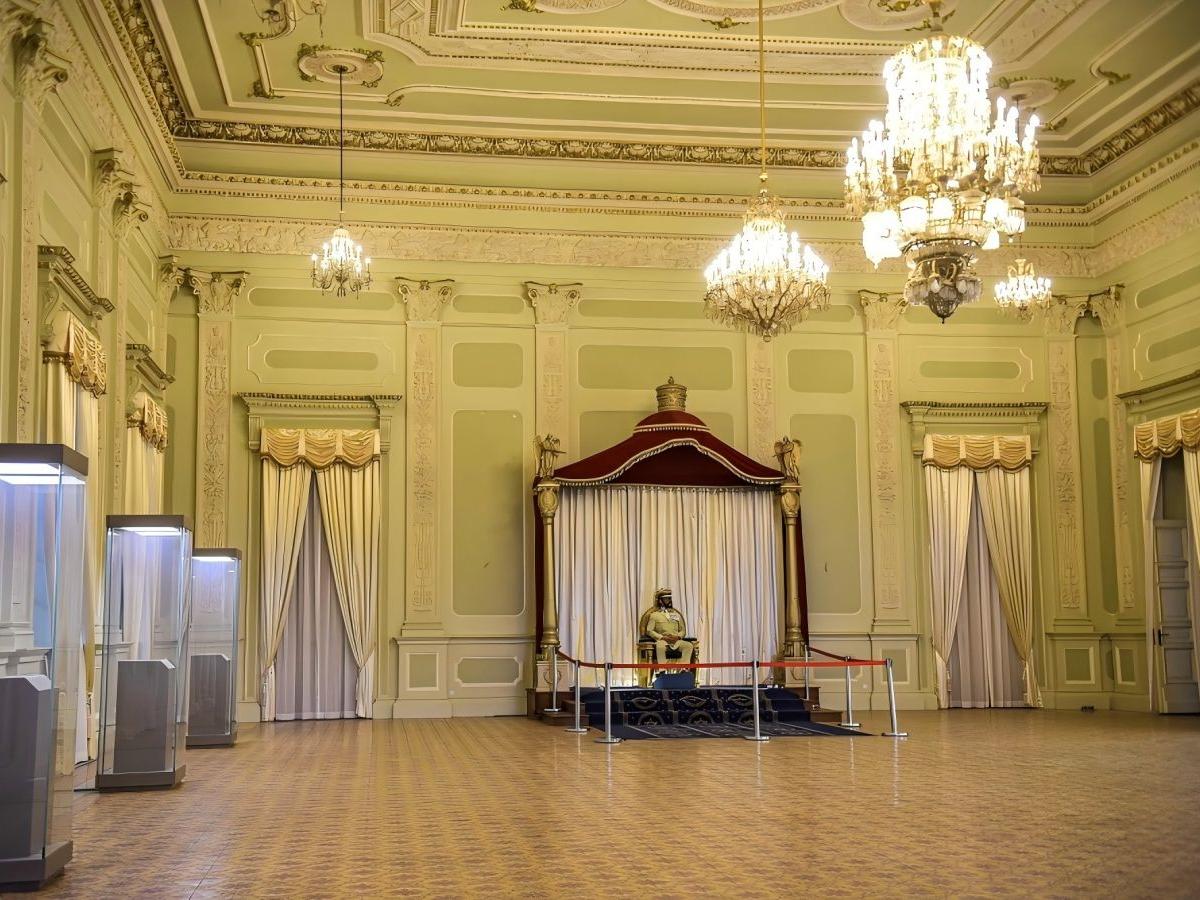
Opening hours: The museum is open to the public every Tuesday to Sunday from 9 am to 5 pm, closed on Mondays. It is recommended to visit the museum as soon as it opens in the morning, when the number of tourists is relatively small, allowing you to enjoy each exhibit more calmly.
Ticket Information: Ticket prices vary according to status, and foreign visitors are usually required to pay a certain amount of foreign currency. You can check the specific ticket prices and payment methods through the museum's official website, or ask the staff at the site.
Interpretation service: In order to better understand the deep cultural connotation behind the exhibits, it is highly recommended to rent the interpretation equipment provided by the museum or hire a professional tour guide to give a detailed explanation. The interpretation equipment is available in multiple languages and can provide in-depth information on the historical background, cultural significance and other key information of the exhibits.
Note: Flash photography is strictly prohibited in the museum to avoid irreversible damage to the artifacts. At the same time, be quiet at all times and respect other visitors as well as museum staff. Do not touch the exhibits and strictly abide by the rules of the museum to jointly guard this precious cultural treasure.
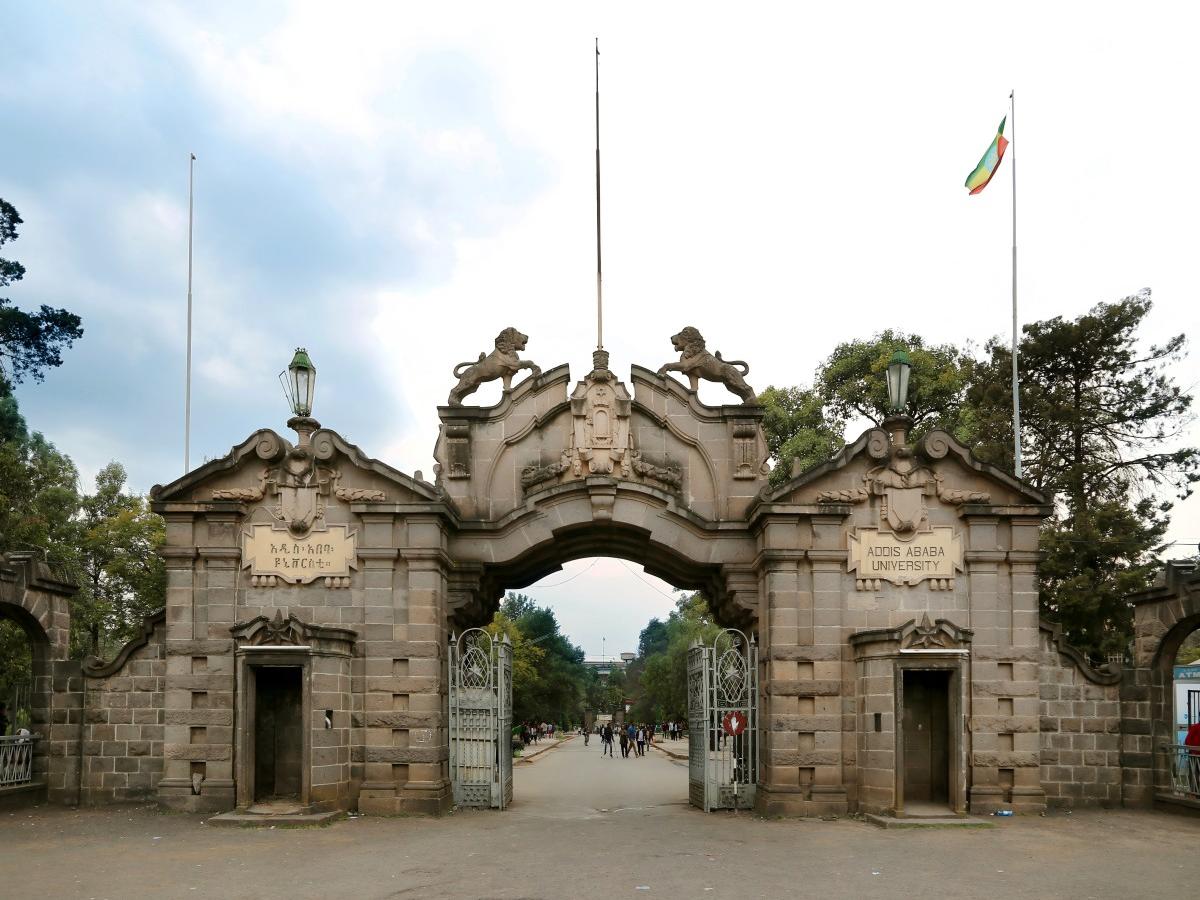
Addis Ababa University: The Ethnographic Museum is located on the campus of Addis Ababa University, so after visiting the museum, why not take a stroll around the campus? The campus has a beautiful environment and a strong academic atmosphere, where you can really feel the vigor and vitality of the young generation of Ethiopia. There are also a number of other distinctive cultural facilities and sculptures on campus that are well worth stopping to admire.
St. George's Cathedral: St. George's Cathedral, not far from the Ethnographic Museum, is one of the most important religious buildings in Ethiopia. The church is unique in its architecture, beautifully decorated interior and is often the site of great religious ceremonies. Here, you can deeply appreciate the deep religious culture of Ethiopia, enjoy the exquisite religious murals and skillful architectural art.
Local Markets: The local markets around the area are full of the rich flavor of life, where you can find a variety of very Ethiopian souvenirs, such as hand-woven carpets, exquisite wood carving handicrafts, traditional national costumes and so on. At the same time, you can also feast on local specialties, such as injera (a traditional local staple food similar to pancakes), and immerse yourself in authentic Ethiopian life.
The Ethiopian National Museum is undoubtedly a paradise for culture lovers. It not only carries the cultural memory of Ethiopia for thousands of years, but also serves as a bridge between the past and the present. When you step into this museum, you will start a cultural dialog across time and space. From the ancient clues of the origin of mankind to the unique life wisdom of various ethnic groups, each exhibit tells a story. Through this in-depth tour, you will not only gain an in-depth knowledge of Ethiopian culture, but also a baptism of the soul and cultural cultivation. We hope that this guide will help you have an unforgettable cultural exploration trip in and around the museum, and let the unique charm of Ethiopia be engraved in your memory forever.