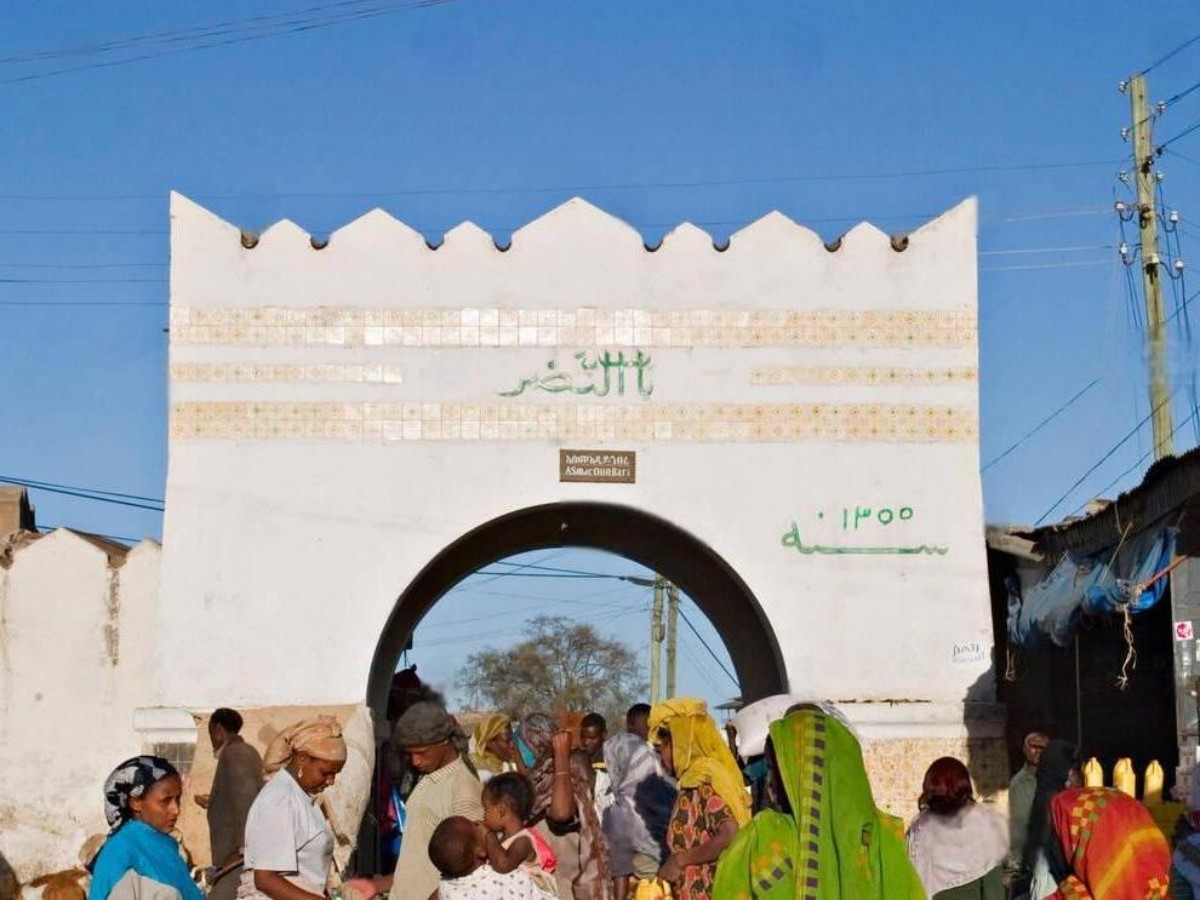
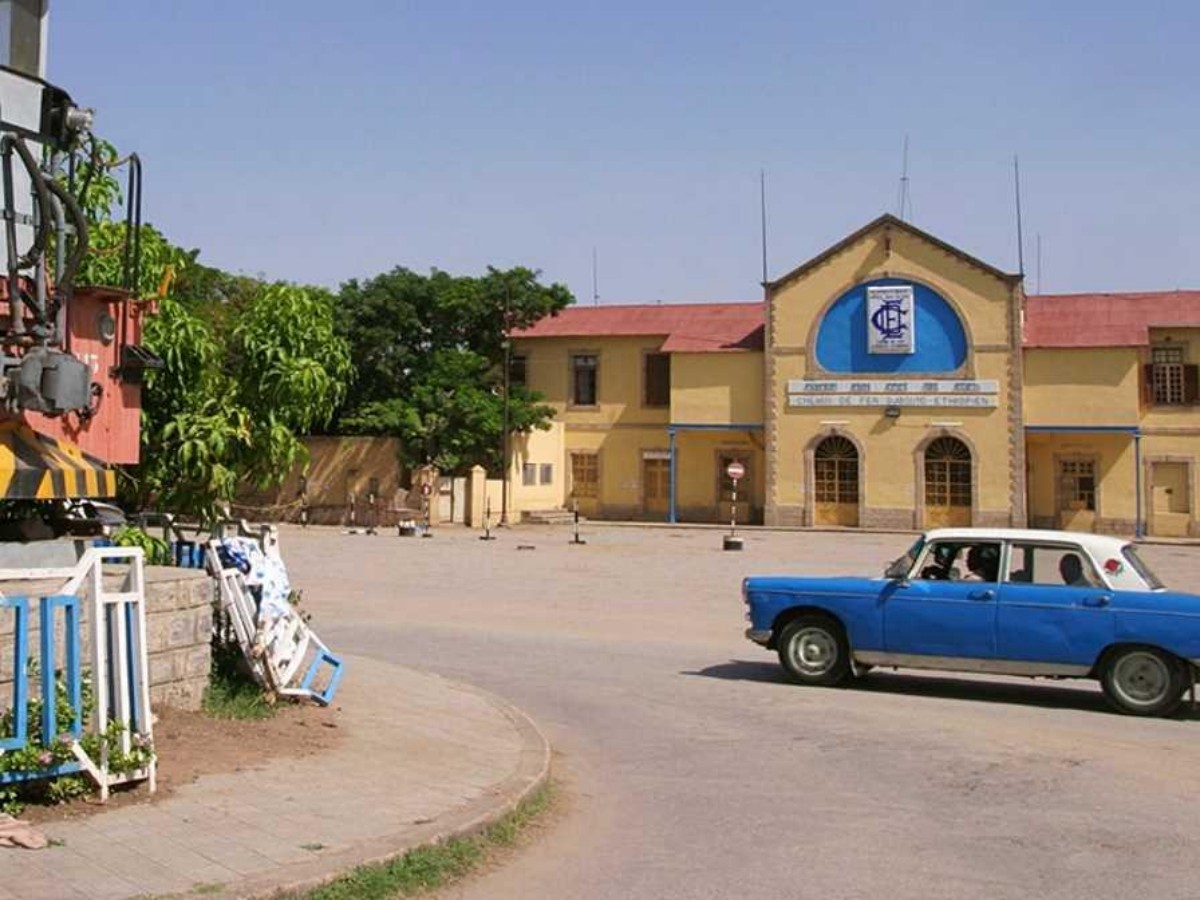
In eastern Ethiopia, Dire Dawa, a "desert oasis" city known for its railroad tracks and coffee, hides a stone gate that tourists pass by but locals stop to visit: Shoa Gate. It's not as famous as the walls of Harar, nor as grand as the monuments in Addis Ababa, but if you look closely at the weathered bricks, you'll find patterns from the Ottoman Empire, bullet marks from the Italian occupation, and even grooves worn by caravans with camel ropes in the last century. This was once a trade gateway to the Kingdom of Shoa, but now it has become a corner of the market where vendors set up tea stalls and old men play chess. How to see through the secrets of this gate in five minutes? Follow this guide and "read" it like the people of Dire Dawa.
Advertisement
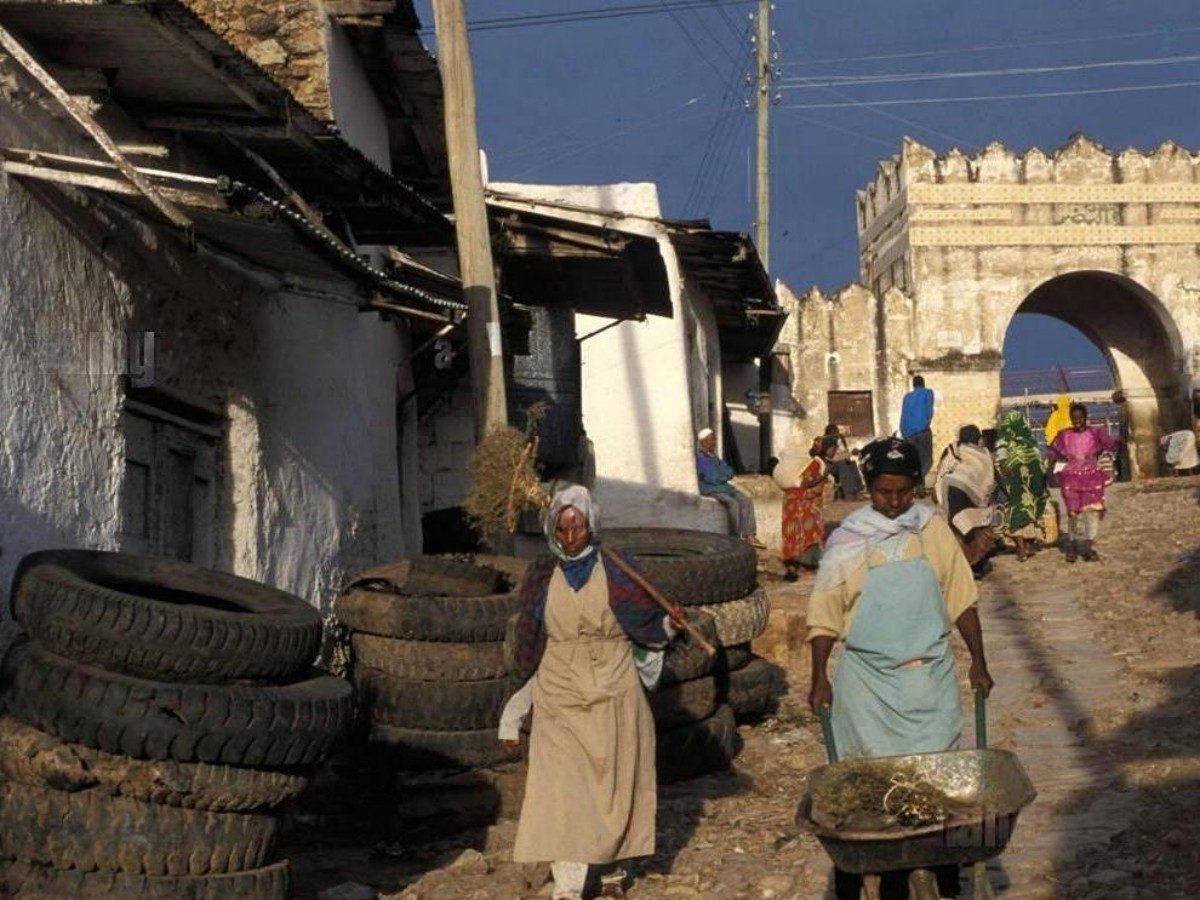
Shoa Gate is located at the northern end of the old city of Dire Dawa (Kezira District), next to Keira Mosque, and is about a 15-minute walk from the city center. Tips that locals don't know: After 4 pm, the best time to take photos when the sun shines obliquely on the stone gate, and early morning is the best time to talk to the elderly who are walking. If you take a taxi, just say "Bab Shoa" (the Arabic name for "Shoa Gate"), and the driver will be more familiar with it.
Advertisement
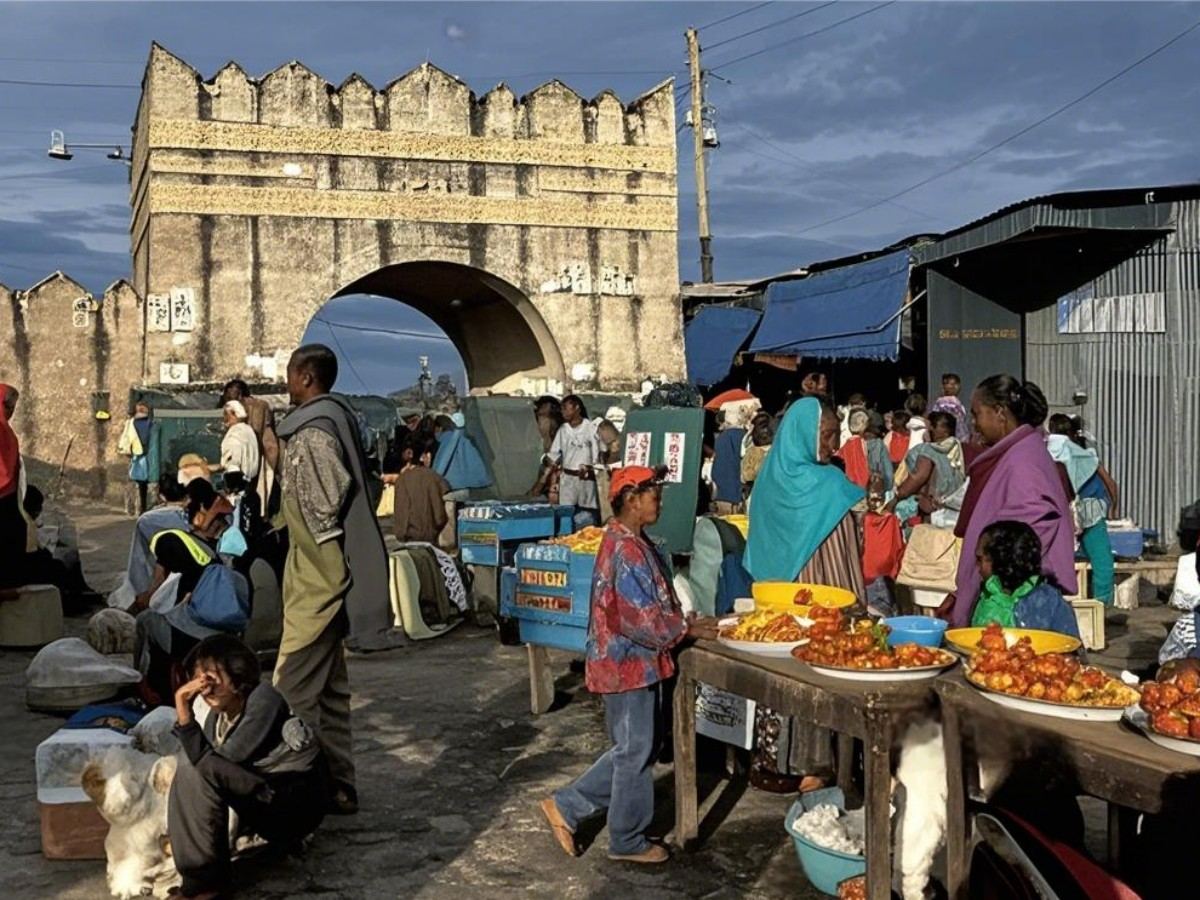
Ottoman "signature": The blurred six-pointed star pattern on the top of the arch is a mark left by the Ottoman caravan in the late 19th century, which once controlled the ivory trade here.
Advertisement
Italian "graffiti": The faint "1936" engraving on the right stone pillar is the number of the occupation period of Mussolini's army. The locals jokingly call it "the embarrassing memorial of the invader."
Camel team's "wear and tear report": the arc-shaped groove on the bottom edge of the door? Those are the marks left by the ropes used to tie camels in the past. Count the marks and you can guess how many caravans it has experienced.
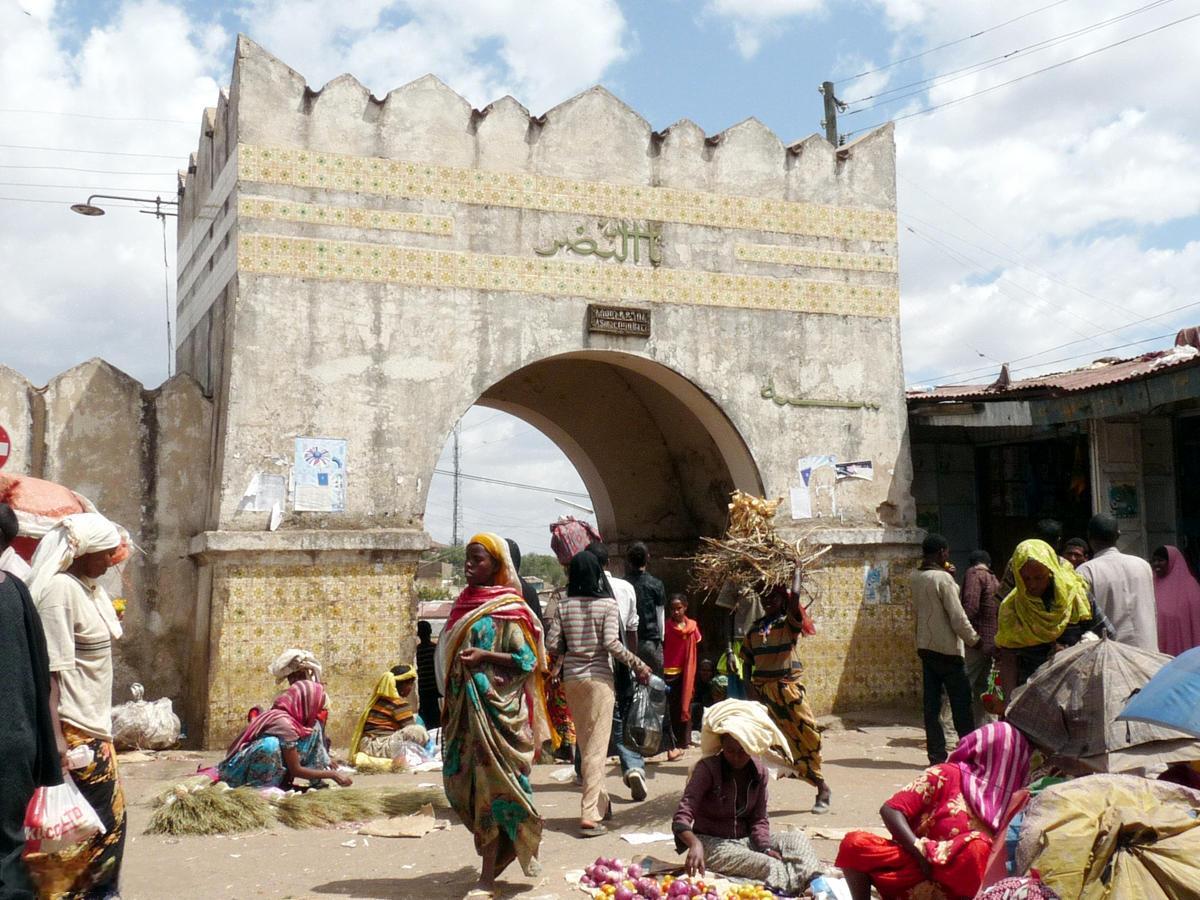
Drink a cup of "tea in front of the gate": There are always old people selling traditional tea (shai) next to the gate. Spend 5 birr (about 0.1 US dollars) to buy a cup. They will tell you in a dialect mixed with Arabic and Oromo that "this gate was more lively than it is now."
Find the "hidden saint statue": There is a very inconspicuous Christian cross carving on the upper left side of the inner side of the gate. It is said that it was carved by a craftsman in the early 20th century to express gratitude for escaping from bandit attacks.
Listen to a "stone debate": If you encounter old people arguing under the gate (they often argue over "should this gate be repaired or kept as it is"), don't miss this free local politics class.
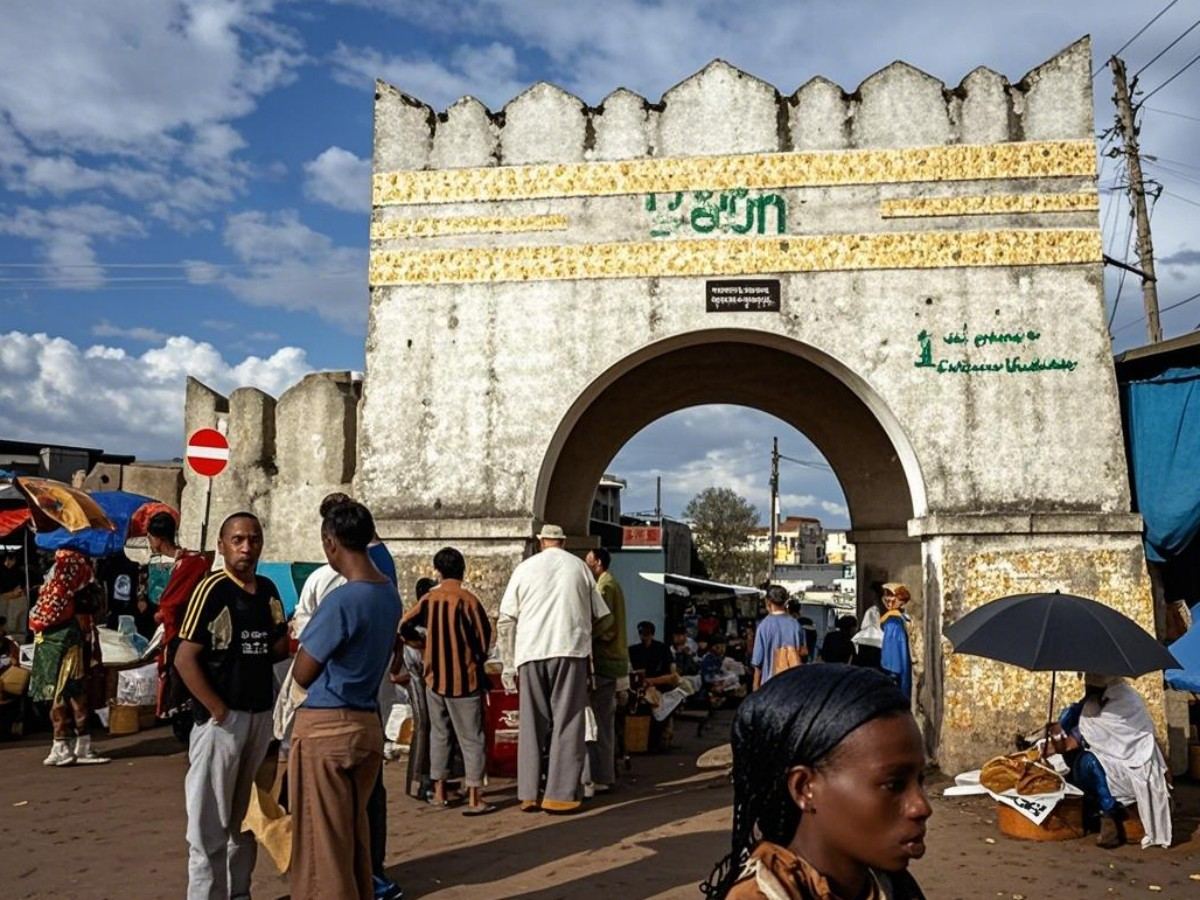
Error 1: Only take pictures of the front of the gate - the remnants of propaganda slogans from the Italian occupation period on the back wall are more precious.
Error 2: Ignore the ground: Watch your feet! The broken pottery fragments scattered near the door may be abandoned containers for the coffee trade in the 19th century.
Error 3: Miss the surrounding area: The abandoned warehouse 200 meters north is actually the "customs site" in the early 20th century. Local children will be happy to take you through the window to explore.
When the sunset stretches the shadow of Shoa Gate to the steps of Keira Mosque, the people of Dire Dawa will tell you: "This stone gate has been useless for a long time, but it remembers more than any of us." Maybe it no longer bears the mission of a trade hub, but those scratches, tea stains and quarrels make it the city's most vivid memory museum. Next time someone asks you "What is there to see in Dire Dawa?" - don't just talk about the train station and the market, take them to Shoa Gate and teach them to understand the centuries-old rivers and lakes in the stone in five minutes.