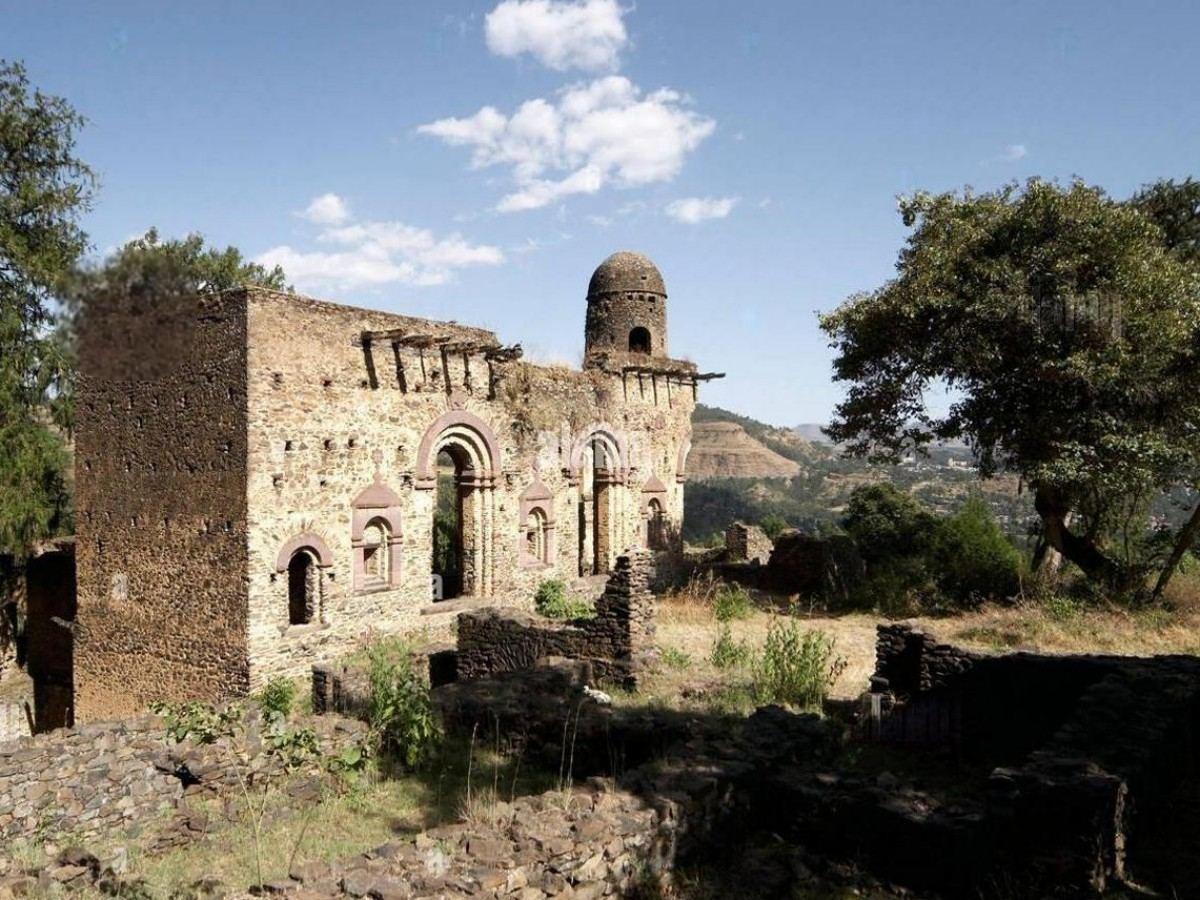
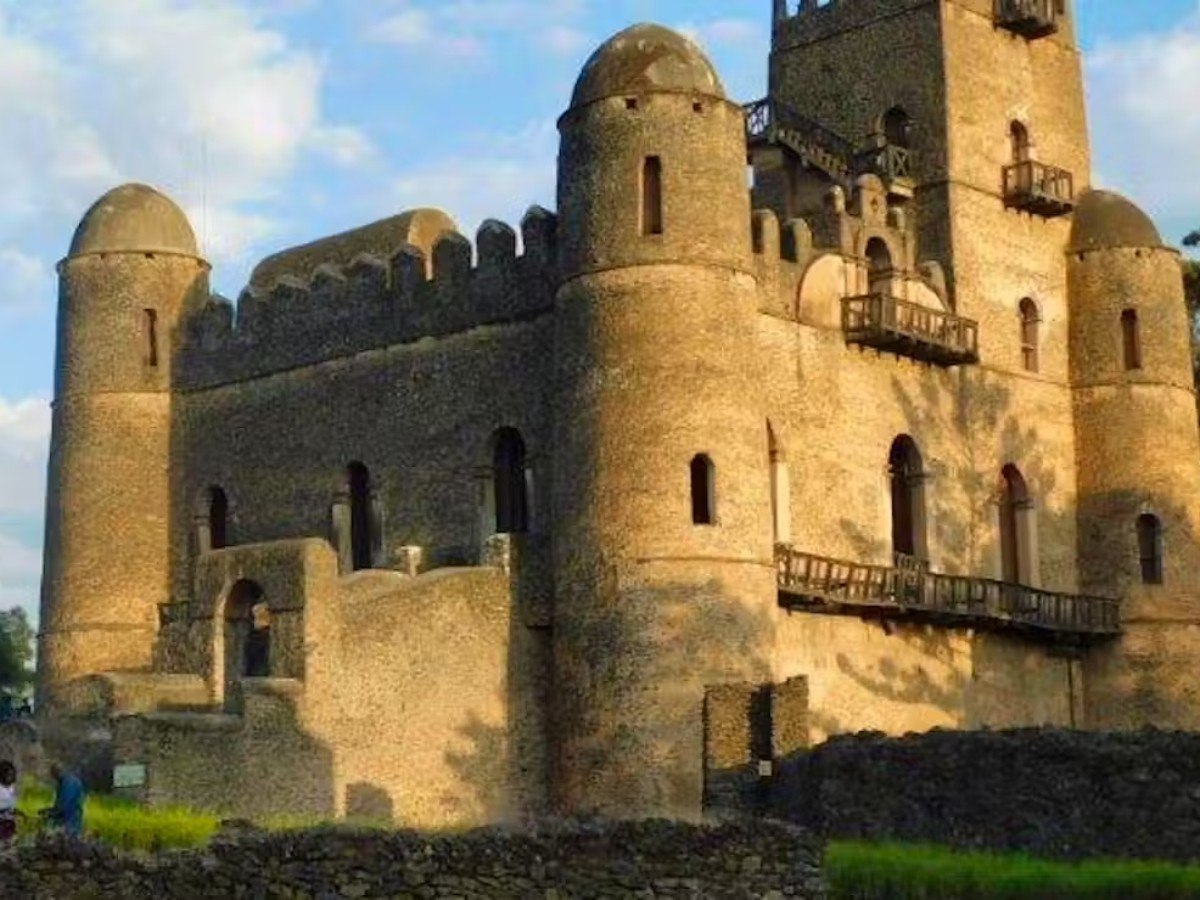
Want to deeply appreciate the beauty of Ethiopian history and art in a short time? Debre Berhan Selassie Church in Gondar is definitely a treasure attraction that cannot be missed. This Orthodox church, built in the 17th century, is like an art palace that freezes time. With its exquisite murals and unique architectural style, it attracts countless tourists and art lovers to explore. Next, follow this guide and spend 3 hours to immerse yourself in the Debre Berhan Selassie Church and feel its unique charm.
Advertisement
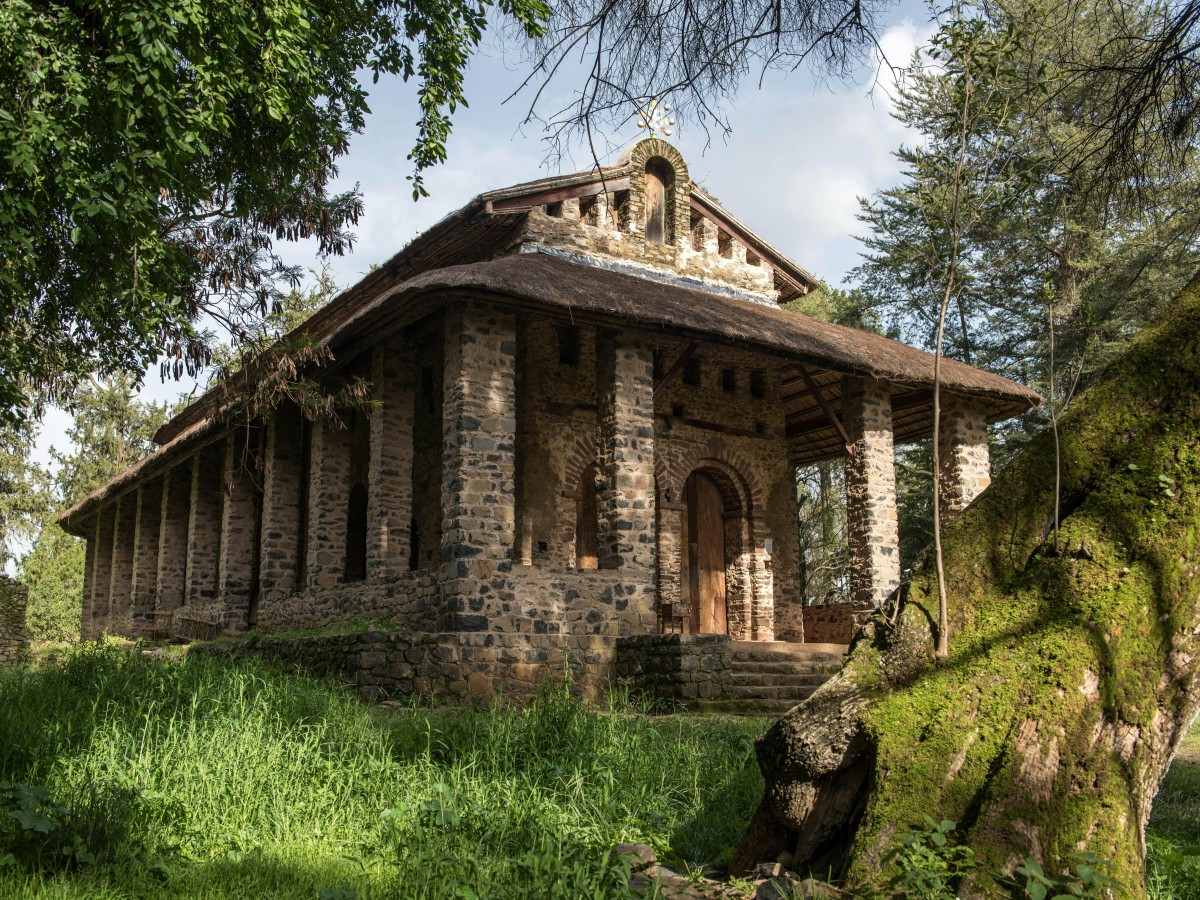
Gondar is an important city in Ethiopian history, and Debre Berhan Selassie Church is located here. From the city of Gondar, transportation is very convenient. You can choose to take a common local taxi and tell the driver to go to "Debre Berhan Selassie Church". The journey usually takes about 15-20 minutes, and the cost is relatively affordable, about 10-20 birr (depending on the specific distance). If you want to experience local life more deeply, you can also try taking a minibus, which is more affordable, but you may need to wait for the bus to be full of passengers.
Advertisement
After arriving at the church, the first thing that comes into view is the quaint wall and low-key gate. The church is usually open from 8 am to 6 pm every day, but in order to avoid the peak of the crowd, it is recommended to arrive around 9 am. You need to buy a ticket to enter the church. The ticket price for foreign tourists is about 100 birr, and children are half price. After purchasing the ticket, don't forget to pick up a simple guide book at the entrance, which will help you better understand the history and characteristics of the church.
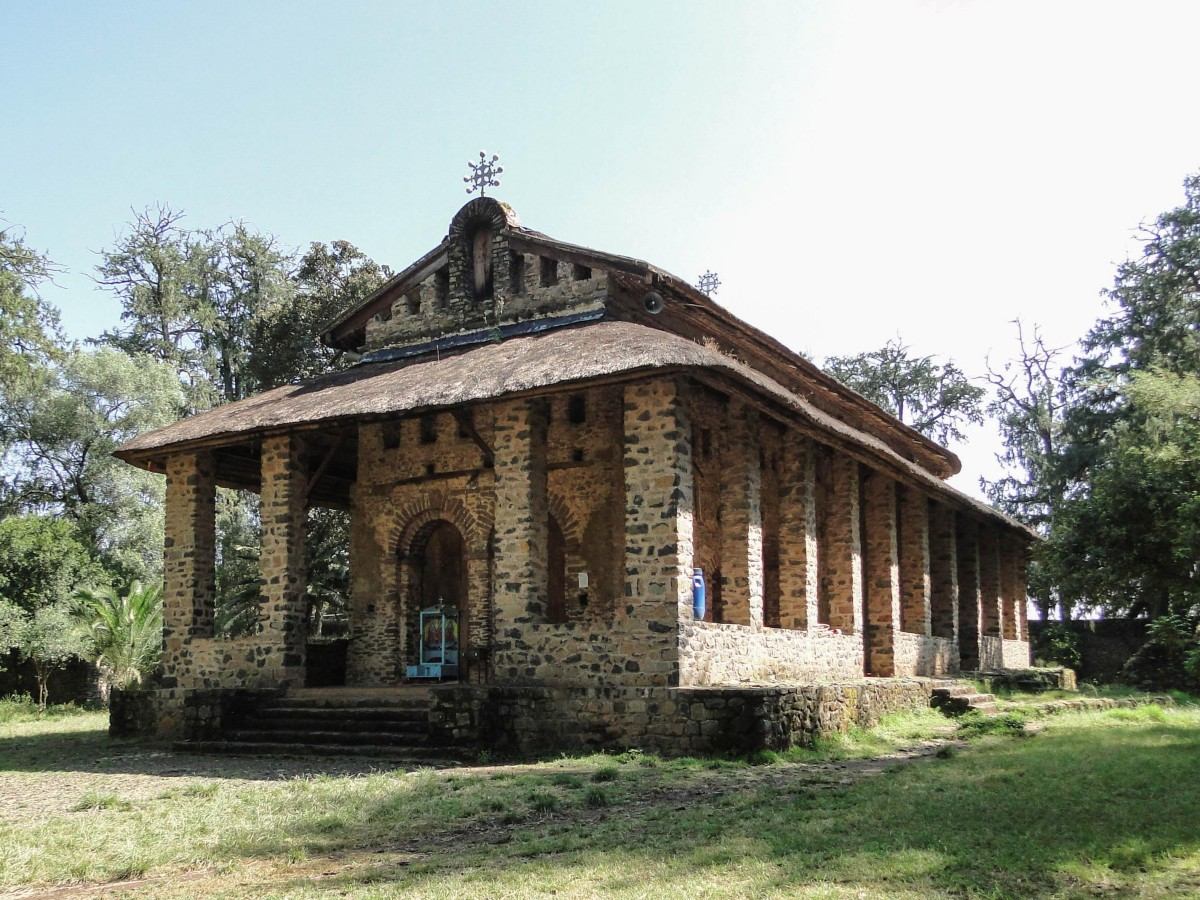
Standing outside the church, looking closely at its architectural appearance, you can feel the weight of history. Debre Berhan Selassie Church adopts the traditional Ethiopian architectural style. The main building is built of stone and wood. The walls are thick and solid. After hundreds of years of wind and rain, it still stands. The roof of the church is a gentle slope, covered with local thatch, which has good insulation effect and adds a quaint and natural atmosphere.
Advertisement
The main entrance of the church is particularly beautifully designed, with complex and exquisite religious patterns carved on the door frame. Most of these patterns are based on biblical stories and Orthodox doctrines, and every detail shows the exquisite craftsmanship of the craftsmen. The stone pillars on both sides of the door are decorated with lion statues that symbolize holiness and majesty, as if guarding this sacred temple. Walking around the periphery of the church, you can also find some small ancillary buildings, which are either used as storage rooms or as rest rooms for clergy. They complement the main church and together form a complete religious building complex.
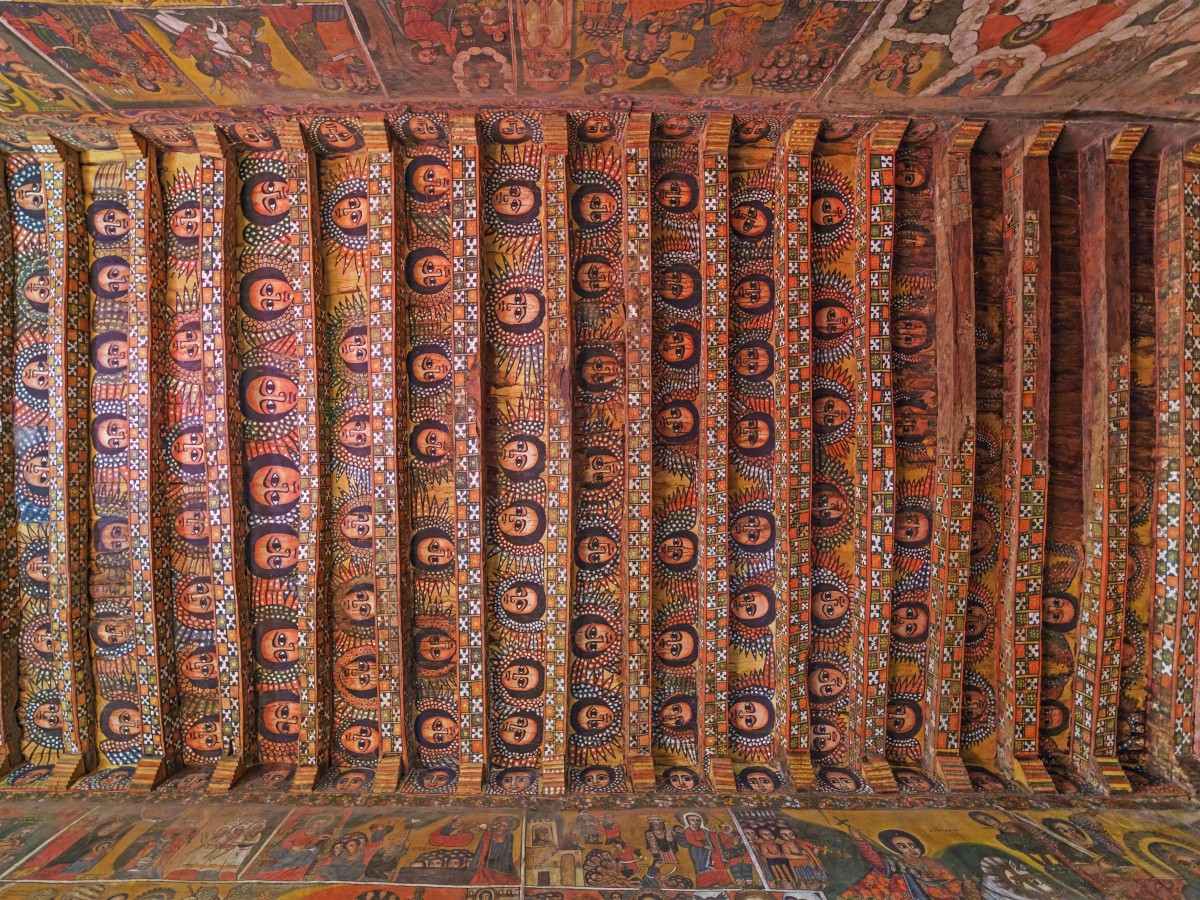
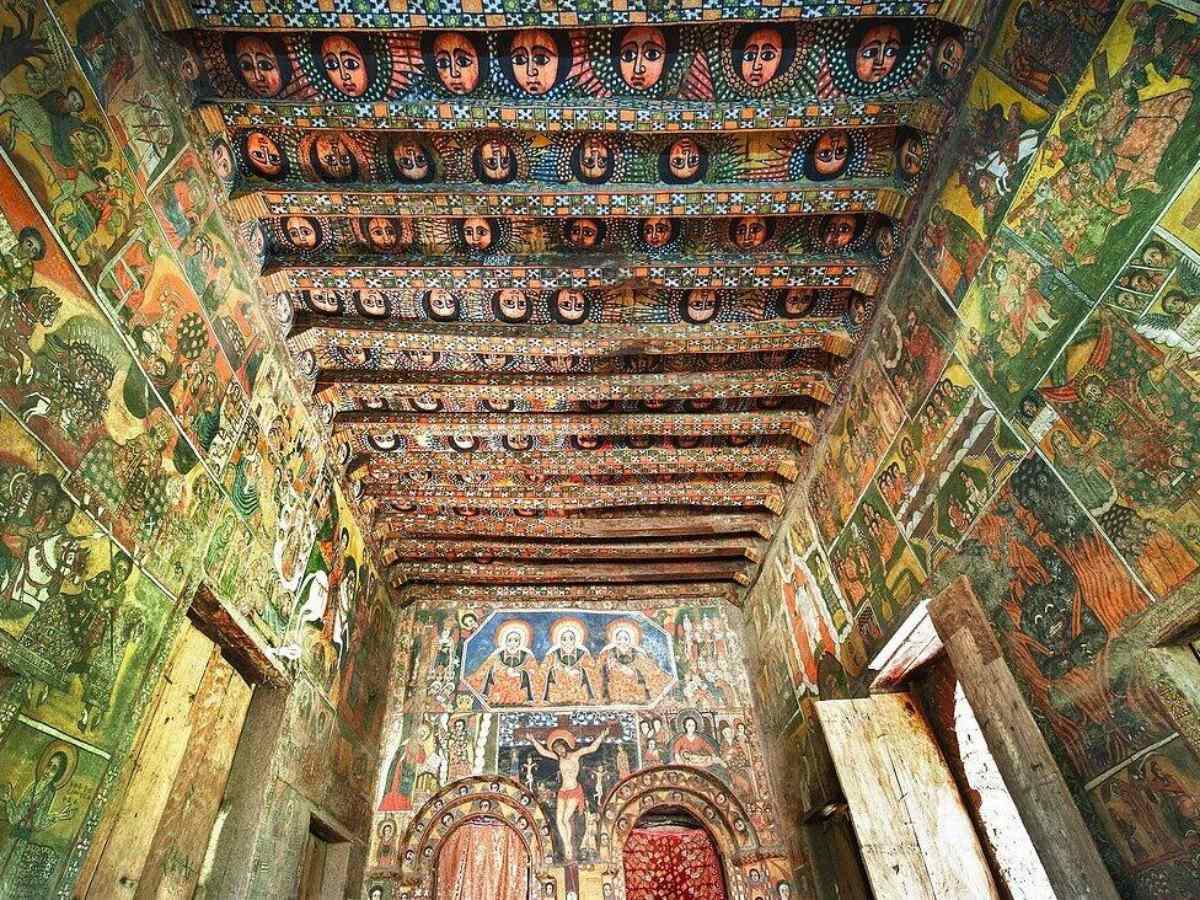
Pushing open the heavy wooden door of the church, it seems like stepping into a mysterious and gorgeous art world. The interior of the church is open, and light shines in through the stained glass windows, creating a sacred and quiet atmosphere. The most amazing thing is the exquisite murals on the walls and ceilings of the church.
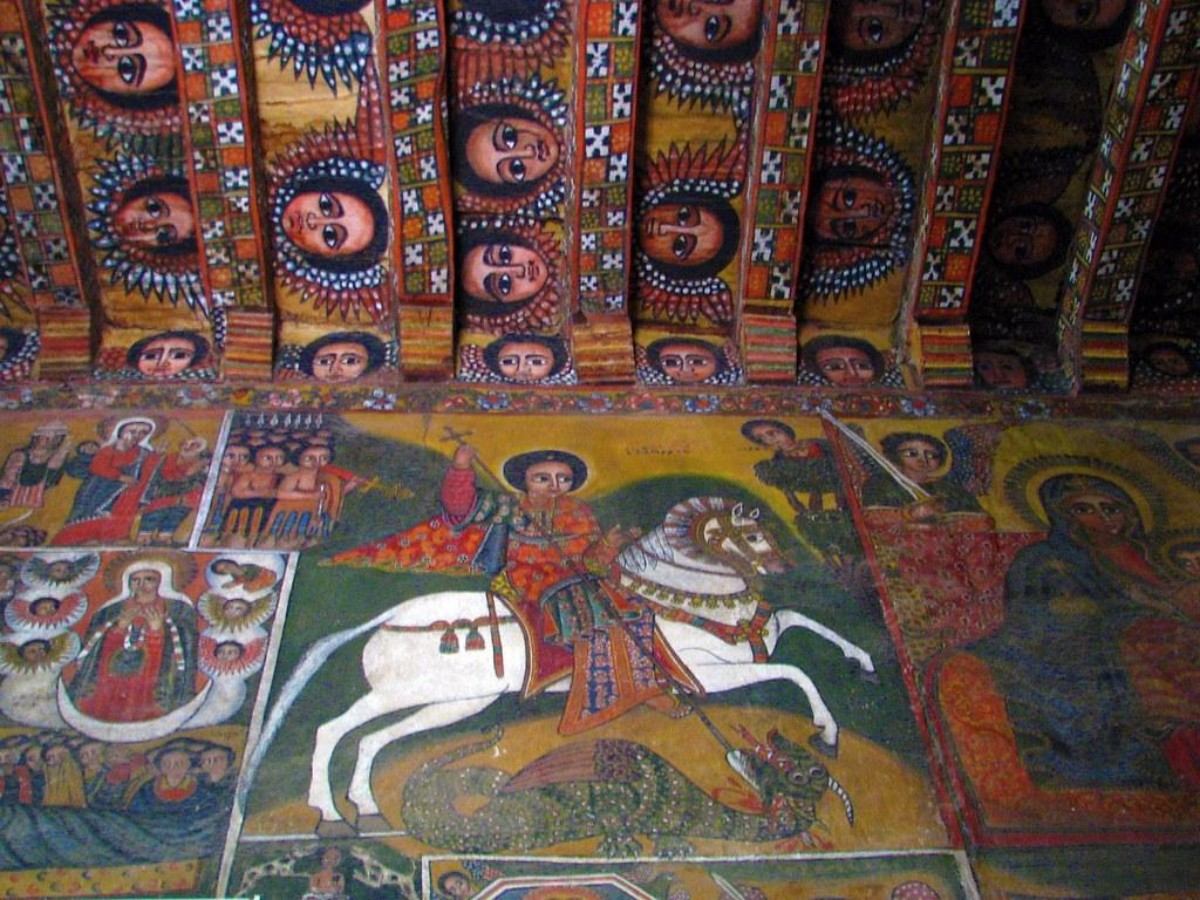
On the ceiling, hundreds of angel heads are neatly arranged, with different expressions and lively eyes, as if they are overlooking the believers who come to worship. These angel heads are called "Eyes of Heaven", which means that God is always watching the world. The face of each angel is carefully painted, with bright colors and delicate lines. Even if you observe carefully with a magnifying glass, you can find the painters' attention to details. Legend has it that these angel heads have special meanings. They symbolize God's blessing and can bring peace and happiness to people.
The murals on the walls mainly depict classic stories in the Bible and legends of Orthodox saints. From the creation story of Adam and Eve, to the legend of Noah's Ark, to the life of Jesus Christ, each mural is like a vivid comic strip, telling people ancient and mysterious religious stories. The murals use traditional fresco techniques, and the pigments are perfectly integrated with the damp walls. After hundreds of years, they are still colorful and lifelike. When viewing the murals, you may wish to slow down and listen carefully to the guide's explanation. Behind each story are profound religious doctrines and cultural connotations.
In addition to the murals, the decorative details inside the church are also worth savoring. In front of the altar are exquisite religious utensils, such as silver-plated crosses and gemstone-inlaid communion plates. They shine brightly under the light, showing the sacredness and solemnity of religion. There are also some ancient religious paintings and calligraphy works hanging on the walls. These art treasures not only have extremely high artistic value, but also are important materials for studying the development of Ethiopian religious culture.
After touring the church for about 2 hours, you must have a deep understanding of this art hall. At this time, you may wish to walk out of the church and explore the surroundings to experience the local customs. There is a small market around the church, which is very lively and full of the breath of life. At the market, vendors sell various handicrafts, special costumes, agricultural products, etc. You can pick up some exquisite wood carvings and traditional Ethiopian costumes as souvenirs, and the prices are very affordable.
When you are tired of shopping, you can also sit down in a small restaurant near the market and taste an authentic Ethiopian meal. Injera is a traditional staple food in Ethiopia. It is a sour cake made from fermented teff, with a soft texture and a slightly sour taste. Injera is usually eaten with various stews, such as beef stew, lamb stew, vegetable stew, etc. Tear off a piece of injera by hand, wrap it with a bite of stew, and put it in your mouth. The rich taste and rich flavor instantly bloom on the tip of your tongue. In addition, Ethiopian coffee is also famous all over the world. Order a cup of freshly brewed coffee in the restaurant, paired with a piece of local dessert, sit in the sun and taste it slowly, and enjoy this leisurely time.
3 hours is enough for you to deeply appreciate the unique charm of Debre Berhan Selassie Church. Here, you can not only appreciate the exquisite works of art and feel the strong religious atmosphere, but also experience the local customs and food culture. When you leave this church, I believe its gorgeous murals, solemn architecture and unique culture will become an unforgettable memory of your journey. If you also want an artistic journey through time and space, then pack your bags and go to Gondar to personally uncover the mystery of Debre Berhan Selassie Church!