
Advertisement
In northeastern Ghana, there is a mysterious city surrounded by tropical savannahs - Bolgatanga. It is not only the capital of the Upper East Region of Ghana, but also a treasure trove of "living fossils" of prehistoric art in sub-Saharan Africa. In the depths of the wilderness, about 15 kilometers from the city center, there is a little-known rock painting site - Tarn Rock Paintings. These patterns carved on the ochre-red sandstone have spanned thousands of years and recorded the hunting, sacrifice and cosmology of the ancestors of West Africa. If you are tired of the glass display cases in the museum and long for a "zero-distance dialogue" with history, then this exploration journey will take you to uncover the original code of African rock paintings.
Advertisement
1. Transportation: The "last mile" from the city to the wilderness
Advertisement
The transportation in Bolgatanga city is mainly motorcycle taxis (Okada) and shared minibuses (Tro-Tro), but going to the Tarn site requires crossing the wilderness. It is recommended to charter a car or join a local tour group.
Charter price: round-trip from the city to the site is about 80-120 Ghanaian Cedis (about 10-15 US dollars), which can accommodate 4-6 people. The driver usually waits outside the site for 2-3 hours.
Tour group selection: Bolgatanga Cultural Tourism Office provides a half-day tour package, including guides, transportation and basic insurance, about 150 Cedis (about 18 US dollars) per person. Most guides are local tribal elders who can tell the oral history behind the rock paintings.
2. Route planning: The "Red Corridor" that travels through time and space
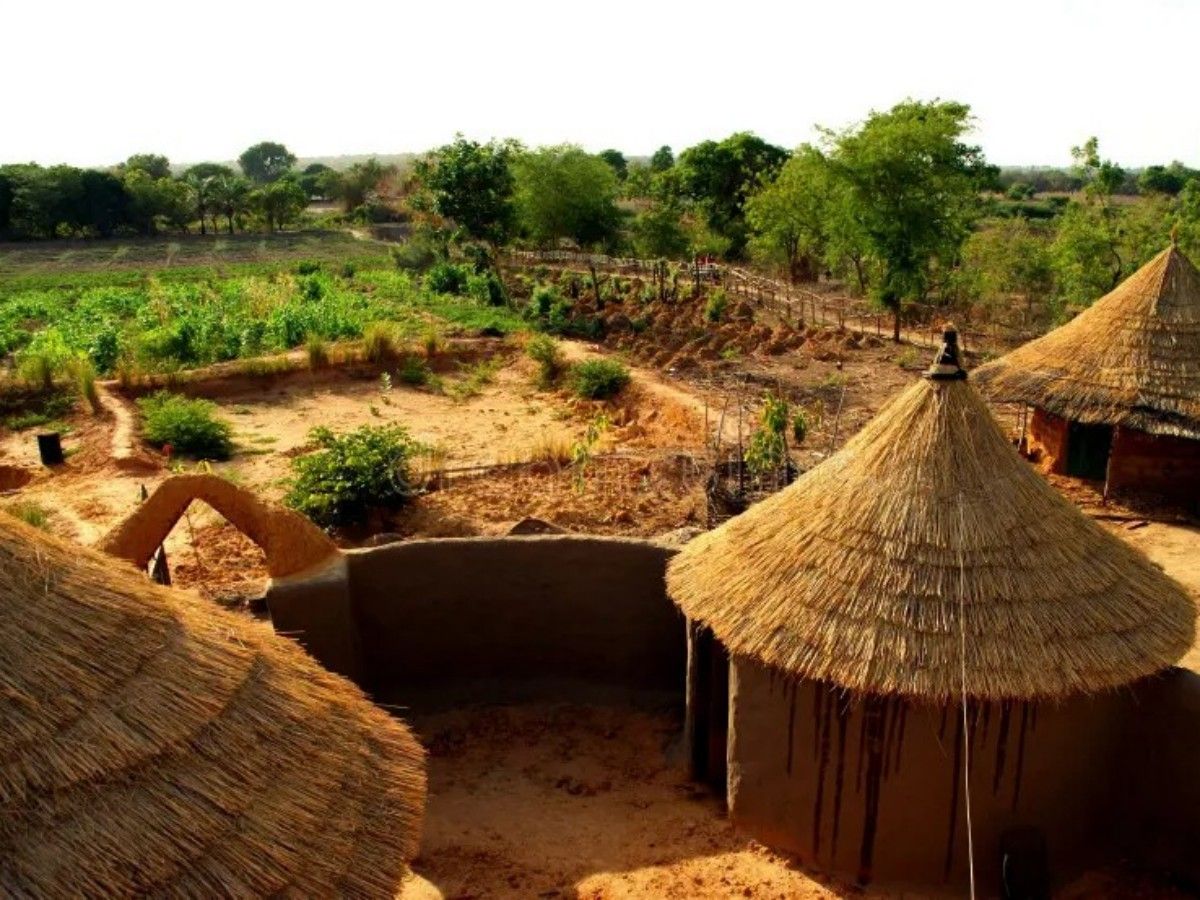
Starting from the city of Bolgatanga, drive north along the A2 highway for about 10 kilometers. After turning to the left dirt road, you need to cross a savanna. On the way, you will pass the village of Bongo, which is the settlement of the Gurunsi people. You can stop briefly to visit the traditional mud brick houses (Swish Houses), whose geometric patterns on the wall decoration are in the same vein as the rock paintings.
Continue for 3 kilometers, and when the sandstone hills come into view, you will arrive at the entrance of the Tarn site. There is a wooden sign at the entrance, which reads "The stones here speak" in English and Gurunsi.
3. Essential items: A survival list for living with the wilderness
Sun protection equipment: wide-brimmed hat, SPF50+ sunscreen, long-sleeved breathable clothing (the ultraviolet rays on the grassland are extremely strong).
Hiking shoes: The sandstone ground is rugged and requires non-slip soles.
Drinking water and snacks: There are no shops in the site. It is recommended to bring 1.5 liters of water and high-energy snacks (such as local cashews).
Photographic equipment: The colors of the rock paintings are most vivid at noon, but you should avoid using flash (which may accelerate the fading of the pigments).
Respect customs: Some rock paintings are regarded as "sacred objects". Before shooting, the guide needs to confirm whether it is allowed.
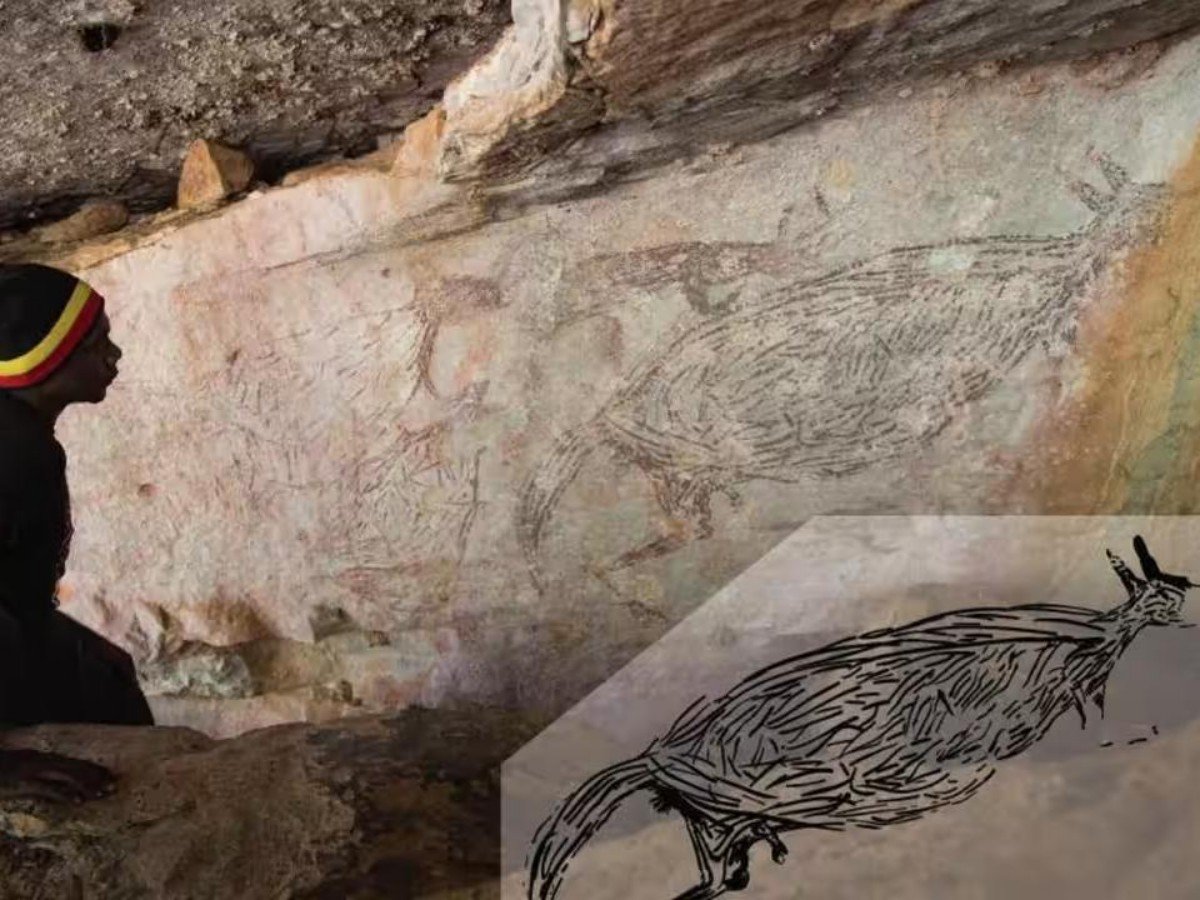
1. Animal totems: the "encyclopedia of nature" of the ancestors of West Africa
Advertisement
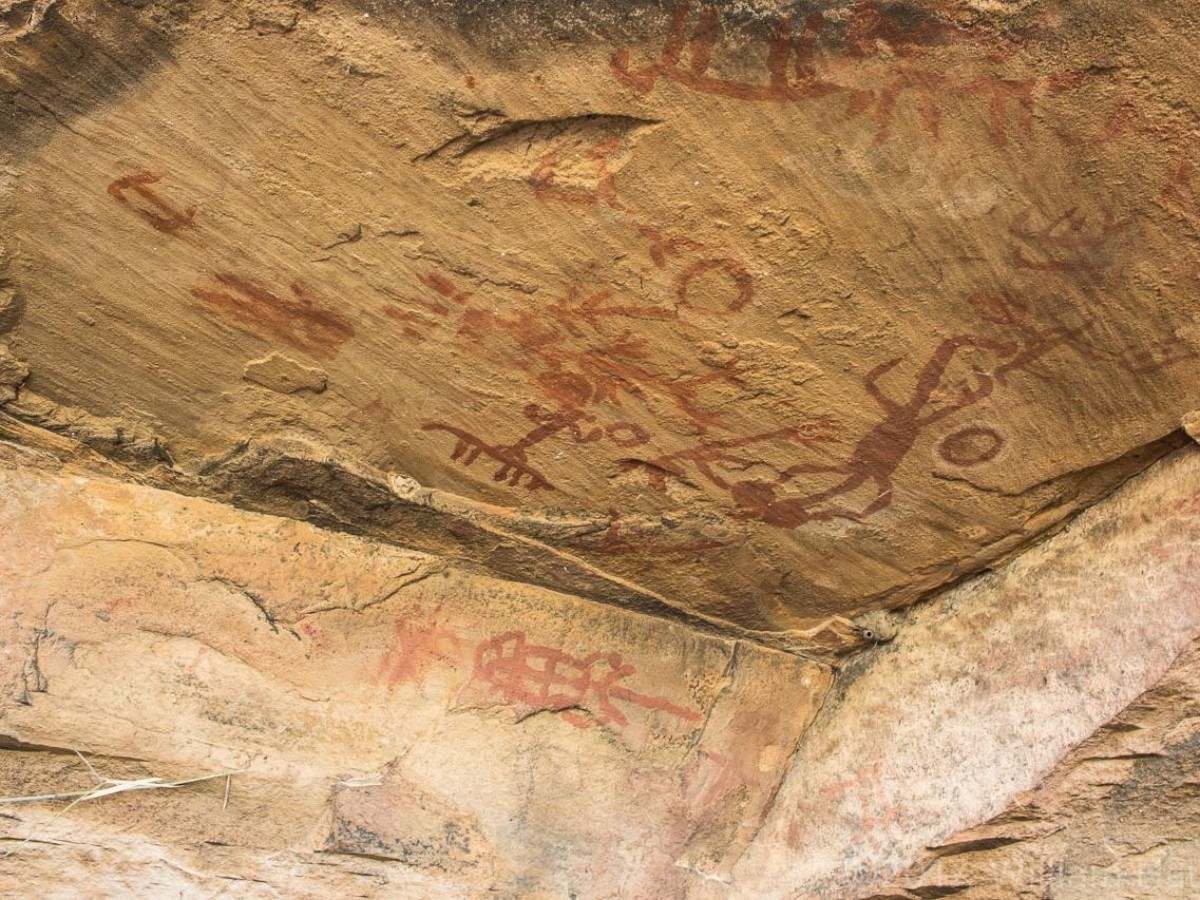
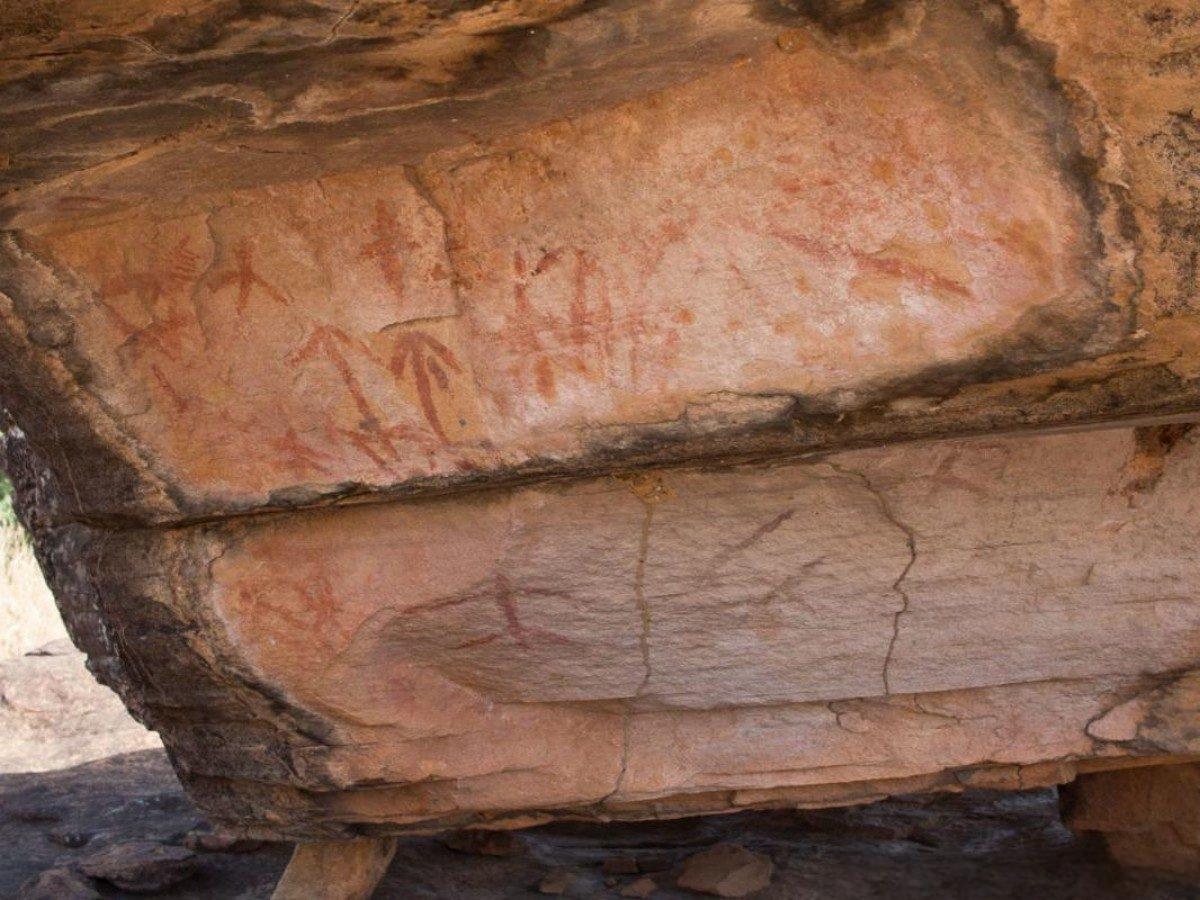
The Tarn rock paintings are painted with ochre-red mineral pigments, and the themes focus on animals, humans and abstract symbols. The most eye-catching is a group of giraffe rock paintings, whose neck lines are smooth and the proportions are precise, almost the same as modern giraffes. According to the guide, giraffes symbolize "connecting heaven and earth" in the ancient Gal culture, and their towering necks are regarded as a channel for communication between gods and mortals.
Another classic pattern is the "hunting scene": dozens of little men holding spears are surrounding a wild bull, and the belly of the wild bull is marked with a red arrow, suggesting a fatal blow. This "dynamic narrative" style is similar to the Bushmen rock paintings in the Drakensberg Mountains in South Africa, revealing the common aesthetic logic of African prehistoric art.
2. Geometric symbols: a visual expression of the cosmology
On the rock wall in the northeast corner of the site, there is a group of patterns composed of concentric circles, spirals and crosses. Scholars speculate that these symbols may be related to the astronomical observations of the Gujar people. For example, concentric circles may represent the trajectory of the sun or moon, and spirals symbolize the cycle of seasons. The local elders demonstrated how to use sticks and stones to replicate these symbols on the sand, and explained: "Our ancestors observed the movement of the stars and engraved the time on the rocks, so that even if the flood washed away everything, the knowledge would not disappear."
3. Handprint rock paintings: "Proof of existence" across time and space
In the most hidden rock crevices of the site, a group of black handprint rock paintings are hidden. These handprints vary in size, covering children to adults, and some handprints still have fingerprint details on the edges. Archaeologists have found through carbon isotope dating that the earliest handprints can be traced back to 2000 BC. This behavior of "leaving a mark" echoes the handprint theme in the Cueva de las Manos rock paintings in Argentina, suggesting that humans are eternally pursuing a "sense of existence".
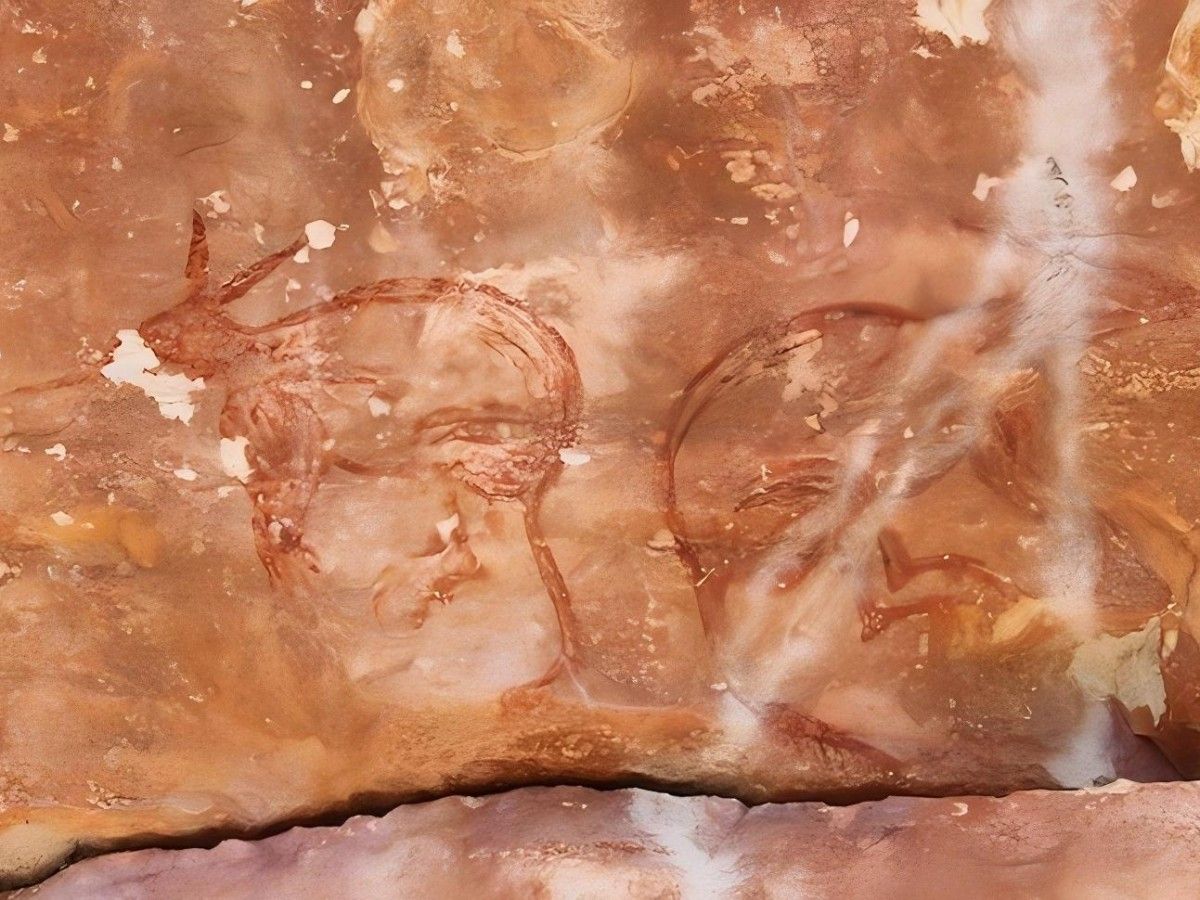
1. Participate in the rock painting reproduction workshop
The Bolgatanga Cultural Center holds a traditional rock painting experience every Saturday. Visitors can use natural pigments made from red clay, charcoal and animal blood under professional guidance to create their own "prehistoric art" on simulated rock slabs. After the workshop, the works can be taken home as a souvenir or donated to the center for educational display.
Cost: 50 cedis/person (including materials), reservations must be made in advance.
2. Overnight on the grassland: Listen to the rocks "tell" ancient legends
If you want to immerse yourself in the wilderness, you can choose to stay at the Bongo Eco Camp near the site. The camp provides accommodation in traditional thatched houses. After dinner, the tribal elders will sit around the campfire and tell the origin story of the rock paintings with drums and songs. When night falls, lying on the open-air platform, looking up at the Milky Way pouring over the sandstone hills, it seems that you can hear the echo of the ancient hunters praying in front of the rock wall.
Cost: 200 cedis/night (including three meals), you need to bring your own mosquito repellent.
3. Surrounding linkage: connecting the northeastern cultural triangle of Ghana
The Tarn rock painting site can form a one-day tour route with the following attractions:
Paga Crocodile Pool: 40 kilometers from Bolgatanga, visitors can touch the largest Nile crocodile in Africa with their own hands (accompanied by a guide).
Tongo Hills: 30 kilometers from Bolgatanga, the caves here are engraved with the sacrificial scenes of the Gujar people, forming a time and space dialogue with the Tarn rock paintings.
Bolgatanga Market: After returning to the city, you can visit the largest local handicraft market and buy baskets woven with dyed grass (its geometric patterns are exactly the same as the rock painting symbols).
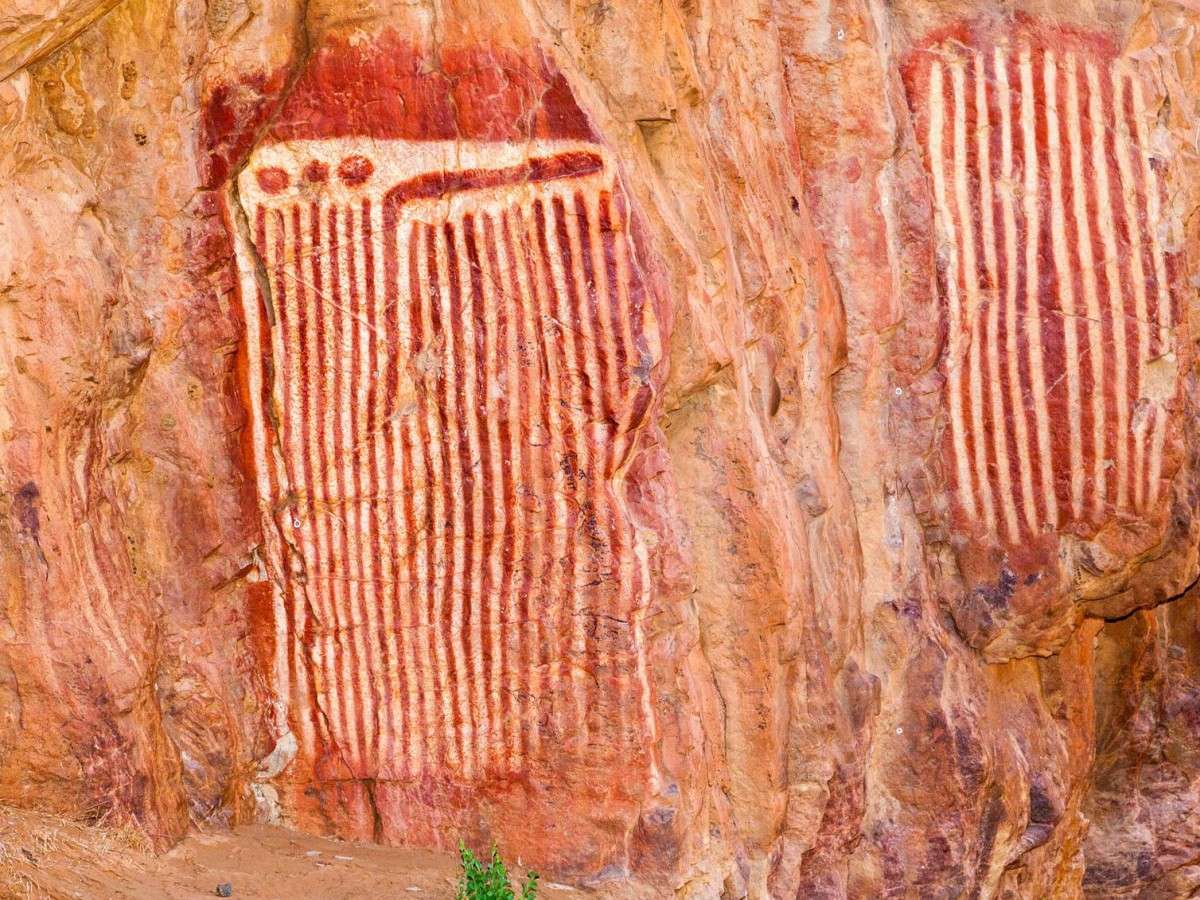
The preciousness of Tarn rock paintings lies not only in their artistic value, but also in the fact that they record the earliest human pursuit of "meaning". When modern people use smartphones to take pictures of rock paintings, they may not realize that these patterns were once the "social media" of their ancestors - they strengthened group identity by depicting common memories; they prayed for the protection of gods by depicting successful hunting; and they passed on survival wisdom by recording astronomical phenomena.
However, rock paintings are facing multiple threats: weathering and erosion, tourists touching them, and even illegal excavation. In 2023, the Ghanaian government listed the Tarn site on the National List of Endangered Cultural Heritage and launched a digital protection project. As tourists, the only thing we can do is to record with our eyes, not touch them with our hands; feel with our hearts, not disturb them with flashlights.
When leaving the Tarn site, the sunset dyed the sandstone blood red, and the giraffes in the rock paintings seemed to move slowly in the twilight. At this moment, history is no longer the words in the book, but the beating pulse of the land under our feet. The hidden site of Bolgatanga reminds us in the most primitive way: humans have never really left the prehistoric era - we are still repeating our ancestors' questions about existence, nature, and eternity in different languages.