On the western coast of the African continent, in Ghana, stands an ancient castle that has witnessed hundreds of years of changes - Elmina Castle. Next, let's walk into this castle together and start a shocking journey through time and space.
Advertisement
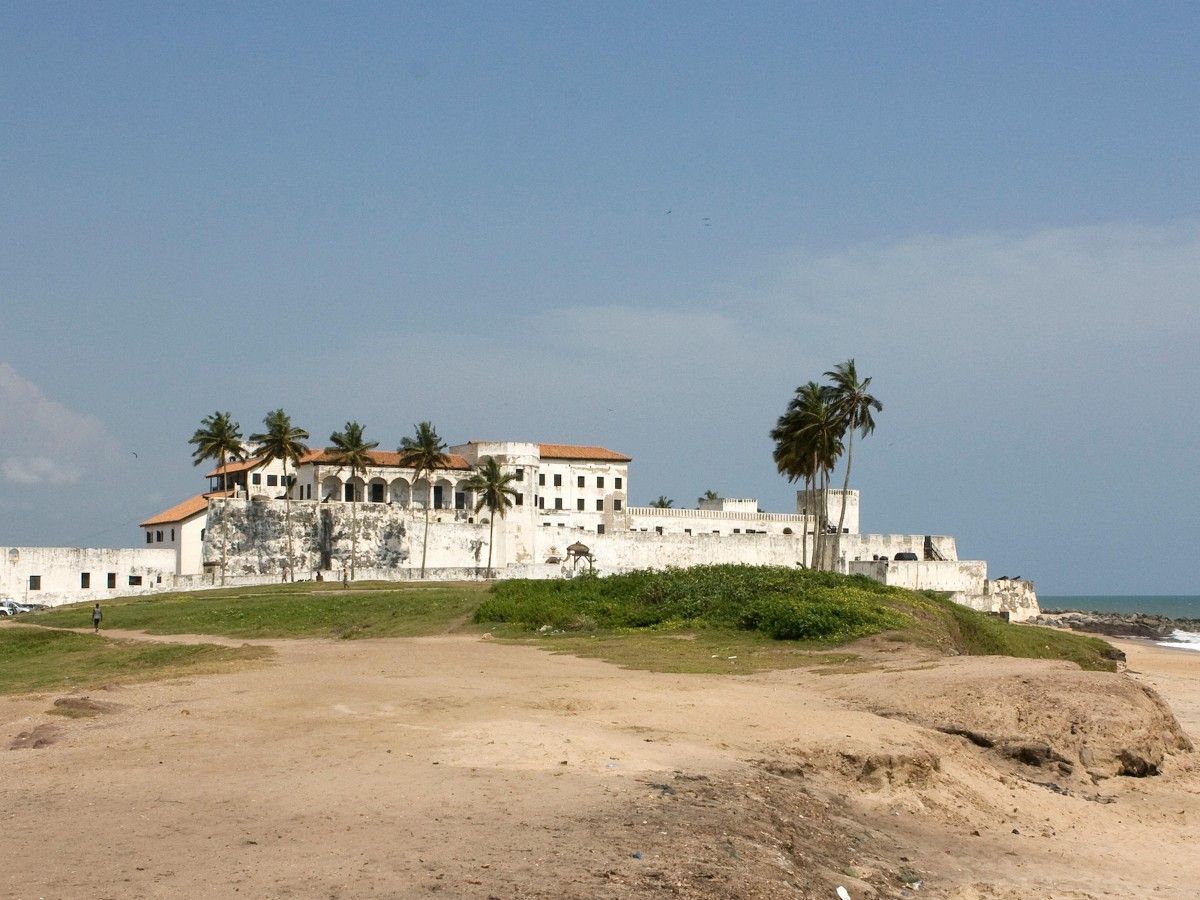
The history of Elmina Castle can be traced back to 1482. It was built by the Portuguese. It was originally named Castelo de São Jorge da Mina, also known as Castelo da Mina or Feitoria da Mina for short. This is the first trading post on the Gulf of Guinea and the oldest European building in sub-Saharan Africa. In the early days of the castle, it was mainly used for gold trade between Portugal and local residents. With its superior geographical location, the Portuguese made huge profits here and controlled the trade monopoly in the region.
Advertisement
Over time, the global trade pattern has changed dramatically, and the slave trade has gradually emerged. Elmina Castle unfortunately became one of the most important stops on the Atlantic slave trade route. During that dark period of history, countless Africans were imprisoned here and then transported to America to begin their miserable slavery. In 1637, the Dutch seized the castle from the Portuguese and took over the entire Portuguese territory on the Gold Coast in 1642. After that, the slave trade continued under Dutch rule until 1814. In 1872, the Dutch Gold Coast, including the castle, became a British territory. In 1957, Ghana became independent from Britain, and Elmina Castle was officially returned to the Ghanaian government, opening a new chapter as a historical site to the public.
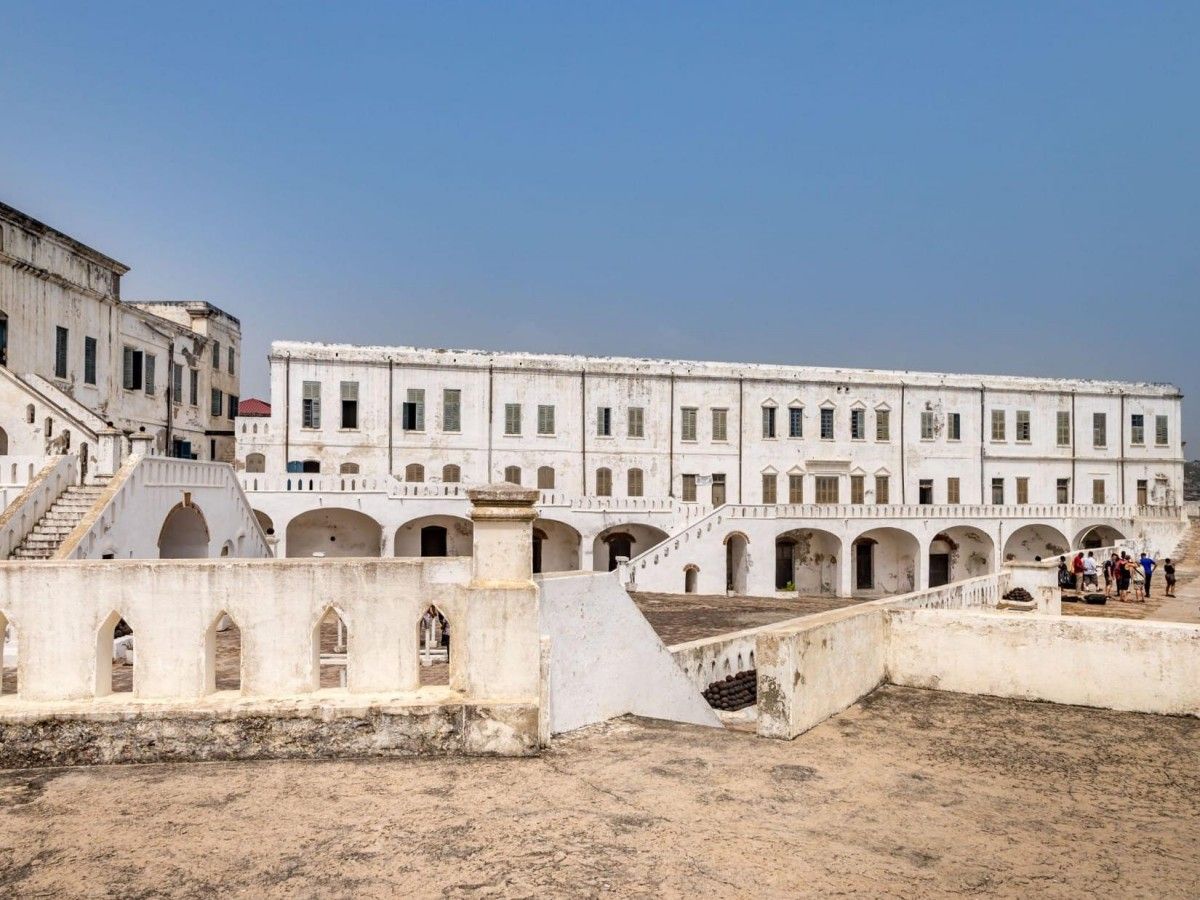
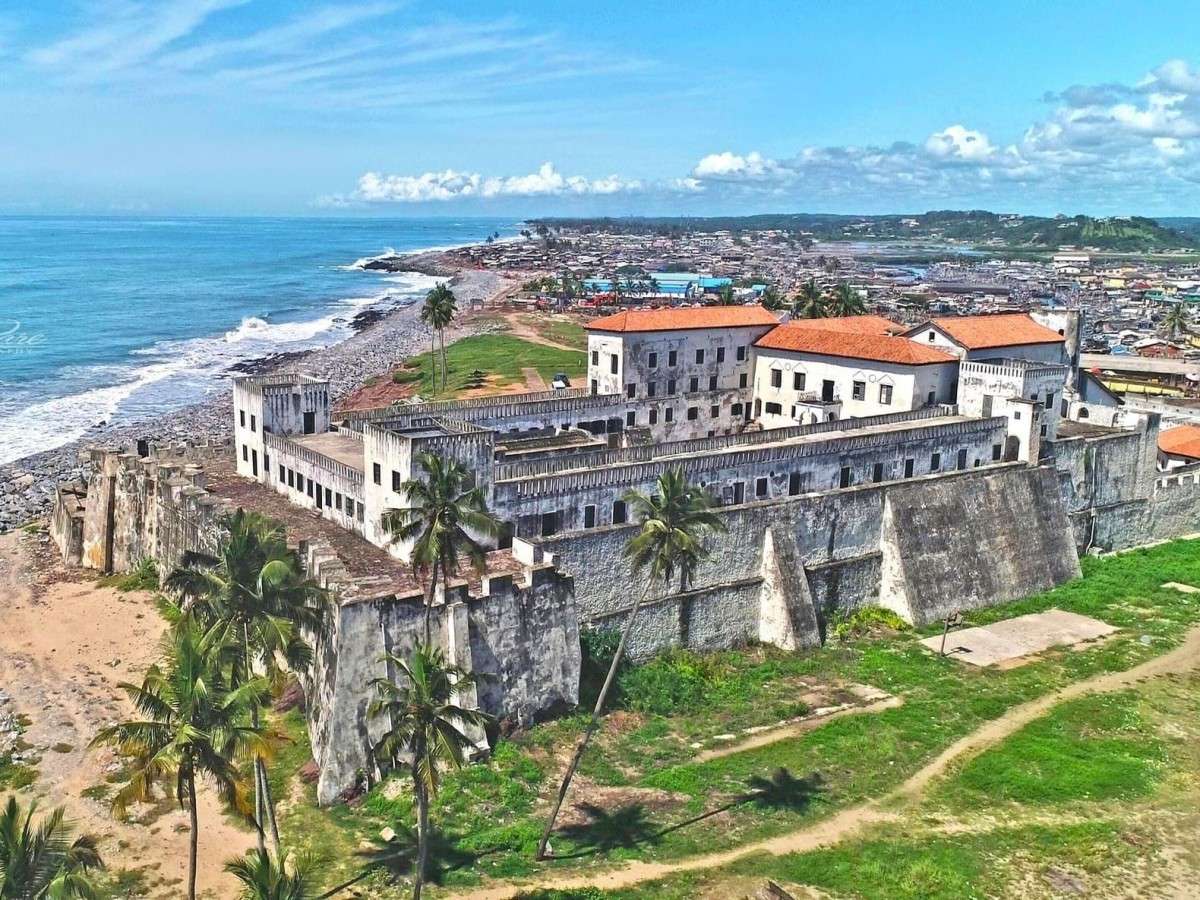
The overall layout of the castle cleverly combines defense and trade functions. It is located at the end of a narrow cape, with one side close to the Atlantic Ocean and the other side close to the Benia River. The leeward side of the cape forms a natural harbor, which provides convenience for ships to dock. The main building of the castle is solid, built with huge stones, with thick walls and multiple watchtowers and turrets to resist foreign invasion.
Advertisement
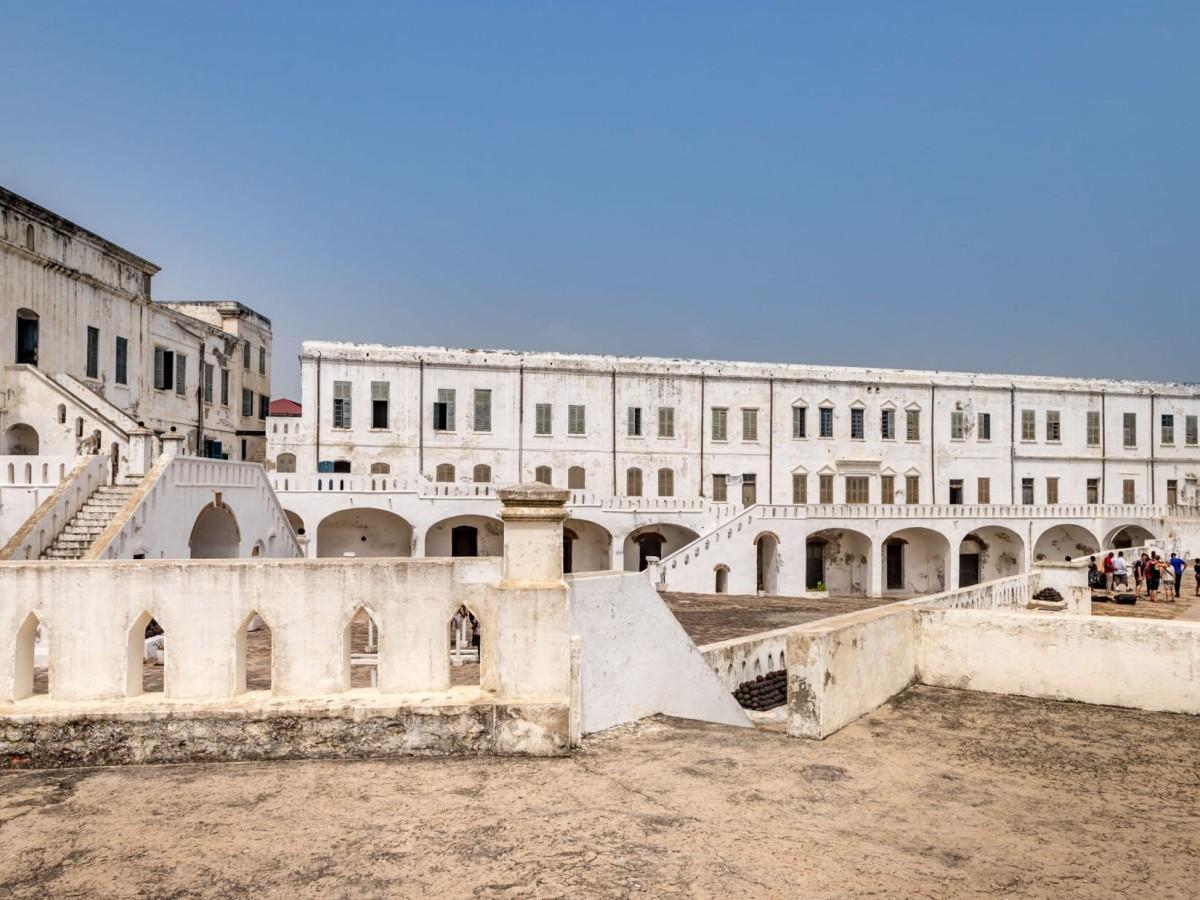
The internal area of the castle is divided in detail. When you enter the castle, the first thing that comes into view is the open courtyard, which used to be a place for goods trading and personnel gathering. Walking along the passage, you can see the former warehouses, which were once filled with precious items such as gold and ivory purchased from the local area, as well as goods ready to be shipped to Europe. The most shocking part of the castle is the slave dungeon. The dungeon is dark and damp, with a small space, and male and female slaves are imprisoned in different areas. The female dungeon is relatively more crowded, and countless women have suffered inhuman treatment here. From the architectural style of the dungeon, you can also clearly see the Portuguese characteristics. The heavy stone door and rough stone wall seem to be silently telling the pain and despair of the prisoners at that time. Go up the stairs to the upper floor of the castle, where there is the former governor's room, which is relatively luxuriously decorated, showing the status and power of the rulers at that time. There is also a church, which was originally a place to provide religious services for the colonists, but in that dark history, it witnessed countless crimes against humanity. From the fourth floor of the castle, you can see the surrounding harbor, the fishing boats coming and going, and the nearby Fort St. Jago. The magnificent scenery is in sharp contrast to the heavy history inside the castle.
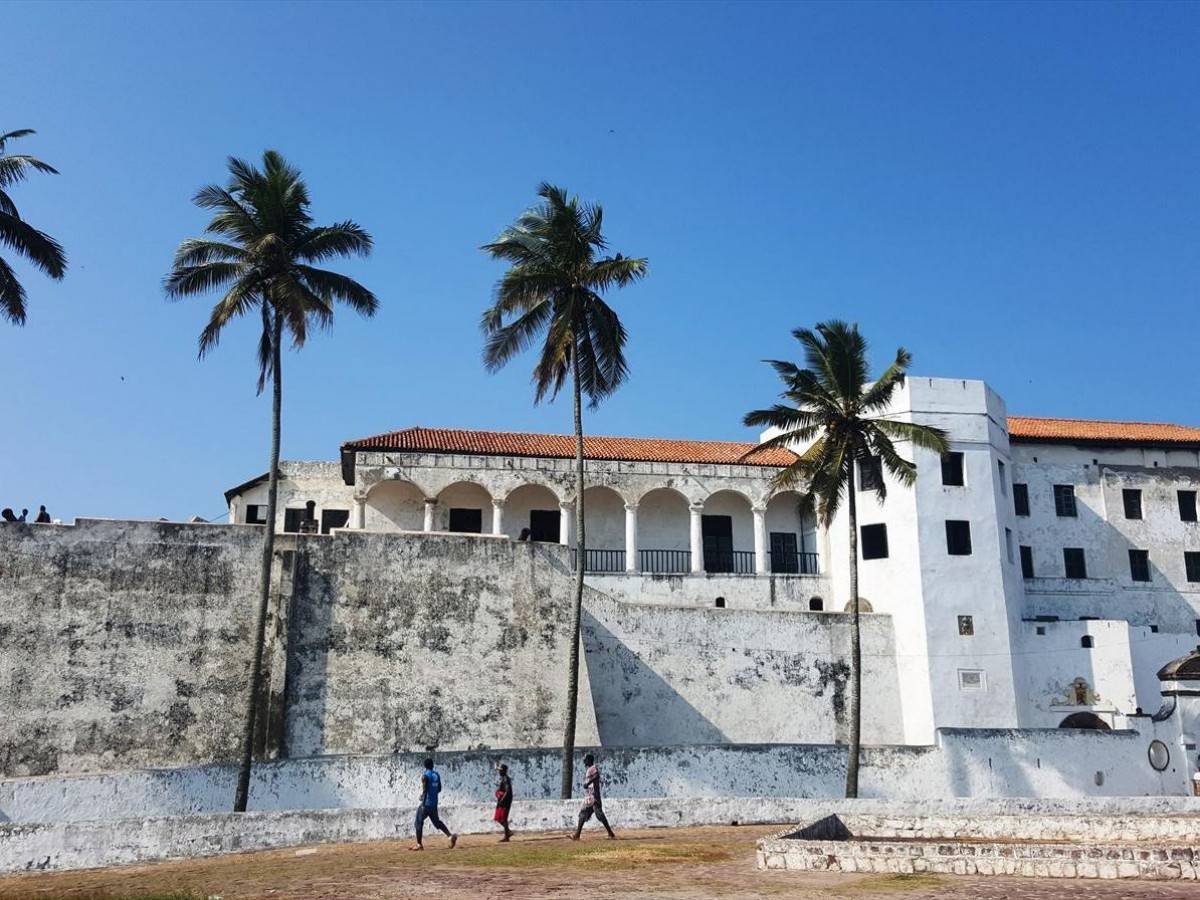
Opening Hours and Ticket Information
The Elmina Castle Museum is open every day from 9:00 am to 4:30 pm (Coordinated Universal Time). The ticket price varies according to different identities: 1 Ghanaian Cedi for elementary school students to third-year junior high school students; 2 Ghanaian Cedi for high school students; 3 Ghanaian Cedi for college students with student ID cards; 5 Ghanaian Cedi for Ghanaian adults; 5 Ghanaian Cedi for foreign children; 30 Ghanaian Cedi for foreign students with student ID cards; 40 Ghanaian Cedi for foreign adults. It is recommended to plan the visit time in advance to avoid going on closed days.
Must-see exhibitions and attractions
The St. George’s Castle Museum in the castle is an important place to learn about the castle’s history and local culture. The museum was established in 1996 with the assistance of the Ghana Museums & Monuments Board, the United States Agency for International Development and the Midwestern University International Activities Alliance. The museum displays a rich variety of exhibits, including photos of the castle through the centuries, which vividly show the changes of the castle; displays about the Asantes of Elmina and their trade activities with Europeans, which give visitors an in-depth understanding of the trade exchanges at that time; and golden weights, shackles, murals, local textiles, stools, stone tools, ceramics, bottles, clay, glass and beads, etc., each of which carries a specific historical information.
During the tour of the castle, be sure to follow the guide to visit the former warehouses, slave dungeons, churches and governor's rooms. Among them, the cell where the Ashanti King was imprisoned is a particularly eye-catching place. Standing there, you can feel the solemn atmosphere of history.
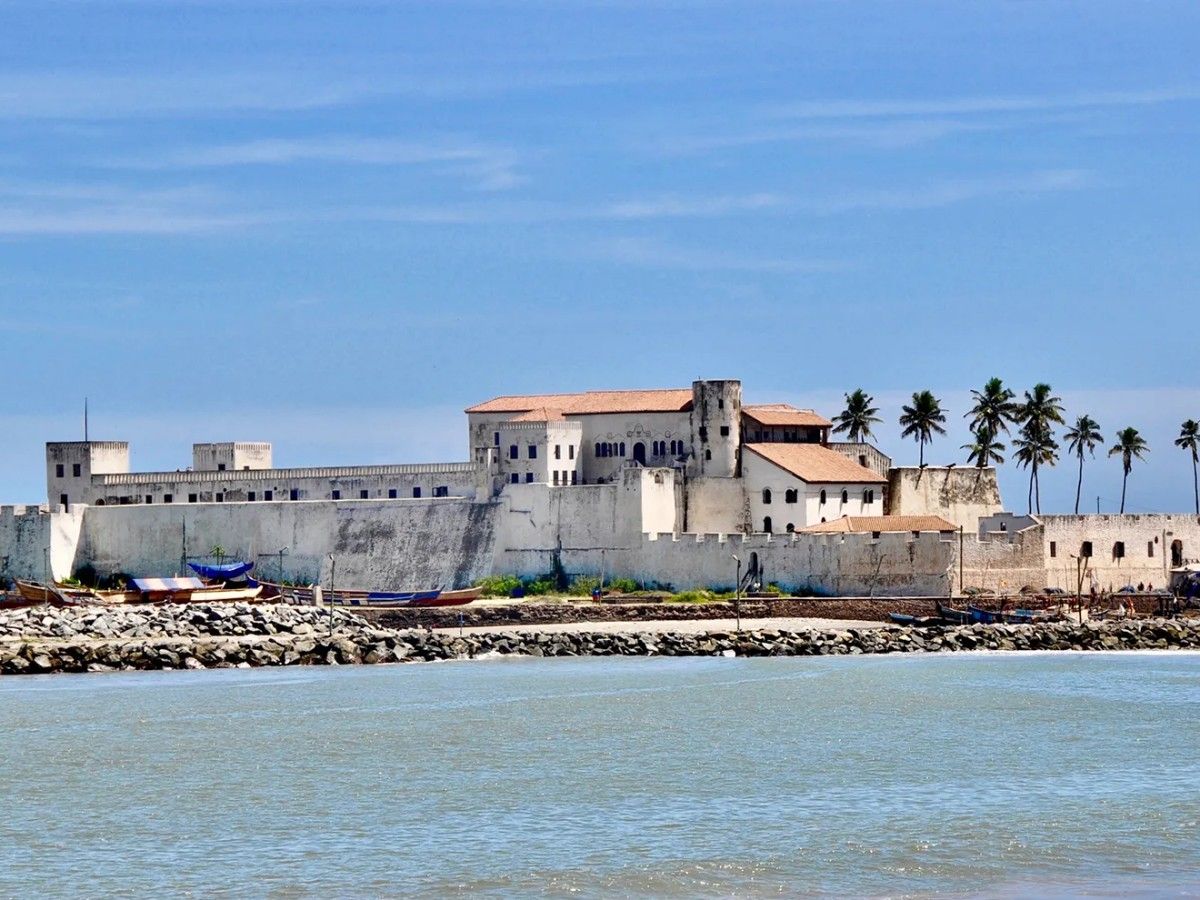
Upper Fort St. Jago/Fort Conraadsburg
Not far from Elmina Castle, the Upper Fort St. Jago also has a long history. It was built in the 17th century and is one of the many fortifications built by the Dutch on the Gold Coast. Standing on the fort, you can overlook the beautiful coastline and the surrounding scenery. Some ancient cannons are preserved in the fort. Walking through it, you can seem to see the smoke of the war.
Elmina Fishing Village
Next to the castle is the Elmina Fishing Village, which is full of life. There are colorful fishing boats here, and fishermen are busy loading and unloading the caught fish and shrimp. You can stroll in the fishing village, feel the local customs, and taste fresh and delicious seafood. Buying some seafood that has just been salvaged from the shore, finding a nearby restaurant to process it, and tasting the most authentic Ghanaian seafood cuisine is definitely an unforgettable experience.
Kakum National Park
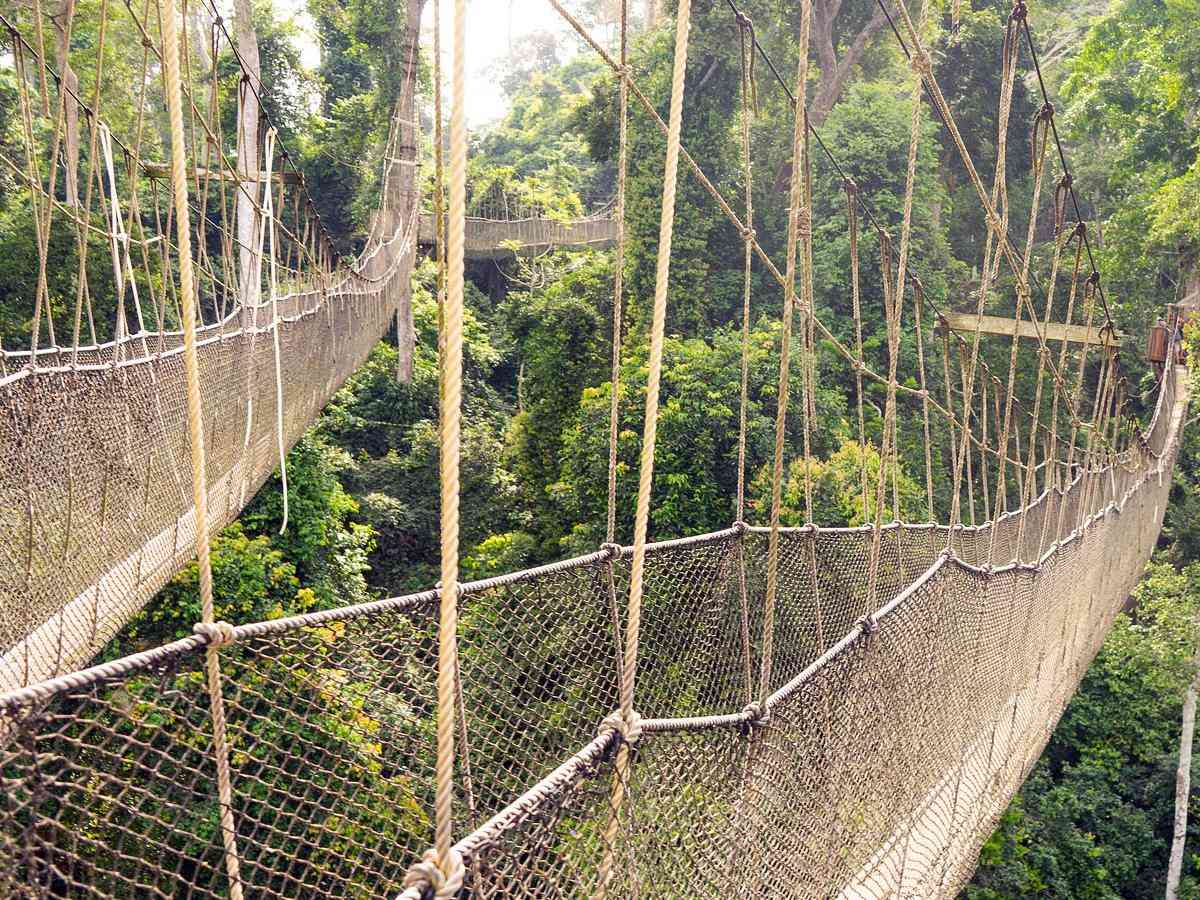
If you have enough time, you may want to go to Kakum National Park. It has dense tropical rainforests and is home to many rare plants and animals. The most distinctive feature of the park is the high-altitude canopy walkway, which consists of a series of bridges suspended between large trees. Walking on it, you can enjoy the beauty of the tropical rainforest from a unique perspective and feel the magic and charm of nature. It takes about 1-2 hours to drive from Elmina Castle to Kakum National Park. You can choose to charter a car or join a local tour group.
A trip to Elmina Castle is an unforgettable experience of touching history and reflecting on the past. Here, you can truly feel the weight of history and gain a new understanding of the process of human development. If you are eager for a unique trip and explore different cultural landscapes, then Elmina Castle is definitely not to be missed.