


Advertisement
When you are tired of the hustle and bustle of the city, glass high-rises and indifferent steel and concrete, why not take a real "back to nature" trip to West Africa, step into the Logba Tota village in Ghana, and start a cultural journey through time and space. Here, there are no neon lights, no commercial advertisements, only the temperature of the soil, the sound of nature and the unchanging rhythm of life. And the protagonist of this experience is the local iconic traditional mud house (Mud Houses).
Advertisement
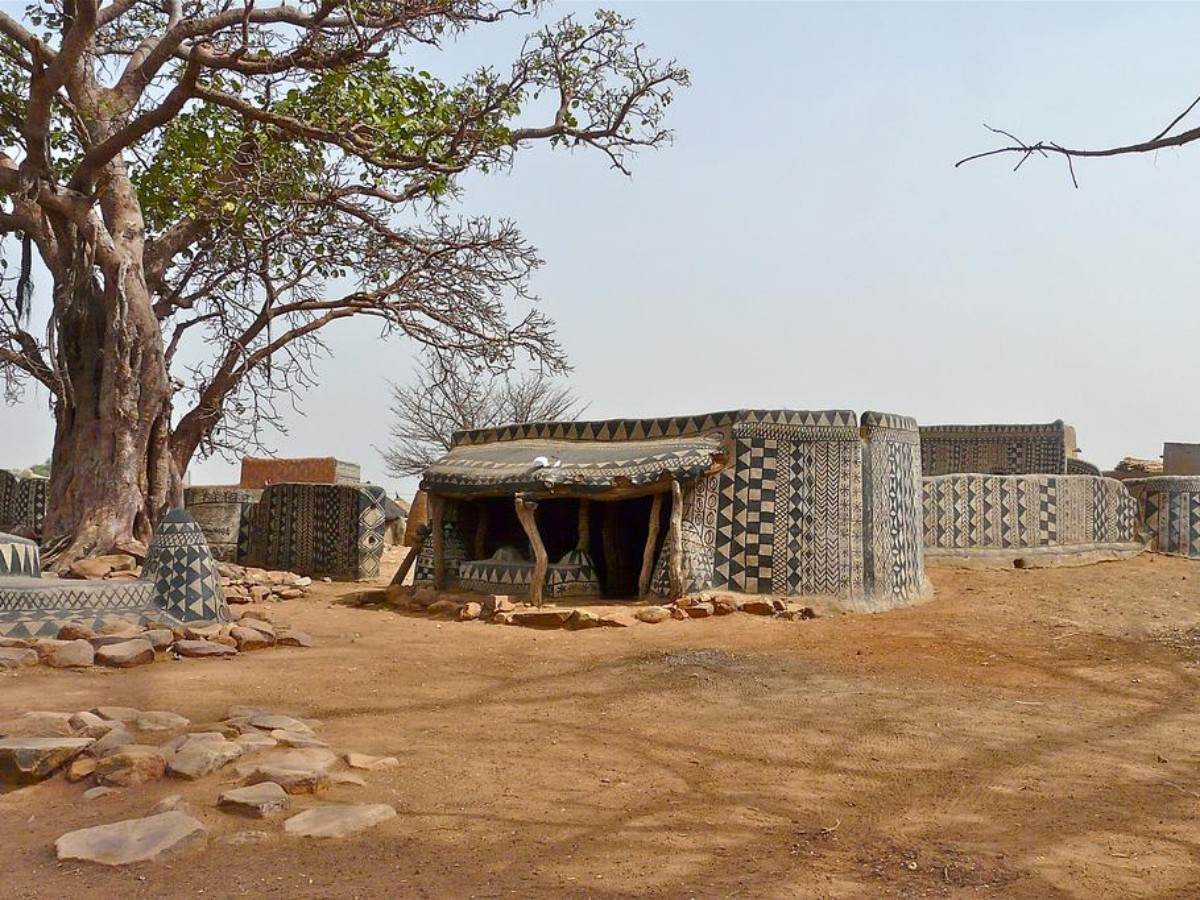
Logba Tota is located in the valley of the Volta Region of Ghana, surrounded by green hills and virgin forests. This little-known village has preserved extremely complete ecological and cultural traditions, as if time has stopped here. There is no erosion of industrialization, nor the hustle and bustle of tourism commercialization. Everything here is primitive and pure.
Advertisement
What really attracts curious people from all over the world is not only the magnificent landscape of nature, but also the mud house architectural art passed down from generation to generation in the village - this is not only a residence, but also a "living history" that carries culture and beliefs.
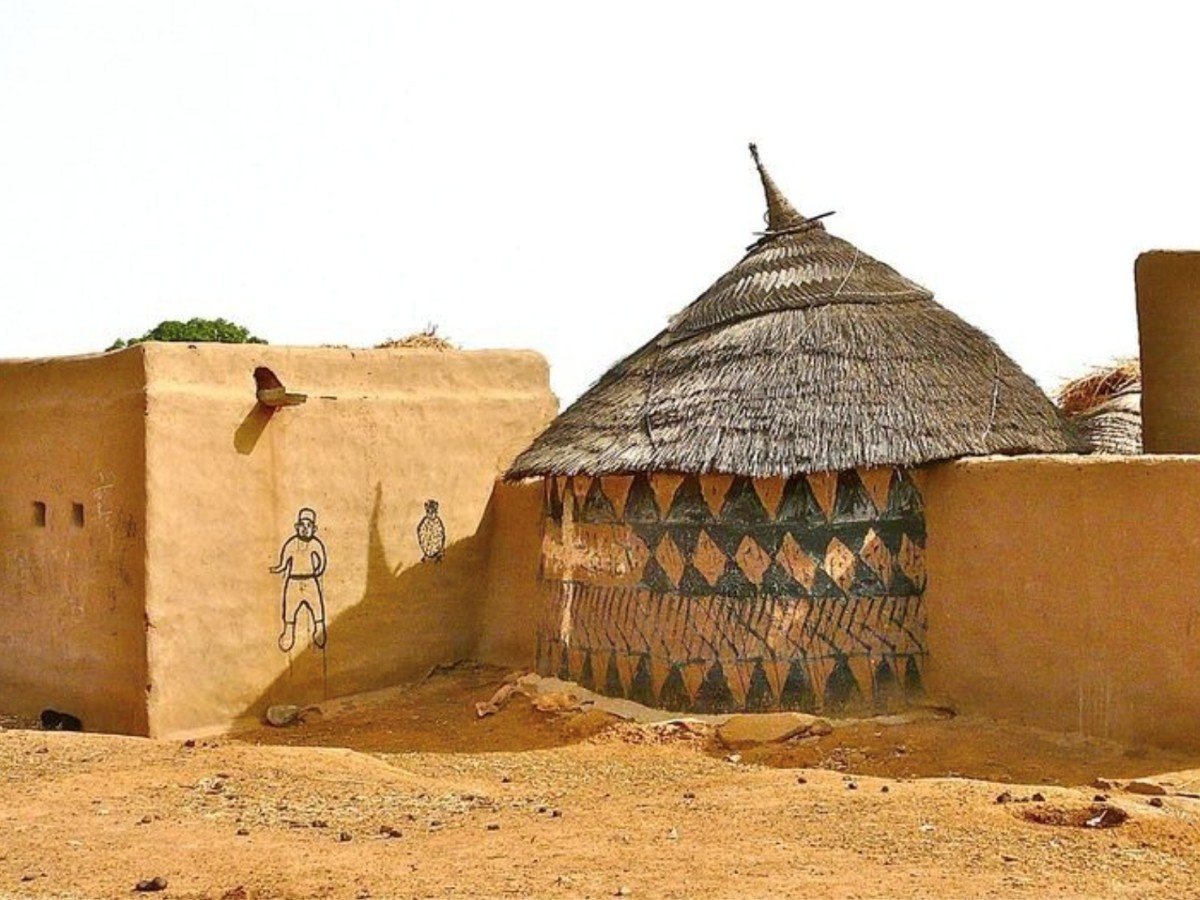
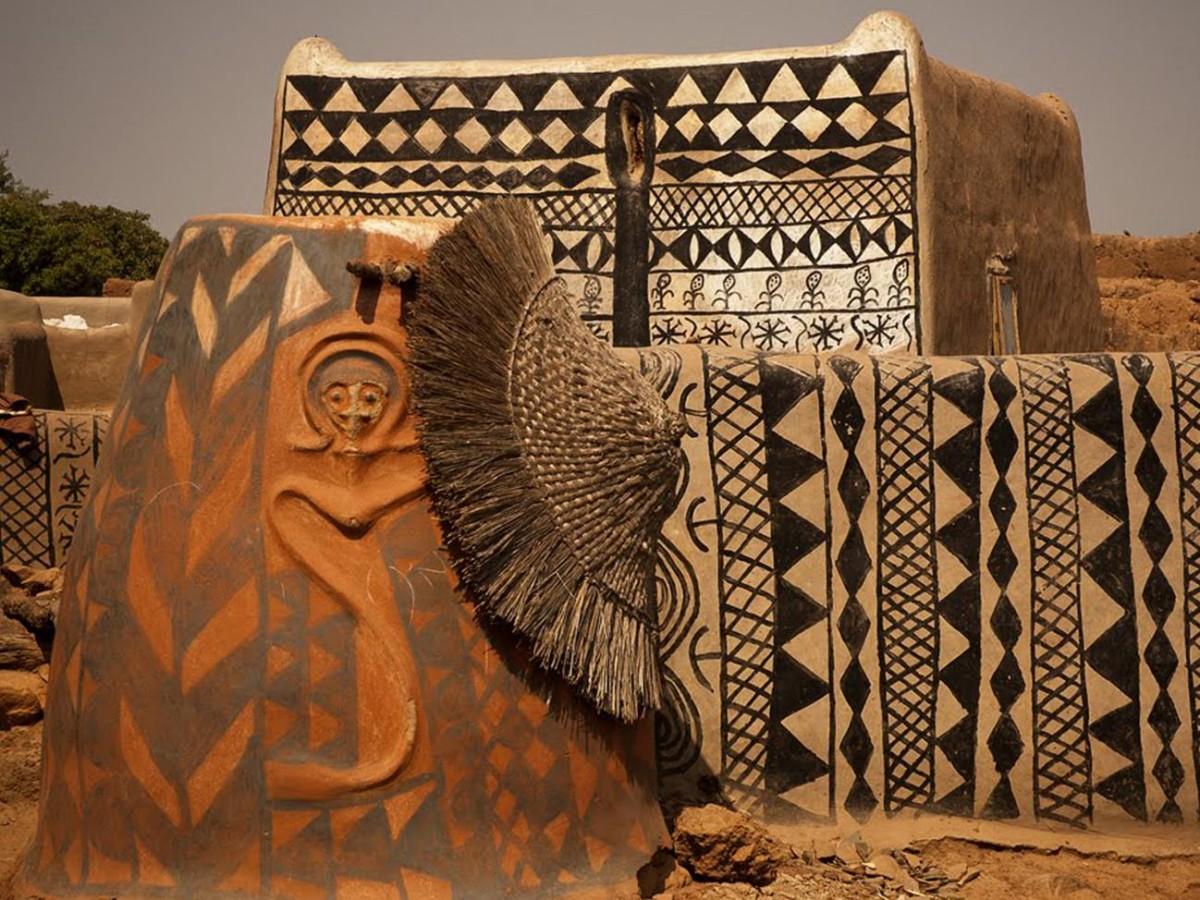
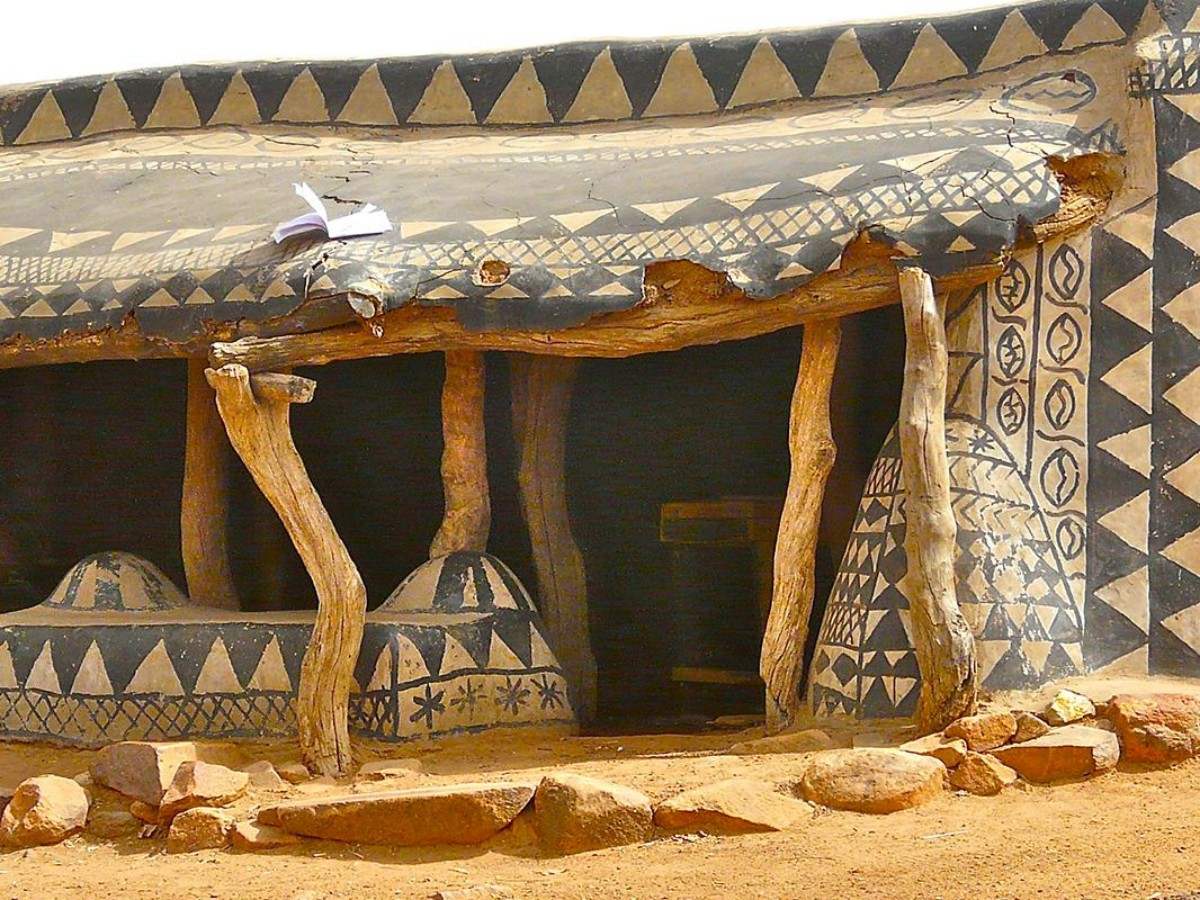
You may wonder, can houses built with mud be lived in? In fact, these mud houses are the crystallization of the wisdom of the local people in Ghana. Mud houses are built with a mixture of natural materials such as red soil, water, straw, and branches. They are manually shaped, dried, and maintained to make them both ventilated and heat-insulated. The locals are proficient in this skill, and every detail is full of attention from site selection, foundation laying to wall decoration.
Advertisement
In Logba Tota, these mud houses are not just residences, they are the soul of the family and the symbol of the community. When you walk into any mud house, you can find murals symbolizing tribal totems painted inside it, and the furnishings follow specific family etiquette directions. These decorations are not for aesthetics, but have strong spiritual and cultural significance, and are the inheritance of ancestral wisdom and the way of heaven and earth.
To truly understand the charm of mud houses, it is far more than just taking photos and listening to introductions. Logba Tota Village has now opened a "cultural immersion experience" project for a small number of tourists, allowing you to integrate into village life for a few days as a visitor.
You will live in a real traditional mud house, cook with local families, fetch water for washing, and even participate in traditional Kente textile crafts, pottery making, mud house repair and other activities. You will find that the pace of life here is slow but poetic, and everything is full of rituals and dialogues between people and nature.
What's more interesting is that at night you will sit around the small fire in front of the mud house and listen to the elders tell the myths of the village, how to coexist with nature, and how the ancestors guide the direction and proportion of the building. This is not an introduction in a travel brochure, but an oral history heard in person, a civilization presented to you in its most authentic form.
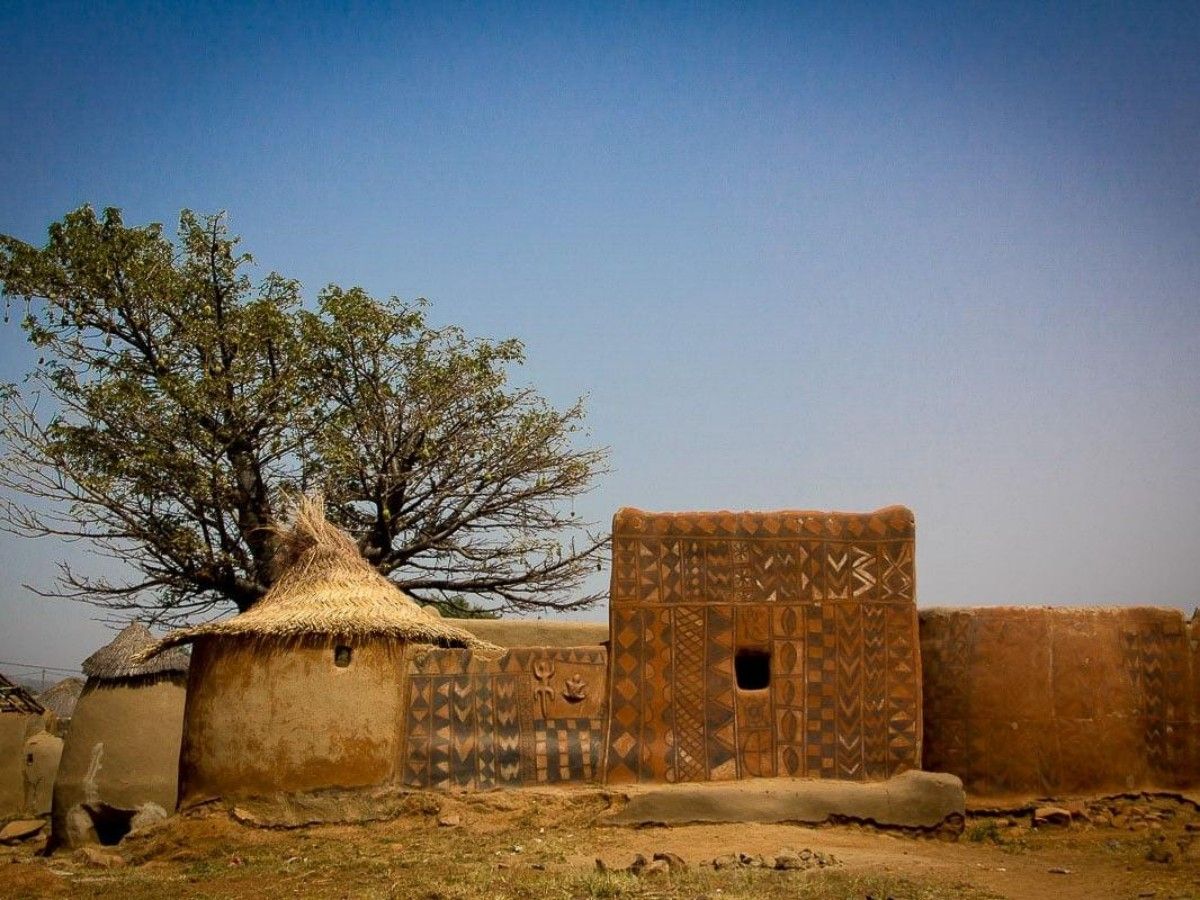
In Logba Tota, every day is a cultural festival. Not only can you experience the life in the mud house, but you can also deeply participate in the daily rituals of the villagers-
African drums: At dusk, the children and young people in the village will gather in a circle and dance with drums. They warmly invite you to join and express their respect for the earth and ancestors with rhythm and movement.
Traditional clothing experience: You will wear hand-woven Kente cloth, and the colorful colors dyed with natural dyes will tell the glory and history of the family.
Palm wine sharing ceremony: In the mud house gathering hall, the village winemaker will pour a cup of fermented palm wine to offer to the heaven and earth, and welcome your arrival.
These rituals are not for performances for tourists, but part of their lives-when you become one of them, you will feel an unprecedented sense of belonging.
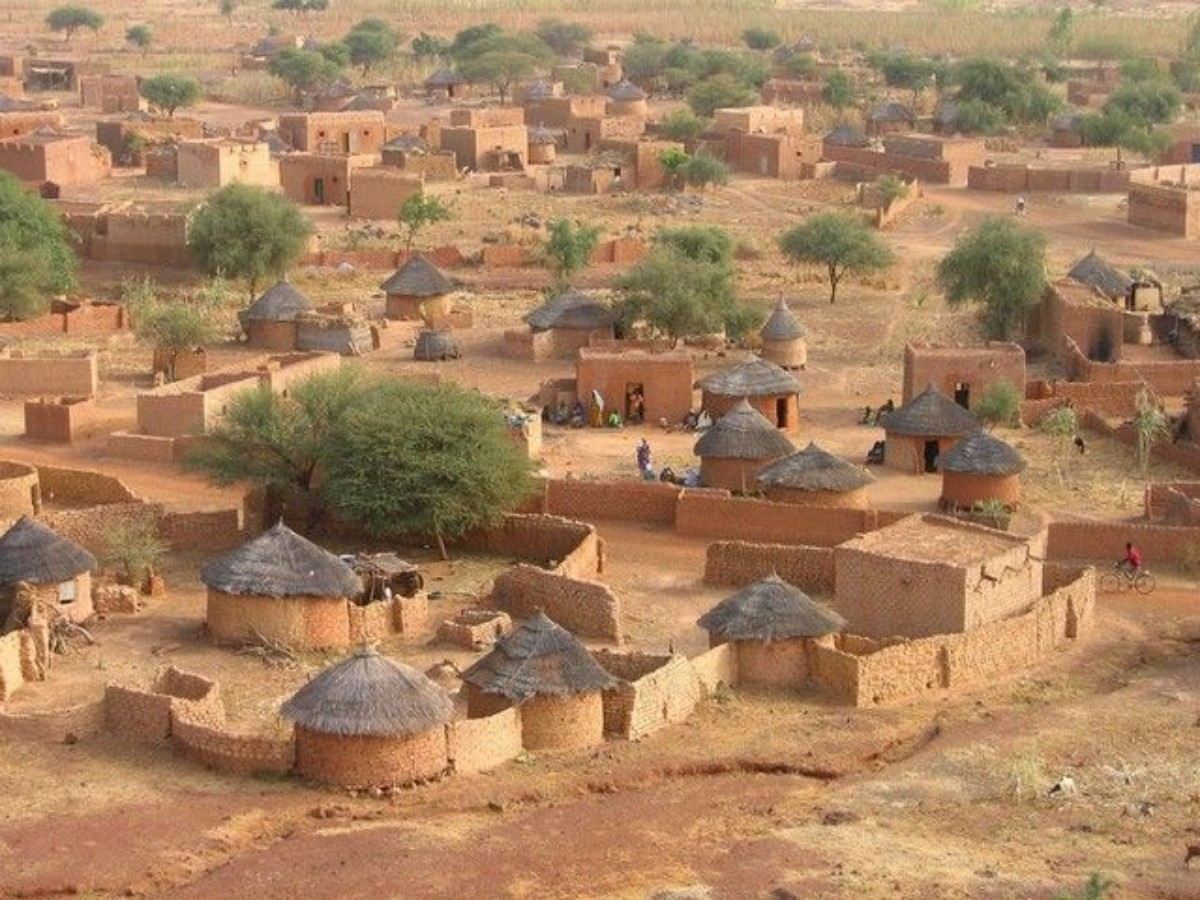
Because Logba Tota is located in a remote area, it is necessary to start from Accra, the capital of Ghana, and drive about 5 hours to Ho, and then be led by a local guide to walk or drive into the valley by four-wheel drive. Although the journey is long, it is also because of this that this land can be away from modern pollution and retain its most authentic style.
Currently, there are small cultural accommodation projects available for reservation, but the number of places is extremely limited and needs to be booked 1-2 months in advance. It is recommended to cooperate with Ghana's local non-profit cultural exchange organizations, which can not only ensure the authenticity and safety of the experience, but also directly support the economic development of the village.
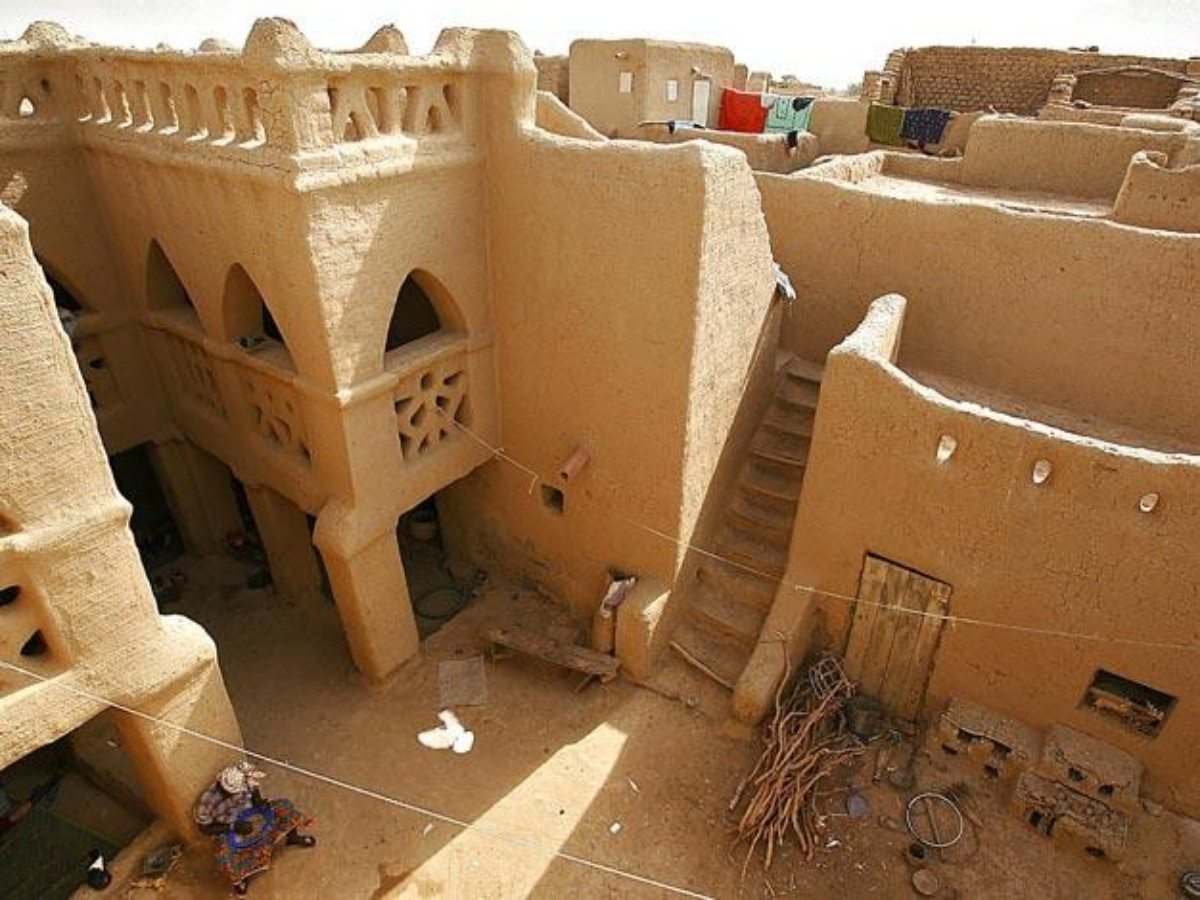
Respect local culture: You need to take off your shoes when entering the mud house, and do not take photos of the altar or murals without permission.
Pay attention to environmental protection: Avoid using plastic products and respect the natural environment.
Bring an open heart: There is no Internet here, but you will reconnect with the most important things-people, land and yourself.
A journey of revelation to return to the ancestors In the mud house of Logba Tota, you will not have a five-star bed, but you may get a soul tremor. You will understand that architecture is not only steel and cement, it can be a carrier of faith; life is not only a fast-paced rush, it can also be a balance with the earth. If you are eager for a trip different from the check-in style and want to really "live in the culture", then the traditional mud house of Logba Tota in Ghana is undoubtedly your best choice. This is not only a journey, but also a pilgrimage back to the original wisdom of human life and natural philosophy.