


Advertisement
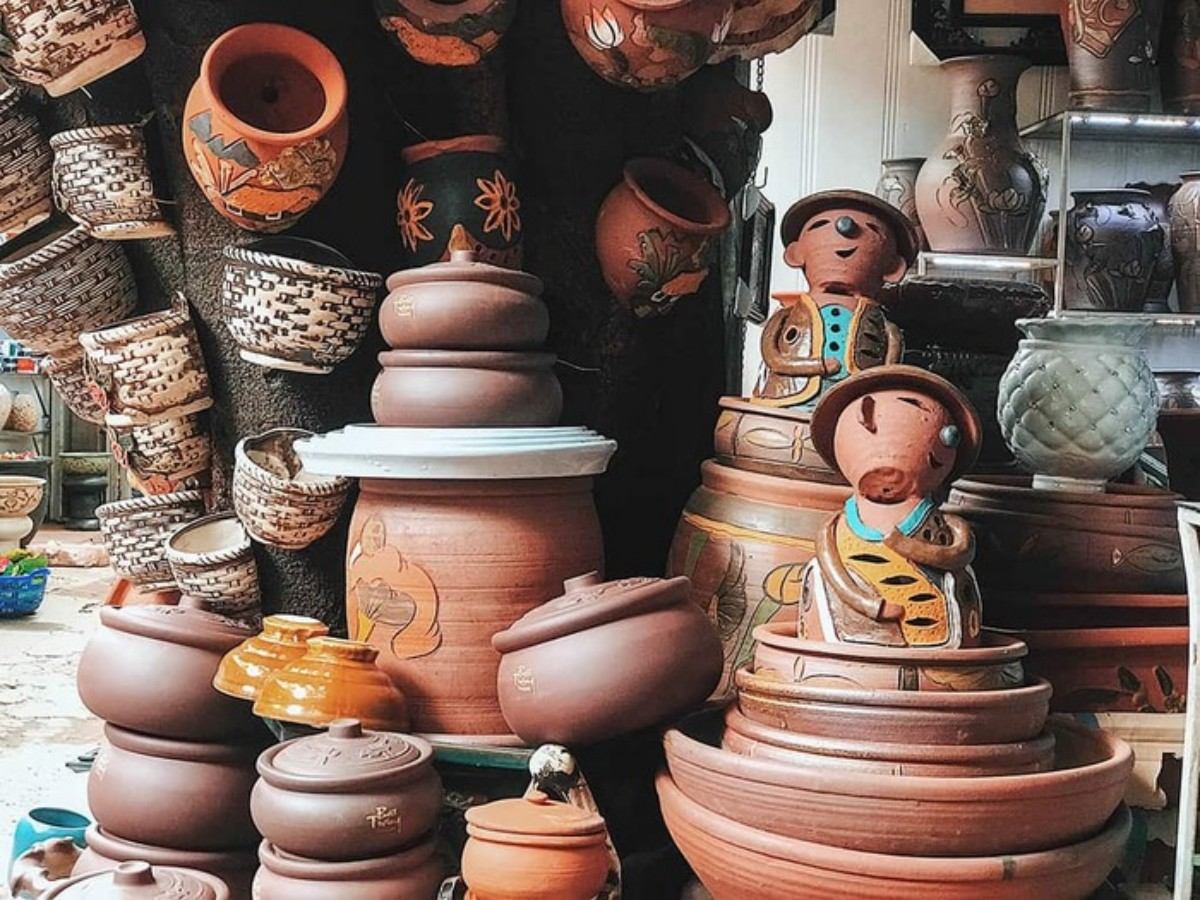
Have you ever thought about feeling the warmth of the soil between your hands and watching a piece of inconspicuous clay gradually turn into a unique work of art on a turntable? If you are looking for a journey that is both healing and full of cultural atmosphere, then don't miss the hands-on experience course at the famous Kpando Pottery Village in eastern Ghana - a real encounter that touches the soul of traditional African art.
Advertisement
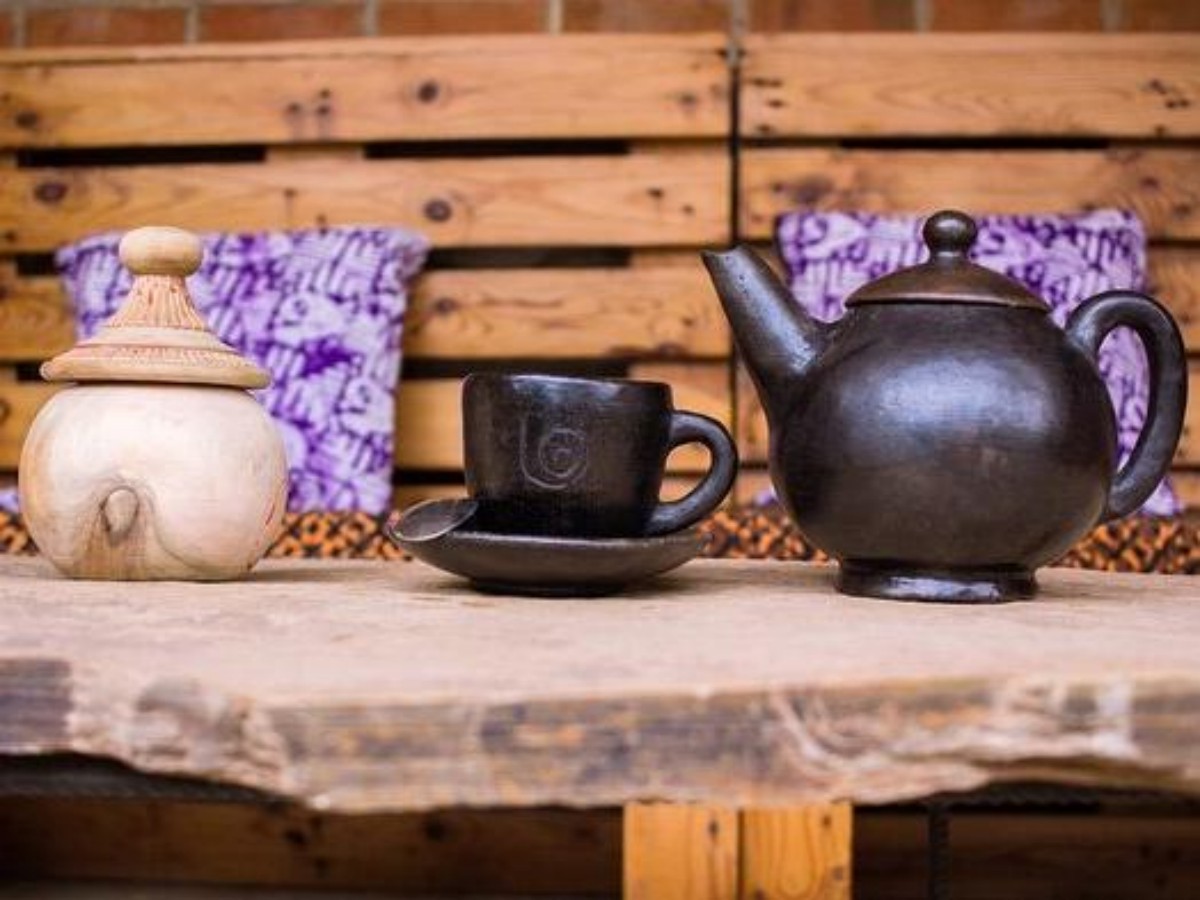
Kpando Pottery Village is located in Kpando Town in the Volta Region of Ghana. It is one of the most representative pottery settlements in West Africa. This land has rich red clay resources, making pottery a traditional handicraft passed down from generation to generation.
Advertisement
Local women are the main inheritors of this art. They do not rely on modern machines, but rely on their hands and experience to shape. Each piece of pottery contains unique warmth and emotion. Walking into the Kpando Pottery Village is like being in a living museum - you will see old women working with clay, and you will also see the younger generation interpreting ancient skills with new aesthetics.
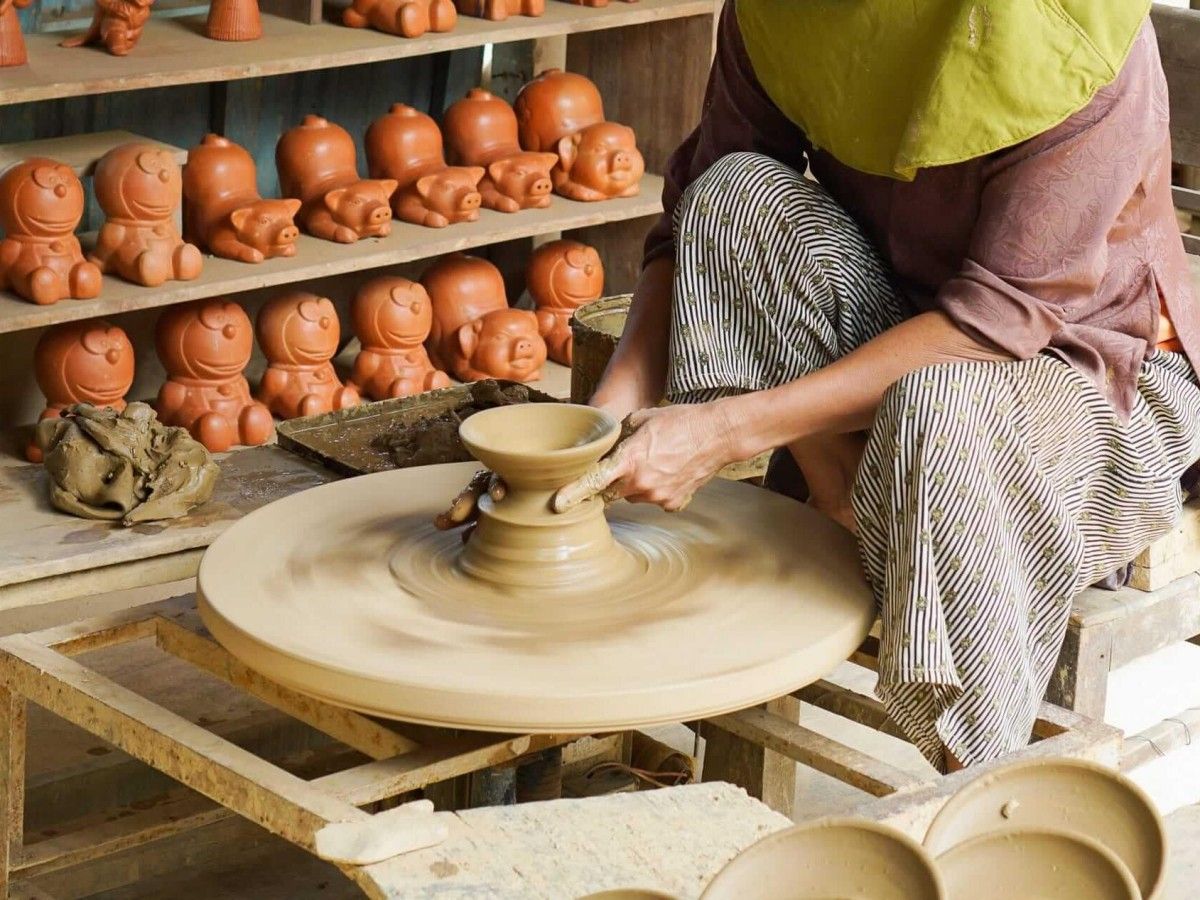
The hands-on experience course launched by the Kpando Pottery Village is a cultural journey tailored for travelers. From the initial welcome ceremony to the whole process of personally participating in pottery making, every step is carefully arranged, so that beginners can easily get involved in creation.
Advertisement
1. Welcome ceremony and pottery story sharing
The course starts with an authentic welcome ceremony. The women in the village wear traditional costumes and welcome guests from afar with singing and dancing. Then there is a story - the village chief or senior potter will explain to everyone the origin, inheritance, use, and significance of Kpando pottery in weddings and harvest sacrifices. This is not just a class, but also a cultural baptism.
2. Understanding clay: a journey starting from the soil
You will first be taken to a pit at the edge of the village, where the clay is taken. The instructor will demonstrate on-site how to select red clay suitable for pottery, how to sift out impurities, add water and blend it into highly plastic clay.
You will touch the temperature of the earth with your bare hands for the first time, kneading, beating and spreading. This is not a boring process, but a physical and mental relaxation returning to nature.
3. Hand-pulled clay experience: let your fingertips dance
Unlike most modern pottery courses that use electric pottery throwing machines, Kpando Pottery Village insists on using traditional hand-pulled clay techniques. Under the guidance of the instructor, you will try to use both hands to surround a rotating clay embryo, slowly shape it, pull it up, close it, open it, and watch the pottery "grow" from your hands inch by inch.
It doesn't matter if you fail - the teacher will patiently encourage you. You will find that pottery is not only about creation, but also a practice of getting along with yourself.
4. Carving and decoration: carve your mark
When the foundation is formed, you can choose to carve and decorate the surface of the pottery with patterns. Local artists will show Kpando's unique geometric patterns and totem symbols. There is a deep meaning behind each symbol: such as grains representing abundance, cheetahs symbolizing strength, and waves symbolizing female vitality... You can also write your name in pinyin or Chinese, engrave your own mark, and make this work your most precious souvenir in Africa.
5. Firing and glazing: make the work eternal
After the pottery is formed, it needs to go through the process of natural drying and traditional earth kiln firing. Although the entire firing cycle is long, the course will allow you to visit the earth kiln operation up close and understand the secrets of temperature control.
If you have limited time, the village also provides a "fire mailing" service: send your work to the address you provide after firing, and truly bring a piece of Kpando land home.
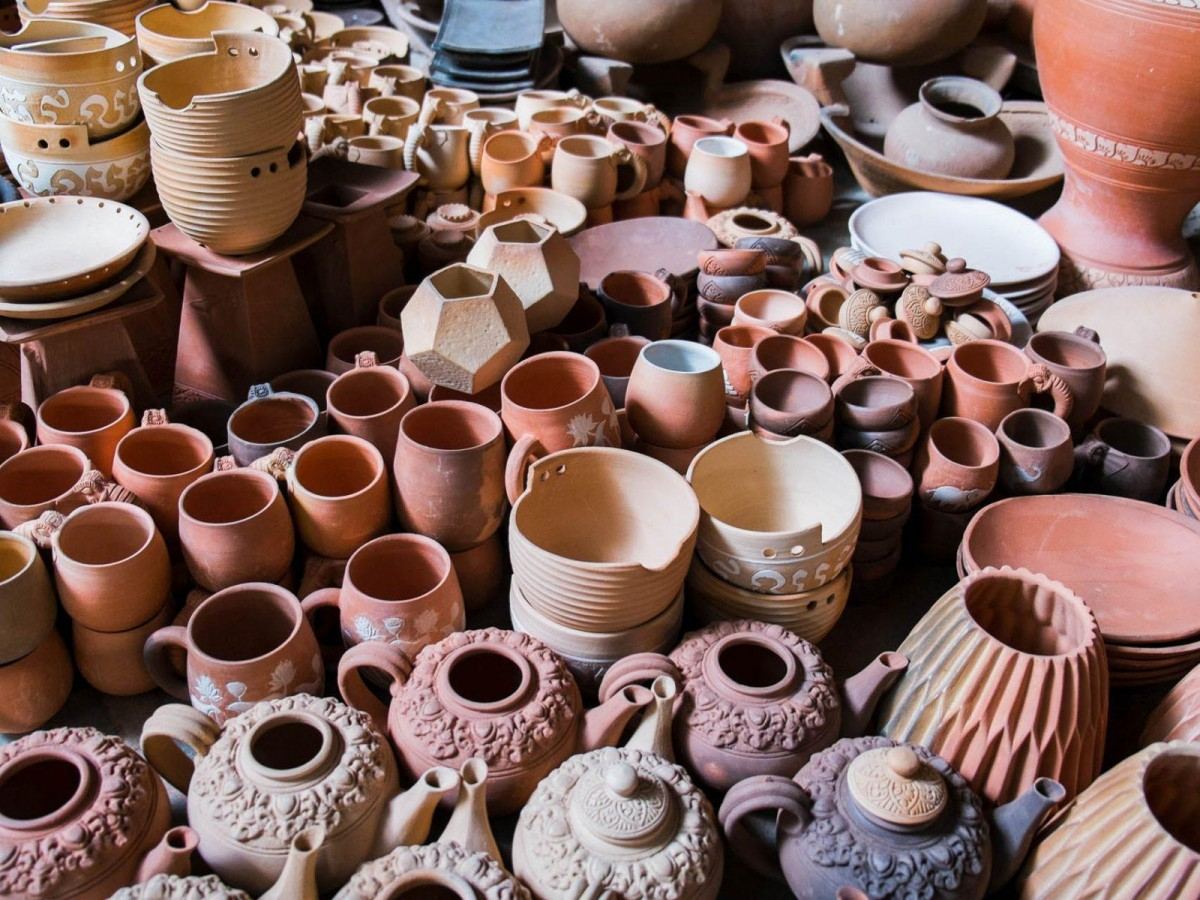
Address: Kpando Pottery Village, Volta Region, Ghana
Opening hours: Monday to Saturday, 9:00 am–4:30 pm (reservation required)
Experience duration: about 4 hours
Cost: about $35–50 USD/person (depending on the activity and delivery service)
Suitable for: All ages, even those without pottery skills can participate
Notes:
Wear loose and comfortable clothing
It is recommended to make an appointment in advance and coordinate transportation with the village (some areas have no network)
Not just pottery, but also a cultural resonance The hands-on courses at Kpando Pottery Village not only allow you to learn to make a cup or bowl, but more importantly, you will feel the power from the land and the artistic spirit that blooms from tradition. In this era of rapid technological development, it is so rare and beautiful to have such a place that quietly inherits hundreds of years of craftsmanship and is willing to share this skill with people all over the world without reservation! So, the next time you plan to travel to Ghana, you might as well put Kpando Pottery Village on your itinerary. Give yourself a chance to talk to the soil with your hands. Maybe you will find the self that has been forgotten by city life here.