


Advertisement
Have you ever longed to hear the river singing softly in a secret place, see flocks of birds flying across the sky, and capture the world's rare ecological wonders with your camera? If you have such a yearning in your heart, then the Sabaki River Estuary on the coast of Kenya is definitely a place that makes you "regret coming too late". Hiking, photography or bird watching? In Sabaki River Estuary, you don't have to choose - here, you will open up a full-scale immersive natural experience world. Today, I will take you into this little-known East African secret and find the most suitable way to play for you.
Advertisement
![[Play method 1] Hiking exploration-discover another world between sandbars and wetlands](/uploads/content/1b5e199cd6b9632297b5d0abdc4ba87b.jpg)
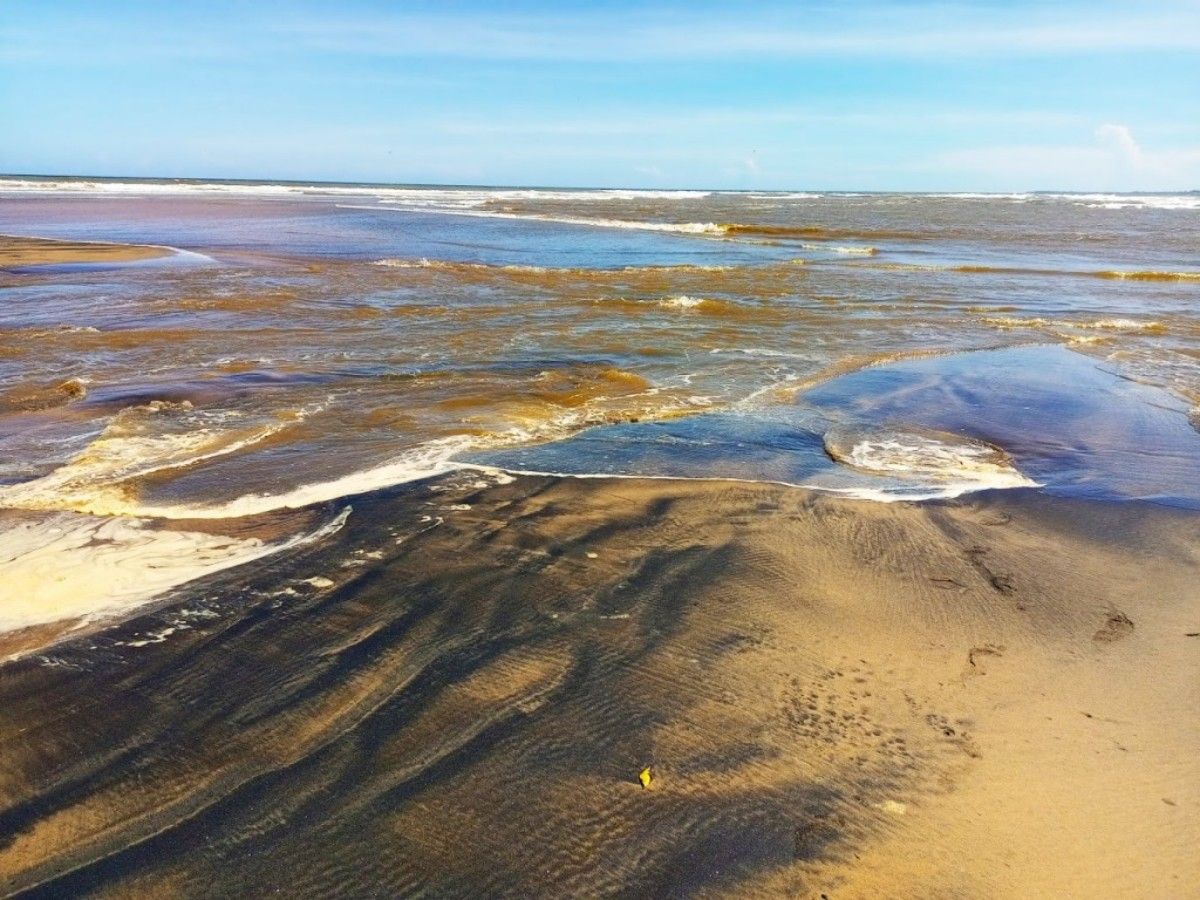
For those who like hiking, Sabaki River Estuary is undoubtedly a free world. Here, the Sabaki River slowly flows into the Indian Ocean, and a large area of mudflats, sandbars and mangroves are formed at the estuary. During the hike, every step seems to be walking in an ecological oil painting in progress.
Advertisement
Walking along the moist and soft river beach, you can see small shells under your feet from time to time, and in the distance, there are scattered fishing boats busy at the river mouth. You can follow the river bank all the way forward and go deep into the shallows that only migratory birds set foot on weekdays. When the tide recedes, large areas of exposed mudflats are like uncut gems, waiting for you to discover and explore.
The most surprising thing is that the landforms here change quietly every day. The location and shape of the sandbar may be completely different in a few days due to the erosion of the river and the rise and fall of the tide. This "uncertainty" is exactly the outdoor experience that hiking enthusiasts love.
If you are keen on "walking a path that others have not walked", then Sabaki River Estuary will definitely satisfy your desire for adventure.
Recommended equipment:
Anti-slip river trekking shoes, long pants (to prevent insect bites), sunscreen & hat, waterproof backpack
![[Play method 2] Ecological photography-a wild theater where light and shadow interweave](/uploads/content/83a3ee34bf5474cee83a9ac527a6ed2d.jpg)
If you are a photographer or a photography enthusiast, then Sabaki River Estuary is simply the natural studio you have always dreamed of. There is not only a unique landscape of the fusion of rivers and seas, but also the "dance of life" woven by thousands of water birds in the air.
Advertisement
The first ray of sunlight in the morning slowly rises from the sea level, dyeing the entire estuary with a layer of gold. At this time, flocks of red-billed gulls, black-bellied sandpipers and crested lapwings begin to forage on the mudflats. The wet mud reflects their elegant figures, forming a series of very impactful ecological pictures.
At dusk, the sun sets, the sky is dyed orange-red, and the river reflects a metallic luster. At this time, shooting silhouettes is so beautiful that it is breathtaking.
Not only that, the mangroves near Sabaki River Estuary are also the "secret weapon" of ecological photography. Among those tangled tree roots, there are often small green and shining herons, or an occasional lone crocodile, which brings a full visual impact.
If you like to capture real and pure pictures under natural light, then this will be your creative paradise.
Recommended equipment:
Telephoto lens (200mm-600mm), wide-angle lens (for shooting the estuary and the sky), tripod (for stable long exposure), dust cover (to prevent mud and sand from entering the equipment)
![[Play method 3] Ultimate bird watching experience - a paradise for migratory birds](/uploads/content/26387e1fad5a7fc6d1ce6f84dbb45a97.jpg)
The most attractive thing about Sabaki River Estuary to nature lovers around the world is its important status as a "migratory bird station".
From September to April of the following year, a large number of migratory birds from Northern Europe, Siberia and other places fly here to avoid the winter. The scene is so spectacular that it can be called a "bird festival". According to statistics, more than 250 species of birds can be observed in this wetland, especially a rich variety of water birds, from elegant ibis to cute spot-billed ducks.
When you sit quietly on the shore and raise your telescope, you will find that the birds here are just like performing an ecological blockbuster:
Red-billed gulls circle in groups at the estuary, gathering and dispersing;
Egrets and gray herons walk slowly in the shallows, like graceful dancers on the water;
Black-bellied sandpipers are like hardworking little craftsmen, constantly looking for food on the mudflats.
If you are lucky enough to stop and watch before and after the high tide, the scene of thousands of water birds flying together will make you unforgettable for a lifetime.
Bird-watching enthusiasts even fly from Europe to Kenya just to stop and observe here for a few hours.
Recommended equipment:
High-power telescope, field sketchbook or record book, bird illustrations, silent clothing (to avoid disturbing birds)
![[Specially recommended gameplay]-hiking + photography + bird watching three-in-one](/uploads/content/d80aa26ef4dc25398c50690af6a801dc.jpg)
For those greedy nature lovers, I strongly recommend combining these three gameplays. Choose an early morning to start hiking into the estuary wetland, take your photographic equipment and shoot while walking, and stop from time to time to carefully observe the dynamics of birds with a telescope.
Especially before and after the tidal changes, "hiking + bird watching + photography" will form a dynamic superposition of experience:
Hiking allows you to reach a good angle that no one has set foot in;
Photography helps you freeze every moving moment;
Bird watching allows you to walk into the ecological reality from behind the "picture".
Sabaki River Estuary gives you not only visual shock, but also an unforgettable journey of integrating your body and mind into nature.
[Warm Tips]
Best season to visit: September to April of the following year (migratory bird season)
It is recommended to avoid the rainy season: April to May is the local rainy season, which will affect hiking and photography
Environmentally friendly travel: Do not disturb bird breeding, keep quiet, and do not litter
Your own way of adventure Hiking, photography or bird watching? In fact, you don't have to make a choice at Sabaki River Estuary. This is a natural stage that "takes it all". Whether you are a hiker seeking a solitary adventure, a photographer eager to freeze the beauty of nature, or a bird watcher who is keen on ecology, this wetland can offer you a unique touch. If you are looking for a trip that is not noisy or exaggerated, but is shocking enough, then Sabaki River Estuary is definitely worth a visit. On your next trip, why not set off, pack your bags, and meet your own scenery!