
Advertisement
If you've ever dreamed of taking a journey through time and space to witness an important chapter in history, then Kenya's Vasco da Gama Pillar is definitely the place for you. It is not only one of the oldest European monuments on the East African coastline, but also an important witness to the Portuguese expedition to Africa during the Age of Exploration. Standing quietly on the edge of the Indian Ocean for more than 500 years, this stone pillar still tells every visitor a legendary story of colonization and exploration.
Advertisement
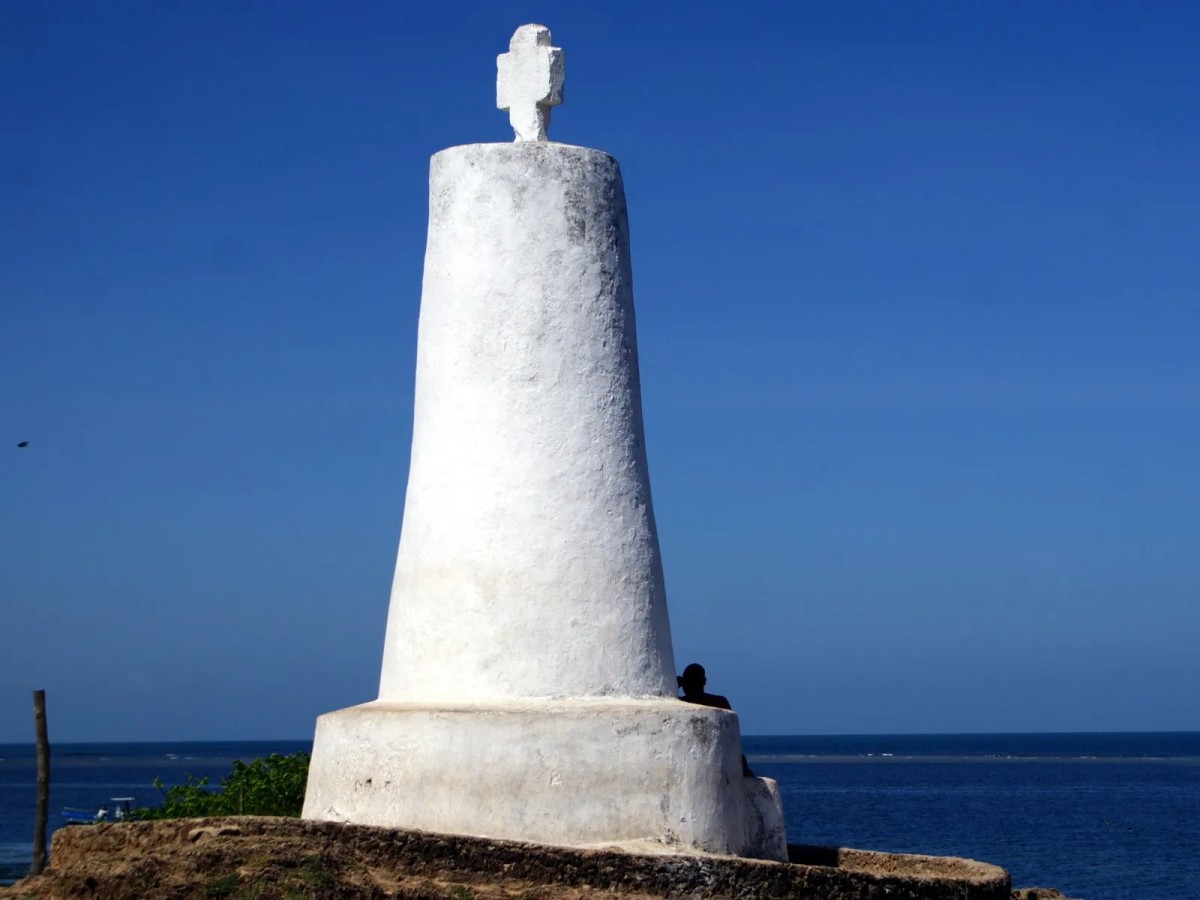
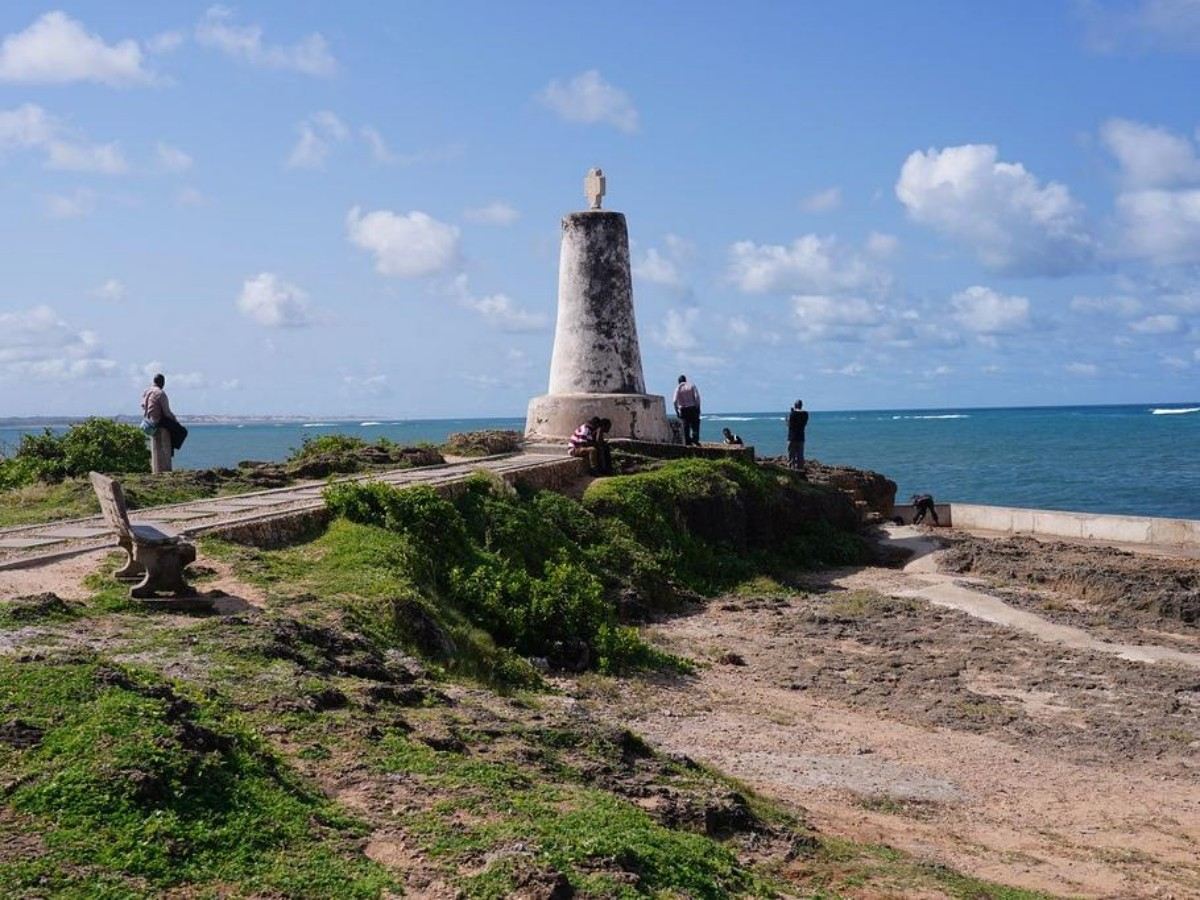
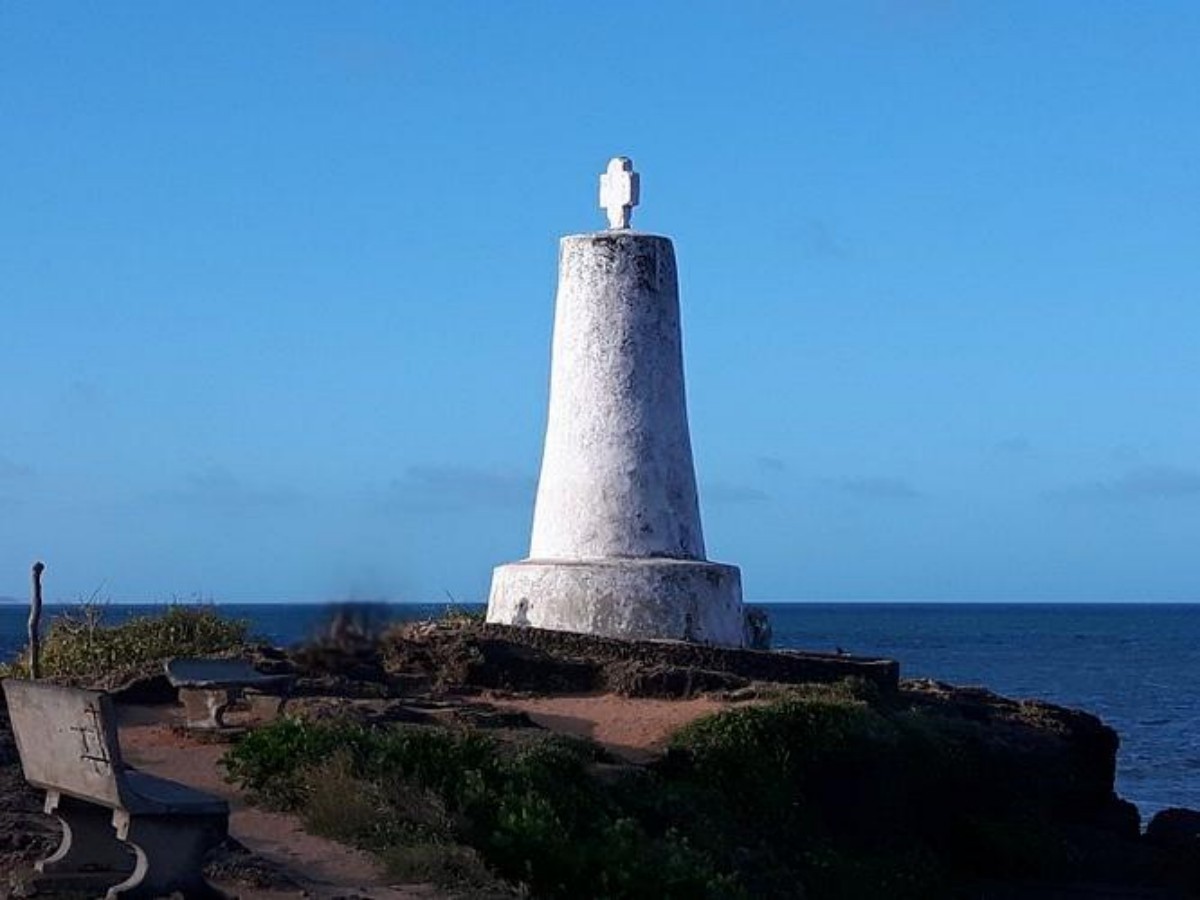
Located in the coastal town of Malindi in Kenya, about 120 kilometers north of bustling Mombasa, the Vasco da Gama Pillar is a sign left by the famous Portuguese navigator Vasco da Gama when he first set foot on the East African coast in 1498. He stopped in Malindi on his way to find a route to India and was welcomed by the local chief. To express gratitude and to mark his visit to this land, Da Gama ordered the construction of this stone pillar, with a cross on top, symbolizing the spread of Christian faith.
Advertisement
Don't underestimate this seemingly simple memorial column, its historical significance far exceeds its size. This is the geographical coordinates of the early routes between Portugal and Africa and Asia, and it is one of the earliest intersections of Eastern and Western cultures.

1. Spectacular coastal scenery
Advertisement
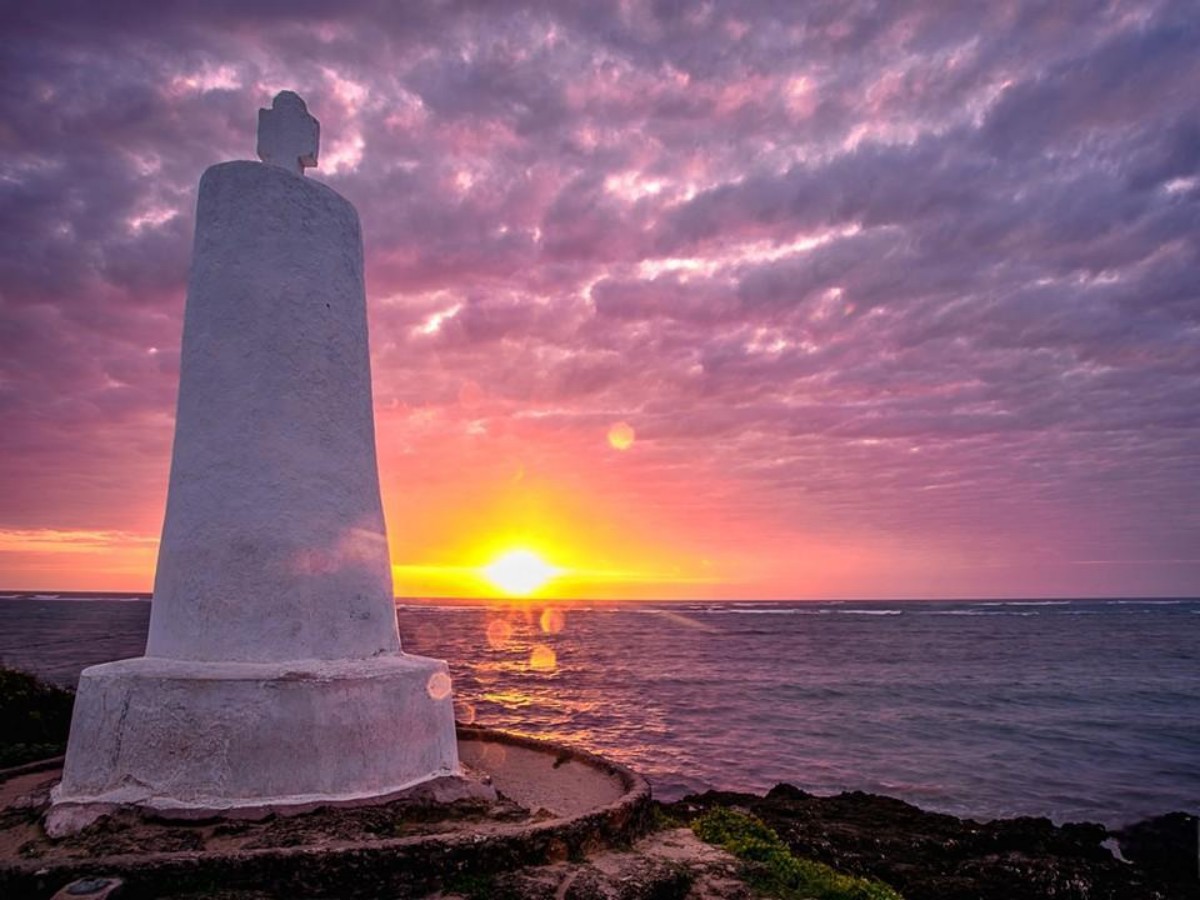
The Vasco da Gama Pillar stands on a cliff facing the sea, overlooking the blue Indian Ocean. Standing on the edge of the stone pillar, you can hear the echo of the waves hitting the rocks and feel the coolness of the sea breeze passing through the hair. At dusk, the setting sun shines on the stone pillar, and the golden light and the weight of history interweave into an eternal picture, as if you yourself have become a part of the explorer.
2. The deep integration of history and humanity
Malindi Town itself is a small town with a rich cultural background, and the Vasco da Gama Pillar is the most representative historical heritage of this city. The architectural style shows traces of medieval European architecture, which is in sharp contrast to the local architectural style of Kenya, showing a cultural intersection stitched by the times.
3. Church ruins and ancient tombs
Not far away are several ruins built in the same period, such as the ruins of a Portuguese church and a colonial cemetery. Some early Portuguese sailors and missionaries are buried here, and the temperature of history is engraved in the broken tombstones and sleeping ruins. Although these attractions are dilapidated, they exude a quiet and sacred power.
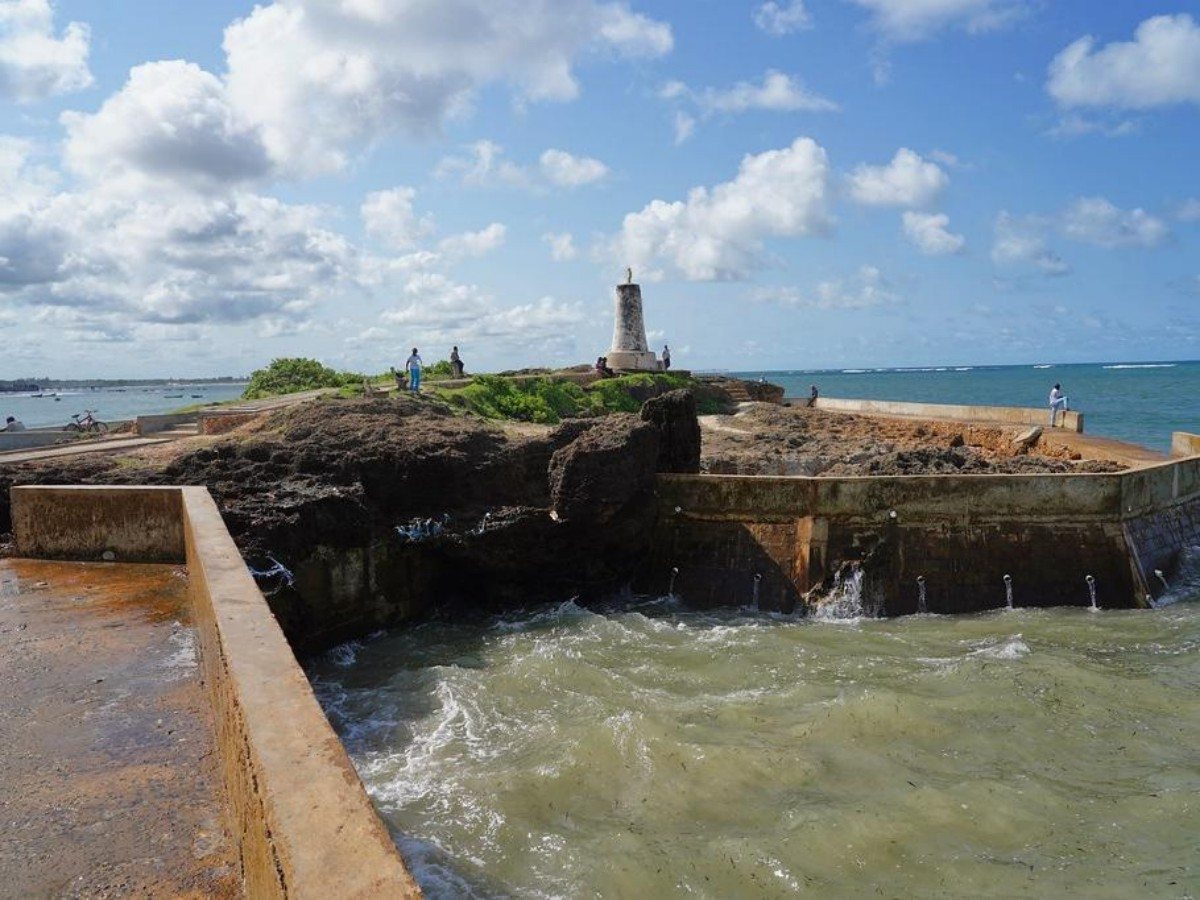
Early morning or evening is the best time to take photos, with soft light and clear shadows, which is very suitable for taking photos with the memorial column;
Using a wide-angle lens can include the stone column, the coast and the skyline together to form a rich composition;
Standing in front of the memorial column and shooting slightly sideways can capture the towering sense of the memorial column and your own proportion contrast, which is more visually impactful;
Don't forget to take a photo overlooking the Indian Ocean, so that the sea and sky line will become the most poetic footnote of your journey.
1. Transportation
Self-driving tourists can start from Mombasa and drive north along the B8 highway for about 2.5 hours to reach Malindi;
You can also take a domestic flight from Nairobi to Malindi Airport, and it only takes 15 minutes to reach the location of the monument.
2. Best time to visit
June to September each year is the dry season in Malindi, with mild climate and the best time for travel;
Avoid the peak tourist season from December to March of the following year to enjoy a more peaceful sightseeing experience.
3. Notes
The site is usually open from 8 am to 6 pm, so it is recommended to plan your trip in advance;
Although the monument area is not large, it is recommended to wear light clothes and have complete sun protection equipment;
Some areas are steep, especially near the cliffs, so please be sure to pay attention to safety.
Malindi Old Town: Shops along the street sell a variety of traditional Kenyan handicrafts, spices and textiles, and experience the local market culture;
Arabuko Sokoke Forest: One of the largest coastal forest reserves in Africa, a paradise for birds and endangered species;
Malindi Marine National Park: Snorkeling, glass-bottomed boats, turtle conservation activities and other rich experiences are available;
Gede Ruins: Another mysterious ancient Swahili city ruins, as if walking through thousands of years into a forgotten city in the jungle.
A journey whispered by the sea breeze Vasco da Gama Pillar is not a noisy popular attraction. It is more like a silent watcher, quietly telling you the adventure dream of five hundred years ago. When you stand next to the stone pillar and look at the vast Indian Ocean, you will find that you seem to have participated in the magnificent epic across the ocean. It is not big, but it is enough to carry the destiny of the world; it is silent, but it is enough to stir up storms in the heart. If you come to Kenya, you might as well slow down and walk to Malindi, a city favored by time, to experience the charm and weight of this pillar of history. A stone pillar connects five hundred years of time. A journey connects you with the memory of the world.