The Masai Mara Great Migration, known as “the most spectacular animal migration on earth”, attracts countless tourists every year to the Masai Mara National Wildlife Reserve in Kenya to witness this natural spectacle. Planning an optimal viewing trip requires careful preparation on several fronts.
Advertisement
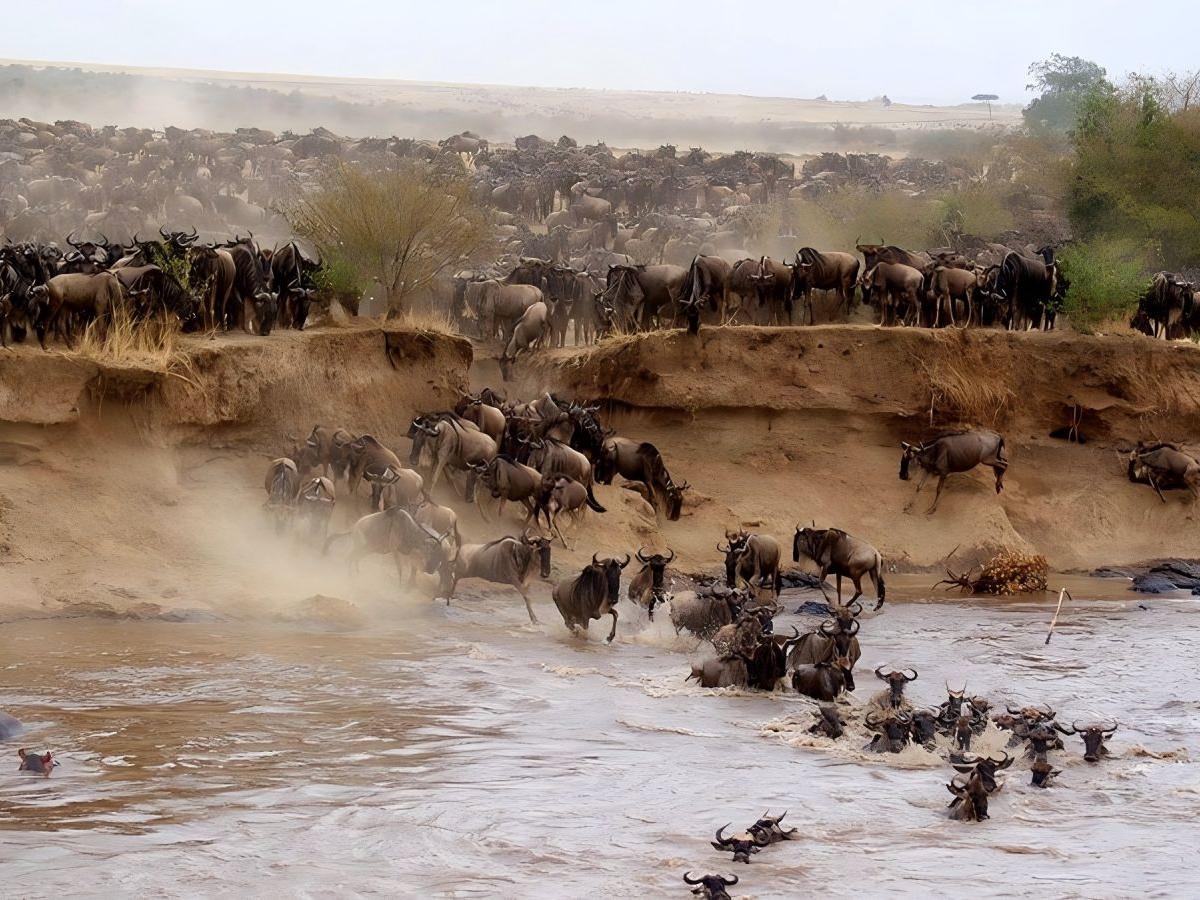
The timing of the Masai Mara migration is not fixed, but is influenced by the climate, rainfall and other factors in the Serengeti and Masai Mara regions. Between July and October each year, as the dry season approaches and the grass in the Serengeti dries up, millions of herbivores, mainly wildebeests and zebras, migrate from the Serengeti National Park in Tanzania to the Masai Mara National Game Reserve in Kenya. This is the prime time to see the migration. However, August and September are usually the peak months with the highest number of animals and the most frequent river crossings.
Advertisement
If you want to avoid the crowds of the peak tourist season and not miss the migration, July or October is also a good choice: in July, the migration has just begun and you can see the animals entering the Maasai Mara one after another; in October, some of the animals have already begun to return, and the number of tourists is relatively small, but you can still enjoy the spectacular scene.
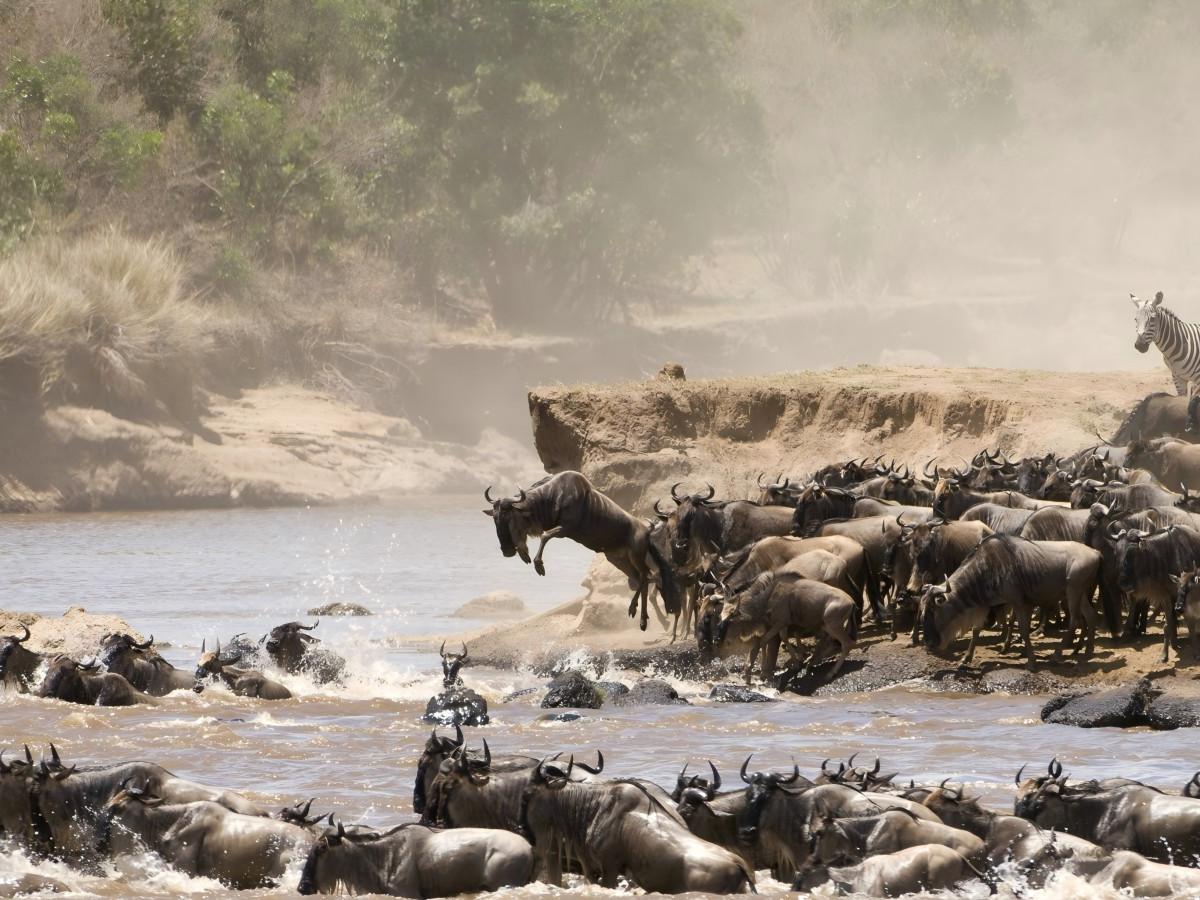
Mara River
Advertisement
The Mara River is an iconic location for the Great Migration, and every year it plays host to the thrilling “Crossing of the Heavens”. The animals need to cross the Mara River to reach the rich grasslands of the Masai Mara. Scenes of the crossing can be viewed at several stretches of the Mara River. For example, near the Sekeni Falls, where the water is fast flowing, the animals face the threat of crocodiles and hippos as they cross the river in a spectacular scene. However, the exact location and time of the river crossing is not fixed, so you need to check with your local guide in advance.
Ololo Lookout
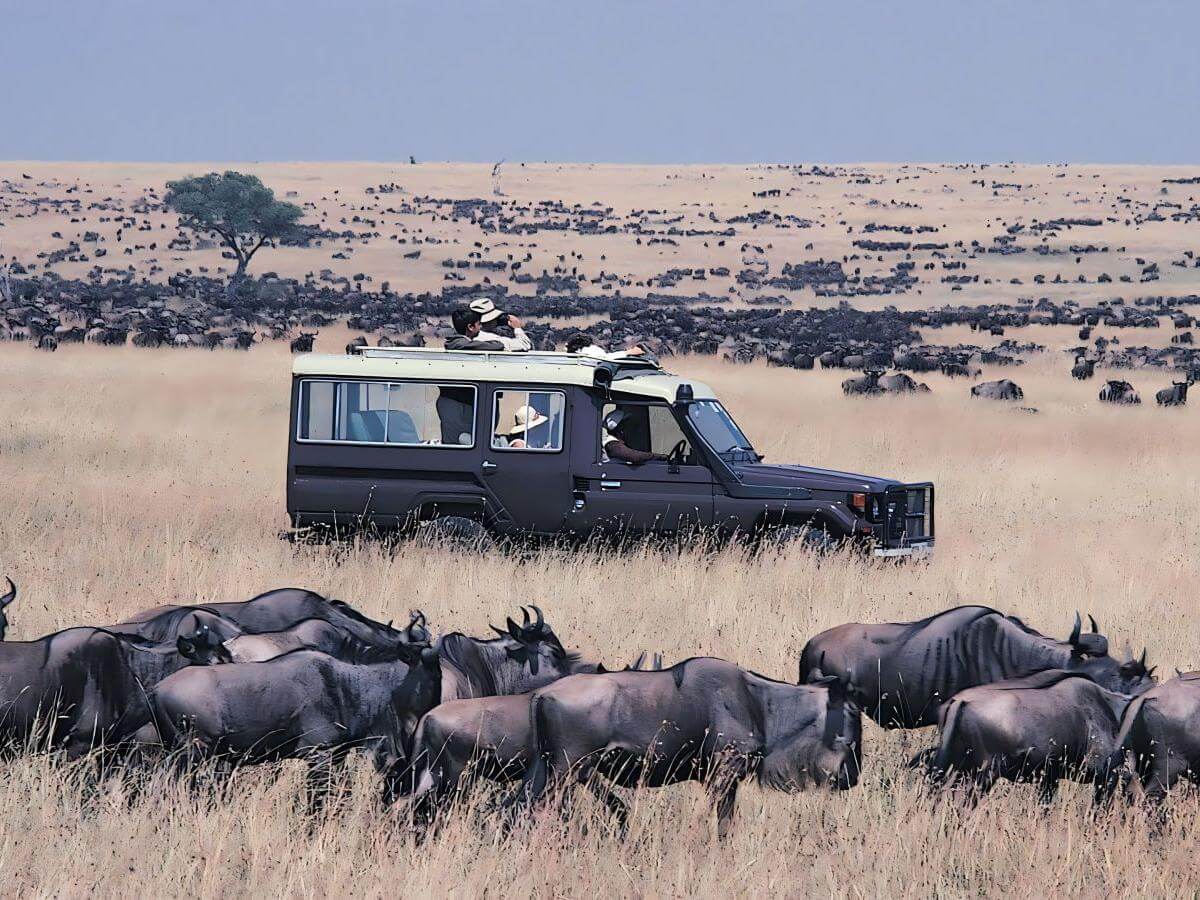
The Oloro Lookout is on high ground overlooking a large area of grassland and is a great place to see a panoramic view of the Great Migration. Here you can see a huge procession of Cape Horses, Zebras and other animals winding their way across the grasslands like a flowing ribbon of color.
Talek River
The Talek River is also one of the most important routes for animals to cross the river. Compared with the Mara River, the Talek River's current is relatively gentle, and the river crossing scene is relatively mild, but you can also feel the shock of the great migration.
Vaccination
Kenya is a yellow fever infected area, before departure you need to go to the local International Travel Health Care Center to get vaccinated against yellow fever and receive the International Certificate of Vaccination. In addition, you can also be vaccinated against cholera and typhoid according to your personal situation.
Photographic equipment
Photographic equipment is essential for viewing the Great Migration. A DSLR or micro camera with a telephoto lens will be able to capture the wonderful moments of the animals. It is recommended to bring a telephoto lens of 200mm or above, such as 70 - 200mm, 100 - 400mm, and so on. Meanwhile, prepare enough memory cards and spare batteries to avoid missing the wonderful images. If conditions permit, you can also carry a drone to capture the spectacular scenes of the migration from the air. However, be aware that the use of drones in the Maasai Mara National Wildlife Reserve is subject to regulations.
Clothing and daily necessities
Kenya is located in the tropics and has high temperatures throughout the year. However, there is a big difference in temperature between morning and evening, so you need to carry a thin jacket. In addition, you should prepare sunscreen products such as sunscreen clothing, sun hats, sunglasses and sunscreen, as well as anti-mosquito products such as mosquito repellent and anti-mosquito bracelets. In the protected area, the accommodation is relatively simple, so it is recommended to bring personal toiletries and towels.
Three days tour
Day 1: Arrive Nairobi, take a short break and proceed to Maasai Mara National Game Reserve. Upon arrival, check in at the hotel and acclimatize.
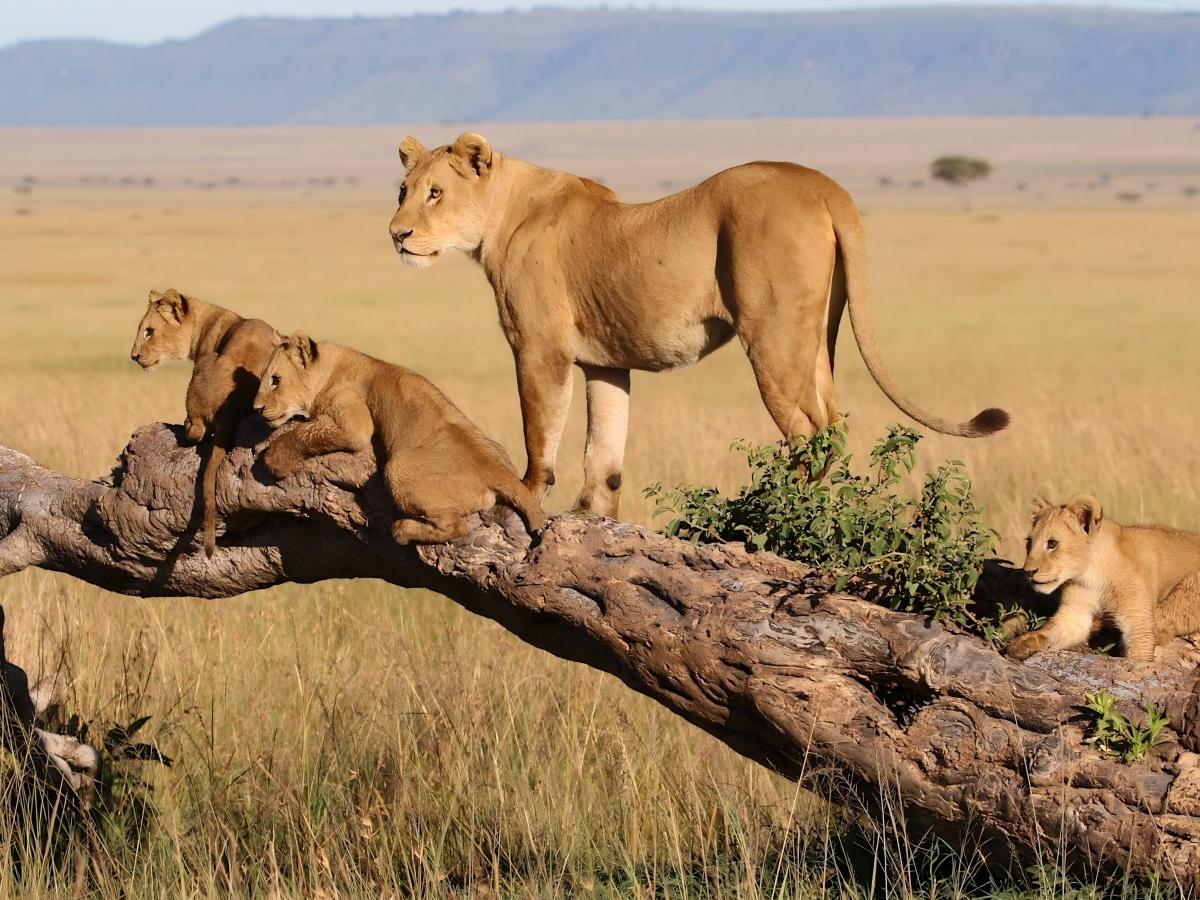
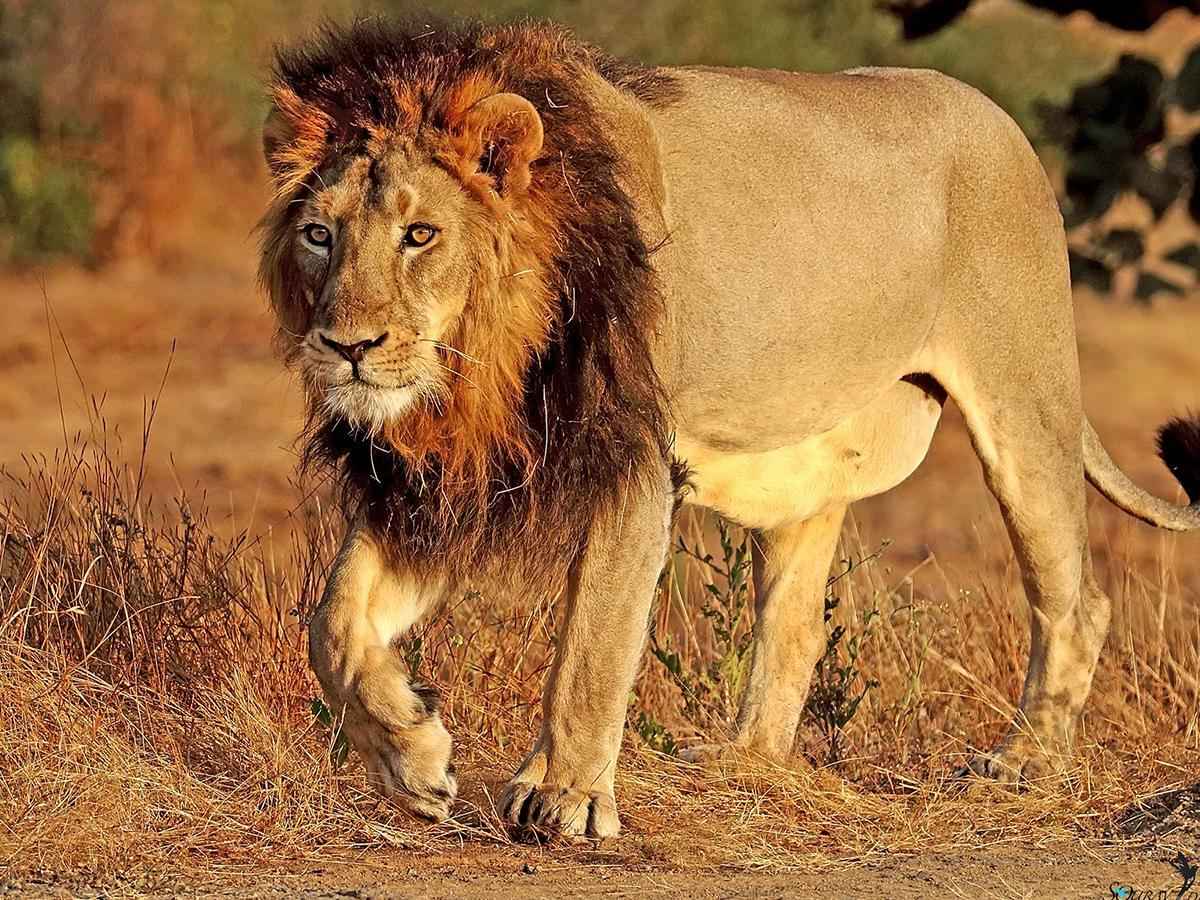
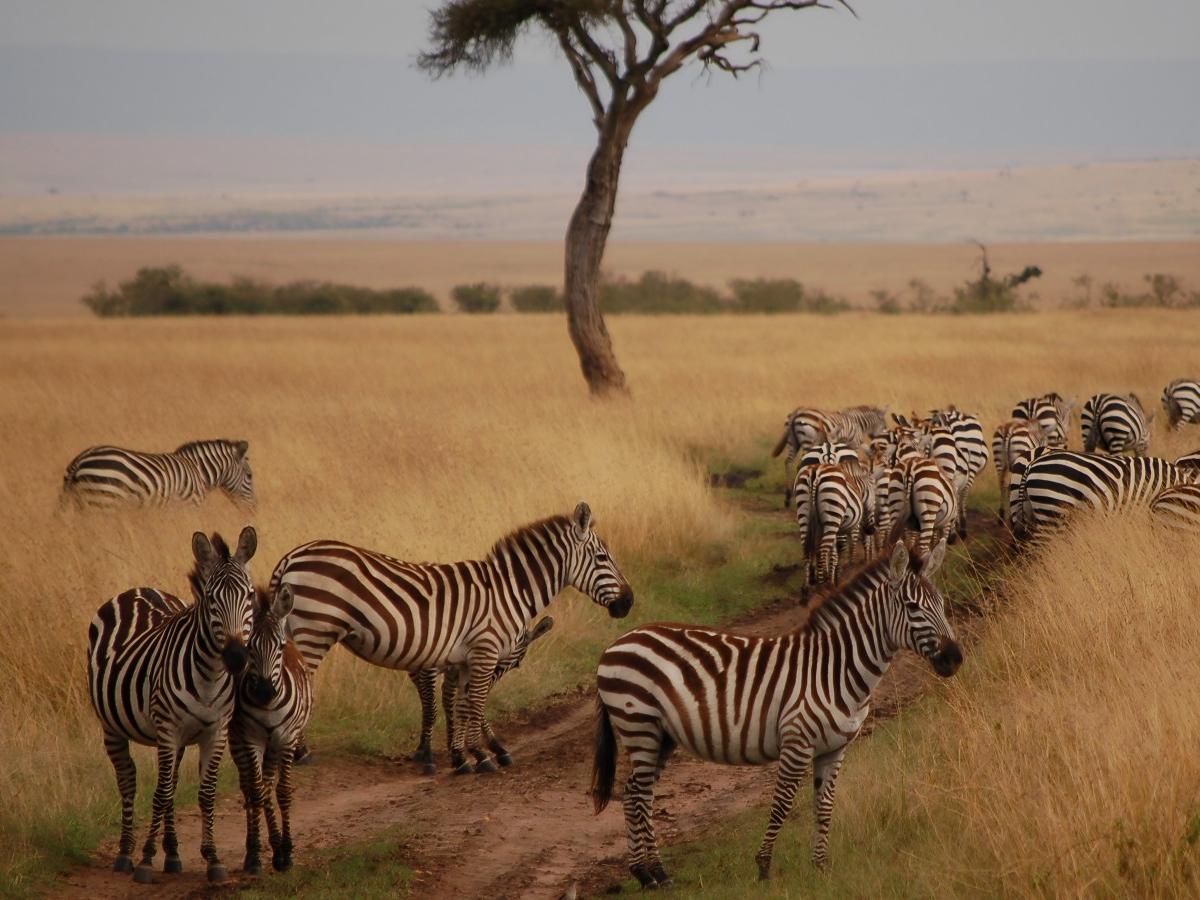
Day 2: Wake up early for an off-road vehicle ride to the Mara River to view animals crossing the river. In the afternoon, look out for lions, cheetahs and other predators in the grasslands and enjoy panoramic views of the Great Migration.
Day 3: Re-enter the reserve for a final viewing. Later, return to Nairobi to conclude the tour.
Five Days Tour
Day 1: Arrive in Nairobi and visit the Nairobi National Museum to learn about Kenya's history and culture.
Day 2: Travel to Lake Nakuru National Park to see flamingos and other birds.
Day 3: Travel to Maasai Mara National Game Reserve, check in and do some preliminary viewing in the surrounding area.
Day 4: Full day in the Maasai Mara to view the Great Migration including the Mara River crossing, herds of animals on the savannah and more.
Day 5: Early start for final viewing before returning to Nairobi to finish the tour.
Comply with Reserve Regulations
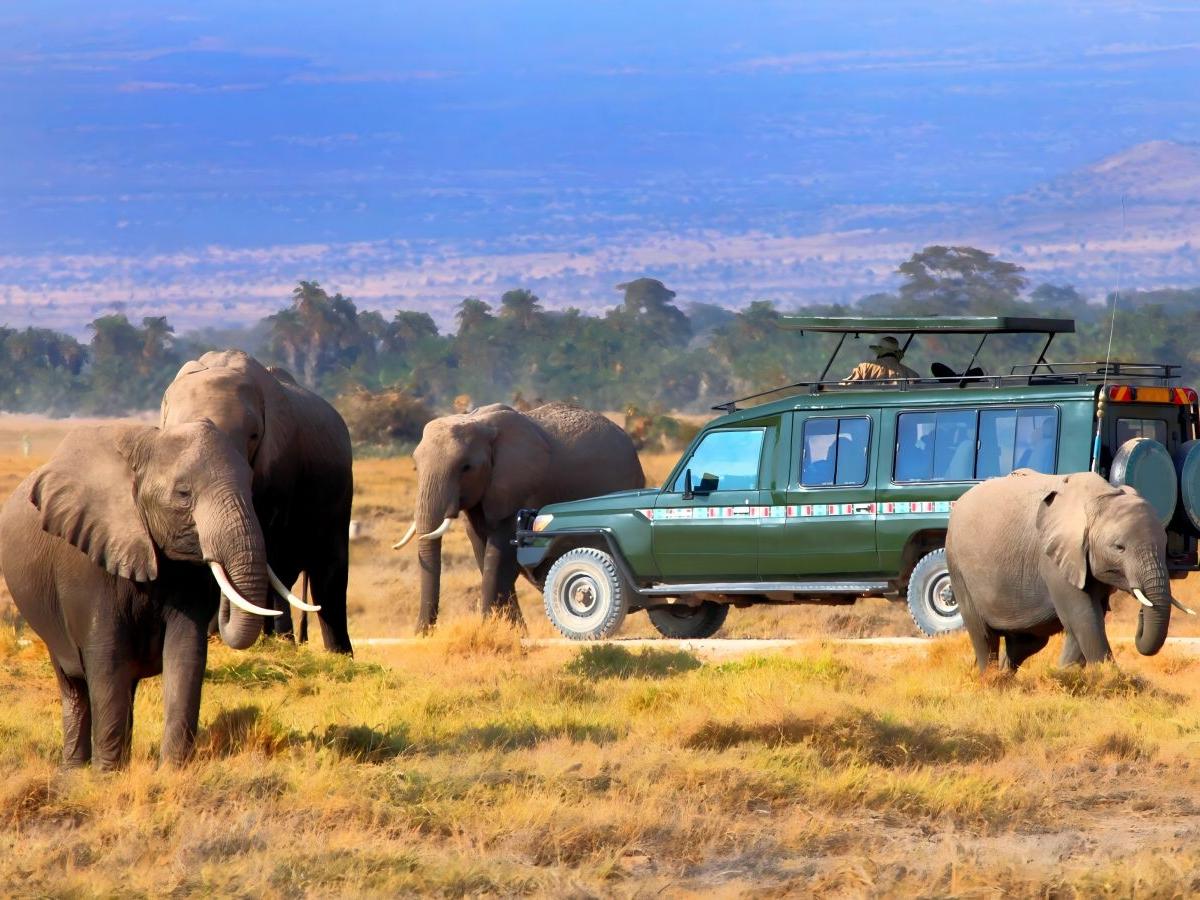
While in the Maasai Mara National Wildlife Reserve, strictly observe the rules of the reserve. Do not get out of your vehicle and walk around freely, do not feed the animals and do not use flash to take pictures so as not to disturb the animals. At the same time, follow the instructions of your guide to ensure your safety.
Security
The security situation in some parts of Kenya is relatively poor, in the course of traveling, pay attention to keep personal belongings, avoid going out alone. Especially in the city, be careful to prevent theft and robbery.
Respect local culture
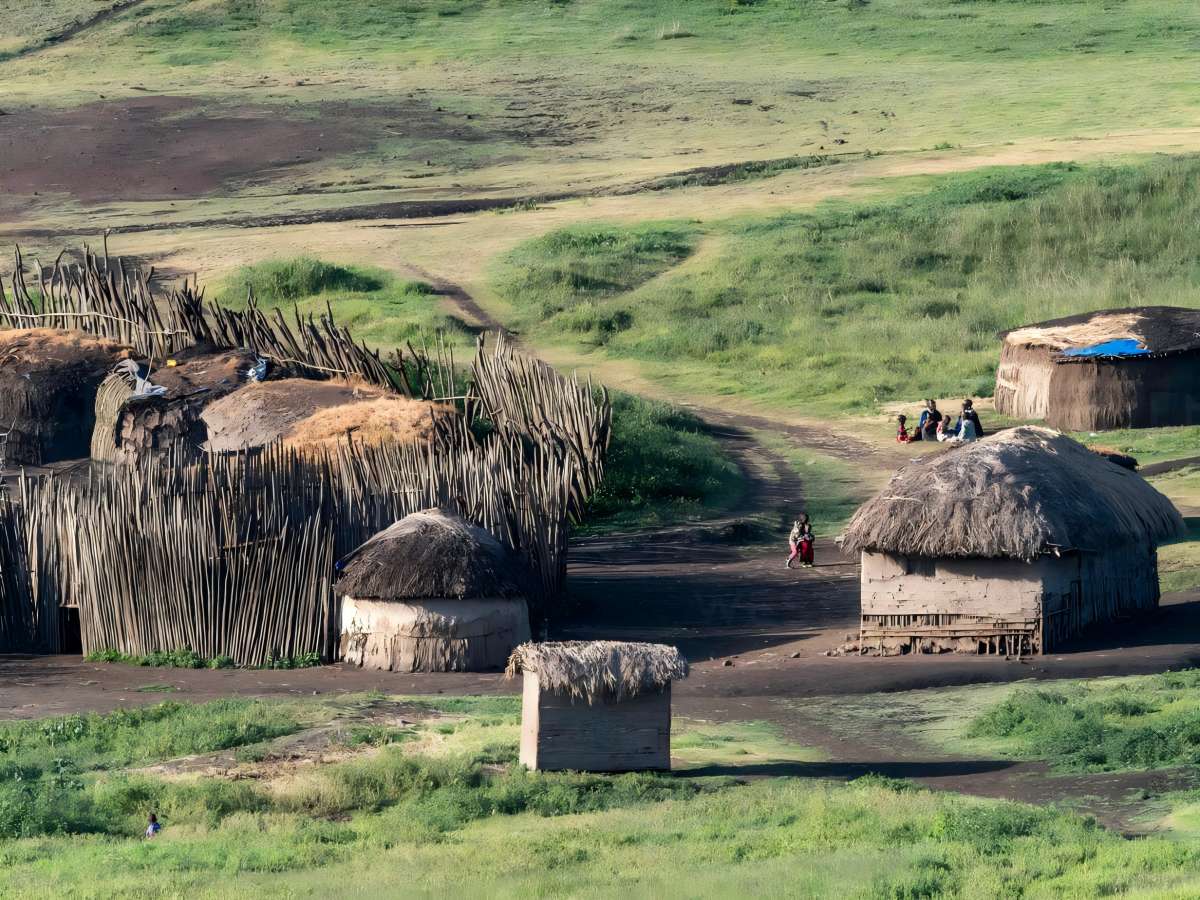
The Maasai are the main inhabitants of the Maasai Mara, and they have a unique culture and customs. When interacting with the Maasai, respect their culture and traditions and do not take pictures or invade their privacy.
Planning a Maasai Mara Great Migration viewing trip requires full knowledge of when and where the Great Migration will take place, good pre-trip preparation, reasonable scheduling, and attention to safety and cultural respect during the trip. Only in this way can we appreciate the magnificence of this natural wonder and leave an unforgettable travel memory. We hope that every traveler to the Maasai Mara will be rewarded with a soul-stirring travel experience.