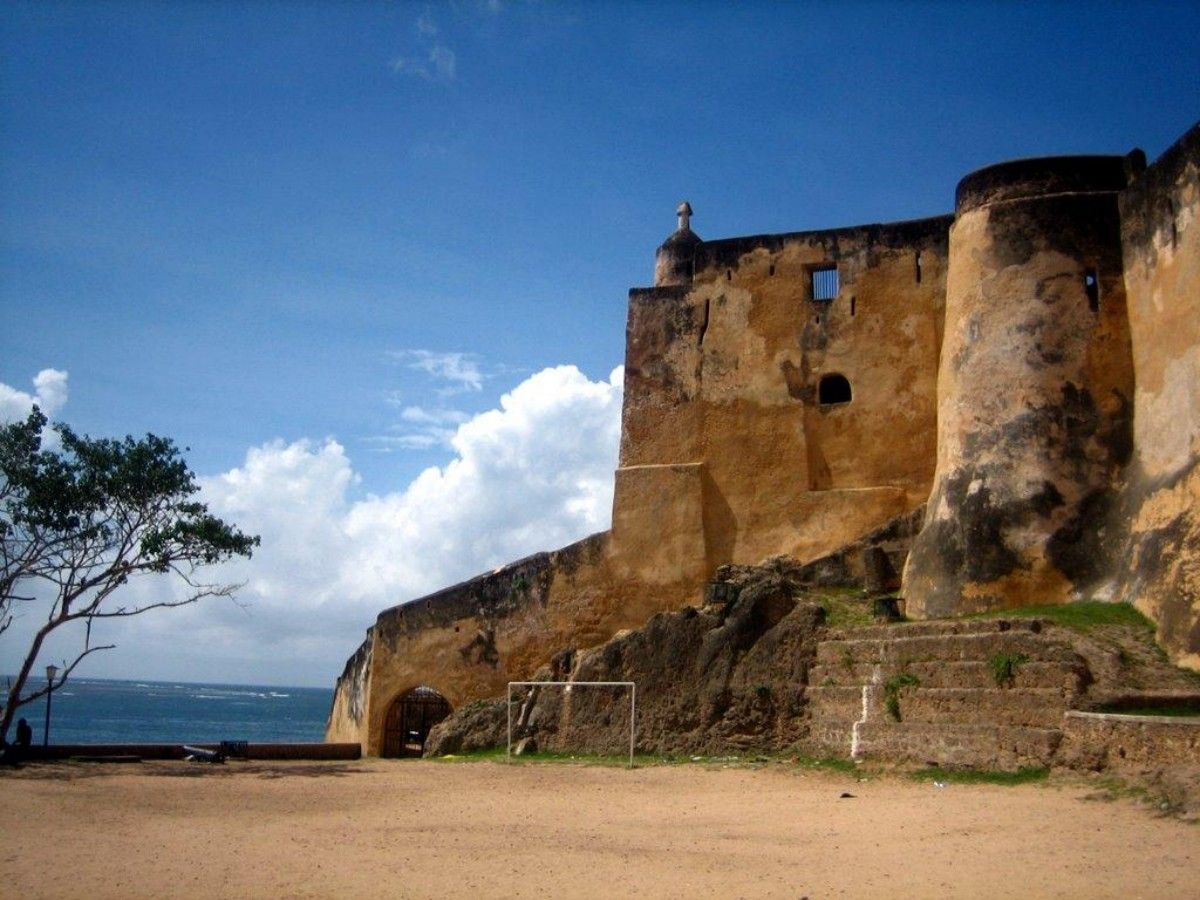
If you want to learn about the history of Kenya, then Fort Jesus in Mombasa is definitely a must-see. Nestled on the shores of the Indian Ocean, this sturdy fortress has witnessed the wars, trade and cultural changes that have taken place in Mombasa over the centuries. Not only was it a military fort built by Portuguese colonizers, but it was also a stronghold of the Omani army and the British colonial government, and carries the history of the rise and fall of the East African coast. Today, it is a UNESCO World Heritage Site of cultural significance, attracting thousands of visitors every year. If you come to Mombasa, Fort Jesus will take you on a journey back in time to experience the city's unique charm.
Advertisement
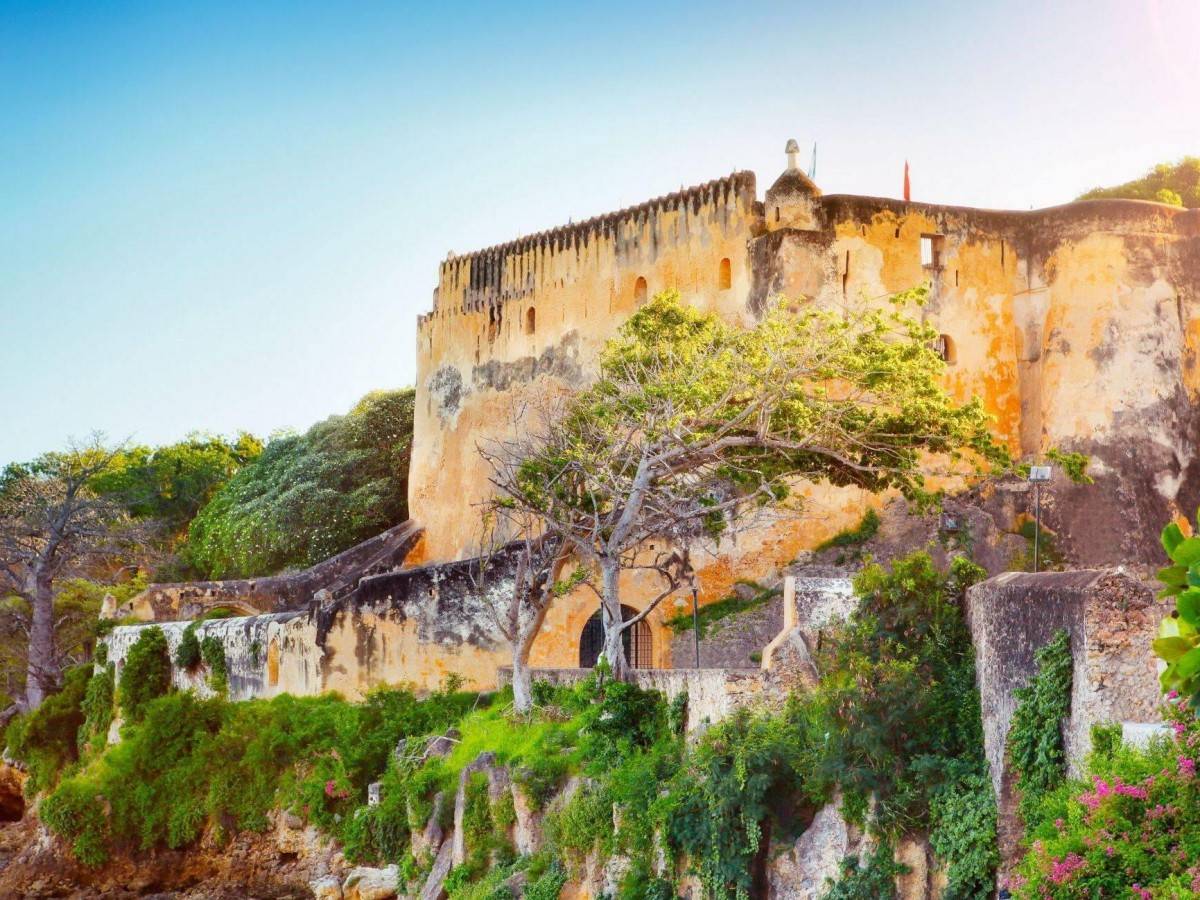
The story of Fort Jesus goes back to the late 16th century, when the Portuguese built the fort from 1593 to 1596 in order to control the trade routes in East Africa. It was one of Portugal's defensive strongholds in East Africa, designed primarily to protect their colonial rule in Mombasa and to fend off Arab and Ottoman forces. Designed by the famous Italian architect Giovanni Battista Cairati in the Renaissance style of military architecture, the fort was strong and easily defended.
Advertisement
The Omani Conquest
Despite its strength, Fort Jesus did not remain in Portuguese hands until 1698, when the army of the Sultanate of Oman launched a major offensive and eventually captured the fort. Thereafter, the Omanis ruled Mombasa for a century, transforming the fort into a garrison camp and administrative center, as well as adding a number of mosques and Arab-style buildings to the interior.
British Colonial and Prison Period
The British entered East Africa in the late 19th century and officially turned Kenya into a British East Africa Protectorate in 1895.Fort Jesus was used as a military base by the British colonial government and later even turned into a prison, which it remained until 1958. After Kenya's independence, the historic fort was converted into a national museum and opened to the public.
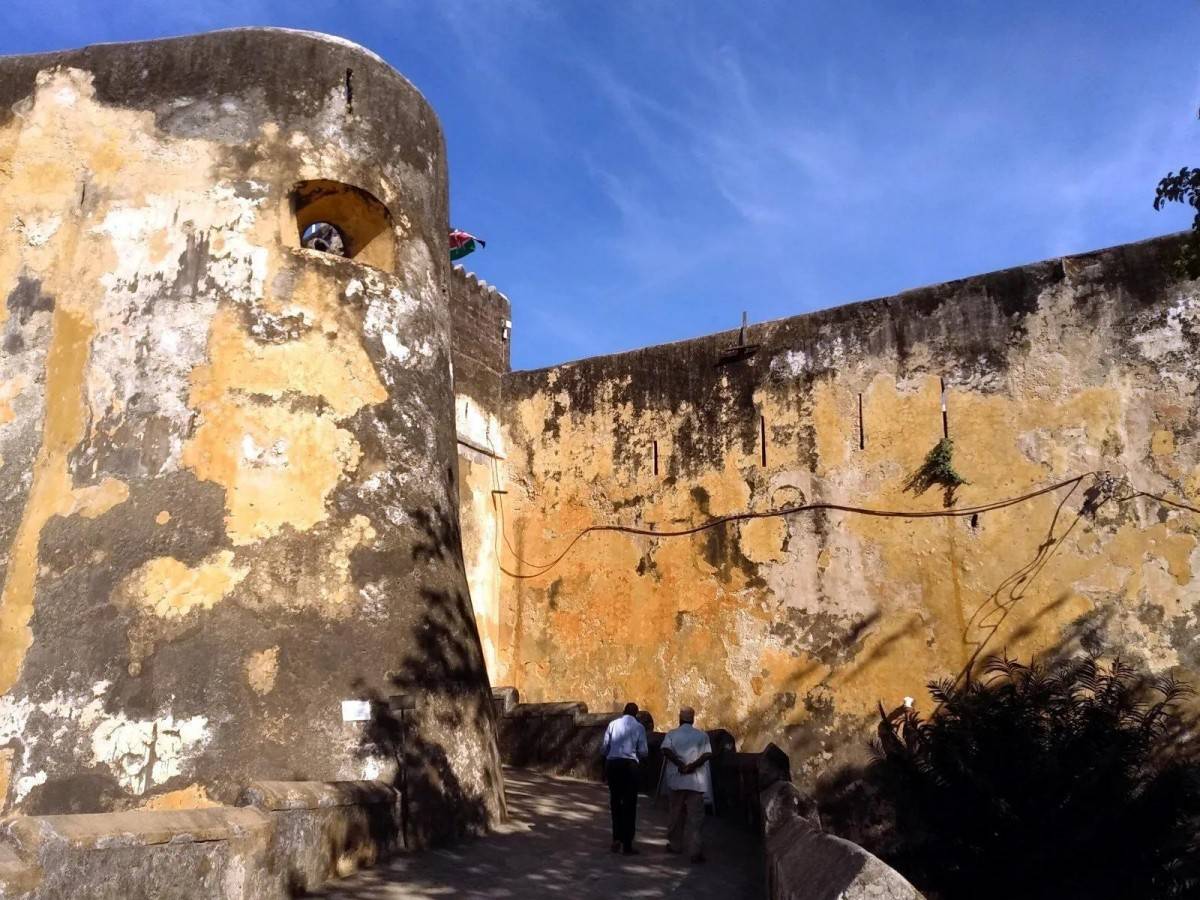
The architectural style of Fort Jesus is a blend of Portuguese, Arab and British colonial elements, resulting in a unique historical look.
Advertisement
1. Heavy defensive walls
The walls of the fort are 2.5 meters thick, constructed with coral stone and extremely strong. Standing on the walls, you can overlook the Indian Ocean and imagine the scene when Portuguese warships docked in the harbor.
2. Arab Architectural Remains
After the Omanis occupied Fort Jesus, they added some mosques and traditional Arab style houses inside. Inside the fort you can still see the rooms where the Omani soldiers lived, as well as the windows and decorations in Arabic style.
3. Prison and Underground Tunnels
During the British rule, this area was converted into a prison and the cells and underground passages from those days can still be seen today. Walking through the narrow and dark corridors, you can feel how the fortress has changed in different periods of history.
4. Museum Gallery
Today, the fort houses a small museum that displays a variety of artifacts from the Portuguese period to Kenya's independence, including ancient maps, ceramics, weapons and navigational instruments.
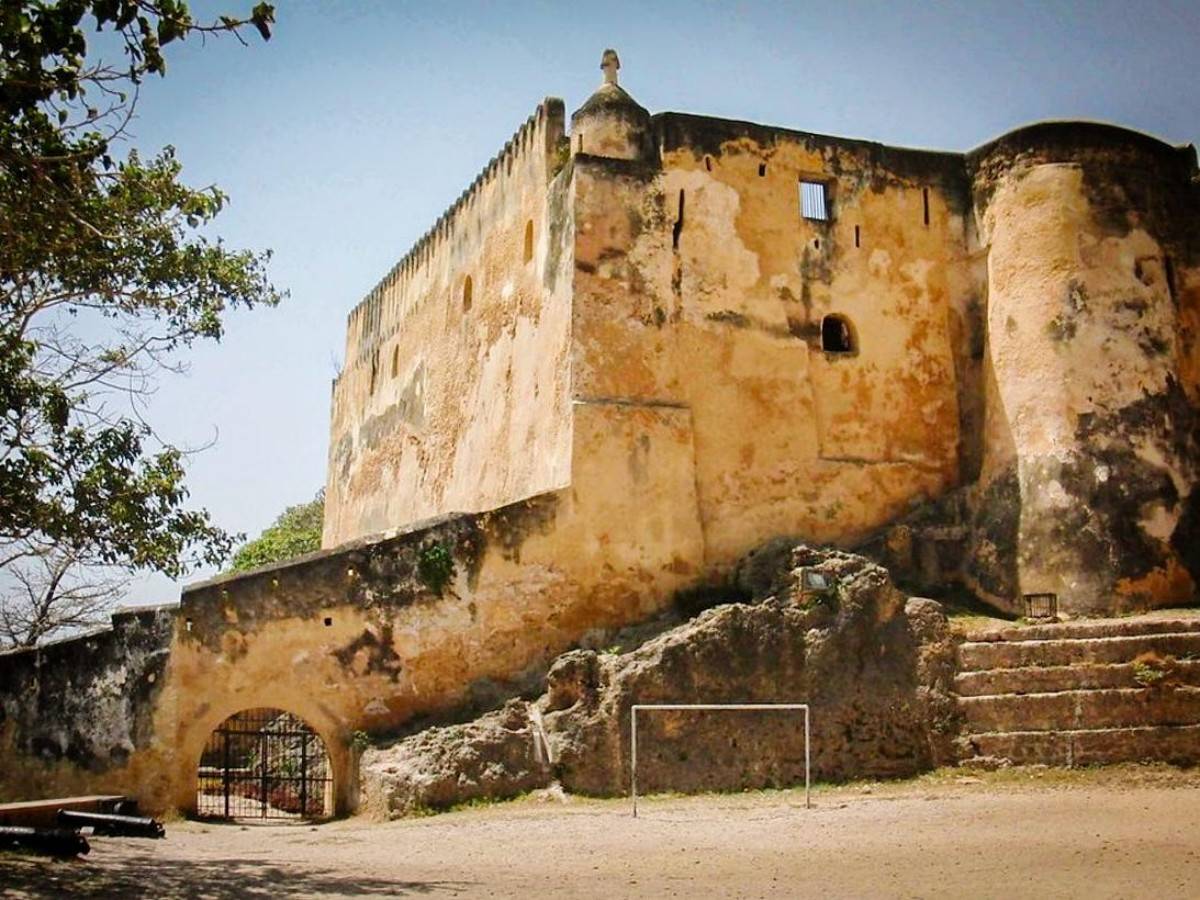
If you are planning to visit Fort Jesus, you can follow the following itinerary to ensure that you don't miss out on the important attractions:
1. Entrance gate
The entrance has a huge wooden gate with a carved Portuguese coat of arms, which gives you a sense of the historical ambience of the fort as soon as you enter.
2. Central Courtyard
This is the core area of the fort and was once the meeting place of the garrison. The courtyard is surrounded by buildings from different periods of history, including houses built by the Omanis.
3. City Walls and Viewing Platforms
Standing on the ramparts, you can overlook the old town of Mombasa and the Indian Ocean. This is the best place to take photos, especially at sunset.
4. Museum Gallery
Here you can see nautical tools used by the Portuguese, artifacts from the Omani period, and prison records from the British colonial period.
5. Underground passages
Inside the fort, there are underground passages leading to the sea, which are said to have been used by soldiers to escape or secretly transport supplies back in the day. Although some of them have collapsed, they are still worth seeing.
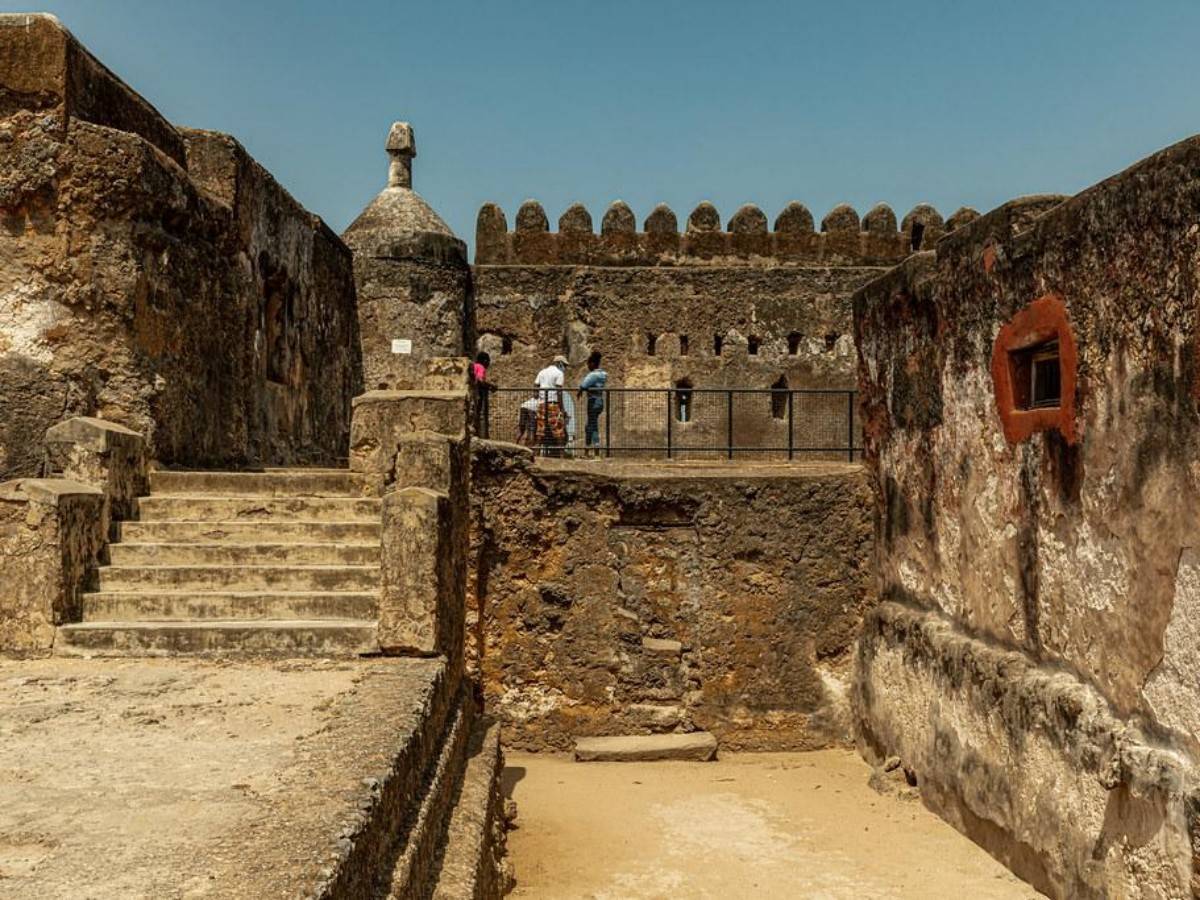
Opening hours: Fort Jesus is open every day, usually from 8:00 am to 6:00 pm, it is recommended to check the exact time in advance.
Ticket Prices: Adult tickets for foreign visitors cost around KES 1,200 (about US$9), cheaper for locals, with discounts for students and children.
Guided tours: It is recommended to spend a little money on a local guide who will tell a lot of stories and hidden historical details about the fort to make the visit more interesting.
Wear comfortable shoes: There are quite a few steep stairs and rough ground, so a comfortable pair of shoes is recommended.
Avoid the midday heat: Mombasa is hot, so it is recommended to visit in the morning or after 4pm to avoid the scorching midday sun.
Safety: The interior of the fort is relatively safe, but some of the surrounding neighborhoods may be crowded, so it is advisable to keep an eye on your belongings and not to accept “free guides” from strangers.
Fort Jesus is not only a fortress, but also a “stone book” recording the vicissitudes of Mombasa's history. It is a stone book of Mombasa's history, a story of power changes between the Portuguese, Omanis, British and Kenyans, and now a multicultural historical site. Standing on this ancient fort facing the Indian Ocean, listening to the waves lapping against the stone walls, you will feel a wonderful experience of traveling through time and space.