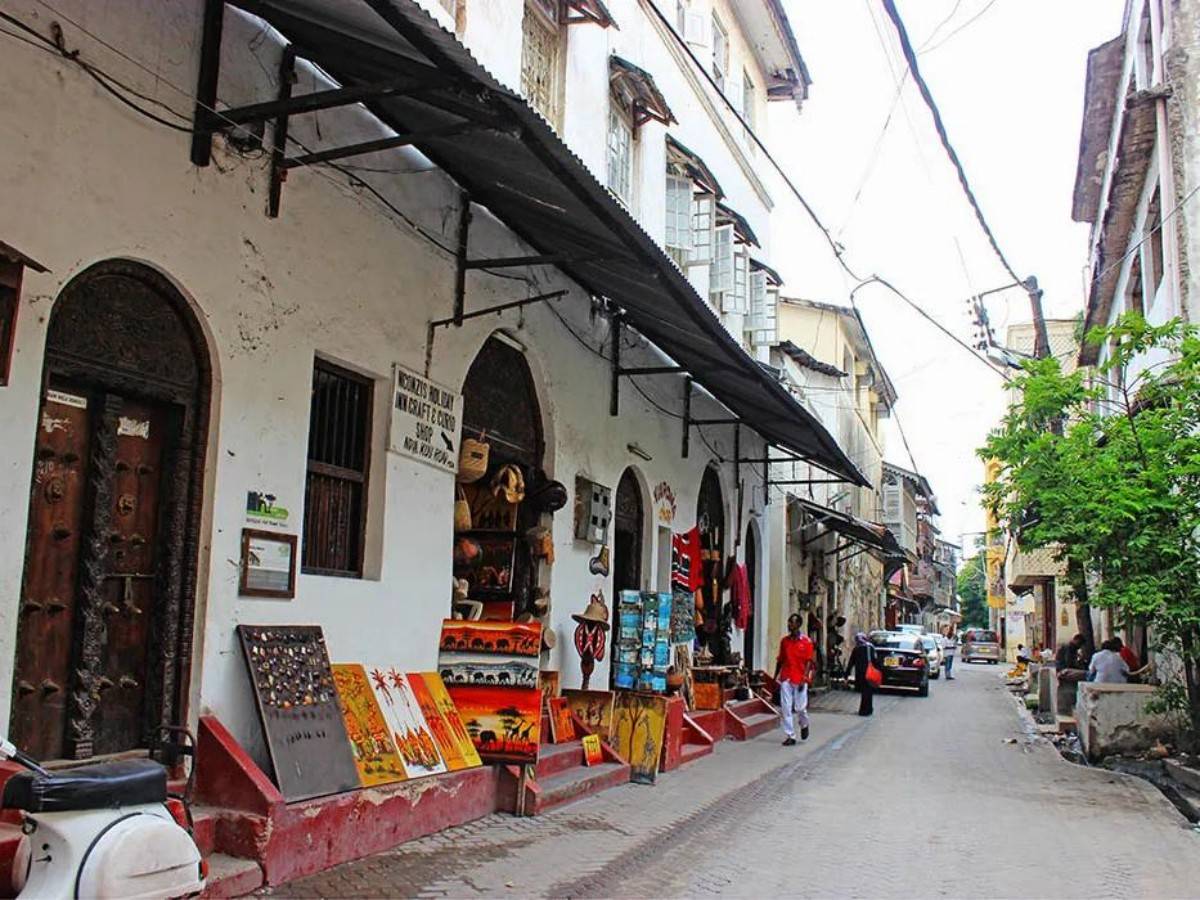
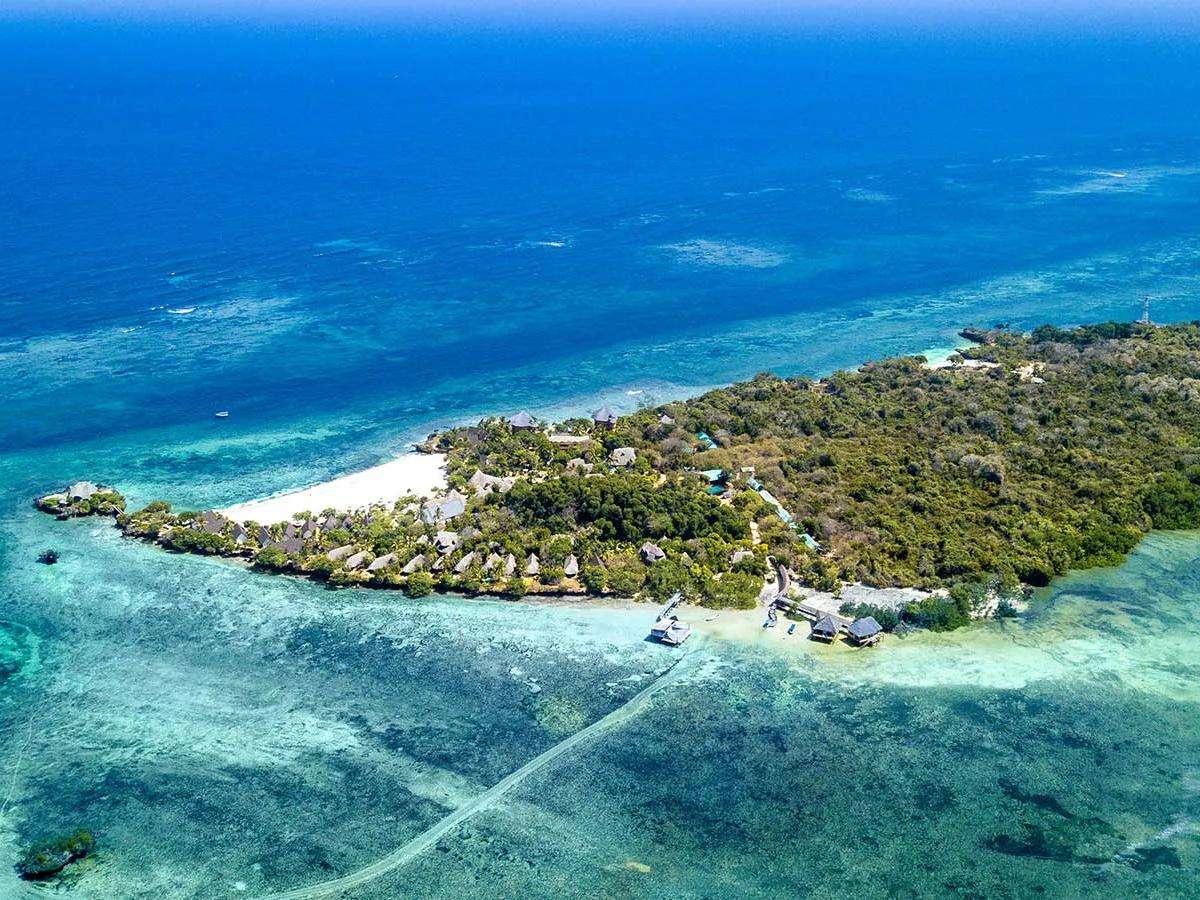
Old Town Mombasa is a gem of a destination if you like places steeped in history. Once an important trading center in East Africa, this ancient coastal town is an exotic blend of Arab, Indian, European and Swahili cultures, full of mystery and romance. Strolling through the narrow streets, you will see colorful Arabian-style buildings, beautifully carved wooden doors, and the smell of spices wafting from the cafes. Today, let me take you on a journey into this fascinating old city, exploring its history, architecture, itineraries and some practical visiting tips to make your trip easier and more enjoyable!
Advertisement
The history of Mombasa Old Town dates back to the 14th century, when it was one of the busiest trading ports on the East African coast, connecting Arabia, Persia, India and Europe. Swahili traders, Arab explorers, Portuguese colonizers and the British all left their mark on the city, making it extremely culturally diverse.
Advertisement
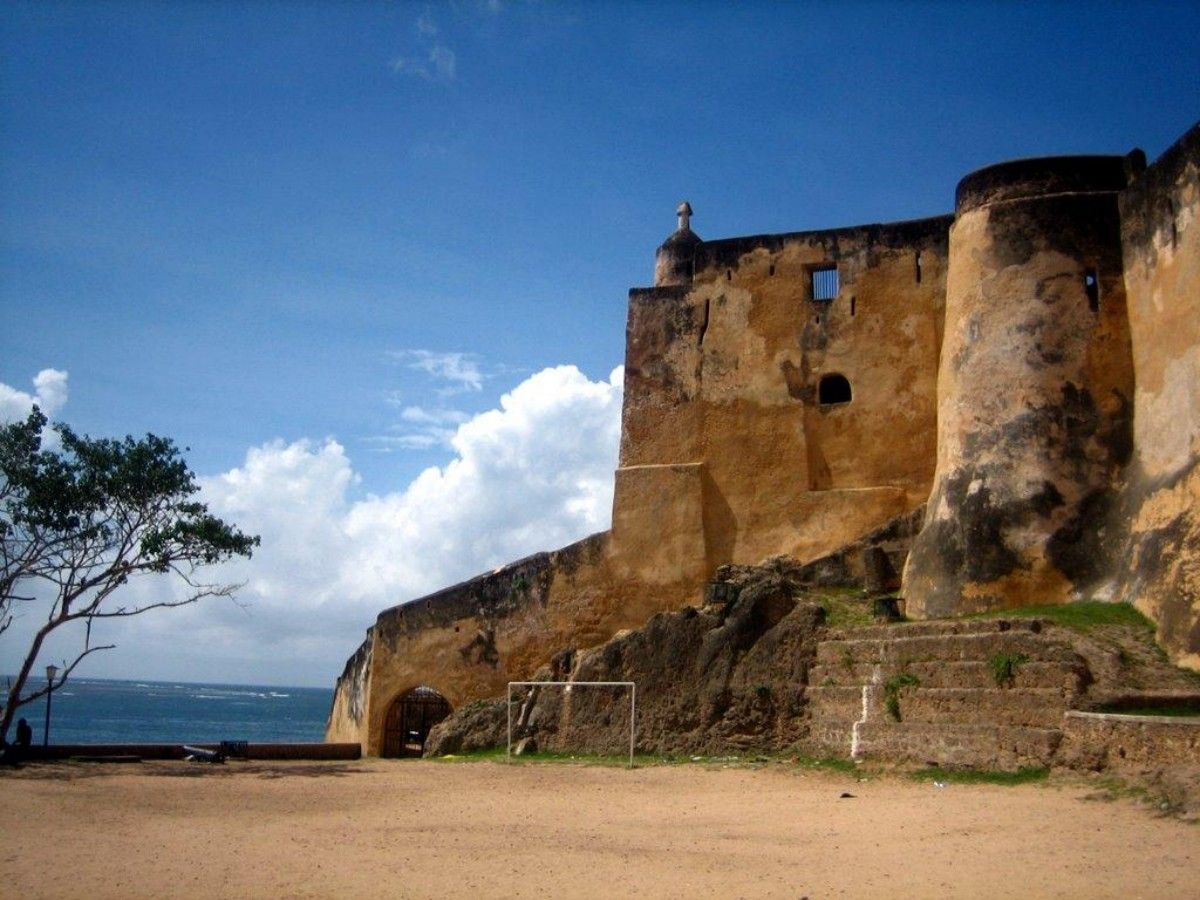
At the end of the 15th century, Portuguese navigator Vasco da Gama arrived in Mombasa and established Fort Jesus, Kenya's most famous historical site. The city was later occupied by the Sultan of Oman and British colonizers, further enriching the cultural background of the Old City. Today, it still retains a strong Arab flavor, with a predominantly Swahili population whose language, dress and cuisine are heavily influenced by Arab culture.
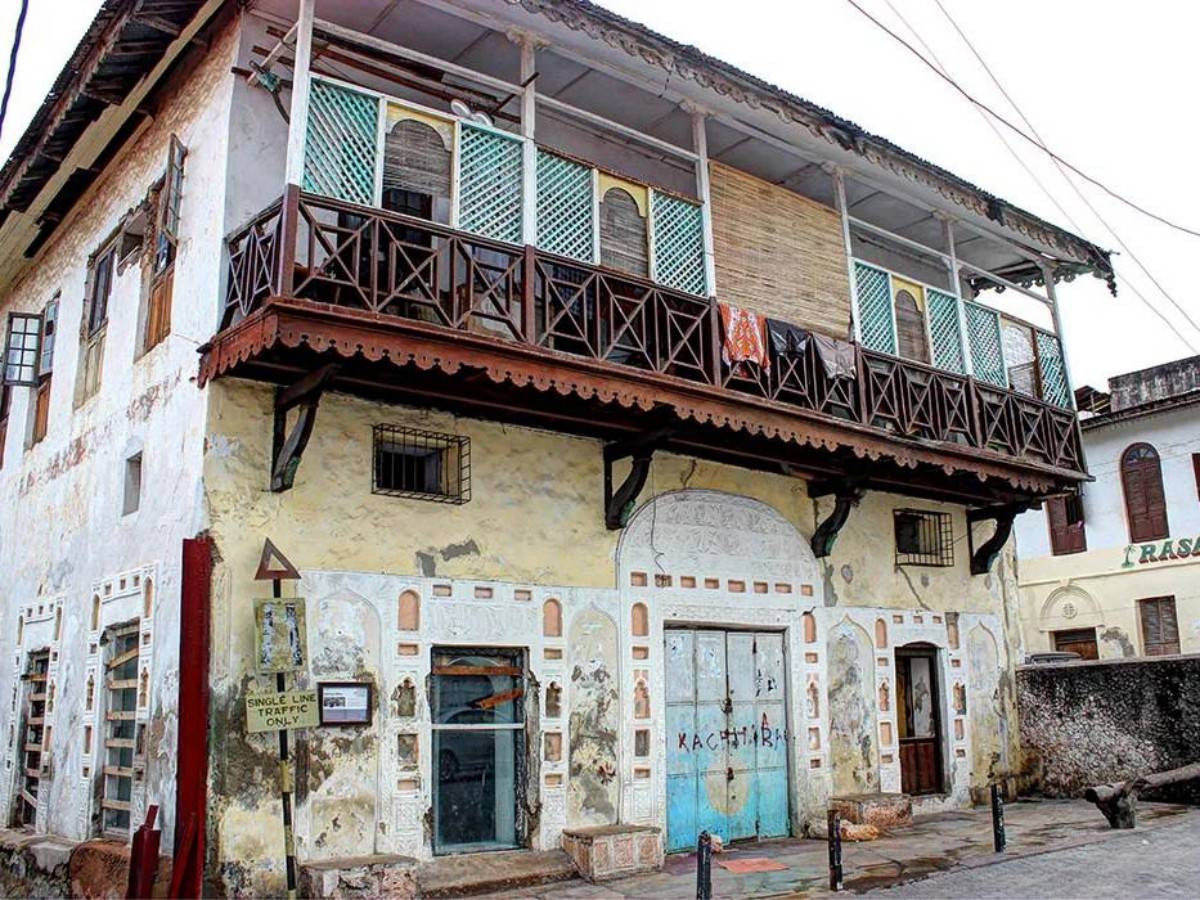
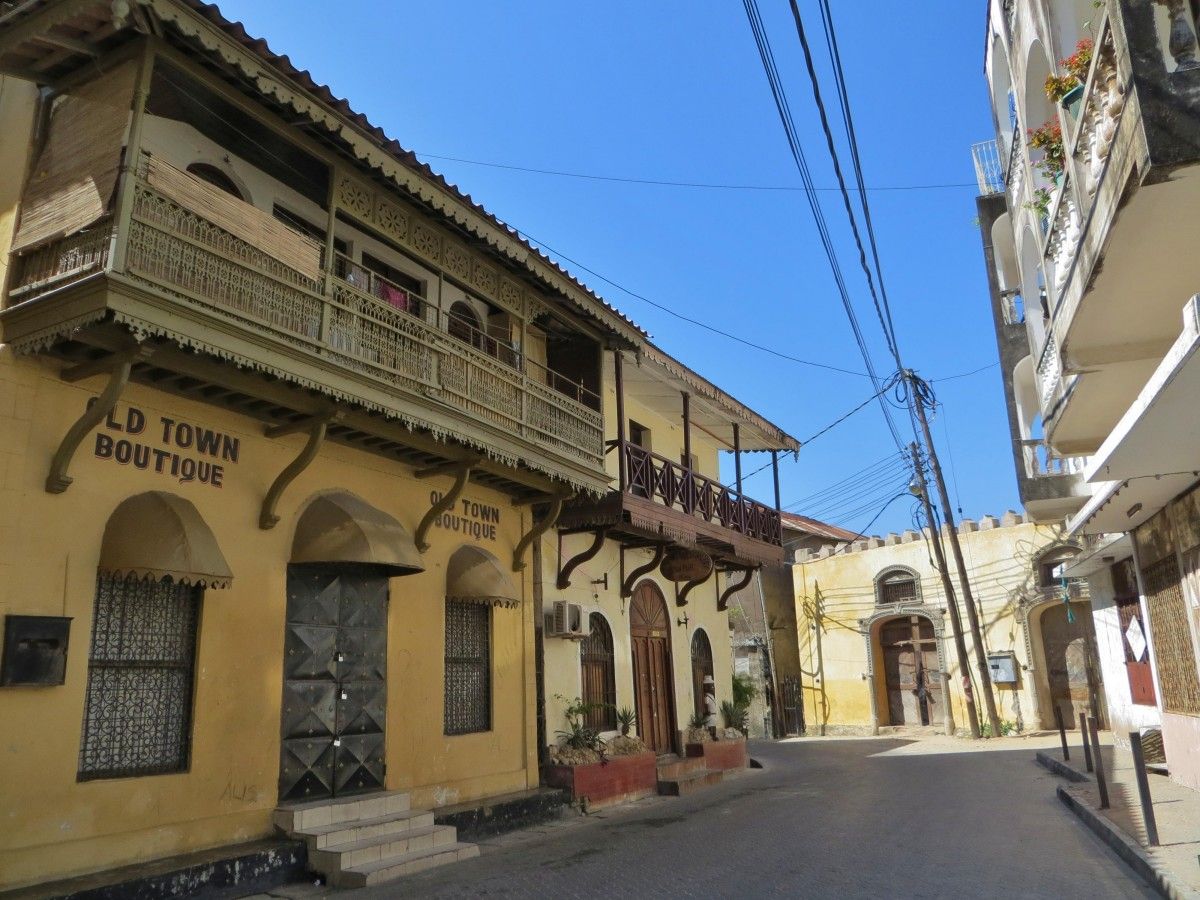
Walking into the old city of Mombasa, you will find that the architectural style here is very unique, a blend of Arab, Indian and European elements. The most characteristic ones are those beautifully carved Swahili wooden doors with intricate patterns and Arabic calligraphy, symbolizing the identity and status of the owner.
Advertisement
Arabian style: white lime walls, small balconies, narrow alleys, typical Middle Eastern style of architecture, which can block the strong sunlight, but keep ventilation and cool.
Indian influence: some houses have delicate wood carvings on the balconies and windows, inspired by traditional Indian architecture.
European influences: The walls and fortifications brought by the Portuguese and some of the houses built during the British colonial period give the area a diverse flavor.
Recommended itinerary: a stroll through history
For an in-depth experience of Mombasa's Old Town, I recommend the following itinerary:
Fort Jesus
Reasons to visit: The most famous historical site in the Old City, a World Heritage Site, and a military fortress built by the Portuguese.
Points of interest: museum exhibitions, ancient cannons, bullet holes in the stone wall, feel the past war and vicissitudes of Mombasa.
Recommended time: 1 hour
Stroll through the streets of the Old City
Reasons to go: Feel the real Arab flavor, observe the daily life of the residents in the old city.
Points of interest: colorful old houses, ornately carved wooden doors, handicraft stores.
Recommended time: 1-2 hours
Swahili House
Why to visit: Experience authentic Swahili coffee and Arabian mint tea.
What to see: local desserts, rich spice flavors, beautiful sea view from the rooftop terrace.
Recommended time: 30 minutes
Spice Market
Why to visit: Mombasa is the spice capital, where you can buy a variety of authentic spices and herbs.
What to see: Cinnamon, cloves, cardamom, turmeric and other East African specialty spices are perfect for taking home as souvenirs.
Suggested time: 30 minutes
Mama Ngina Drive
Why to go: A great place to watch the sunset, enjoy the sea breeze and savor street food.
Points of interest: Indian Ocean views, seaside cafes, local specialties (e.g. roasted corn, coconut water).
Suggested time to visit: 1 hour
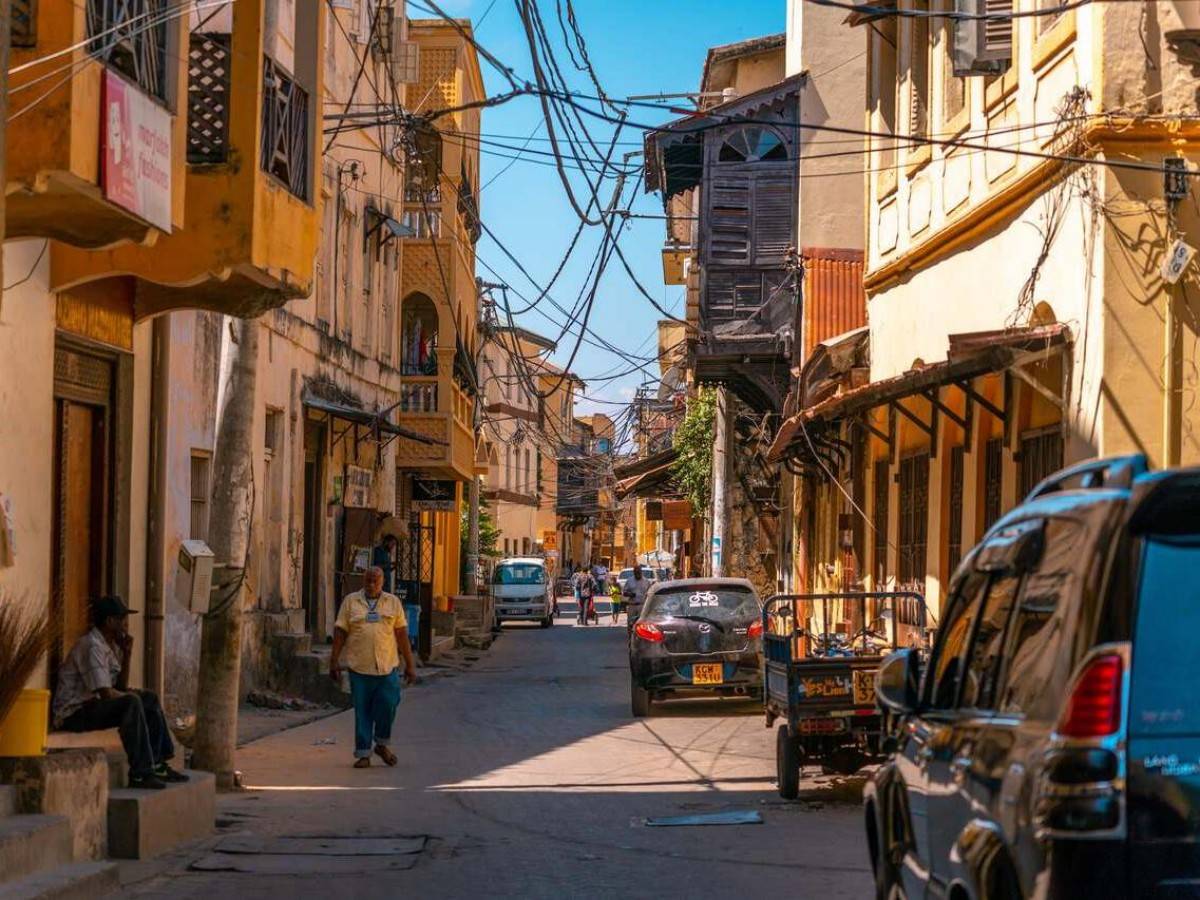
Best time to visit: mornings and evenings are best for sightseeing, with cooler weather and light suitable for photos.
Dressing advice: The Old City is predominantly Muslim, so it is advisable to dress appropriately (ladies can bring light scarves).
Safety tips: Try to travel in groups and avoid traveling alone at night. The streets in the Old Town are narrow, so take care of your valuables.
Shopping Tips: If you want to buy souvenirs or spices, remember to haggle, you can usually cut the price by 30%-50%.
Mode of Transportation:
Walking: the Old Town is small enough that walking is the best way to explore it.
Tuk-Tuk: If you are tired, you can take a local tricycle , which is cheap, but remember to negotiate the price in advance.
Cab: To get from the new town or beach area to the old town, it is recommended to use Bolt or Uber taxi, which is more reliable than roadside soliciting cabs.
Mombasa's Old Town is a place full of stories, with every old house and carved wooden door carrying traces of history. It is not as bustling as modern big cities, but has a slow pace of life that fascinates people. Whether you are exploring the old Fort Kenya, looking for authentic Swahili flavors in the spice market, or sipping a cup of khat on the promenade with the sea breeze, you will feel the unique charm of this city.