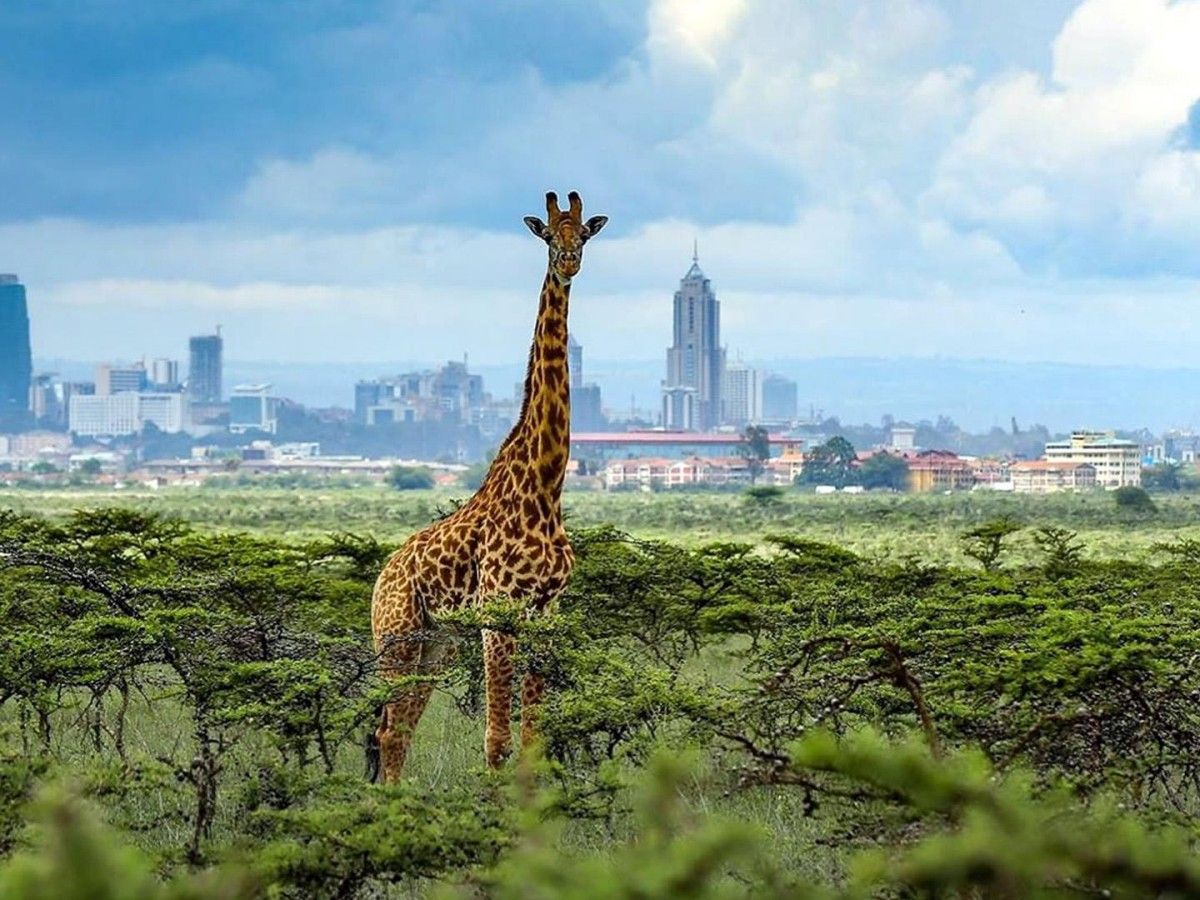
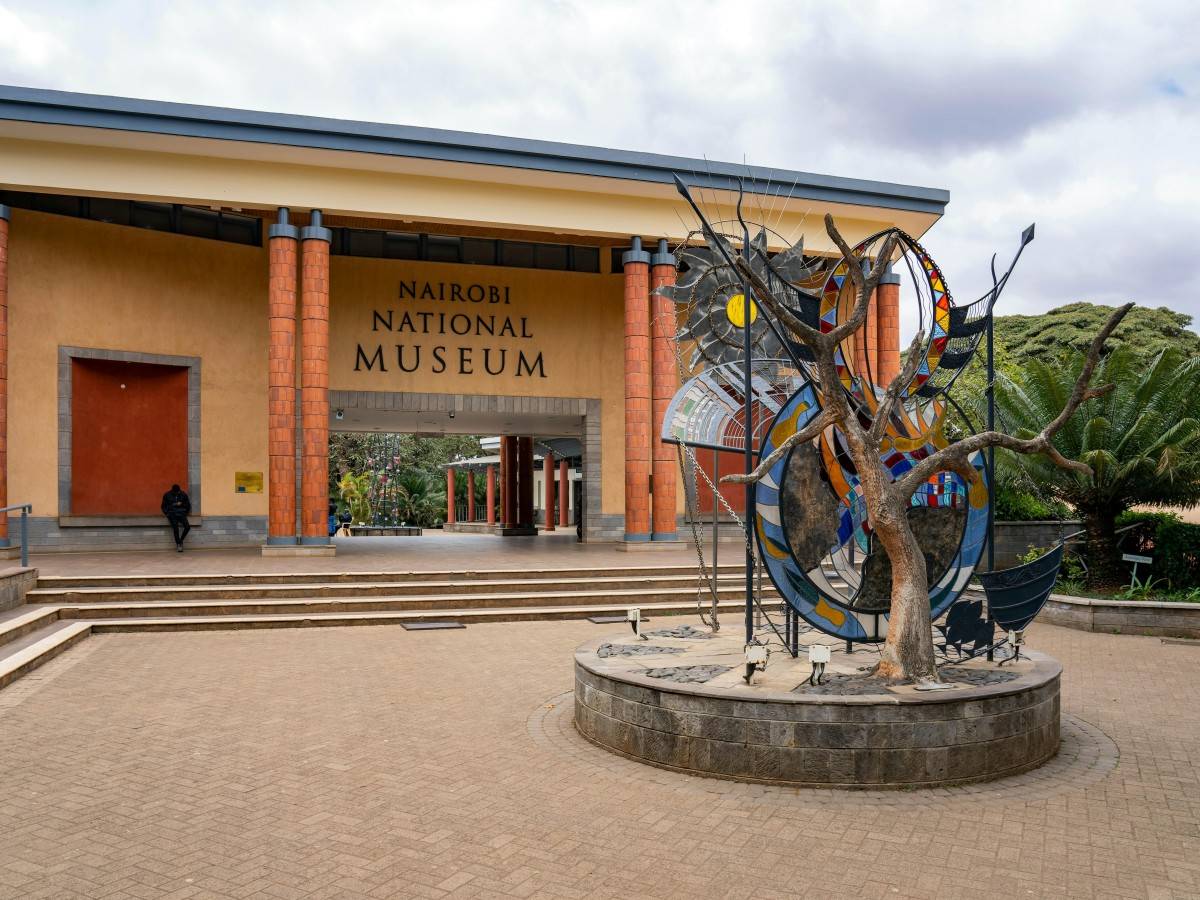
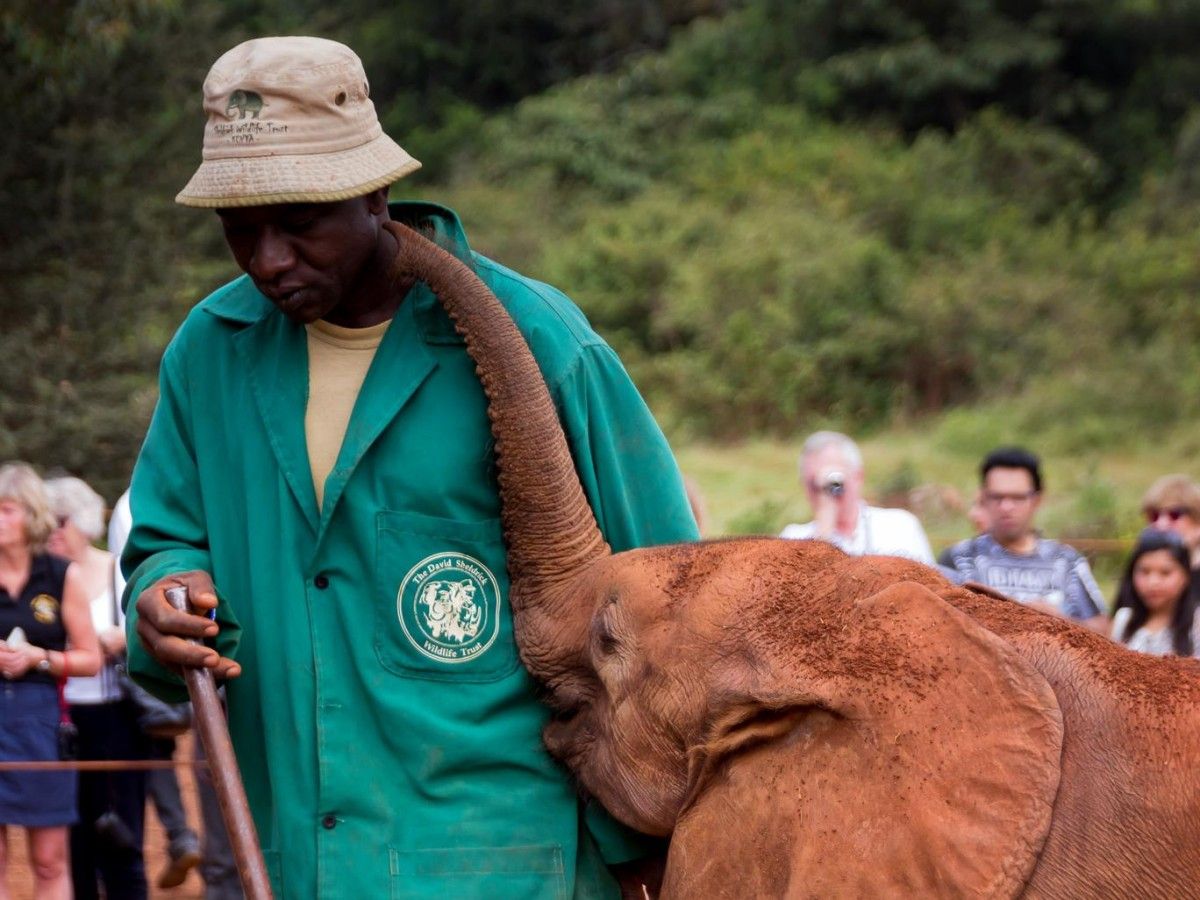
Nairobi National Park, a wildlife paradise located in the south of Nairobi, the capital of Kenya, attracts tourists from all over the world with its unique geographical location and rich wildlife resources. There are many things to pay attention to when playing in this vibrant and wild land to ensure that tourists have a safe and memorable experience.
Advertisement
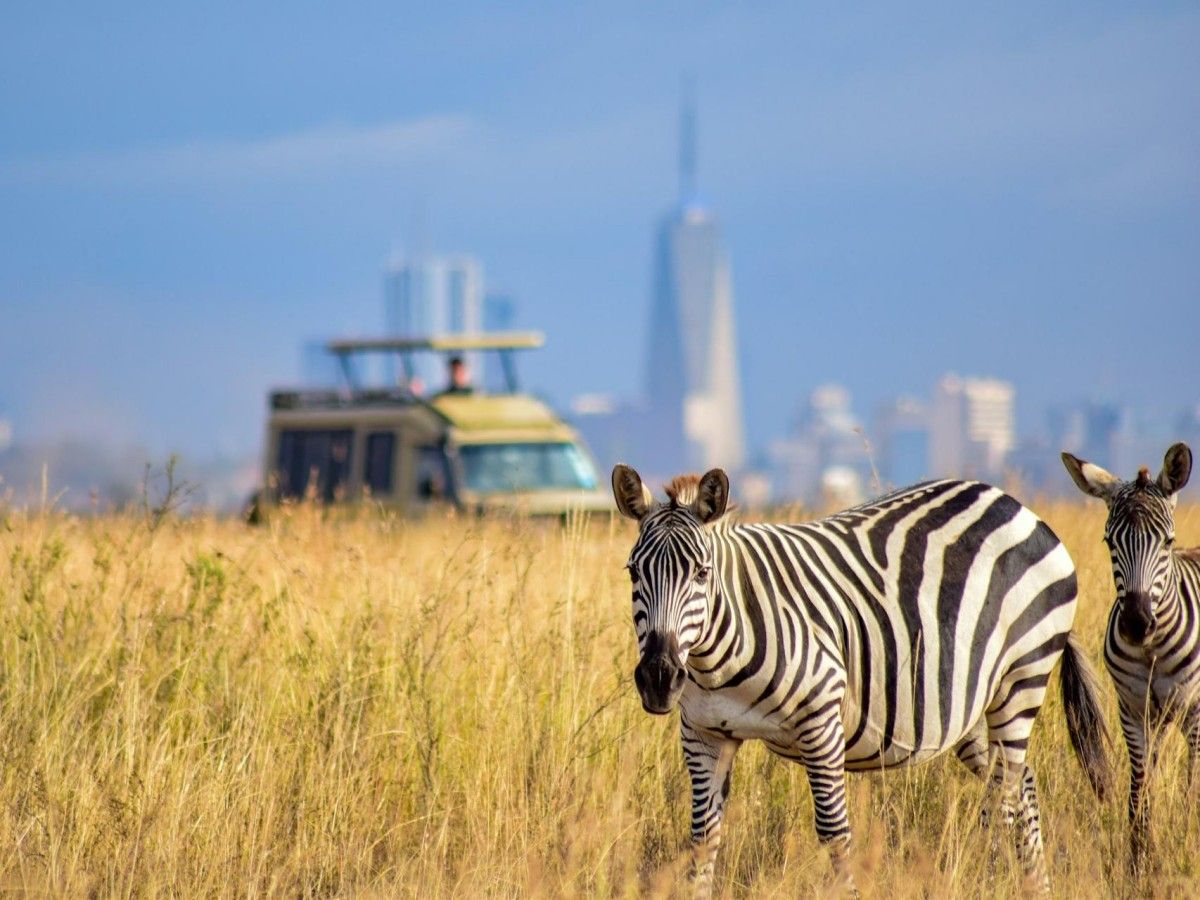
Nairobi National Park has clear opening and closing times, usually from 6 am to 7 pm (the specific time may be adjusted according to the season, so be sure to check official information before traveling). Strictly adhering to the visiting hours is not only a respect for the park management regulations, but also related to the safety of tourists themselves. After the park is closed, the range of activities of wild animals will expand, and some areas may lack the necessary lighting and security measures, making it very dangerous to stay or enter rashly.
Advertisement
Specific tour routes have been planned in the park. The setting of these routes has been carefully considered to allow tourists to fully observe wild animals while minimizing interference with animal habitats. Visitors must follow the designated routes and must not deviate without permission. Leaving the route without authorization may not only cause oneself to get lost, encounter dangerous wild animals, etc., but also may damage the fragile ecological environment in the park and affect the normal life of wild animals.
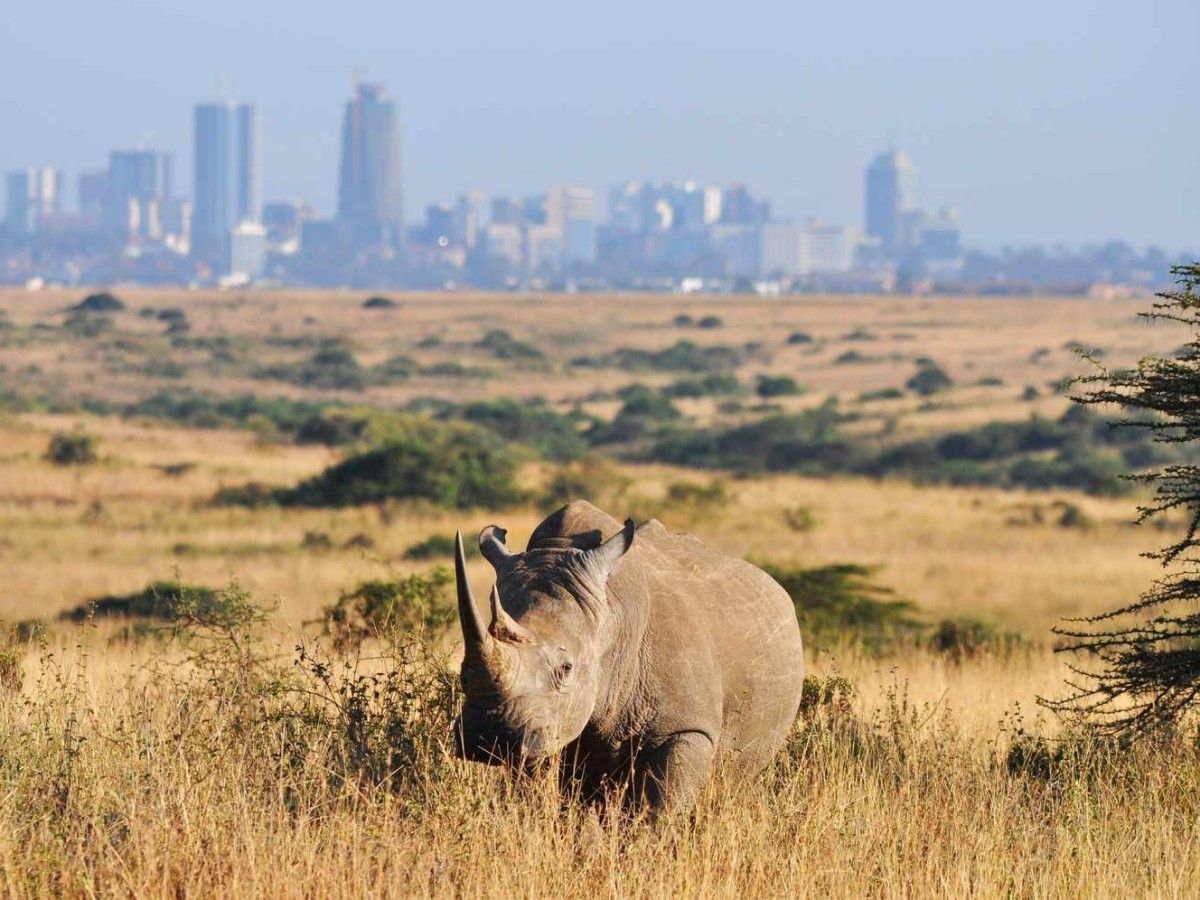
Keep a safe distance: Nairobi National Park is home to many large wild animals such as lions, cheetahs, and elephants. When viewing these animals, be sure to keep a safe distance from them. Even in the car, do not get too close to wild animals. It is generally recommended to keep at least 100 meters away from large beasts. Some animals may seem docile, but they are very likely to attack when disturbed or in special periods such as breeding or protecting their cubs. For example, elephants will become very aggressive when they feel they or their cubs are threatened. Therefore, never venture close to them for the purpose of close viewing or filming effects.
Advertisement
No feeding of animals: Feeding wild animals is absolutely prohibited. Human food may not be suitable for the digestive system of wild animals. Long-term feeding will also change their foraging habits, making them overly dependent on human food and losing their ability to survive in the natural environment. In addition, feeding may cause wild animals to gather in areas frequented by tourists, increasing the risk of conflicts between tourists and animals.
Avoid disturbing animals: During the viewing process, keep quiet, turn off the vehicle engine, and avoid loud noises, honking or making sudden movements. Wild animals are very sensitive to sound and movement. Excessive disturbance may make them feel uneasy, irritable, or even trigger aggressive behavior. For example, when cheetahs and other cats are hunting or resting, any disturbance may affect their normal life.
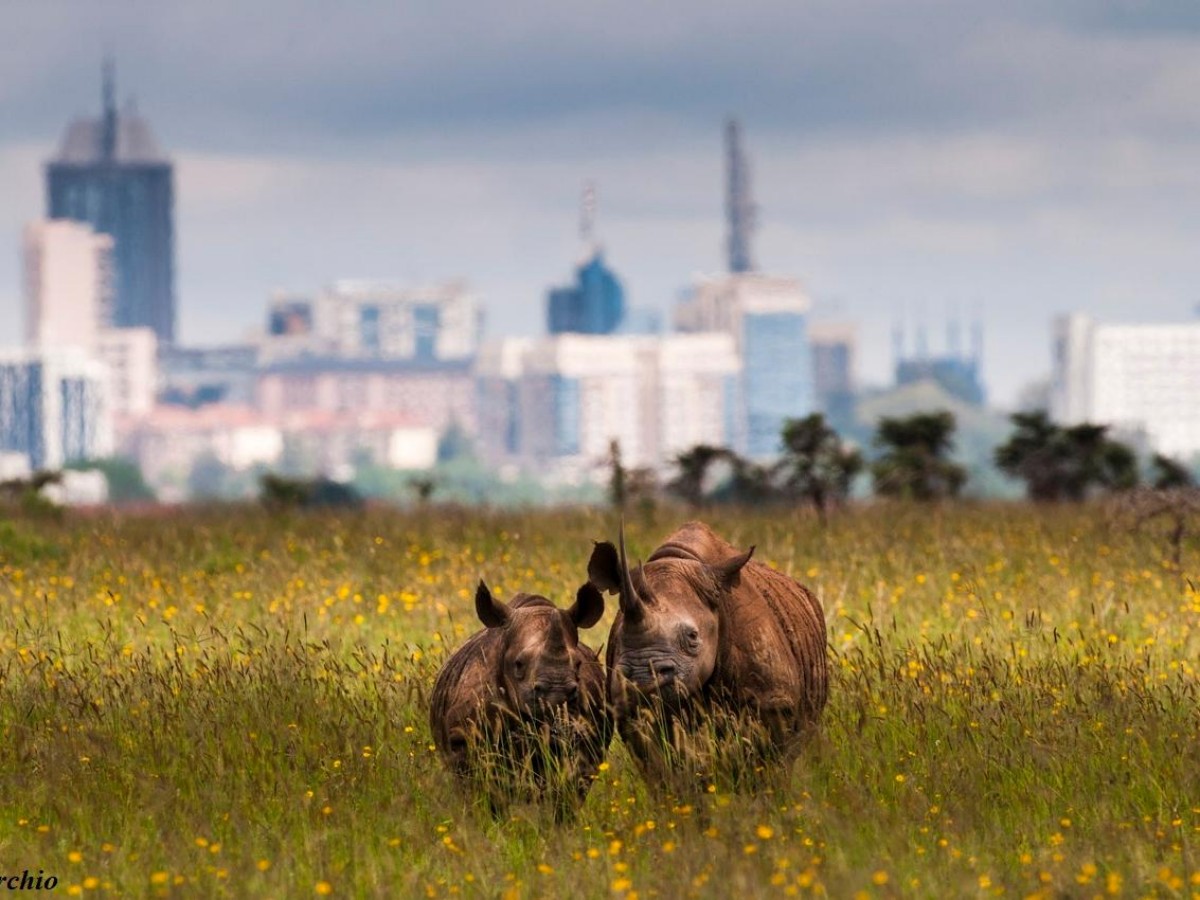
Do not discard garbage at will: The park provides garbage collection facilities such as trash cans, and visitors should properly discard garbage at designated locations. Randomly discarding garbage not only destroys the beauty of the park, but may also cause harm to wild animals. For example, plastic garbage may be eaten by animals by mistake, causing gastrointestinal blockage or even death; metal garbage may scratch the paws or bodies of animals. It is the responsibility of every visitor to protect the environmental sanitation of the park.
Do not destroy vegetation: The vegetation in the park is an important part of the ecosystem, providing food and habitat for wild animals. Visitors are not allowed to pick plants, trample on the lawn or damage trees at will. Once some rare plants are destroyed, it may take years or even decades to recover. Maintaining the integrity of vegetation helps maintain the ecological balance of the park.
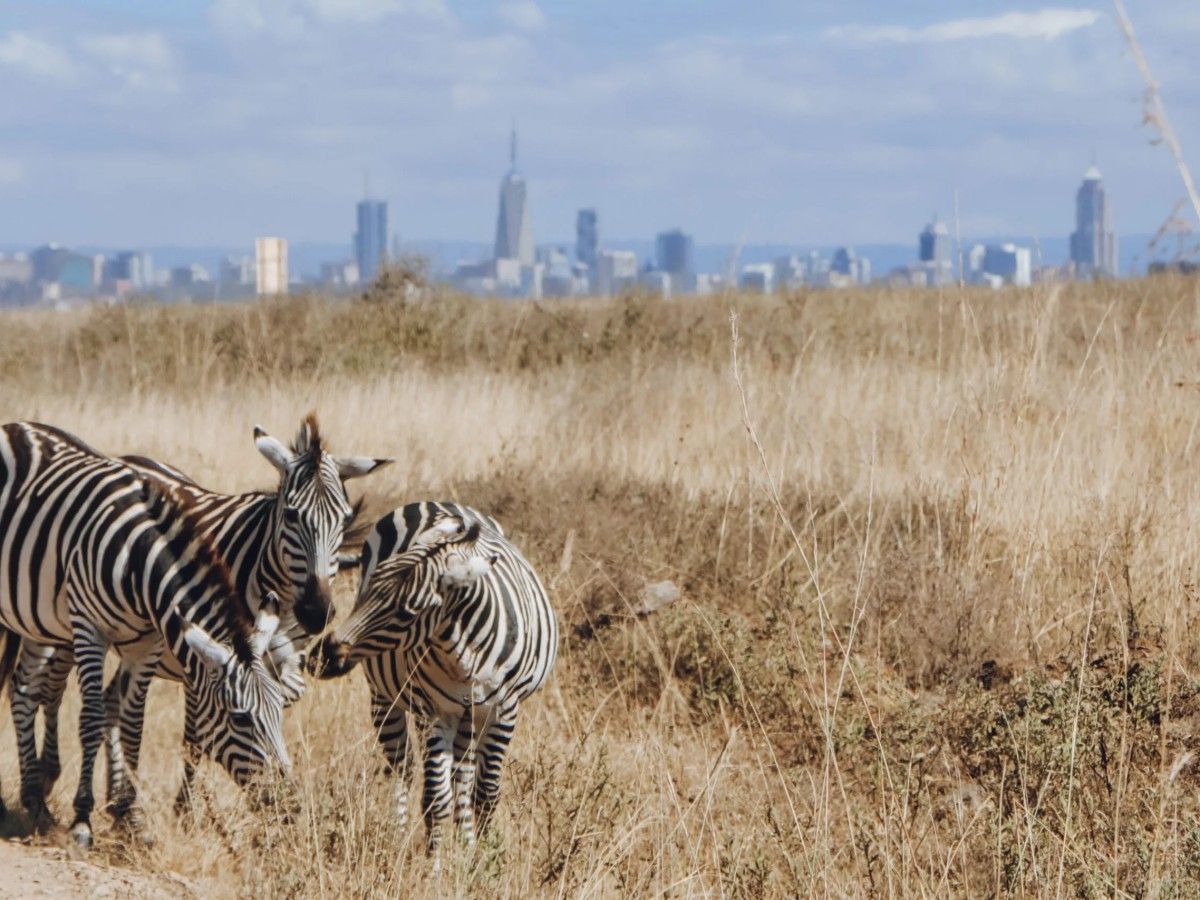
Keep your personal belongings safe: During the tour, especially when parking to watch wild animals, be sure to lock the doors and windows of your vehicle and keep your valuables safe. Although there are security measures in the park, the flow of people is complicated. To prevent the loss or theft of items, tourists should always be vigilant. For example, devices such as cameras and mobile phones are not only of high value, but may also record precious travel photos and videos. Once lost, it will leave regrets for the trip.
Take good sun protection and mosquito prevention measures: Nairobi has a hot climate, strong sunshine, and strong ultraviolet radiation. Visitors need to carry and apply sunscreen, wear sunglasses and sun hats to protect their skin from sunburn. At the same time, the park is rich in vegetation and there are many mosquitoes, especially in areas near water sources. Prepare mosquito repellent spray, wear long sleeves and long pants, etc., which can effectively prevent mosquito bites and avoid infection with related diseases.
Respect local culture and customs: Kenya has a unique culture and customs, and local residents may live in the surrounding areas of the park. During the tour, tourists should respect local cultural traditions, religious beliefs and lifestyles. Avoid unnecessary misunderstandings or conflicts due to cultural differences, and interact with local residents in a friendly and inclusive manner.
When visiting Nairobi National Park, following these precautions will not only ensure your own safety, but also protect the park's ecological environment and wildlife, allowing this magical land to maintain its original appearance for a long time and bring unforgettable natural experiences to more tourists.