
Advertisement
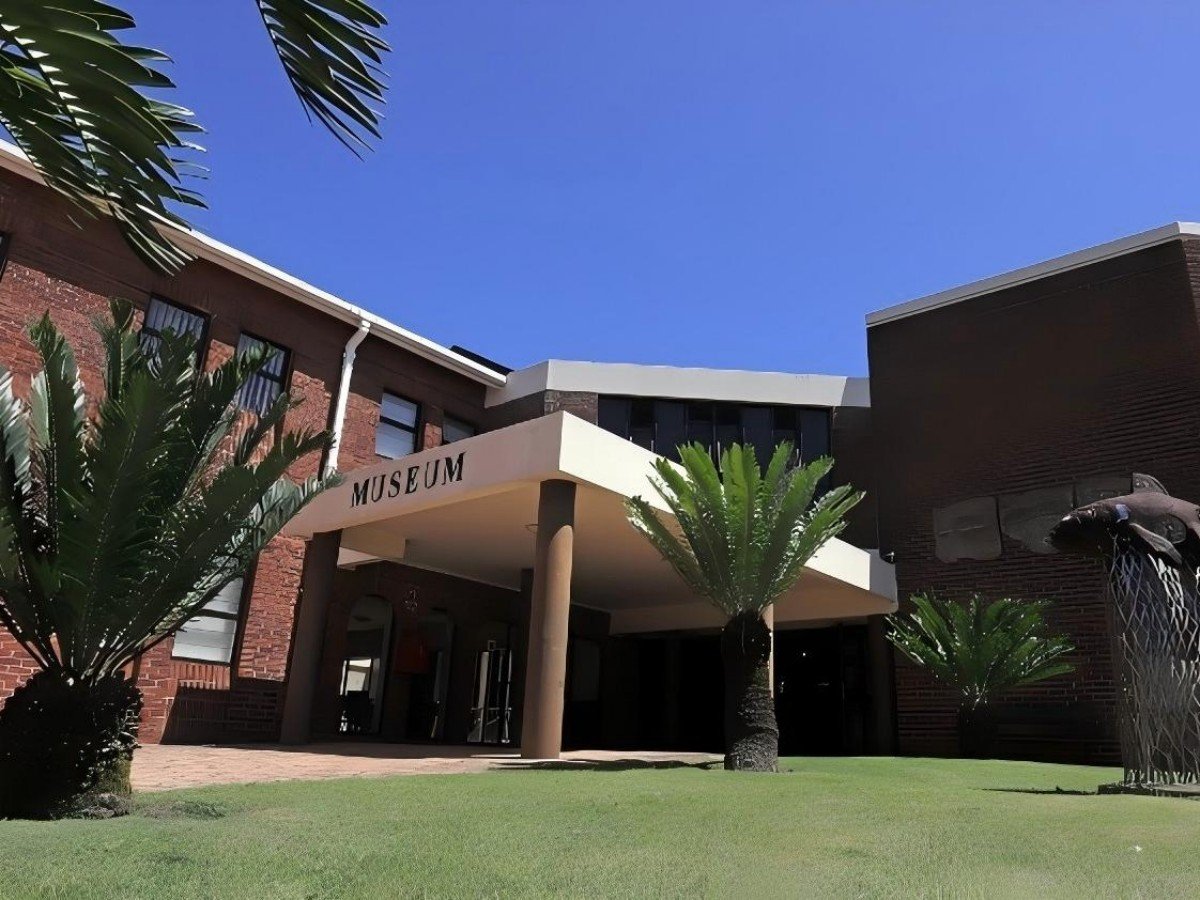
East London in South Africa is a coastal city full of history and natural wonders, and the East London Museum is the soul of this city. It not only houses a rich collection of cultural relics, but also a world-shaking discovery - Coelacanth, a "living fossil" that was once thought to have been extinct 65 million years ago, but was rediscovered in the waters near East London in 1938, completely rewriting the history of biology. Although this museum is small in scale, it can be called "small but exquisite". From prehistoric creatures to colonial history, from maritime legends to aboriginal culture, there are fascinating stories behind each exhibit. If you are interested in natural history, mysterious creatures or South African culture, this place is definitely worth a special visit. So, how to visit efficiently? Which exhibits are the most unmissable? What are the hidden cold knowledge? This guide will take you to find out!
Advertisement
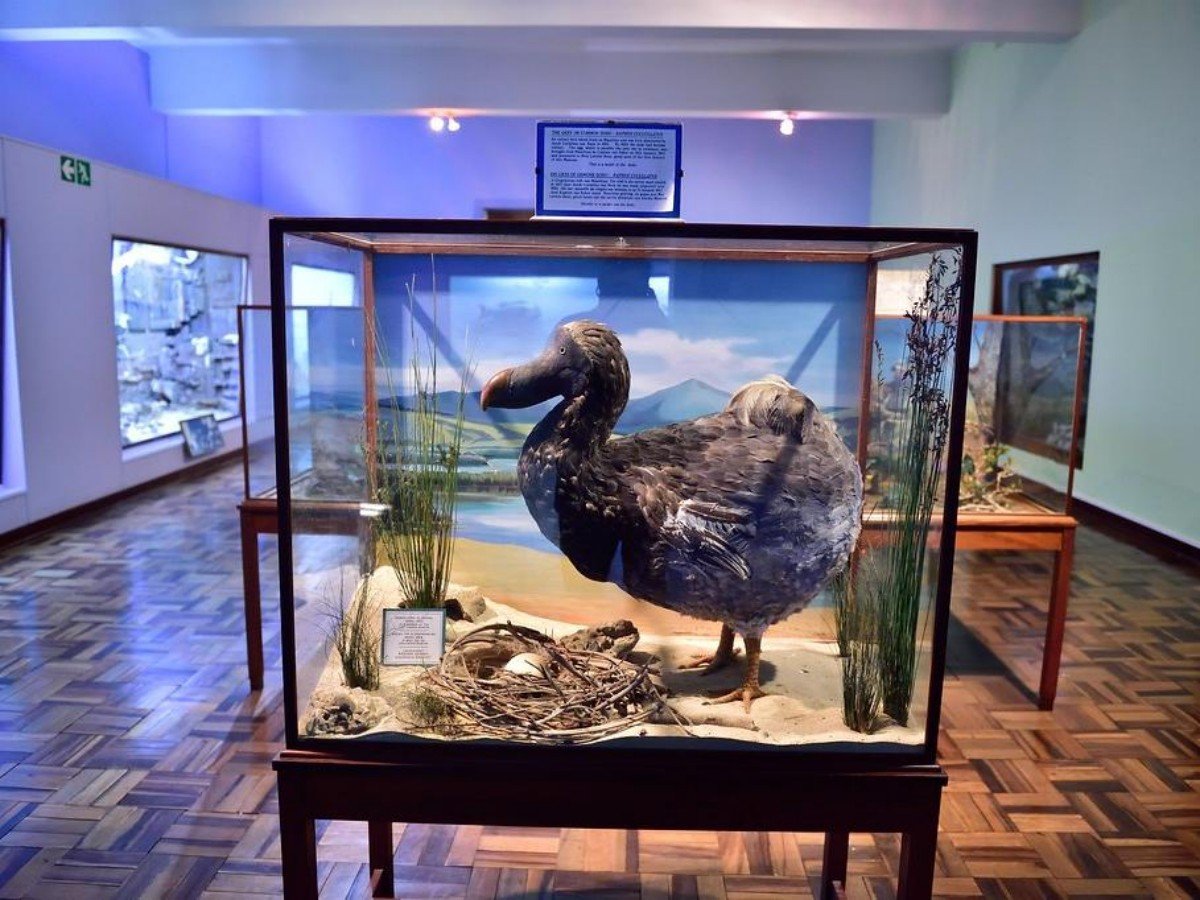
On December 22, 1938, a trawler caught a strange fish in the Chalumna River near East London - it had thick scales, fleshy fins and a strange blue sheen. The fisherman handed it to Marjorie Courtenay-Latimer, a young curator at a local museum, and she was keenly aware that this was no ordinary fish. After identification by scientists, the fish turned out to be a coelacanth, a prehistoric creature that was thought to have become extinct at the same time as the dinosaurs!
Advertisement
Today, the museum displays the coelacanth specimen (replica) that changed the history of science, as well as a detailed documentary about the discovery process. Even more exciting is that you can also see a real coelacanth embryo specimen and observe the physiological structure of this mysterious creature up close. It is said that only a few museums in the world have coelacanth specimens, and this one in East London is the one that rewrites biology textbooks!
Cold knowledge: The coelacanth is not "completely extinct" and still survives in the depths of the Indian Ocean, but it is extremely rare, so it is called the "unicorn of the ocean."
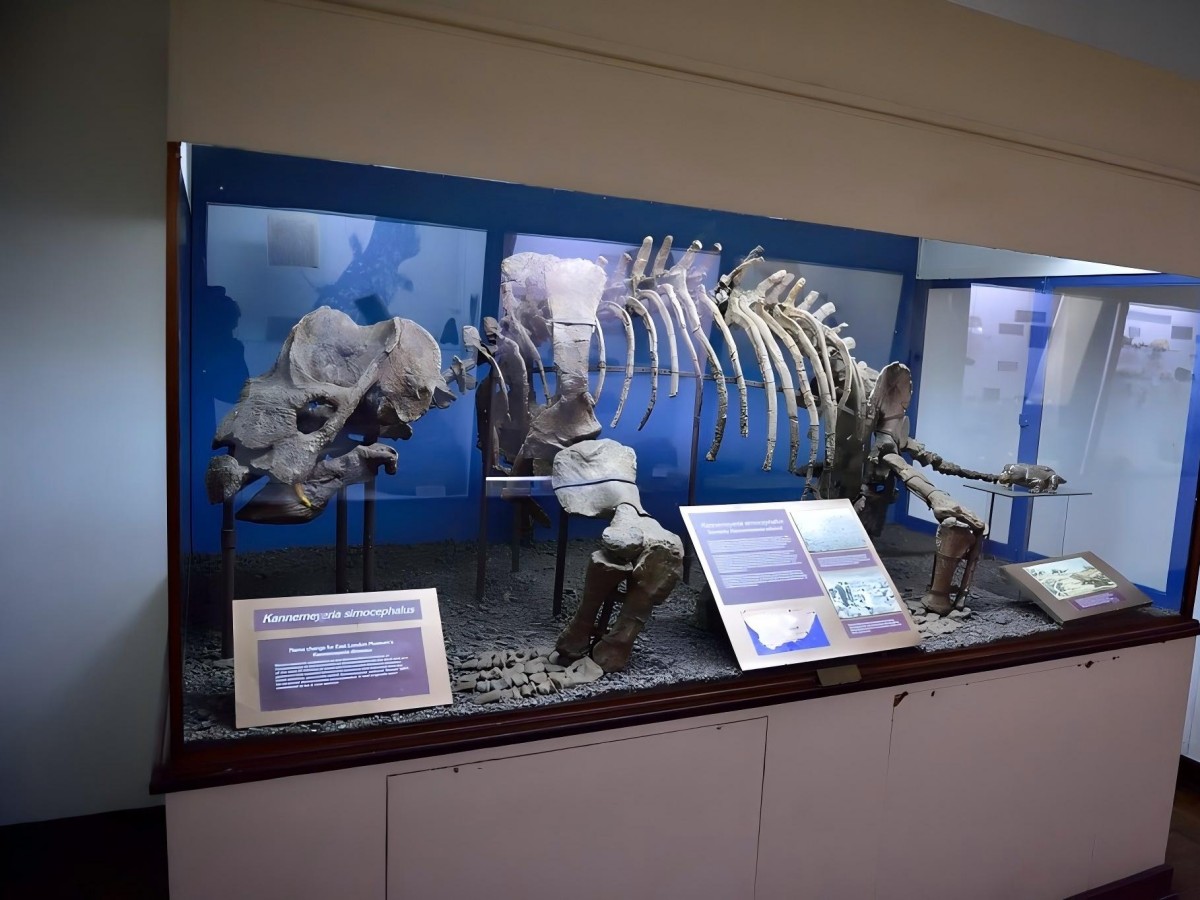
East London was once an important port city in South Africa, where countless ships docked or died, and the museum's maritime exhibition area records these thrilling stories. The most eye-catching of these is a group of precious artifacts from the SS Harlow shipwreck, a British steamship that sank off the coast of East London in a storm in 1908.
Advertisement
The exhibits include:
19th-century navigation instruments (compass, sextant), allowing you to feel the adventurous spirit of early navigators.
Some of the porcelain and silver salvaged from the shipwreck are still well preserved, and the glaze is as bright as new.
The crew's personal belongings, such as pocket watches, pipes, and even an unsent letter home, are heartbreaking.
In addition, the museum also exhibits the logbooks of early colonists, which record the storms they encountered on the east coast of South Africa, their contact with the indigenous people, and even some unsolved mysteries - for example, a captain claimed to have seen a "giant sea snake" in the nearby waters. Could it be an undiscovered deep-sea creature?
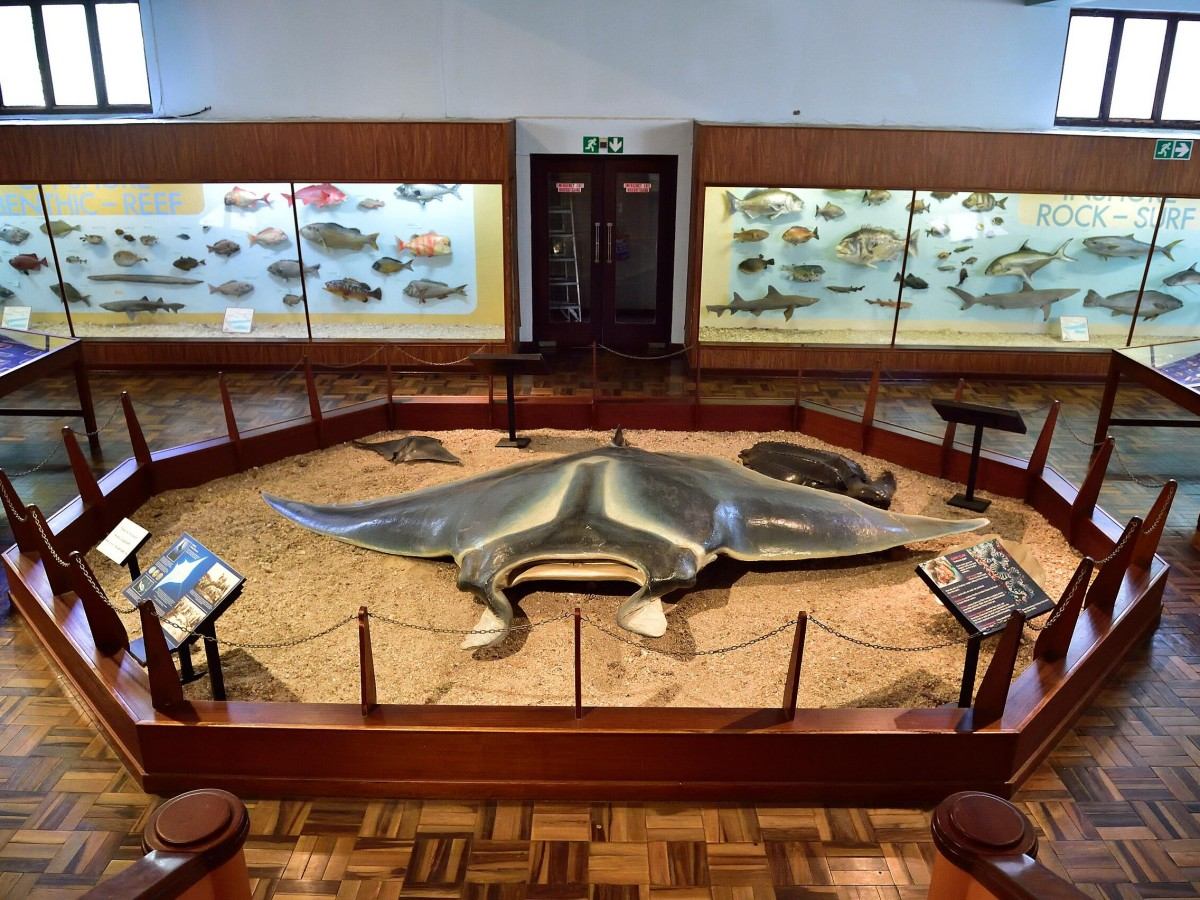
The Eastern Cape Province, where East London is located, is the traditional settlement of the Xhosa people, and the museum's ethnology exhibition area deeply displays their culture, beliefs and art. The most fascinating is a group of shaman instruments, including:
"Bone divination" tools - used to communicate with ancestral spirits.
Traditional herbal bags - containing mysterious plants, said to cure diseases or exorcise evil spirits.
Ceremony masks and dance costumes - colorful and full of primitive power.
There is also a rare "prophecy drum" collected here. It is said that before the "Xhosa Cattle-Killing Movement" in the 19th century, a shaman had beaten this drum to predict the coming of disaster. This period of history is intertwined with colonial aggression and religious fanaticism, and is one of the most tragic chapters in South African history.
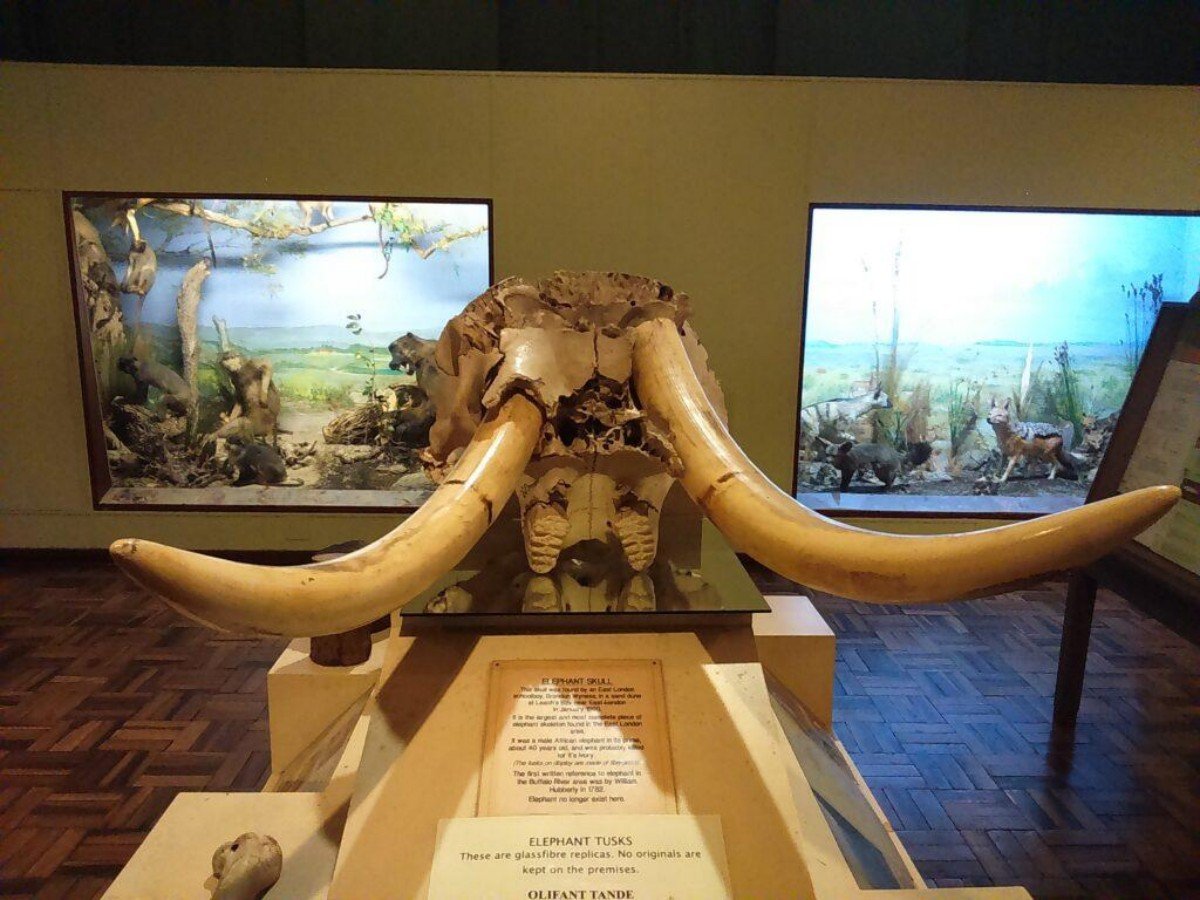
In addition to the coelacanth, the museum's paleontology exhibition area also displays many fossils of prehistoric creatures, including:
Dinosaur footprint fossils: found in the riverbed near East London, belonging to the giant sauropod dinosaur of the Jurassic period.
Extinct giant mammals: such as dire wolves and saber-toothed tigers, proving that South Africa was once a paradise for beasts.
Ancient human tools: including stone tools dating back about 100,000 years, revealing how early humans survived here.
The most interesting thing is that the museum also has an interactive sandbox where visitors can "dig" simulated fossils by hand and experience the fun of paleontologists.
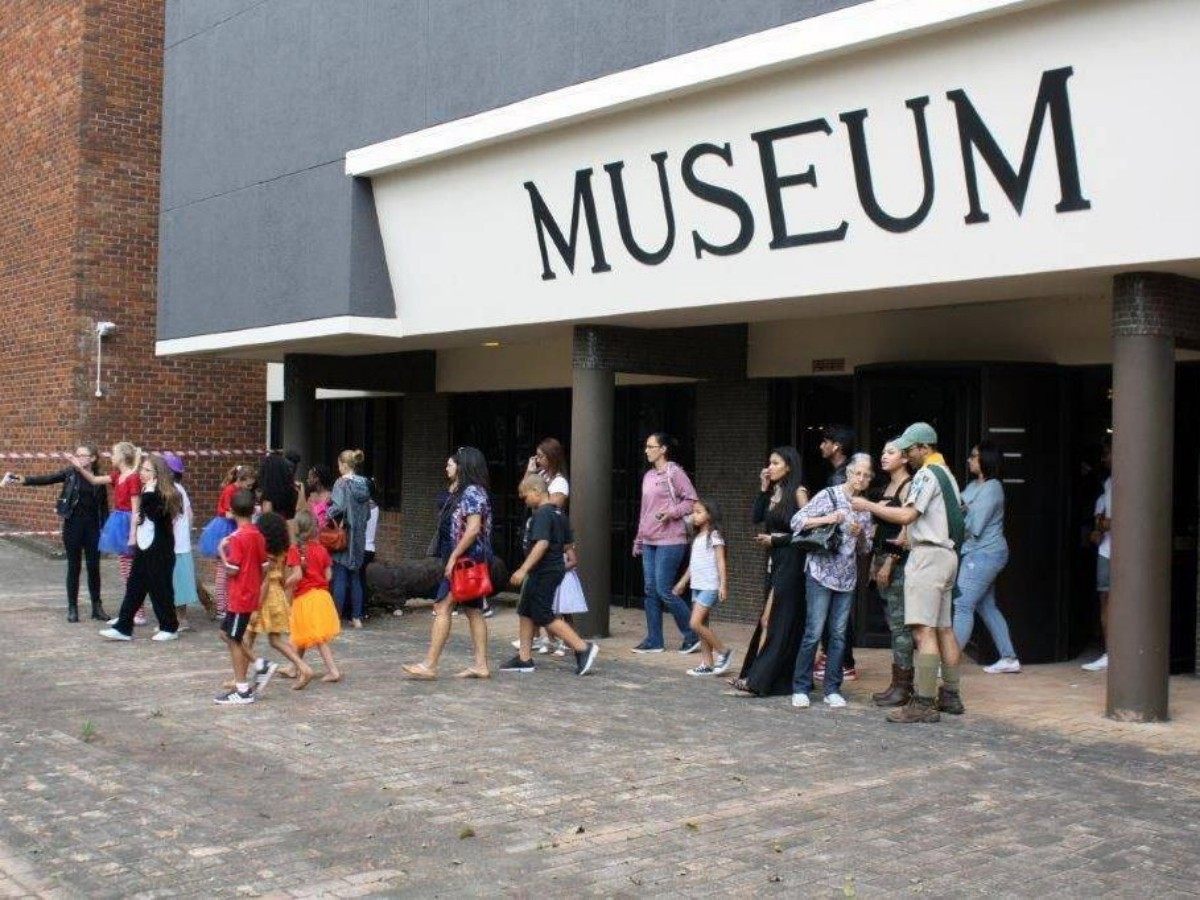
Address and Opening Hours
Address: 319 Oxford St, East London, 5201
Opening Hours: Monday to Friday 9:30–16:00, Saturday 9:00–12:00 (closed on Sunday)
Tickets: About 50 rand for adults (great value!), half price for children.
Transportation Suggestions
Walkable from the city center, or take a taxi by Uber/Bolt.
Self-driving tourists can park in the free parking lot next to the museum.
Tour Tips
Guided Tour Service: Free tours can be booked (it is recommended to confirm by email in advance).
Best Visiting Time: There are fewer people in the morning on weekdays, suitable for quiet viewing.
Nearby Food: There is an old cafe "Museum Café" opposite the museum. It is recommended to try the South African specialty milk pie (Melktert).
The East London Museum may not have the grandeur of international museums, but it makes every visitor feel the shock of history with its unique collections and legendary stories. Here, you can touch the "resurrected" fish from 300 million years ago, listen to the unfinished stories of the shipwreck, and even talk to the spirits of ancient shamans. If you come to East London, don't miss this hidden treasure - who knows? Maybe the next discovery that rewrites history is hidden in a display cabinet that has not yet been noticed.