
Advertisement
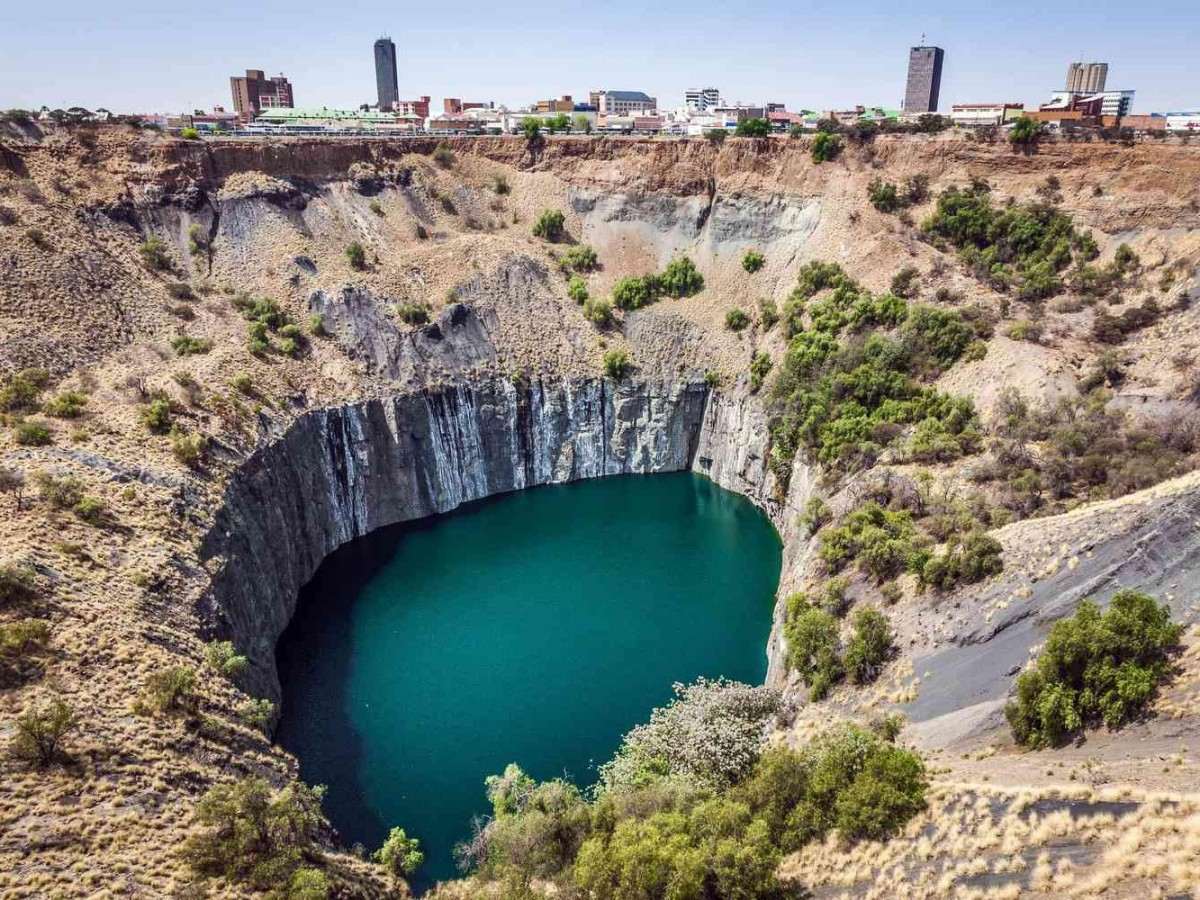
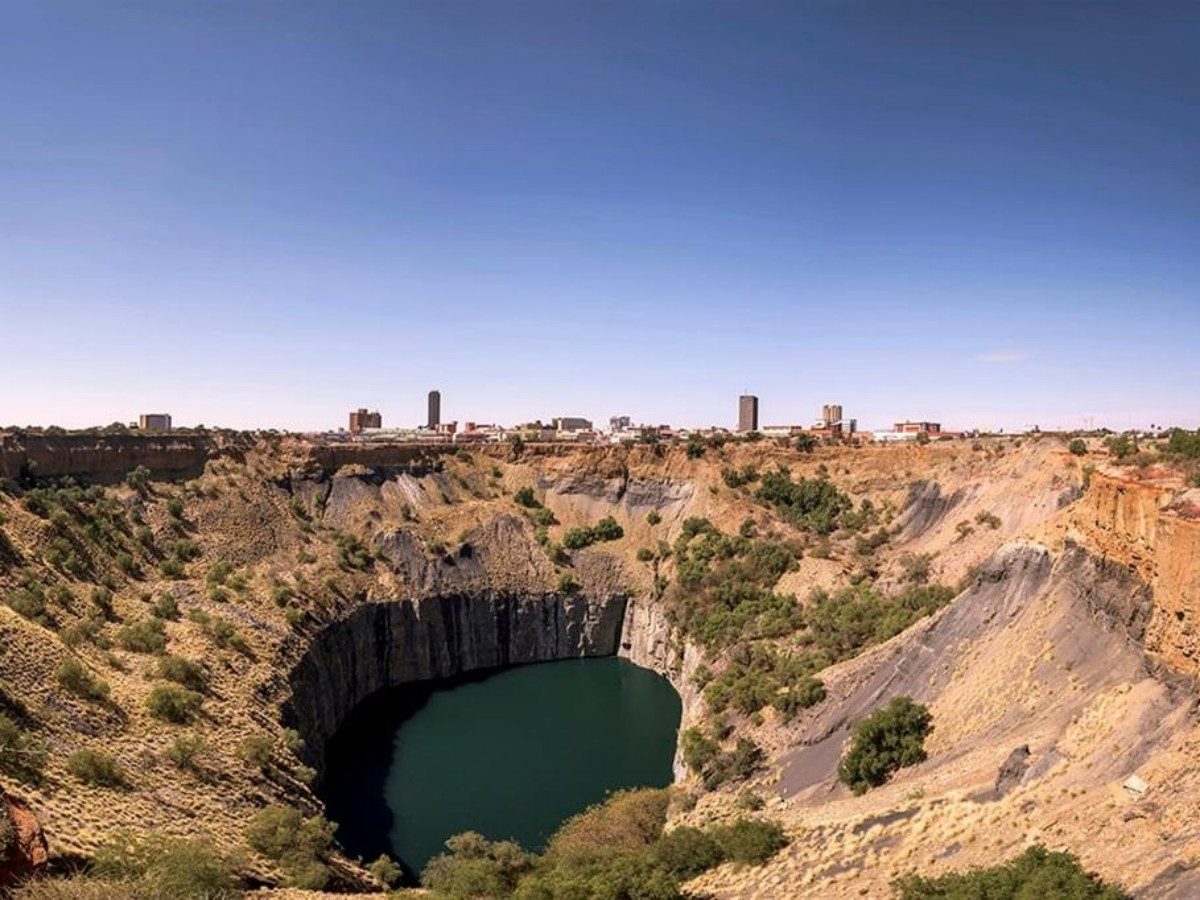
On the outskirts of East London, South Africa, there is a shocking giant pit hidden - The Big Hole. It is not formed naturally, but the product of the Diamond Rush in the 19th century. It is a mark of greed dug out of the earth's crust by humans using the most primitive tools - shovels, picks and flesh and blood. This giant pit, 240 meters deep and nearly 1.6 kilometers in circumference, was once the largest man-made mine in the world. At its peak, 50,000 miners sweated here every day just to find the diamond that could change their destiny. However, behind the brilliance of diamonds is a dark history of violence, deception, and colonial plunder - miners worked to death under the scorching sun, while a few became rich overnight, and more people were buried here. Today, The Big Hole is no longer mined, but it is still a legendary attraction. If you want to know: Can diamonds still be found here? How did the miners survive back then? Are there still undiscovered treasures deep underground? Well, this guide will take you deep into this "hole of human desire" and uncover its crazy past and secrets of sightseeing.
Advertisement
In 1866, a shepherd boy picked up a "beautiful stone" on the banks of the Orange River in South Africa - it was later confirmed to be the first diamond in South Africa, "Eureka". When the news came out, adventurers, speculators and desperadoes from all over the world flocked to the Kimberley rock formation near East London, which became a holy place for diamond diggers.
Advertisement
The madness of manual excavation
Initially, miners only used shovels and baskets to dig the soil, but as diamonds became more and more difficult to find, the pits were dug deeper and deeper.
At its peak, the mine transported 28,000 tons of soil every day, equivalent to the load of 3,000 trucks.
Due to the lack of machinery, miners used rope ladders and wooden elevators to go down to the bottom of the pit hundreds of meters deep, and they would fall to their death if they were not careful.
The transaction of diamonds and blood
Diamond mining gave birth to the "blue book system" - miners were searched every day and even forced to take laxatives to prevent them from swallowing diamonds and smuggling them.
The mine owners monopolized the trade, and ordinary miners could not sell the diamonds at a high price, and many people eventually became "indentured slaves".
In 1888, the mine was controlled by Cecil Rhodes' De Beers, laying the foundation for the global diamond monopoly.
Cold knowledge: The Big Hole has dug out a total of 2,722 kilograms of diamonds, but on average only 0.5 carats can be extracted from each ton of soil - harder than winning the lottery.
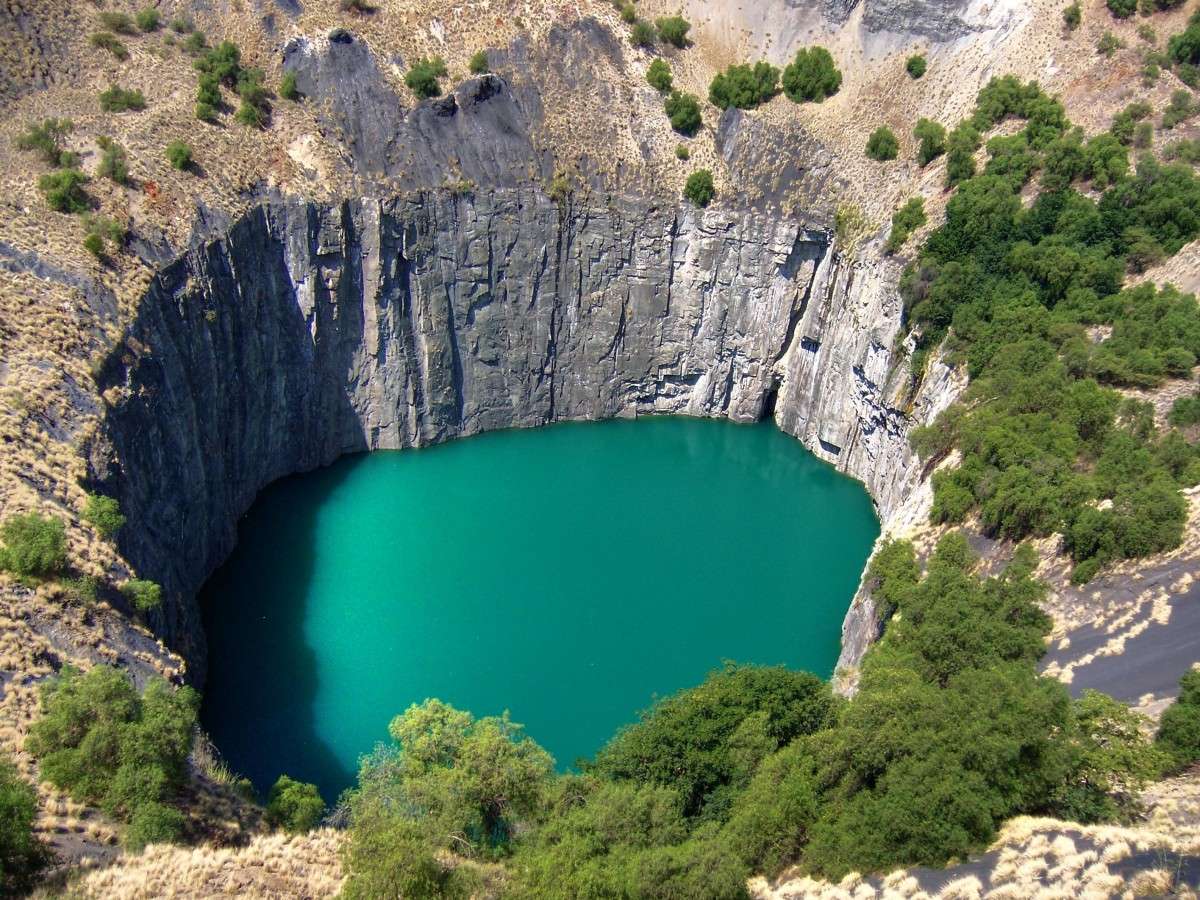
Today, The Big Hole has become an open-air museum, but its shock has not diminished at all.
Advertisement
Observation Deck and Underground Experience
"Edge Trail": Standing on the edge of the pit and looking down, the bottomless giant hole makes people dizzy, as if you can still hear the sound of shovels in the 19th century.
Underground mine simulation: Put on a hard hat and experience how miners work in 40-degree heat underground, and even see the original drilling tools of the year.
Diamond Showroom: Here are replicas of diamonds unearthed from the mine, including the original stone model of the "Star of Africa" (the real one is now the British royal jewel).
Can you still find diamonds?
The official answer is "impossible", but the visitor center offers a diamond panning experience - sifting through simulated ore sand, if you are lucky, you can take away a small crystal (although it is not a real diamond).
Tips: If you want to increase the probability of "winning", choose to go after the rain, the water will wash out more sparkling gravel.
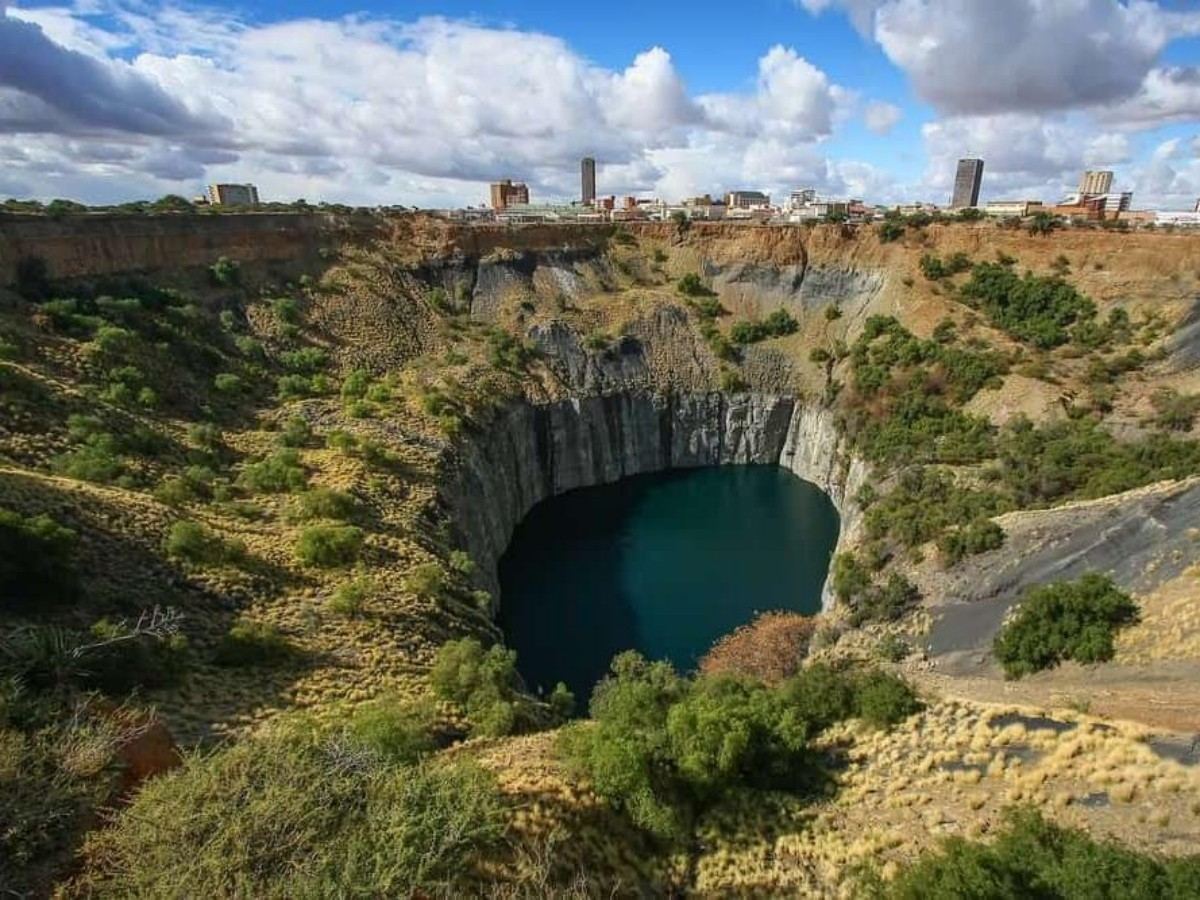
The Big Hole is not only an industrial miracle, but also a hotspot for dark tourism.
Mine Accidents and "Curse" Legends
In 1896, a landslide buried more than 200 miners alive, and their bodies have not been dug up to this day. During the night tour, the tour guide will tell the supernatural story of "crying at the bottom of the pit".
It is said that someone stole diamond samples from the museum, but suffered a car accident and bankruptcy, and finally sent them back anonymously with a confession letter.
Undiscovered treasure?
There are rumors that the "diamond box that Rhodes did not transport" is still hidden in the deepest part of the mine, but De Beers denies this. However, in 2010, a geologist discovered a new diamond vein in the nearby rock formation, triggering a small-scale exploration boom.
Address and time
Address: Tucker St, Kimberley (near East London, 2 hours drive)
Opening hours: 8:00-17:00 (last admission 16:00)
Tickets: 150 rand for adults, half price for children (including mine experience)
Transportation suggestions
Self-driving: Drive north along N6 from East London, the road conditions are good.
Group tour: There are many travel agencies in East London that offer a one-day tour of the "Diamond Route", including explanations and lunch.
Notes
Don't wear slippers: There are no guardrails on the edge of the pit, and there are many gravels on the ground.
Be careful of the "free diamond" scam: There are often vendors selling "real diamonds" nearby, which are actually glass or crystal.
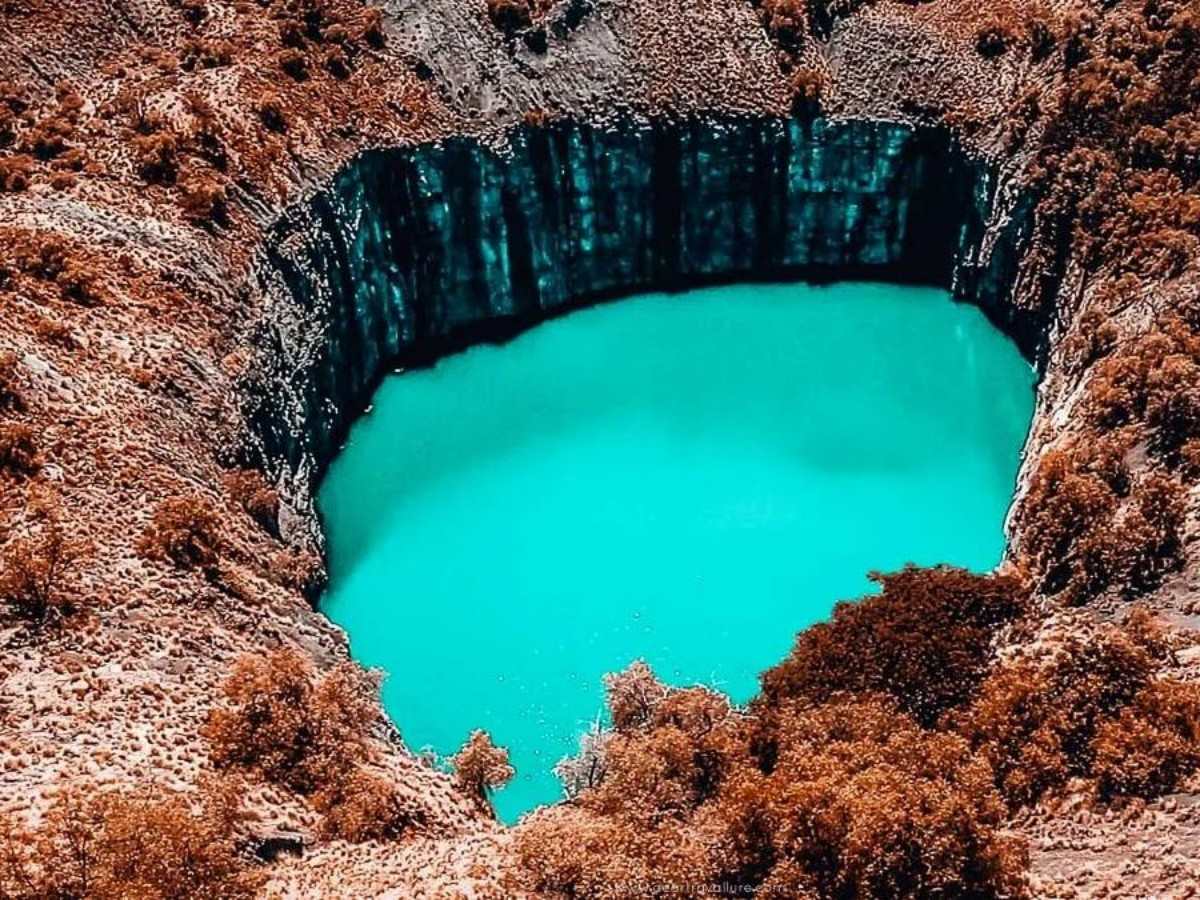
Best shooting point: Northwest corner of the viewing platform, in the afternoon, you can shoot the depth of the giant pit.
Standing on the edge of The Big Hole, you can't help but think: to what extent can humans go for desire? This giant pit is a wonder of the industrial age and a scar of colonial plunder. It has witnessed the despair of countless people and also spawned a diamond empire like De Beers.
Today, when tourists take pictures at the bottom of the pit or buy glittering artificial diamonds in gift shops, perhaps few people remember that behind every real diamond, there was blood and sweat. The significance of The Big Hole is that it reminds us that some abysses are dug by human hands. If you come to East London, you might as well spend a day visiting this "hole of desire". After all, there is no other place in the world that can show so nakedly: when wealth and madness are intertwined, what miracles and tragedies can human beings create.