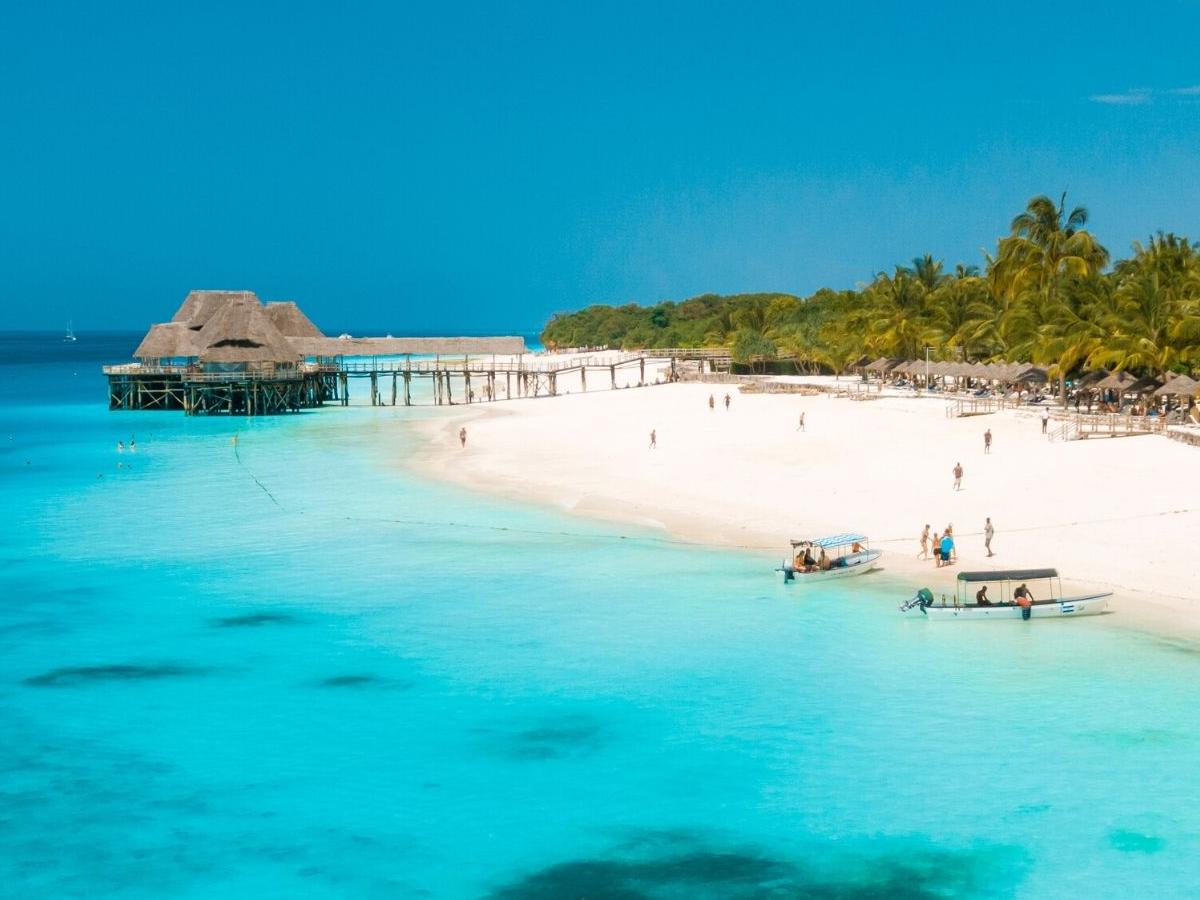
Sink your toes into the white sand, the turquoise waves of the Indian Ocean roll gently beneath your feet, and the air is filled with the scent of grilled seafood and salty sea air. Behind you, a group of children are laughing and kicking a makeshift soccer ball, their joy infectious. To your right, fishermen are returning from the sea in their traditional sailing boats, their sails glistening in the golden light of the setting sun. Welcome to Nungwi Beach, where the ocean is not just a beautiful backdrop, but the lifeblood of the community - Nungwi Beach is alive! Overflowing with the rhythm of the ocean, the warmth of the people and deep-rooted traditions, it is one of the most enchanting places in Zanzibar. Truly immerse yourself in Tanzania's beach life, then head out - you're about to discover a world where the sea, the beach and the people are one!
Advertisement
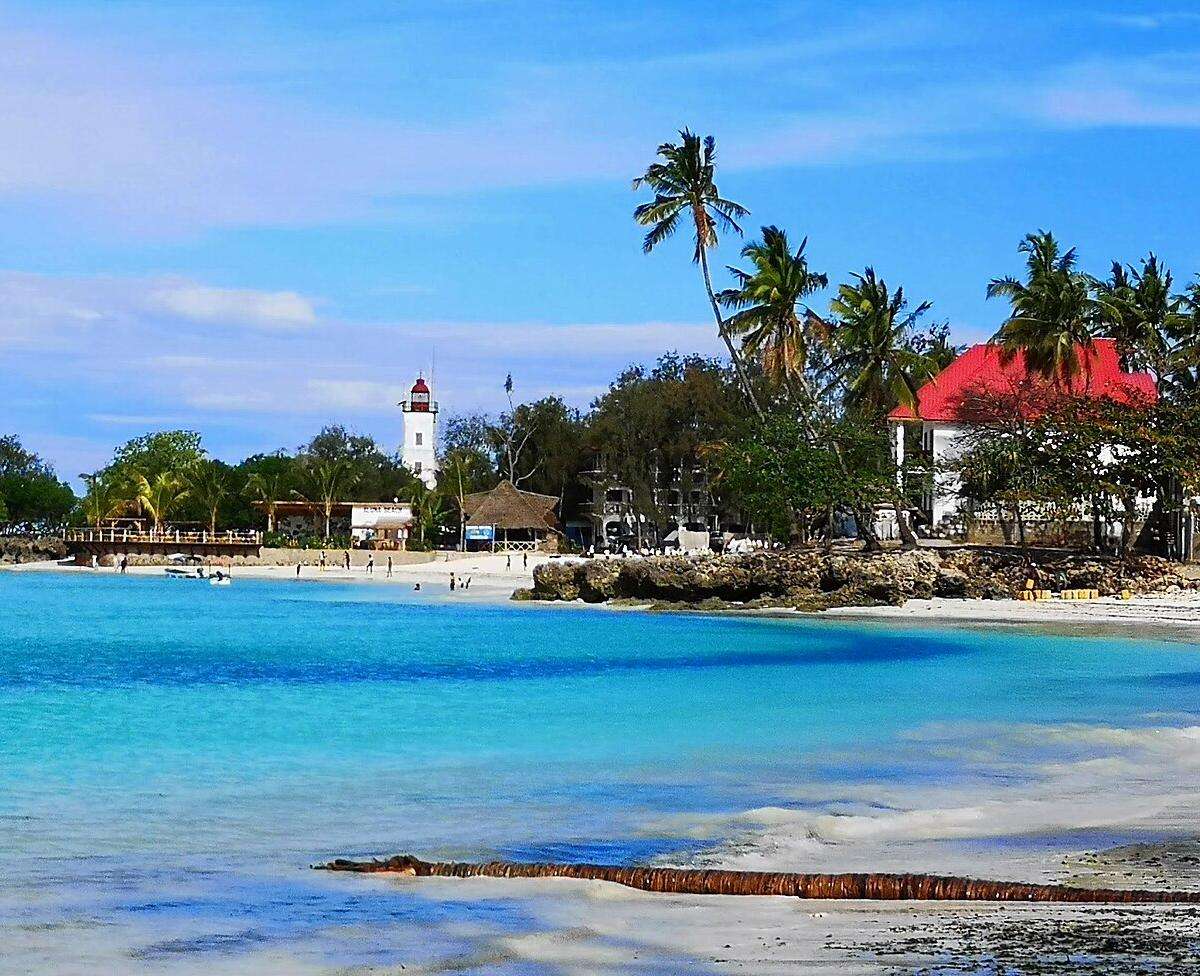
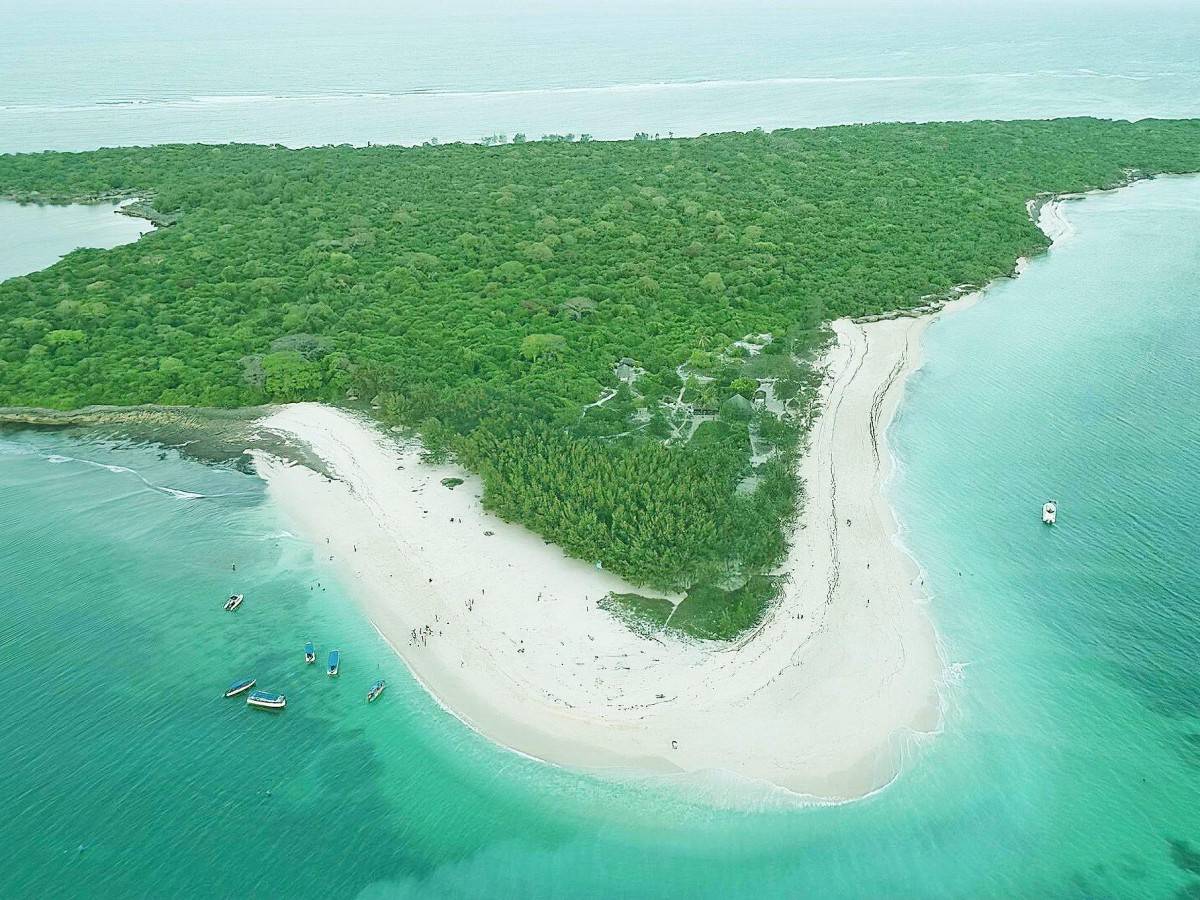
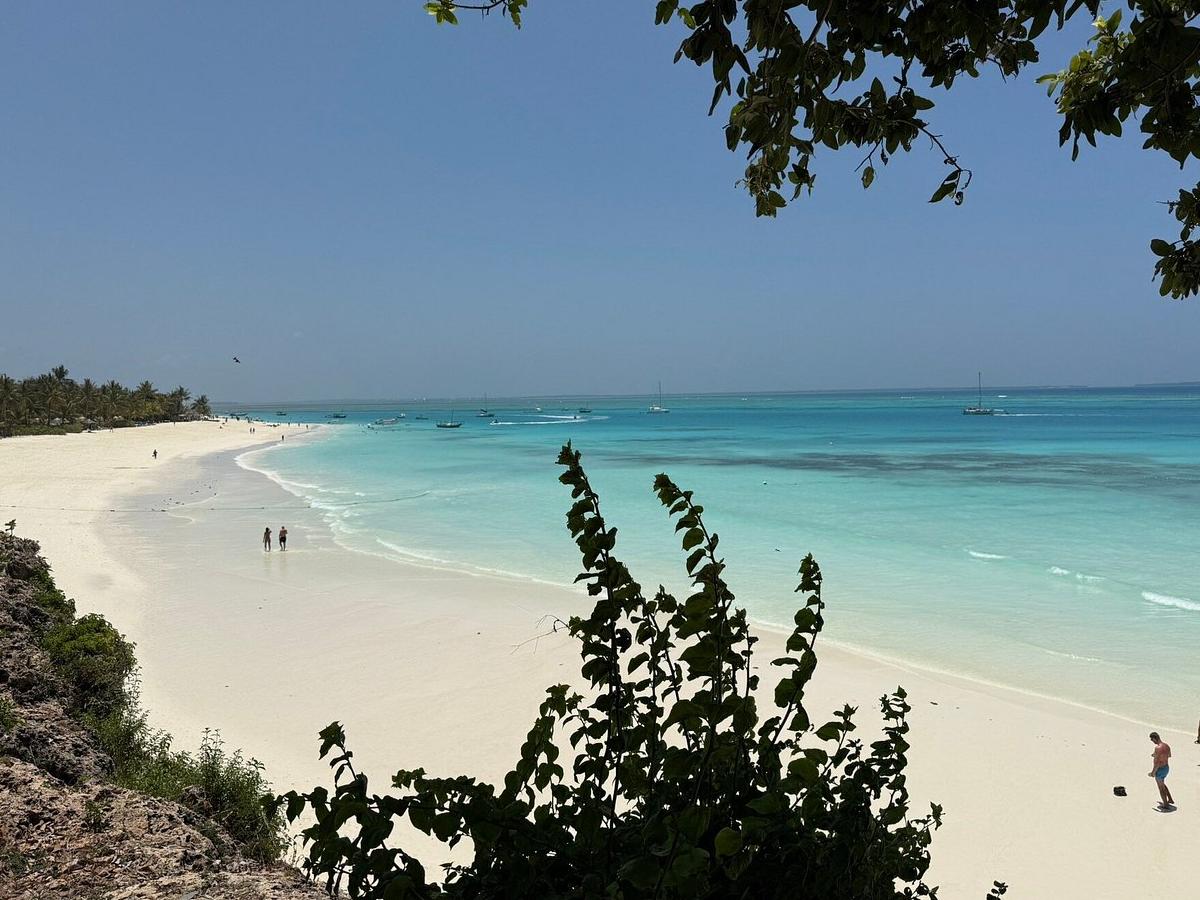
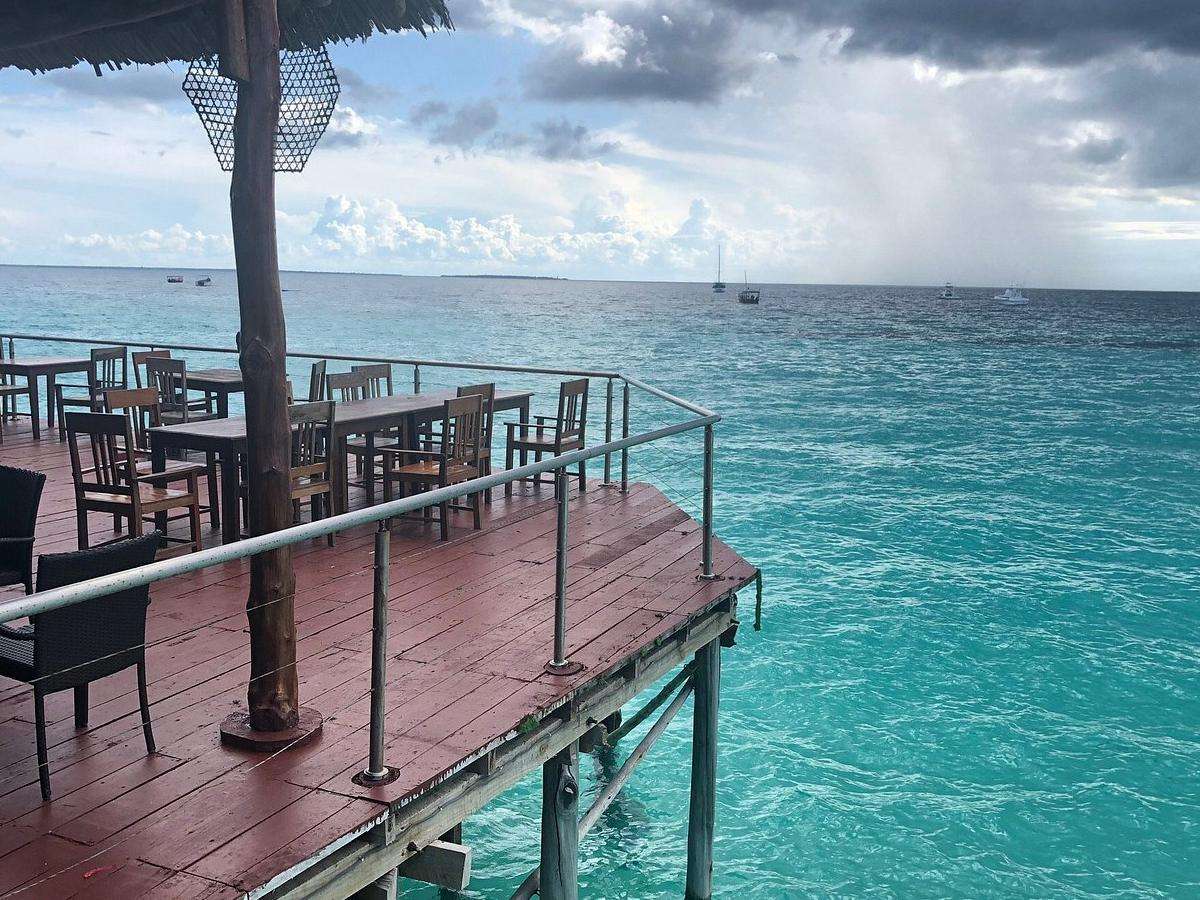
Where exactly is Nungwi Beach? You'll find this slice of paradise at the northern tip of Zanziba, an island off the coast of Tanzania known for its exceptional spice markets, historic stone towns and ridiculously beautiful beaches. Honestly, there are more beaches in Zanzibar than you can count, so why is Nungwi Beach so special? Because unlike most of Zanzibar's east coast, where the tides play the annoying game of “now you see me, now you don't see me” along the shoreline, Nungwi Beach has waters that are always perfect for swimming, no disappearing oceans, no endless stretches of exposed seabed - just clear, warm, perfect aquamarine color.Nungwi Beach is more than just the beach, the people, the culture, the stories are interwoven in every dhow, every bazaar, every beat of traditional Tarabu music. You're not just visiting a destination, you're visiting a way of life.
Advertisement
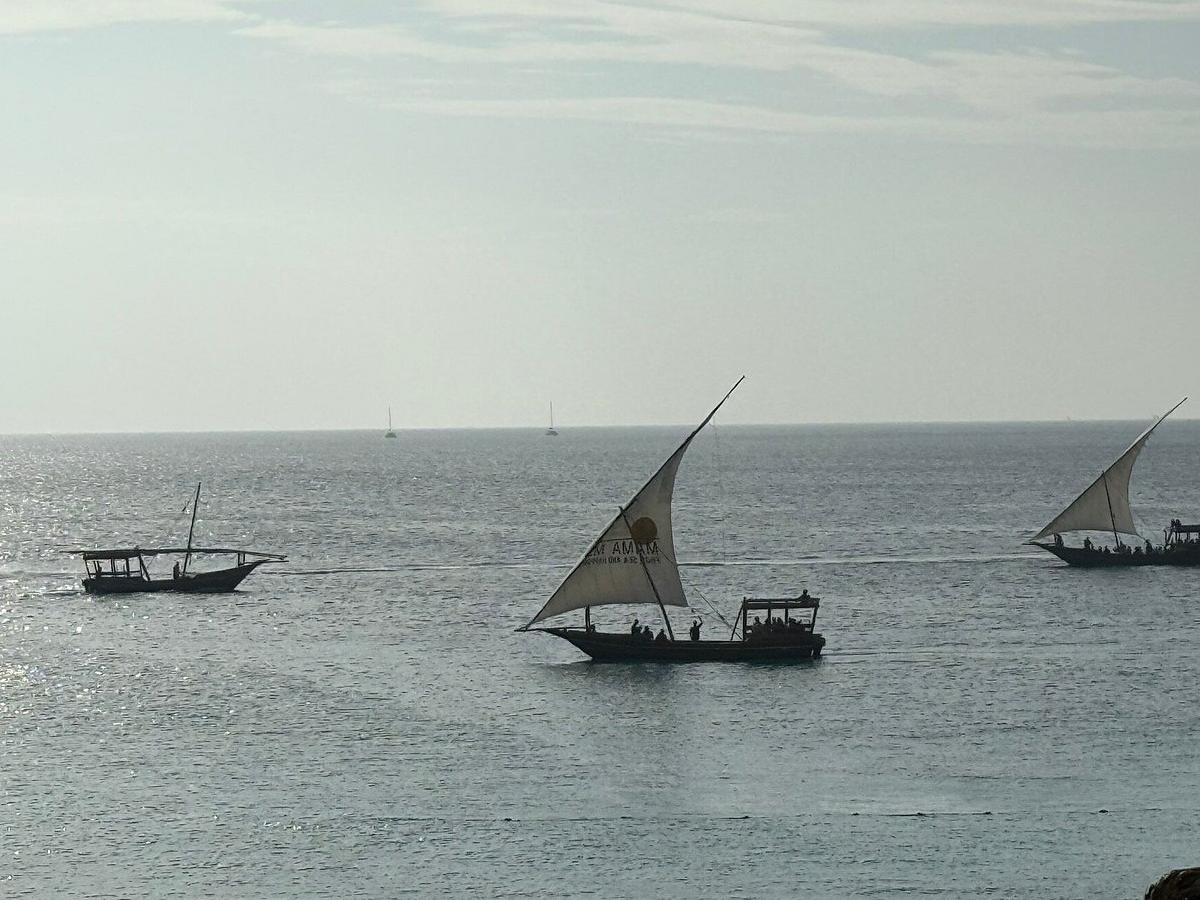
Before the sun has fully risen, the area is already bustling with activity. Fishermen are preparing to head out to sea, filling their wooden dhows with nets, bait, and steely determination. These are no ordinary boats - canoeing is an art form. These elegant dhows are a source of pride for the community. They're not just used for fishing - dhows are also used for trade, transportation, and frankly, for tourists like you to take boat trips at sunset. Fishing is serious business here. Fishermen spend hours at sea, braving the waves and battling the unpredictable weather to catch their catch with years of experience and skill. When they return, the real miracle begins - the fish market!
Advertisement
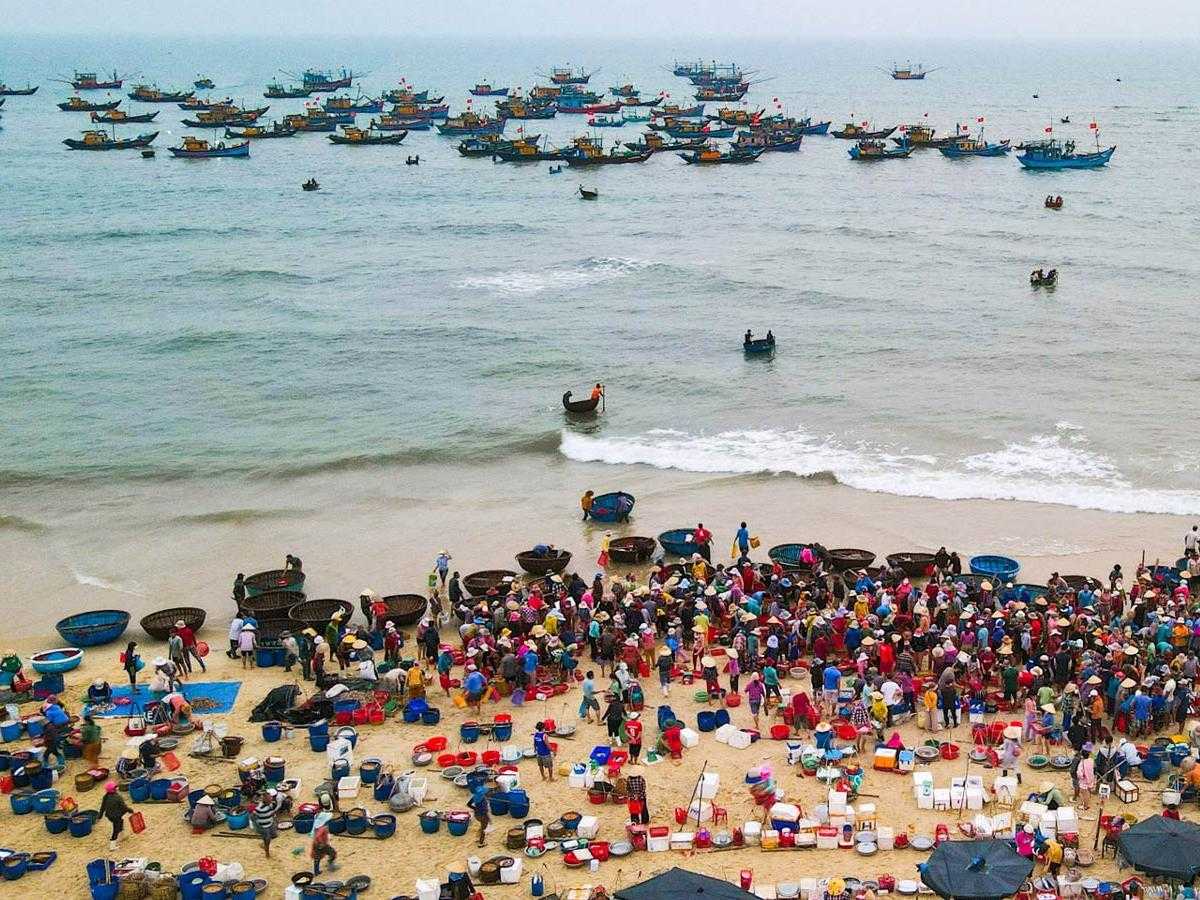
Buck up, because the Nungwi Fish Market is not for the faint of heart. It's noisy, chaotic and absolutely incredible. Fishermen proudly display their fresh catches - huge tuna, shiny red snapper, giant octopus with curly tentacles, and even the occasional “mystery fish” that no one can quite identify, but looks delicious nonetheless. Buyers - locals, restaurateurs, maybe even some curious tourists - haggle fiercely, waving their hands and shouting prices, and if you can't haggle? You'll be screwed! The best part? Once the deal is done, it's time for the barbecue. Spiced seafood skewers, coconut curry and smoky grilled lobster drizzled with garlic butter begin to sizzle at nearby stalls. It's not just a market, it's a feast, a show and a celebration.
The community here is predominantly Swahili, heavily influenced by Arab, Persian and even Indian cultures. The result? Here, ancient traditions blend perfectly with the modern world. As soon as you arrive, you'll notice something: the Ngwe people love to chat. Whether it's a fisherman sharing wild stories about sea monsters, a hawker teaching you to say “asante” (thank you) in Swahili, or a group of children asking you where you're from with the biggest smiles - you'll never feel like an outsider.Nungwi is full of Taarab beats - African drum rhythms, hypnotic combination of Arabic melodies and poetic Swahili lyrics that tell stories of love, adventure and life by the sea. If you're lucky, you might stumble upon an impromptu beachside show, where locals dance and move with fluidity and infectious joy. Good luck resisting the urge to join in!
While the men are out fishing, the women of Nongwe perform on land. They weave beautiful coconut leaf baskets, dry seaweed for use in the production of Zanzibar's famous beauty products, and they build their own businesses in the booming seaweed farming industry. Seaweed is big business here! Women farm seaweed in shallow waters, dry it and sell it for everything from cosmetics to health products. It's a sustainable business that empowers people and is an important part of Nungwi's economy. If you want to see for yourself, many of the women like to share their stories. Take a walk around the village and you might be invited into a home for a Swahili cooking class, a seaweed soap-making demonstration or - if you're really lucky - a taste of homemade coconut bread baked straight from the fire.
As the sun begins to fall into the horizon, Nungwi Beach changes. Fishermen return, their dhows gleaming in the haze. Lanterns at beachfront restaurants light up, casting a golden glow over tables piled high with fresh seafood and Zanzibar's famous fragrant rice.Nungwi Beach is more than a place, it's an experience. It's the smell of salt and spices in the air. It's the sounds of the ocean intertwined with songs and laughter. It's the thrill of stepping into an authentic working fishing village where life revolves around the tides, where the community is warm and welcoming, and where the culture is as deep as the ocean itself.