In the historical map of Tunisia, Hammamet Fortress is like a bright pearl, exuding a unique charm. It is located in the charming seaside city of Hammamet, although located outside Sousse, with its own deep history and unique architectural features, attracting tourists from all over the world to come, becoming a high-profile must-visit historical site.
Advertisement
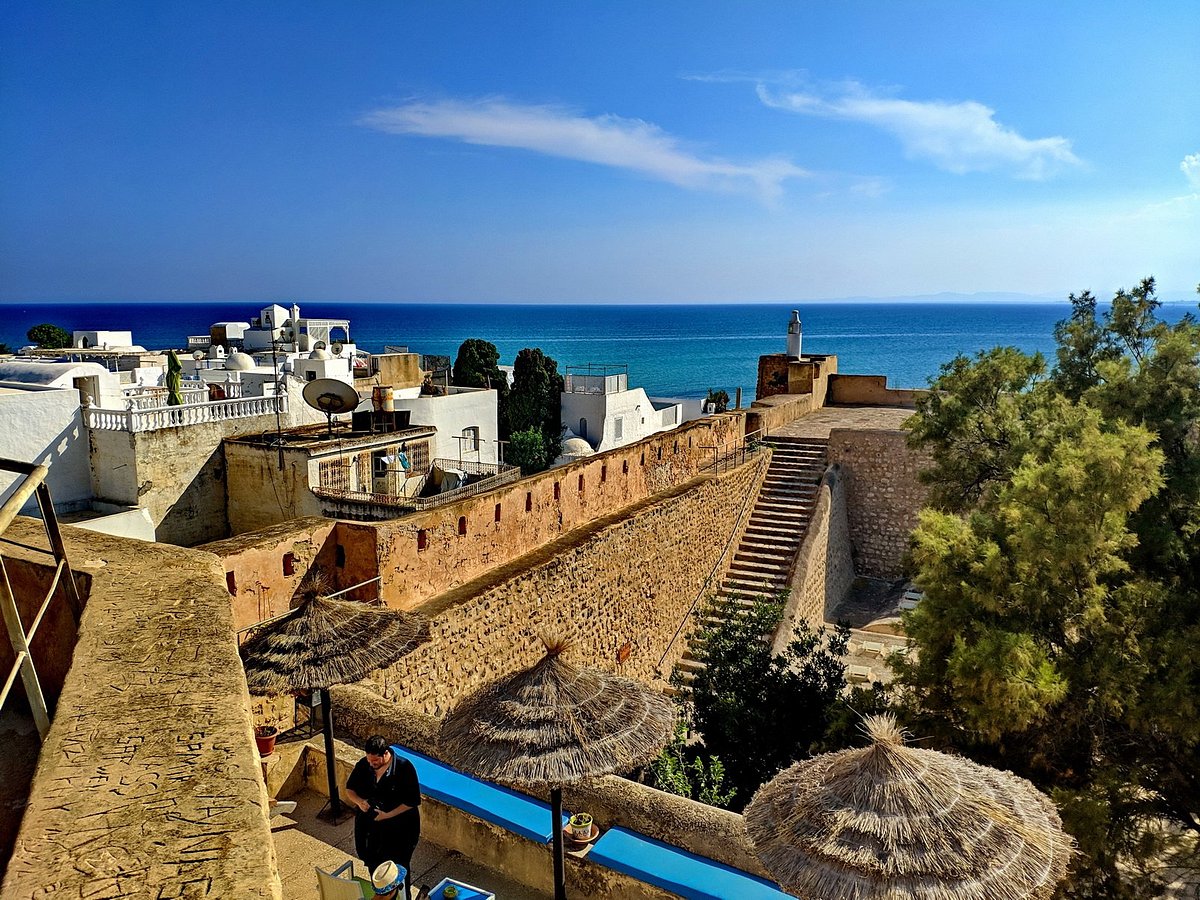
Hammamet Fortress was built in the 13th century on the orders of the Hafsi dynasty, which ruled Tunisia at the time. In those turbulent times, the fort was built to defend Hammamet against foreign invasion. During the Hafsi dynasty, Tunisia ushered in a period of relative prosperity, with notable achievements in the fields of culture, art and architecture, and Hammamet Fortress is an outstanding representative of this period. Over time, the fort has been renovated and expanded many times, and rulers of different historical periods have left their unique marks on it. During the Ottoman period, the fort's defenses were further strengthened to make it stronger and more complete. It has witnessed the smoke of countless wars and the dawn of peace, carrying the historical memory of Hammamet and Tunisia, like a silent guardian, silently guarding this land.
Advertisement
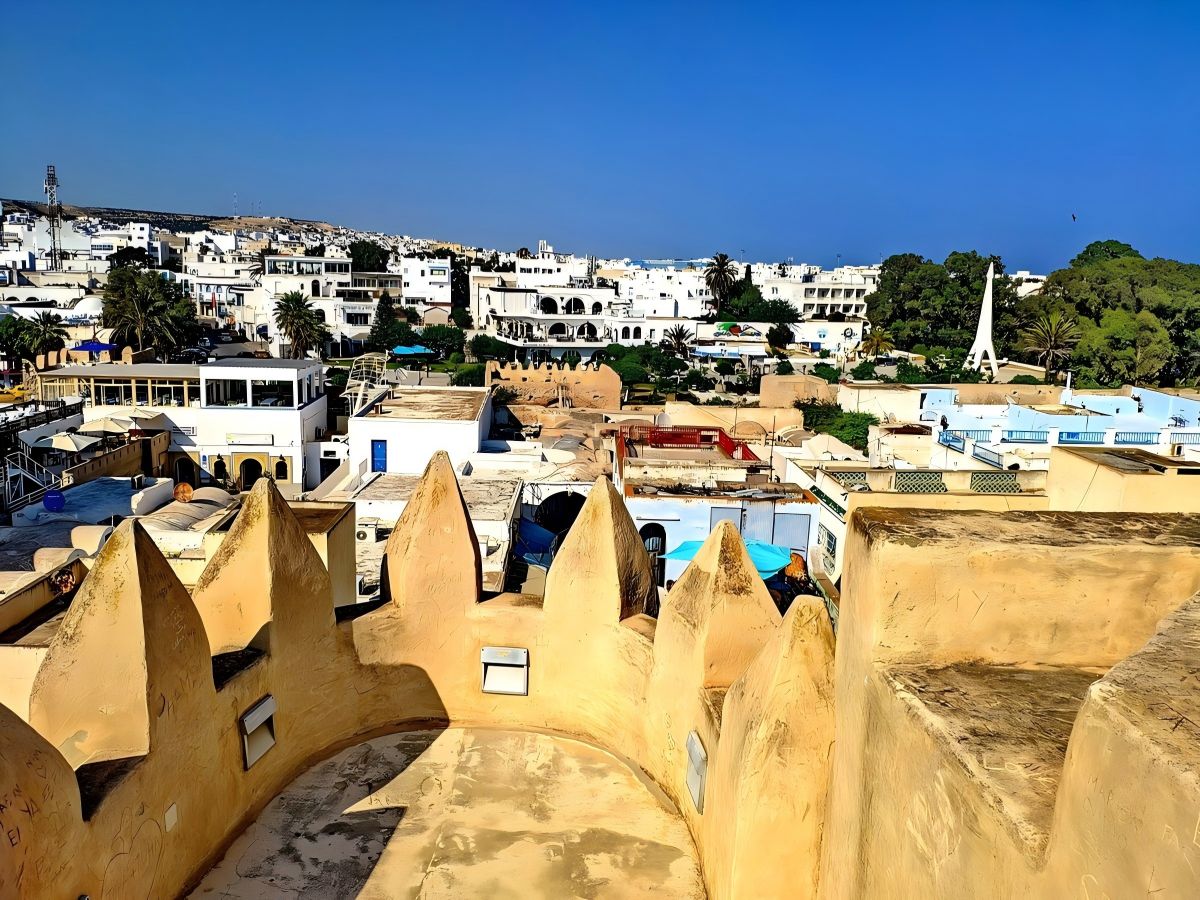
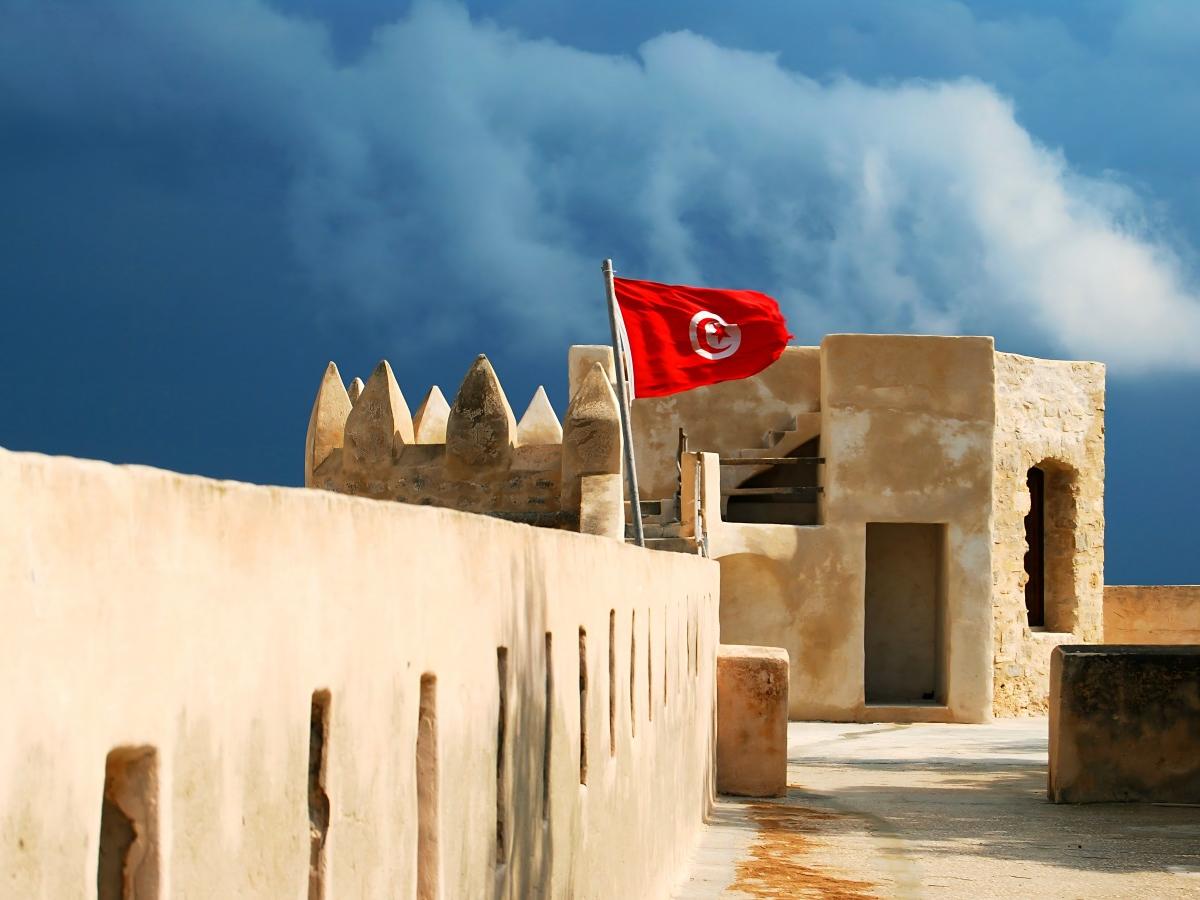
Strong defense system: Hammamet Fortress is known for its strong defense system. The walls of the fort were tall and thick, made of huge blocks of stone that had been carefully polished and fitted together as solid as a rock. The city wall is several kilometers in circumference and has several watchtowers and archeries, forming a tight defensive network. Watchtowers soar into the sky, from which soldiers can look out on the movement around them and spot the enemy's tracks in time. The archery tower provides archers with a good shooting position and can effectively strike the incoming enemy. At the bottom of the wall, there is also a moat, which is wide and deep, further enhancing the fort's defensive capability.
Advertisement
Unique Islamic style: The architectural style of the fort incorporates strong Islamic elements. The design of crenellations, arches and Windows on the wall all show the unique aesthetic concept of Islamic architecture. The crenel is jagged, which not only has a defensive function, but also adds a sense of majesty to the city wall. The arches are beautifully shaped, often in the shape of horseshoes or pointed arches, and decorated with exquisite geometric patterns and Arabic calligraphy, reflecting the extreme pursuit of detail in Islamic art. The Windows are distributed on the wall in a small and exquisite form, which ensures the internal lighting and ventilation without losing the defensive function. These Islamic architectural elements blend together to give the fort a dignified and elegant quality.
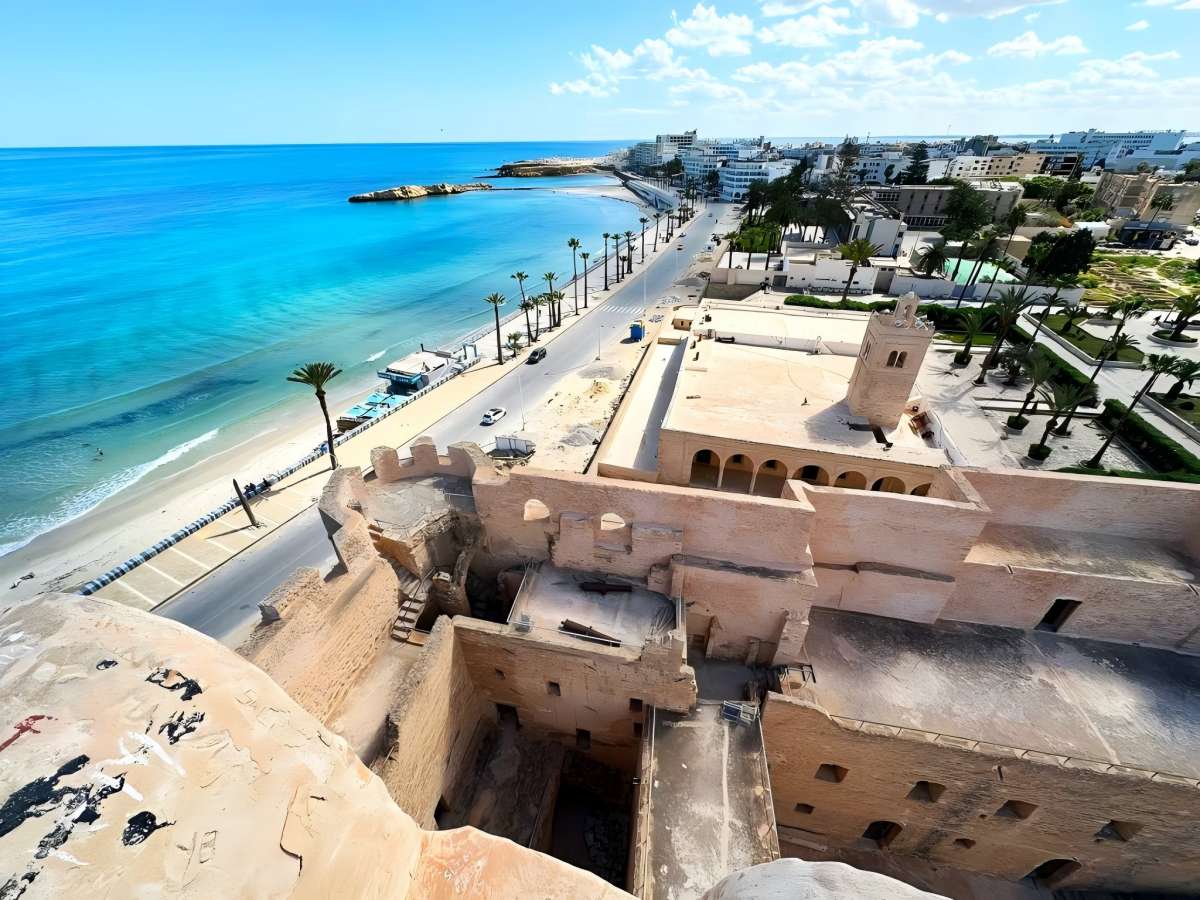
Military facilities: Entering the interior of the fort, the first thing you see is a series of military facilities. The barracks were arranged neatly, providing the soldiers with places to live and rest. The interior of the barracks is spacious, well-ventilated and well-equipped. In the vicinity of the barracks, there is a weapons depot, storing a variety of cold weapons era weapons, such as spears, swords, shields and so on. Although these weapons have undergone the baptism of time, they still emit a cold light, which makes people seem to be able to see the fierce scene of the war. In addition, there were stables inside the fort for keeping horses, ensuring that cavalry troops could be assembled quickly in case of war.
Living areas: In addition to military facilities, there are also living areas within the fort. There are kitchens, Wells and other essential facilities. Kitchen space is large, equipped with stoves, chimneys and other equipment, can meet the dietary needs of a large number of personnel. The well is an important source of water in the fort, and the water in the well is clear and sweet, even if it is besieged during the war, it can ensure the basic domestic water for the personnel in the fort. In the living area, a number of small mosques can also be seen, providing a place for soldiers and residents to carry out religious activities. These mosques, although small in size, are equally architecturally exquisite, with their interiors decorated with exquisite tiles and Arabic calligraphy, showing respect for religious beliefs.
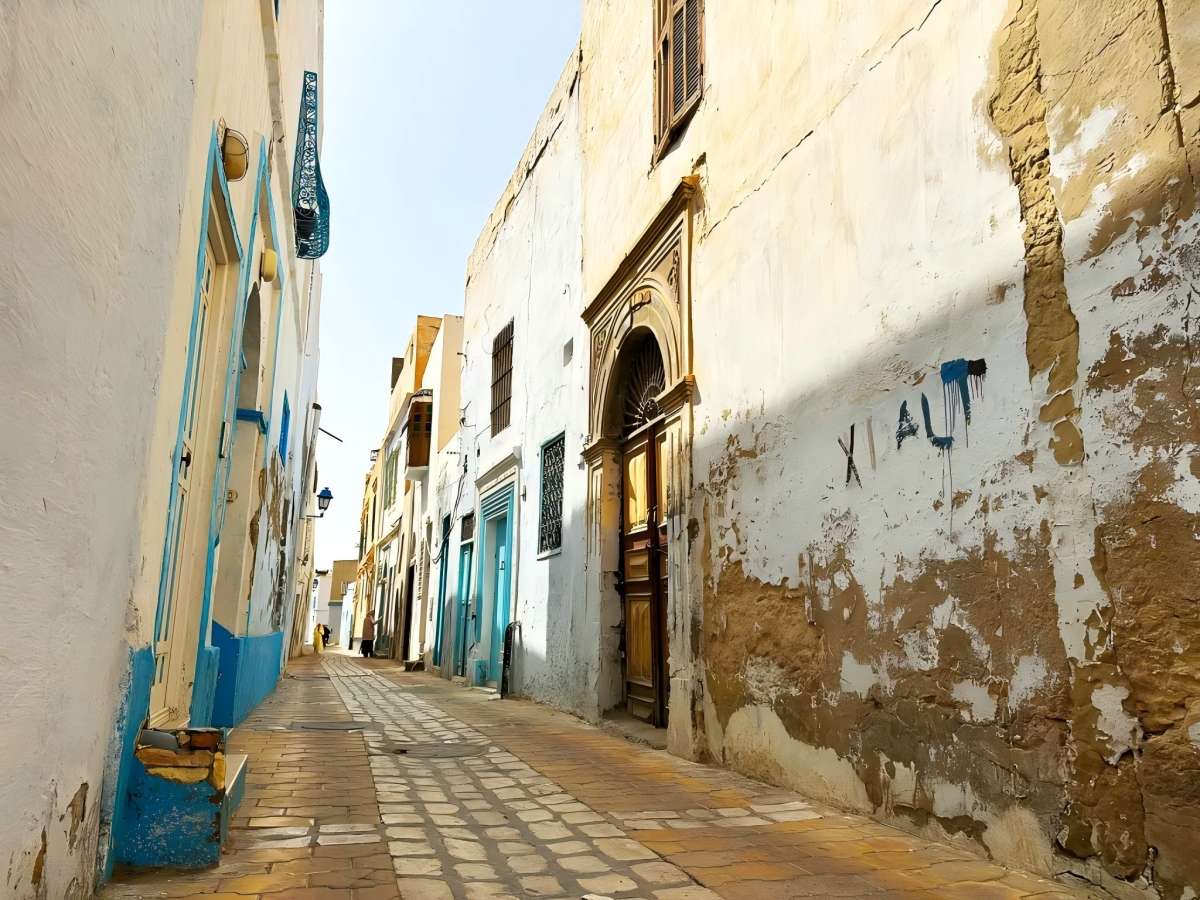
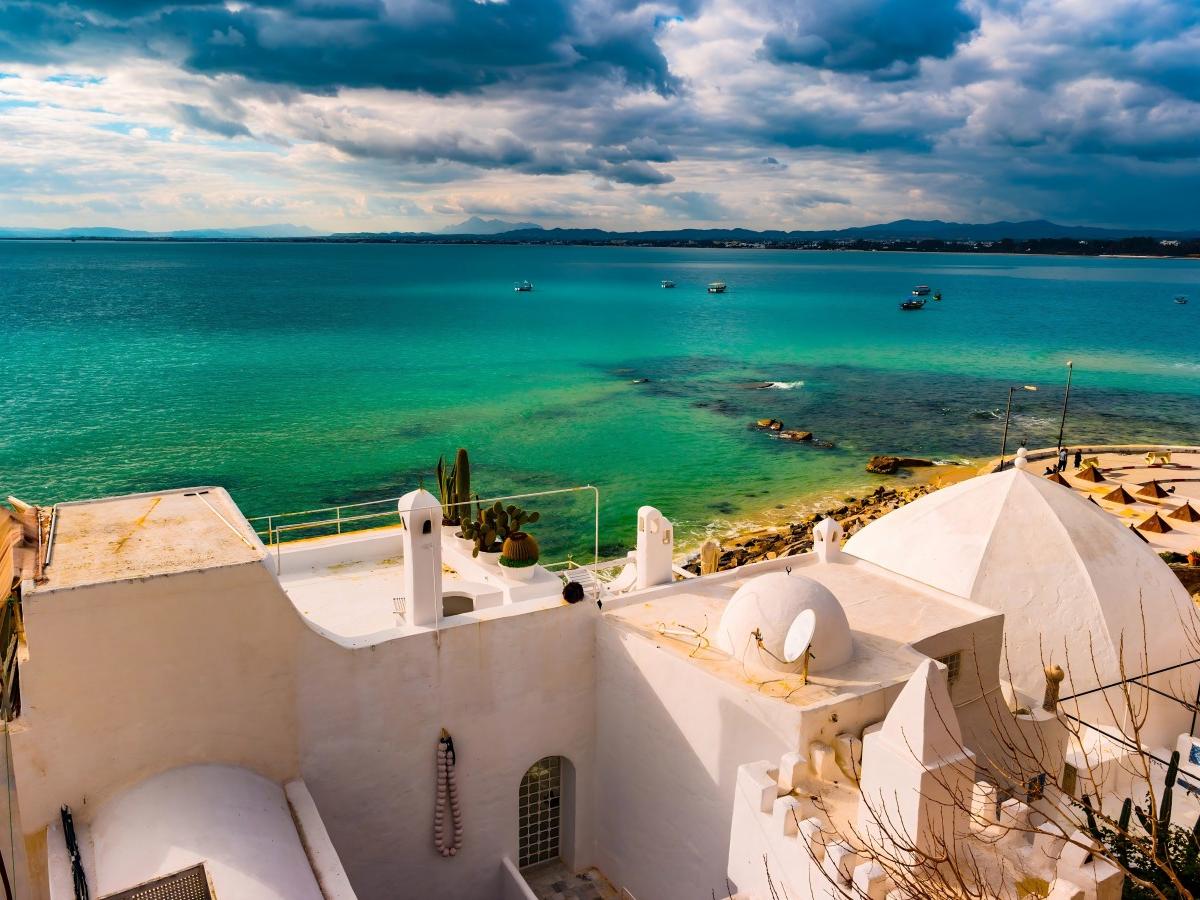
Old City of Hammamet: The fortress of Hammamet is surrounded by the charming Old City of Hammamet. The streets of the old city are narrow and winding, lined with traditional Arab buildings with white walls and blue Windows and bright colors. Walking in the old city, as if through time, back to that ancient era. The small shops along the street are full of special handicrafts, spices, leather goods and traditional costumes. Here, you can bargain with the enthusiastic shopkeepers and feel the rich Arab flavor. There are also many outdoor cafes and restaurants in the old city where you can sit back and enjoy a cup of fragrant Arabic coffee or a delicious meal of traditional Tunisian cuisine such as couscous, roast lamb and more.
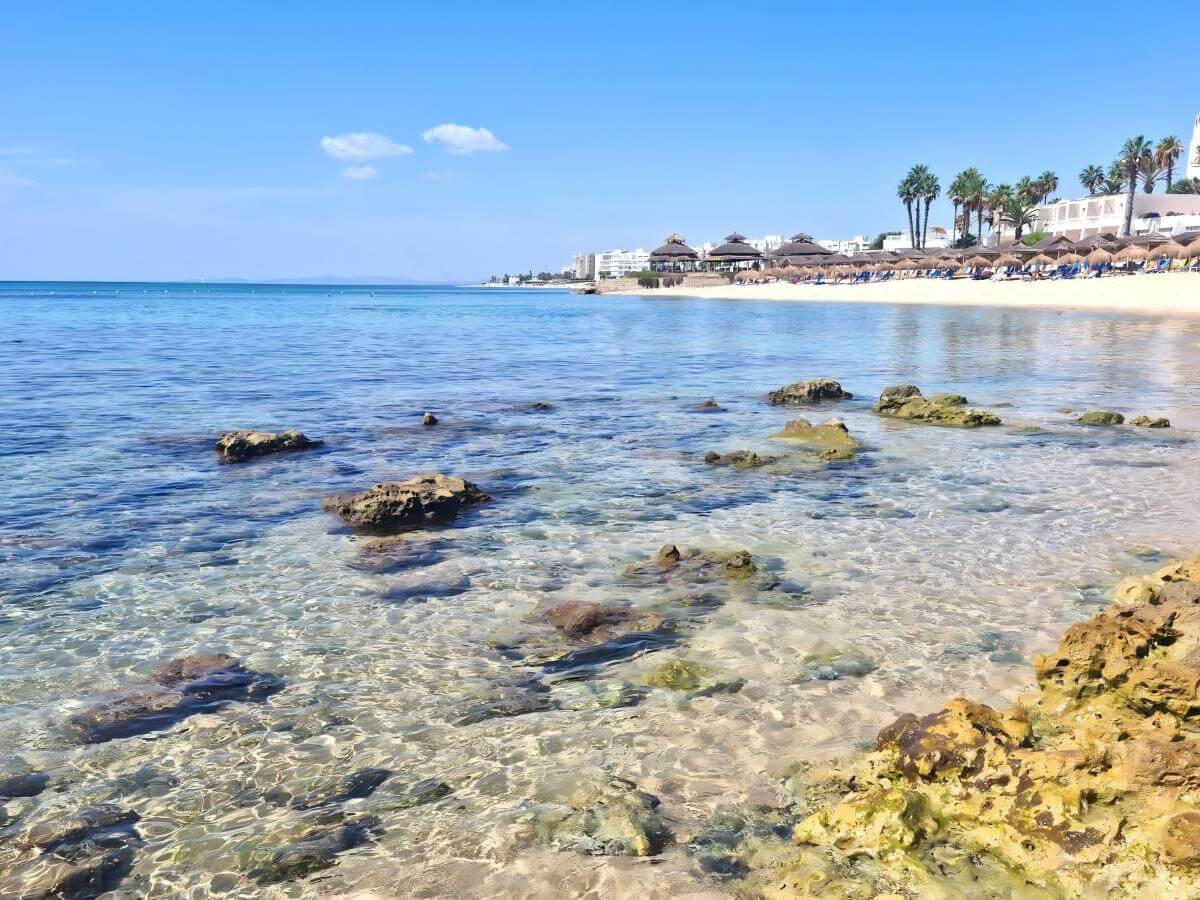
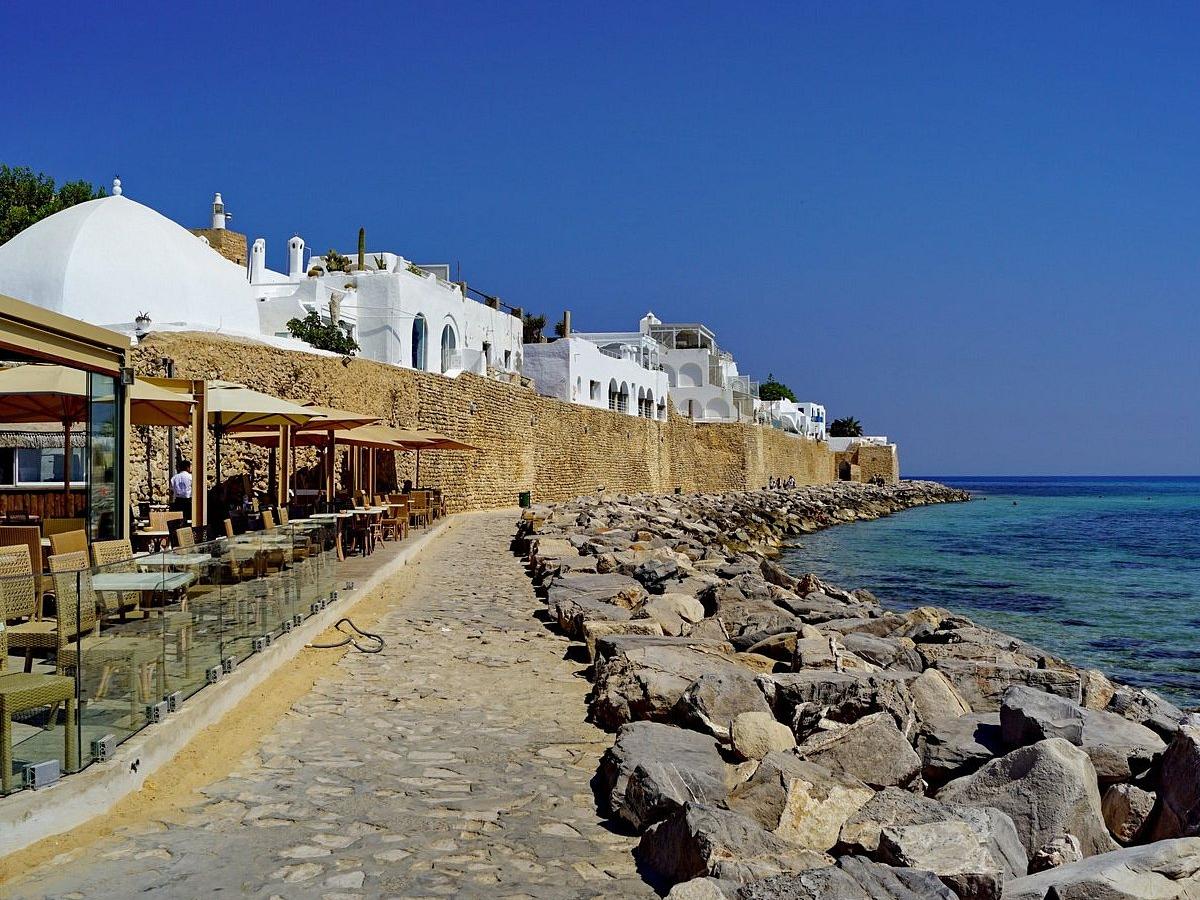
Seaside view: Hammamet is located on the Mediterranean coast, and the fort is just steps from the sea. Walk out of the fort and enjoy a beautiful view of the beach. Miles of golden sand, glistening in the sun. The water was crystal clear, as blue as a jewel, and the waves lapped gently against the shore, making a pleasant sound. Along the coastline, there are many beaches and resort hotels, providing tourists with a wealth of leisure and entertainment options. You can bask in the sun on the beach, play in the sand, or swim in the sea, surf, enjoy the Mediterranean sun and sea breeze. In the evening, the sunset, the afterglow will be the whole sky and sea dyed a piece of orange-red, the scenery is beautiful, let people linger.
Opening hours and tickets: Hammamet Fort is usually open during the day, the specific opening hours may change depending on the season, visitors are advised to check the relevant information in advance. The ticket price is relatively reasonable, and the specific cost can be consulted on the official website of the scenic spot or the scene. With the purchase of a ticket, visitors can enter the interior of the fort and see the historic site in all its aspects.
How to get there: If you are traveling to Hammamet from other Tunisian cities, there are several modes of transportation available. From the capital city of Tunis, the long-distance bus is a more affordable option, with frequent buses and views of the Tunisian countryside along the way. You can also choose to rent a car, so that the trip is more free and flexible, convenient for you to stop at any time to enjoy the beauty along the way. Upon arrival in Hammamet, the fort is conveniently located near the city center and can be easily reached from the city by taxi or on foot.
Visiting advice: When visiting Hammamet Fort, it is recommended that visitors reserve 2-3 hours in order to fully appreciate the historical features and architectural features of the fort. You can first walk around the city wall, feel its majestic momentum, and observe the various defensive facilities and architectural details on the city wall. After entering the interior of the fort, visit the barracks, weapons depot, living area, mosque and other different areas in turn to understand the functional layout and historical changes of the fort. At the same time, pay attention to the explanation in the scenic area (if any), or consult the relevant information in advance, so that you can better understand the historical story behind the fort. In addition, the surrounding old city of Hammamet and seaside scenery are not to be missed, after visiting the fort, you can arrange time to visit the surrounding attractions, enrich your travel experience.
Note: When visiting the fort, pay attention to the protection of cultural relics and the environment, do not touch or damage the building facilities. Because some areas inside the fort may be dark and the ground is uneven, pay attention to safety when walking. When shopping in the old city, you can properly negotiate with the shopkeeper, but pay attention to politeness and manner. When playing at the beach, pay attention to observe the relevant regulations of the beach, pay attention to safety, and avoid accidents.
Hammamet Fortress, a historical treasure outside Sousse, is not only an architectural site that has witnessed the changes of history, but also a window into the history, culture and traditions of Tunisia. When you step into this fortress, it's like traveling through time and having an intimate conversation with history. Here, you can feel the wisdom and charm of ancient architecture, and appreciate the cultural integration of different historical periods. Whether you are a history buff, an architecture fan, or a casual tourist, Hammamet Fortress is worth stopping in your travels to savor it and believe that it will leave you with an unforgettable memory.