
Advertisement
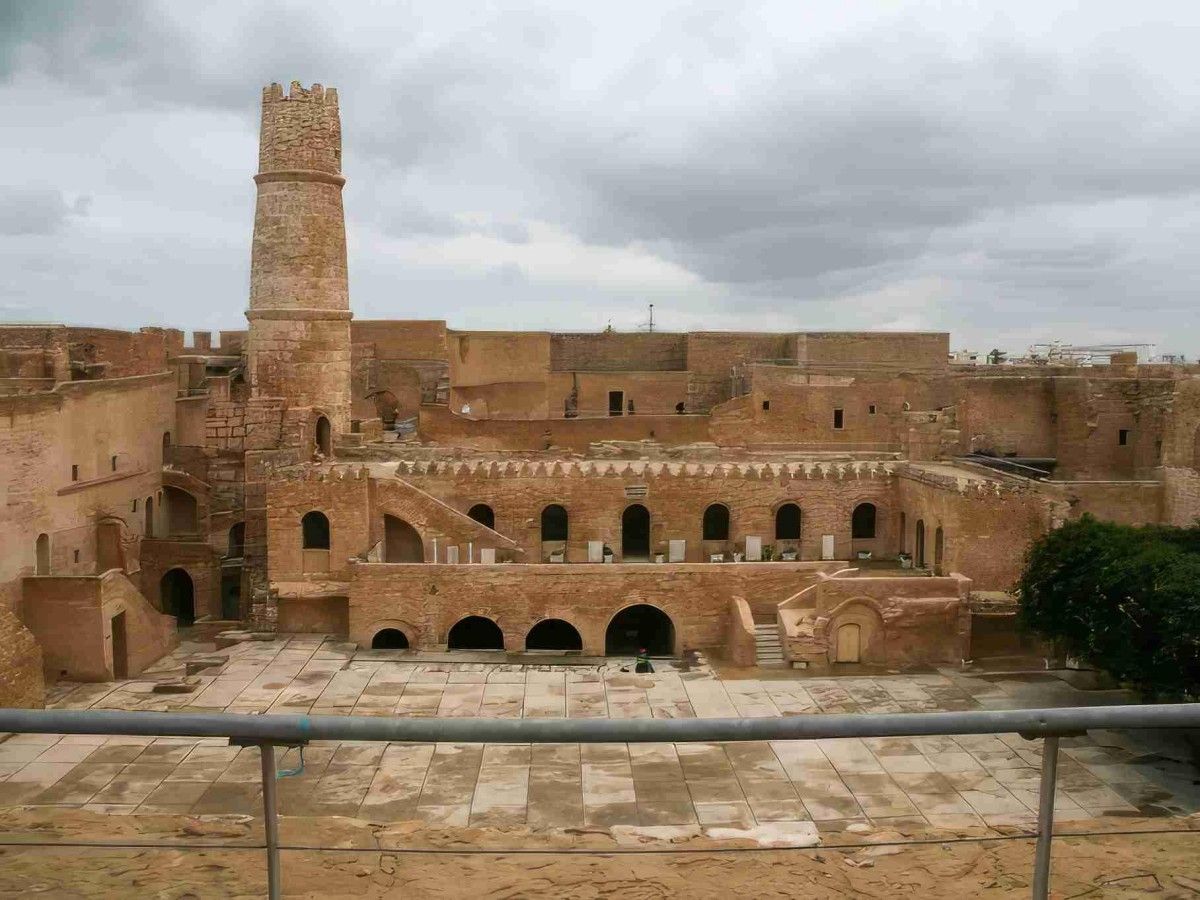
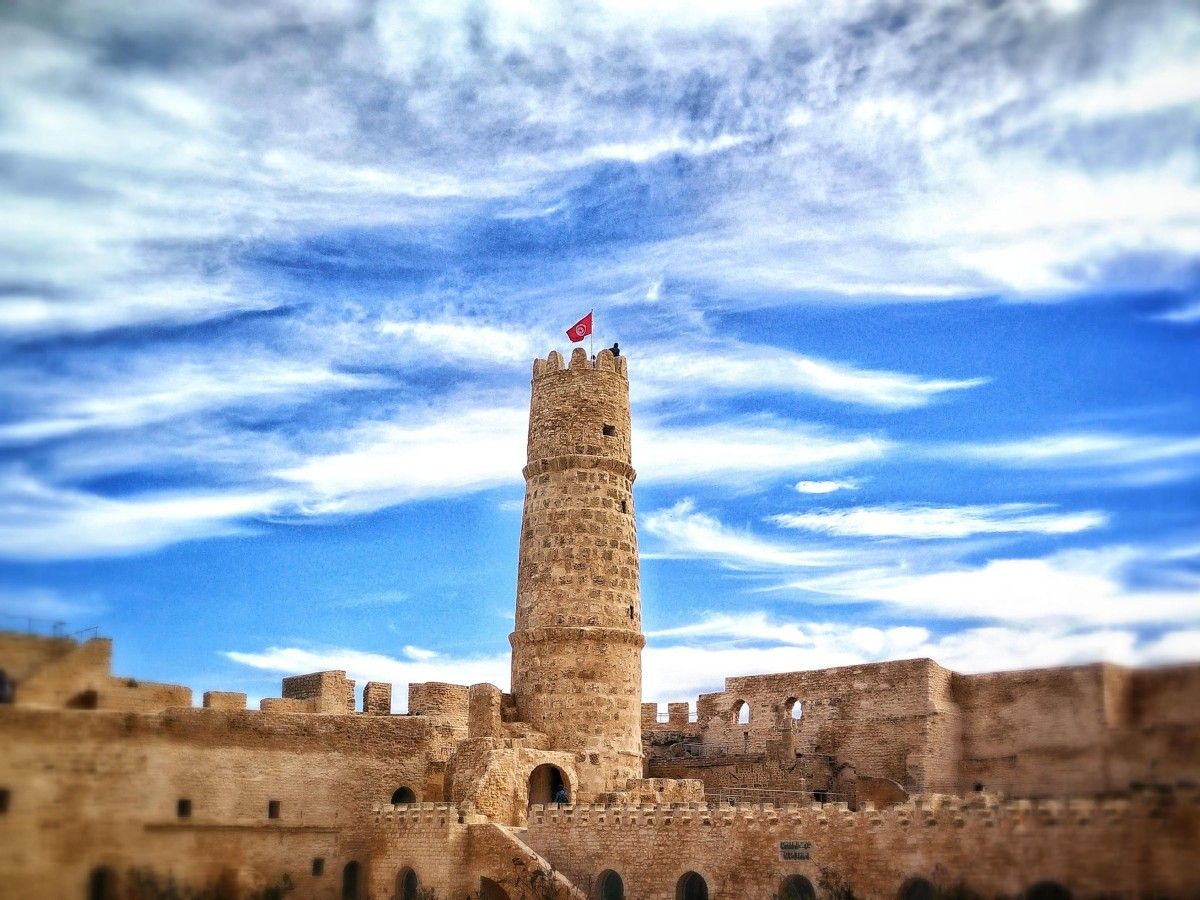
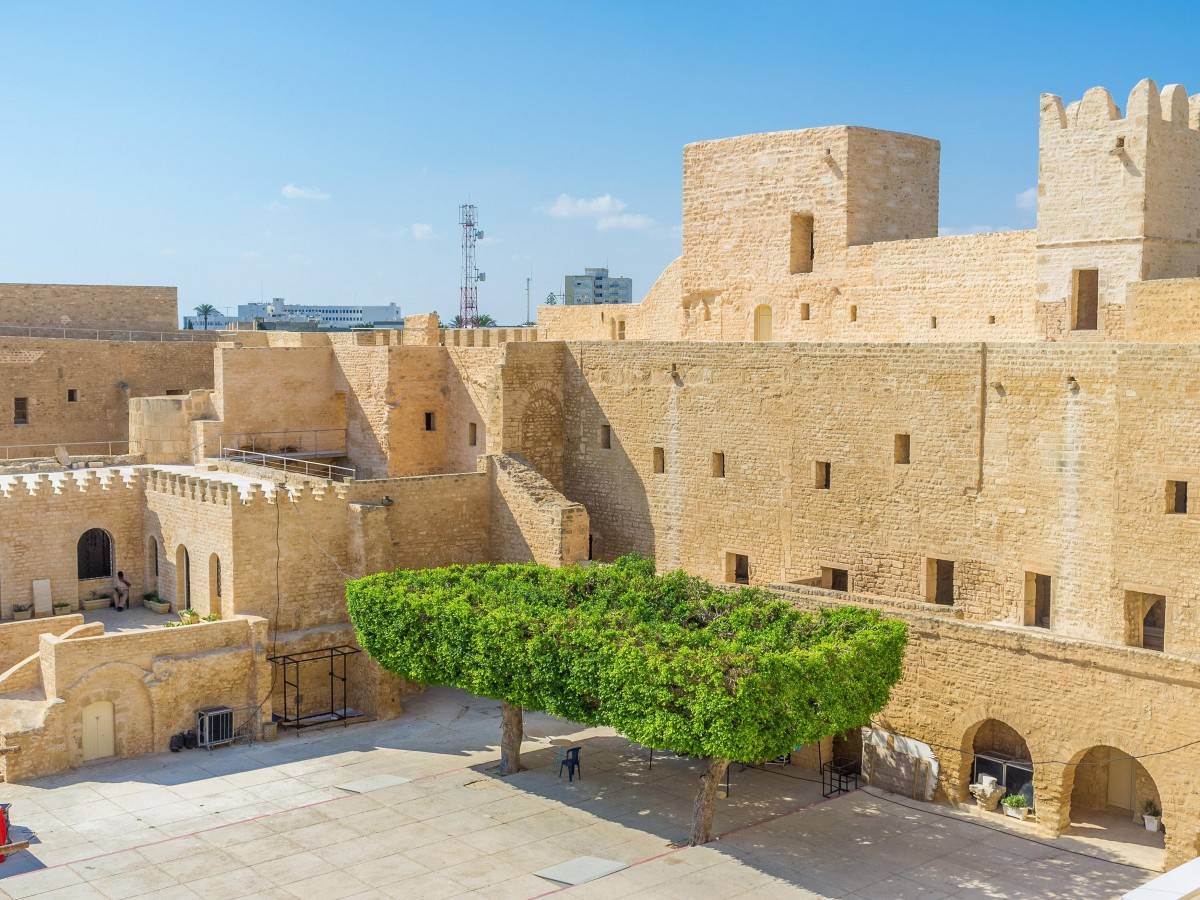
On the Mediterranean coast of Monastir, Tunisia, there is a thousand-year-old fortress frozen in time - Ribat Museum. It was once a military fortress of the Aghlabid Dynasty to resist foreign enemies, but now it has become a "living museum", wonderfully interweaving the prayers of the holy warriors, the sound of arrows breaking through the air and the exclamations of tourists. There are no glass display cabinets in regular museums here, but visitors can directly "break into" the life scenes of the 12th century: stepping on the stone slabs polished by time, touching the mottled arrow holes in the city walls, and even imagine the nervous expressions of the defenders overlooking the sea under the dome. But if you only have 30 minutes? Don't panic, this "ultimate clearance" strategy will take you to unlock the most shocking soul slice of Ribat in the shortest time.
Advertisement
5-minute quick view: Observation Deck - the thousand-year-old eyes of the Mediterranean
Advertisement
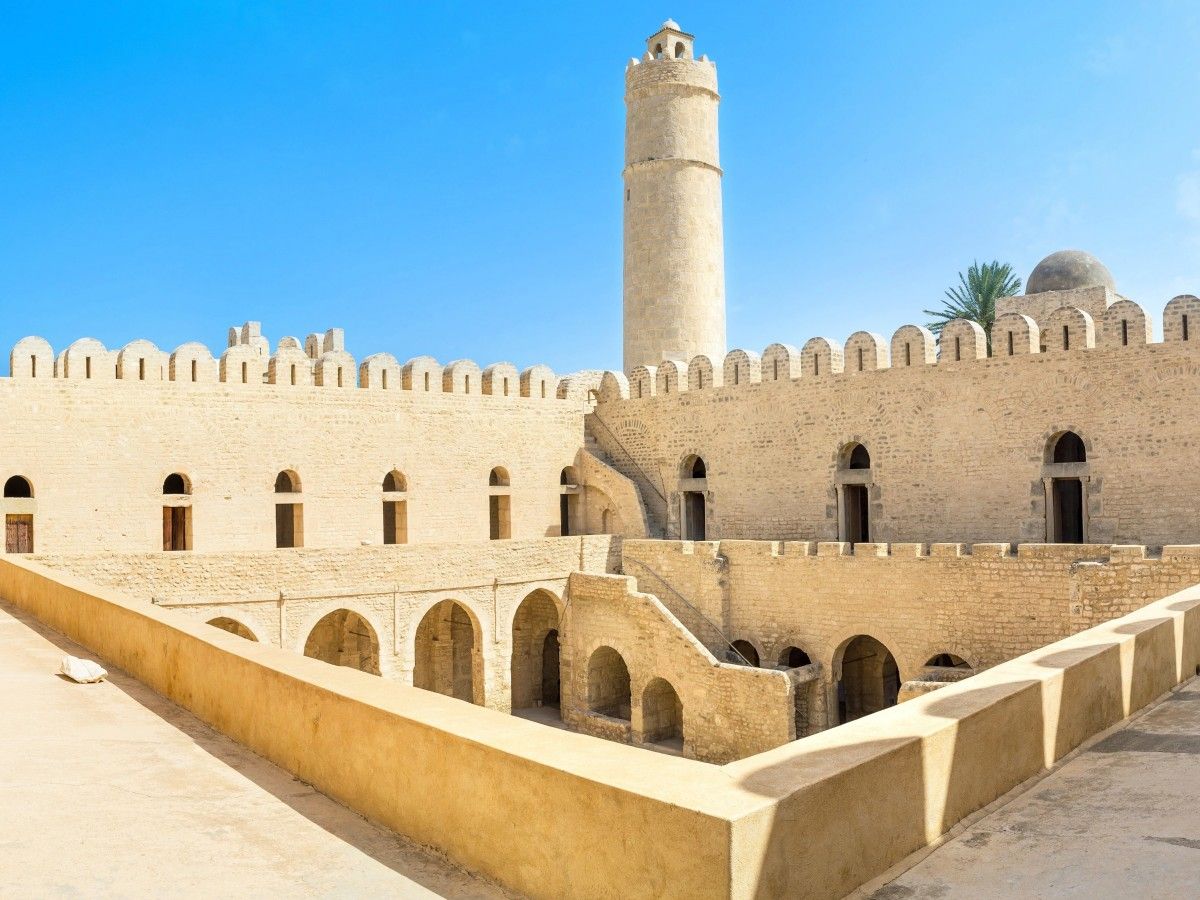
Starting counterclockwise from the entrance, the first stop is the observation deck in the southeast corner. This 15-meter-high tower is the "visual heart" of Ribat. The spiral staircase leading up is narrow and steep, but it hides surprises - the walls of each floor are engraved with graffiti of the defenders of past generations, from simple cross marks to abstract geometric patterns, like a wordless battlefield diary. After reaching the top, the scene in front of you will make you hold your breath for a moment: the blue of the Mediterranean and the orange-red roofs of Monastir spread under your feet, and the geometric cutting of the observation hole makes the view like a natural picture frame. Hidden tips: Use a mobile phone to shoot through the arrow hole to take a unique "picture-in-picture" composition. If you post it on WeChat Moments, you will definitely be asked about your location!
8 minutes of immersion: Prayer Hall - a symbiotic field of faith and force
After going down the tower, go straight to the prayer hall on the west side, which was once the spiritual fortress of the holy warriors. The dome is supported by 24 marble columns, and the column body is covered with Islamic geometric patterns, but the most shocking thing is the light and shadow game - at noon, the sun will shine through the star-shaped air windows of the dome, projecting rotating light spots on the ground, as if a miracle has come. Cultural Easter Egg: Pay attention to the mosaics on both sides of the mihrab (the niche that points to the direction of Mecca). In one corner, there is a Christian cross that was mistakenly used during the restoration in the 13th century. This is the humor of Arab craftsmen who "make the best of a bad situation".
If time is tight, you can skip the armories on both sides (mostly replicas) and go straight to the relief of the "Code of the Holy Warrior" on the north wall - it is engraved with "loyalty is a shield" in Arabic and Berber, and a deep crack at the bottom of the relief is said to be a "medal" from the bombardment of the Spanish in the 16th century.
7-minute adventure: Underground secret room - a damp thousand-year memory
Go down the steps from the side door of the prayer hall and enter the most mysterious underground space in Ribat. It used to be a granary, a water cellar and a temporary prison, and it is still filled with the smell of damp soil. Use a flashlight (rental in the museum) to illuminate the wall, and you can see dense grooves - these are traces of torches hanging in the past, and some corners even have traces of burnt charcoal. Curious experience: In the "confession room" (actually a confinement room) in the northwest corner, reach out and touch the deep and shallow marks on the stone wall. Some people speculate that it is a countdown made by prisoners with their fingernails, while others believe that it is the number of prayers recorded by the holy warriors.
At the end of the underground passage, there is a blocked ancient well. Legend has it that it is connected to the tunnel of Tunis City, but now only the iron chain hanging down at the wellhead remains. If you hear the footsteps of tourists above your head, you might as well stop and listen - this is Ribat's unique "stereo sound effect", where history and reality overlap.
5-minute sprint: Strolling along the city wall - touching the texture of war
After returning to the ground along the original route, quickly detour along the east side of the city wall. This section of the city wall is the "skin" of Ribat, covered with scars of war: arrow holes of different sizes (large holes for close combat and small holes for long-range), the battlements are worn out with arc-shaped depressions (caused by soldiers leaning on them for many years), and even a section of the city wall is embedded with half of an Ottoman artillery shell. Recommended photography spots: At the bend of the northeast corner of the city wall, take a silhouette with the minaret as the background. The silhouette under the backlight looks like a medieval knight.
If there is still time, you can drill into the "machine gun eye" in the middle of the city wall - this is an observation hole added during modern restoration, but the original arrow hole is deliberately retained. Looking at the sea from a double perspective, it seems that you can see the souls of the holy warrior and the photographer toasting in the intersection of time and space.
5-minute Easter egg: hidden camera positions and cold knowledge
Best farewell photo: The ancient well next to the exit is not a decoration! Crouching down and shooting upward from the well mouth, you can frame the dome, the city wall and the blue sky in the same picture, which can be called the "Eye of Ribat".
Cold knowledge: Ribat's toilet (located behind the prayer hall) is the oldest existing public toilet in Tunisia, and the drainage system is still working today - of course, it is now protected by a glass cover.
Pitfall avoidance reminder: If you encounter a "passionate" local who takes the initiative to lead the way, just politely refuse (they may ask for a tip).
Route optimization: Tour in the order of "observatory → prayer hall → underground chamber → city wall → exit" counterclockwise to avoid repeating the route.
Advertisement
Stamina allocation: The city wall section needs to climb uphill, and it is recommended to put the underground chamber in the middle section to buffer the physical strength.
Emergency plan: If there are only 15 minutes left, go straight to the observatory + prayer hall dome. These two points have concentrated 80% of the essence of Ribat.
When the sunlight at the exit covers your body again, you may be in a trance: Did the 30 minutes just now travel through thousands of years, or were they frozen at this moment by thousands of years? This is the magic of Ribat Museum-it does not provide standardized historical answers, but makes every brick and stone, every light and shadow become the questioner. Next time someone asks: "Is Tunisia worth a special trip?" You can smile and hold up the photo of the Mediterranean Sea taken through the arrow hole in your mobile phone: "Look, this is the answer."